The Story Behind
A Harvard Square Landmark, Completely Reimagined for Modern Life
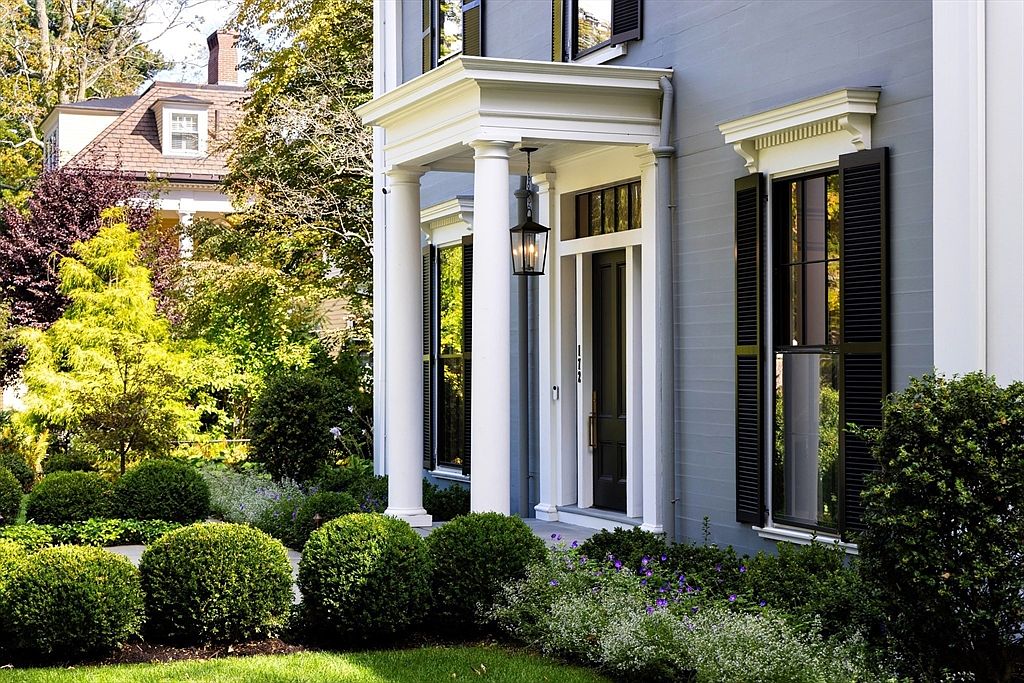
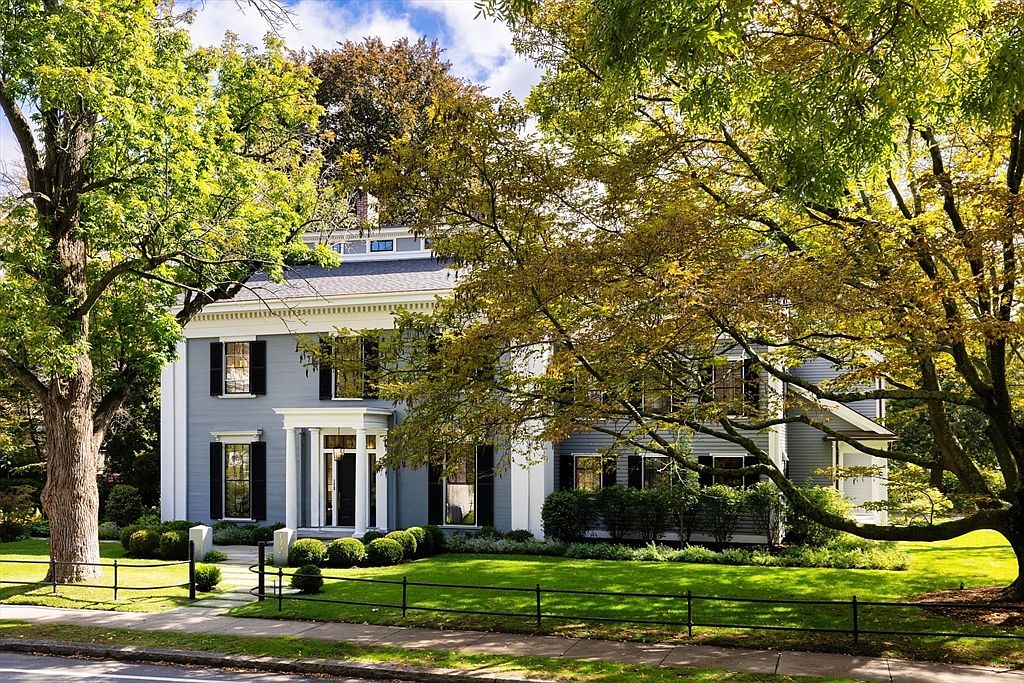
There is a particular kind of ambition that goes into a renovation of this caliber—one that refuses to choose between the romance of the past and the demands of the present. At 172 Brattle Street, that ambition is fully realized. A respected local builder undertook a complete transformation of this historic residence, stripping it back to its bones and rebuilding it with a clarity of vision that is immediately apparent the moment you step through the front door.
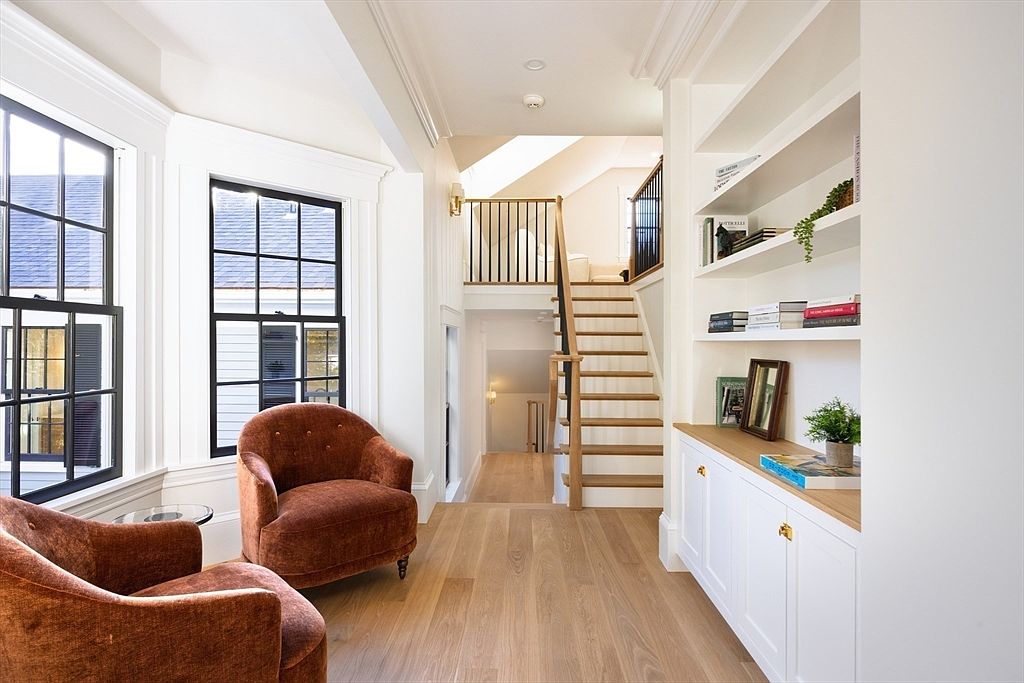
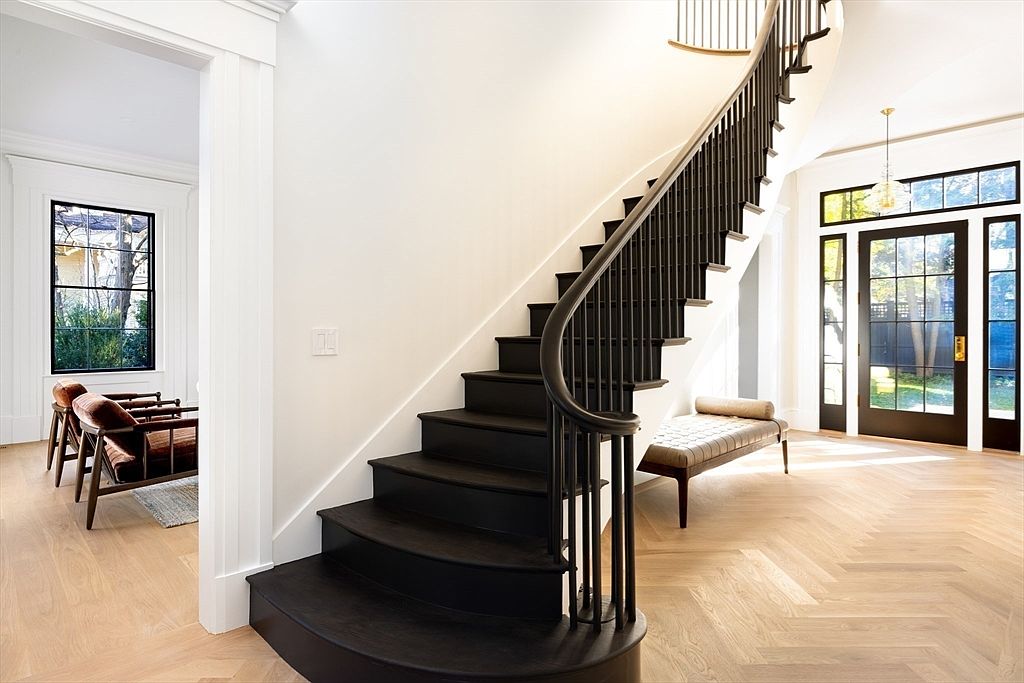
The entry sets the architectural tone without apology. A grand staircase rises beneath soaring ceilings, its dark wood treads and black metal balusters offering a precise counterpoint to the crisp white walls and warm herringbone hardwood flooring that radiates in every direction. This is a home that understands the power of contrast—light against dark, old against new, intimate against expansive—and wields it with consistent sophistication.
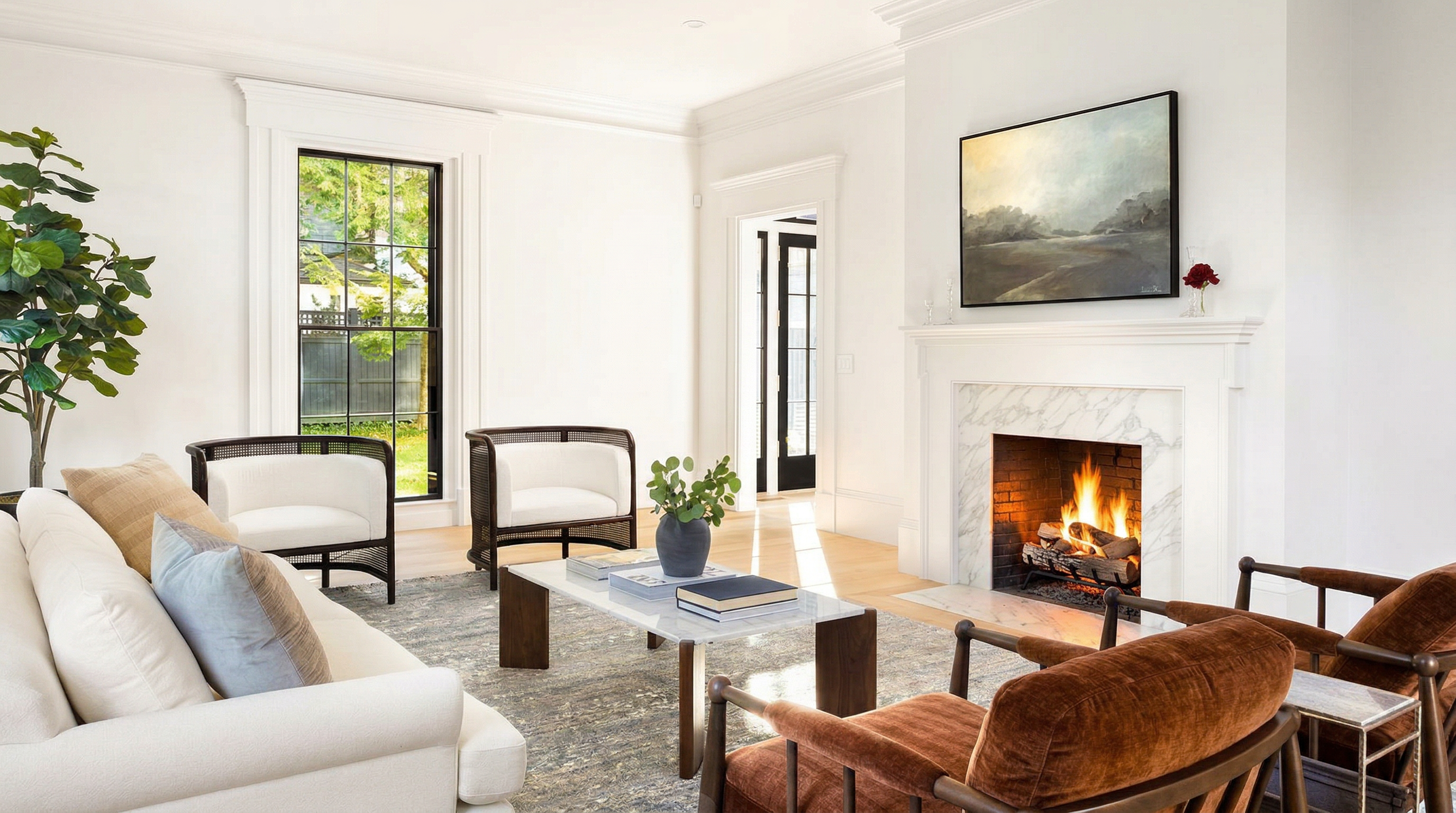
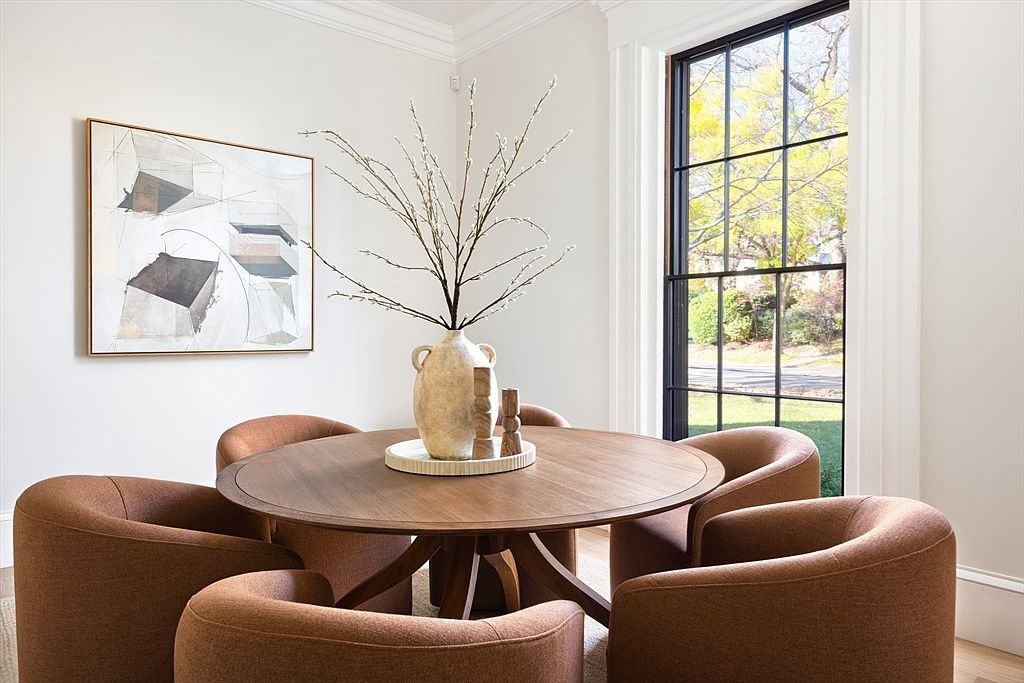
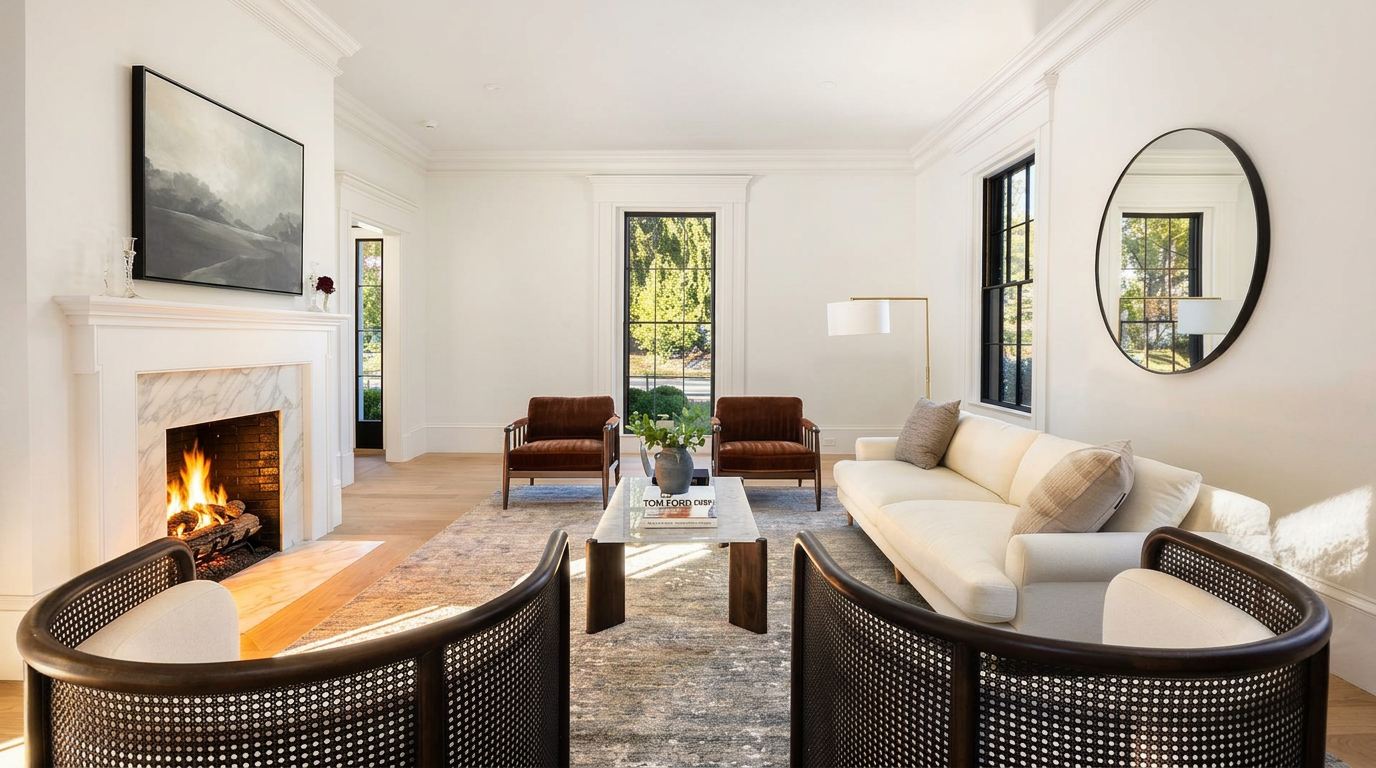
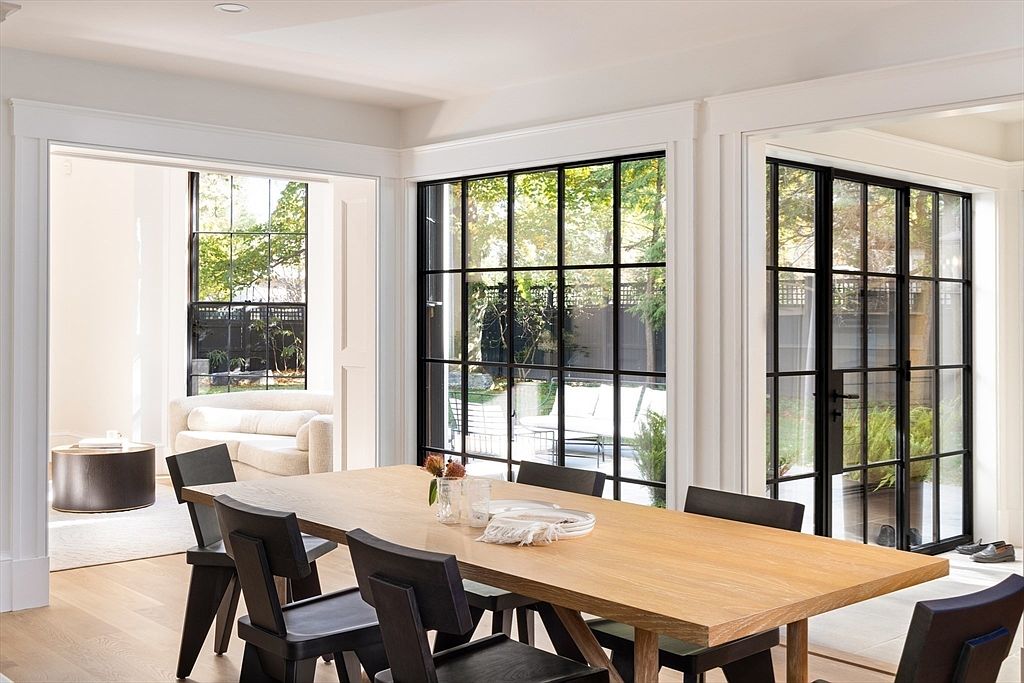
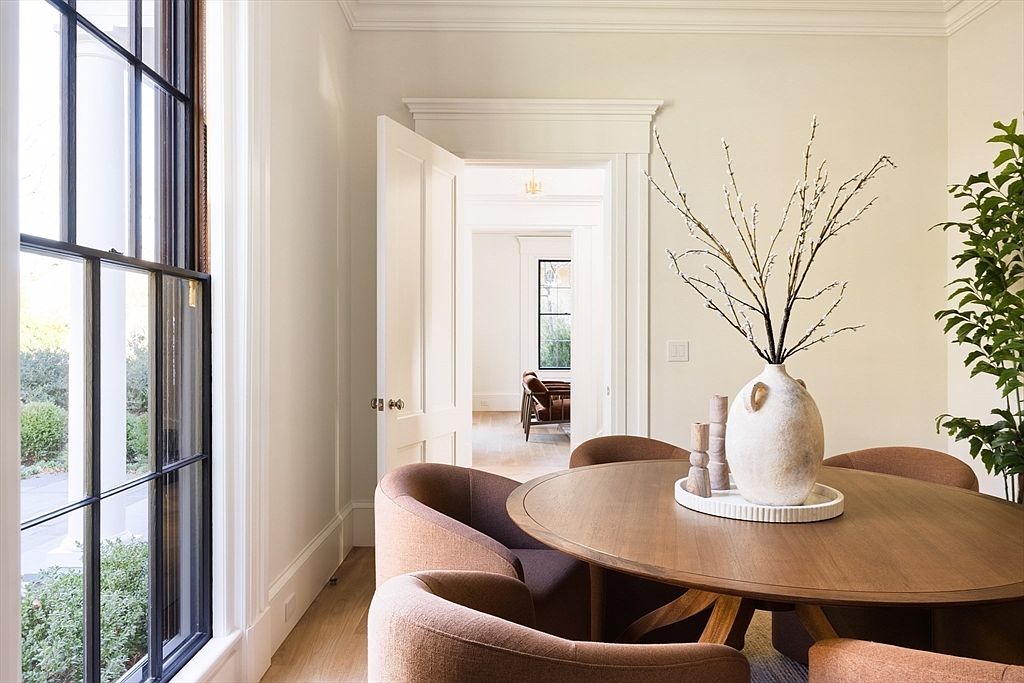
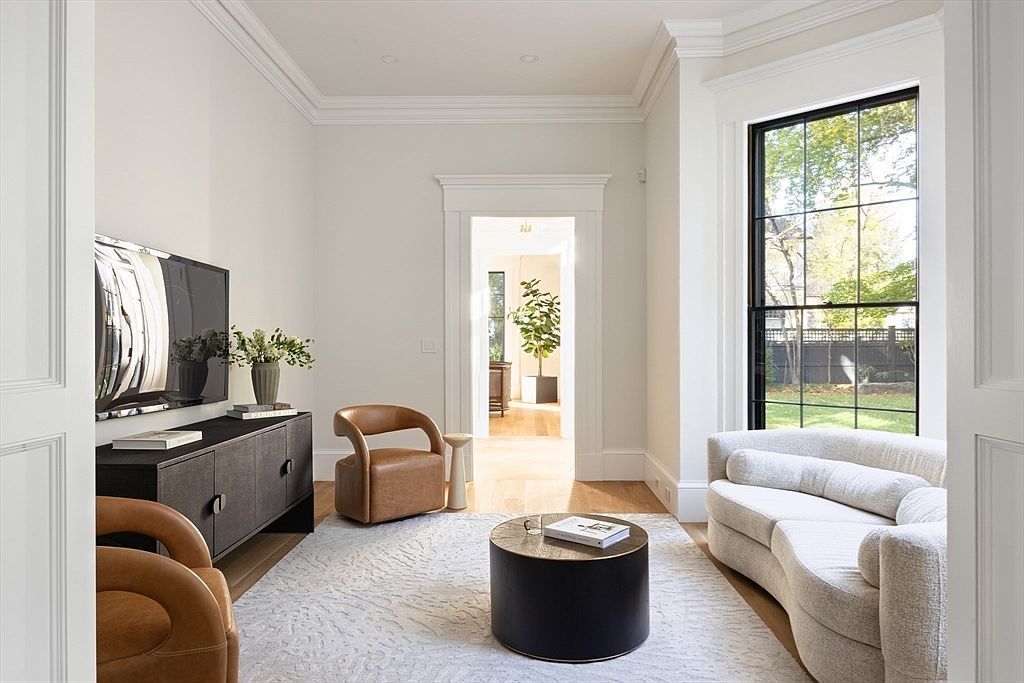
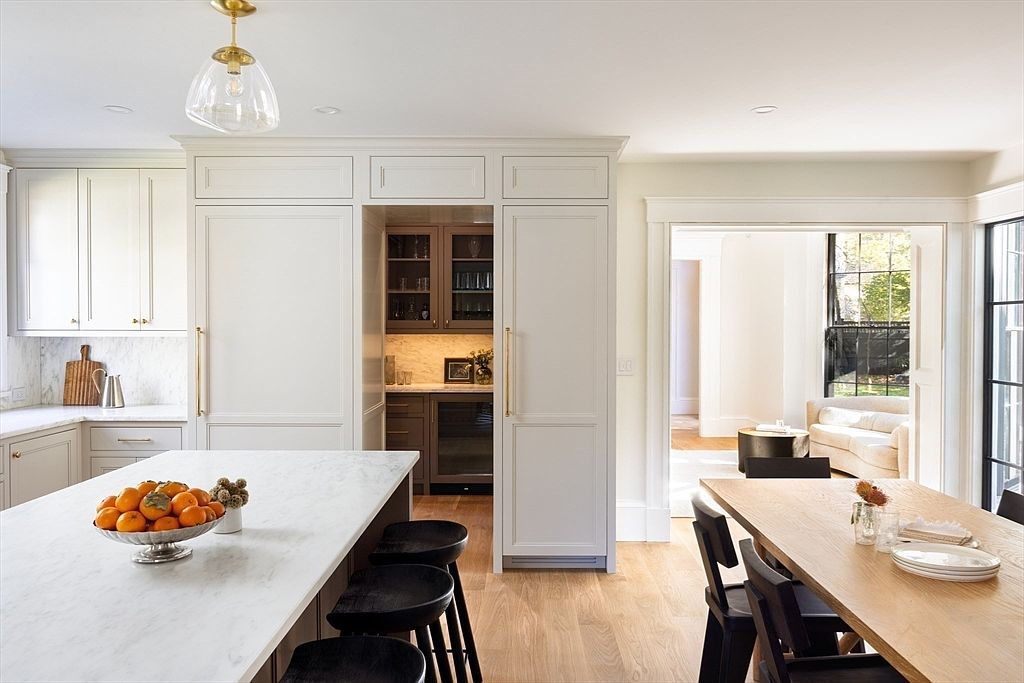
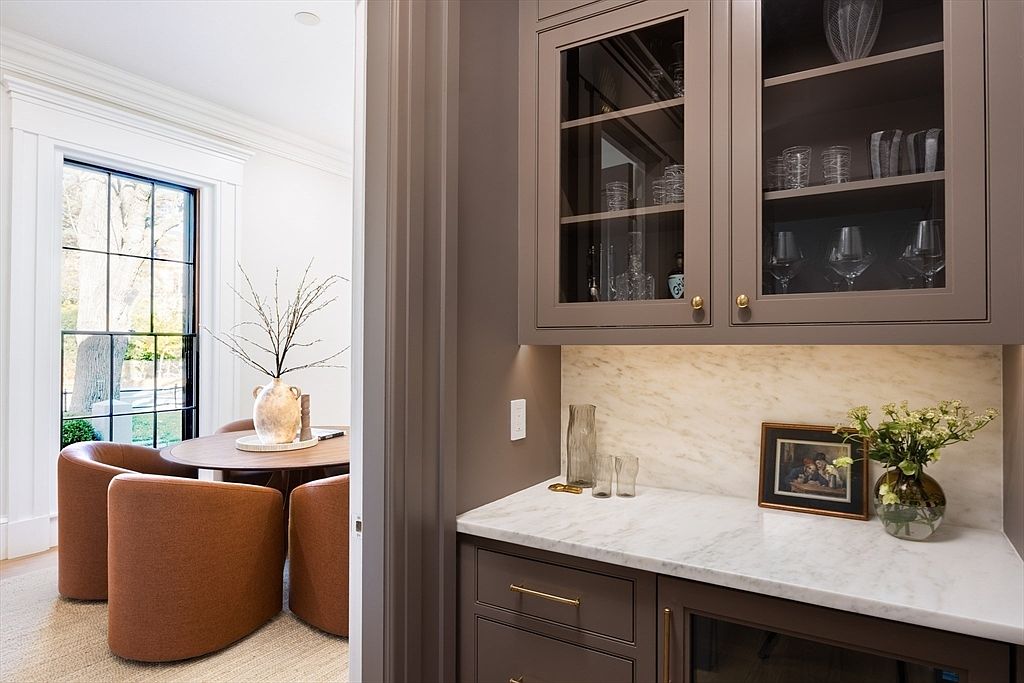
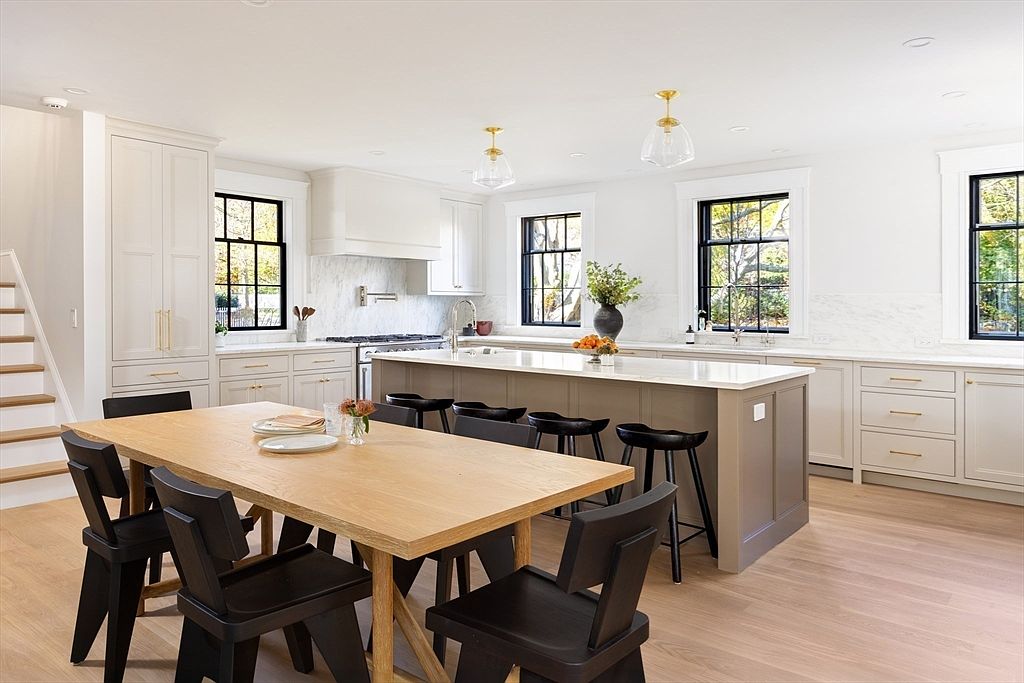
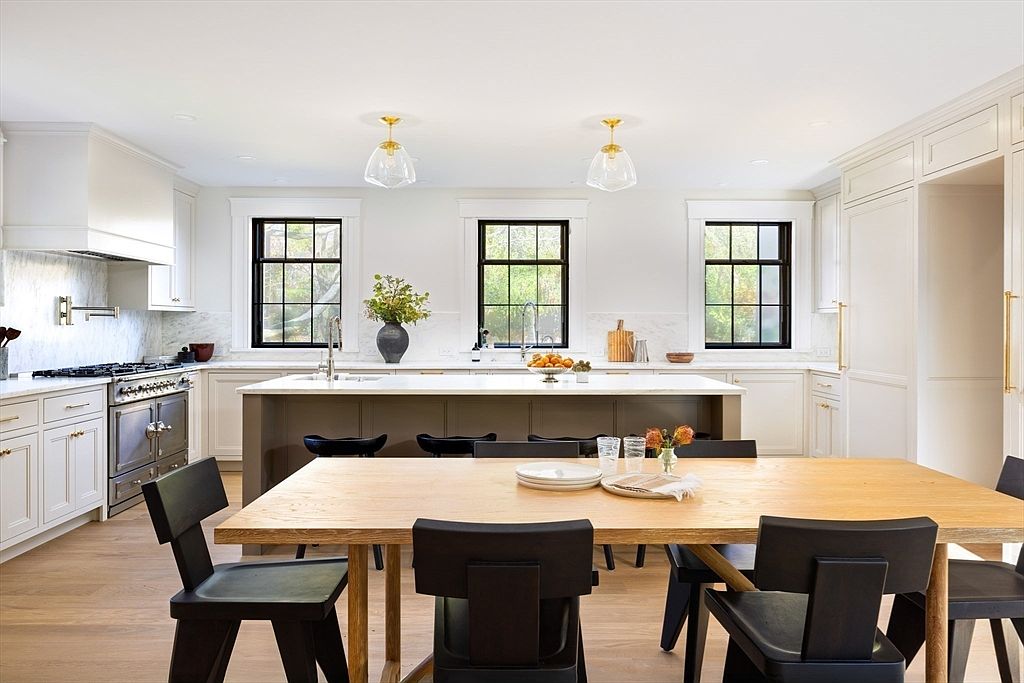
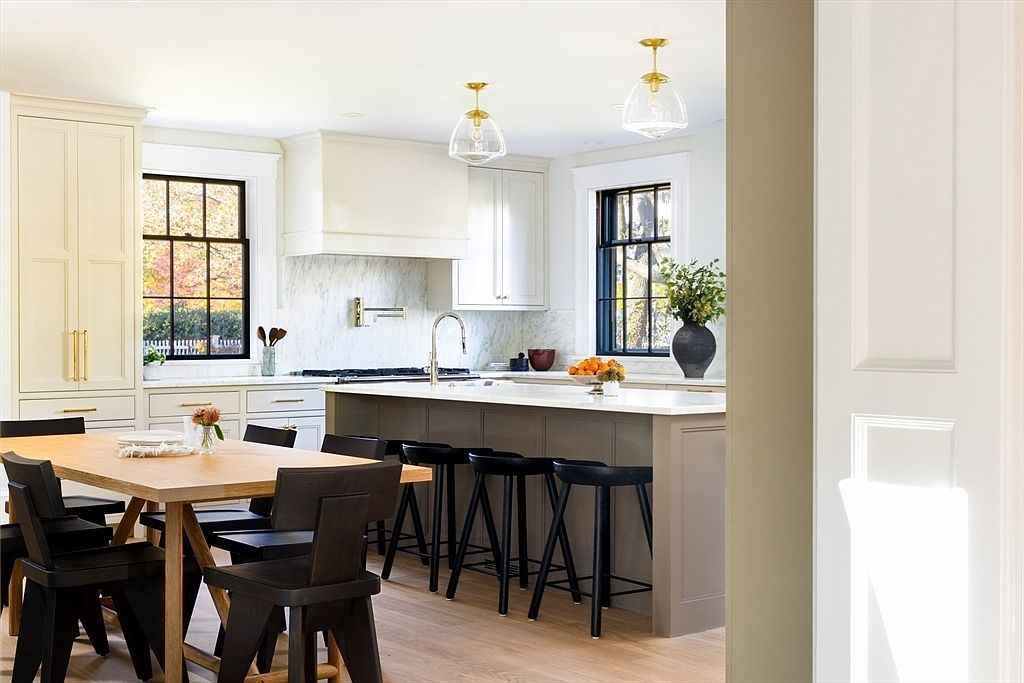
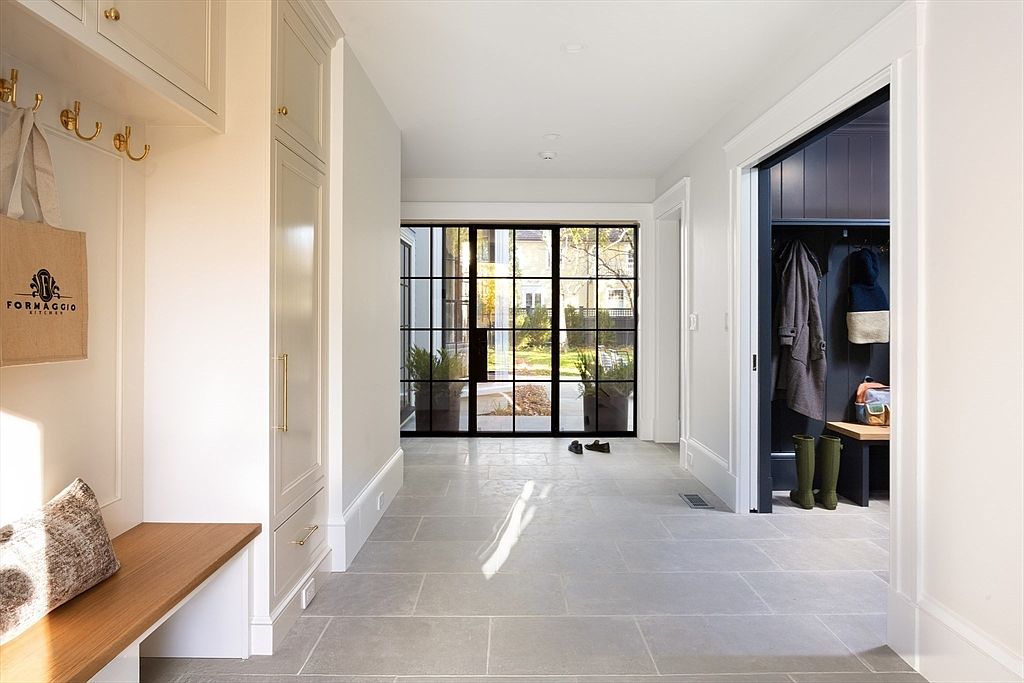
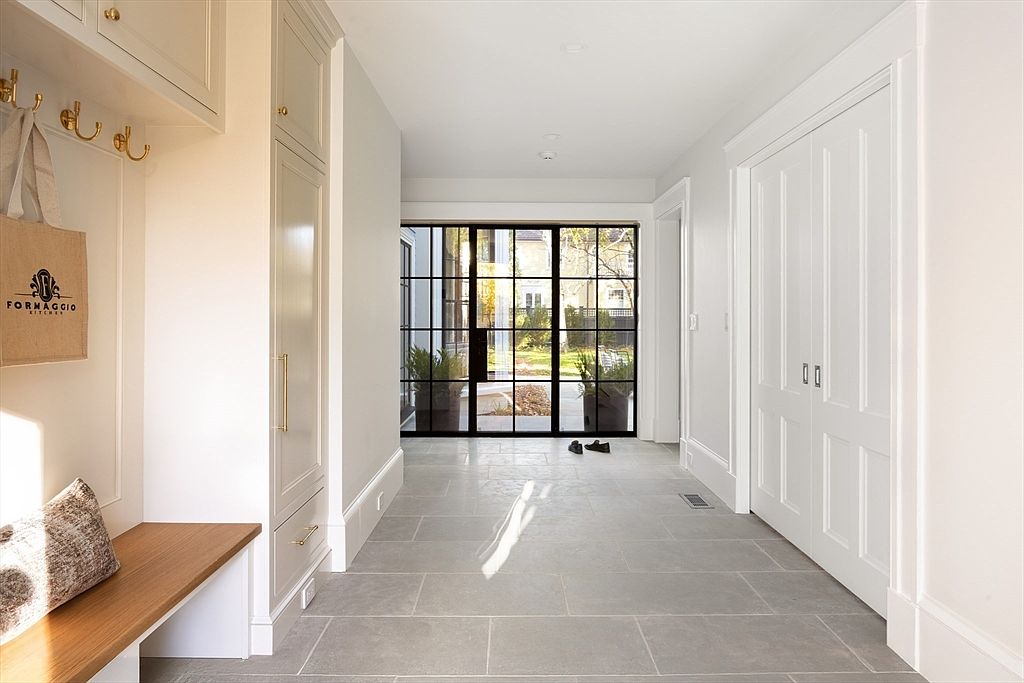
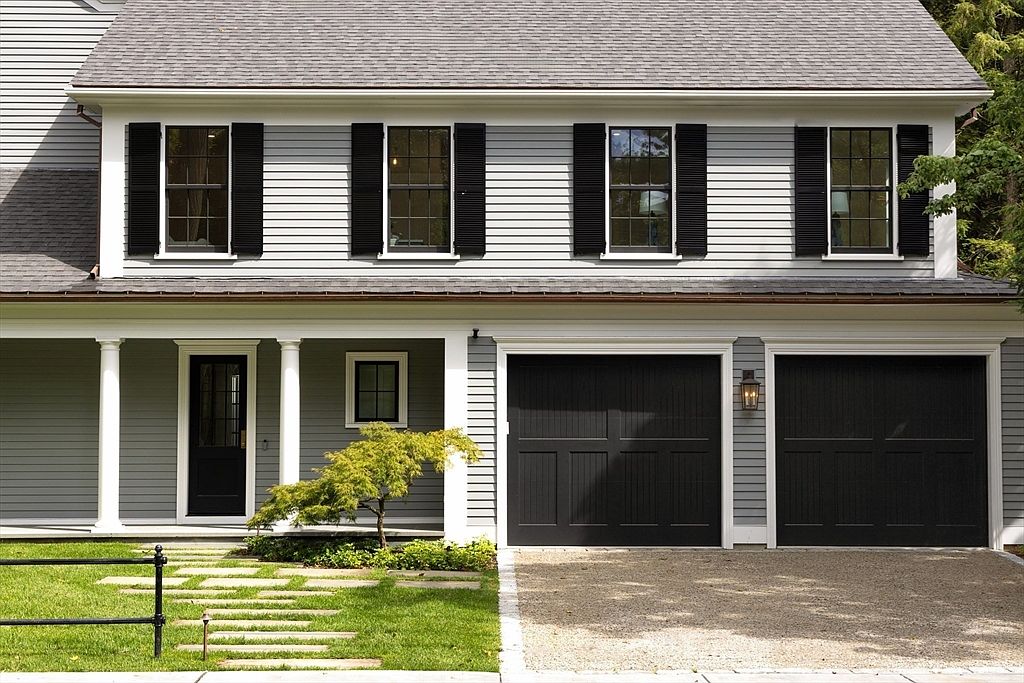
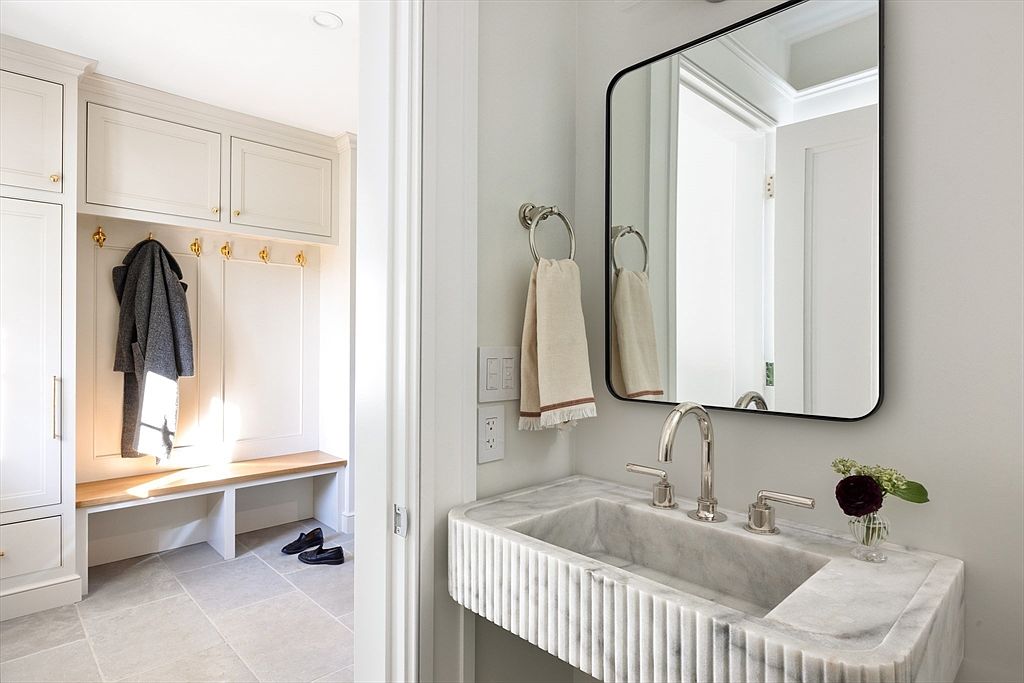
The main floor is organized around the rhythms of daily life at its finest. Spacious living and dining rooms flow with an ease that belies their generous proportions, each finished with the kind of restrained detail that speaks to true craftsmanship rather than mere decoration. The chef's kitchen is the heart of the home in the most literal sense: a large central island with dark cabinetry grounds the space, while cream-toned perimeter cabinets and marble countertops extend the palette upward. Glass pendant lighting, black-framed windows flooding the room with natural light, and a seamless connection to an adjacent family room create an environment equally suited to a quiet Tuesday morning and a dinner party of twenty. A concealed butler's pantry with a wine refrigerator and custom cabinetry adds a layer of functional elegance that discerning buyers will immediately appreciate. An oversized mudroom connects directly to the attached garage—a detail that reveals the builder's commitment to practical luxury rather than purely aesthetic gesture.
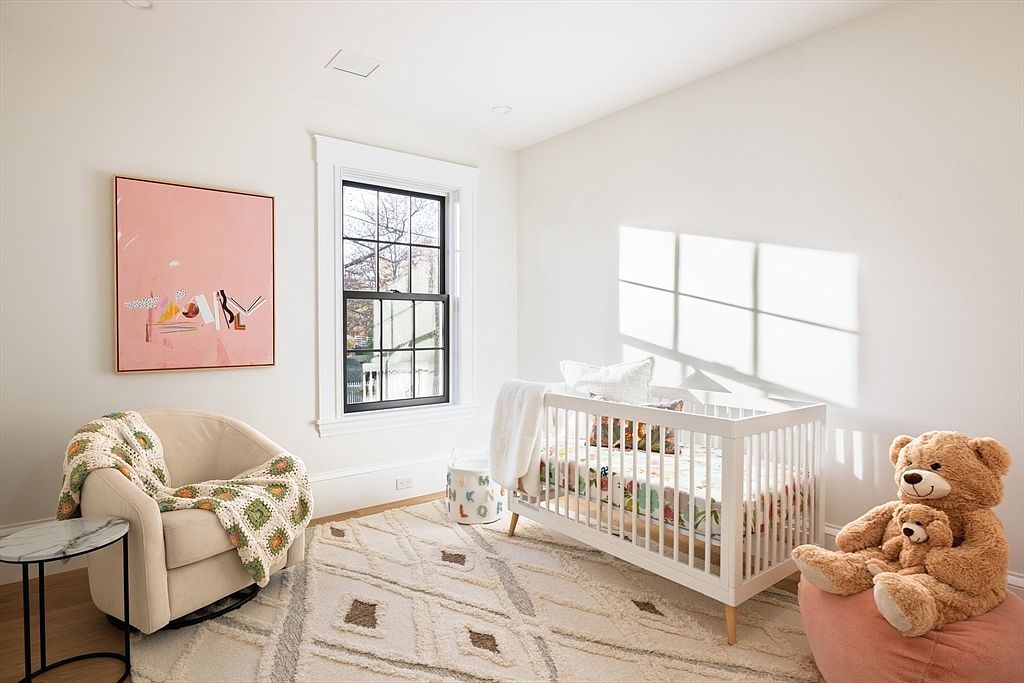
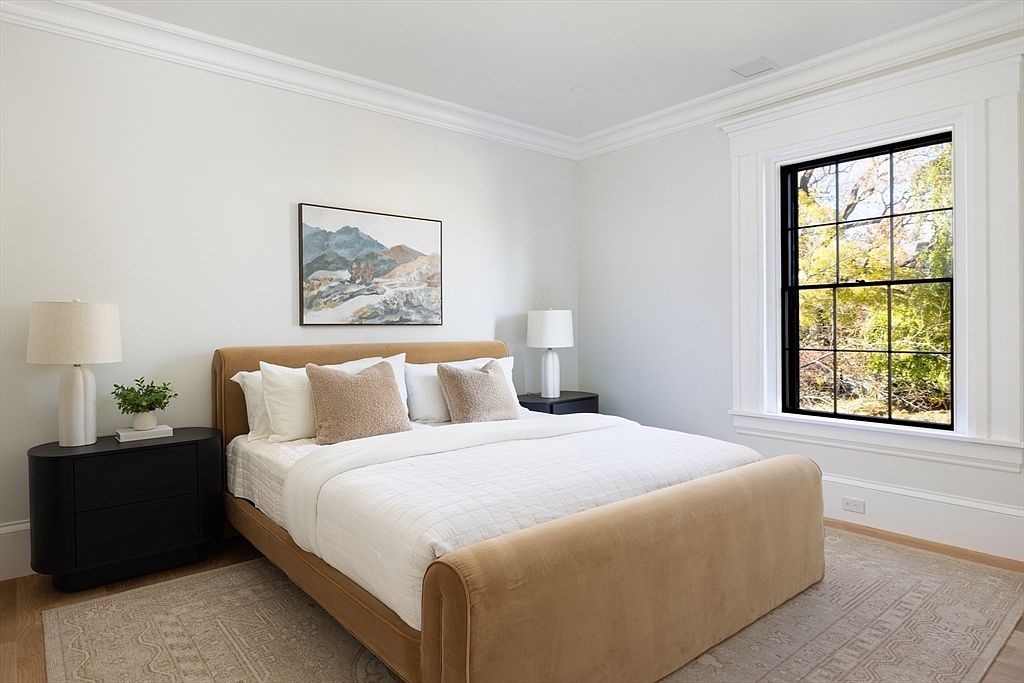
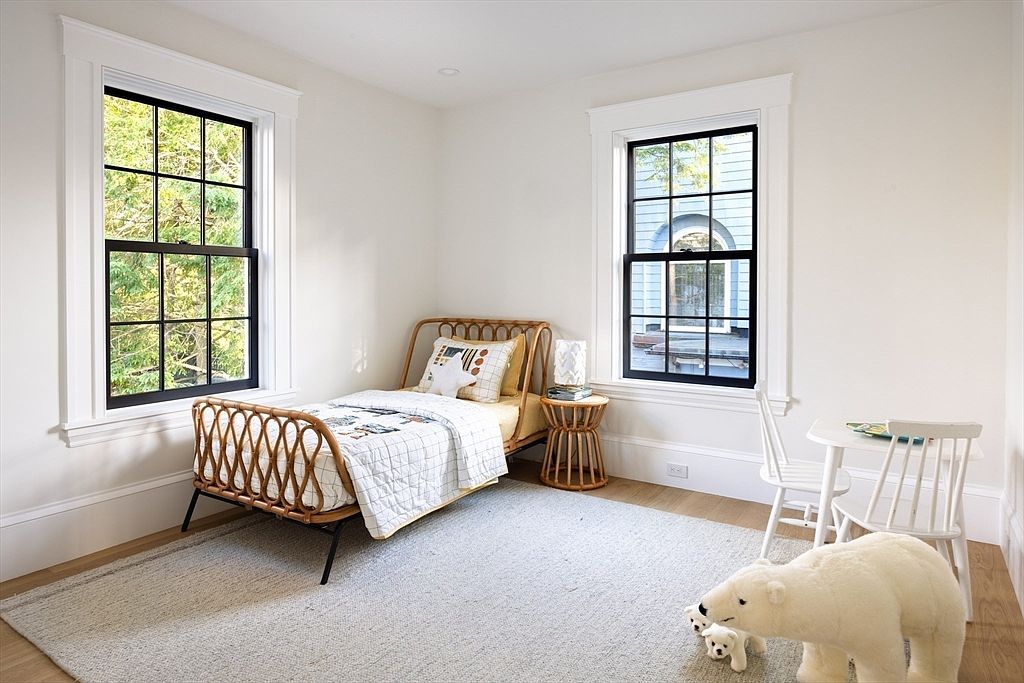
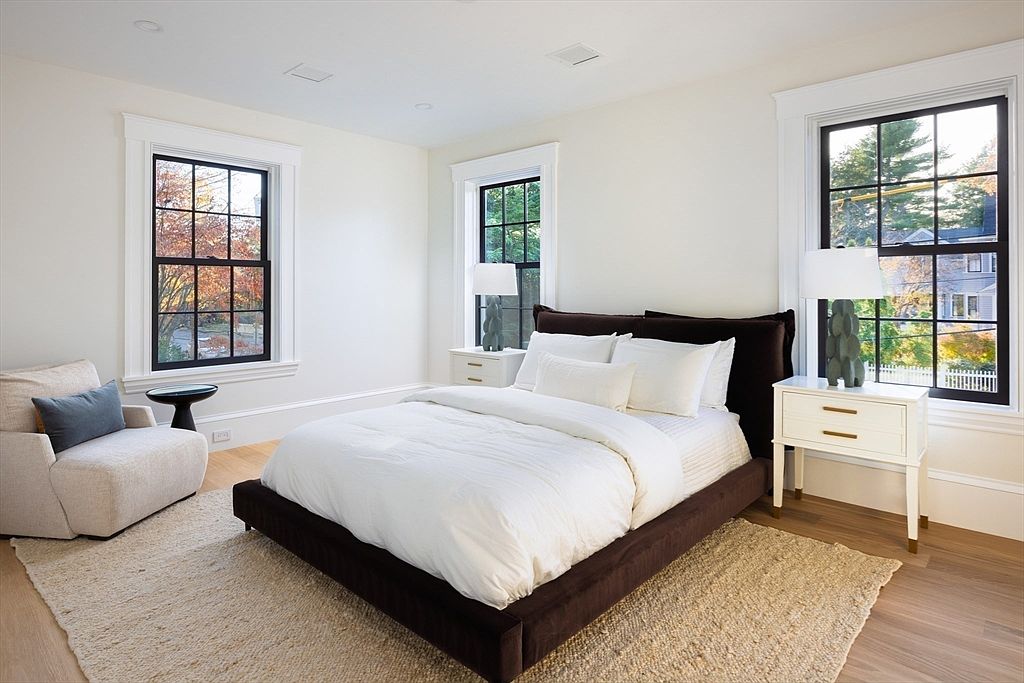
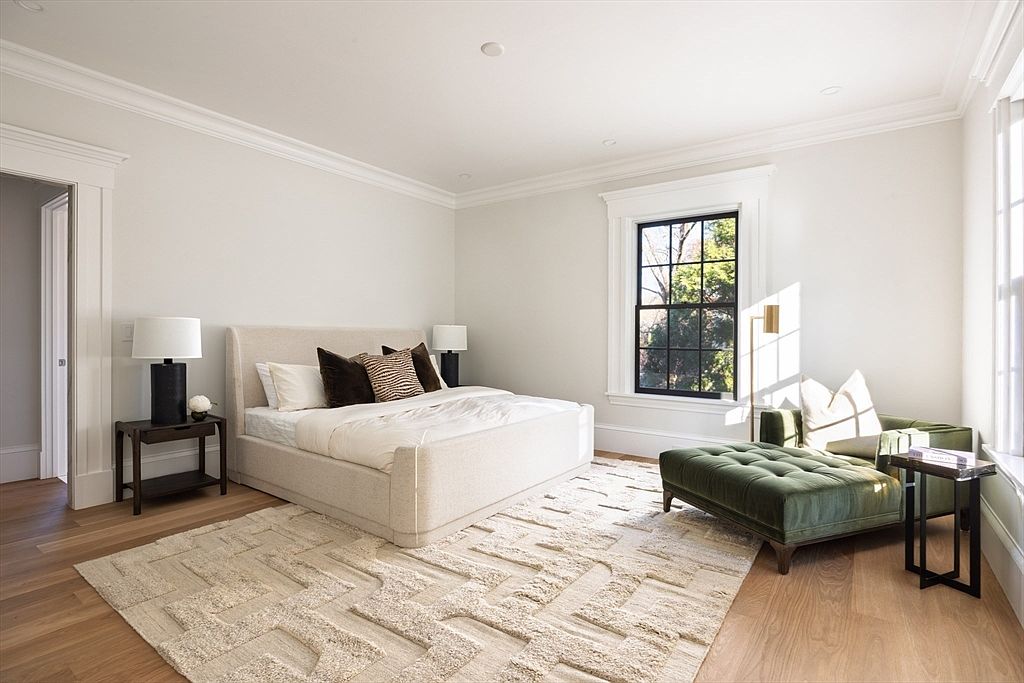
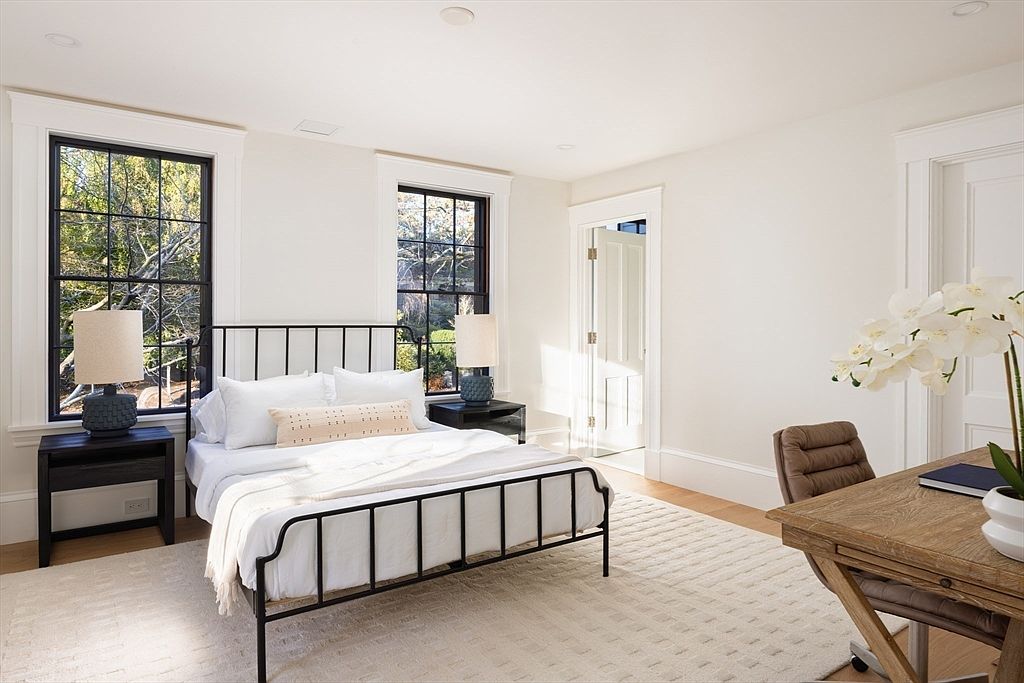
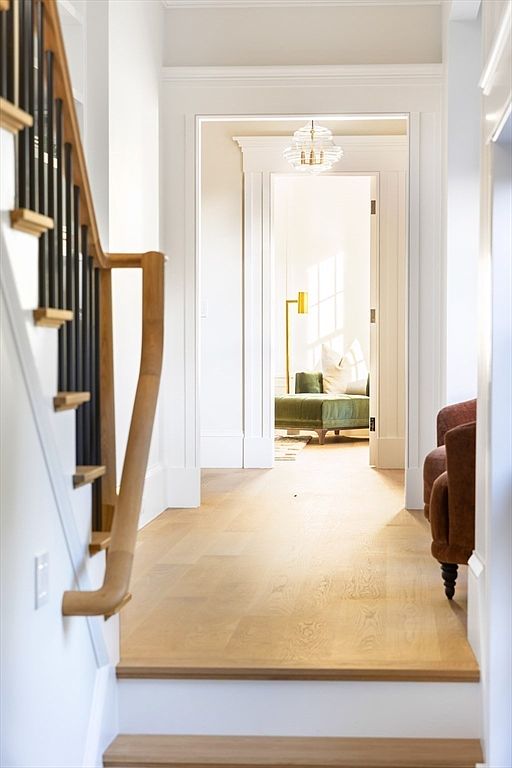
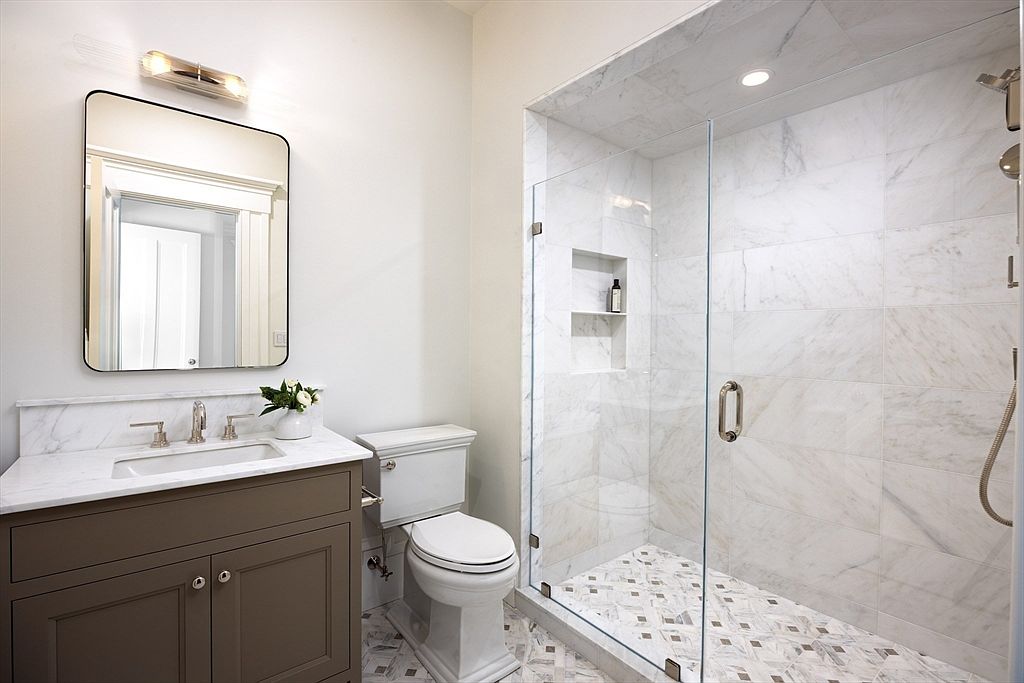
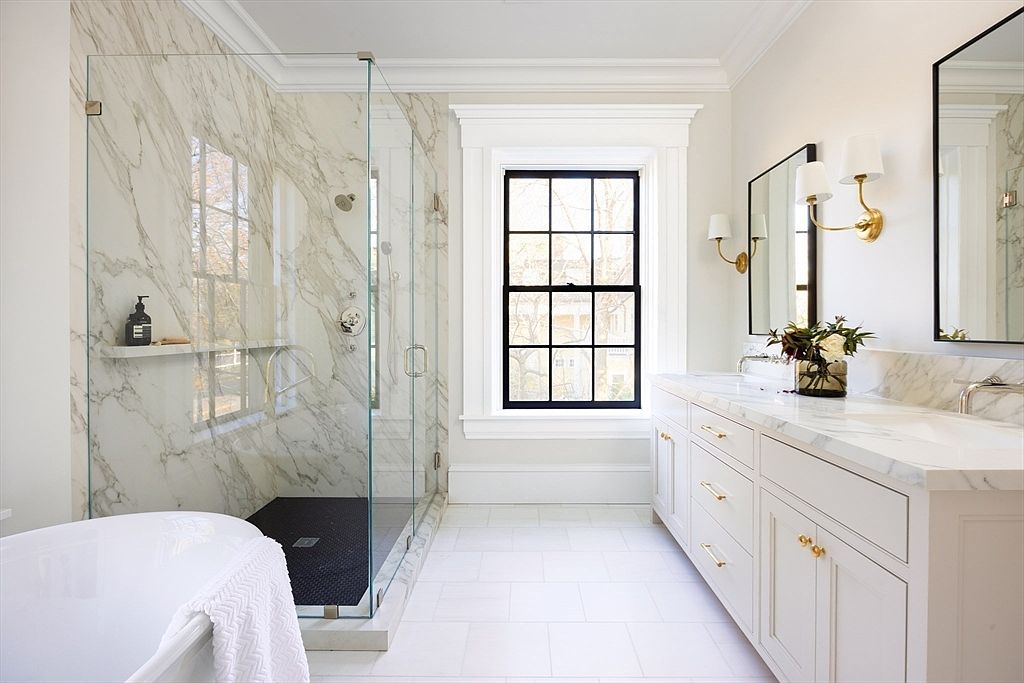
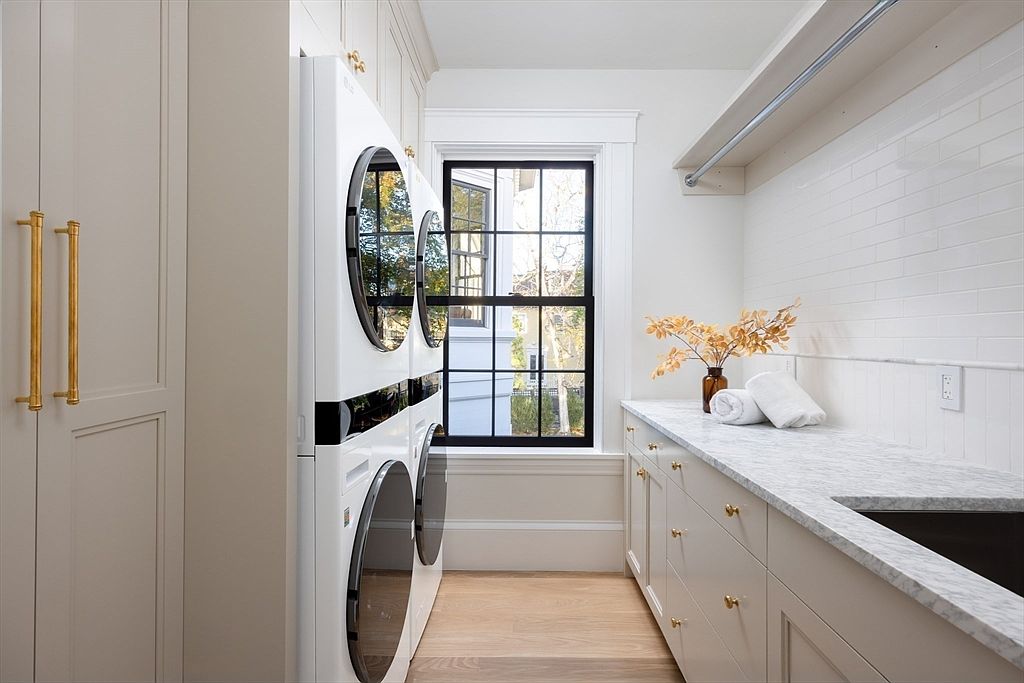
The primary suite on the second level is a genuine retreat. The spa-calibrated bathroom features a walk-in glass shower clad in white marble, a double vanity with marble countertops and refined gold hardware, and a large black-framed window that transforms the act of bathing into something almost meditative. A gracious dressing room completes the suite with the kind of considered storage that a wardrobe of consequence demands. Five additional ensuite bedrooms—each finished with the same attention to light, proportion, and material quality—offer extraordinary flexibility for guests, family, or dedicated office use. A beautifully appointed laundry room on this level eliminates any compromise between beauty and function.
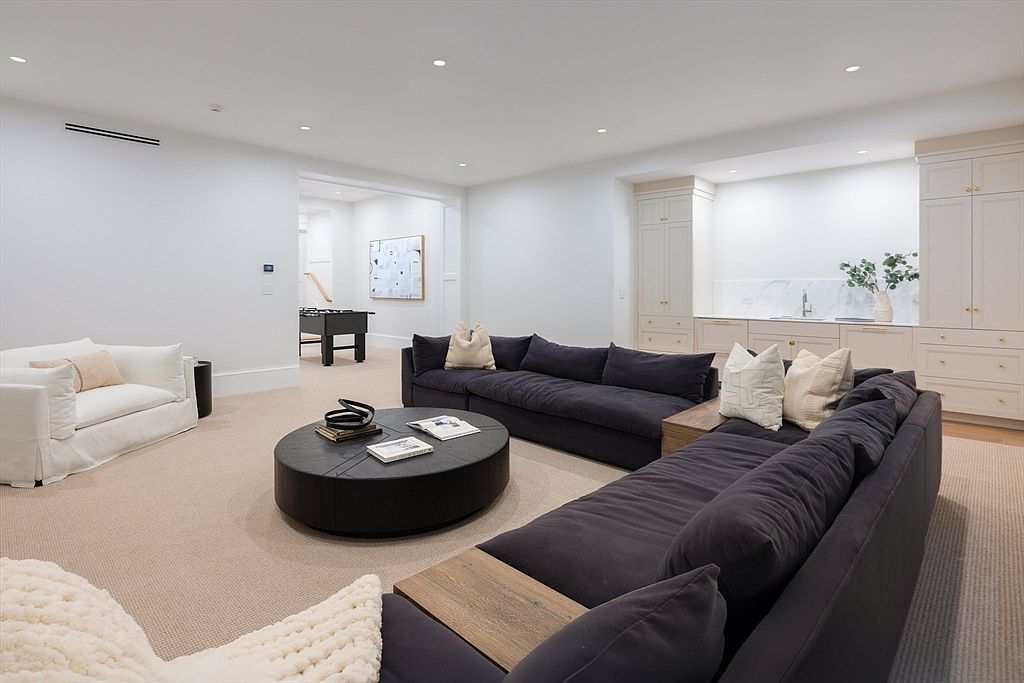
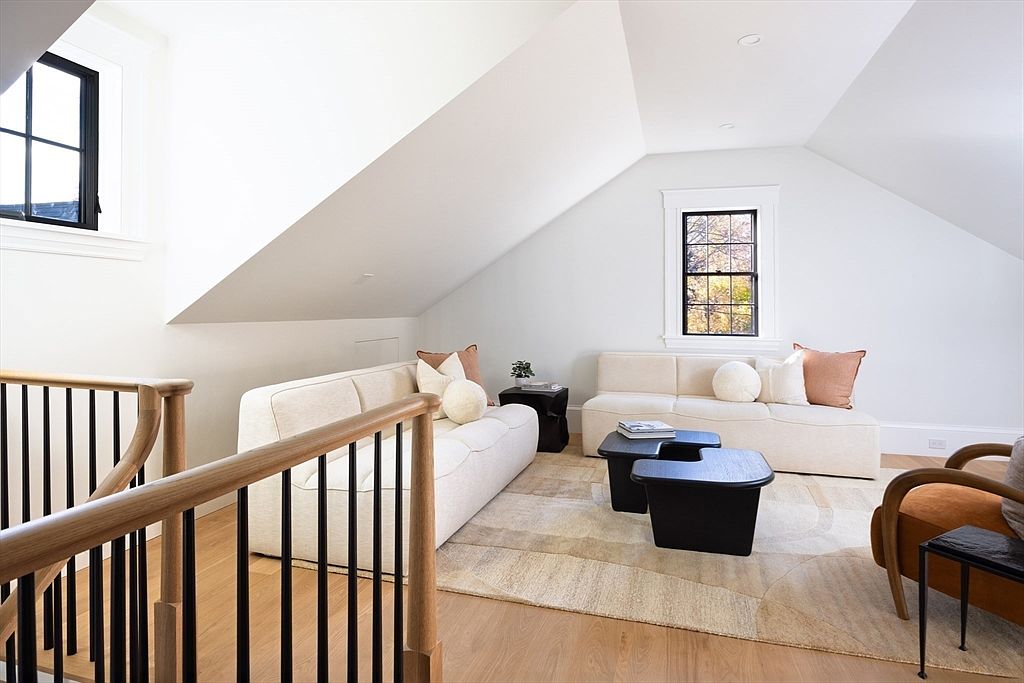
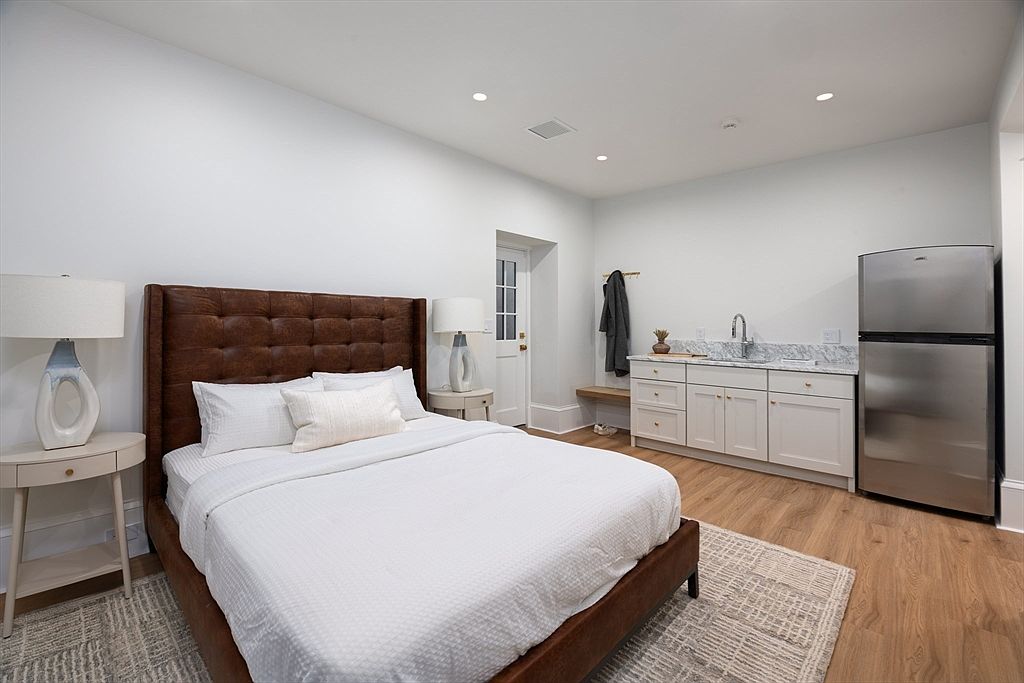
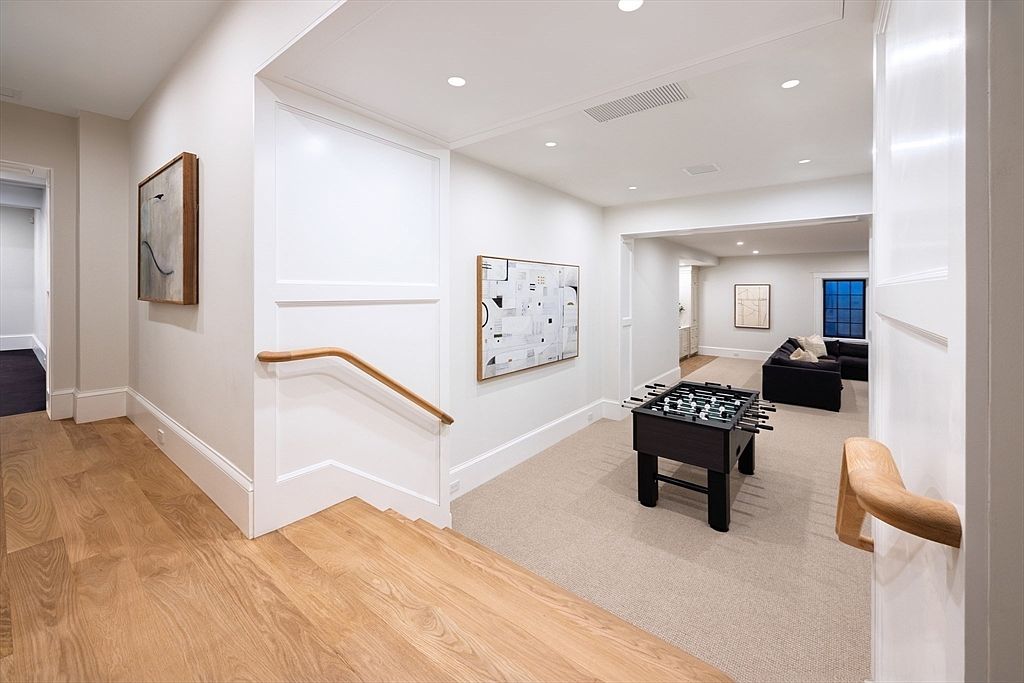
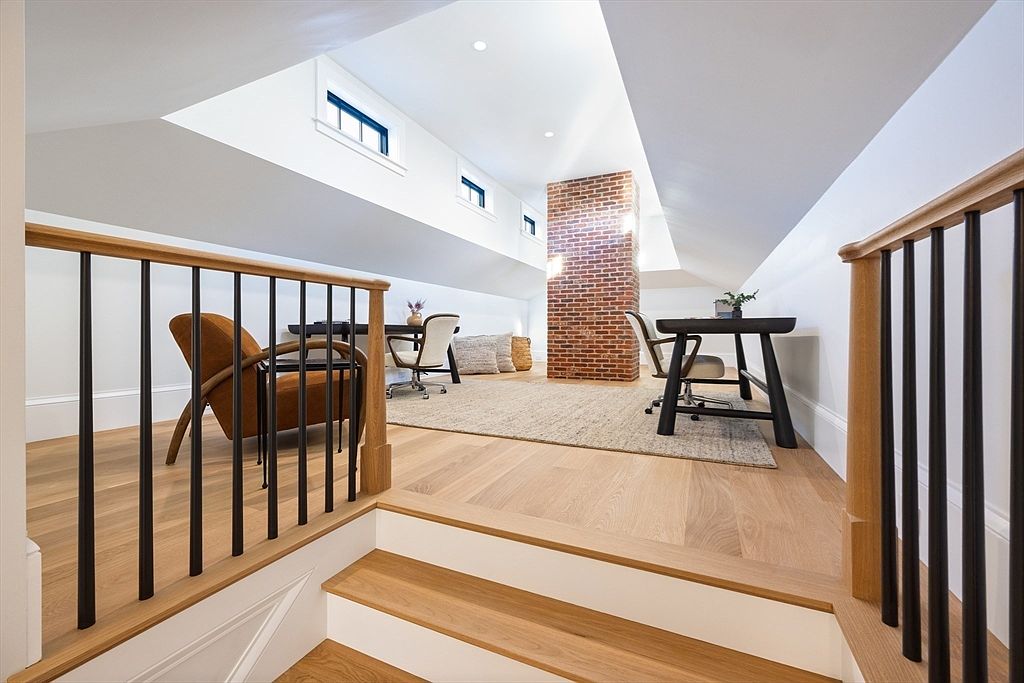
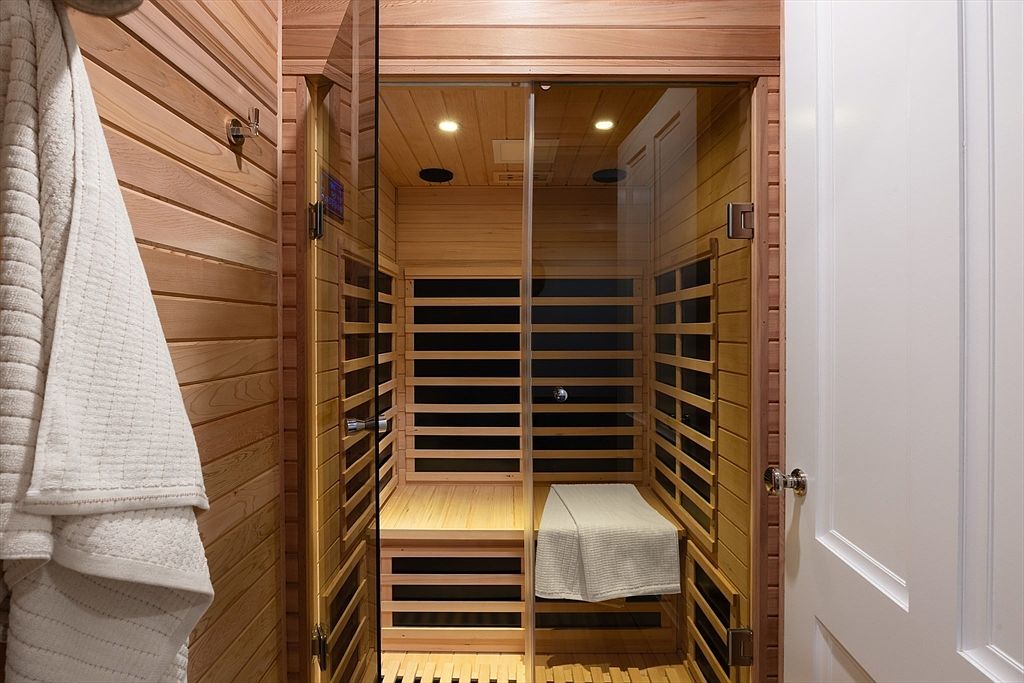
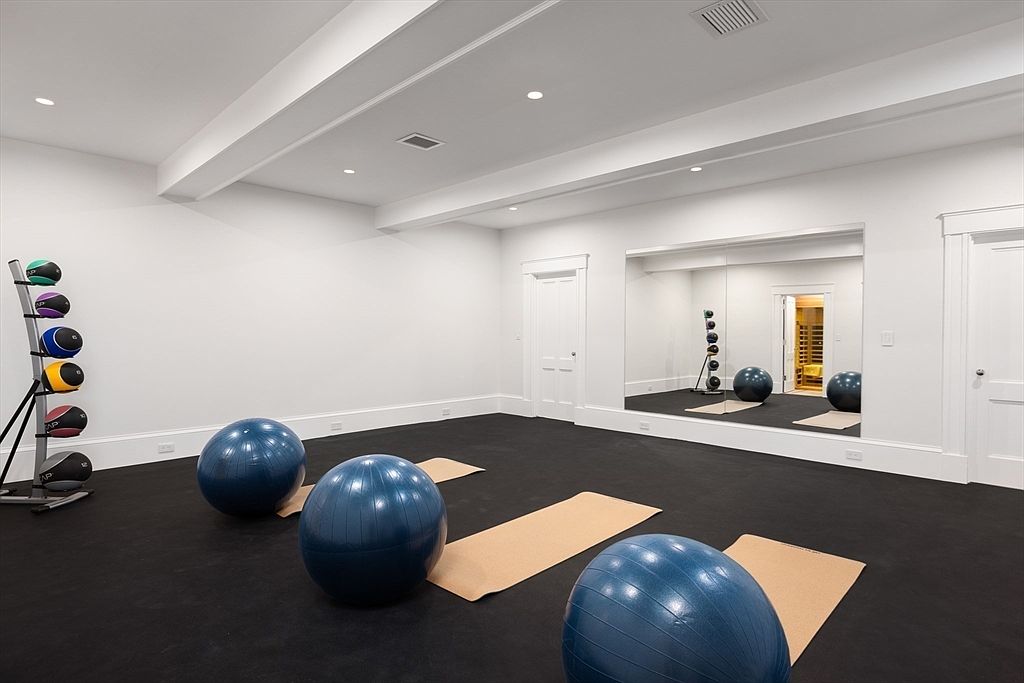
The top floor loft, bathed in light from skylights and anchored by an exposed brick chimney, opens possibilities as a home office, creative studio, or private retreat. Below grade, the lower level is a program unto itself: a professional-grade gym with adjacent sauna, a game room, a generous family room with a built-in wet bar, and a guest suite with its own direct exterior access—a feature that offers both privacy and flexibility in equal measure.
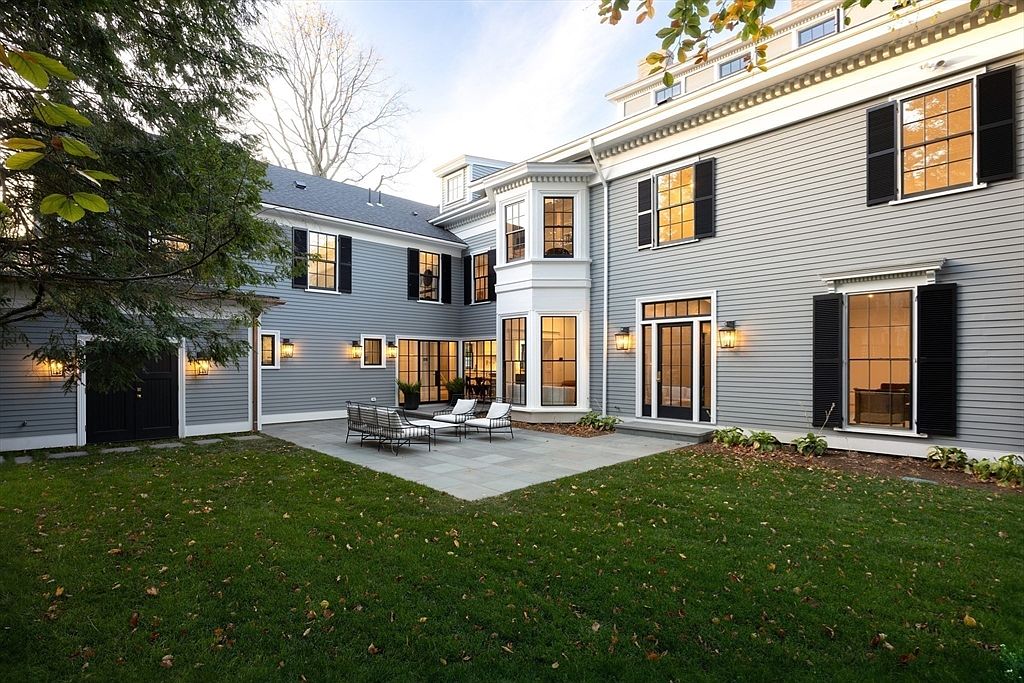
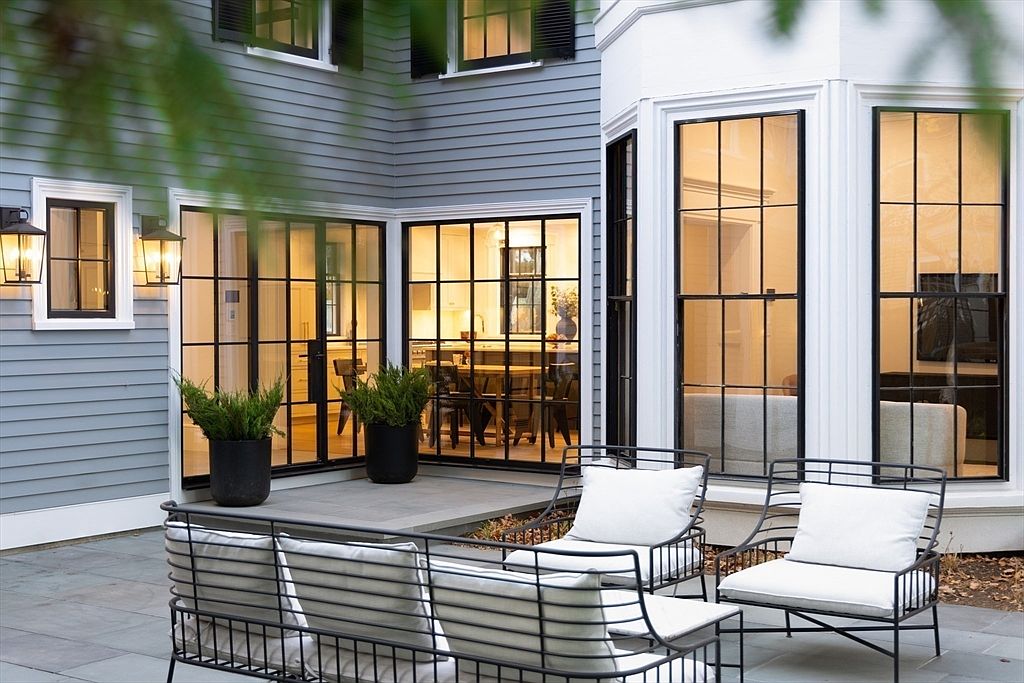
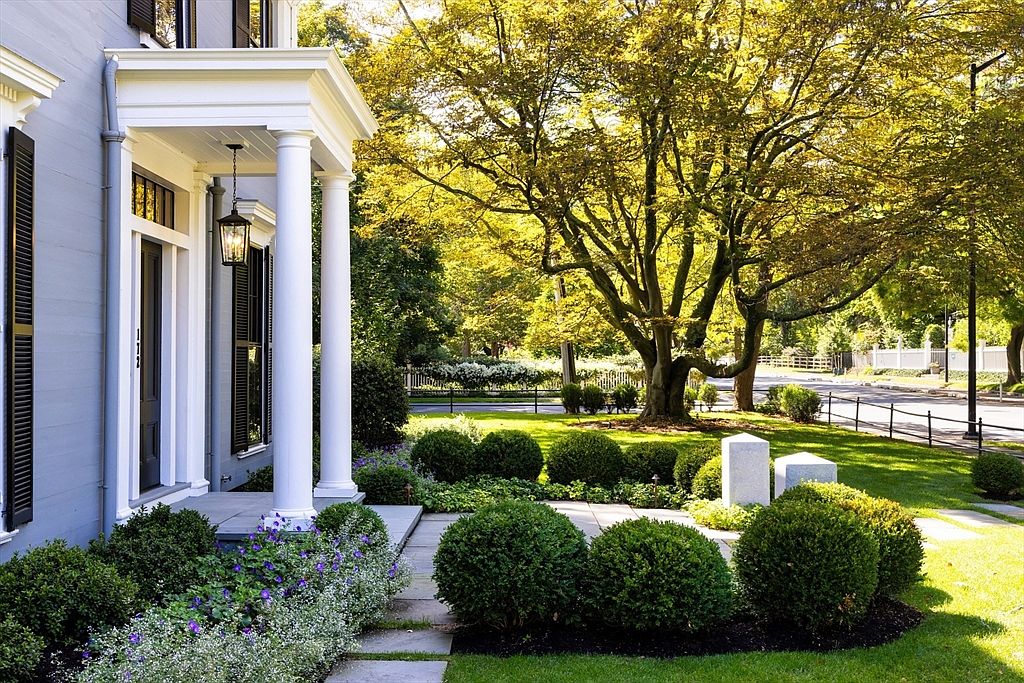
Outside, the landscape architect's hand is evident in every sight line. A stone patio extends the living space gracefully into a lush, beautifully proportioned yard framed by mature trees, where the boundary between indoors and out dissolves entirely through the home's signature black-framed glass doors.
Brattle Street is not simply an address in Cambridge—it is a narrative thread woven through more than three centuries of American intellectual and cultural life. Known historically as Tory Row, the street earned its name from the constellation of loyalist families who built grand estates along its length in the decades before the American Revolution. George Washington himself made his headquarters nearby during the siege of Boston in 1775, and the area's association with civic significance has never diminished. To live on Brattle Street today is to inhabit a place where history is not a museum piece but a living, breathing context for daily life.
Harvard Square, which anchors the eastern end of Brattle Street, is one of the most intellectually vibrant neighborhoods in the United States. Home to Harvard University—founded in 1636, making it the nation's oldest institution of higher learning—the Square has long been a gathering point for scholars, writers, artists, and thinkers of every discipline. The energy here is distinctly cosmopolitan yet deeply rooted: independent bookstores, acclaimed restaurants, and storied cafés sit comfortably alongside world-class university libraries, museums, and performance venues.
The Harvard Art Museums, which house one of the most distinguished university art collections in the world across three institutions—the Fogg, the Busch-Reisinger, and the Arthur M. Sackler—are within easy reach. The American Repertory Theater, one of the country's leading regional theaters, stages productions that regularly transfer to Broadway and international stages. The Charles River, just minutes from the property, offers a scenic corridor for rowing, cycling, and walking that connects Cambridge to Boston's Esplanade and beyond.
For daily life, the neighborhood offers a completeness that is increasingly rare. Formaggio Kitchen, long considered one of the finest specialty food shops in New England, is a neighborhood institution. The restaurants of Harvard Square and its surrounding blocks span a range from casual to destination-worthy, with James Beard Award–recognized chefs and deeply beloved neighborhood staples in equal measure. The Cambridge Public Library system, the MBTA Red Line, and an extensive network of dedicated cycling infrastructure make the neighborhood as practical as it is beautiful.
The residential character of Brattle Street itself rewards closer attention. The street is lined with some of Cambridge's most architecturally significant homes, many of them listed on the National Register of Historic Places, set back behind mature trees and carefully maintained gardens. It is a street where professors, physicians, attorneys, and entrepreneurs have chosen to put down roots for generations—drawn not by any single amenity but by the irreplaceable combination of intellectual culture, physical beauty, and genuine community that defines this particular corner of New England.
Owning on Brattle Street places you within walking distance of one of the world's great universities while situating you in a neighborhood that maintains the scale, character, and pace of a village. It is a rare balance, and it is precisely what makes an address here so enduringly sought after.
Featured Highlights
Curated Content • Presented by Maggie Gold Seelig