The Story Behind
An Architectural Masterwork Commanding 270-Degree California Panoramas
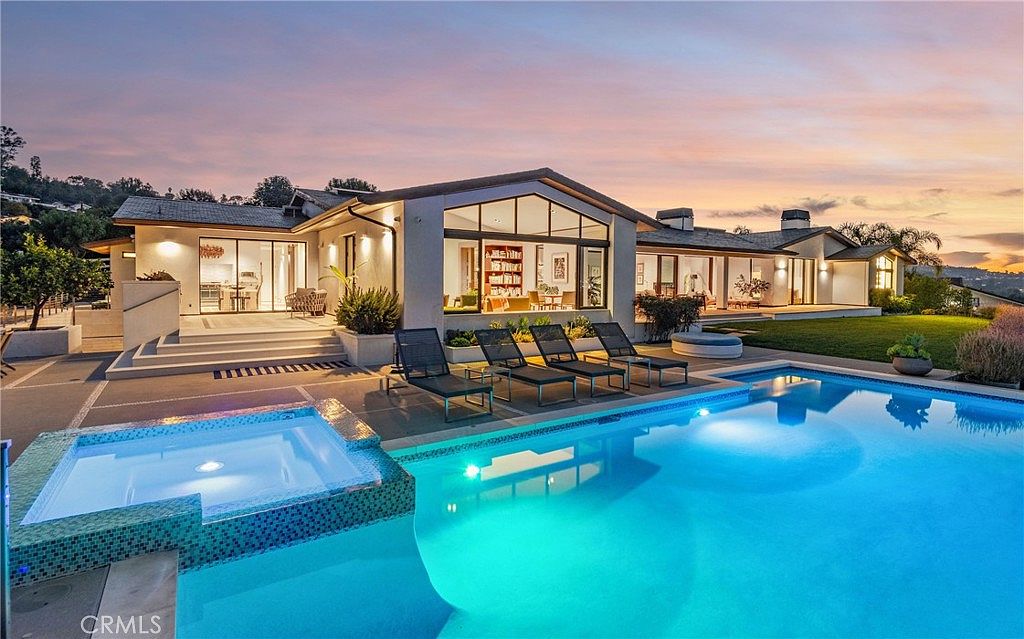
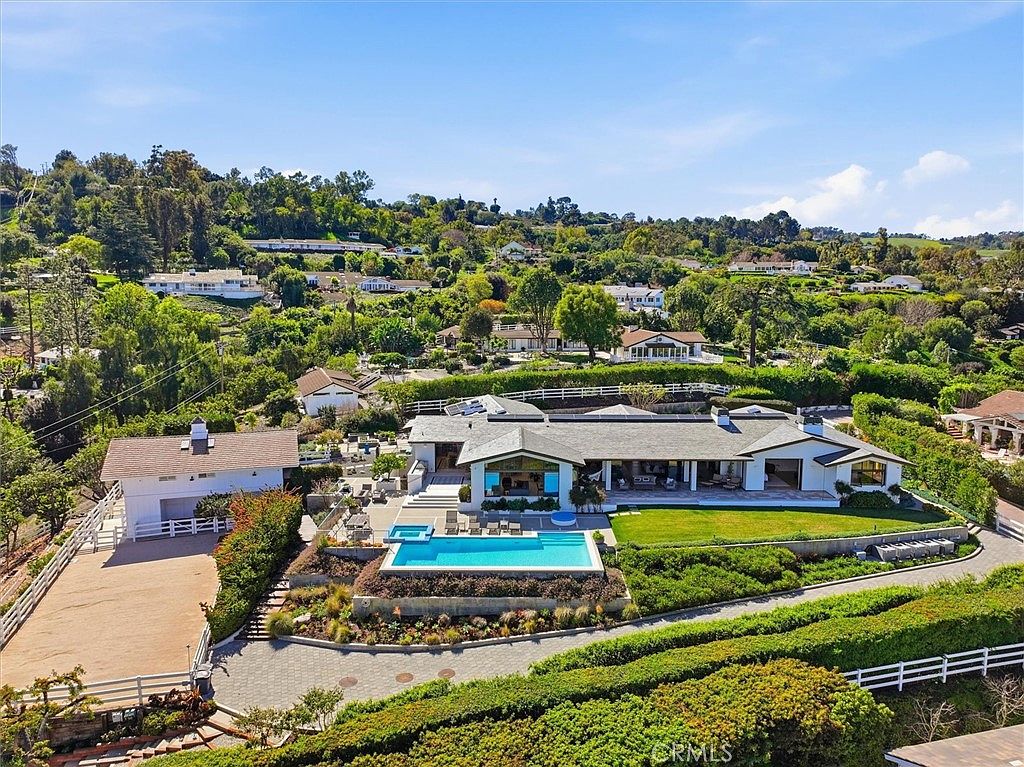
There is a particular kind of home that announces itself not through scale alone, but through conviction — through the sense that every decision made in its creation was deliberate and unhurried. 38 Saddleback Road is precisely that kind of home.
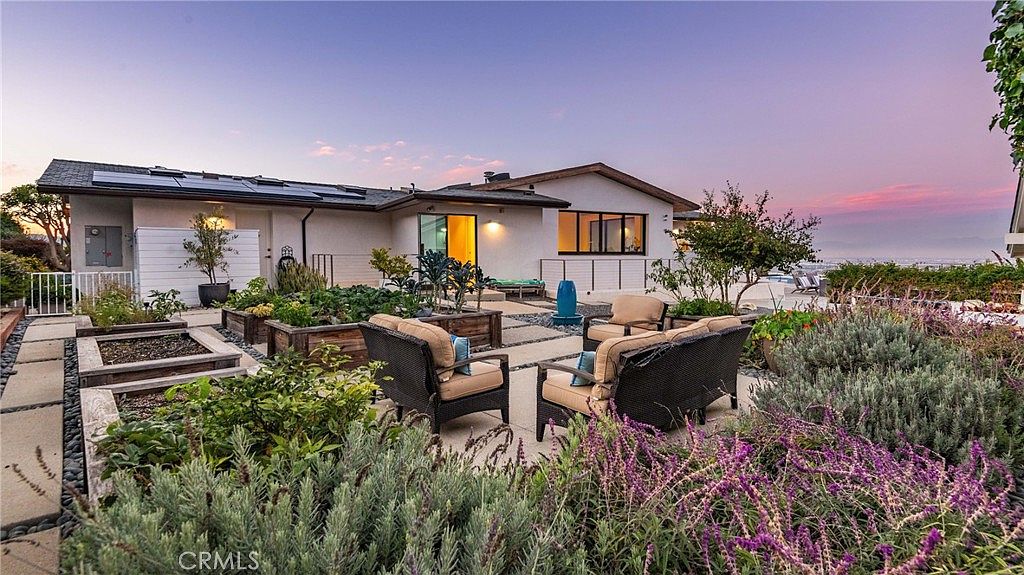
Architect Criss Gunderson drew inspiration from the California Ranch vernacular of Cliff May, the mid-century designer widely credited with defining the indoor-outdoor ethos that became synonymous with the California dream. Yet this estate is no mere homage. It is a rigorous evolution of that tradition, executed with materials and craftsmanship that belong to an entirely different register. Before a single beam was placed, two Feng Shui masters guided the home's orientation on its lot — a discipline that, whether one subscribes to its metaphysics or not, produced a residence of striking environmental harmony.
The entry sequence establishes the standard immediately. Hope steel doors — the same architectural-grade specification selected for the Getty Museum — open to Italian Limestone floors that run beneath vaulted, wood-paneled ceilings. Handmade oak and walnut doors fitted with Rocky Mountain hardware appear throughout, each one a quiet argument for the irreplaceable quality of things made by hand.
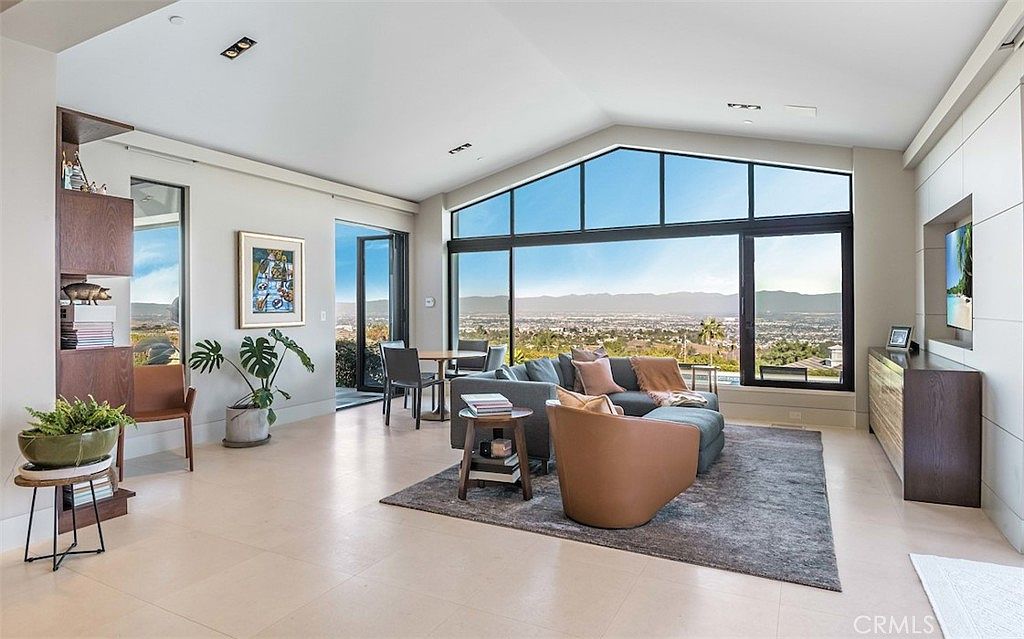
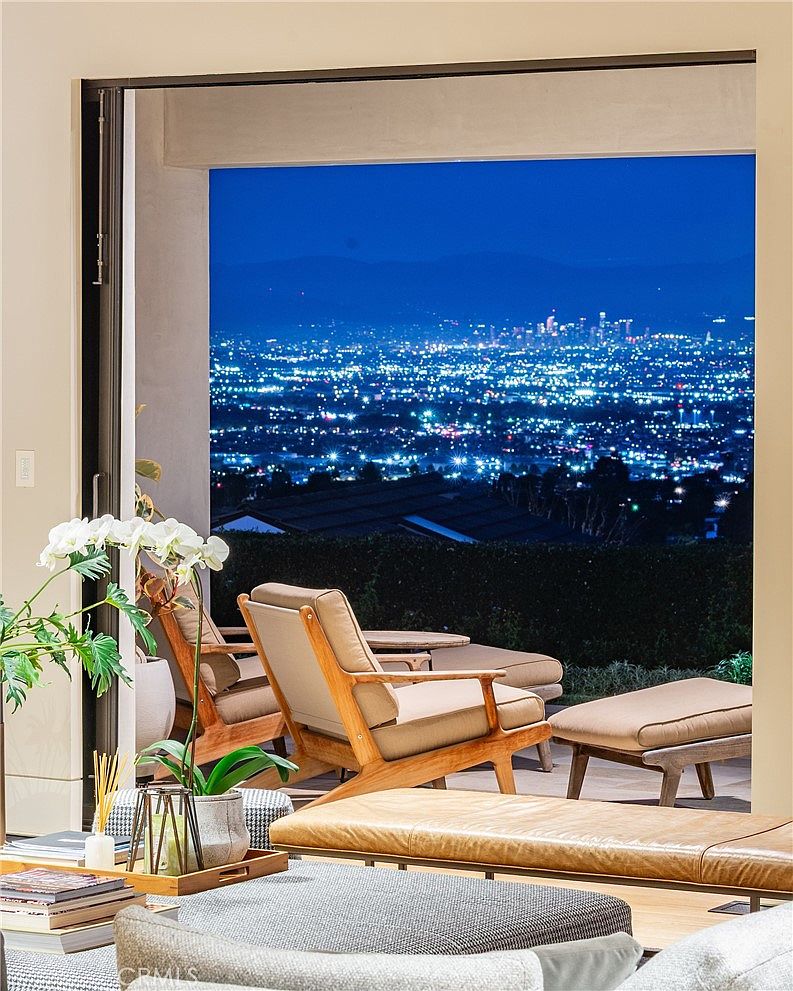
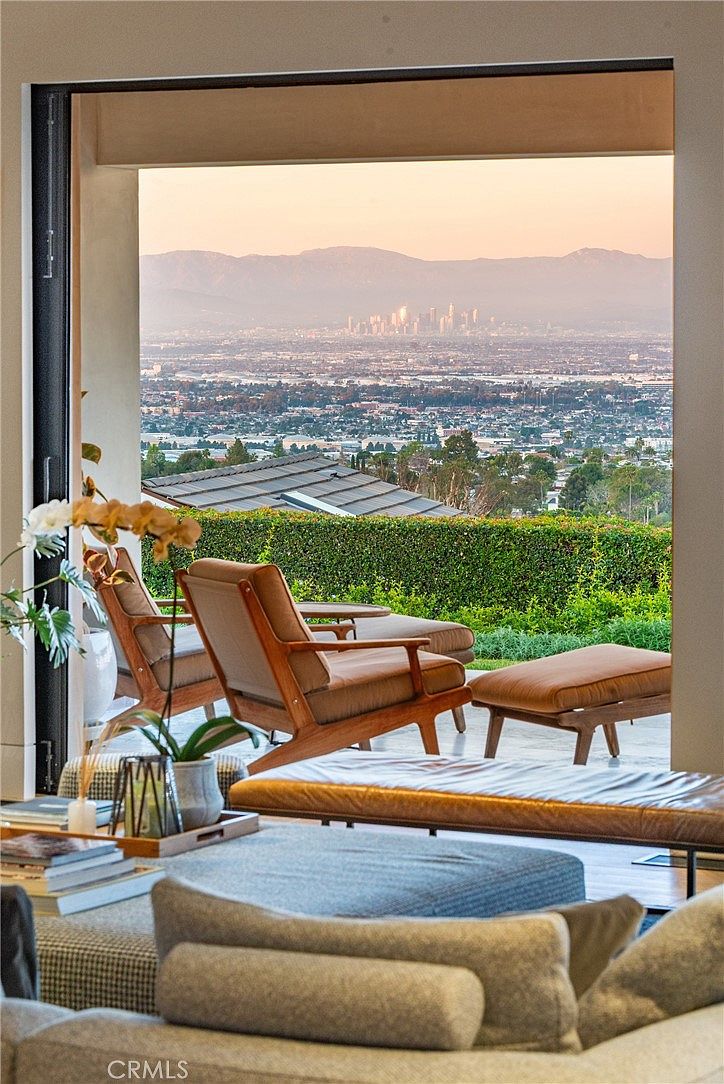
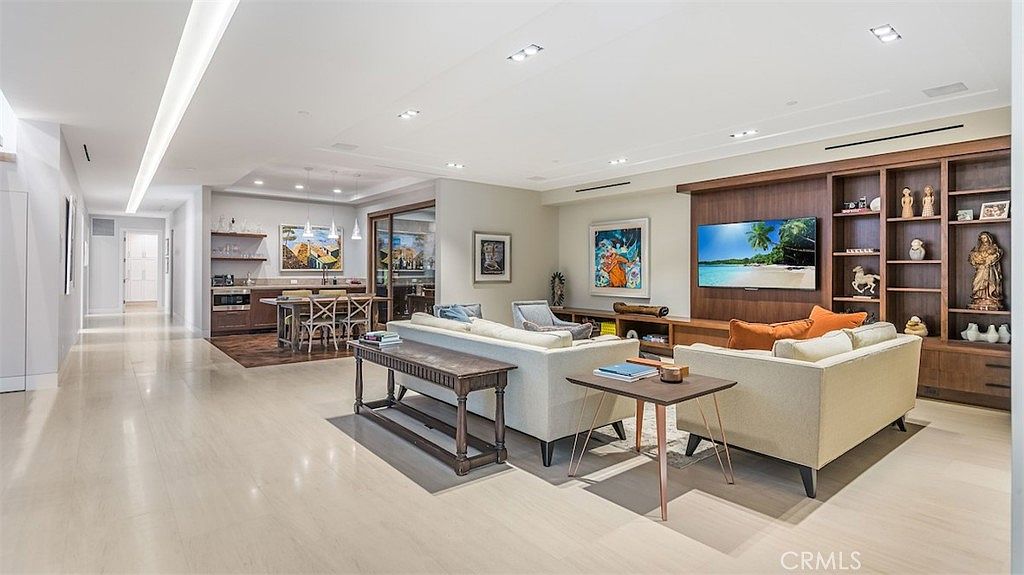
The heart of the home is its great room, where a stone-clad fireplace anchors a wall of glass that dissolves the threshold between interior and the vast Southern California panorama beyond. Here, the Cliff May influence is most legible: the room does not merely look at the landscape; it reaches toward it.
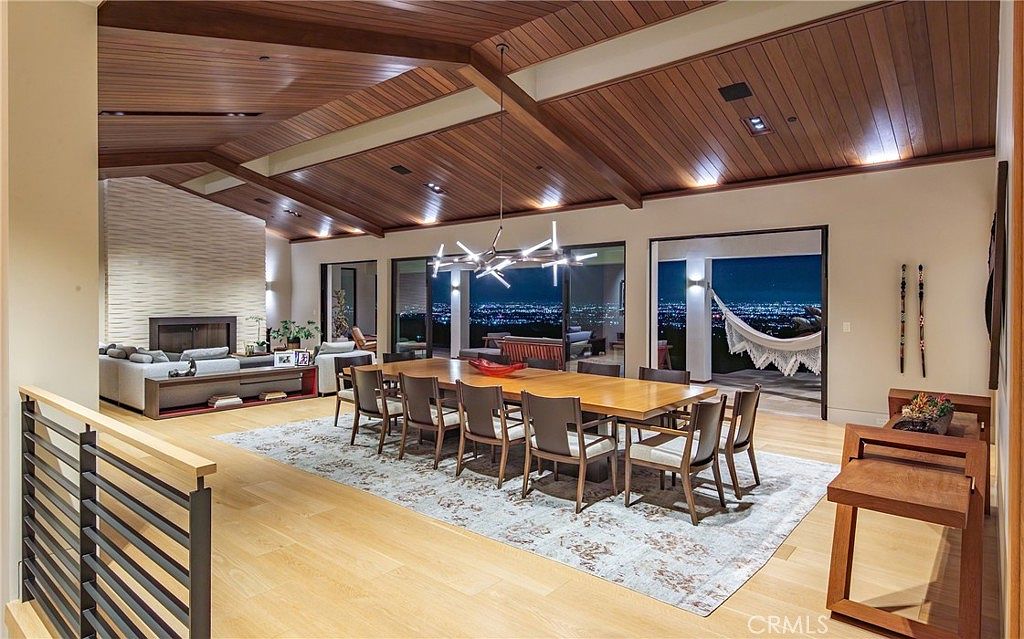
For those who live to entertain, Cooper Pacific of Beverly Hills conceived a dual-kitchen experience of genuine originality. The primary kitchen is a study in contemporary precision — Gaggenau and Miele appliances, clean lines, professional efficiency. The adjacent entertainment kitchen operates in an entirely different register: a handmade La Cornue range, a Wood Stone pizza oven, and 150-year-old reclaimed barn beams overhead that lend the space a warmth no new material can replicate. The dining room, anchored by a Lindsey Adelman chandelier, sits at the confluence of both worlds.
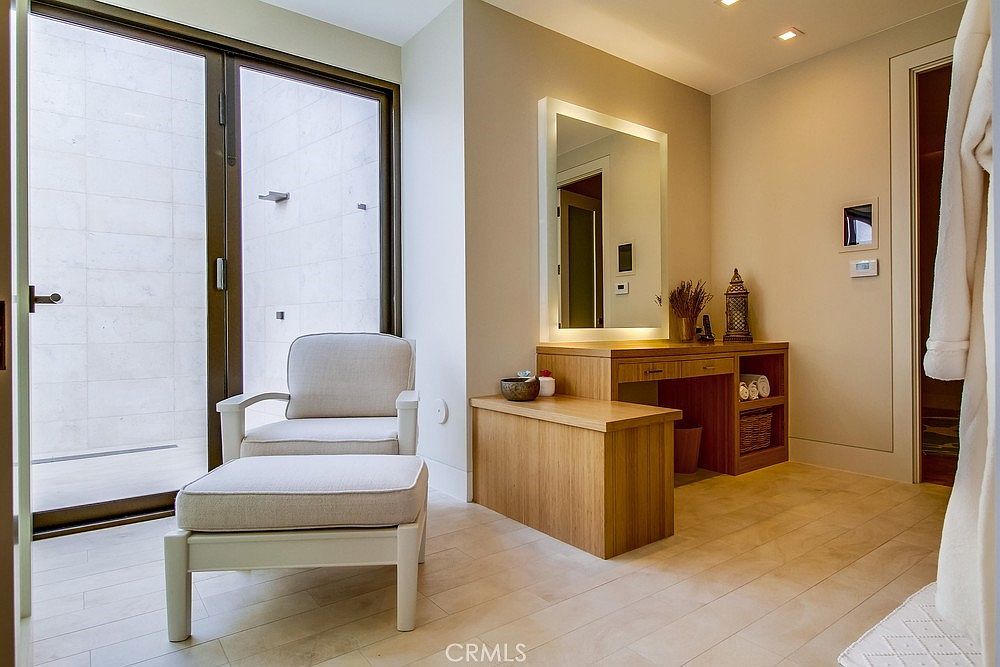
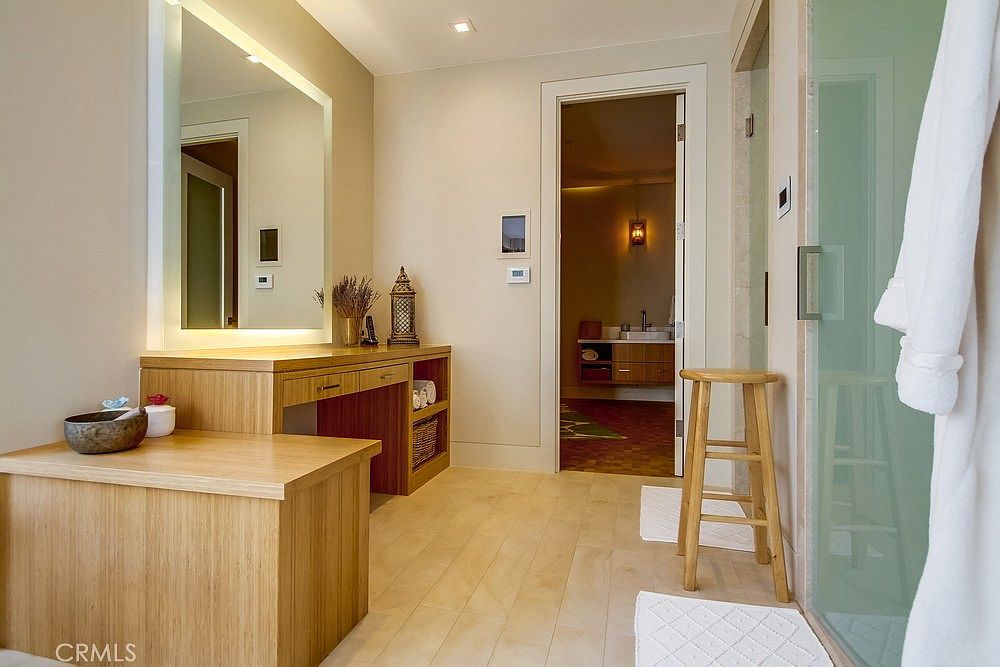
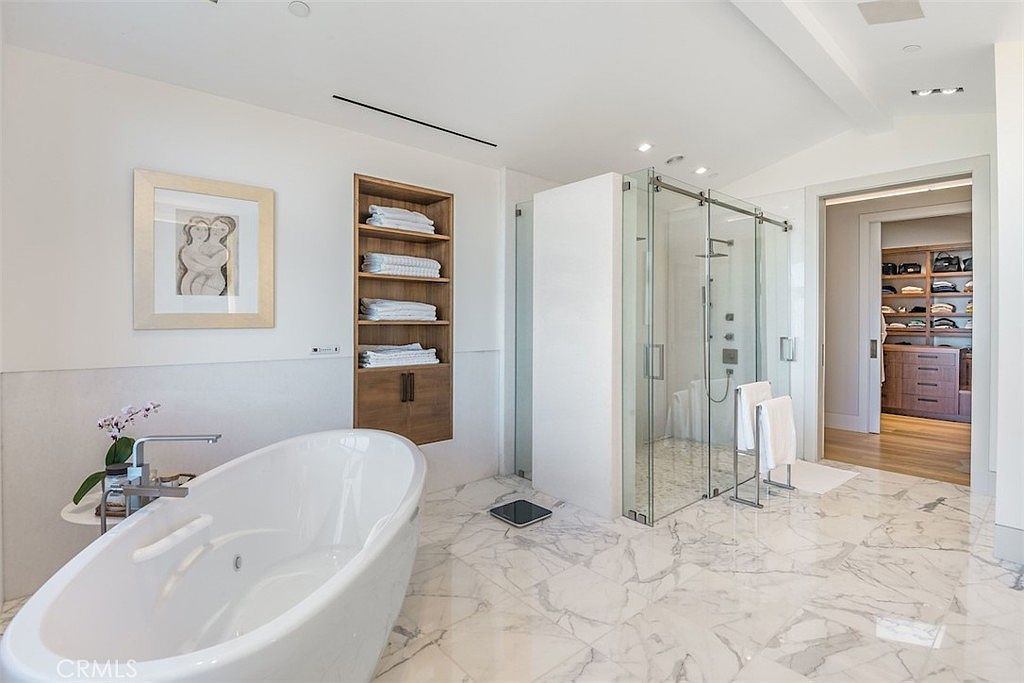
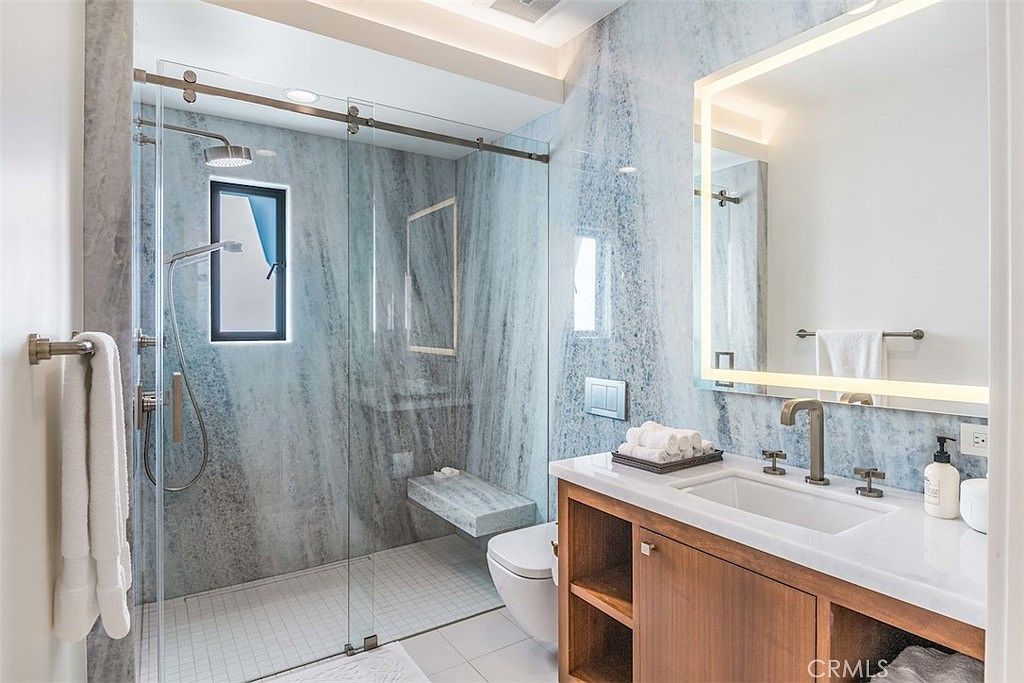
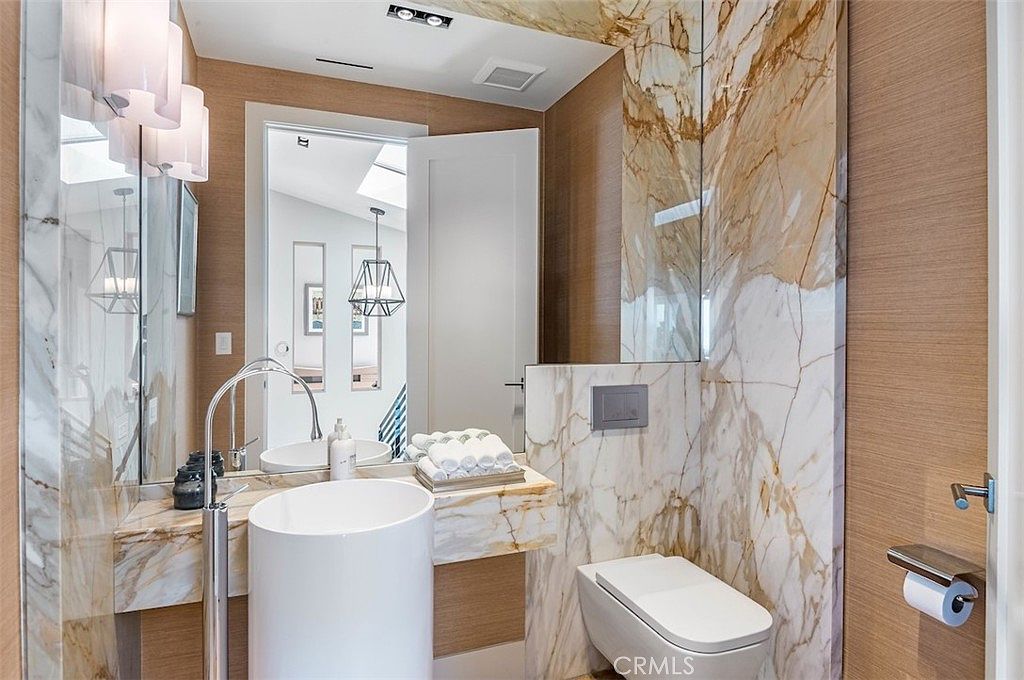
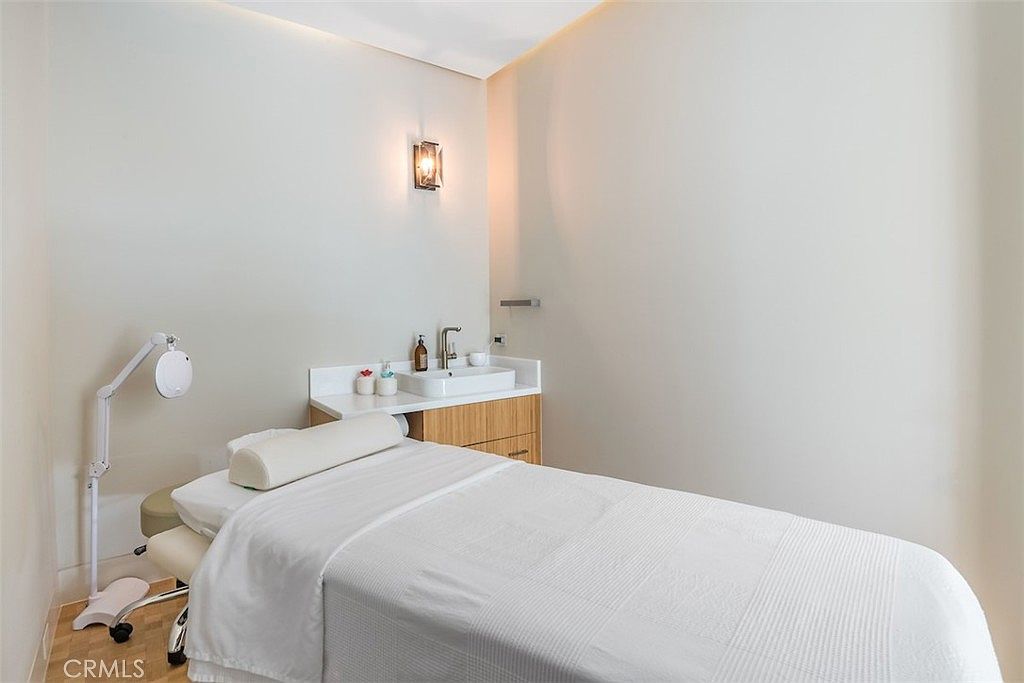
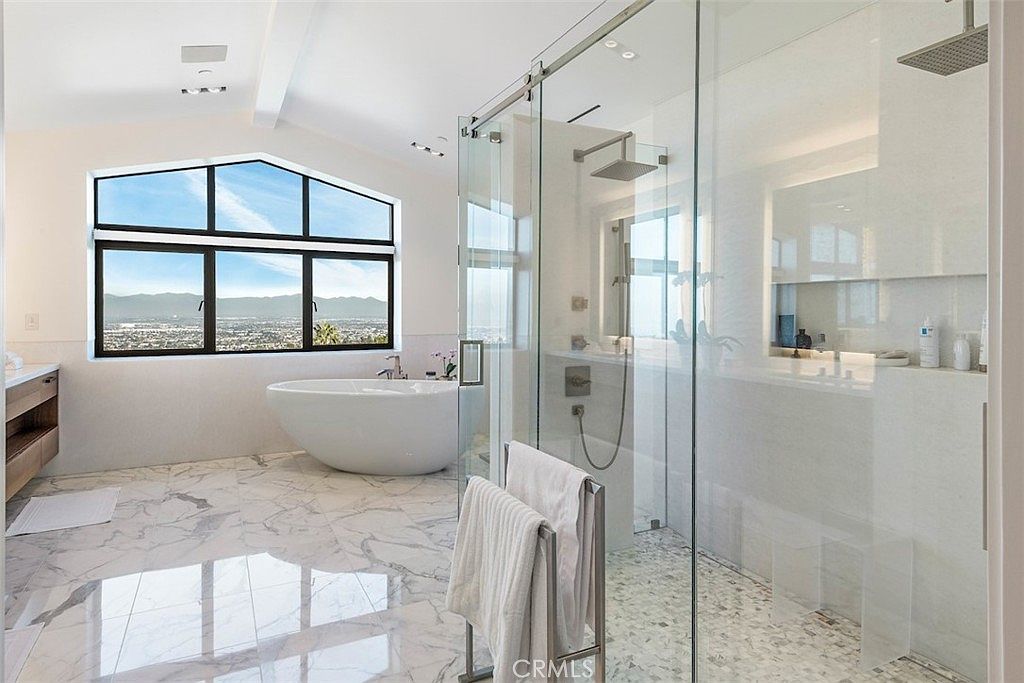
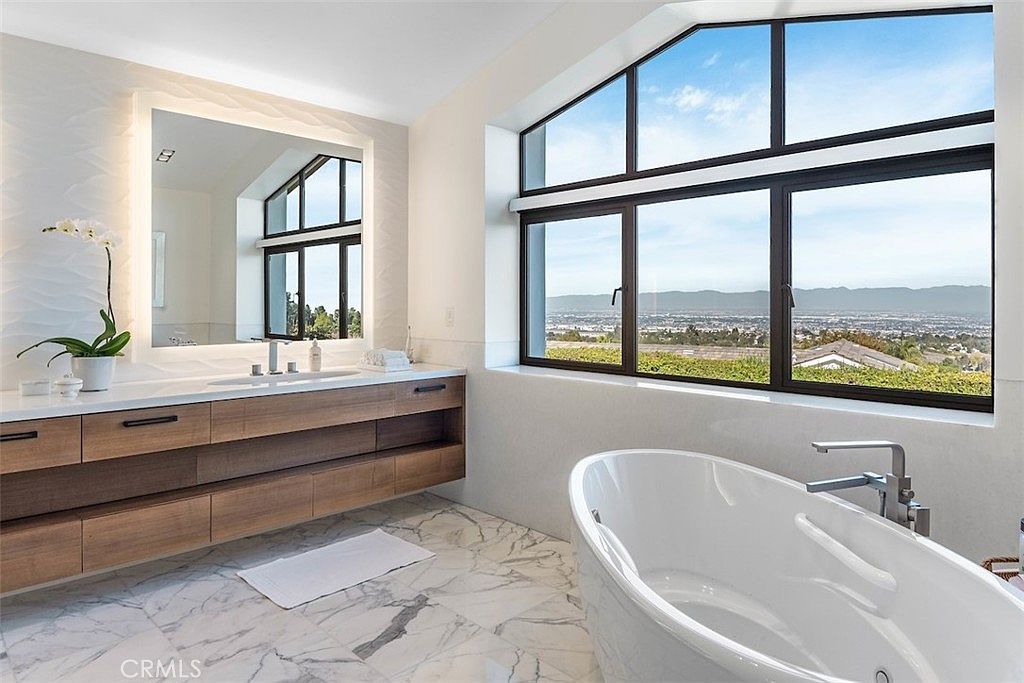
The primary suite is a masterclass in elemental luxury. Pure white marble walls and Calacatta stone floors establish a palette of austere refinement, while a dedicated spa wing — featuring an all-cedar dry sauna, a steam room with rain shower, a massage room, and a soaking tub that transitions to an outdoor shower — renders the notion of leaving the property somewhat abstract.
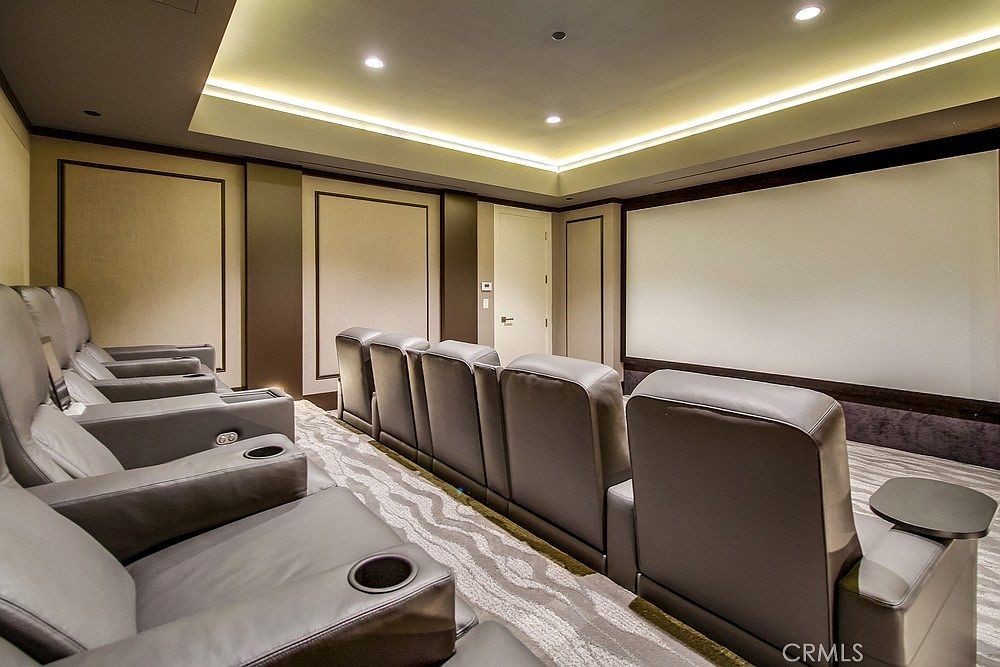
Below, the estate reveals its more theatrical instincts. A Cinema de Cuore theater with custom Fortress seating offers a private screening experience of genuine cinematic quality. Adjacent, a wine cellar built from recycled French castle stones and wine-barrel wood achieves something rare in residential architecture: a room that feels as though it has always existed, as though time itself contributed to its construction.
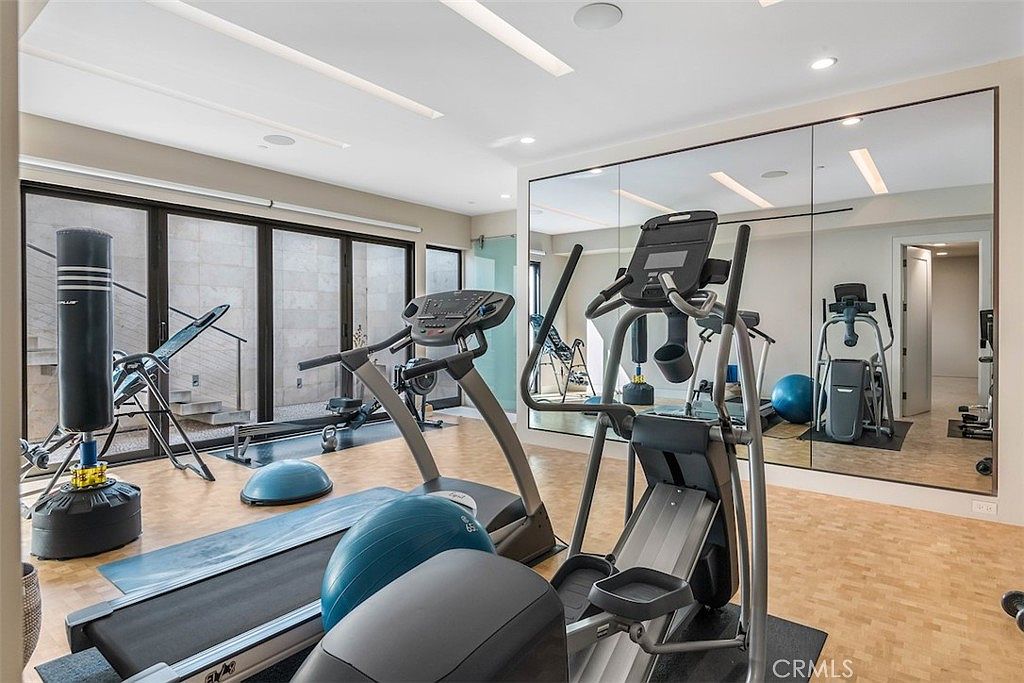
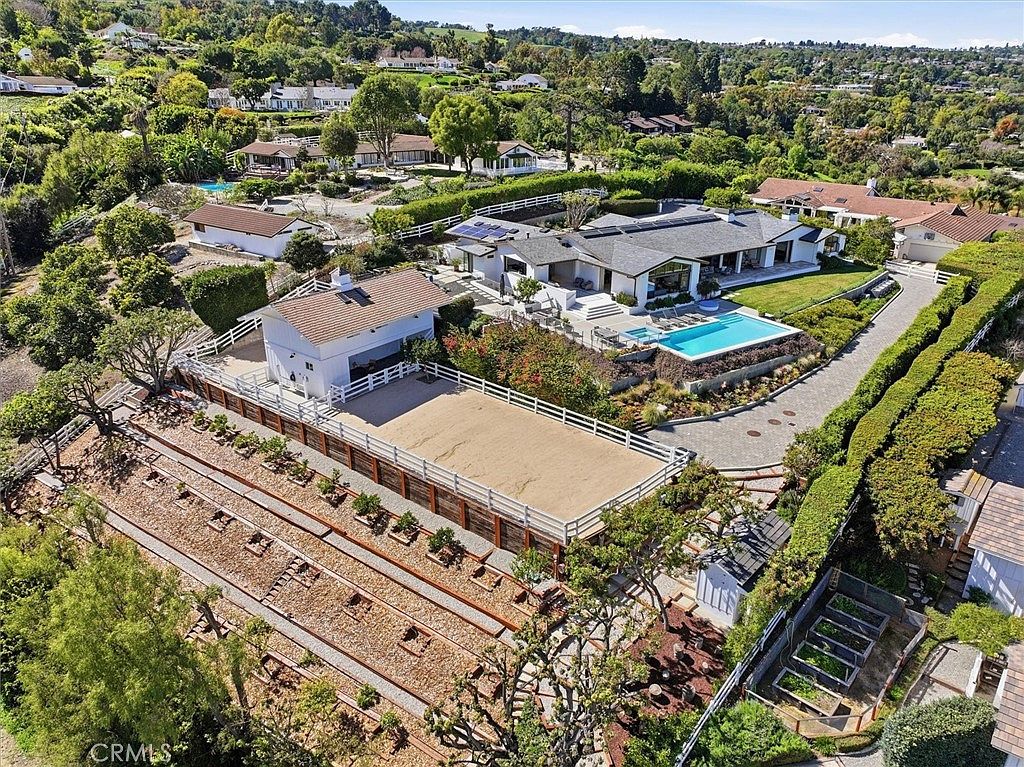
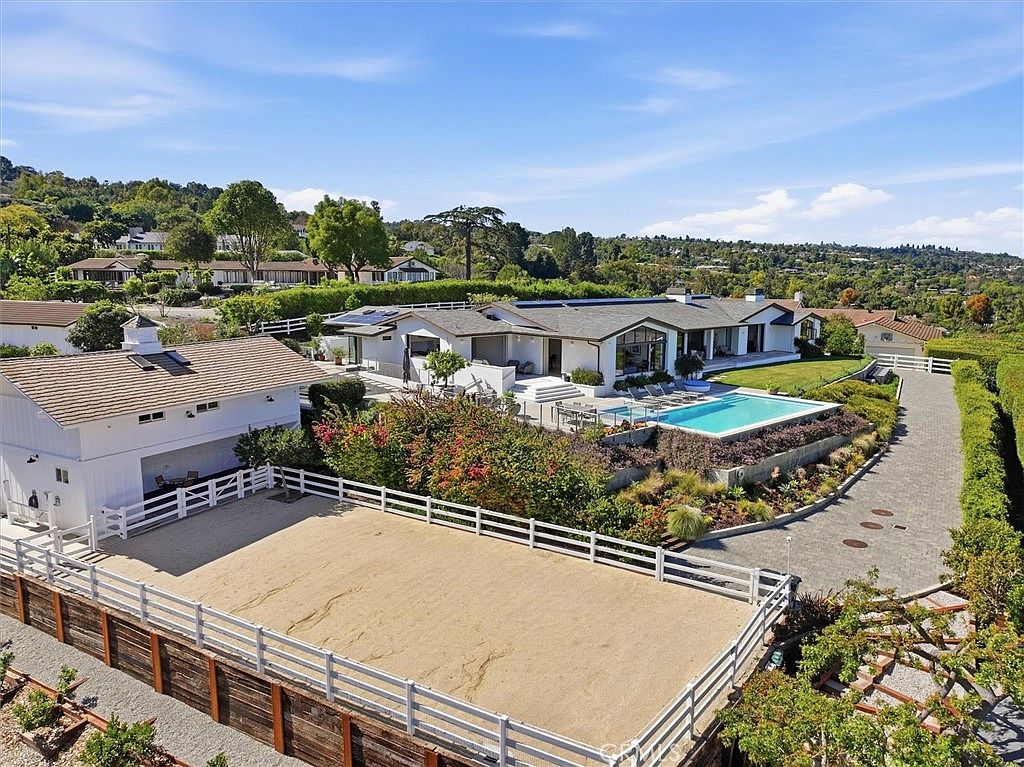
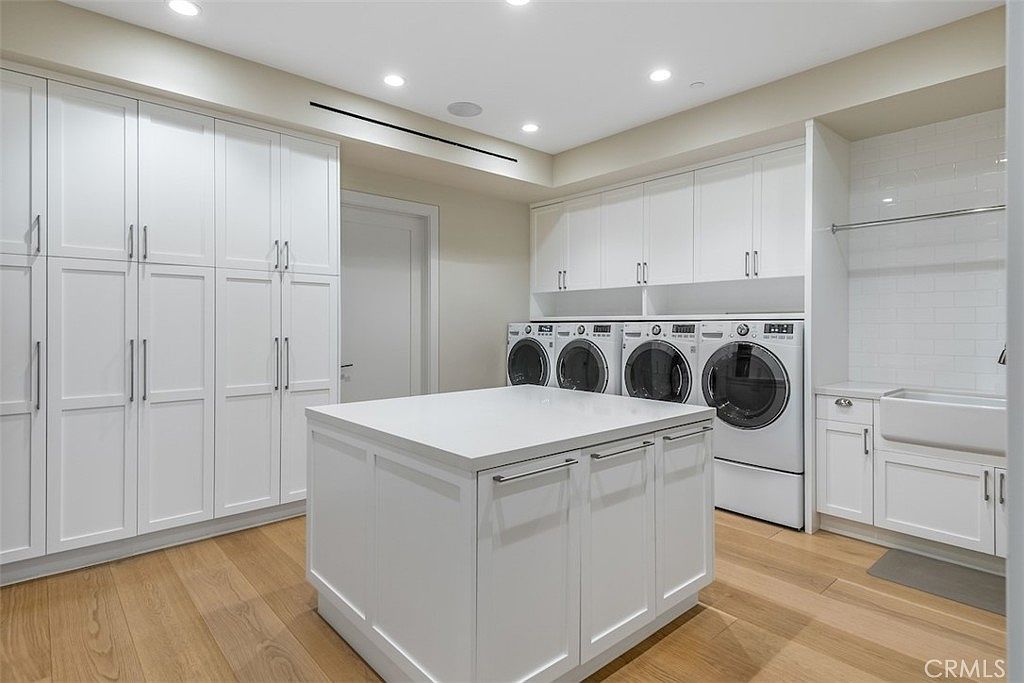
A separate barn houses a dedicated library and office, preserving the sanctity of the main residence for living, rather than working. The estate also includes a home gymnasium with direct outdoor access, and a laundry suite and dumbwaiter that speak to a household designed for the way people actually live — generously, and without compromise.
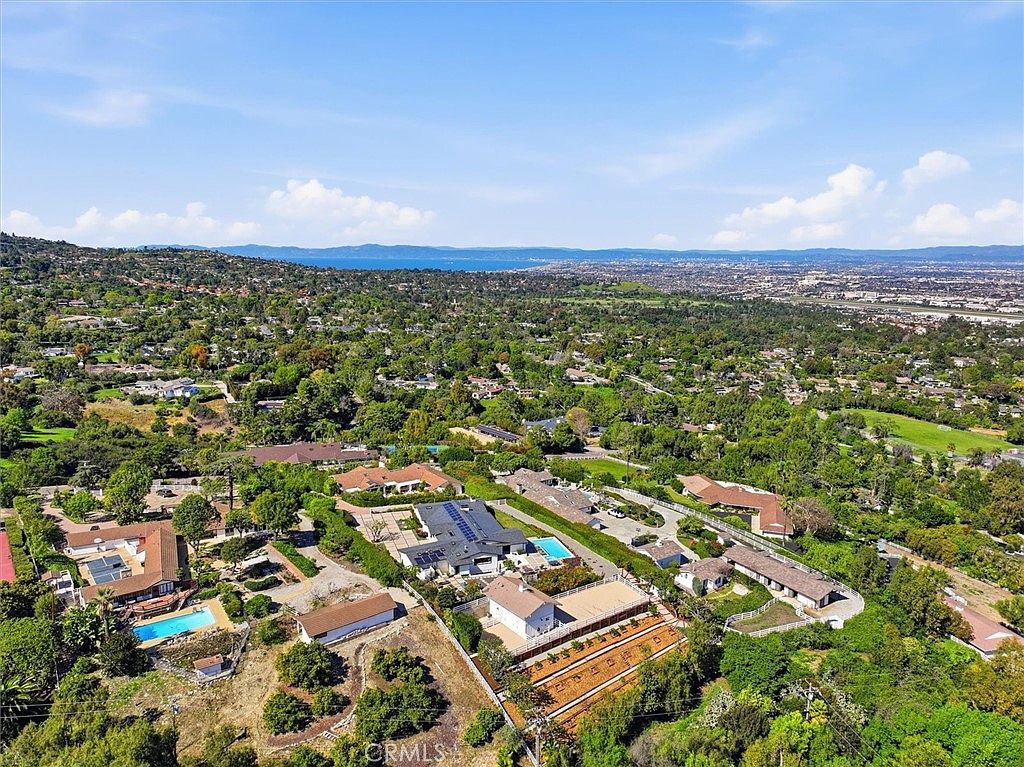
Rolling Hills is among the most deliberately preserved communities in Los Angeles County — a place that has, by design and by governance, remained apart from the relentless transformation that has reshaped so much of Southern California. Incorporated as a city in 1957, Rolling Hills is an entirely gated equestrian community set upon the Palos Verdes Peninsula, governed by its own city council and maintained through a community association that has sustained the character of the enclave for decades. There are no commercial establishments within its gates. No traffic signals. No sidewalks. What there is, instead, is space: wide bridle trails that wind through the hills, white three-rail fencing that lines the roads, and a sense of remove from the metropolitan landscape that, from the hilltops, unfurls below in every direction.
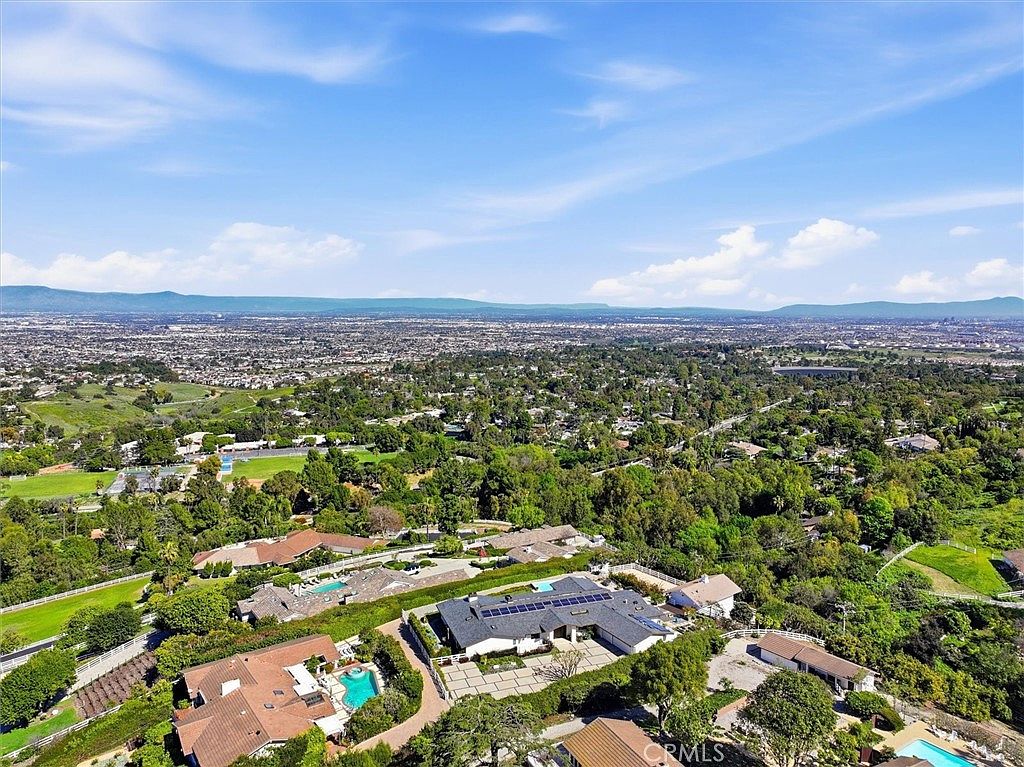
The Palos Verdes Peninsula itself occupies a singular position in the geography and mythology of Los Angeles. Rising sharply from the coastal plain of the South Bay, its elevated terrain offers what is perhaps the most dramatic residential vantage point in the region. On clear days — and they are frequent — the view from the hillsides of Rolling Hills encompasses the full arc of the Los Angeles Basin, the Pacific coastline curving toward Malibu to the northwest, the downtown skyline to the north, and Long Beach Harbor to the east. Few addresses in Los Angeles County can make that claim with any honesty.
The broader Peninsula is home to a series of institutions that reinforce the area's cultural depth. The Wayfarers Chapel, designed by Lloyd Wright and constructed from glass and redwood amid the coastal bluffs, is one of the most visited architectural landmarks in California. The Palos Verdes Art Center has served the community since 1931. The Palos Verdes Library District maintains a consistently high-rated system. The area's public school system, the Palos Verdes Peninsula Unified School District, is regarded as one of the strongest in California, a fact that consistently draws families of discernment to the Peninsula.
For equestrians, Rolling Hills represents one of the last genuine urban-adjacent horse communities in Southern California. Residents maintain private stables, and the network of trails that crosses the city connects to the broader Palos Verdes trail system — over 65 miles of riding and hiking paths that traverse the Peninsula's hills and coastal bluffs. The lifestyle here is one that prizes the outdoors not as an amenity but as an organizing principle.
Practical convenience is closer than the pastoral setting suggests. The South Bay's coastal communities — Redondo Beach, Manhattan Beach, Hermosa Beach — lie within a short drive, offering exceptional dining, retail, and coastline access. Los Angeles International Airport is approximately 45 minutes north under normal conditions. The Port of Los Angeles and Long Beach, visible from the hilltops of Saddleback Road on clear evenings, represent the economic pulse of the region.
To live in Rolling Hills is to occupy a very specific position: inside Los Angeles County in every legal and geographic sense, yet genuinely apart from it in every experiential one. It is a distinction that residents value with quiet intensity, and one that the market has consistently reflected.
Featured Highlights
Curated Content • Presented by Keith Kelley