The Story Behind
A Penthouse Above the World, Seventy-Five Floors Over Central Park
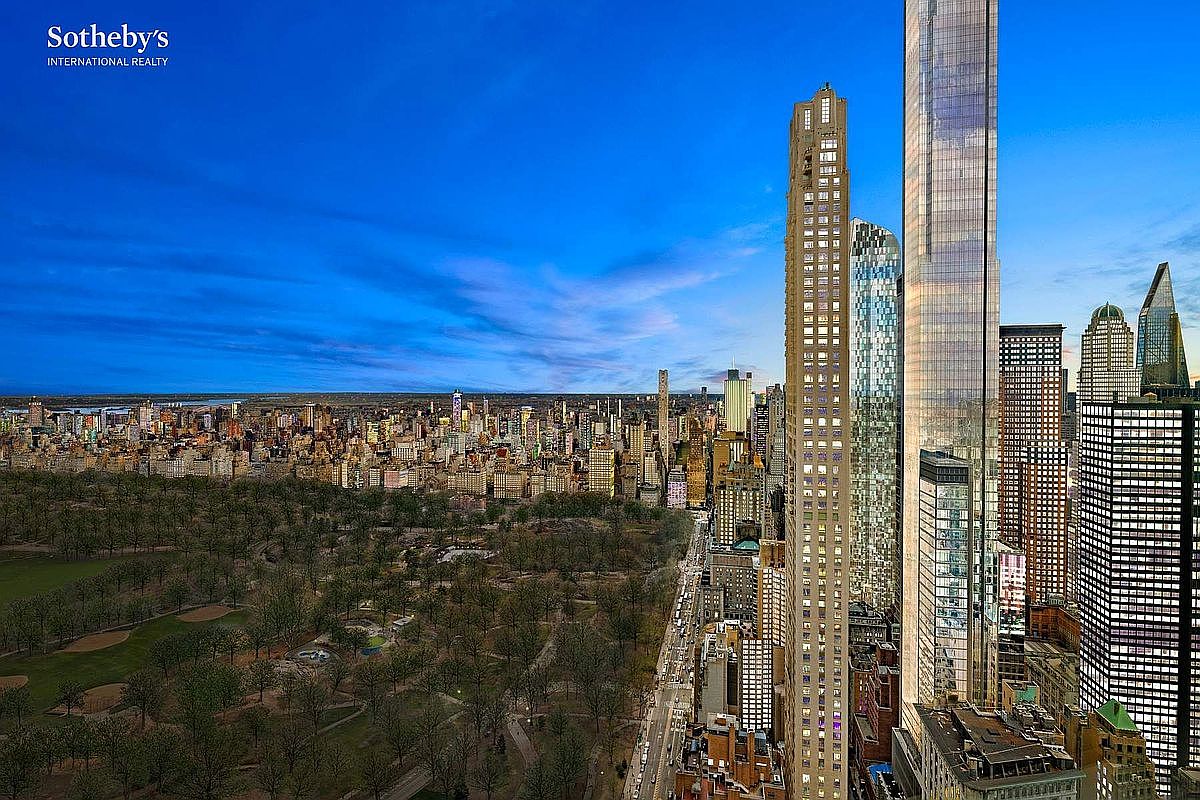
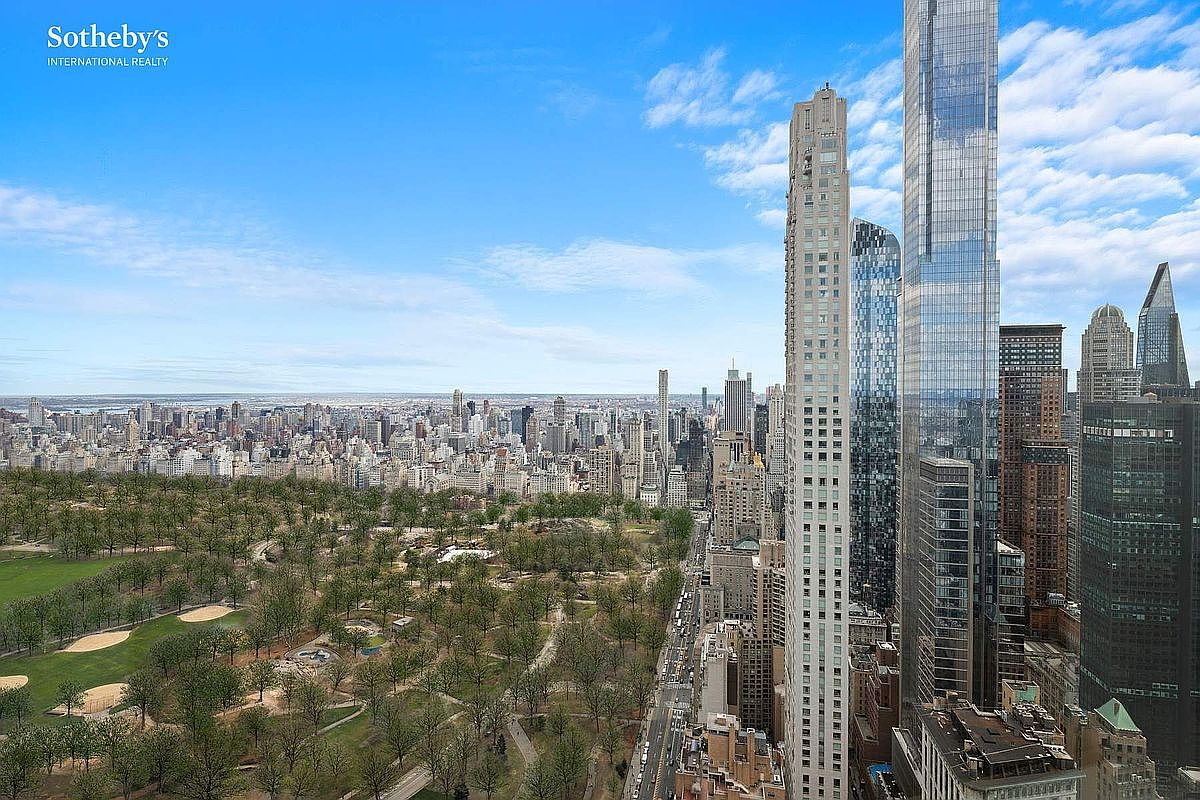
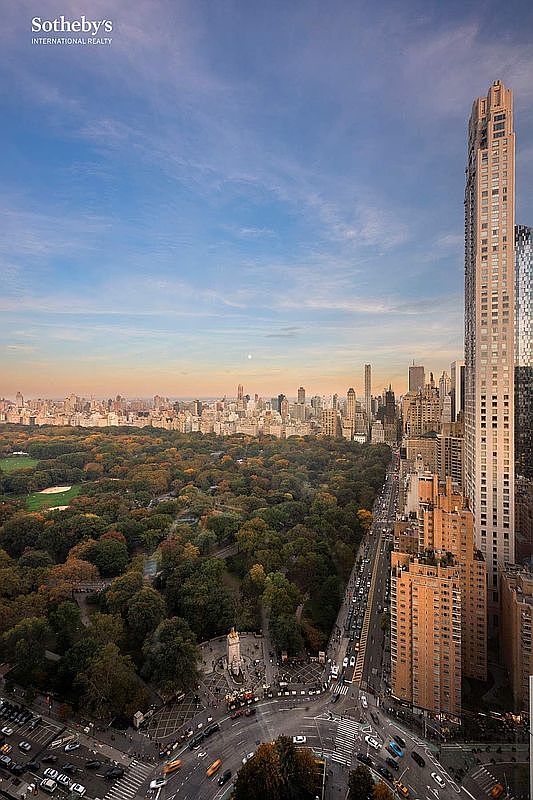
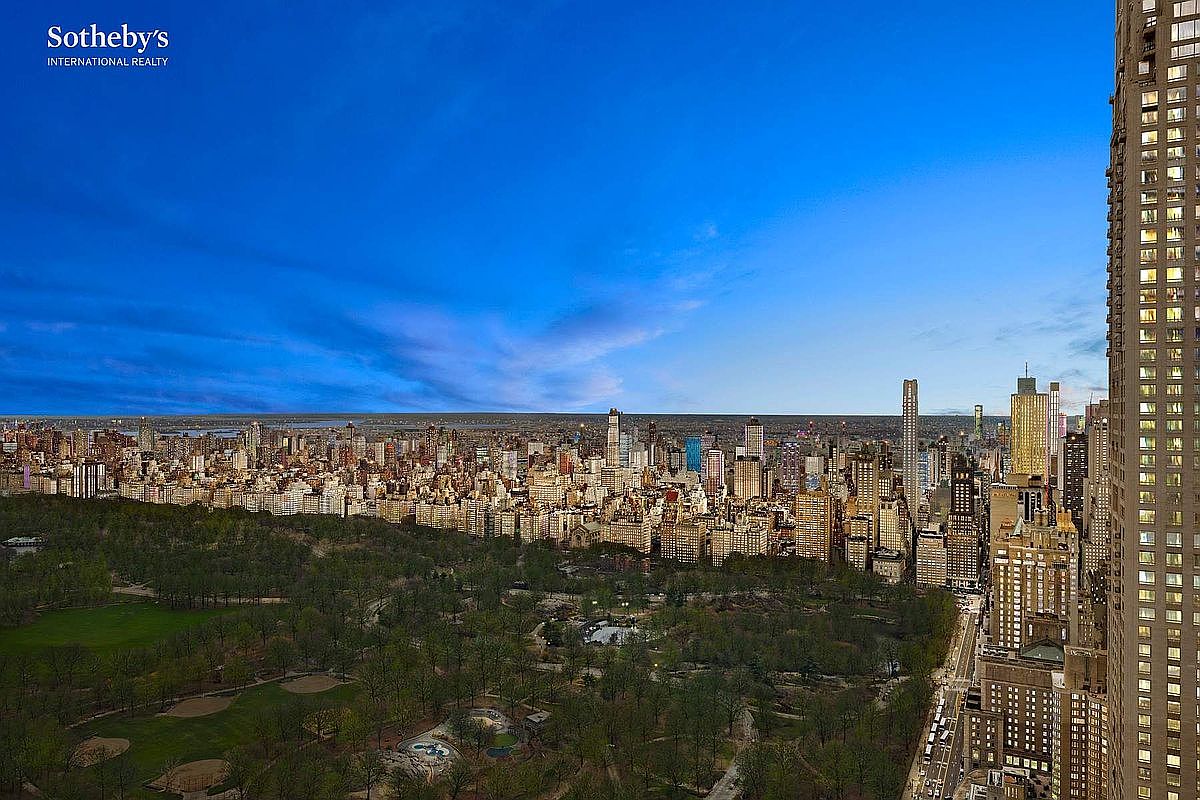
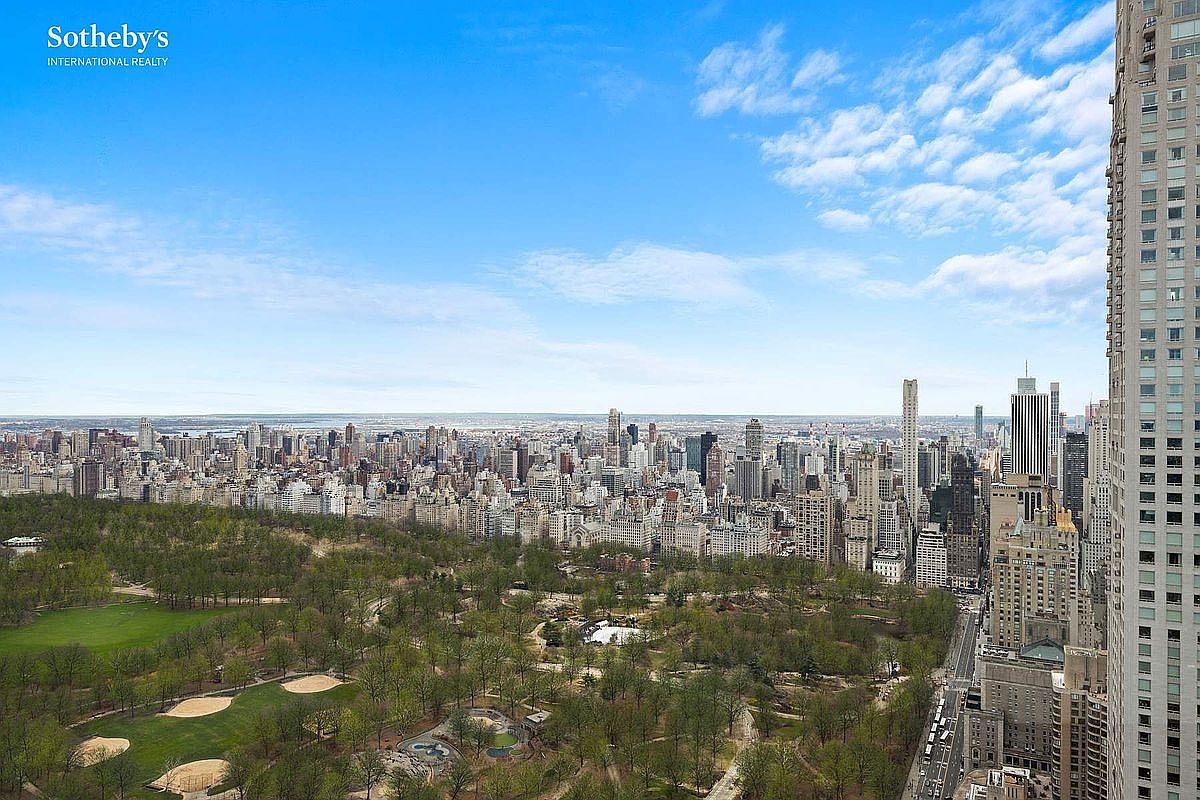
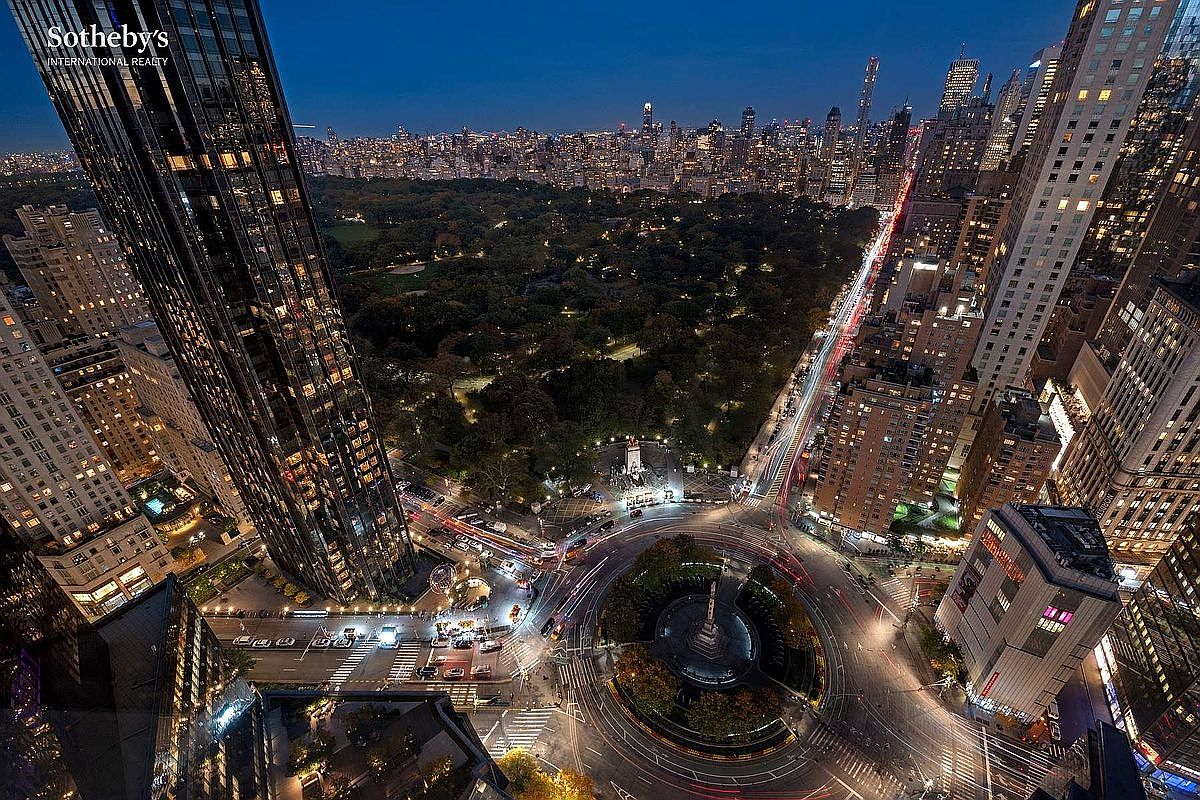
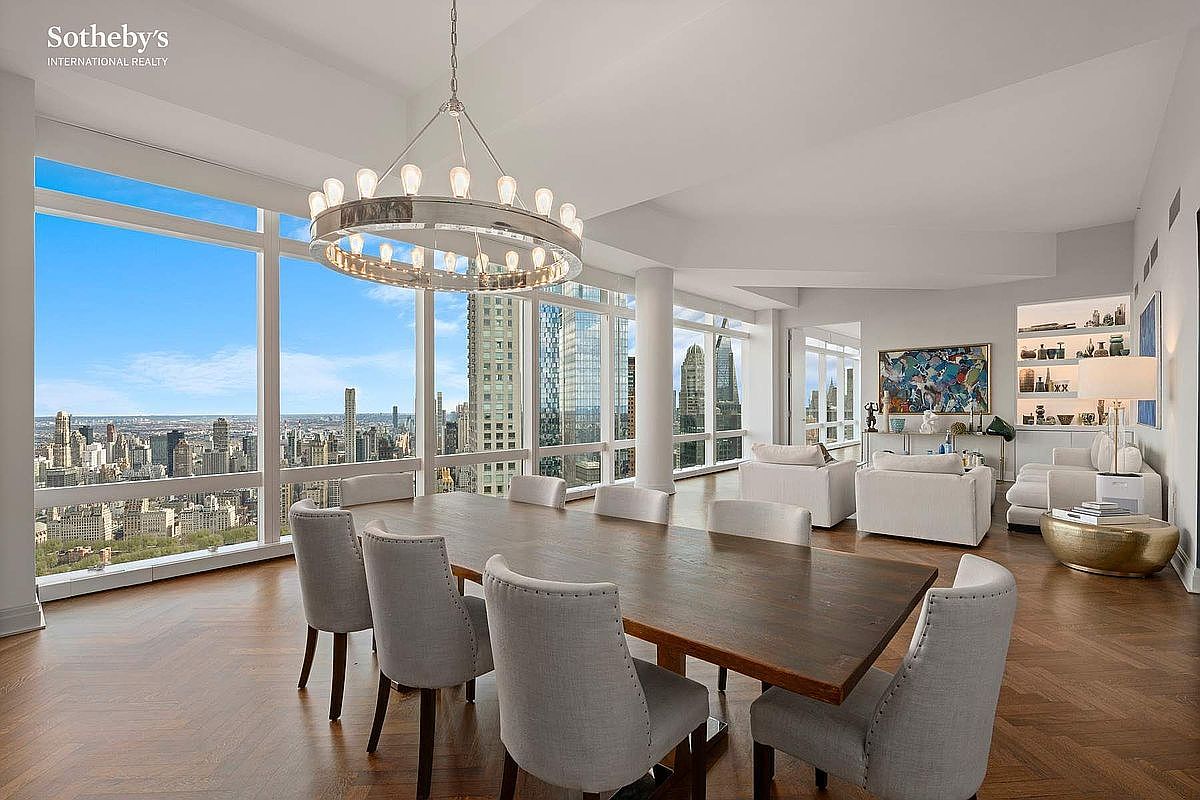
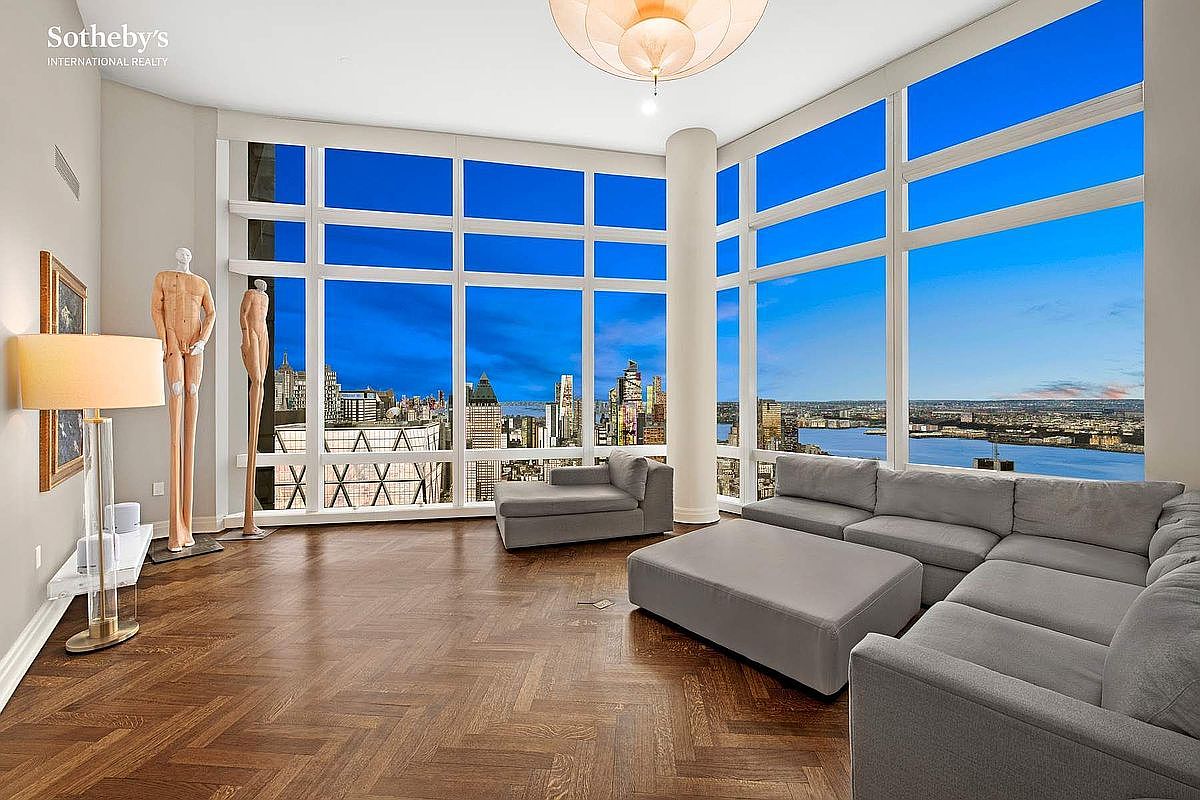
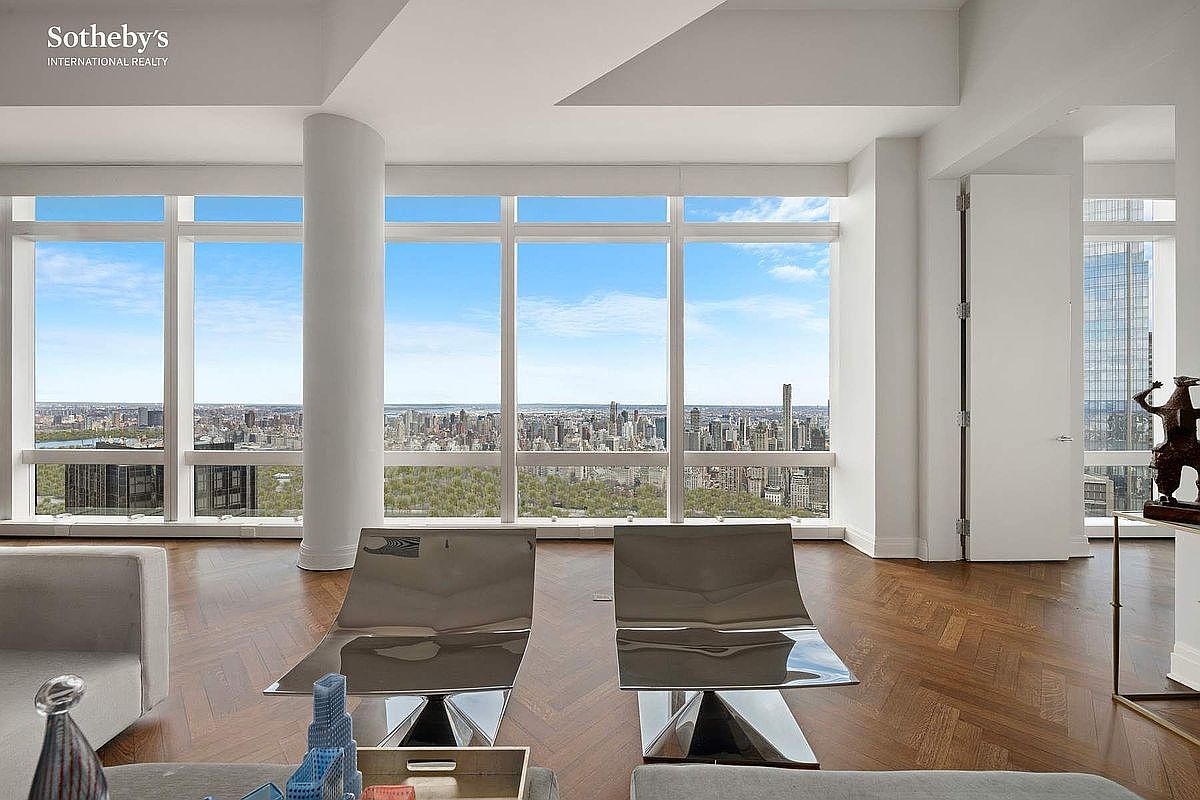
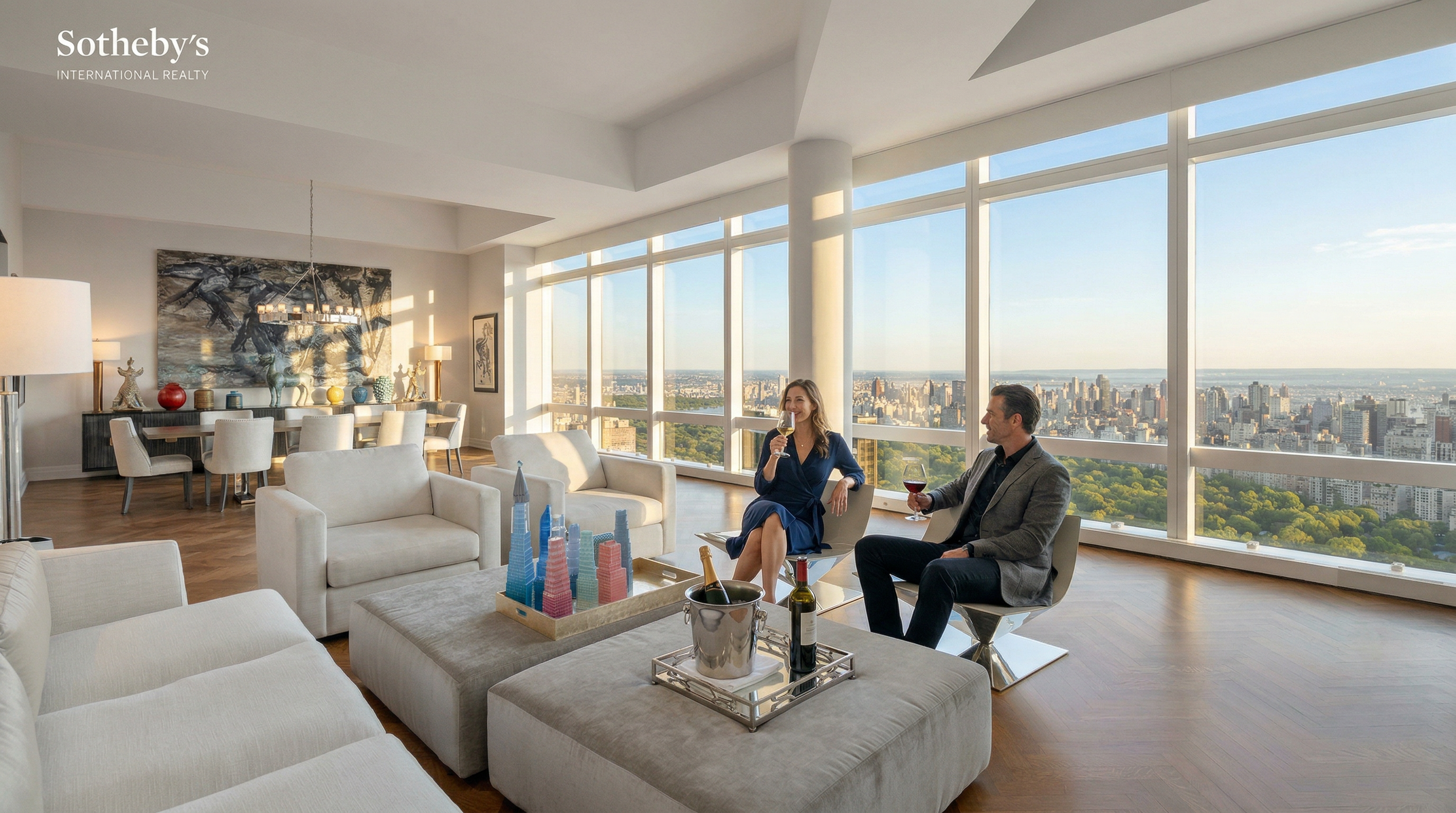
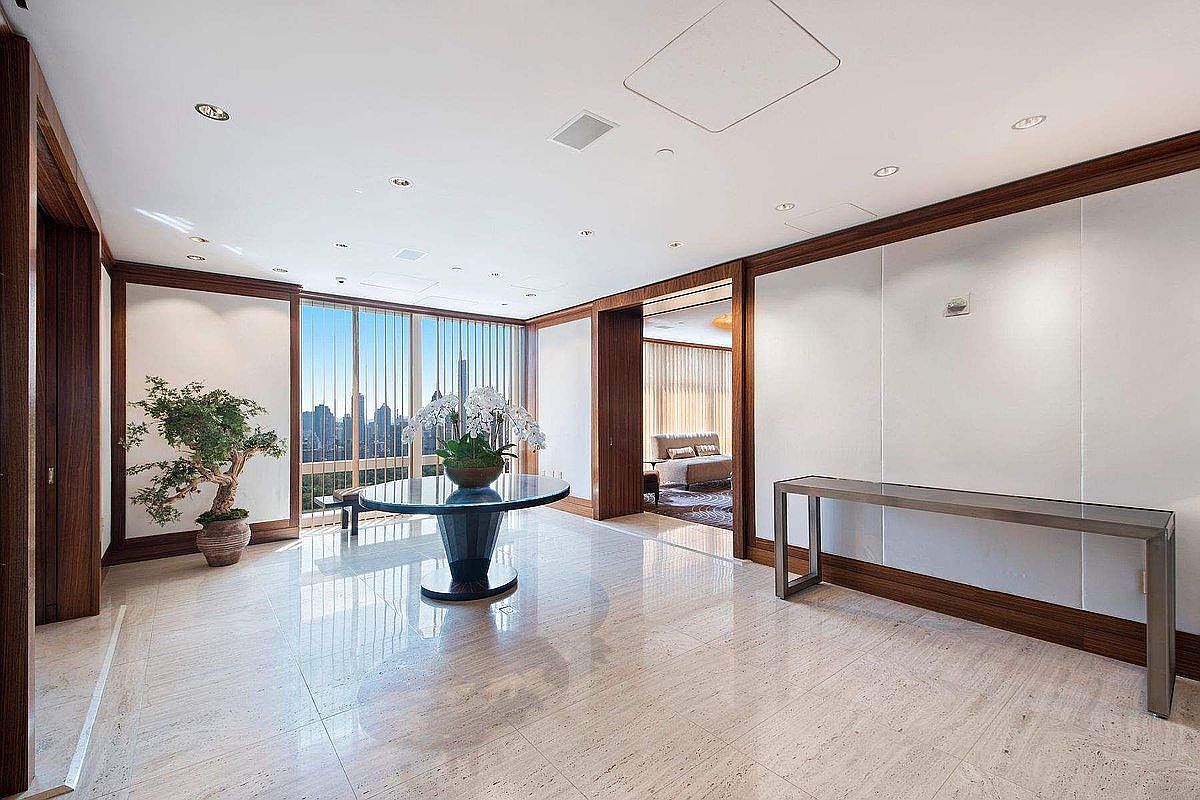
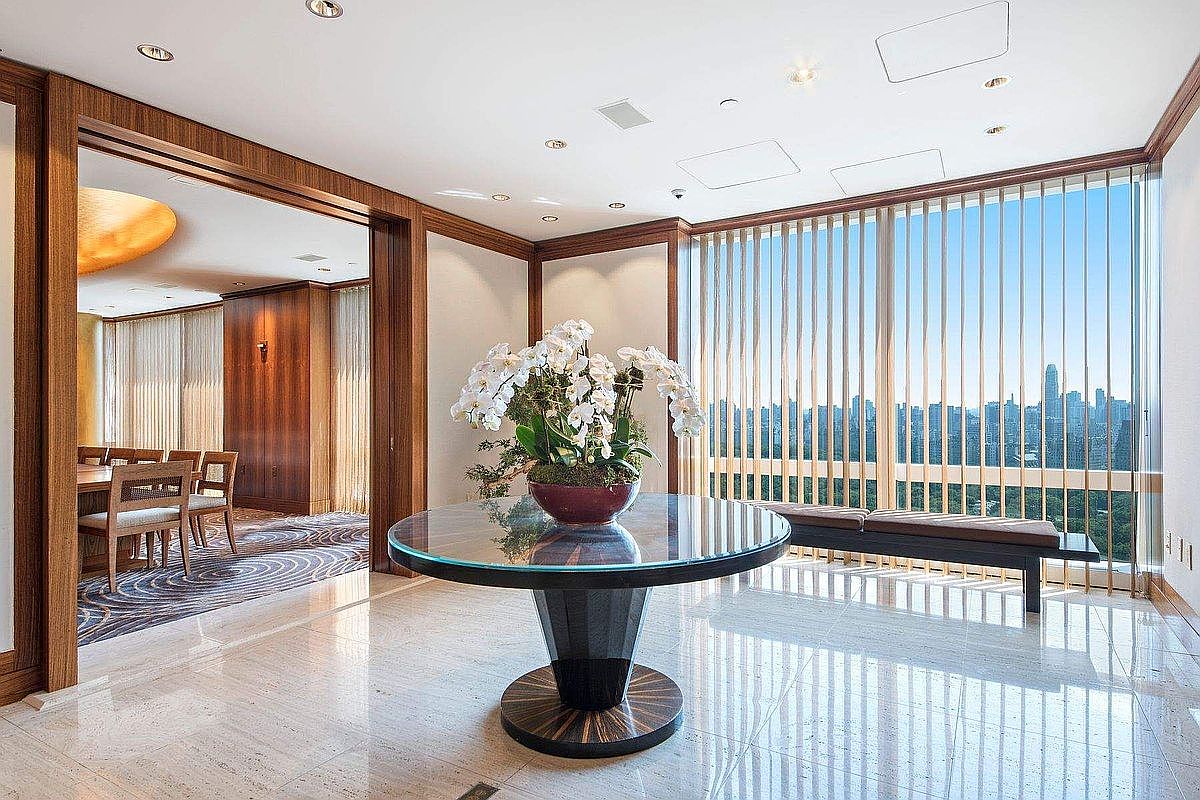
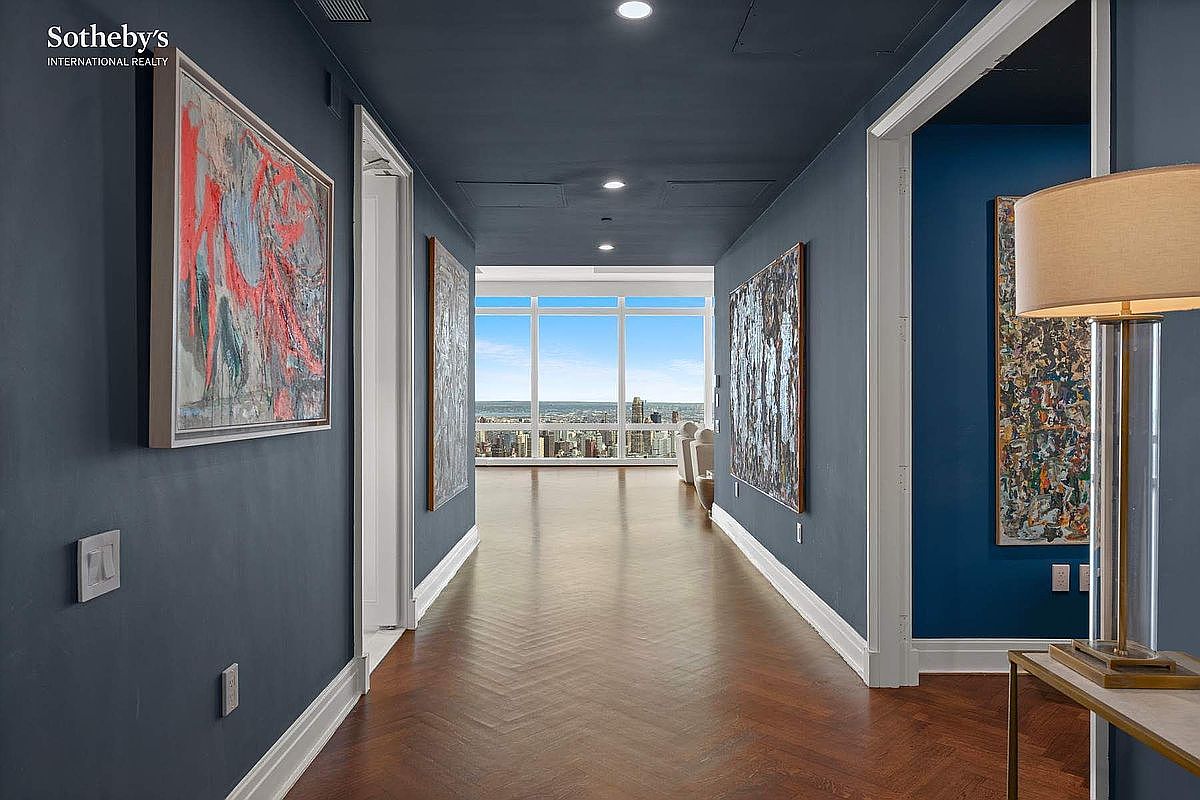
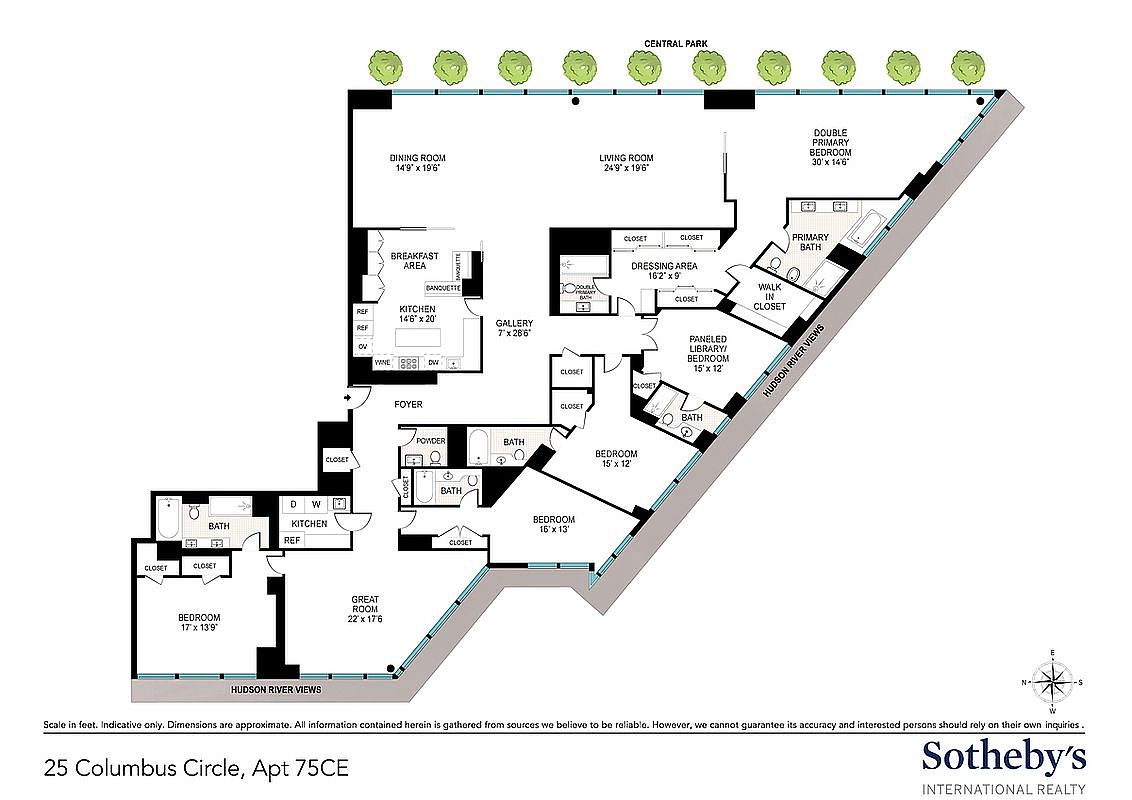
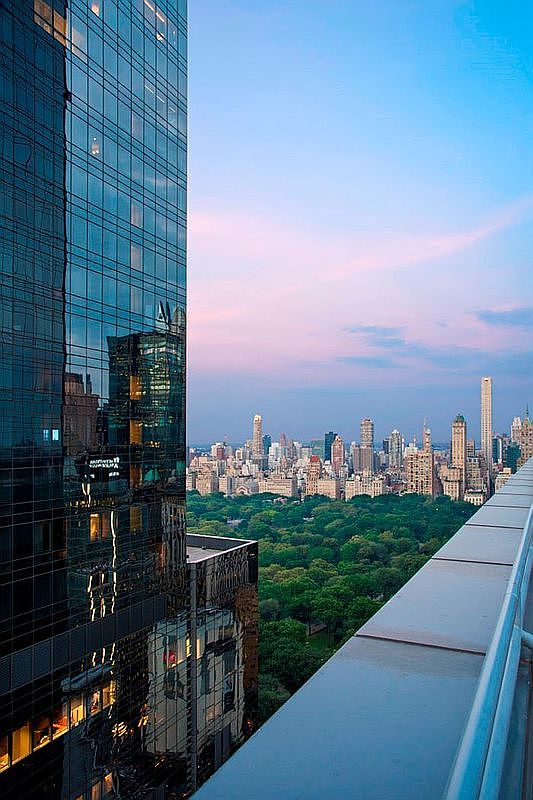
There is a moment, upon entering the 28-foot gallery of Penthouse 75CE, when the city reveals itself all at once. The corridor draws you forward with the quiet authority of a great museum, its herringbone floors warm beneath your feet, before the Manhattan skyline opens across the full breadth of the 40-foot living and dining room in a panorama so complete it feels almost theatrical. This is the essential genius of the apartment's design: every room has been oriented to command the view, and the view, at 75 floors above Columbus Circle, is without peer.
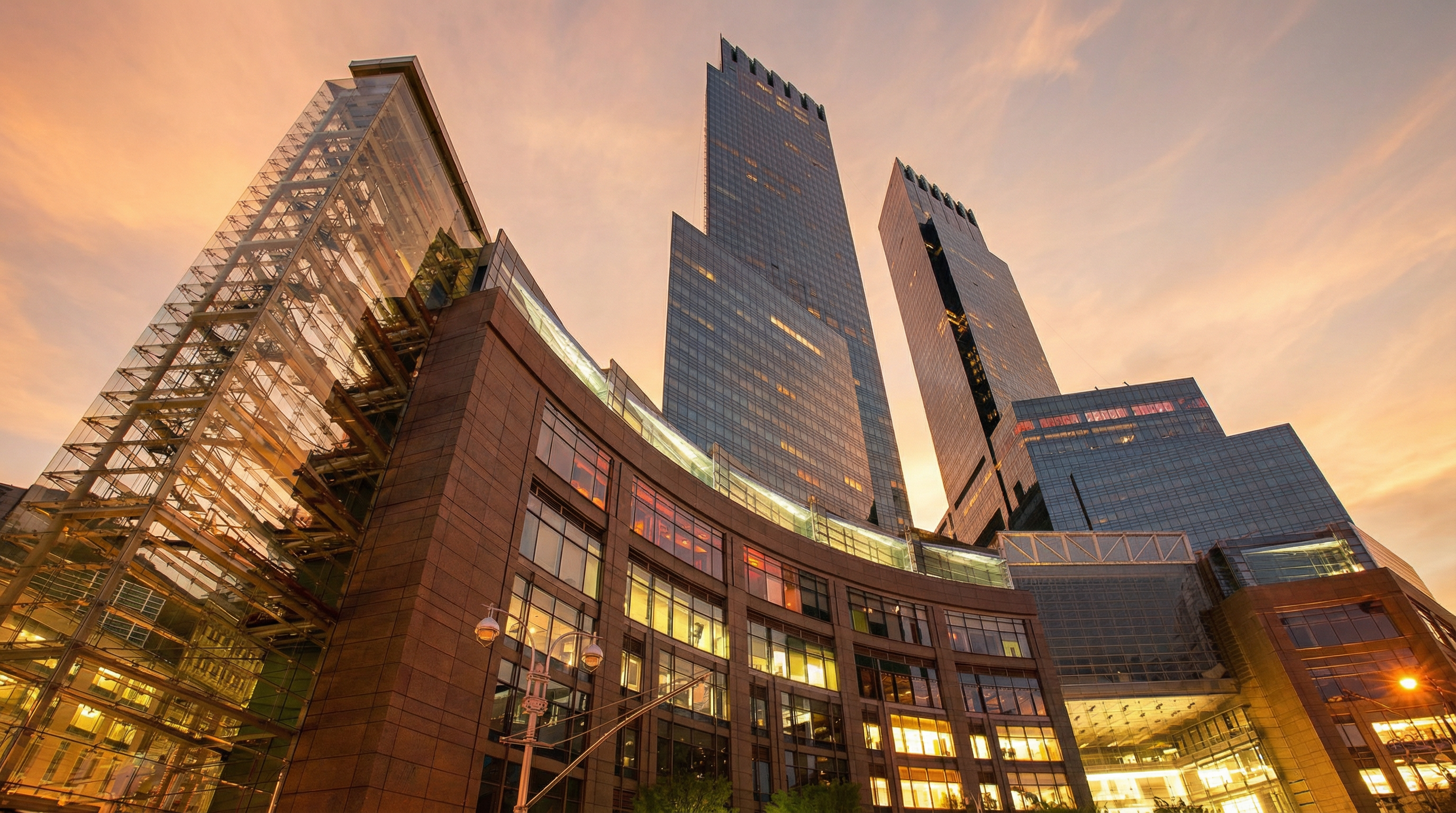
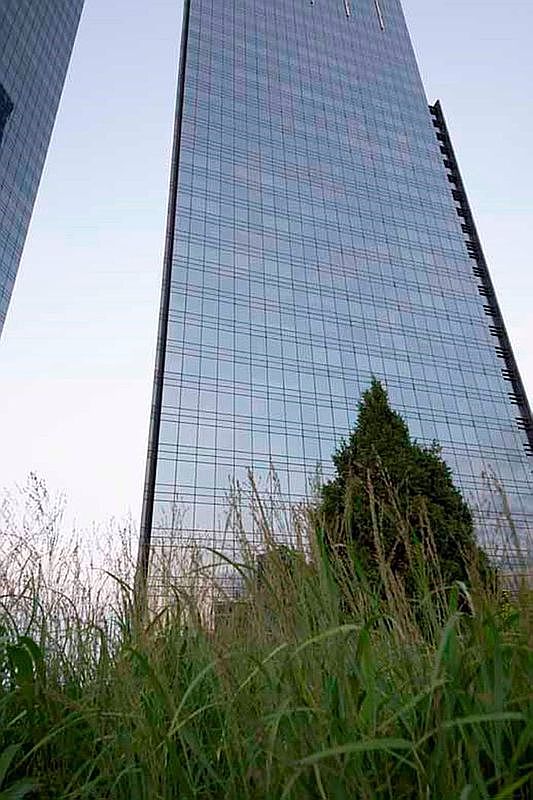
Designed by David Childs and Mustafa Kemal Abadan of Skidmore, Owings & Merrill — the firm responsible for One World Trade Center and the Burj Khalifa — Deutsche Bank Center is architecture conceived at the scale of civic ambition. The twin glass towers, each rising 750 feet above Manhattan, are among the most recognized silhouettes on the city's skyline. Within that framework, Penthouse 75CE occupies a position that is genuinely rare: a full-floor residence elevated above virtually everything around it, with ceiling heights reaching 14 feet and floor-to-ceiling glass on all principal exposures.
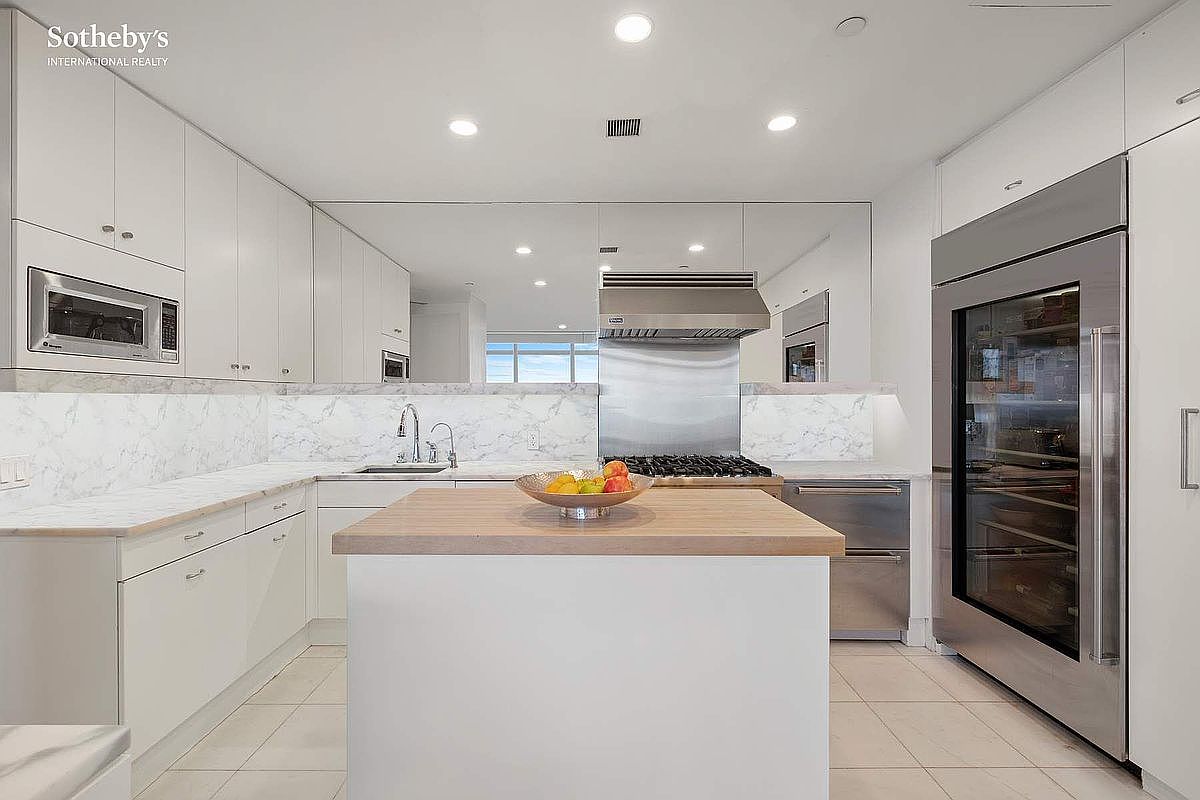
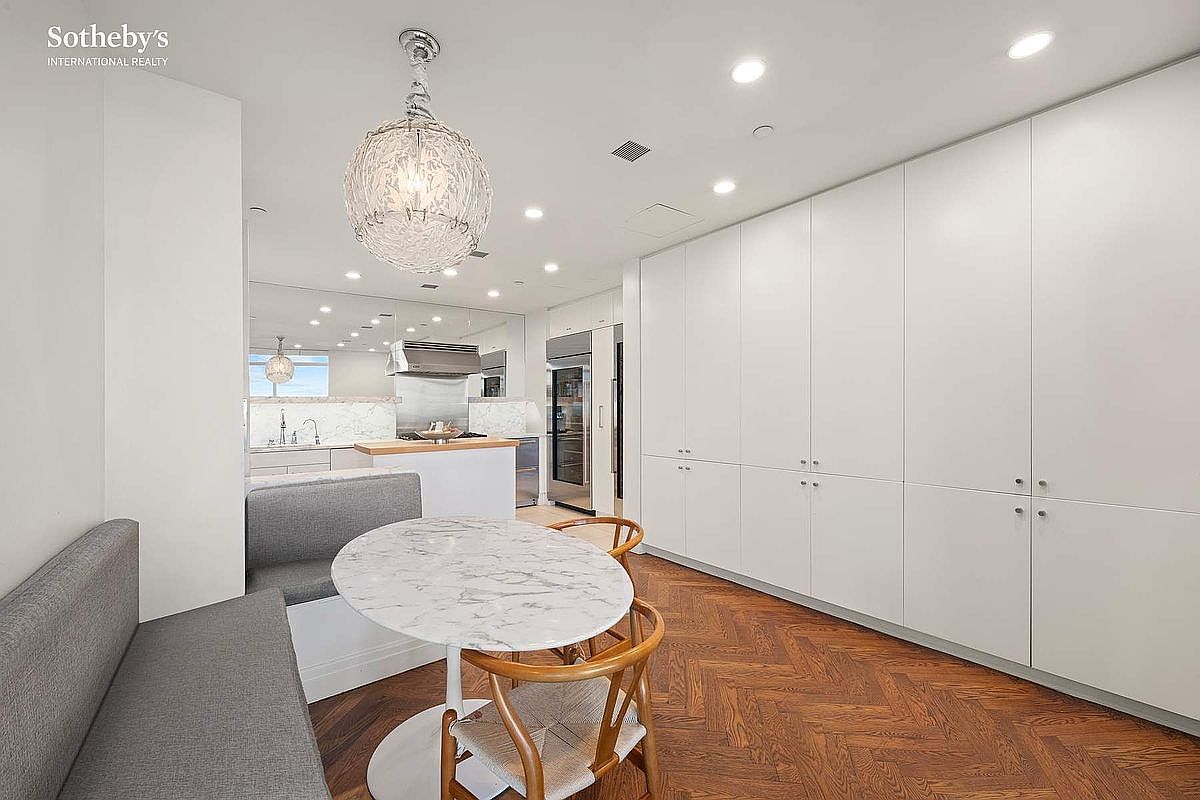
The living and dining room faces Central Park directly, its proportions generous enough to accommodate serious entertaining without sacrificing warmth. Adjacent, the 35-foot chef's kitchen is outfitted with professional stainless steel appliances and designed with a flexibility that speaks to considered living — it opens fully into the entertaining space when the occasion demands, or closes quietly for more intimate meals. A marble bistro table and banquette create a natural gathering point within the kitchen itself, making it as suited to a Sunday morning as to a dinner for twenty.
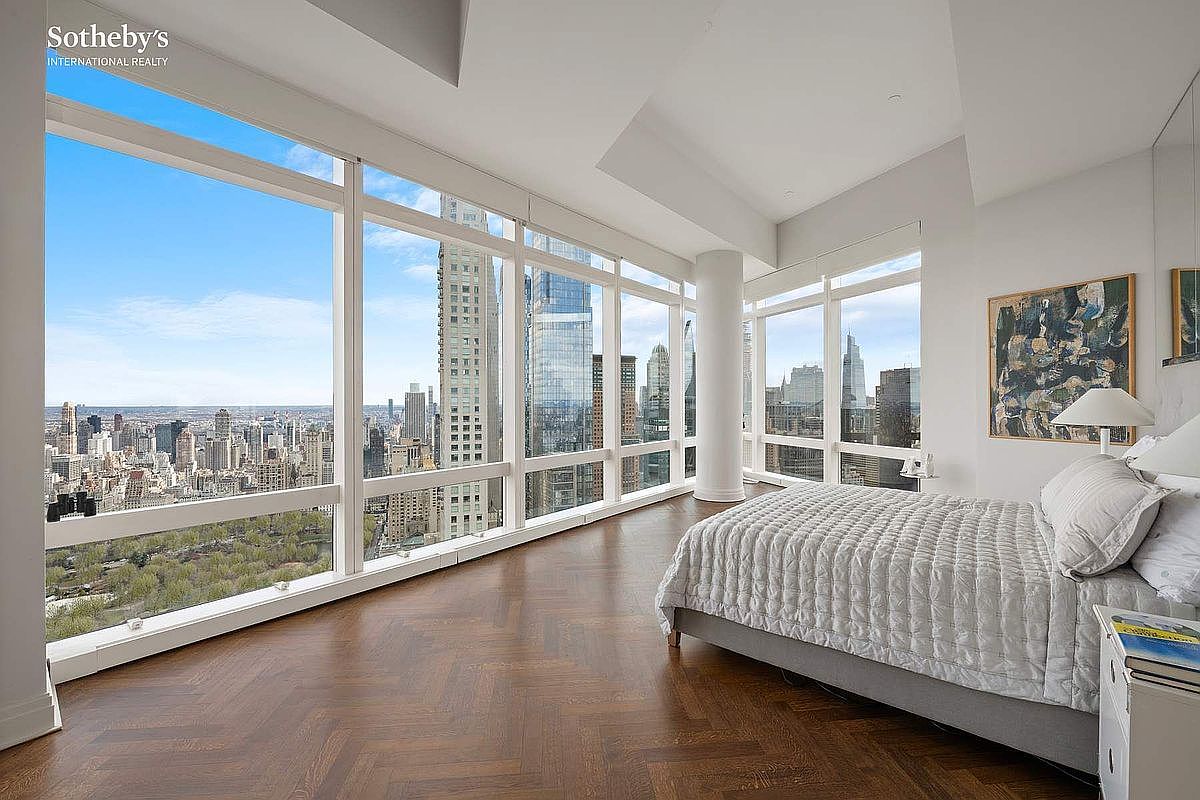
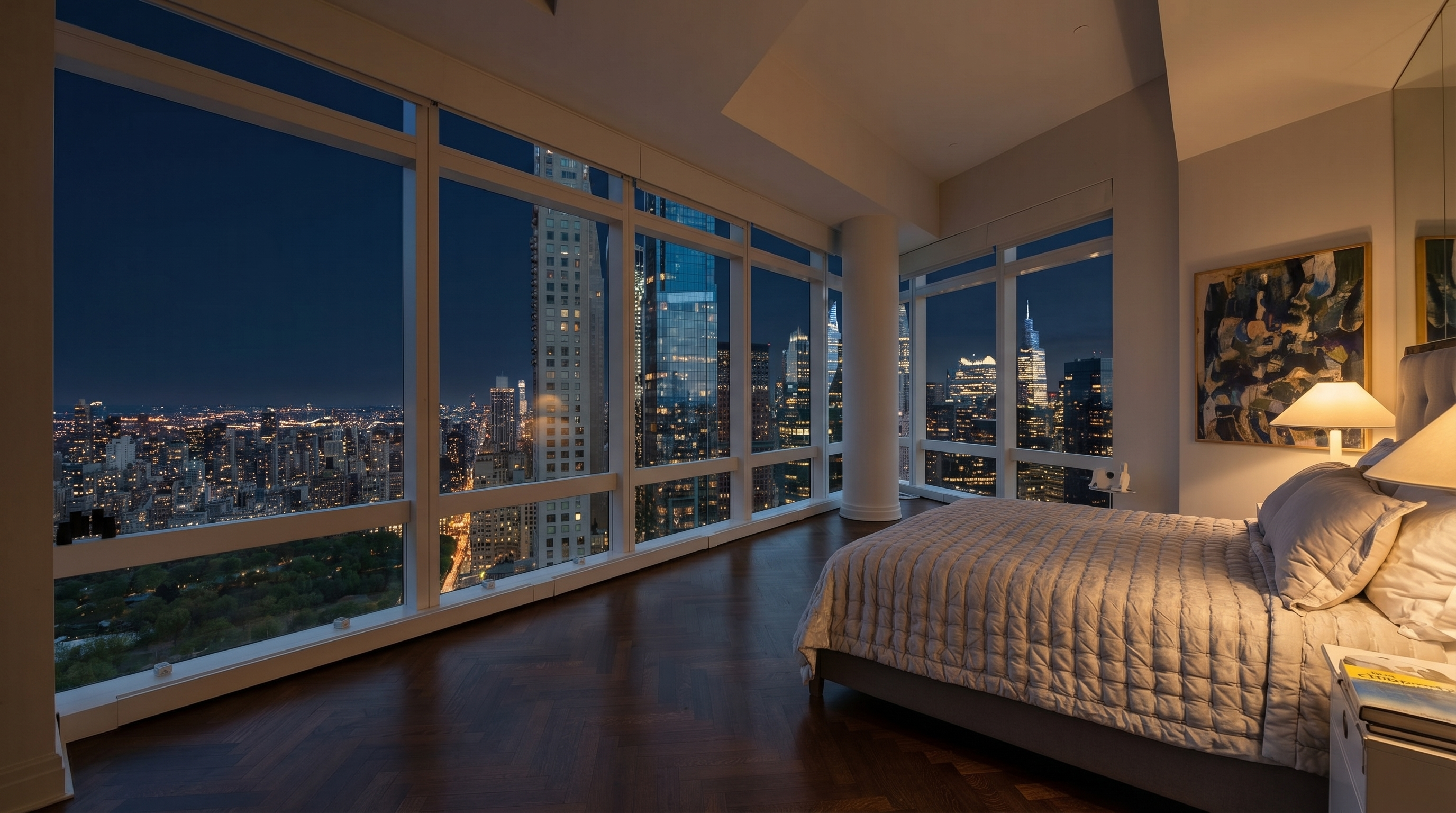
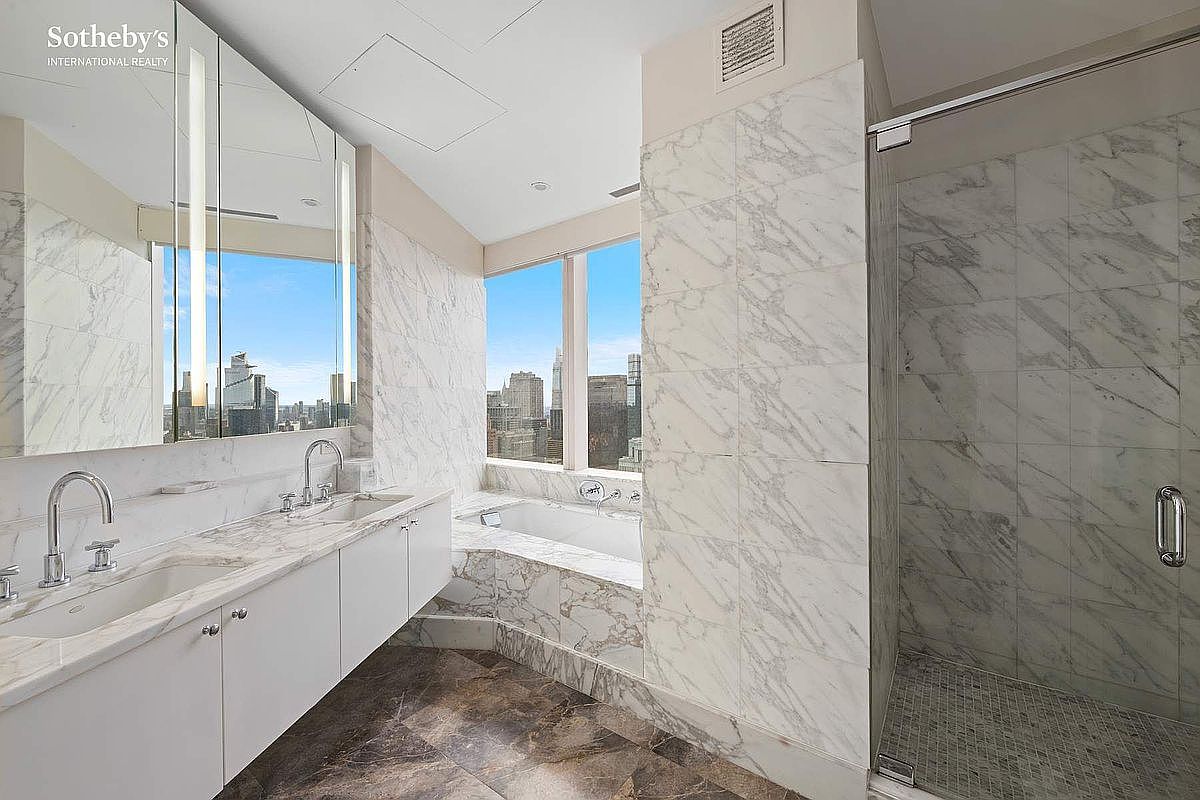
The primary suite occupies its own wing facing the park, anchored by herringbone floors and floor-to-ceiling windows that frame Central Park by day and a sea of city light by night. Two large marble bathrooms — each finished with the precision of a five-star hotel suite — a dedicated dressing area, and a generous walk-in closet complete an enclave of genuine privacy and refinement.
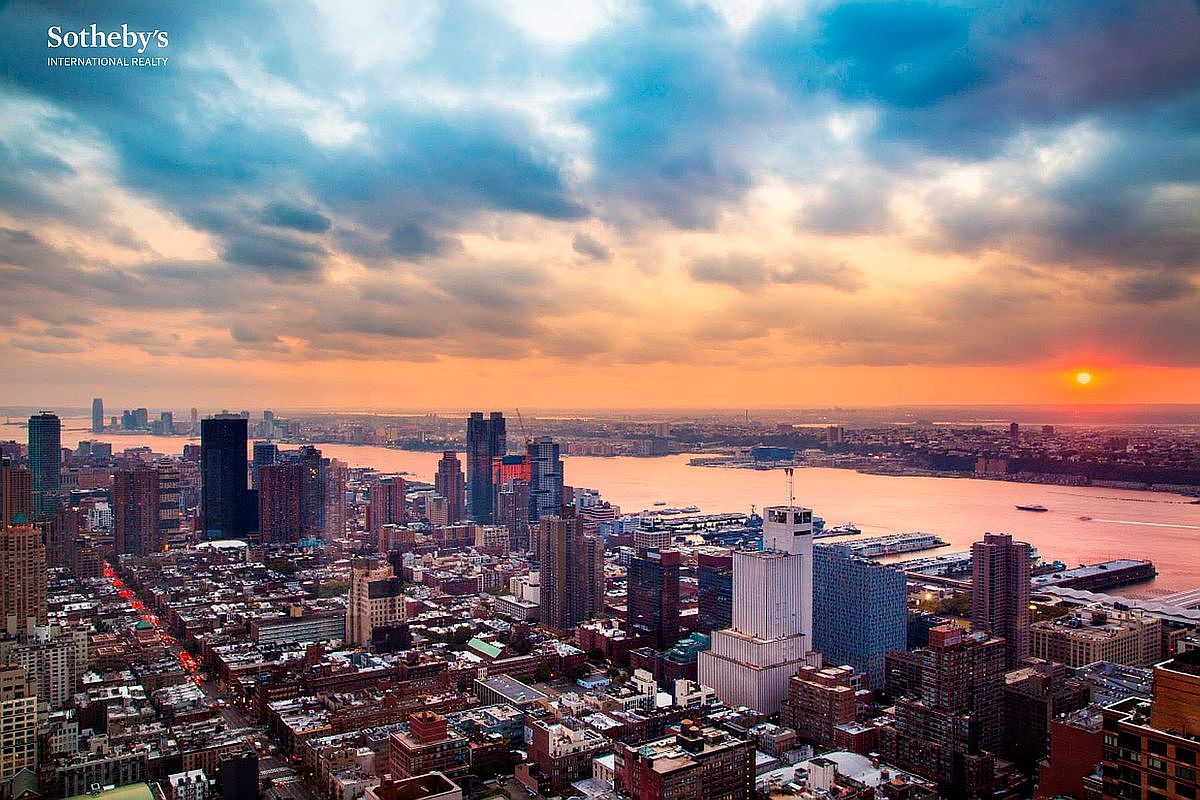
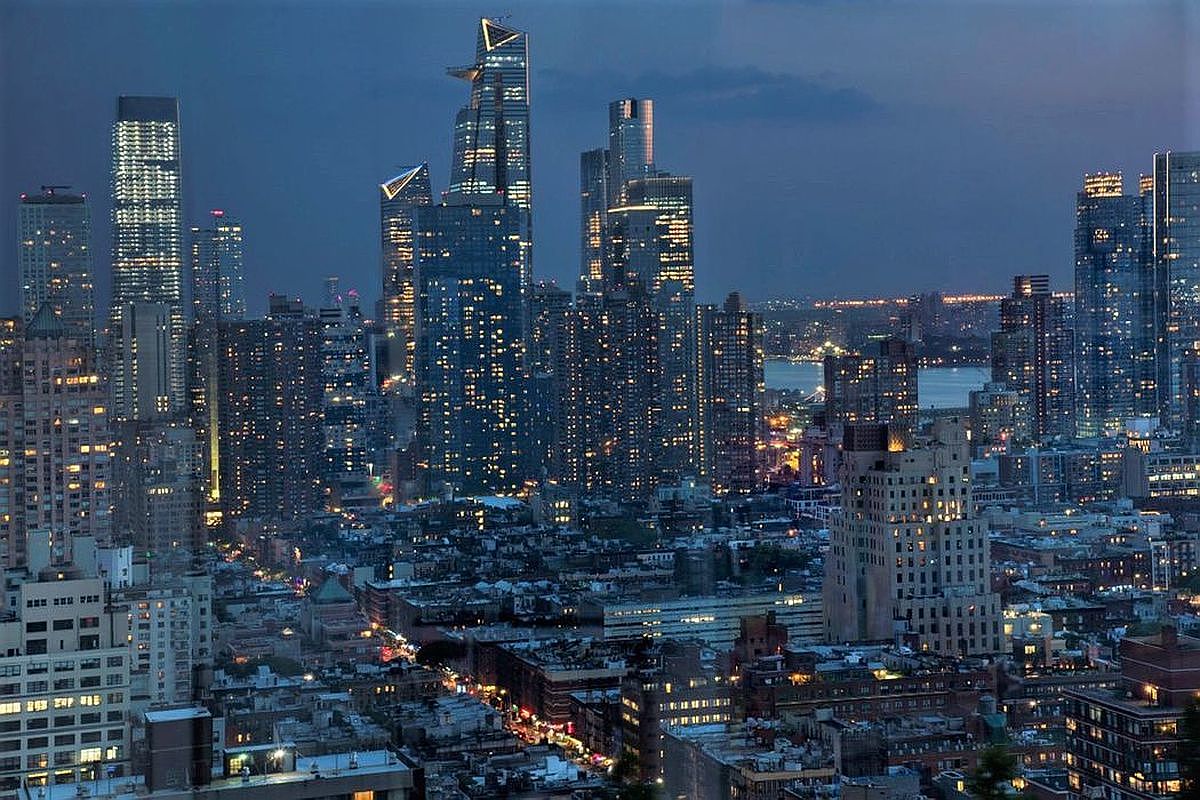
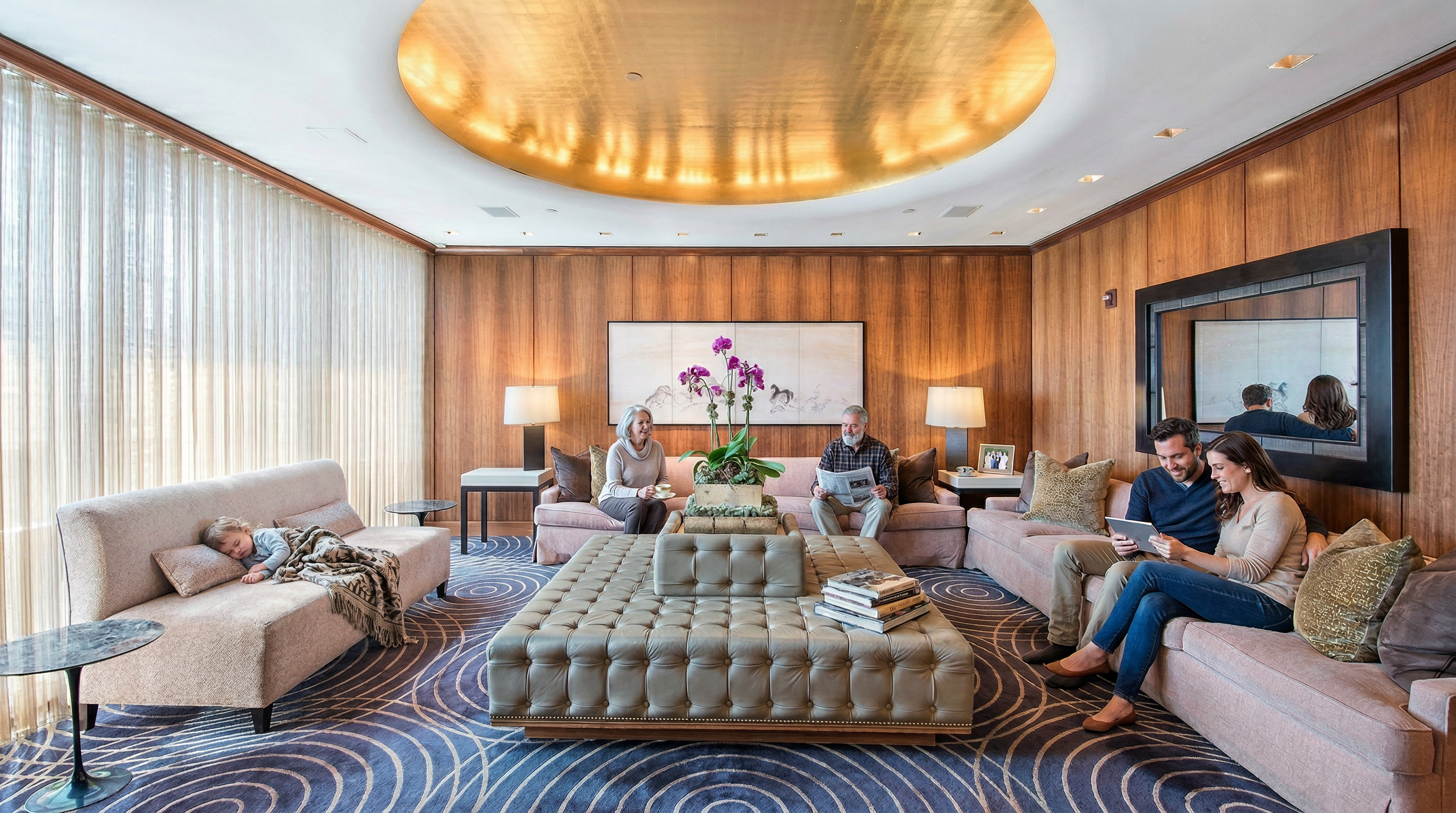
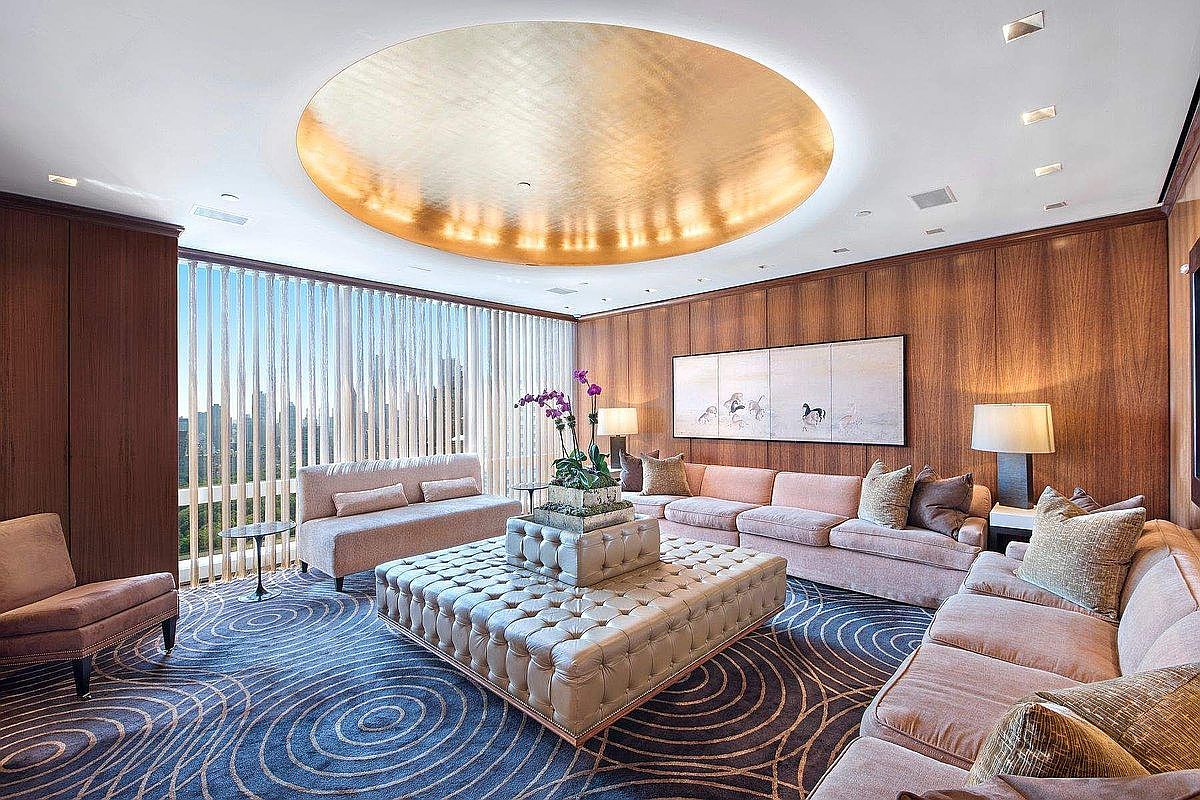
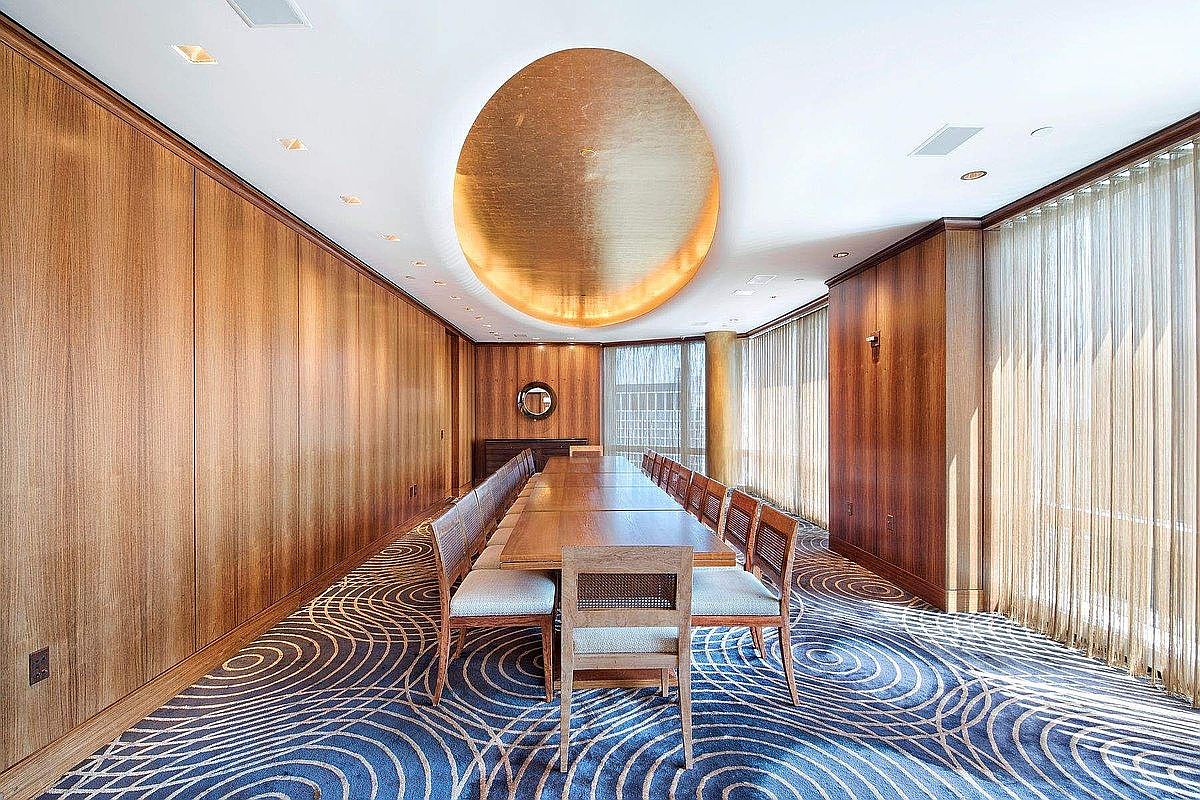
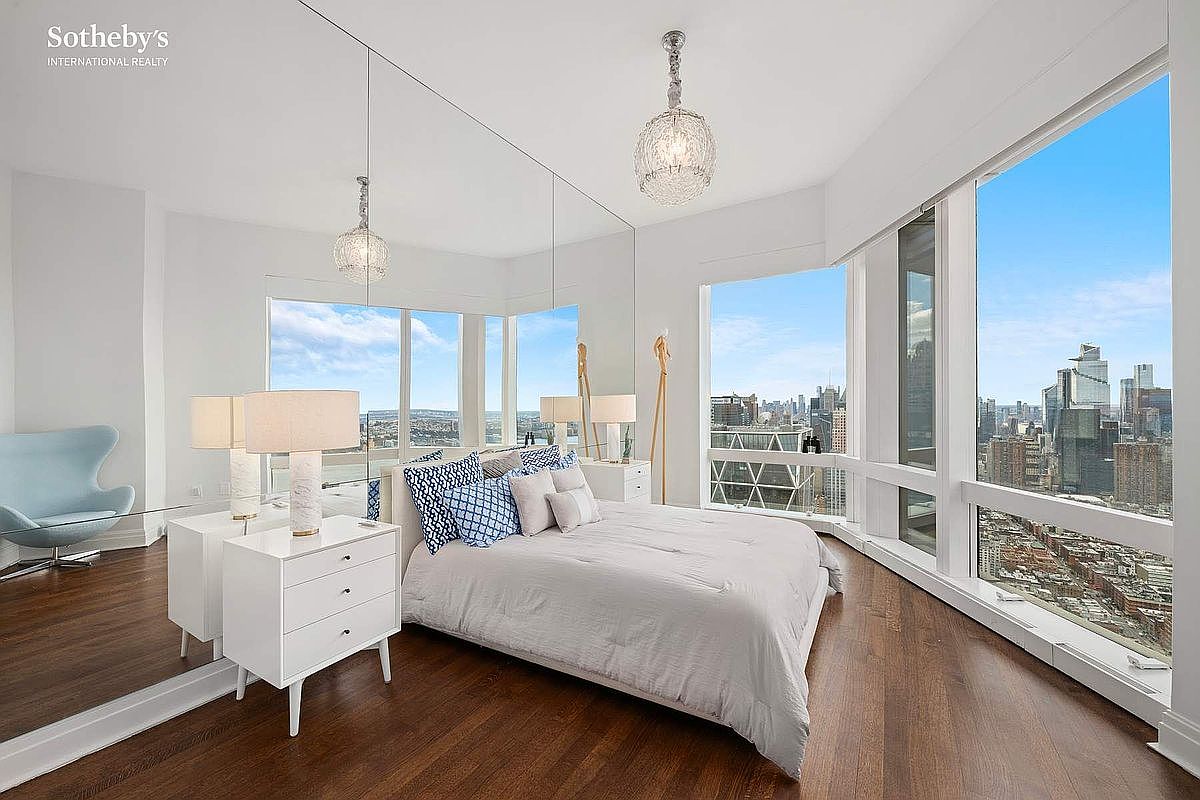
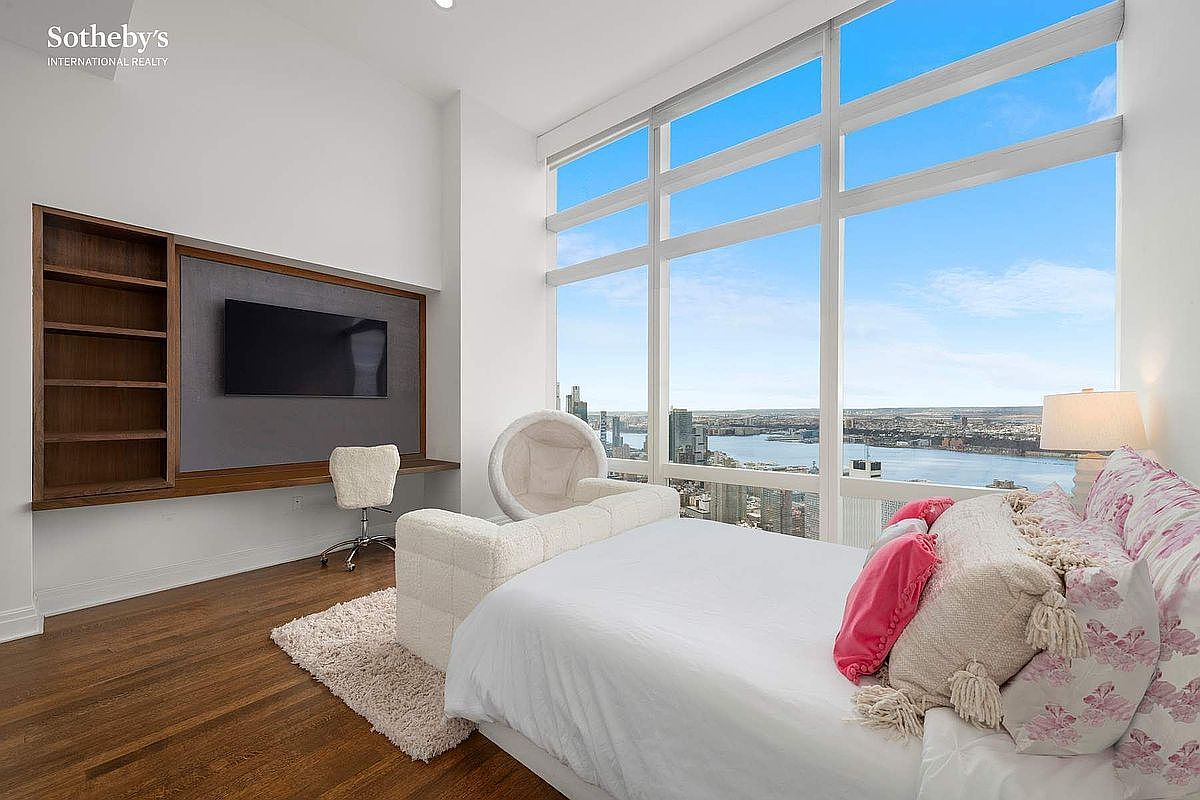
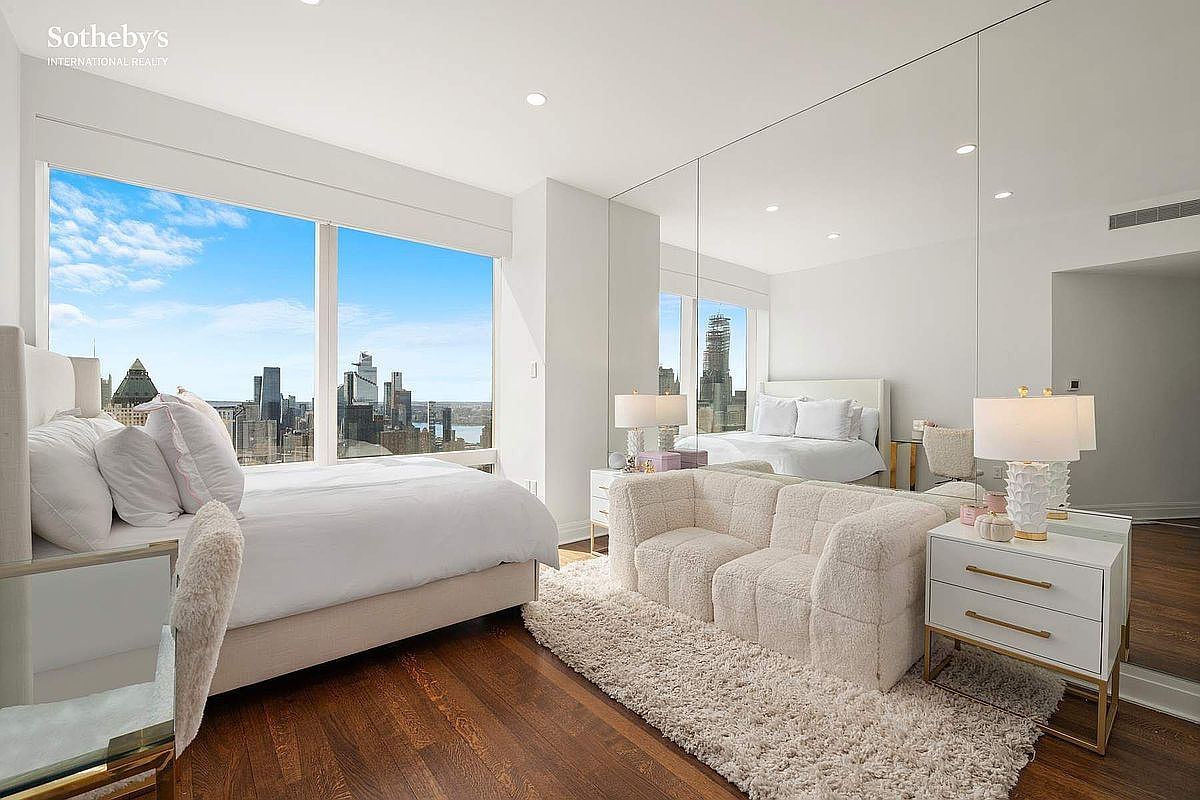
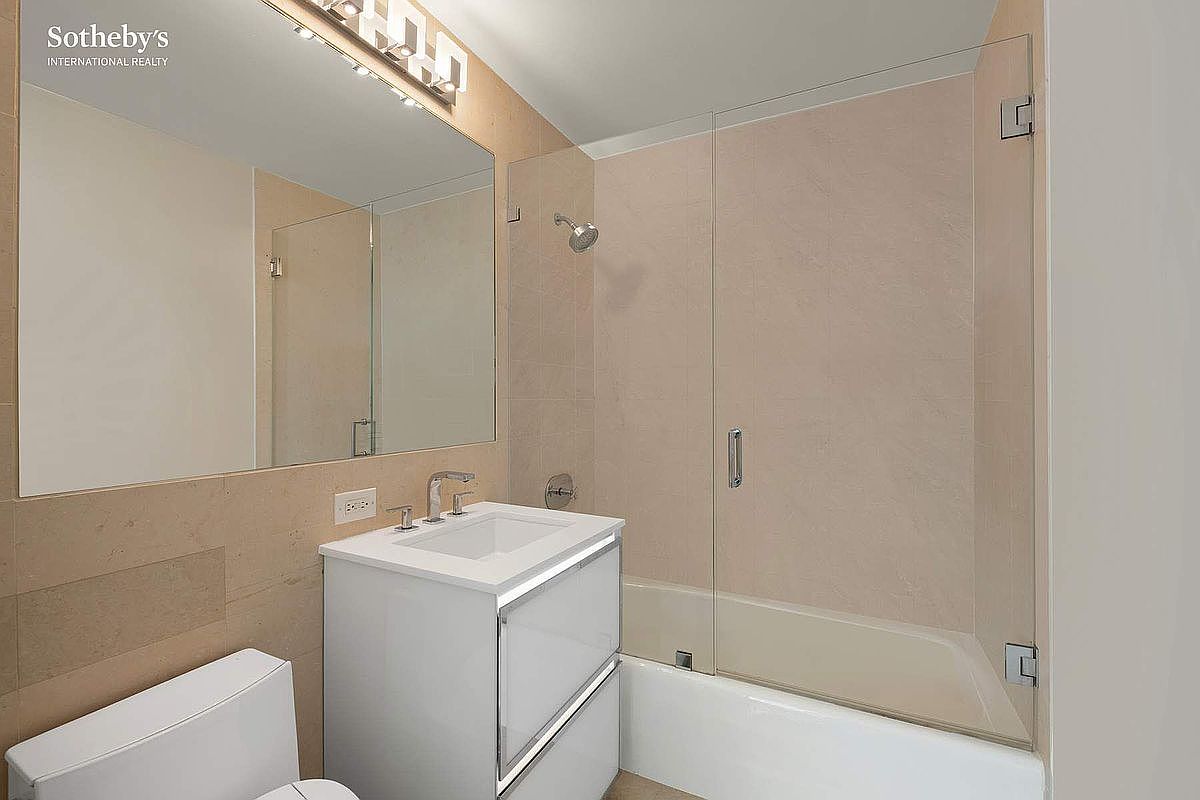
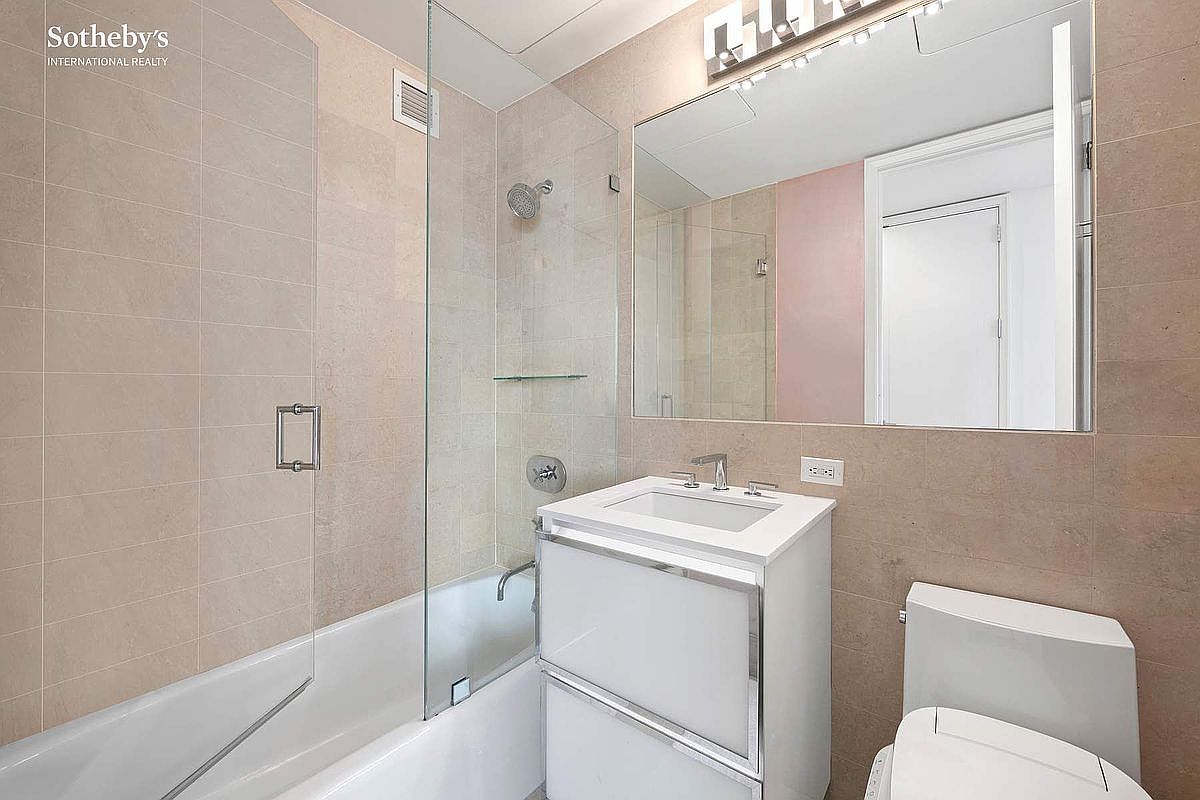
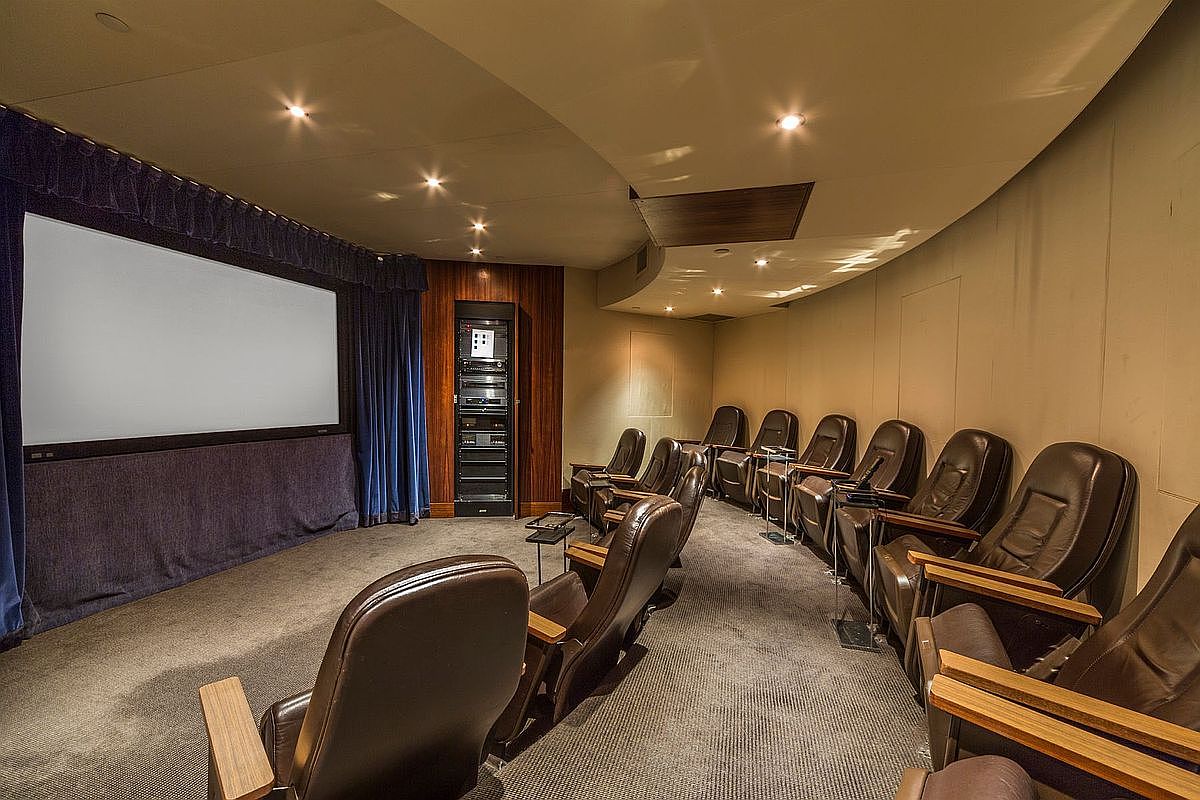
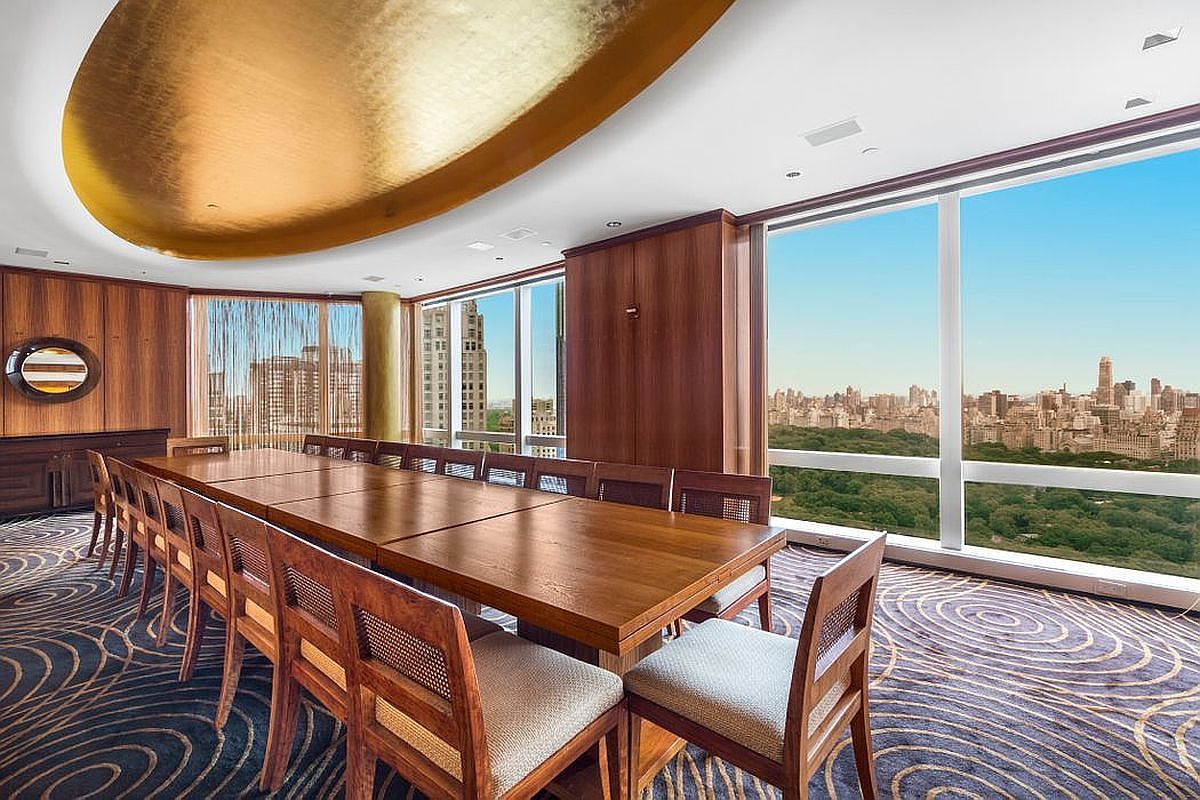
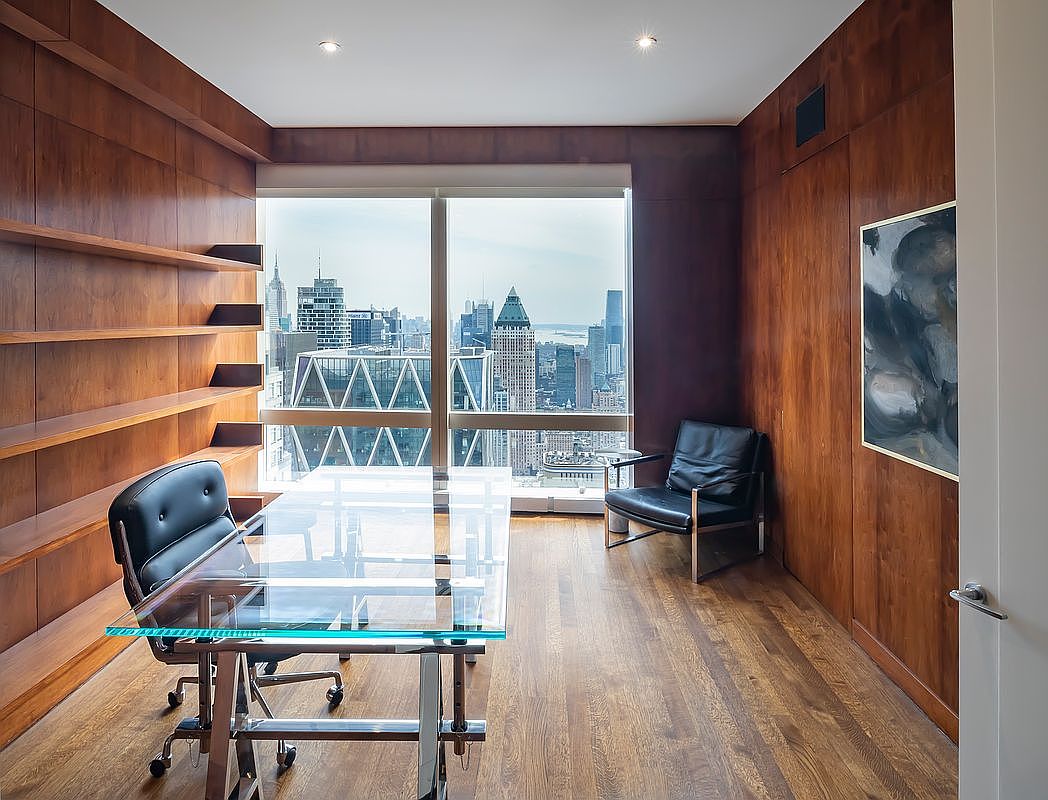
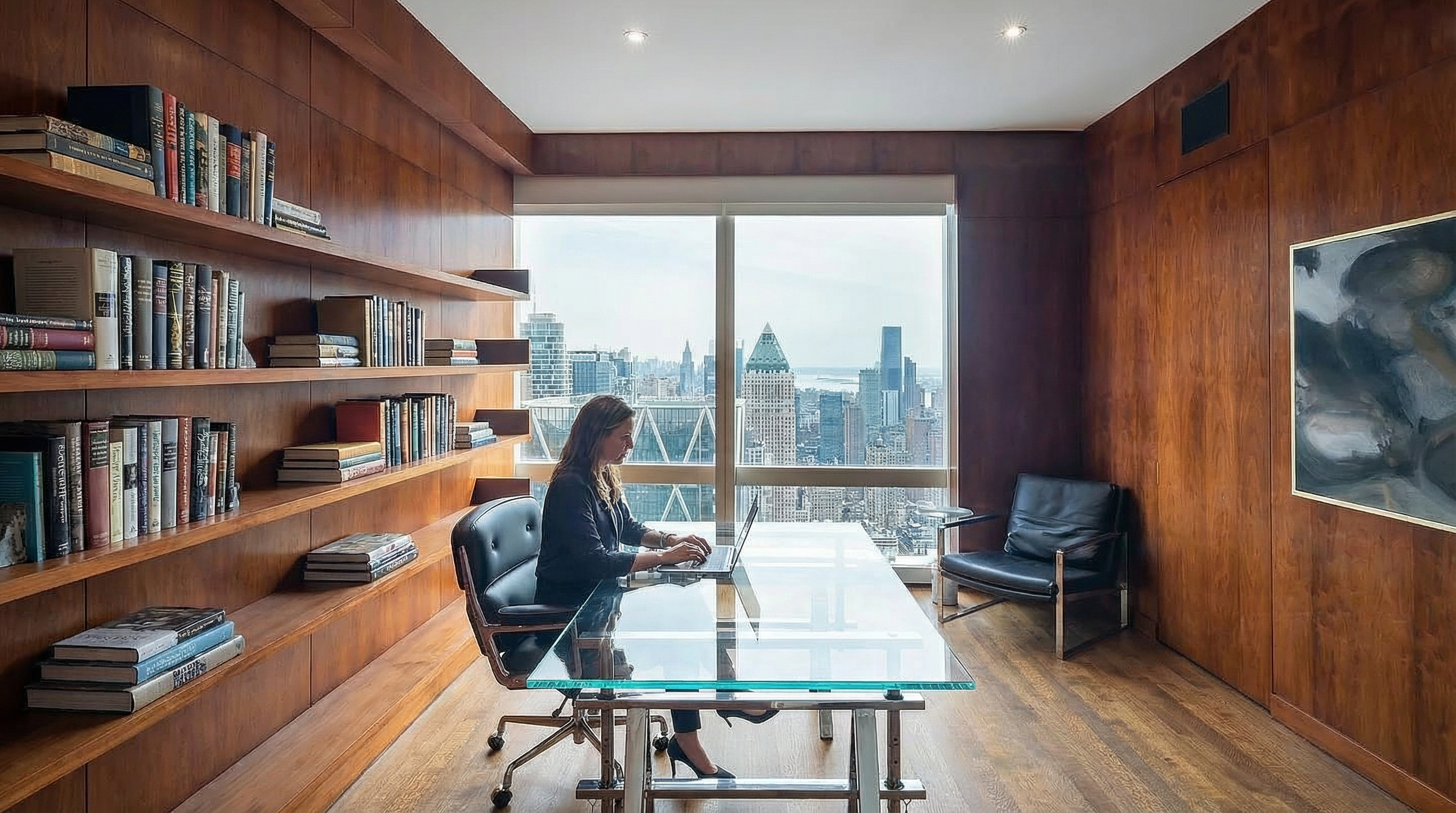
Four additional bedrooms, each with an en suite bath, provide accommodation worthy of the address. The wood-paneled library offers an intimate counterpoint to the apartment's grander volumes — a room for reflection, lined in warm timber and framed by city views that lend even quiet hours a sense of occasion. The media room, with its dedicated cinematic setup and panoramic river and city vistas, completes a private wing designed for both family life and sophisticated entertaining.
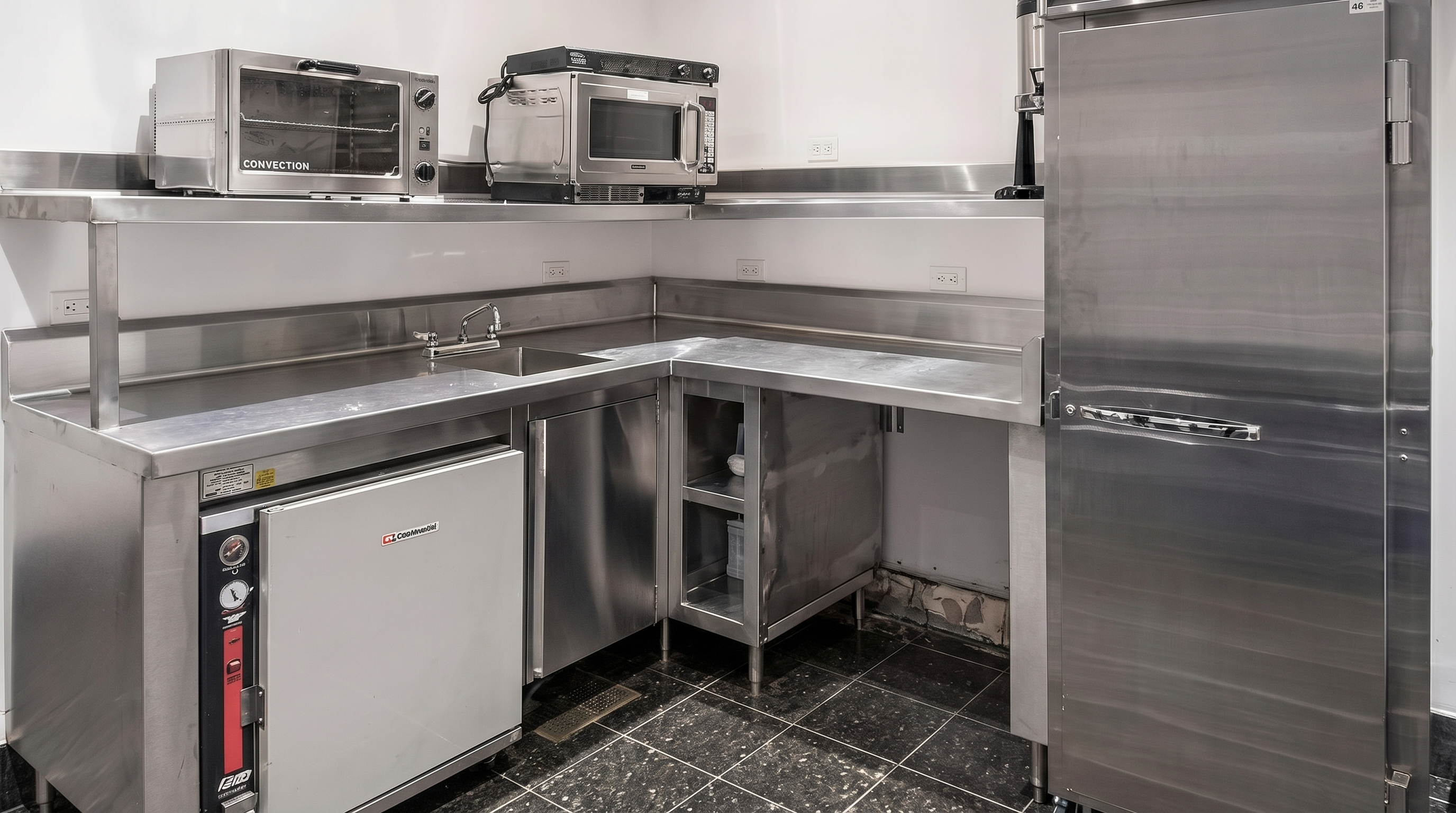
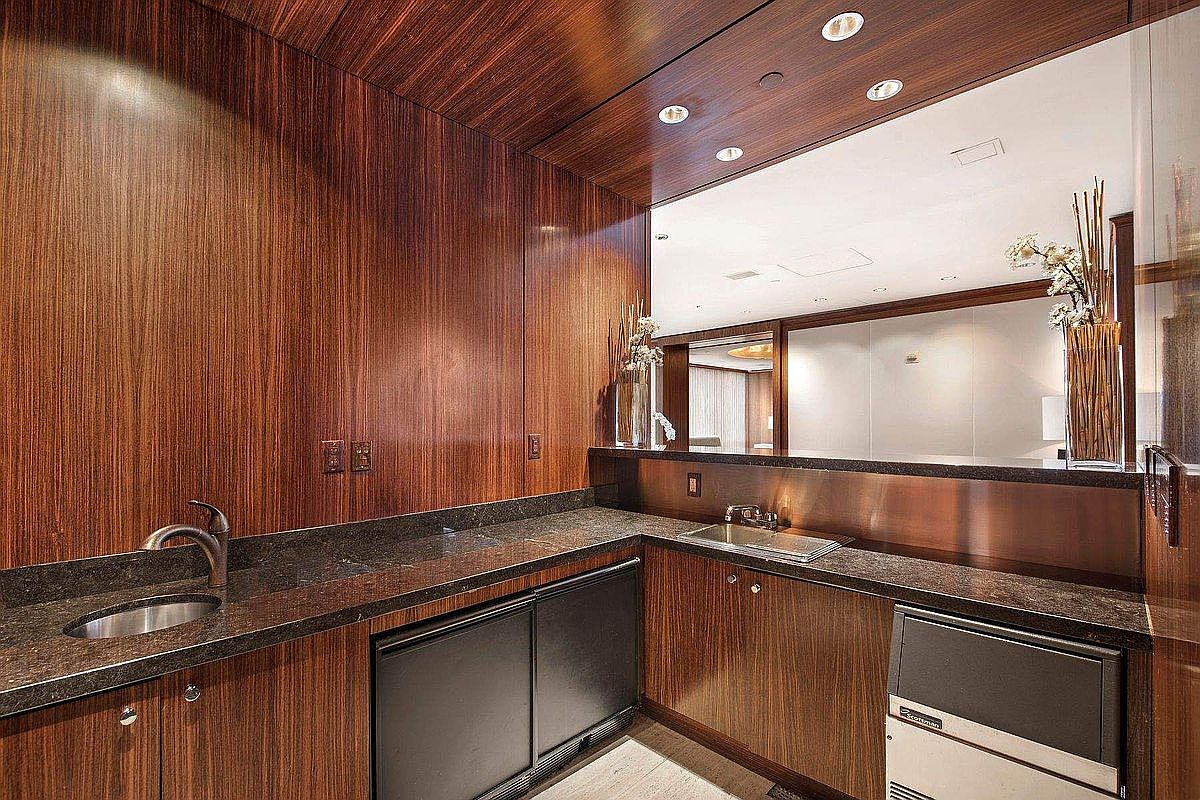
Throughout, a state-of-the-art Crestron smart system governs lighting, automated shades, climate, and audio with seamless precision. A built-in wet bar with dark granite countertops, dual integrated sinks, and a Scotsman ice maker anchors the entertaining flow. The laundry room and secondary kitchen add practical dimension to an apartment that leaves nothing unconsidered. This is a penthouse that performs as flawlessly as it presents.
Columbus Circle occupies one of the most storied intersections in New York City — the precise point where Midtown Manhattan gives way to the Upper West Side, where the organized geometry of Broadway meets the sweeping arc of Central Park's southwestern corner. It has long been understood as a fulcrum of the city, a place where culture, commerce, and nature converge in a way that no other New York address quite replicates.
The circle itself is anchored by the marble monument to Christopher Columbus, commissioned in 1892 and standing at the center of a roundabout that funnels traffic from eight directions. It was designated the official center point from which all distances from New York City are measured — a civic distinction that feels quietly appropriate for a location so central to the character of Manhattan.
Deutsche Bank Center, formerly known as Time Warner Center, transformed Columbus Circle when it opened in 2004. The development brought with it The Shops at Columbus Circle, an upscale retail destination anchored by a flagship Whole Foods Market and home to some of the city's most distinguished brands. The building's restaurant collection remains among the most celebrated in New York: Per Se, Thomas Keller's flagship New York restaurant and a consistent holder of three Michelin stars, occupies a corner position with Central Park views that have become the stuff of dining legend. Bar Masa and Masa — the latter long regarded as among the most exclusive Japanese dining experiences in the United States — share the building with Porter House Bar & Grill, Bluebird London, and MomofukuNoodle Bar, composing a culinary roster that few addresses anywhere can match.
Jazz at Lincoln Center, the world's foremost nonprofit jazz organization, occupies the upper floors of Deutsche Bank Center, with performance spaces — including the celebrated Rose Theater and Dizzy's Club — that have made Columbus Circle a destination for one of New York's most vital cultural institutions.
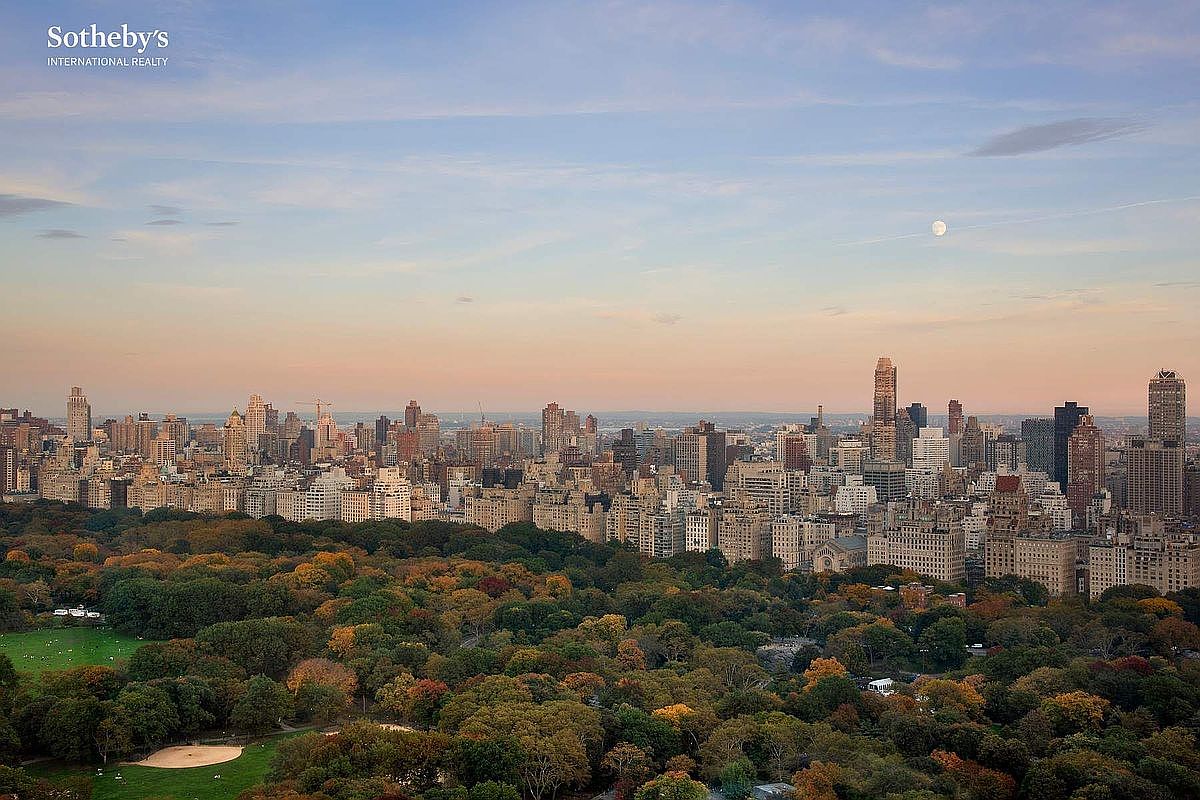
Central Park itself, directly at the building's threshold, is 843 acres of Frederick Law Olmsted and Calvert Vaux's masterwork — one of the great achievements of American landscape design. For residents of Penthouse 75CE, the park is simultaneously a private view and a daily amenity: the Reservoir running path, the Bethesda Fountain, the Ramble, Tavern on the Green, and the weekend farmers' markets at the 72nd Street entrance are all within easy reach.
The broader Upper West Side neighborhood extends northward from Columbus Circle along Central Park West and Broadway, defined by its distinguished pre-war residential architecture, independent bookshops, and institutions including Lincoln Center for the Performing Arts — home to the Metropolitan Opera, the New York Philharmonic, and the New York City Ballet — located just blocks to the north.
Midtown's commercial core lies immediately to the south, placing the full breadth of New York's professional, cultural, and retail life within direct reach. The 59th Street Columbus Circle subway station, served by the A, C, B, D, and 1 trains, connects residents to every corner of the city with efficiency that reinforces rather than diminishes the sense of ease that defines life at this address.
Featured Highlights
Curated Content • Presented by Elizabeth Sample