The Story Behind
35 Acres of Infinite Possibility in the Rocky Mountain Corridor
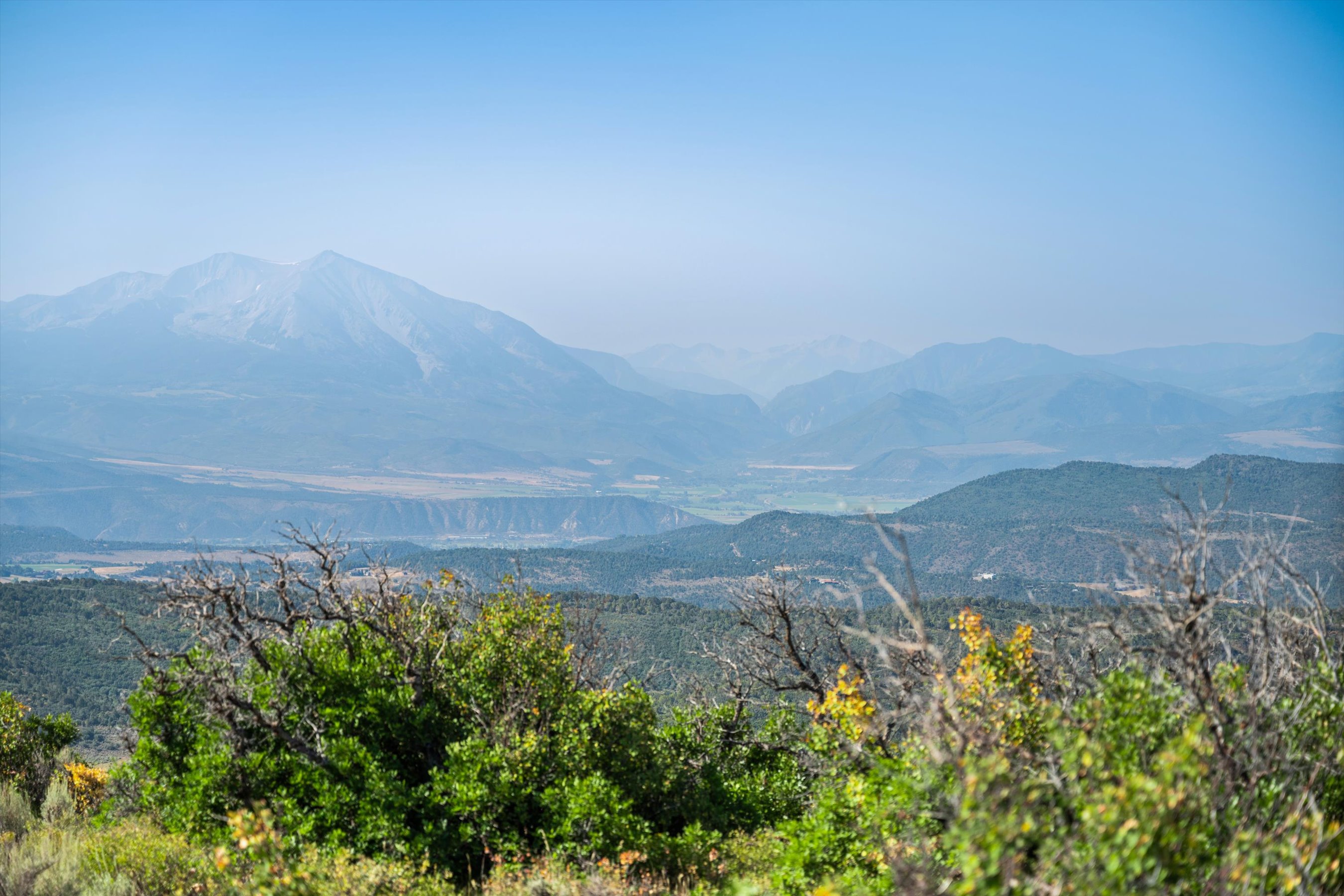
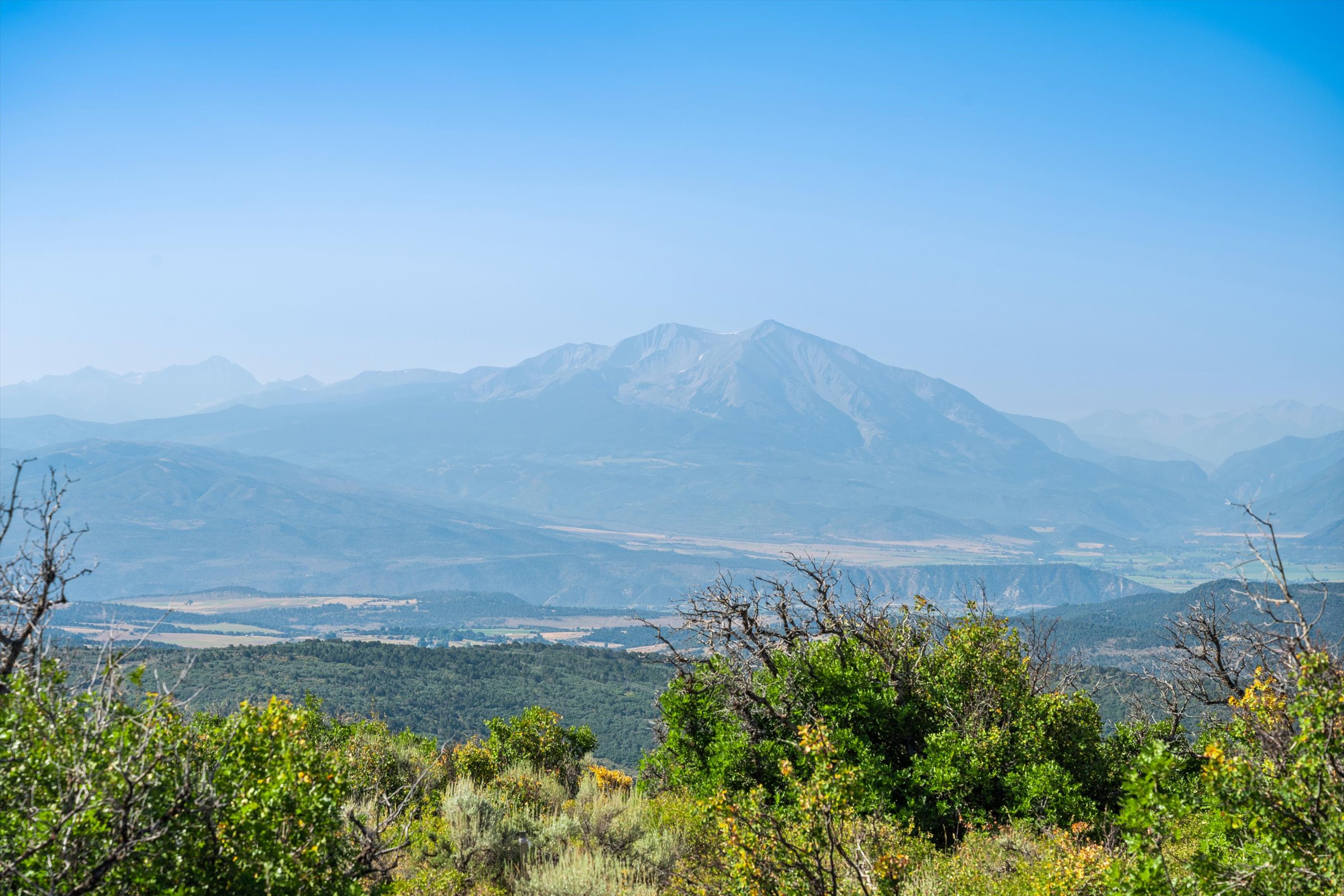
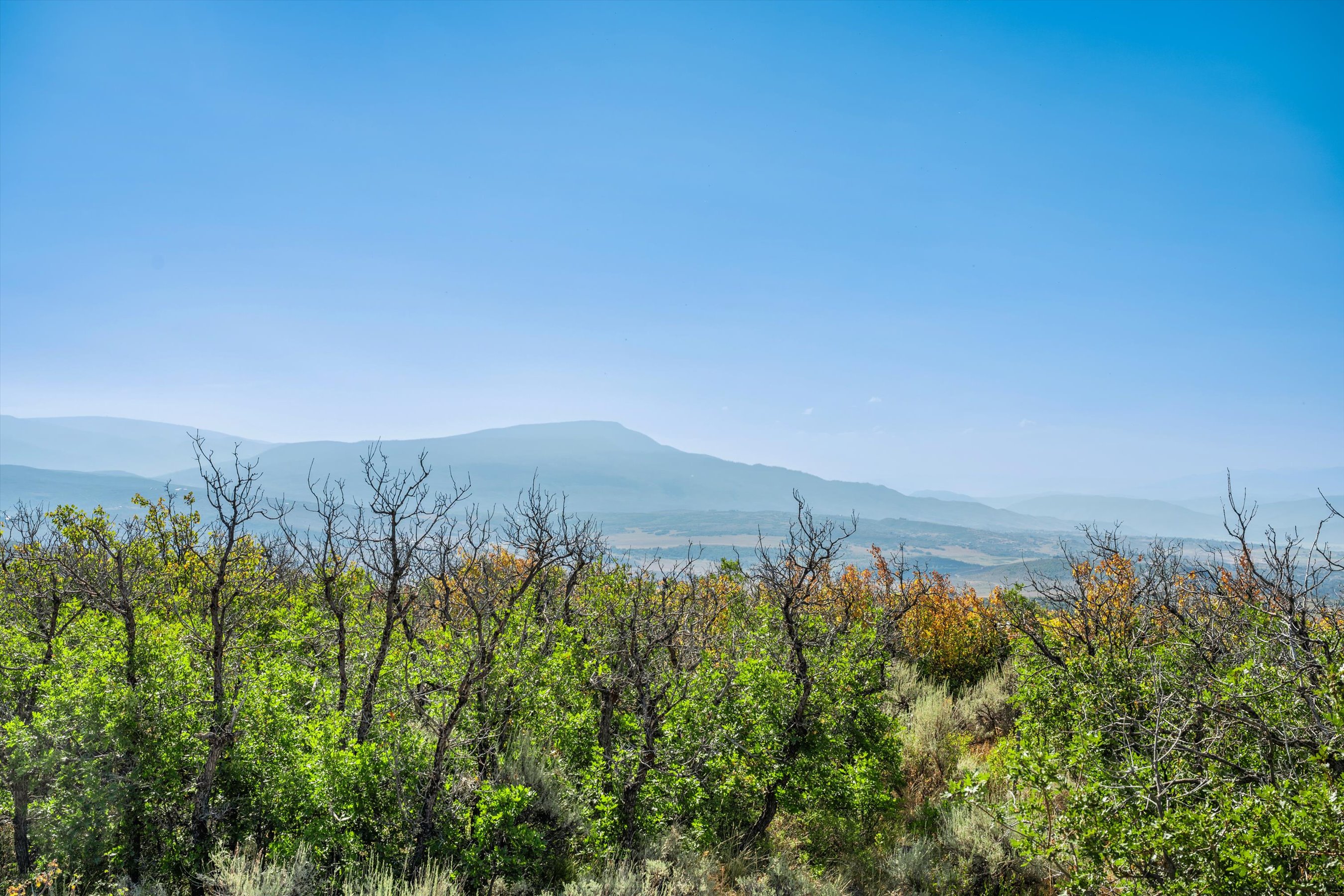
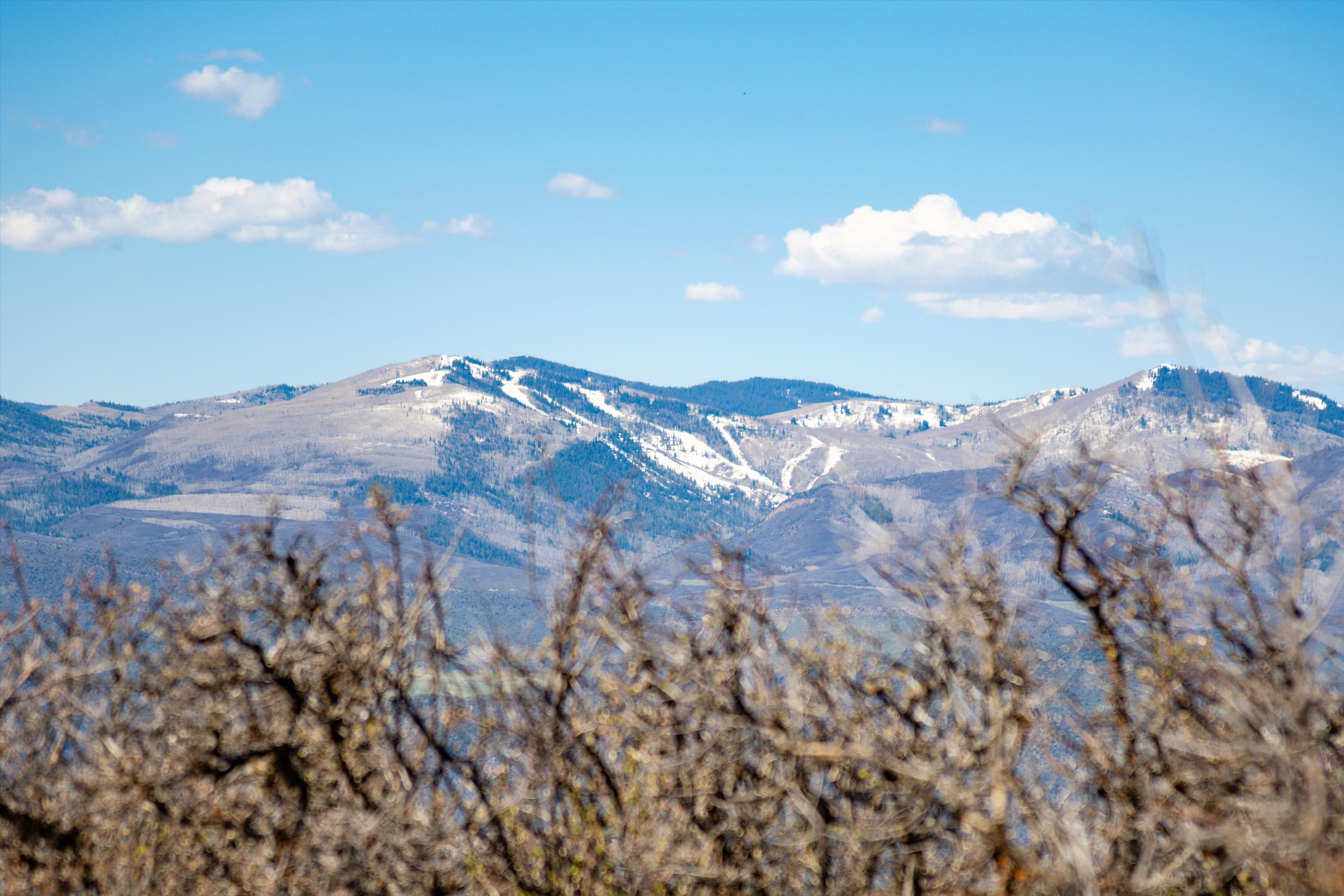
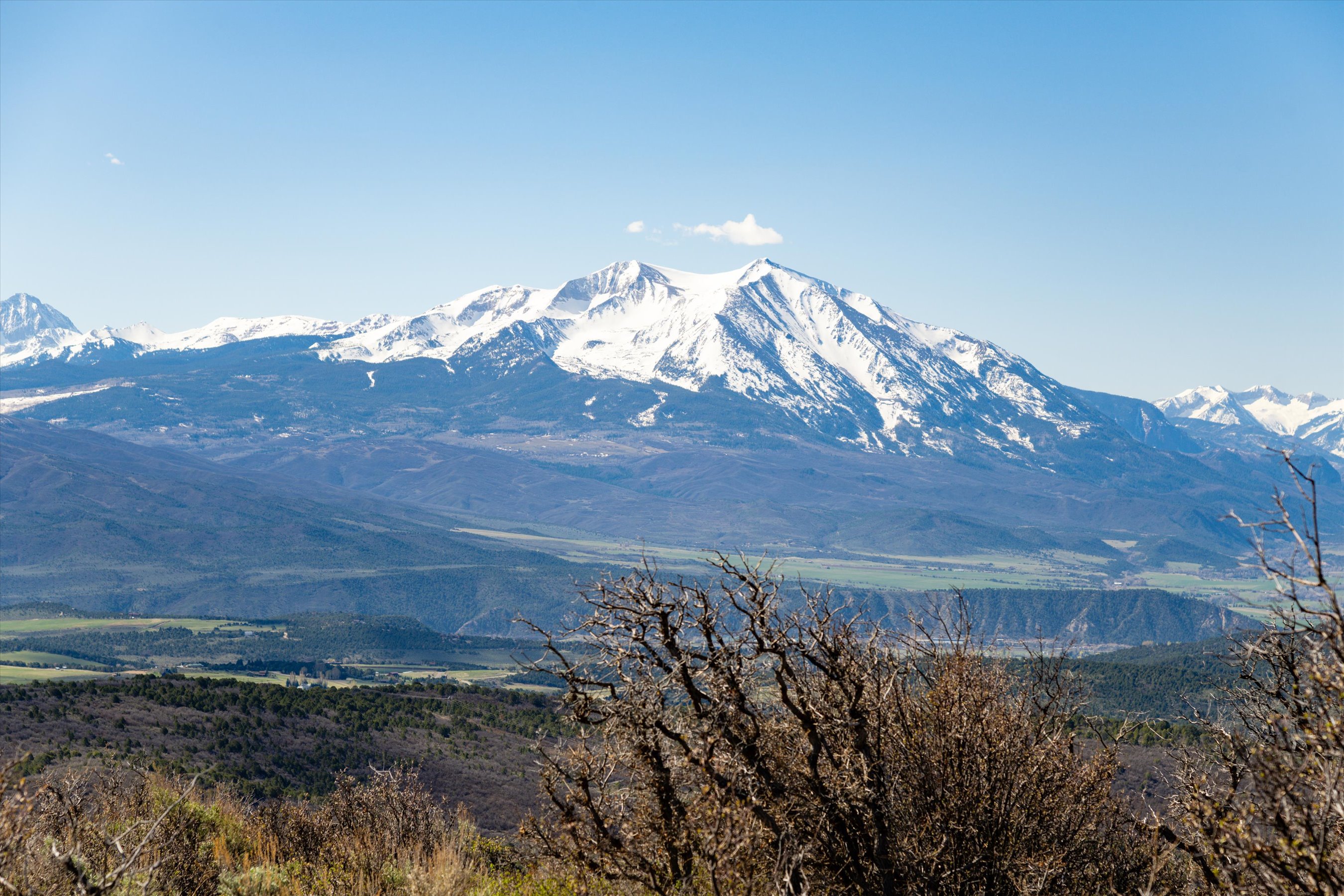
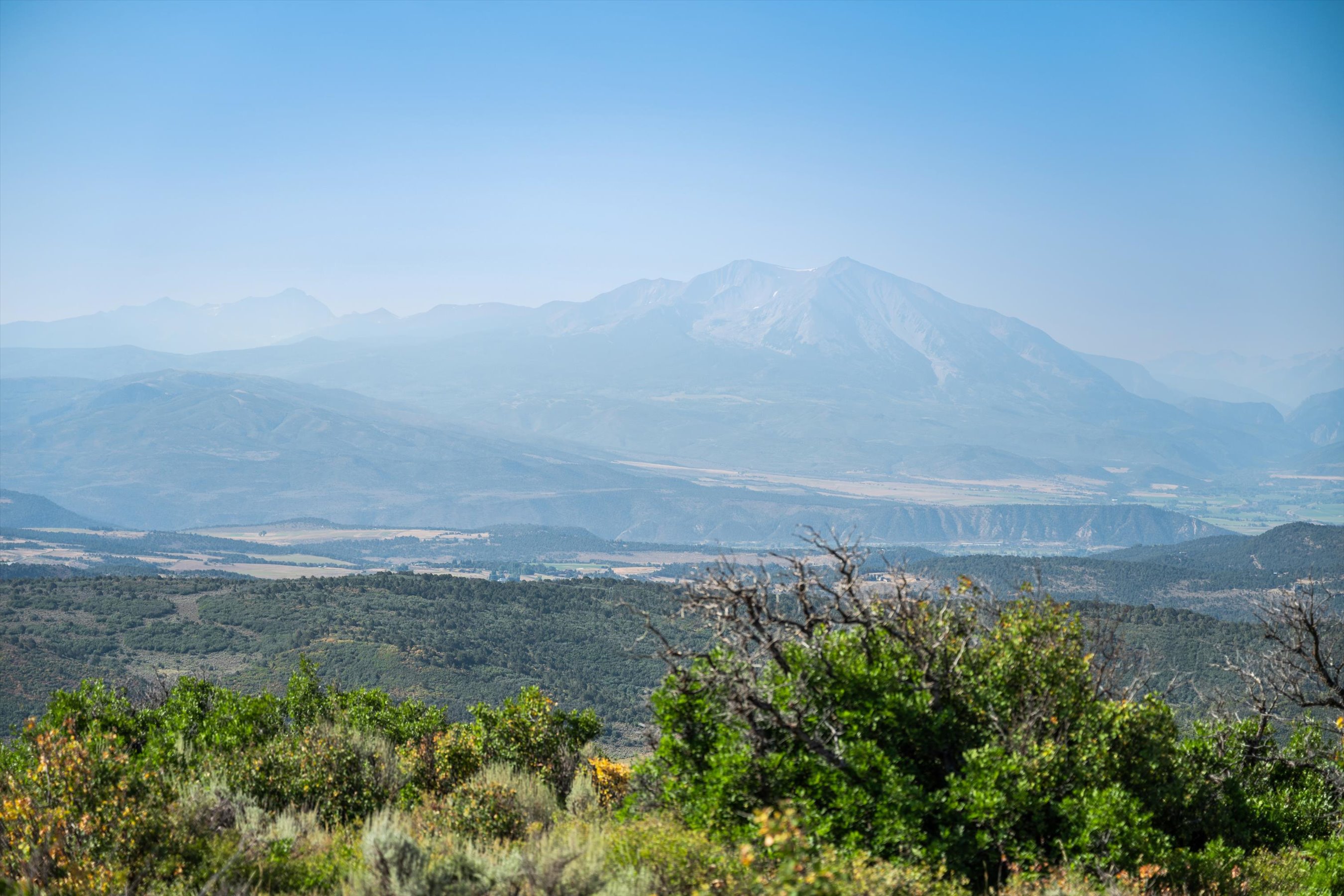
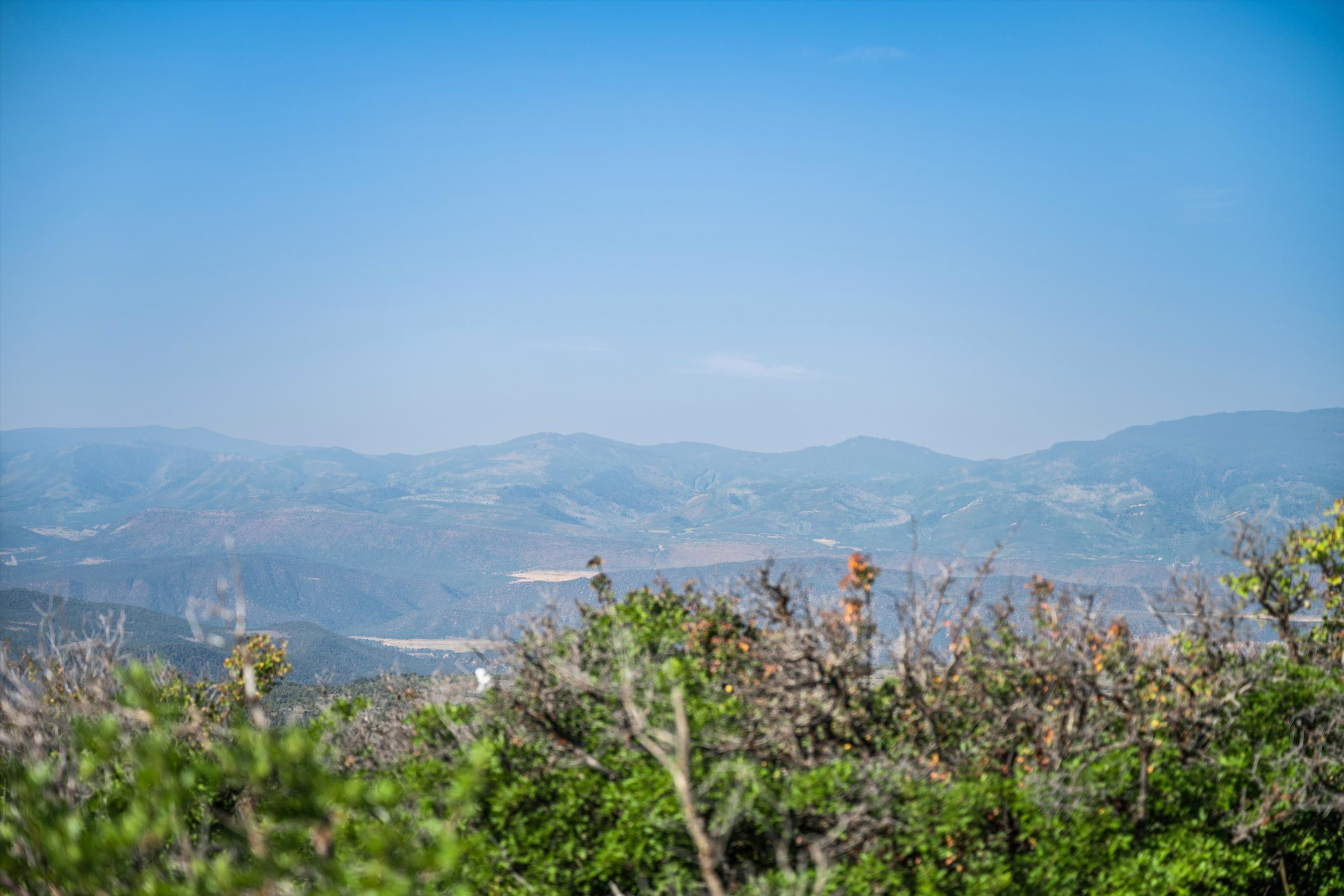
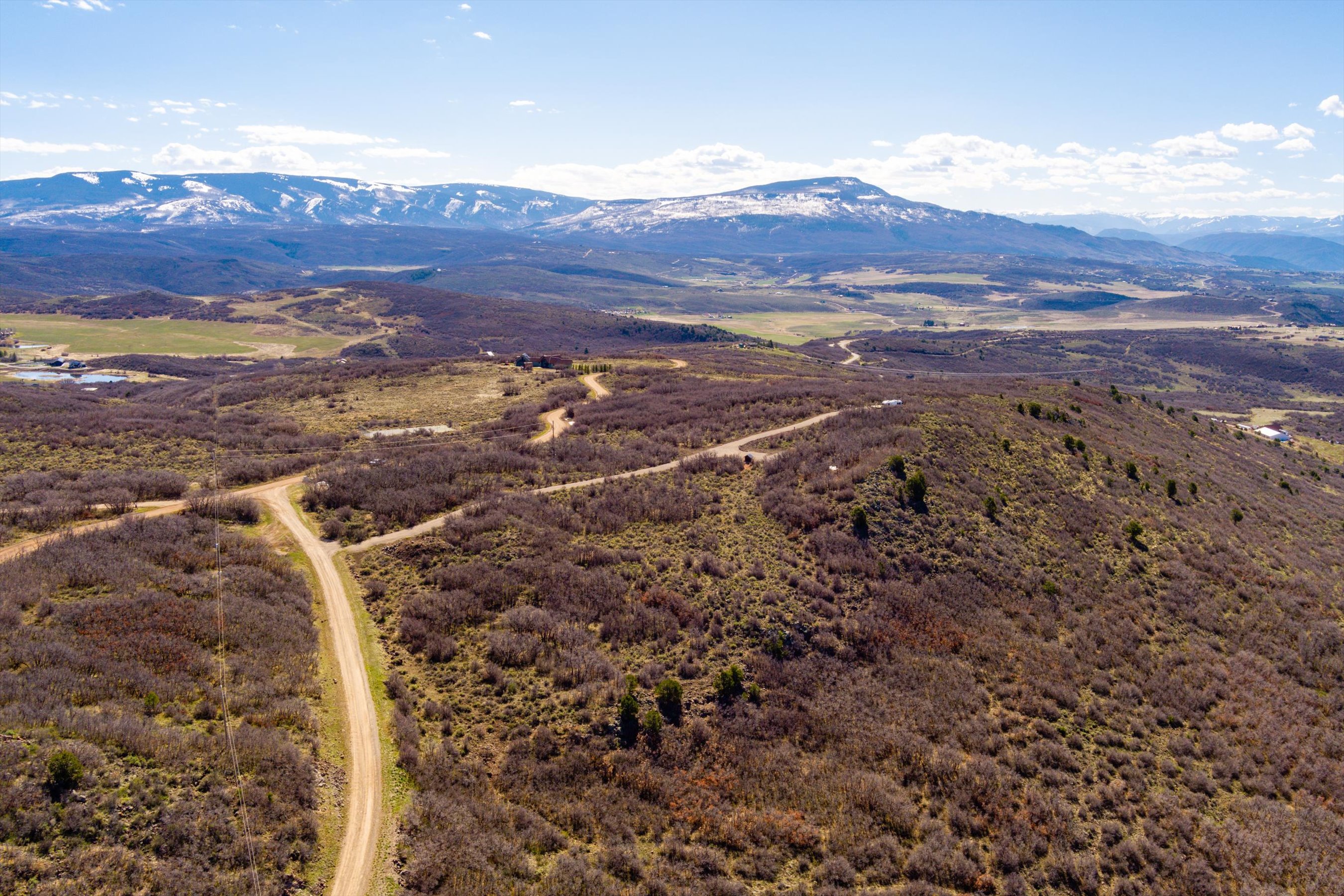
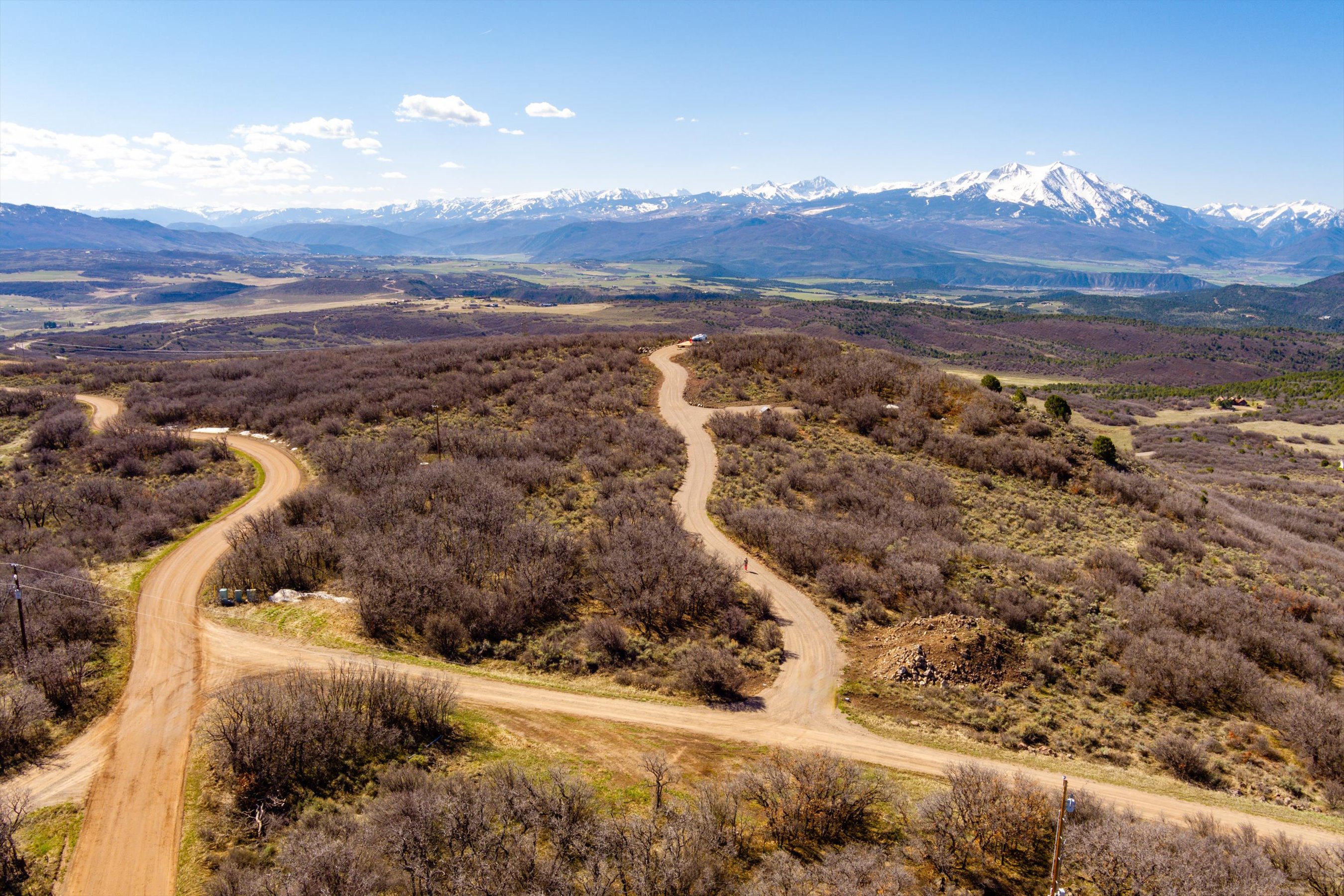
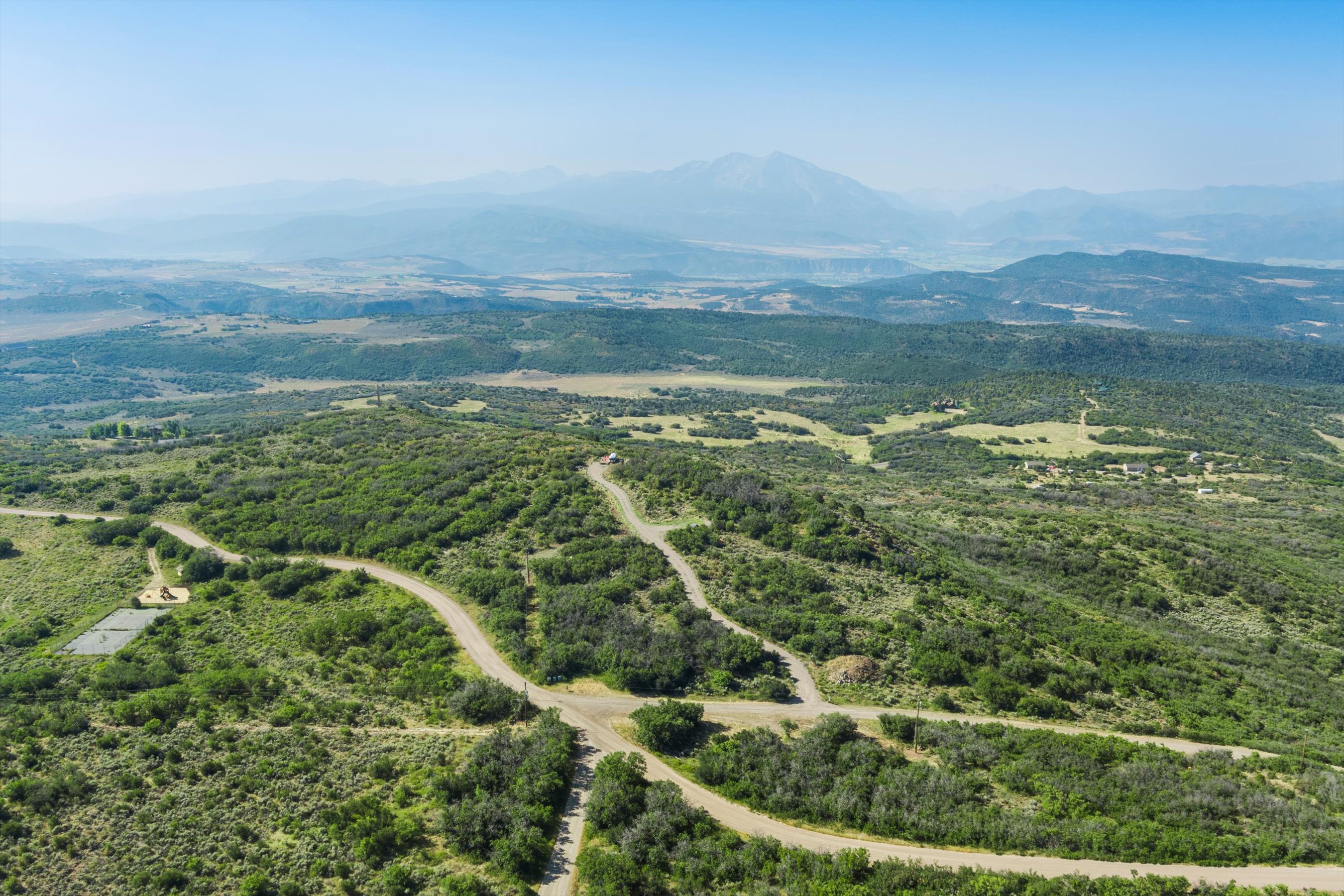
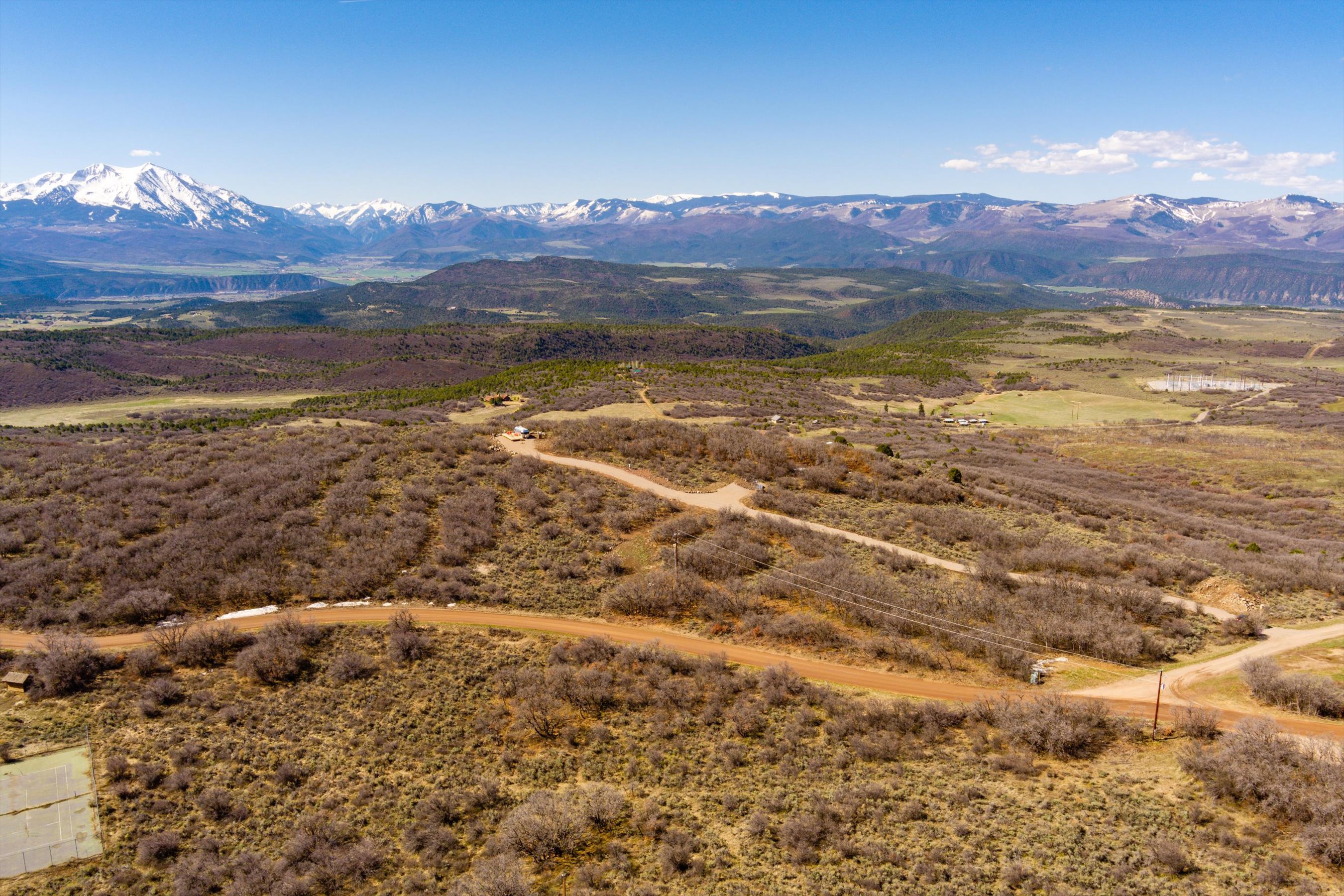
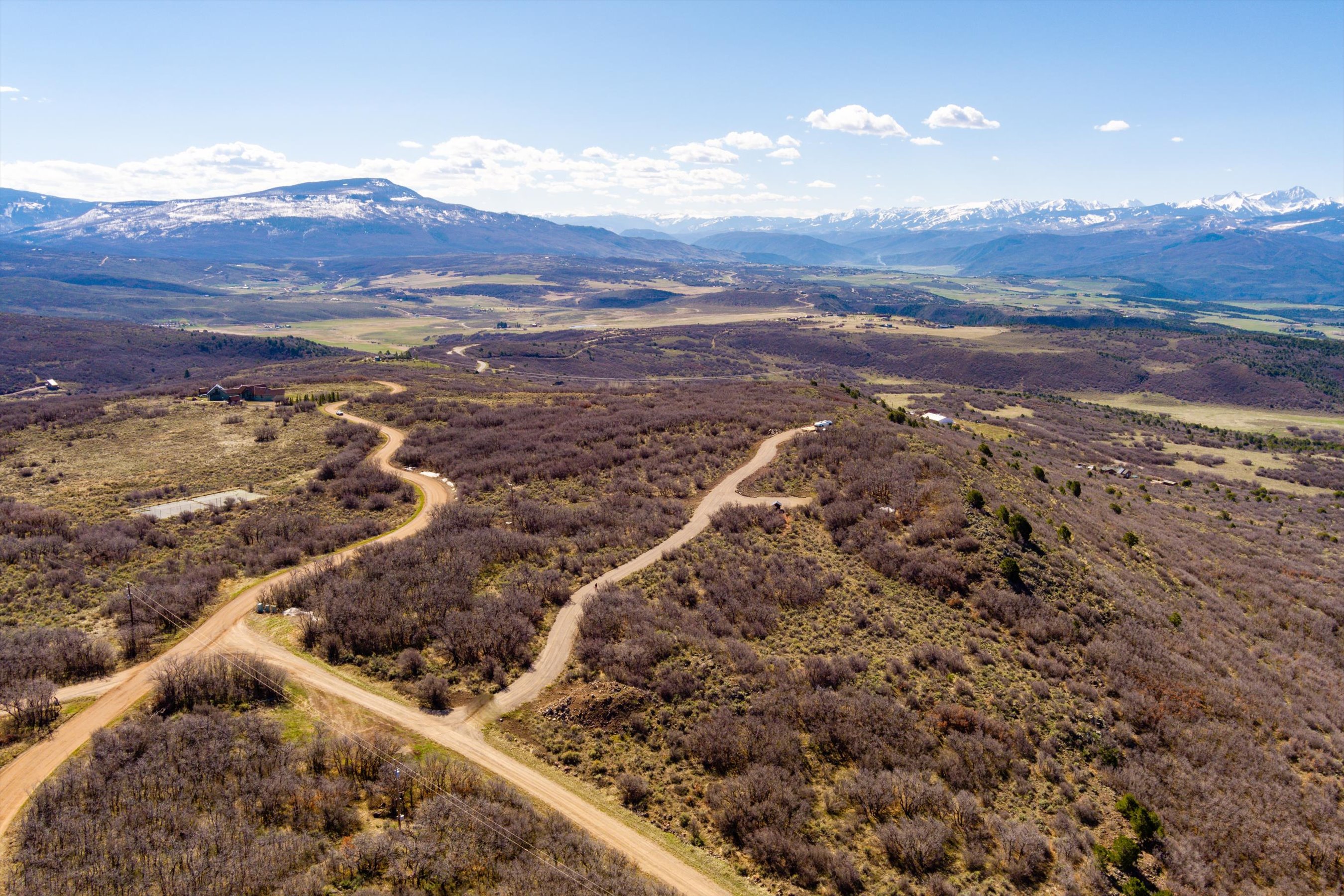
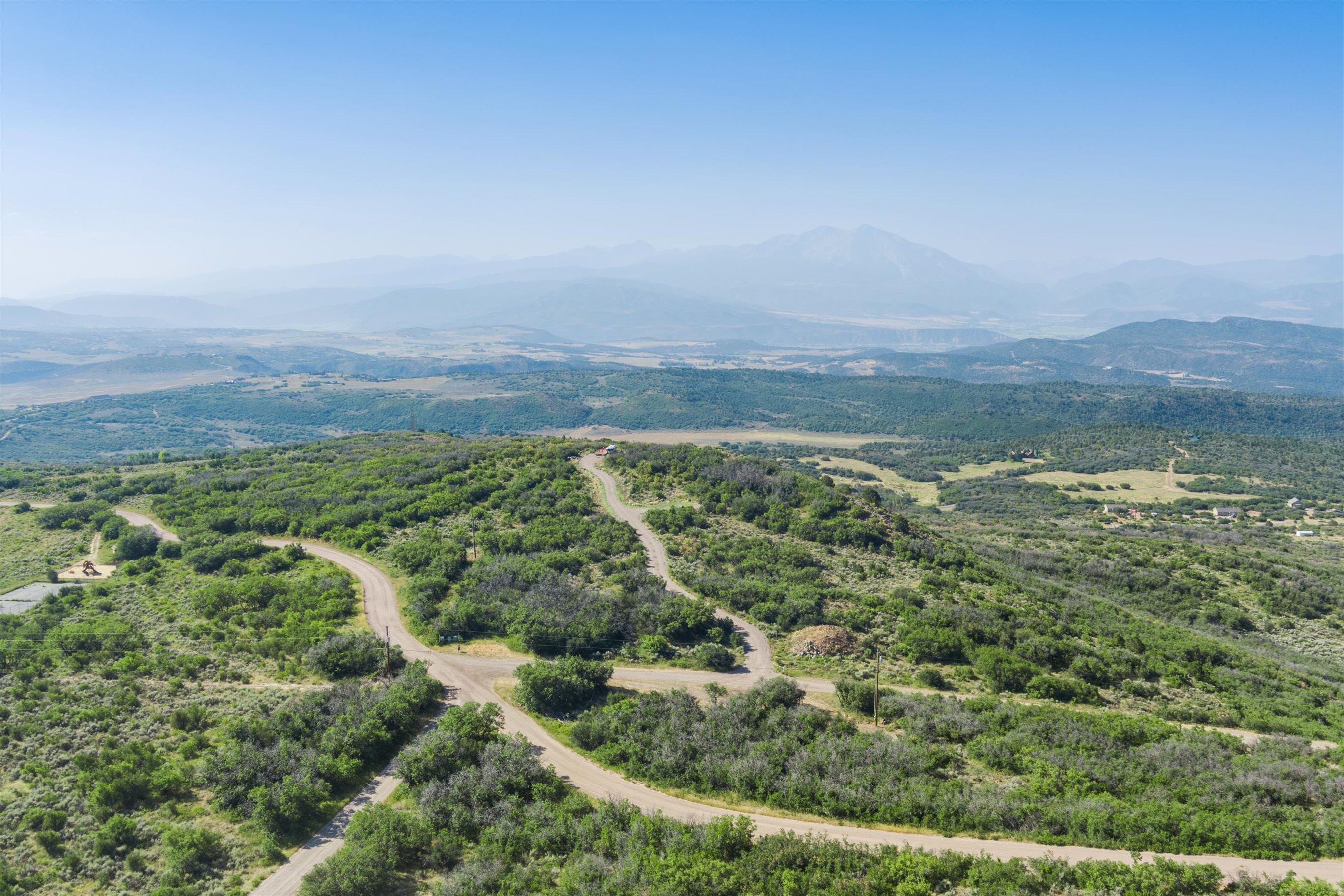
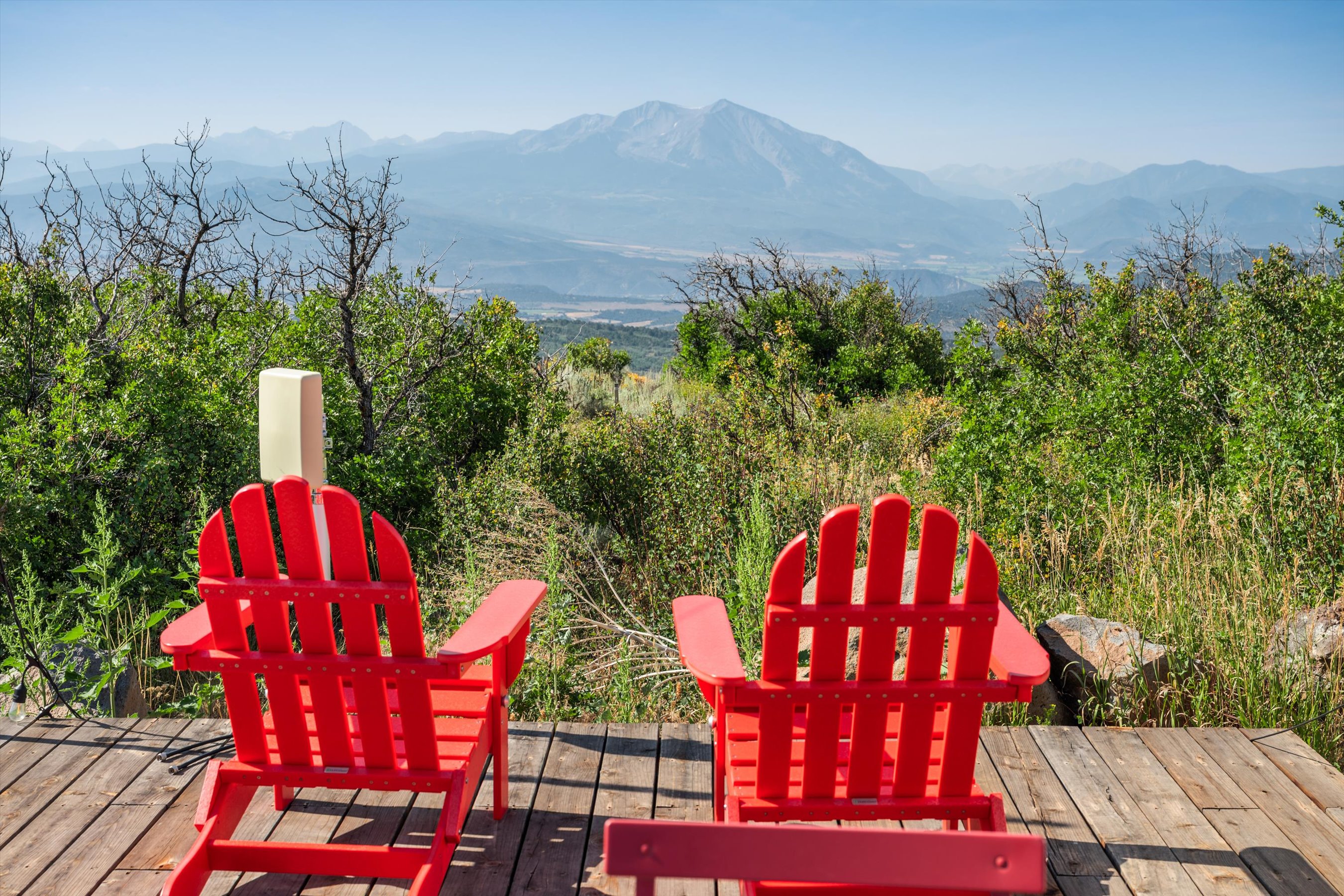
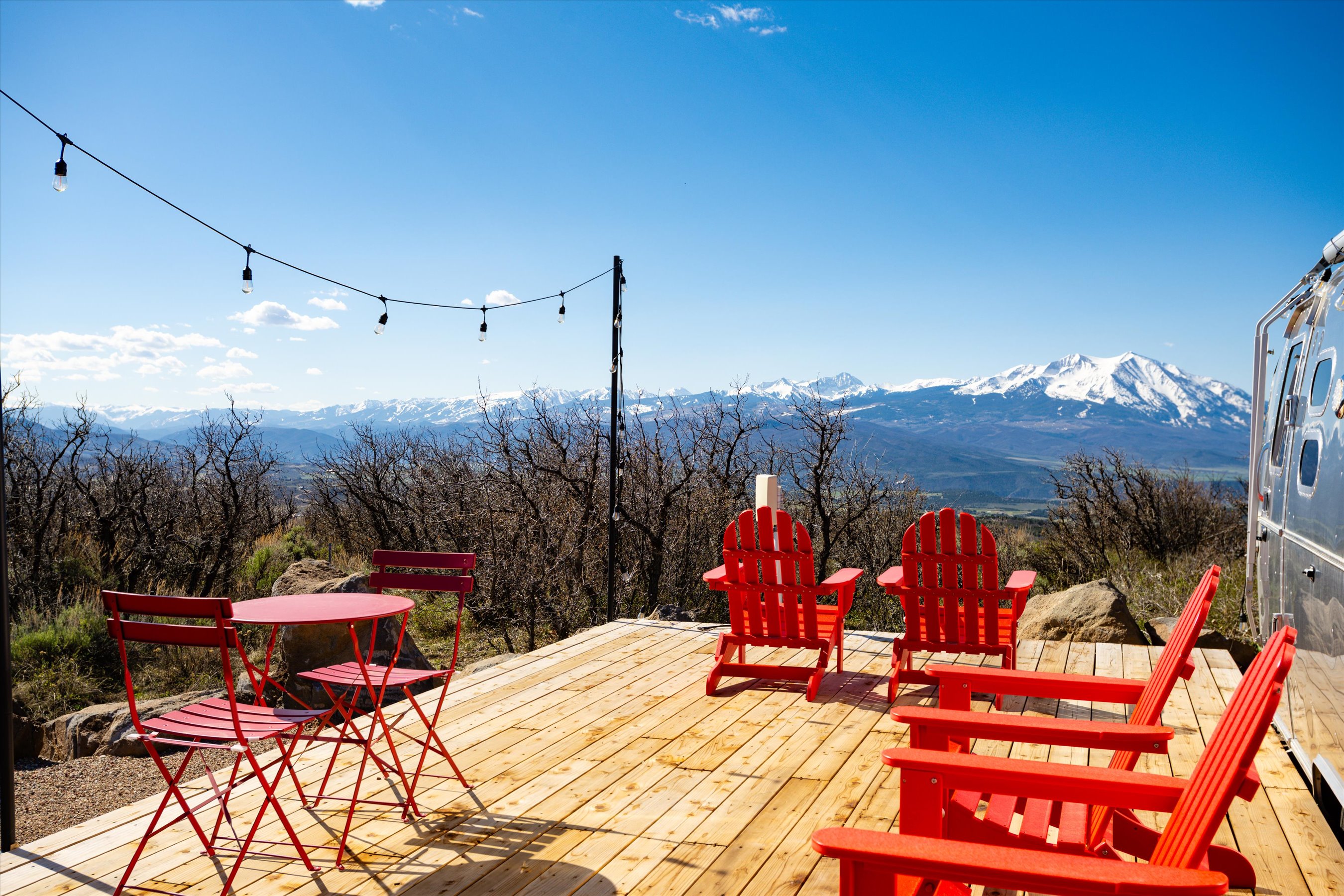
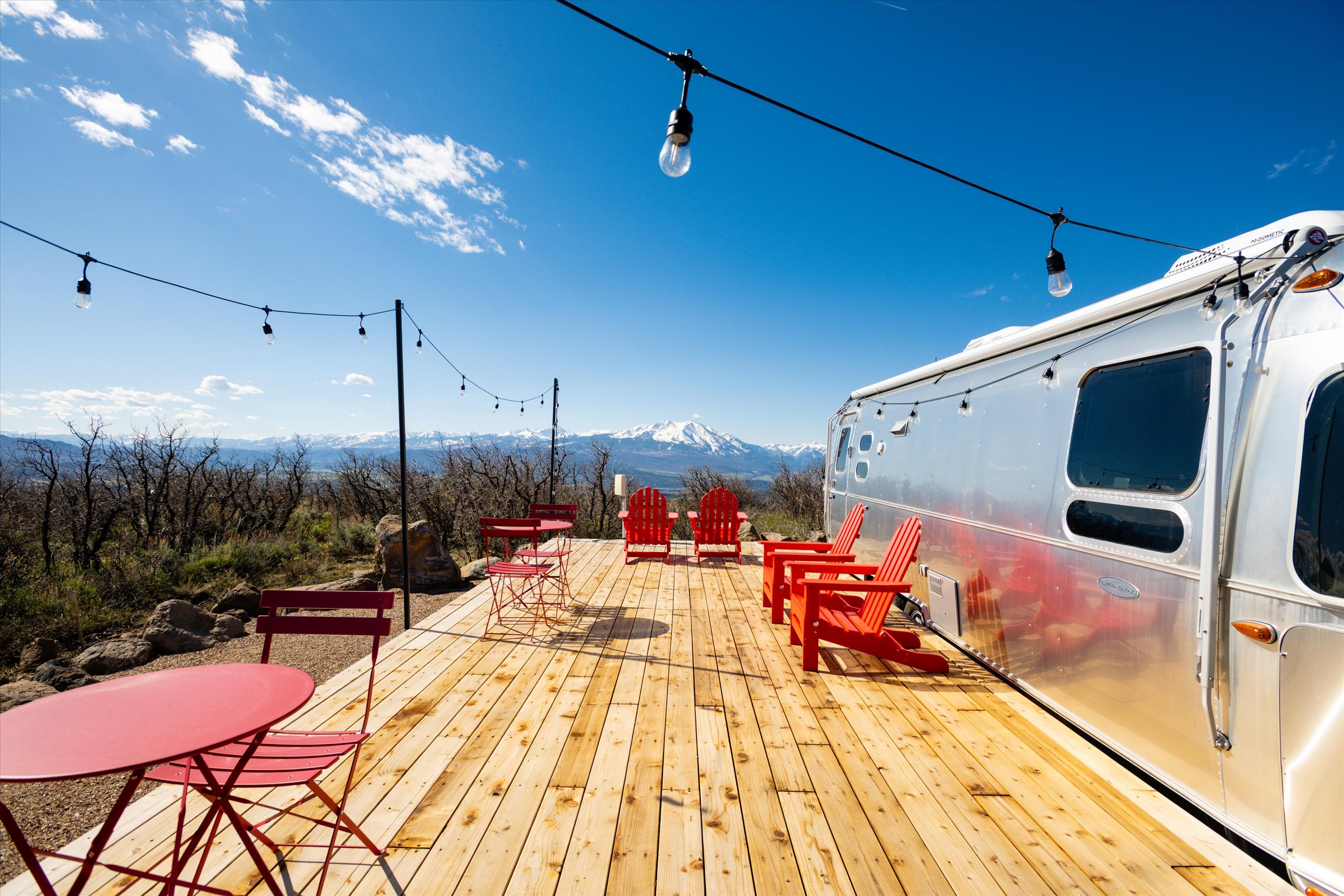
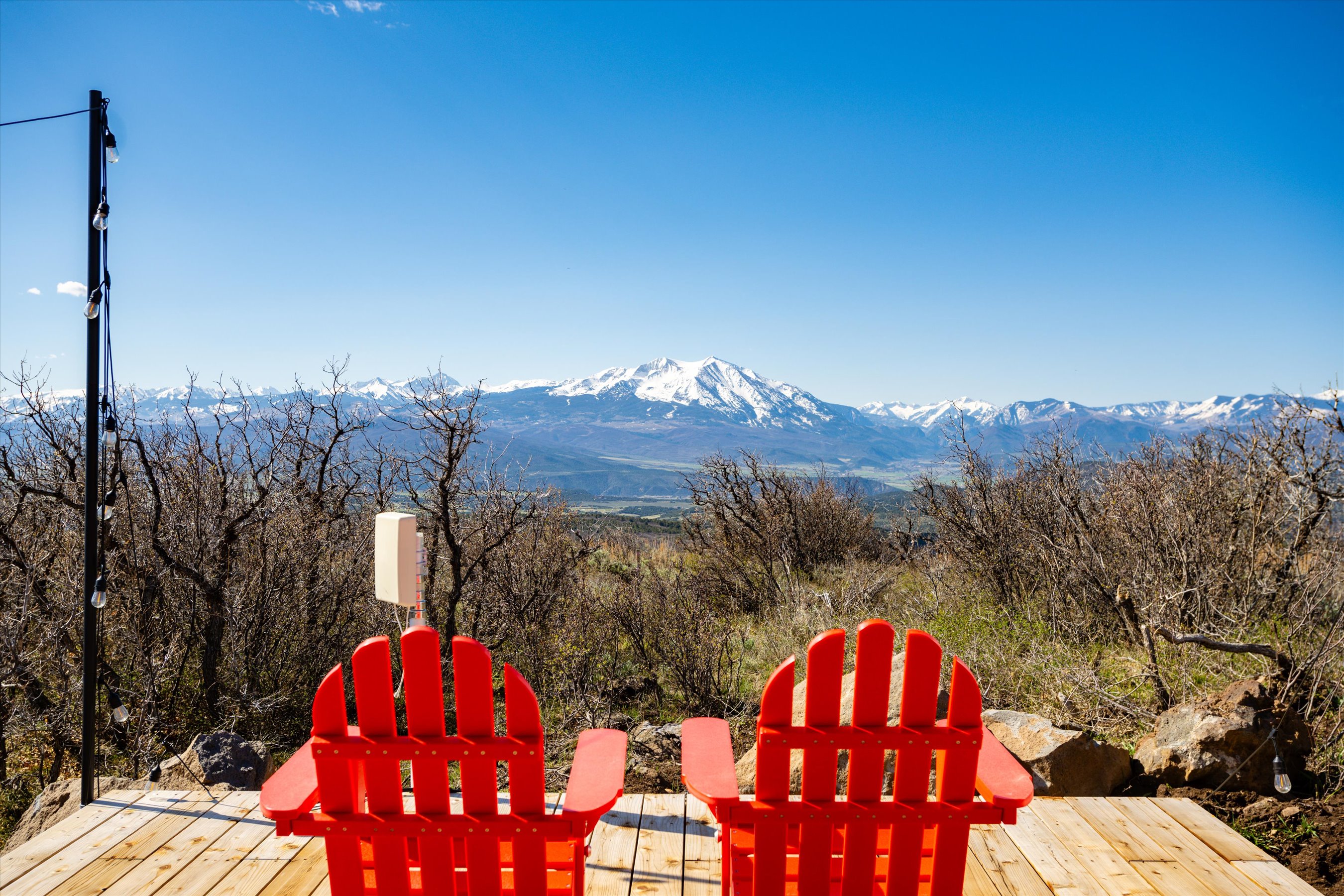
There is a particular kind of clarity that comes with standing on land like this. Thirty-five acres spread across a ridge in the Colorado Rockies, where the air is thin and still and the horizon extends in every direction without interruption. From Snowmass Ski Area in one sweep to Sunlight Mountain Resort in another, with the Roaring Fork Valley unfolding below and the peaks of Aspen shimmering in the distance — the panorama here is not incidental to the property. It is the property.
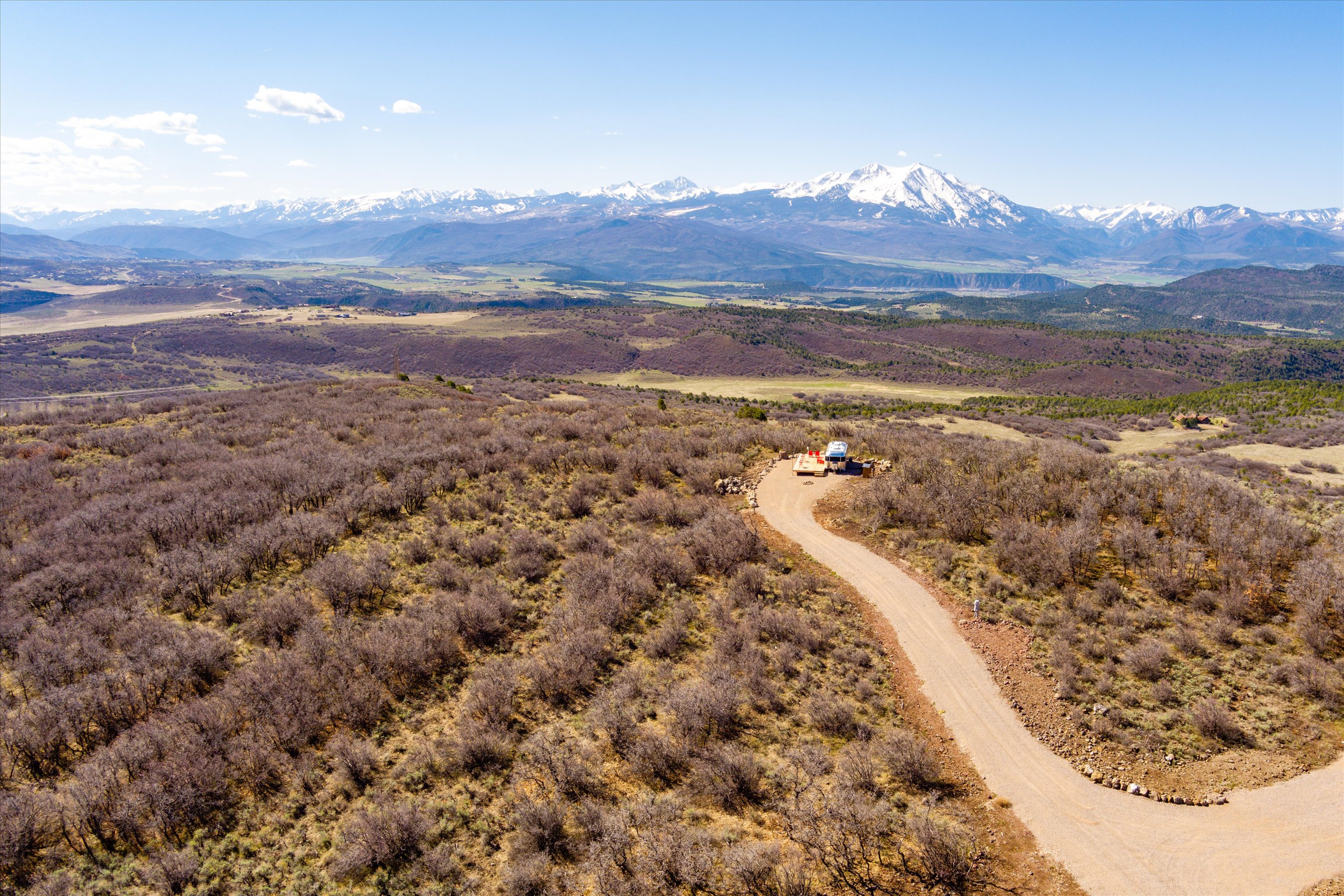
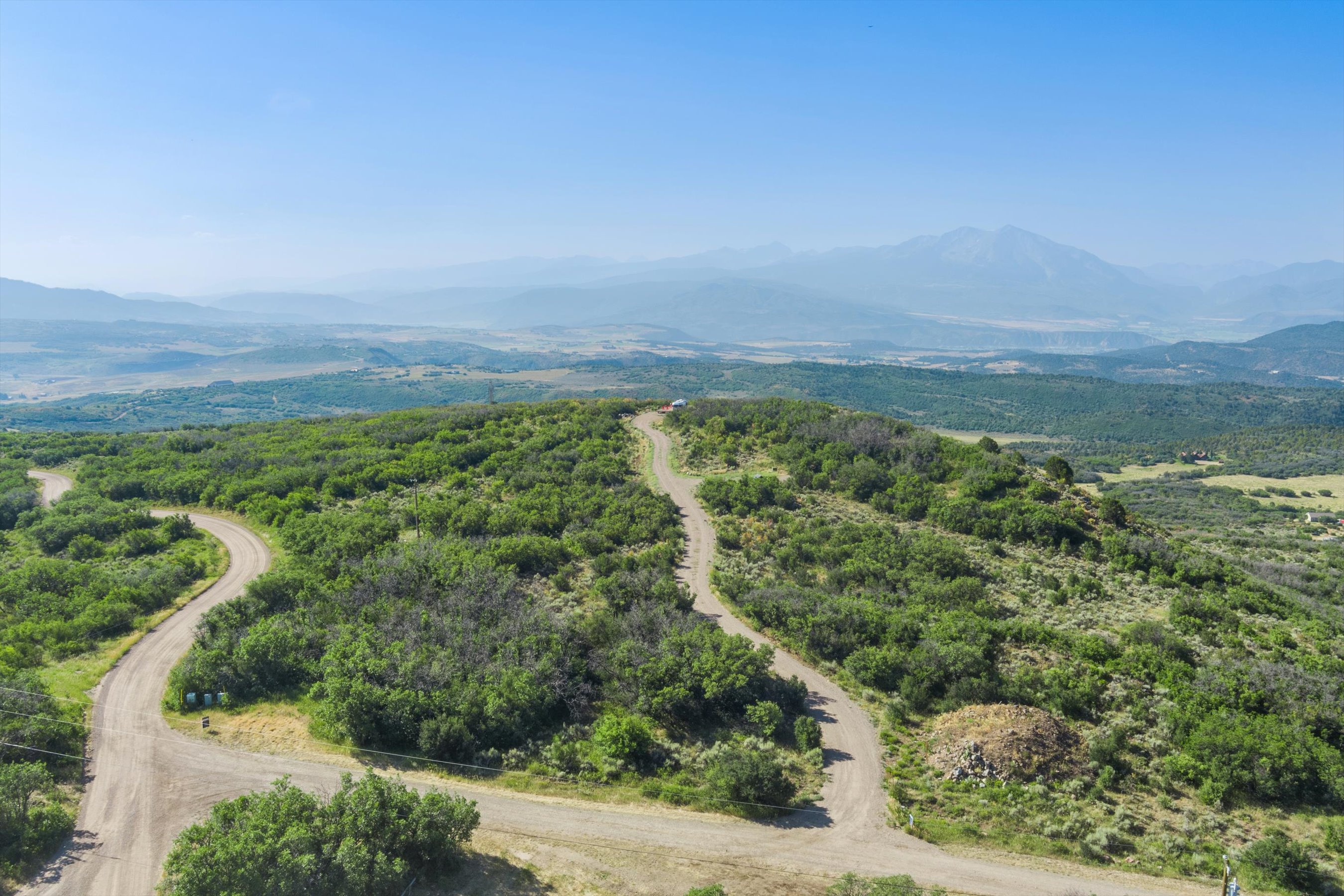
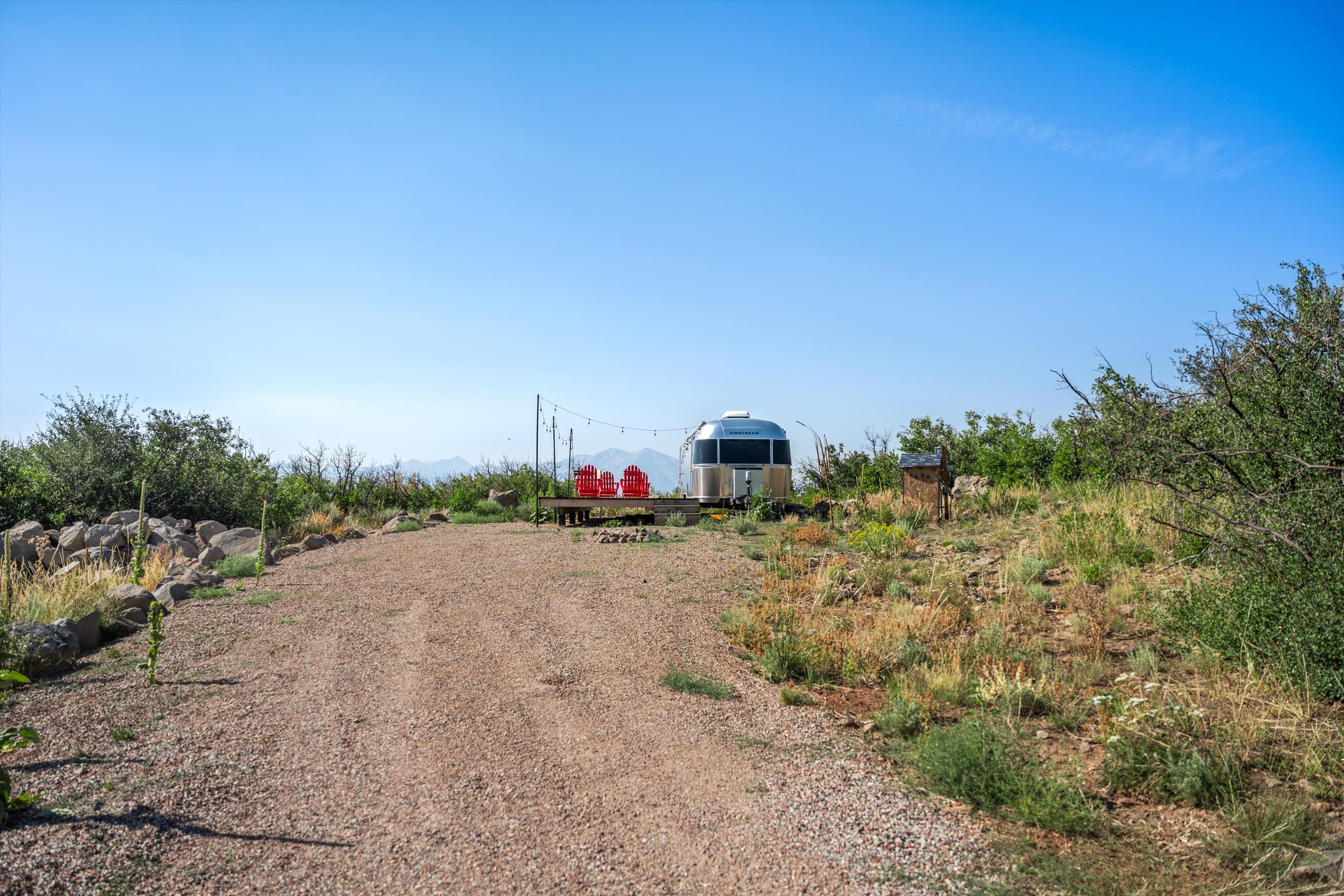
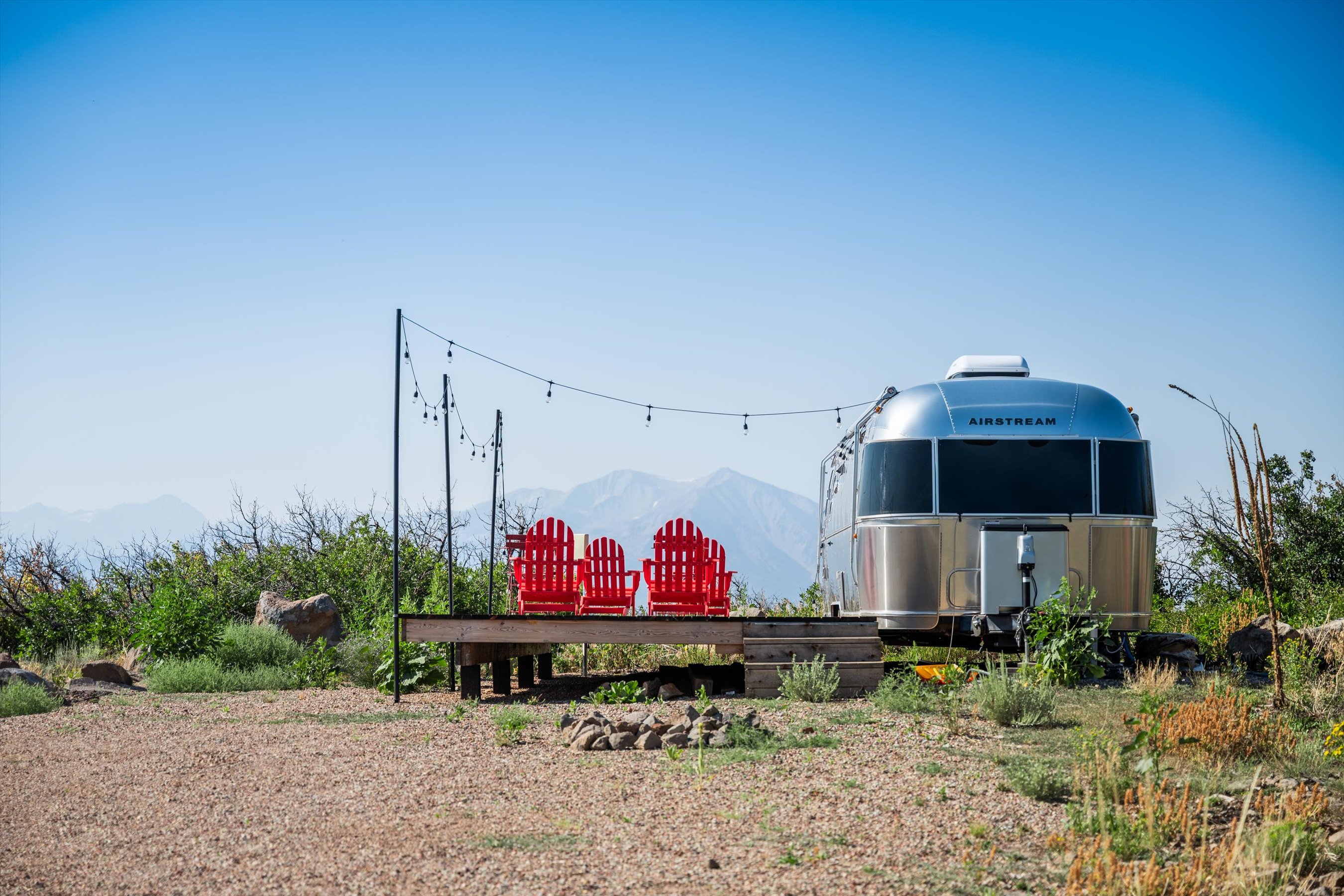
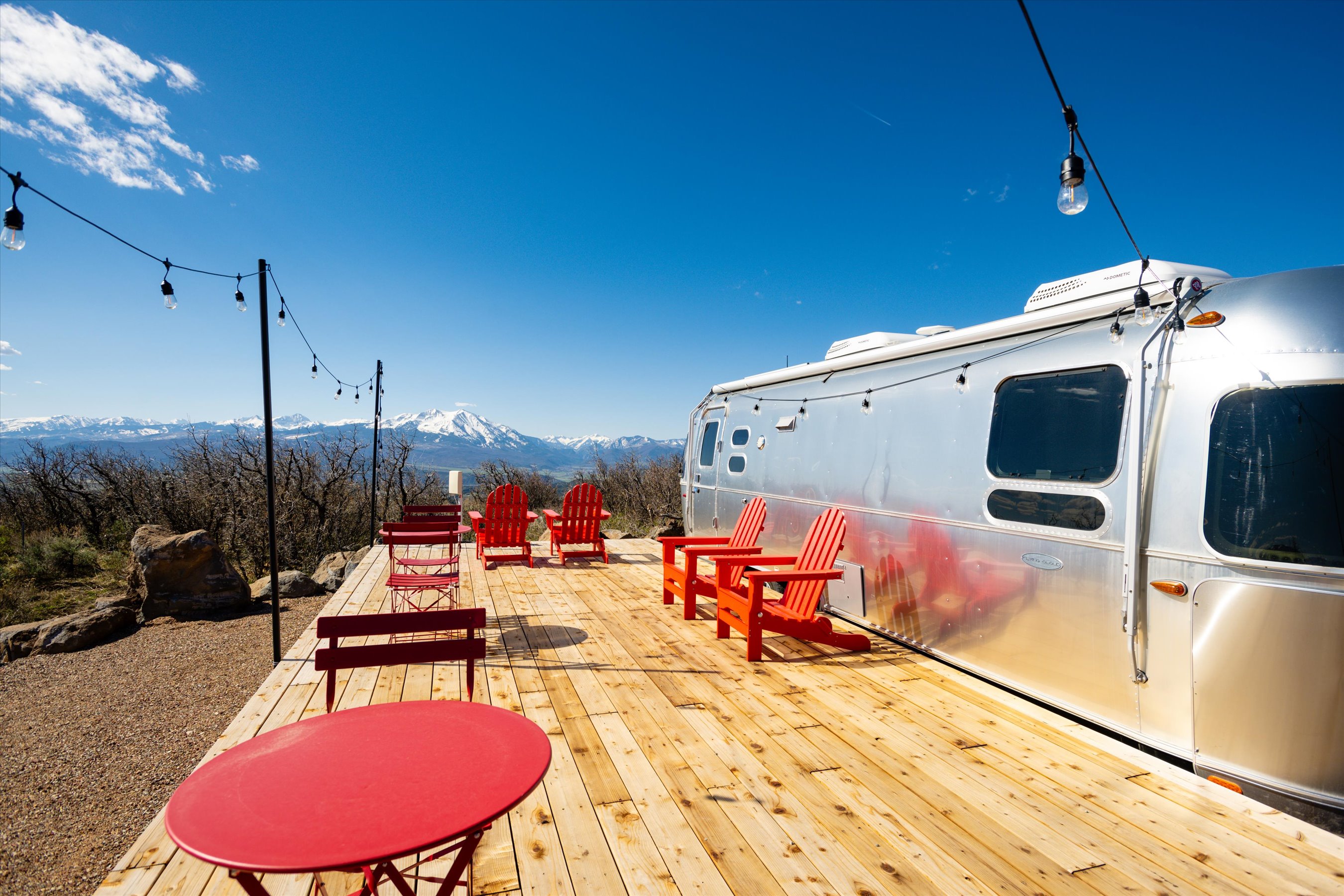
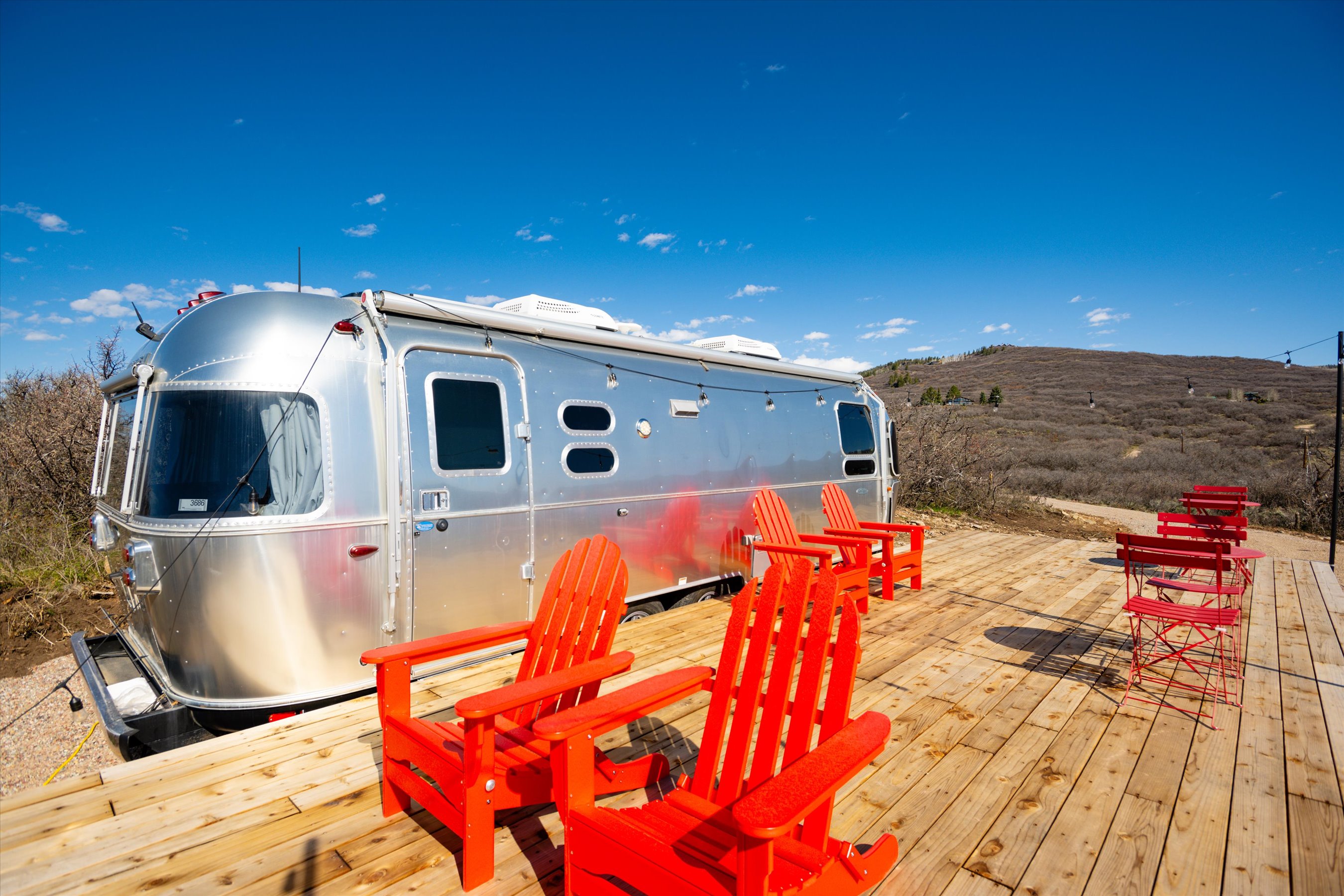
What distinguishes this parcel from the broader market of raw land is the degree to which the groundwork has already been laid — both literally and visually. A fully engineered driveway carves a considered path through the terrain, establishing the approach with intention. A new well has been drilled and tested. Electricity has been brought to the site. A temporary water and waste system supports an on-site Airstream, allowing an owner to live on the land — to wake with the light, to watch the weather move across the peaks, to understand the rhythms of the place — while the design process unfolds at whatever pace feels right.
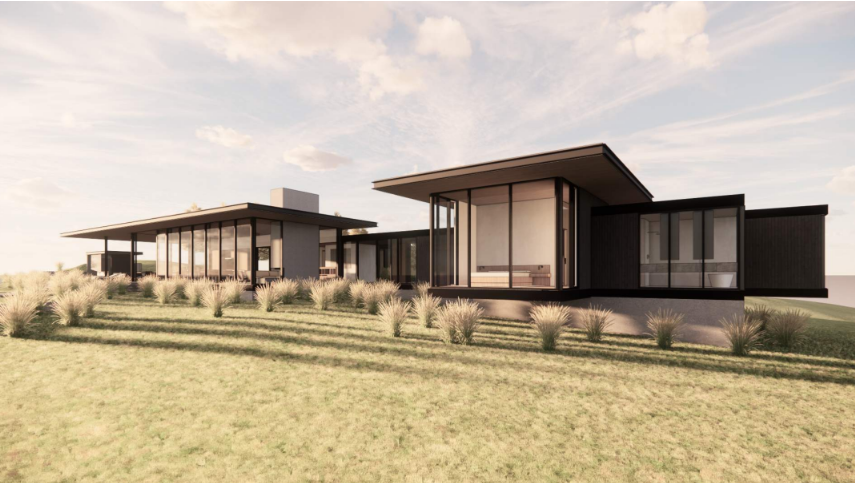
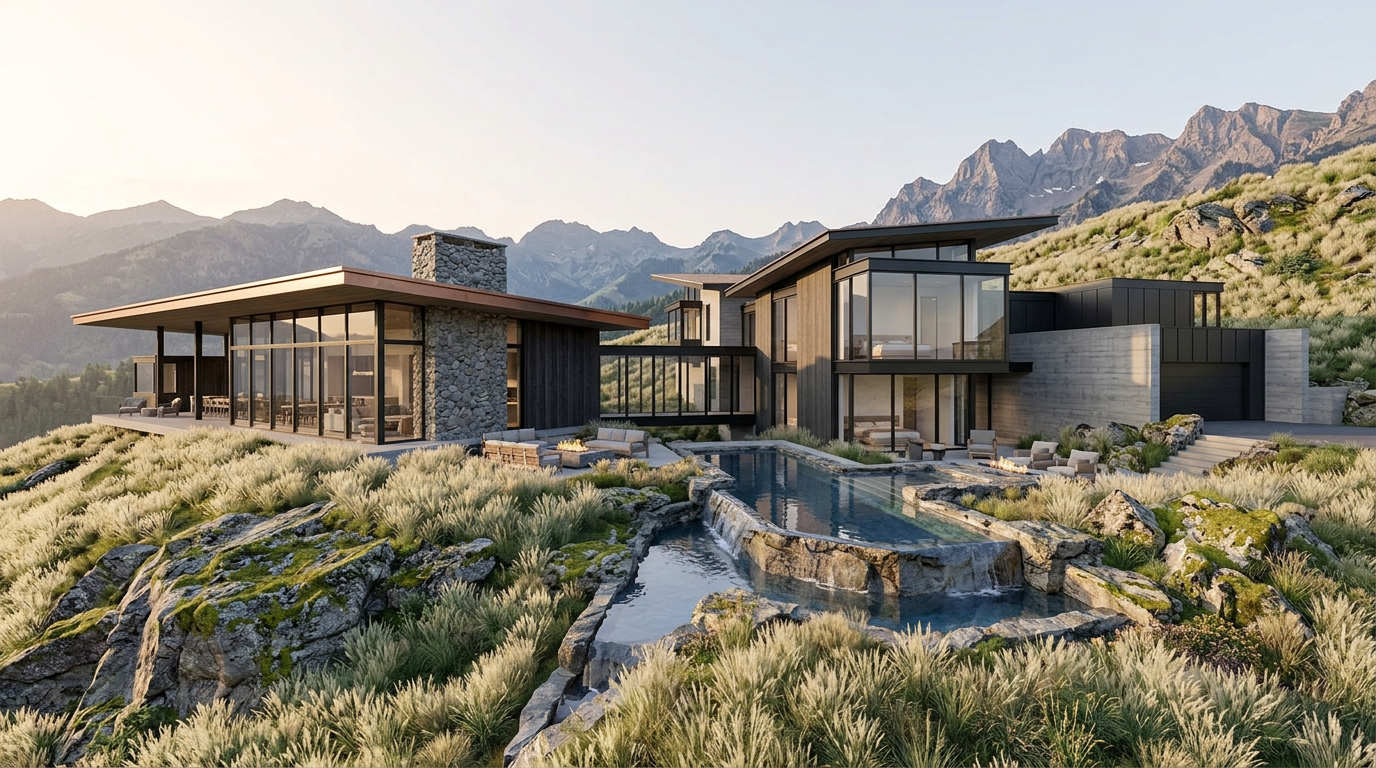
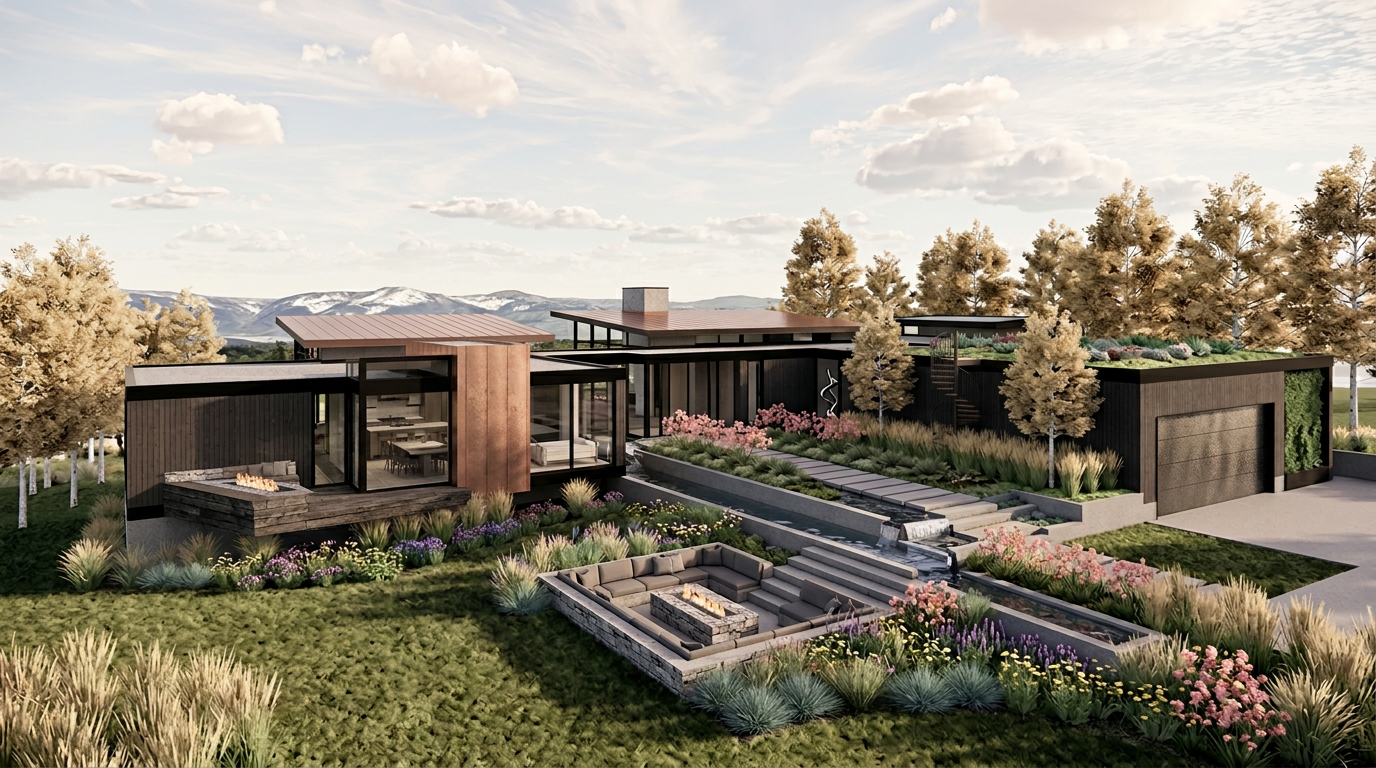
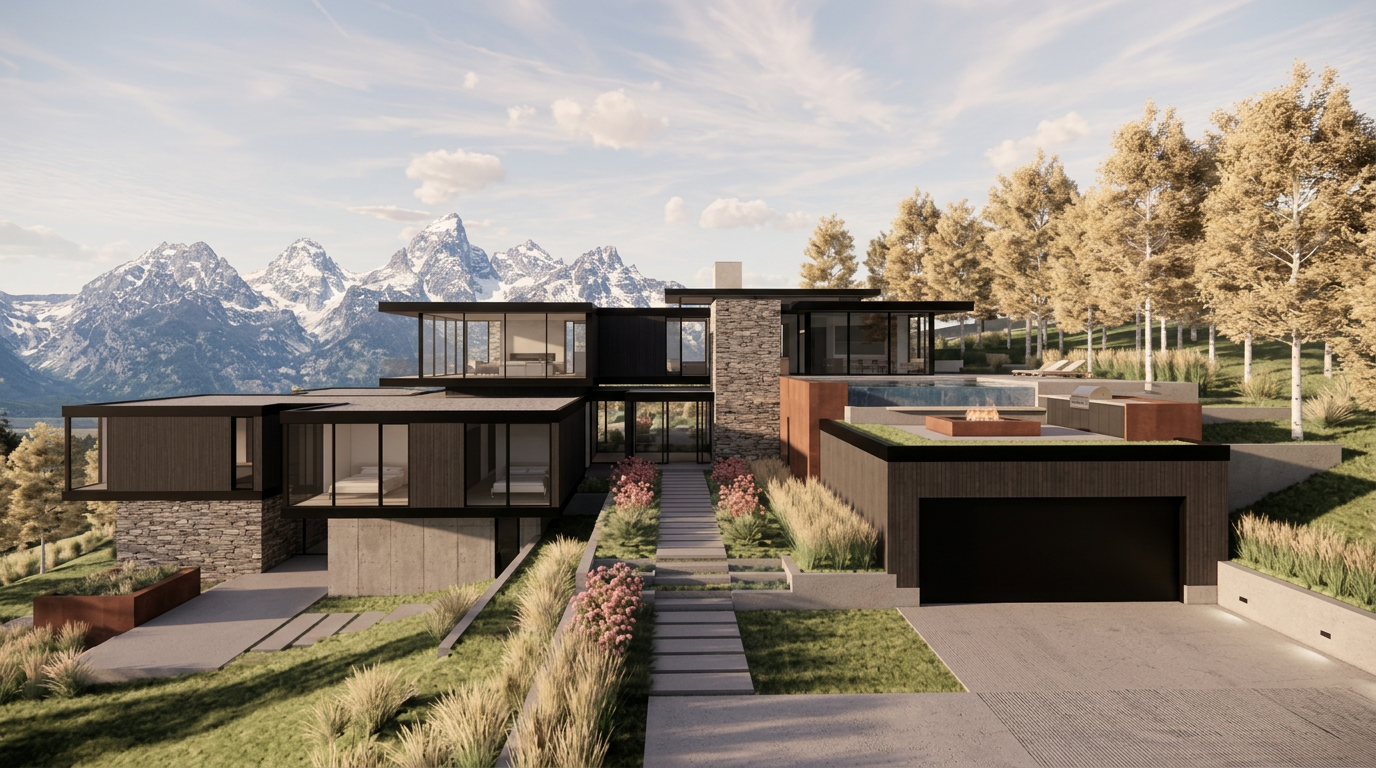
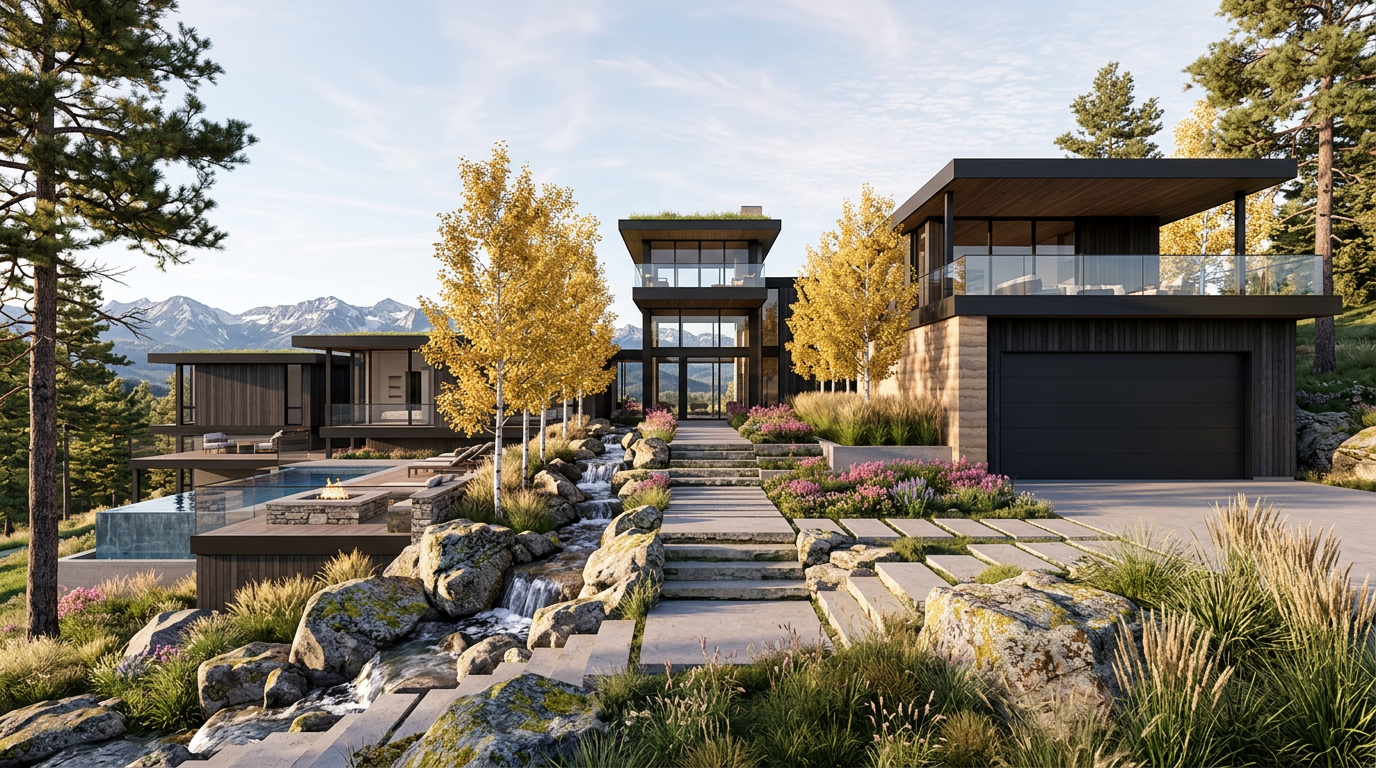
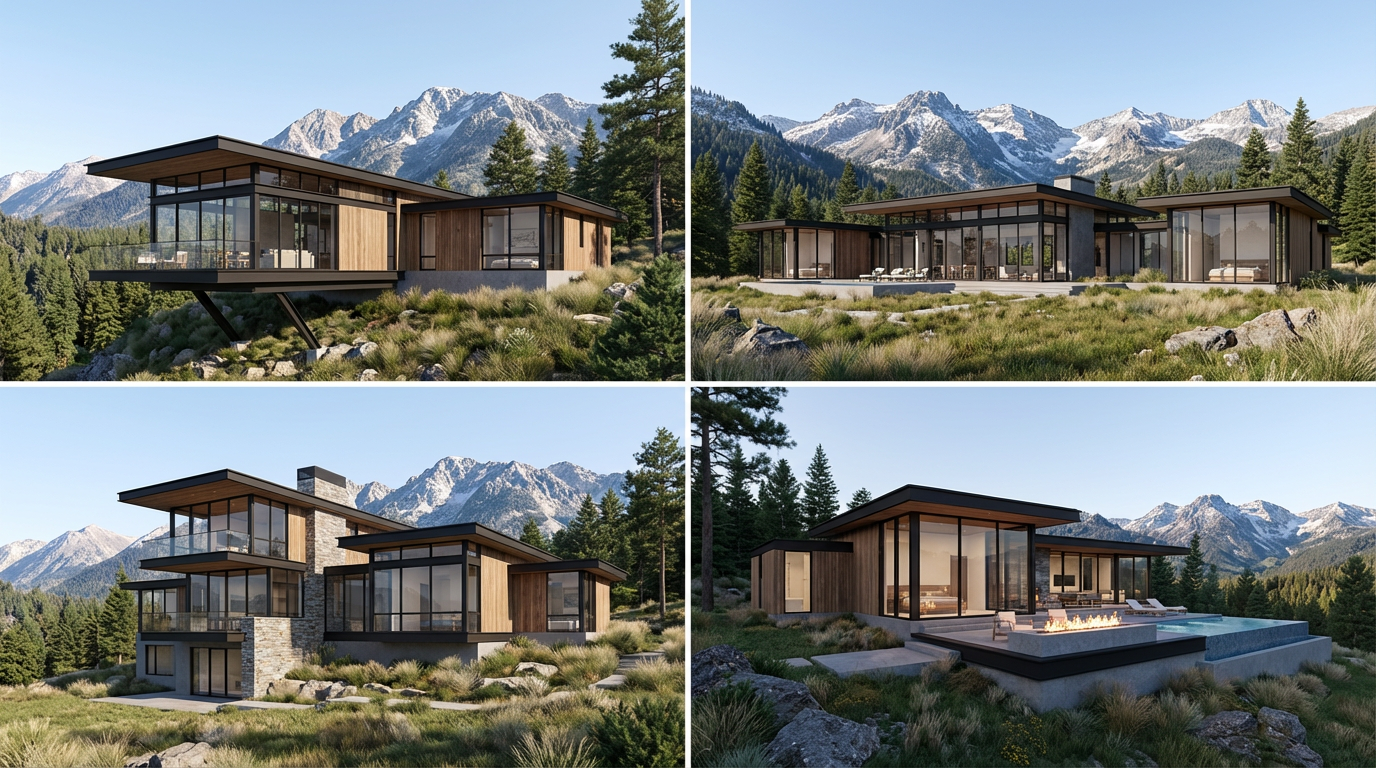
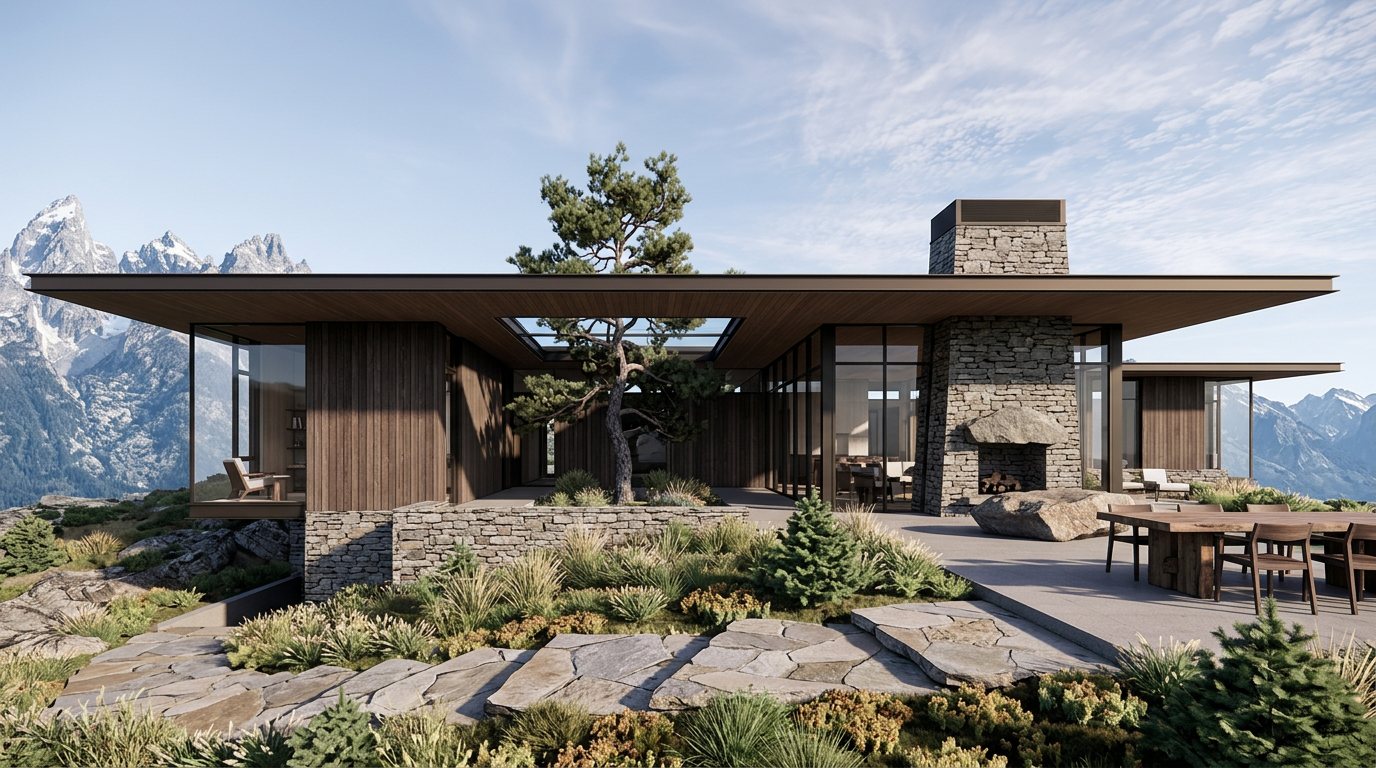
The building envelope itself is notably flat, a rarity at this elevation and in this terrain. That flatness is not merely a convenience — it is a gift to the architect, eliminating the engineering constraints that typically define high-altitude construction and opening the design to genuine ambition. A primary residence positioned to frame the most dramatic sightlines. Expansive glass oriented toward the morning light. A guest house set far enough back to feel like its own destination. A barn, a studio, a greenhouse — each structure thoughtfully sited across the acreage, connected by paths that move with the land rather than against it.
Architectural drawings and building plans are included in the sale, offering a conceptual foundation that can be built upon, refined, or reimagined entirely. The vision has already been considered — the siting, the orientation, the relationship between structures and landscape. What remains is the execution.
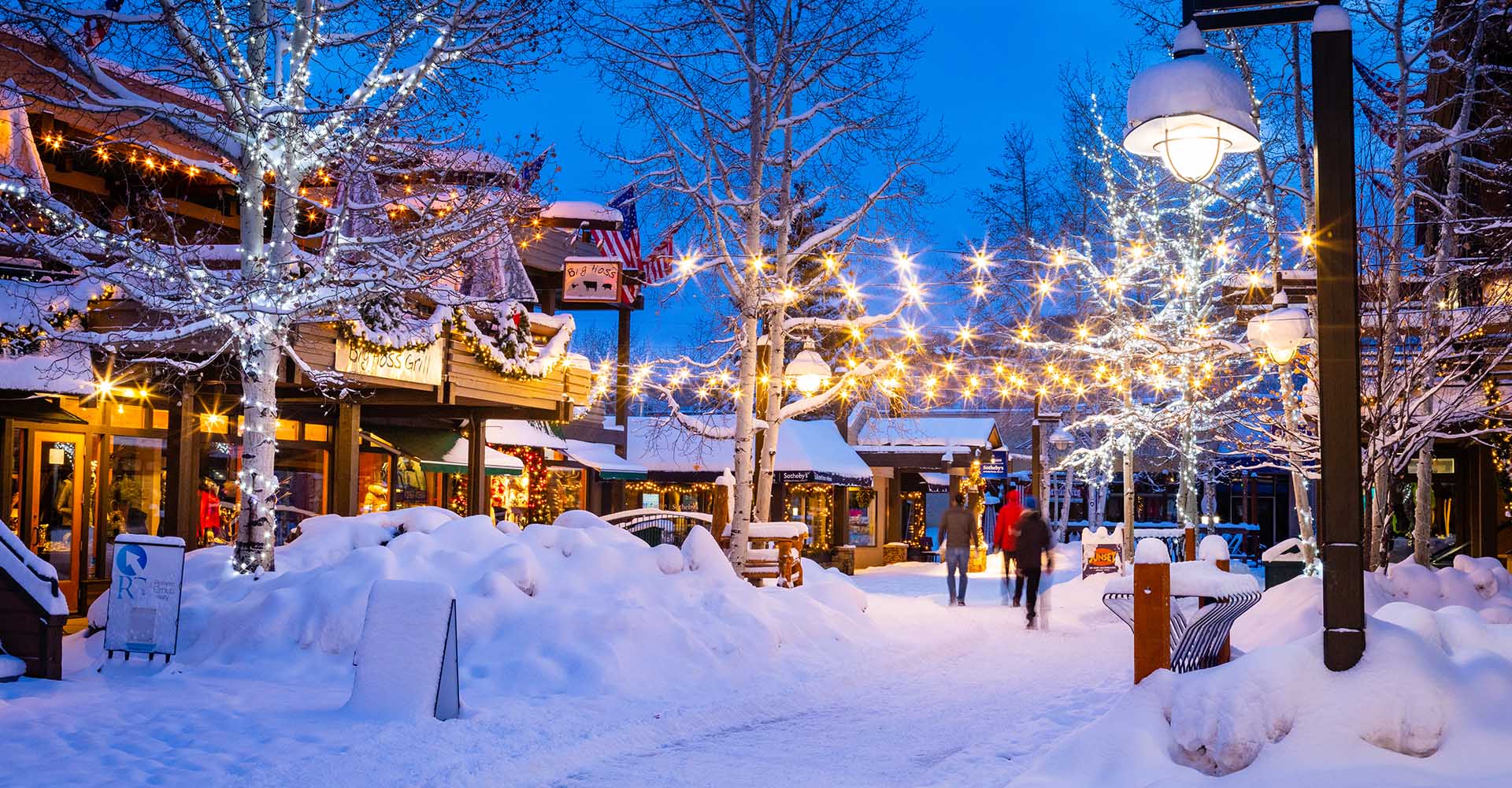
This is the increasingly rare opportunity to engage with land before it becomes something — to be the author of a place rather than its inheritor. No covenants constrain the program. No HOA dictates the aesthetic. The land is open, the infrastructure is ready, and the views are extraordinary in every season: the snow-dusted peaks of winter, the wildflower-covered hillsides of summer, the amber and ochre of the aspens in fall. Each iteration of this landscape offers something different, and all of it belongs to whoever chooses to build here.
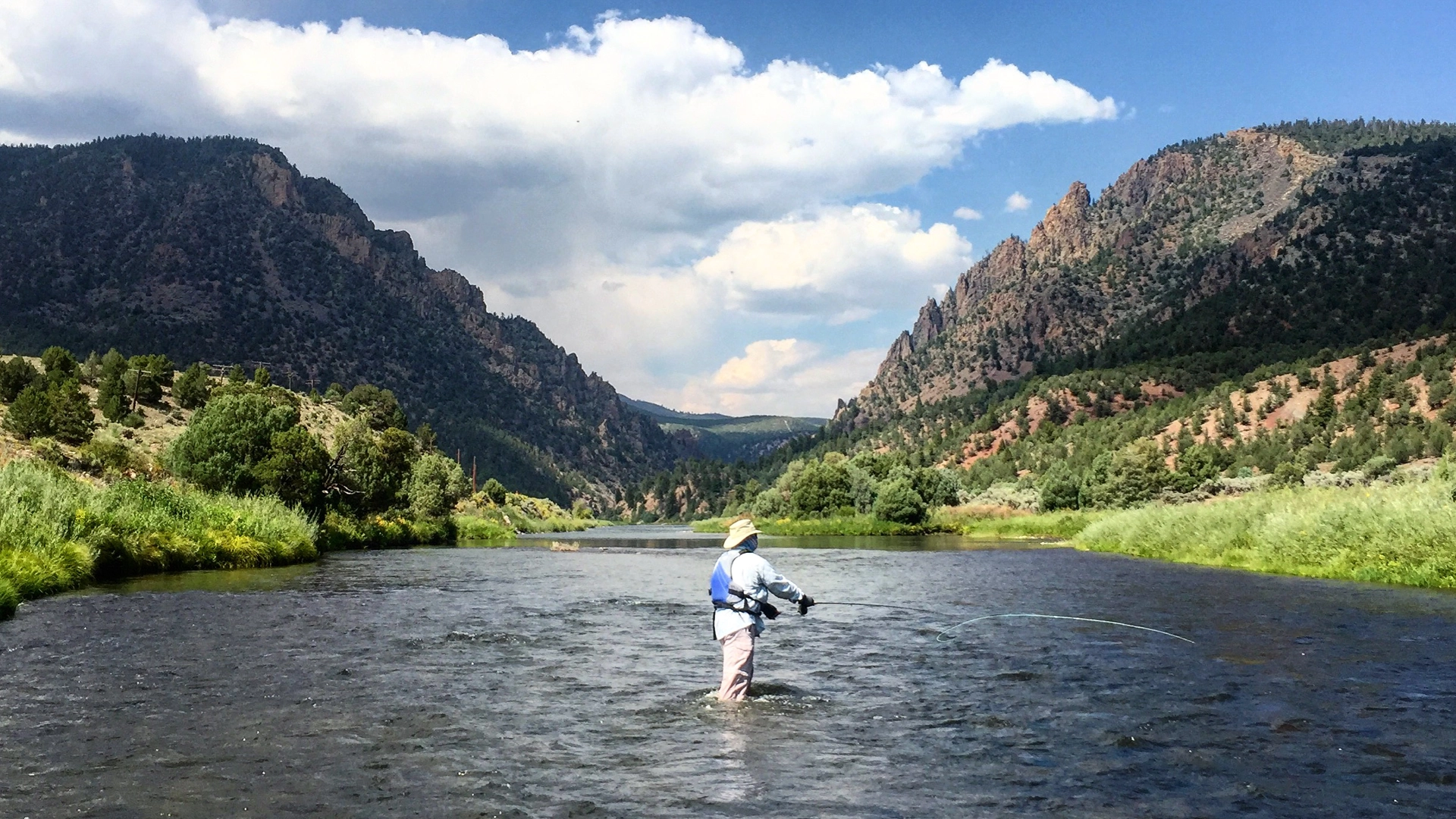
The stretch of Colorado's Roaring Fork Valley that runs between Carbondale and Aspen is one of the most quietly compelling corridors in the American West. It is a place where working ranches share a valley floor with world-class ski resorts, where fly fishermen wade into the Crystal River within sight of a Michelin-recognized restaurant, and where the cultural life of a small mountain town punches well above its weight. This property sits at the center of that confluence — close enough to everything, removed enough to feel entirely apart from it.
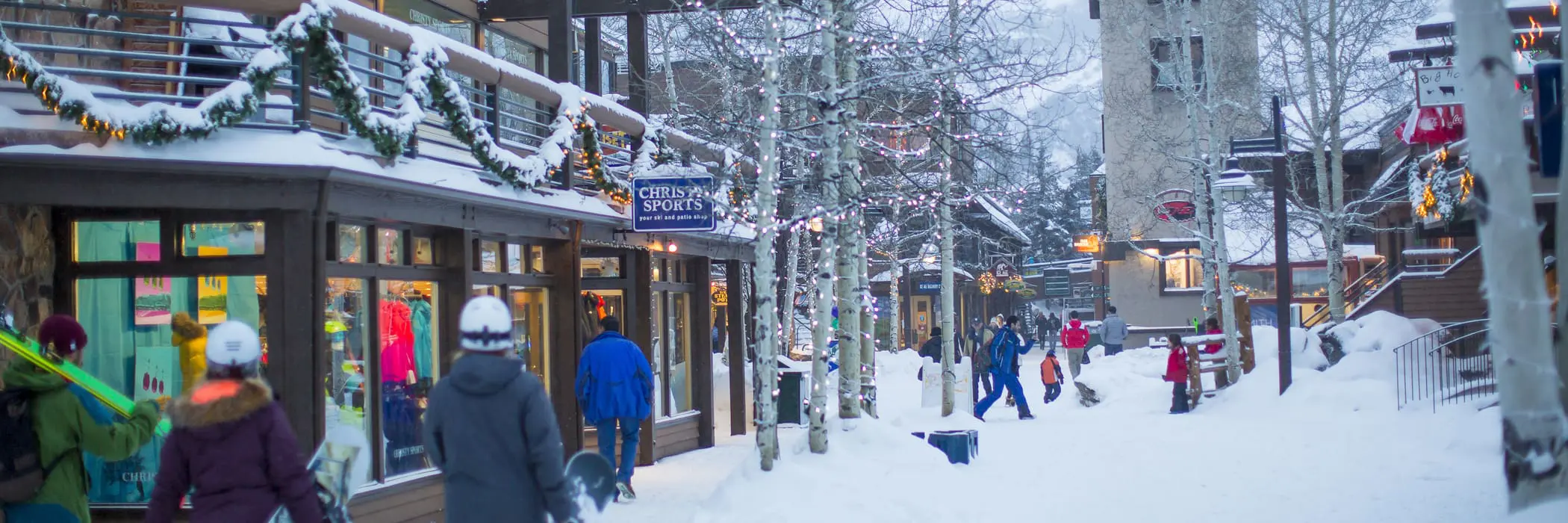
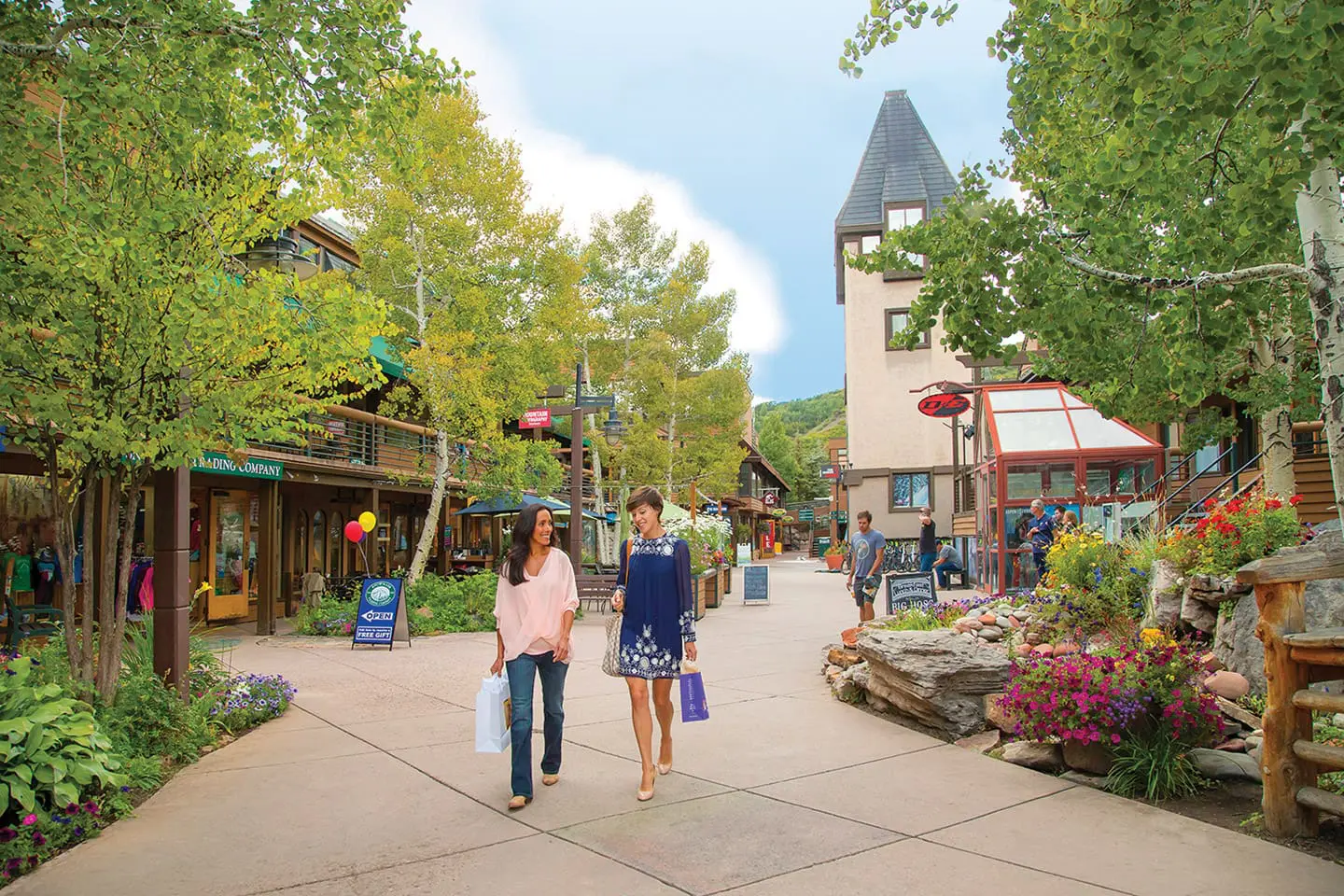
Carbondale, the nearest town, is a community of roughly 7,000 people that has cultivated a distinct identity within the broader Roaring Fork Valley. Known for its thriving arts scene, independent restaurants, and strong agricultural roots, Carbondale hosts a weekly farmers market during the warmer months and the long-running Carbondale Mountain Fair, a three-day arts and music festival held each summer that draws thousands of visitors to the town's main park. The Carbondale Rodeo, a beloved local institution, reflects the town's ranching heritage and remains a genuine community gathering point. Main Street is lined with independent businesses — coffee roasters, bookshops, farm-to-table restaurants — that give the town a texture rarely found in resort-adjacent communities.
The TACAW — The Arts Campus at Willits — opened in 2020 in nearby El Jebel and has become a cultural anchor for the mid-valley. The venue presents live music, theater, dance, and film programming throughout the year, bringing nationally recognized performers to a community that might otherwise require a drive to Denver or beyond for comparable programming.
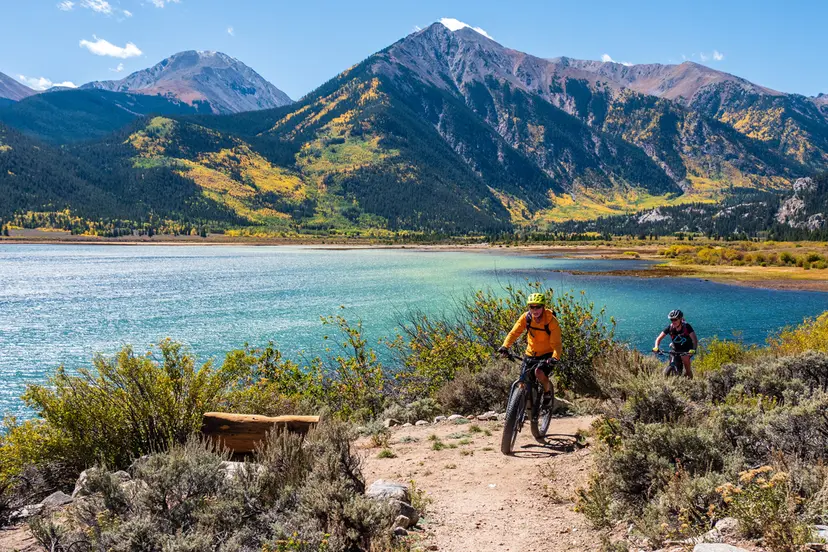
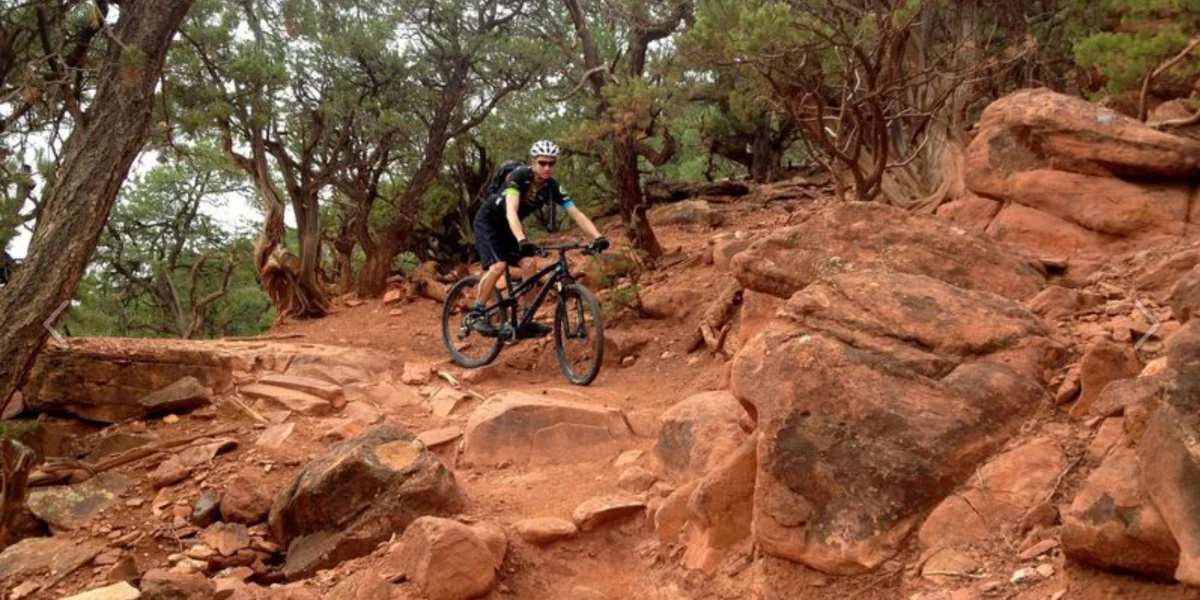
For outdoor recreation, the surrounding landscape is essentially limitless in its offerings. The Crystal River, which runs through the valley below, is a designated Gold Medal fishery and one of the most productive fly fishing rivers in the state. Trails accessing the Maroon Bells-Snowmass Wilderness Area begin within a short drive, offering some of the most dramatic hiking terrain in North America. Mountain biking trails lace the hillsides above Carbondale, with access to the Crown trail network providing miles of technical and scenic riding.
Skiing is available at three distinct areas within the region. Aspen Mountain, Aspen Highlands, Buttermilk, and Snowmass — all operated under the Aspen Skiing Company — are accessible in under an hour. Sunlight Mountain Resort, visible from the property itself, offers a more intimate ski experience just 20 minutes away in Glenwood Springs. Whole Foods in Glenwood Springs is approximately 20 minutes from the site, while the full amenities of Aspen — its galleries, restaurants, and cultural programming at the Aspen Institute and Aspen Music Festival — are accessible within 45 minutes.
This is a location that rewards unhurried living. The valley asks you to slow down, to pay attention to the seasons, to engage with the landscape on its own terms. The property, elevated above the valley floor with views that extend to every compass point, offers exactly that invitation.
Featured Highlights
Curated Content • Presented by Laurie Laing - Aspen Snowmass Sotheby's International Realty