The Story Behind
A Rare Napa Hillside Parcel Where Vision Meets the Land
There are parcels that ask you to imagine, and there are parcels that do the imagining for you. 4500 Silverado Trail belongs to the latter — a hillside estate where the land itself has already done the foundational work of establishing character, structure, and a sense of place that most properties spend decades trying to cultivate.
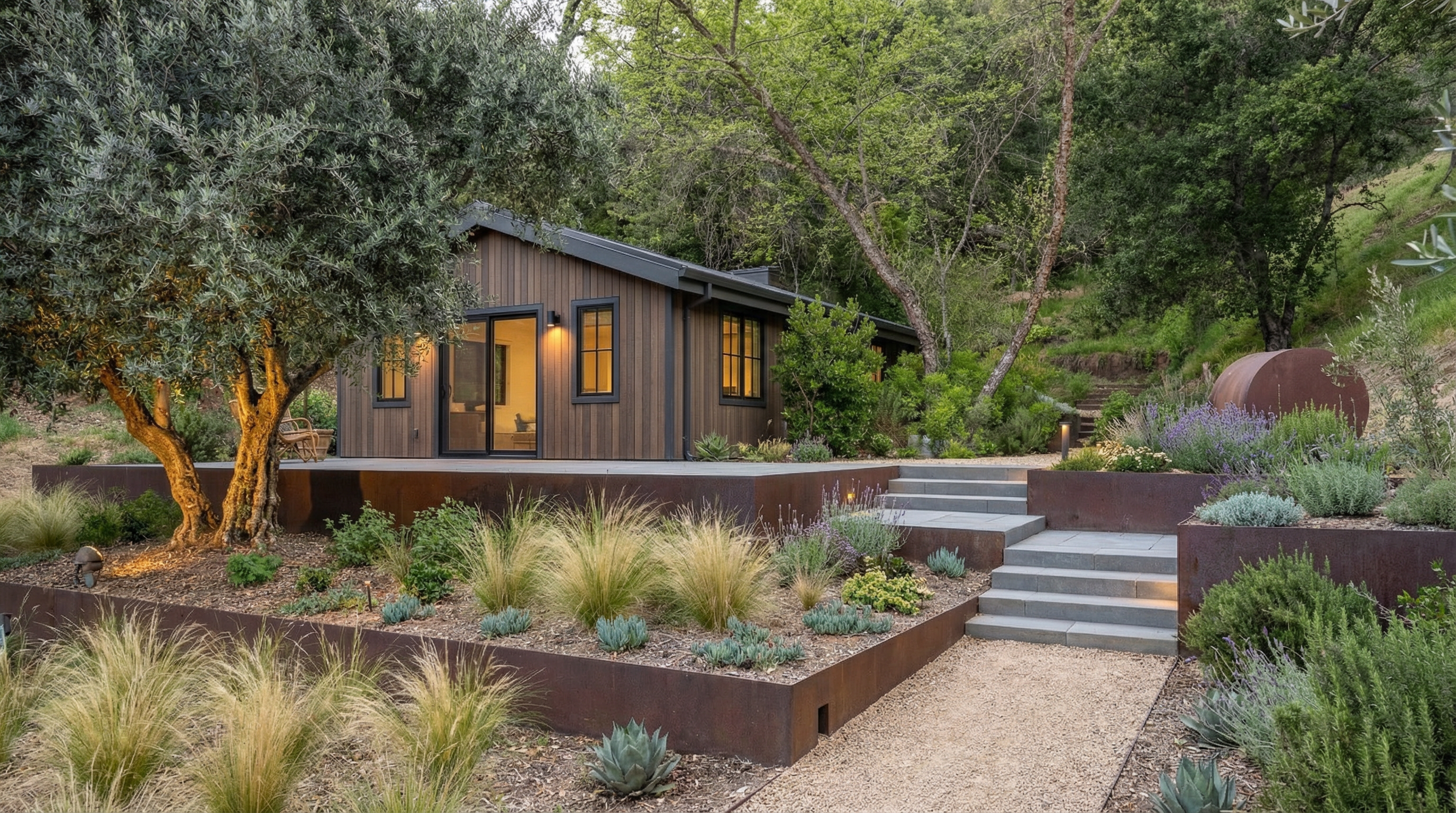
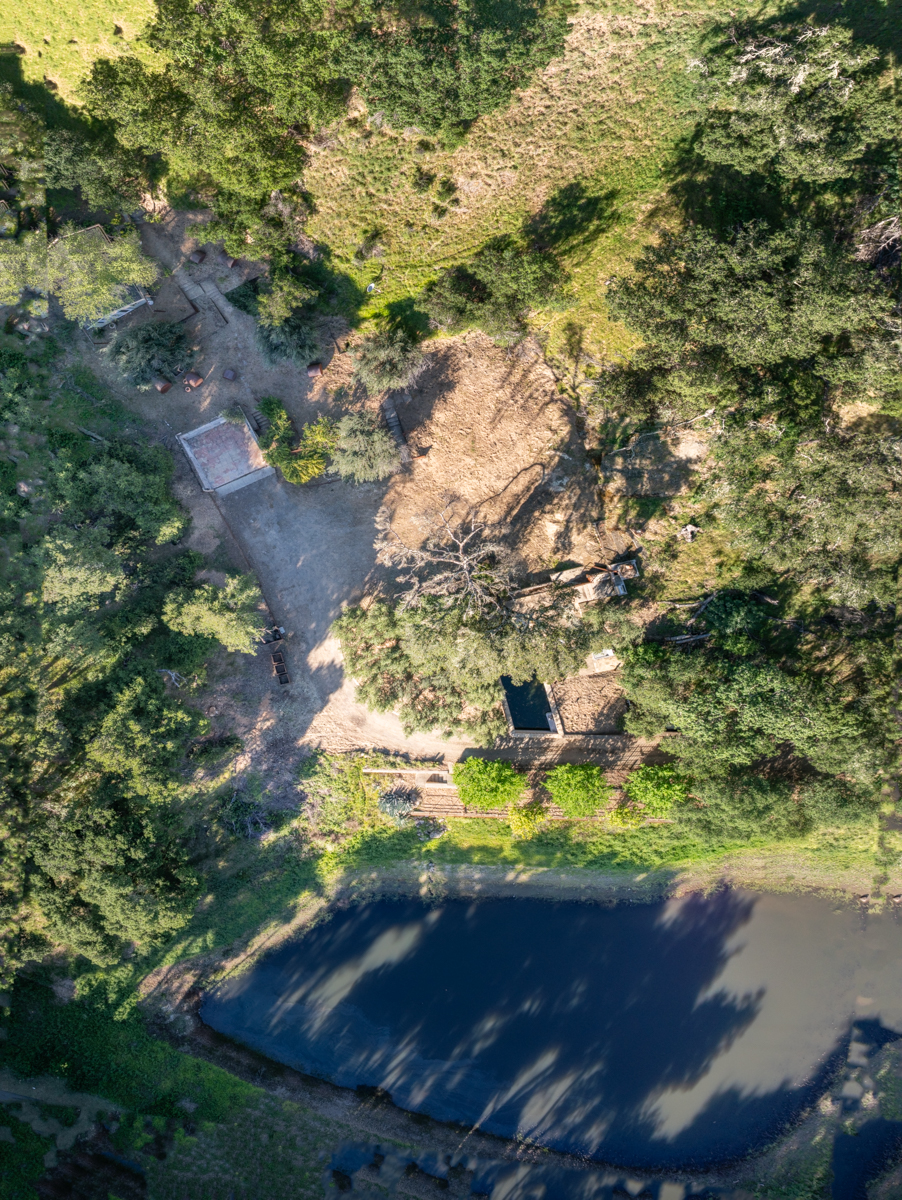
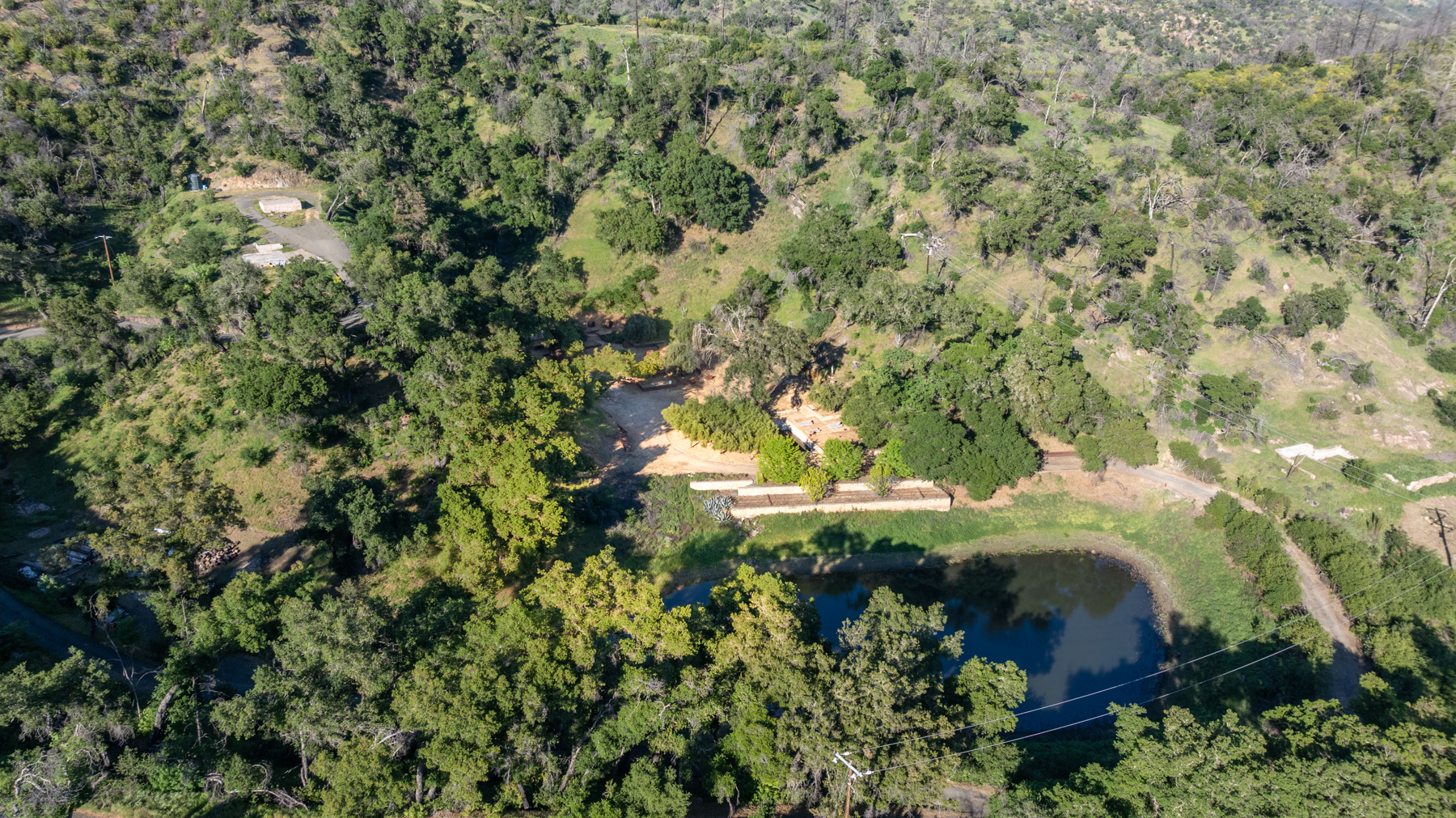
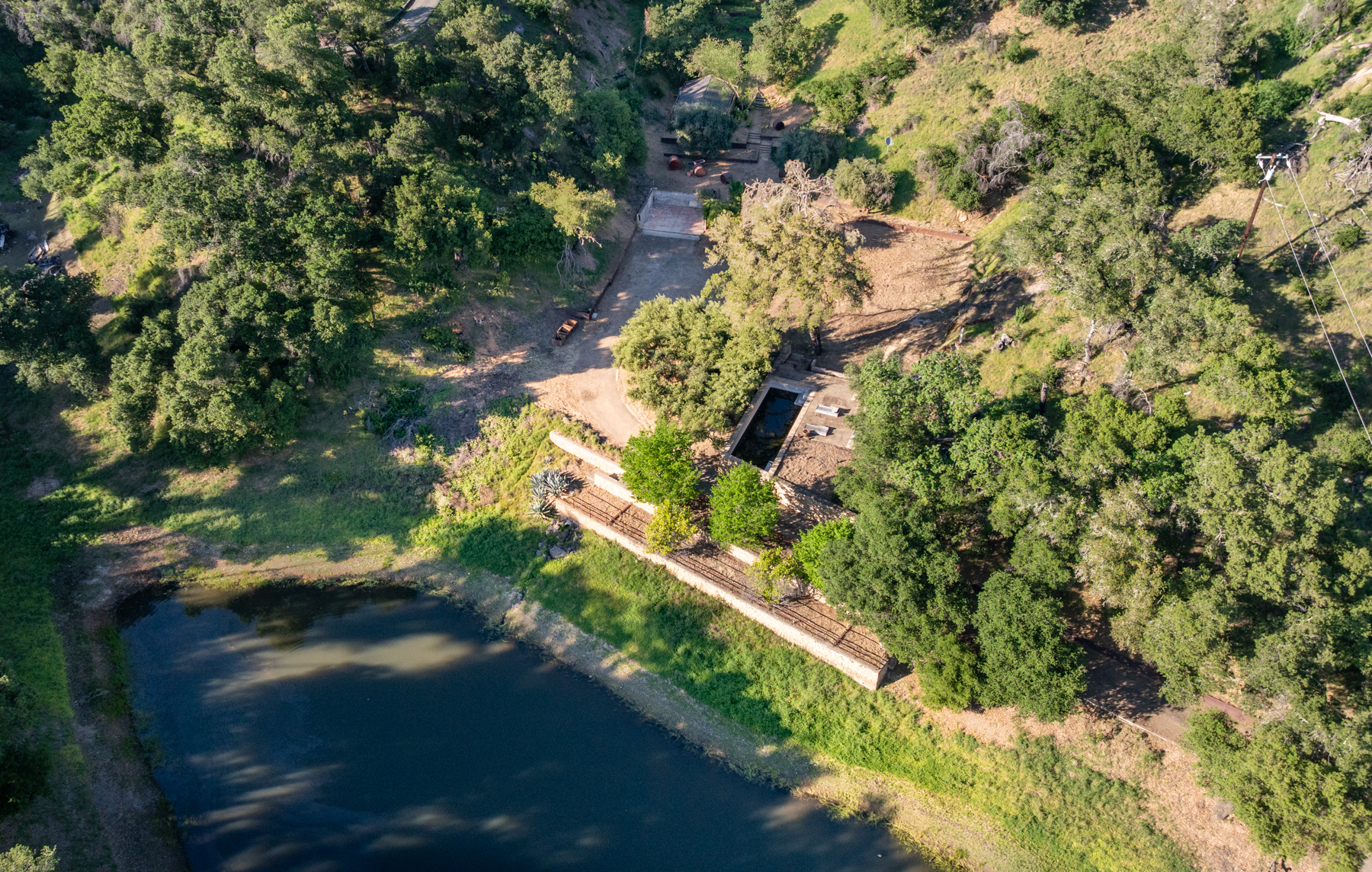
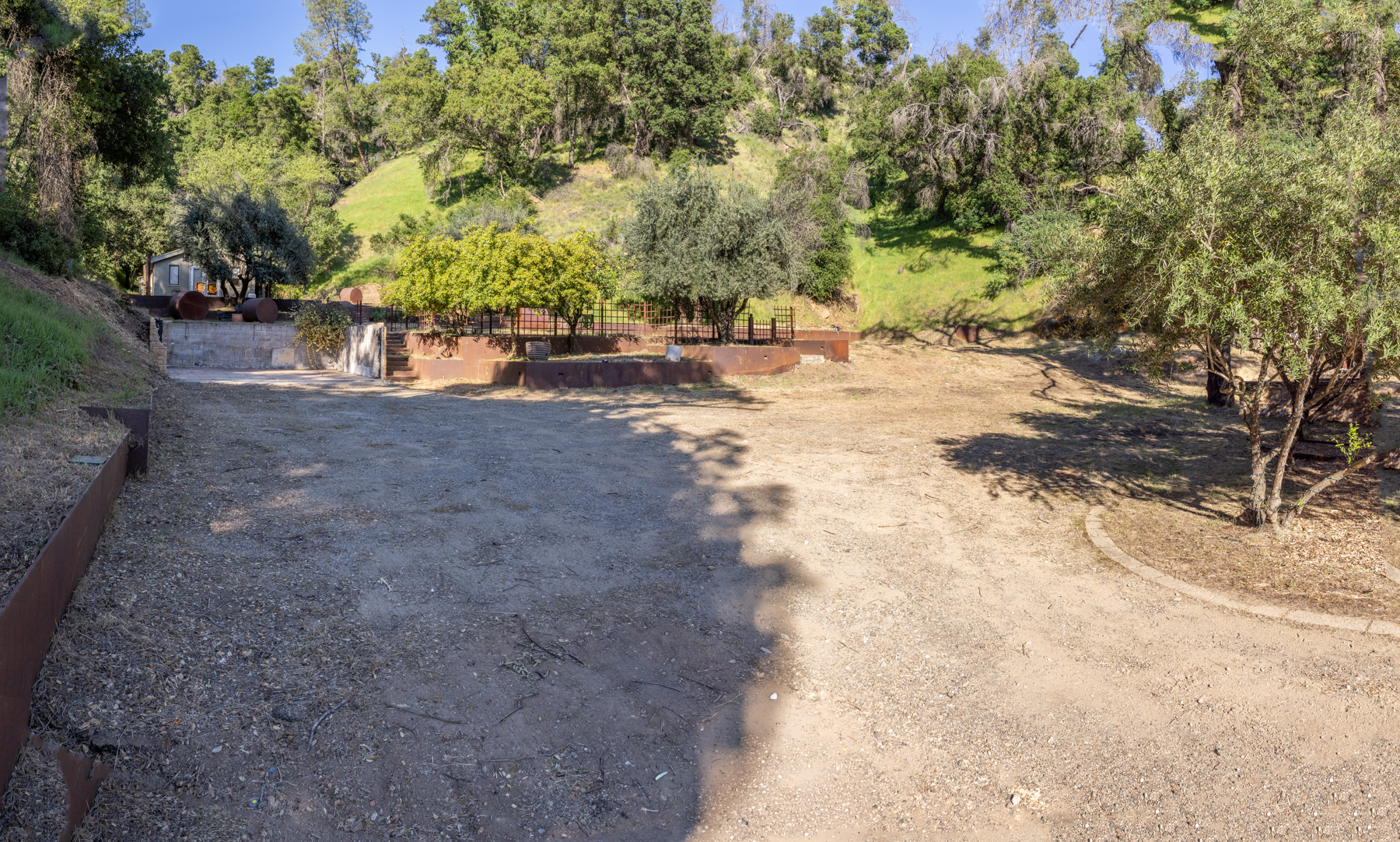
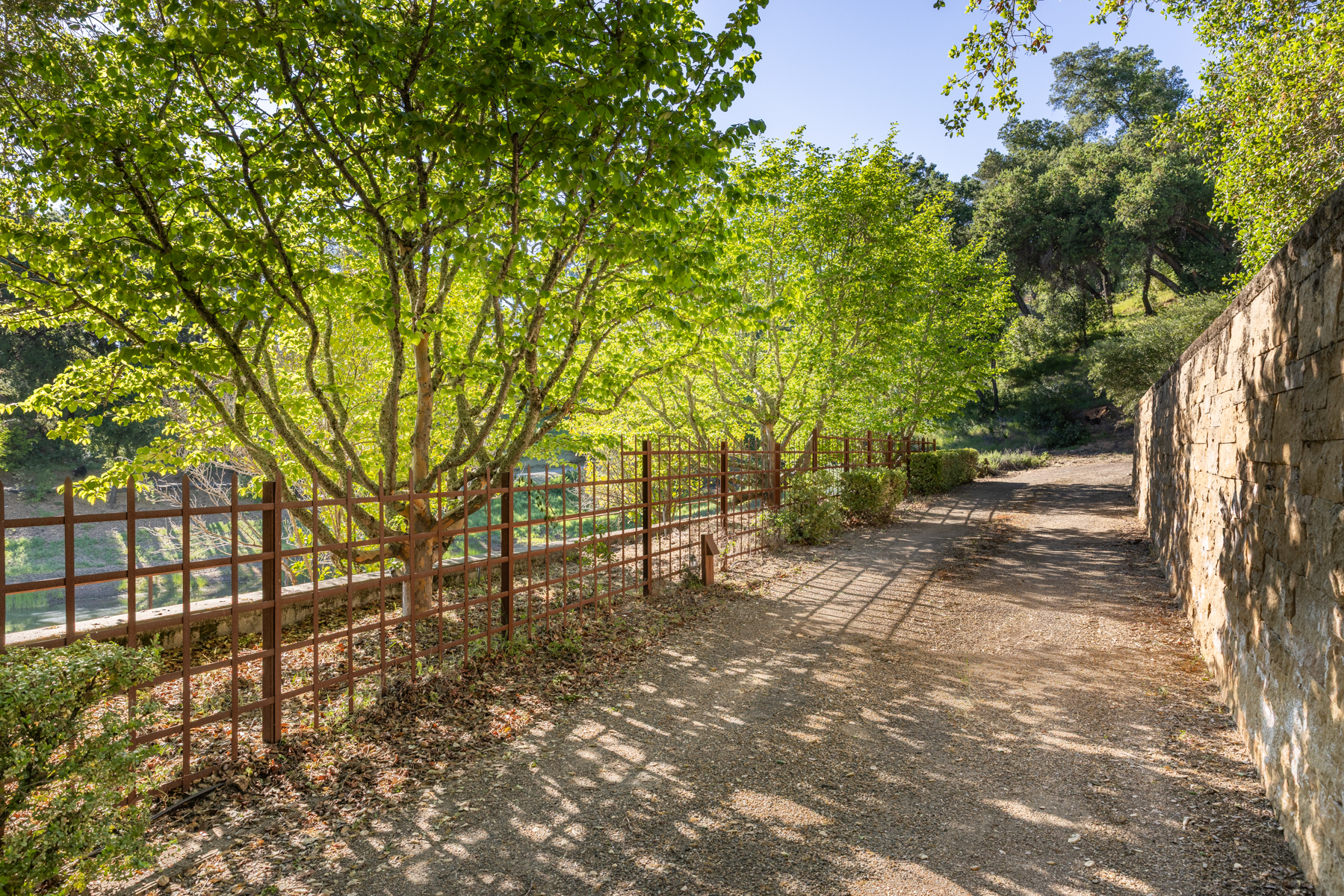
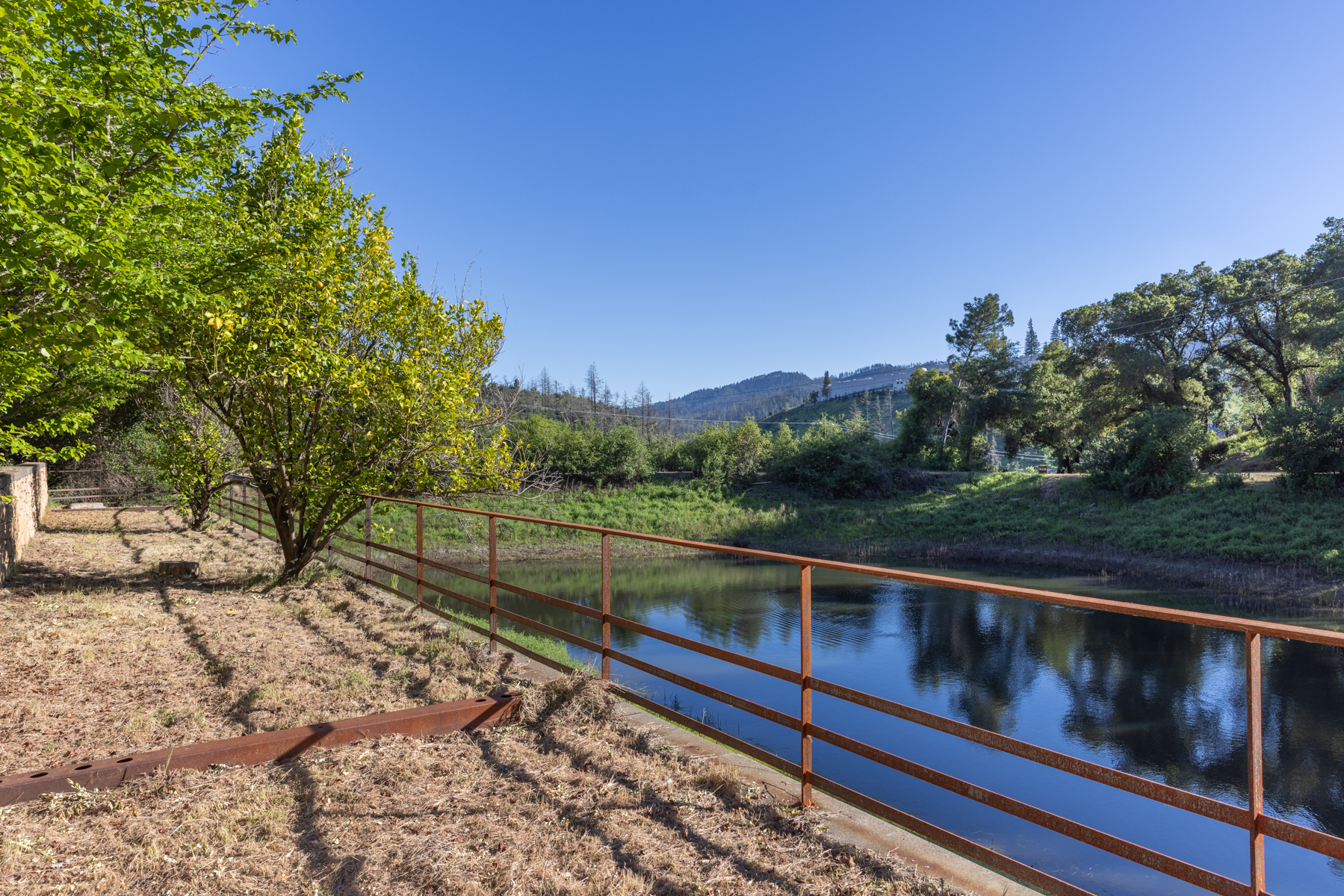
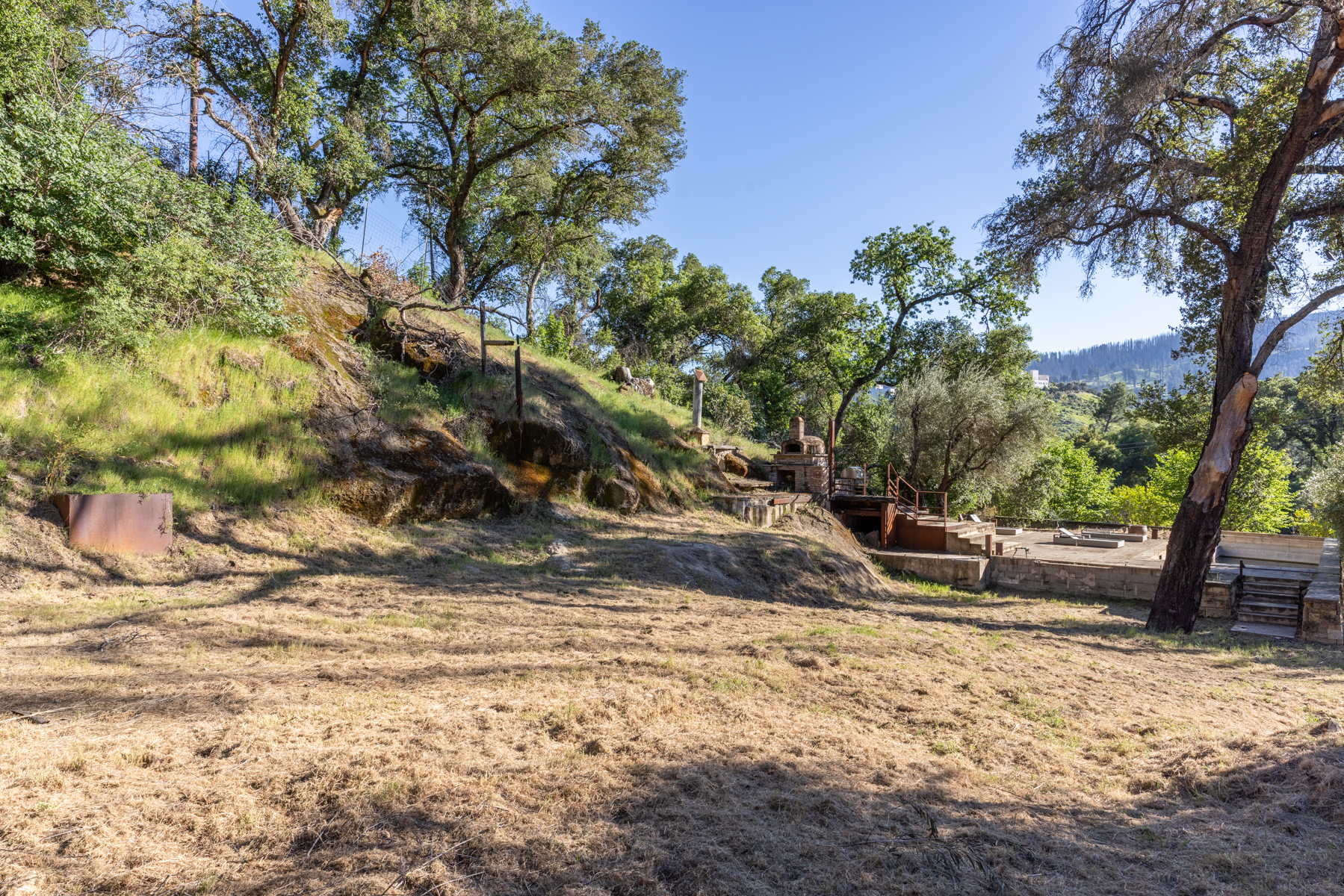
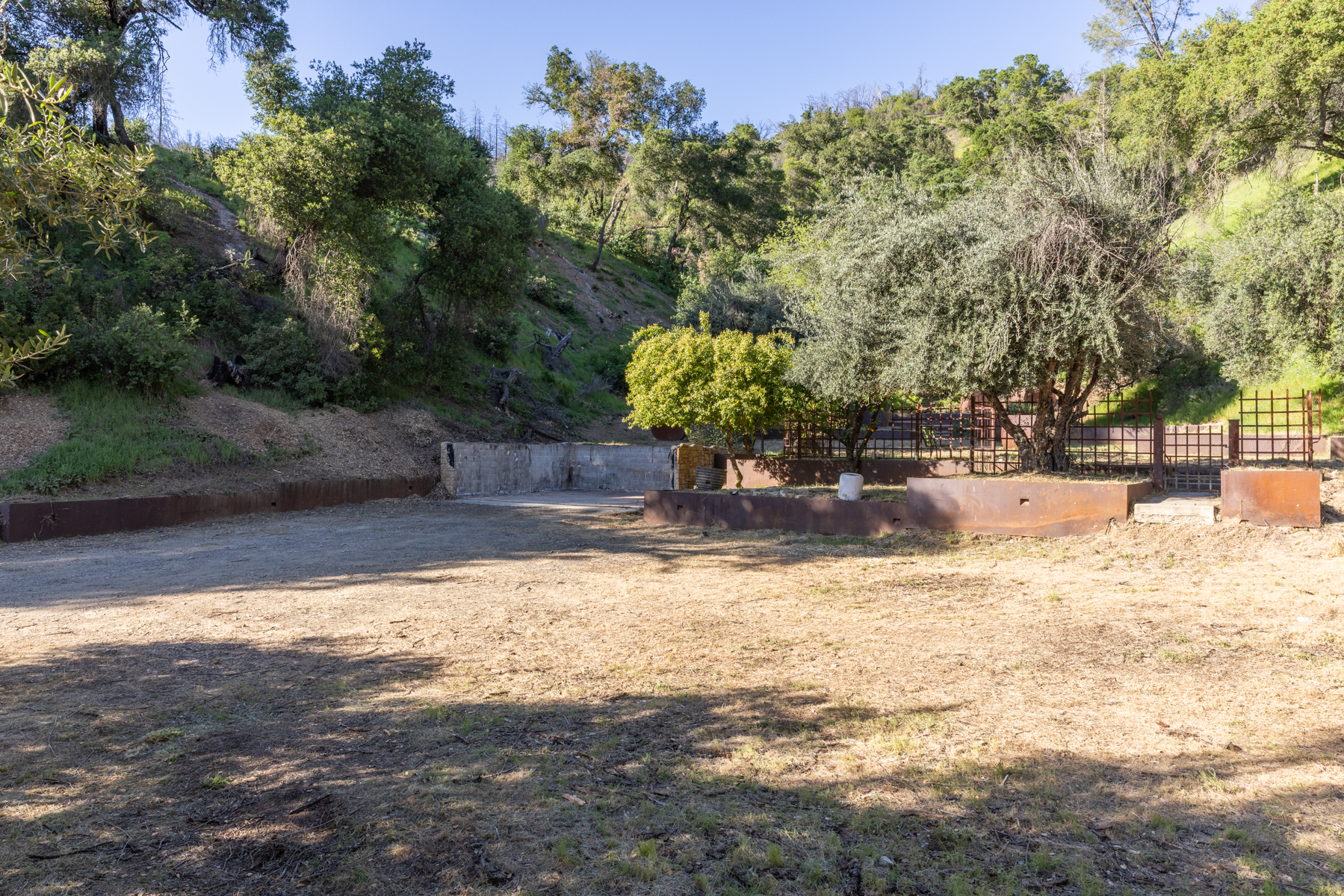
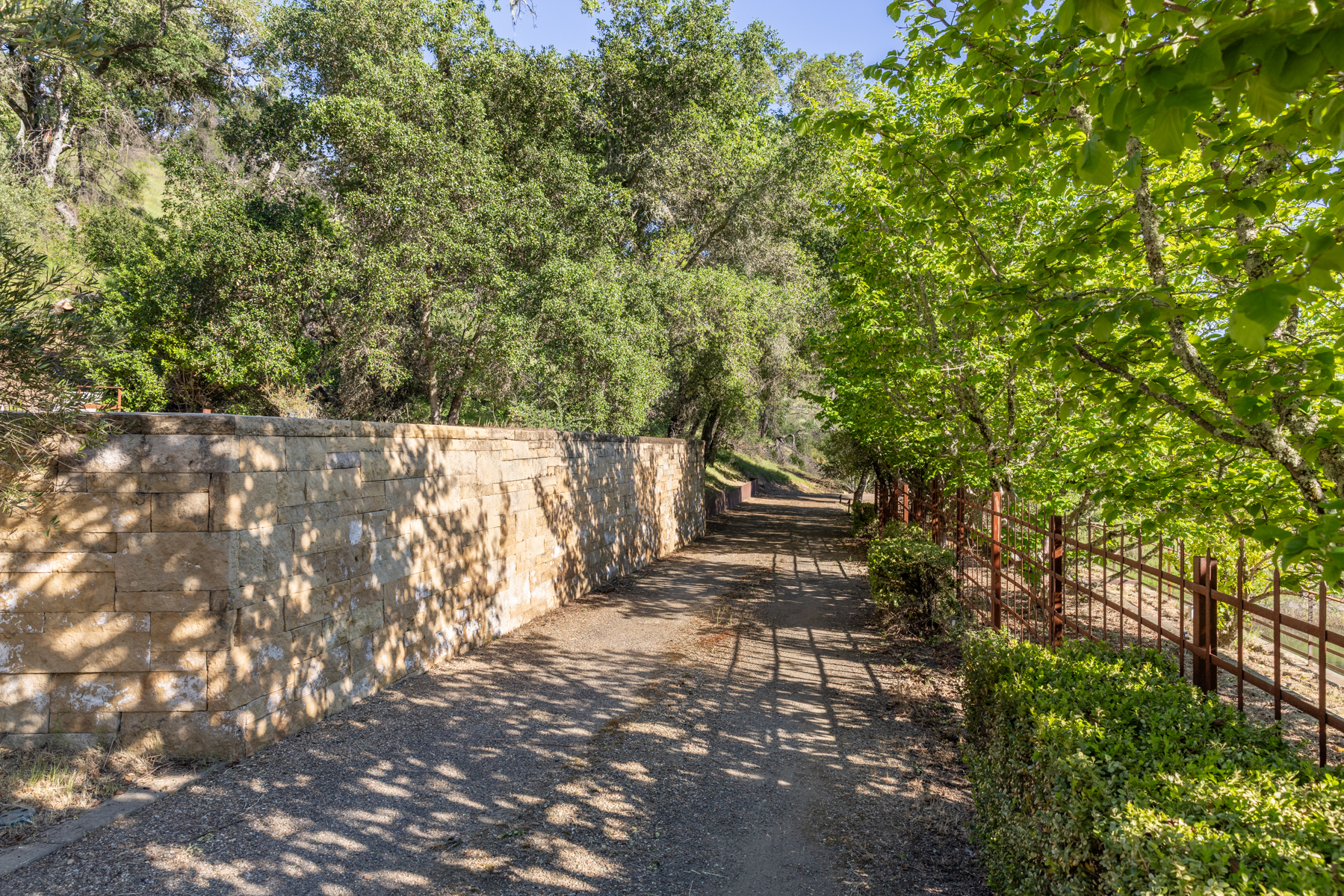
The approach sets the tone immediately. A gated stone entrance marks the threshold between the world beyond and what lies within, and the shift is palpable. A winding gravel drive carries you upward through a landscape that reveals itself in stages — first, the natural pond, calm and reflective, framed by the sweeping arms of mature oak trees; then the terraced hillside, defined by hand-laid stone retaining walls and weathered Corten steel that anchor the land with quiet, enduring authority.
These are not decorative gestures. The retaining walls represent genuine craftsmanship — each stone placed with an understanding of the hillside's natural contours, creating level terraces that feel both engineered and organic. The weathered steel reads as sculptural, its warm oxidized tones harmonizing with the dry grasses, the silver-green canopy of established olive trees, and the deep bark of oaks that have grown here long before any structure was ever contemplated.
The upper terraces host established olive and citrus groves — their canopies filtering afternoon light onto gravel paths that trace the natural topography of the slope. An orange tree in full fruit. Lady Banks roses climbing a trellis. An outdoor wood-fired oven and grill station built into the hillside, already positioned for the kind of slow, convivial evenings that Napa seems designed to produce. These are not amenities added for show — they are evidence of a life already lived here, and of a landscape already shaped by intention.
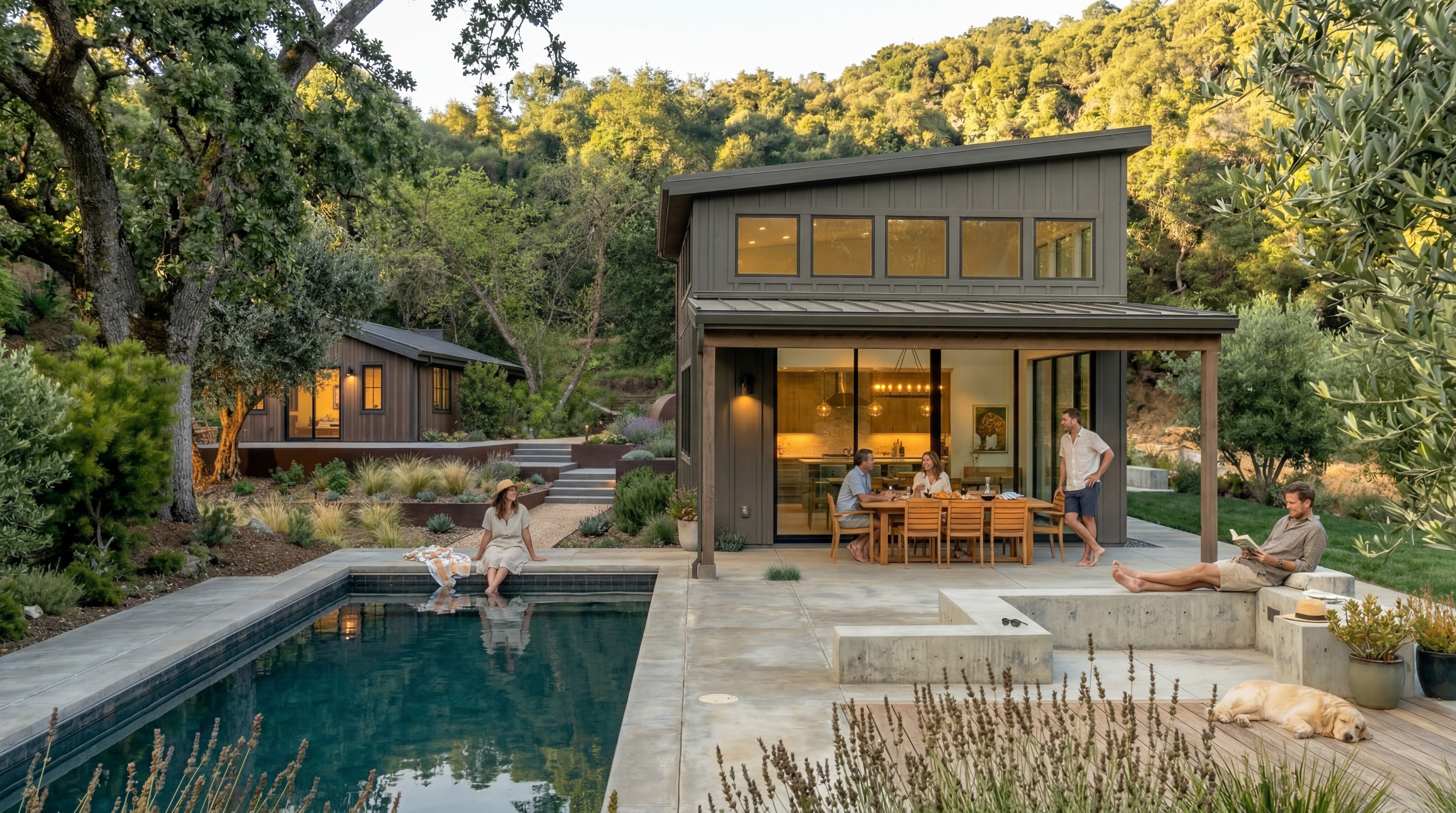
A pool structure exists on the property, positioned on a terrace with views extending across the tree line and into the rolling hills beyond. A site for reimagination. The rectangular form, when restored or rebuilt, becomes the horizon line of a future home — a mirror for the sky, an extension of the land.
The existing infrastructure — including pool mechanical systems, a propane supply, and established grading — provides a meaningful starting point for the next chapter. Traces of what once stood here remain, subtle and respectful, but the dominant impression is of open space, of terraced potential, of a hillside ready to receive a home that is worthy of it.
What makes this parcel rare is not any single feature in isolation. It is the convergence of scale, seclusion, agricultural character, and a landscape already shaped by time and craft — a combination that is genuinely difficult to assemble from scratch in Napa Valley. The land is ready. The vision is yours.
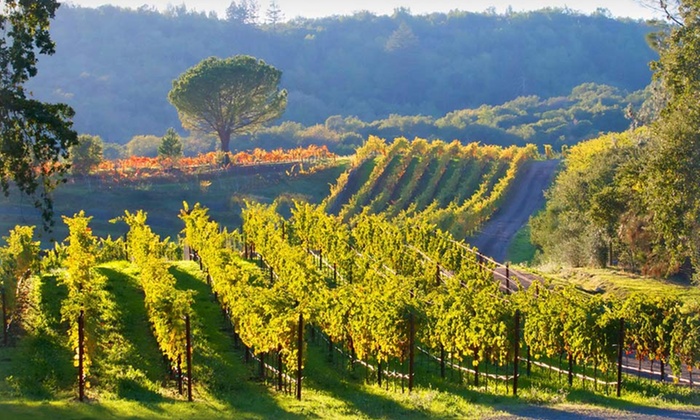
Silverado Trail is not simply a road. It is, by most accounts, the most storied stretch of pavement in American wine country — a two-lane corridor running parallel to Highway 29 along the eastern edge of Napa Valley, tracing the base of the Vaca Mountains from the city of Napa north through Calistoga. Where Highway 29 carries commerce and crowds, Silverado Trail carries a quieter current: the winemakers, the growers, the families who have been here for generations, and the estates set far enough from the road to feel genuinely removed from the world.
The Trail takes its name from Robert Louis Stevenson's 1883 memoir, The Silverado Squatters, in which the author recounts his honeymoon spent in an abandoned bunkhouse on Mount St. Helena — a testament to how deeply this landscape has inspired those who encounter it. The road itself passes some of Napa Valley's most respected wine estates, including Stag's Leap Wine Cellars, Chimney Rock, Pine Ridge, Darioush, and Clos Du Val, among many others. Tastings here are not tourist experiences — they are encounters with the serious craft of winemaking at its most refined.
The address places this property within easy reach of Napa's full cultural and culinary infrastructure. The city of Napa — revitalized over the past two decades into one of California's most compelling small cities — lies to the south. Downtown Napa's First Street corridor offers acclaimed dining, including Michelin-recognized restaurants that have made the valley a national culinary destination. The Oxbow Public Market, a beloved local institution anchored by artisan food vendors, the Hog Island Oyster Co., and rotating regional purveyors, provides the kind of daily market culture more commonly associated with European cities.
St. Helena, to the north, offers a more intimate scale — historic stone storefronts, the celebrated Meadowood resort, and some of the valley's most respected wine estates set among vine-covered hills. Yountville, the small town that perhaps more than any other in America has come to define the intersection of wine country and haute cuisine, is home to The French Laundry and a concentration of fine dining that draws visitors from around the world.
The Napa Valley Wine Train offers a historic perspective on the landscape, while the Napa Valley Museum in Yountville provides cultural context for the region's agricultural and artistic heritage. Seasonal farmers' markets, harvest festivals, and the annual Auction Napa Valley animate the community calendar with events that draw both longtime residents and international visitors.
Beyond the cultural amenities, the lifestyle here is defined by something more elemental: the rhythm of the seasons, the smell of wild fennel along the hillside roads, the long golden light of late afternoon over a valley that has been producing world-class wine for more than a century. Privacy is not incidental on Silverado Trail — it is structural, built into the very character of a road that has always rewarded those willing to seek out what lies beyond the gate.
Featured Highlights
Curated Content • Presented by Josh Dempsey