The Story Behind
A Full-Floor Sanctuary Above the Manhattan Skyline
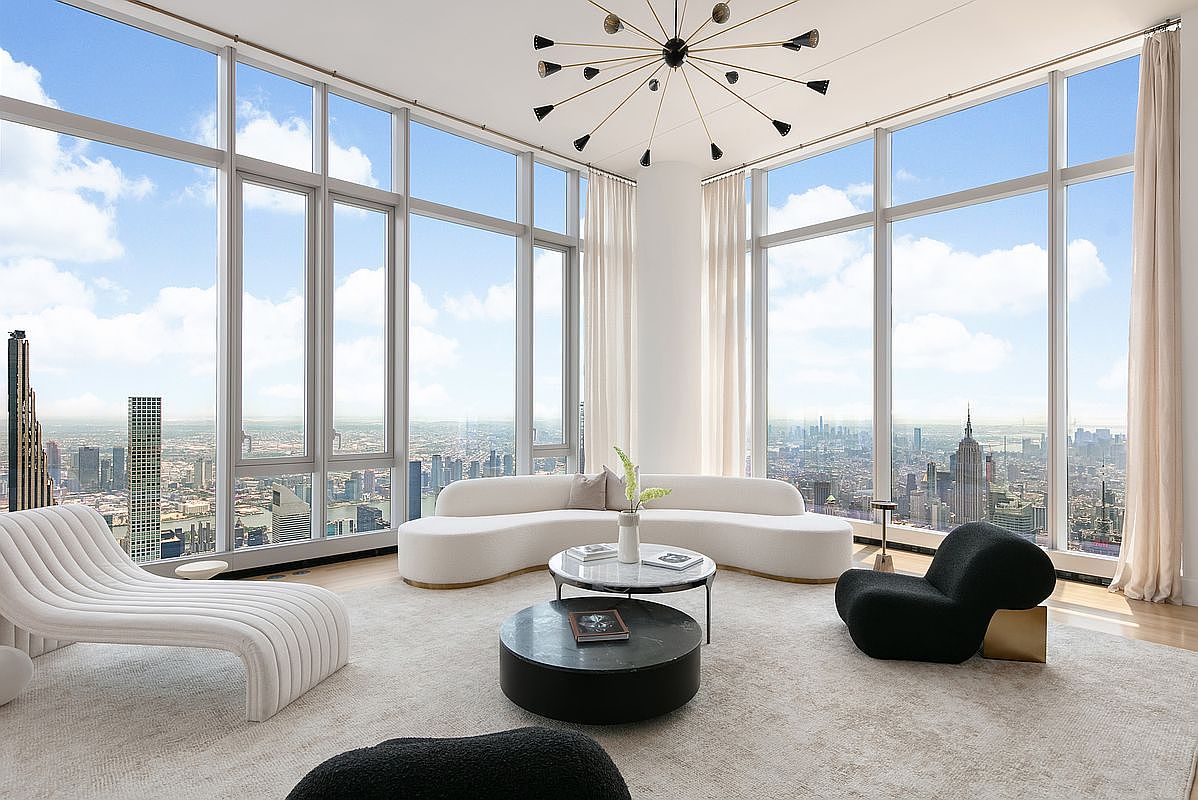
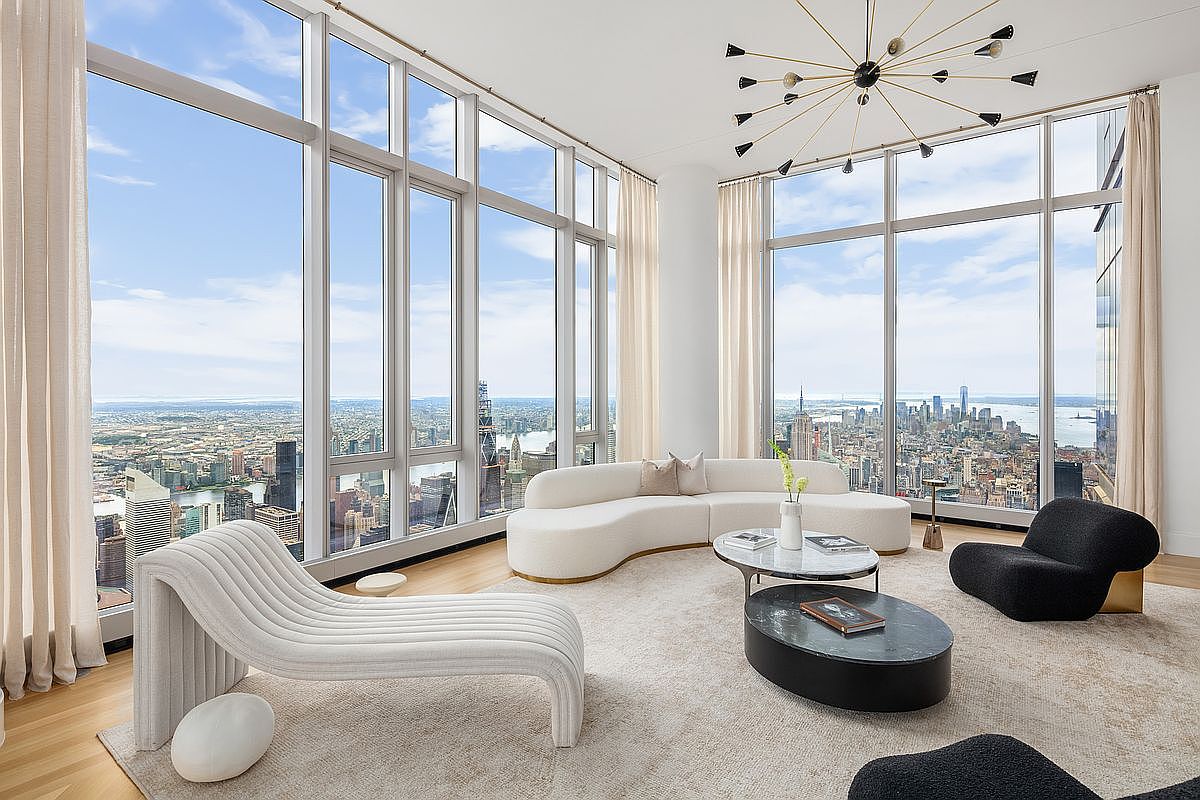
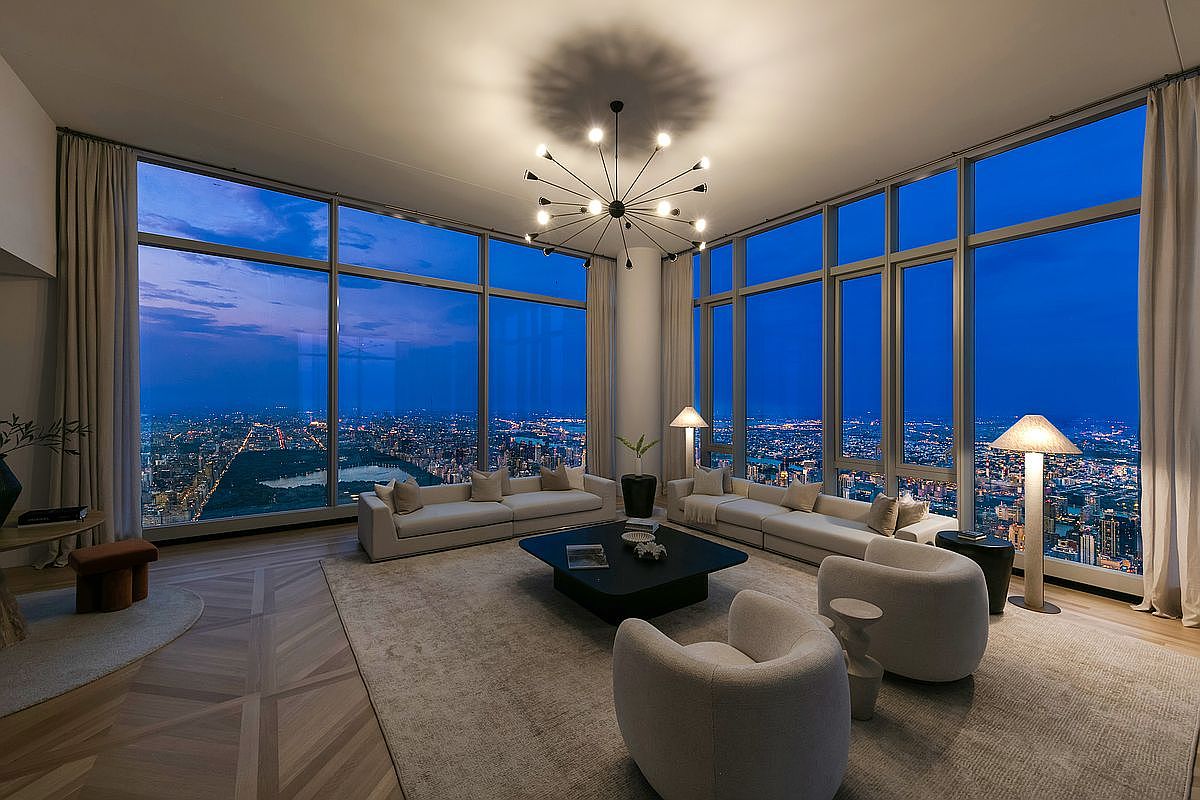
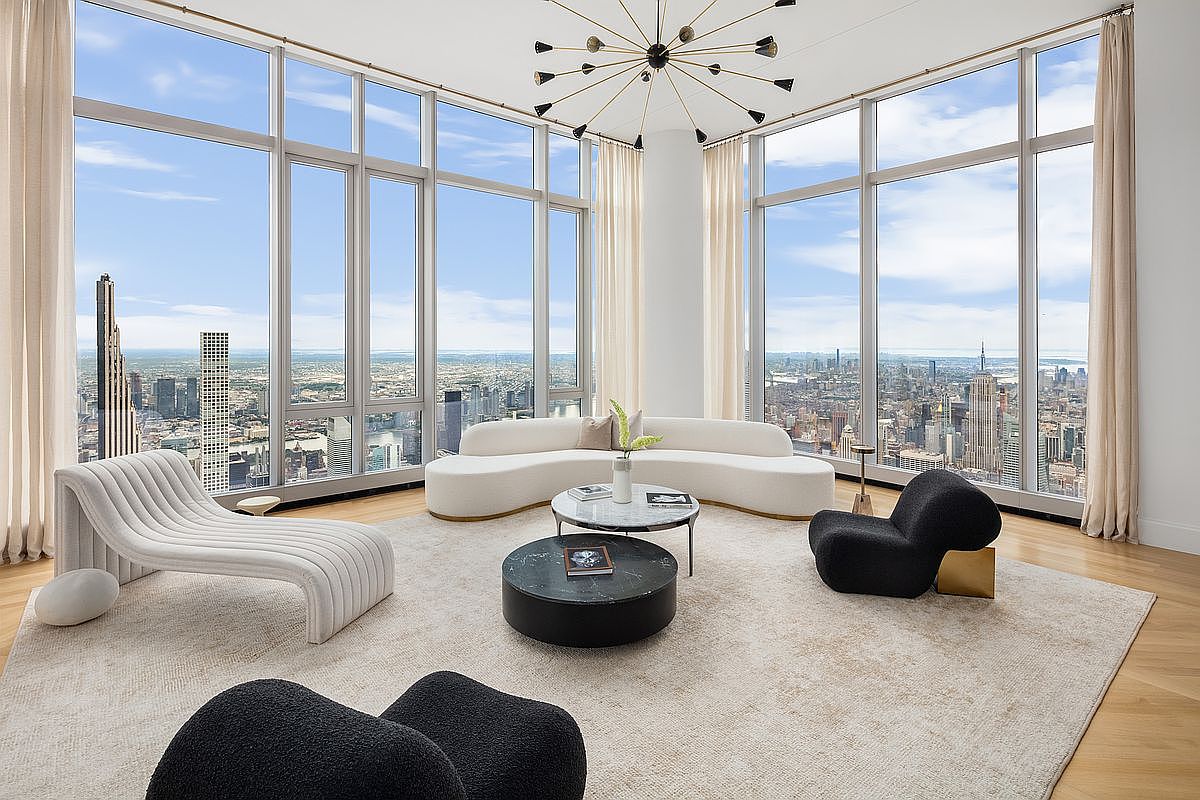
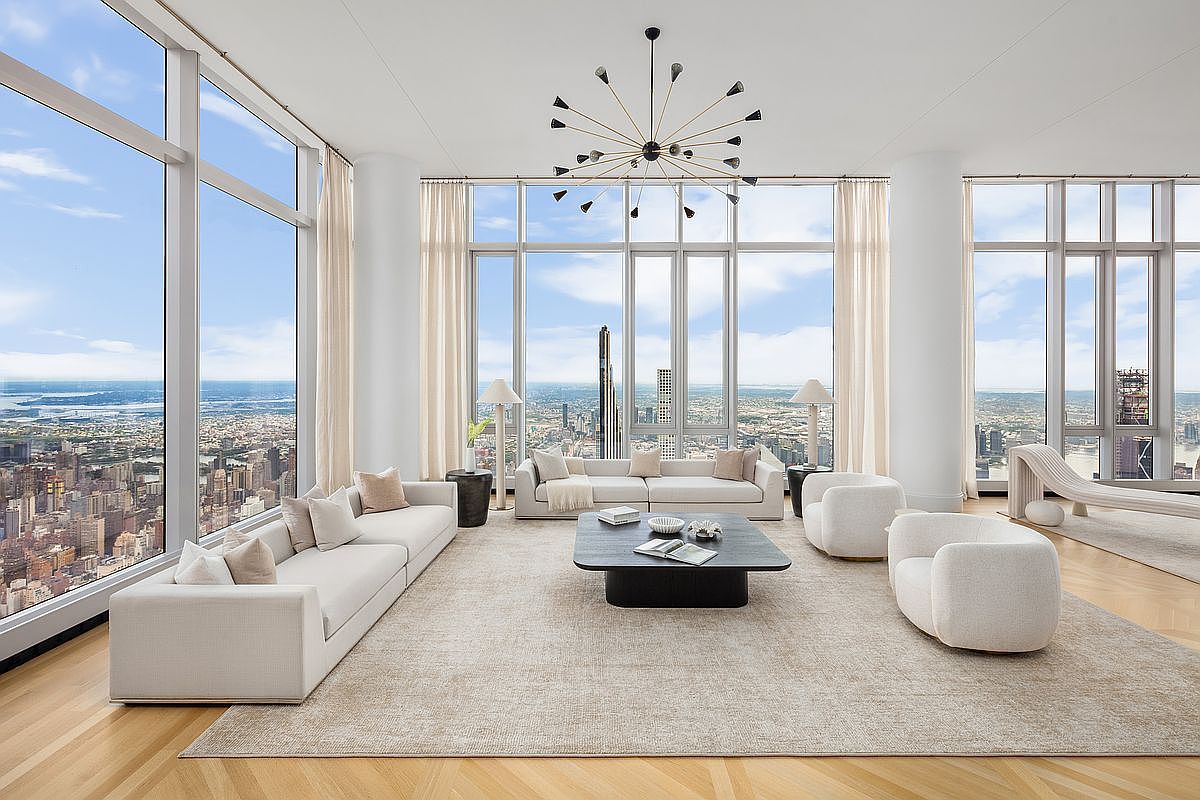
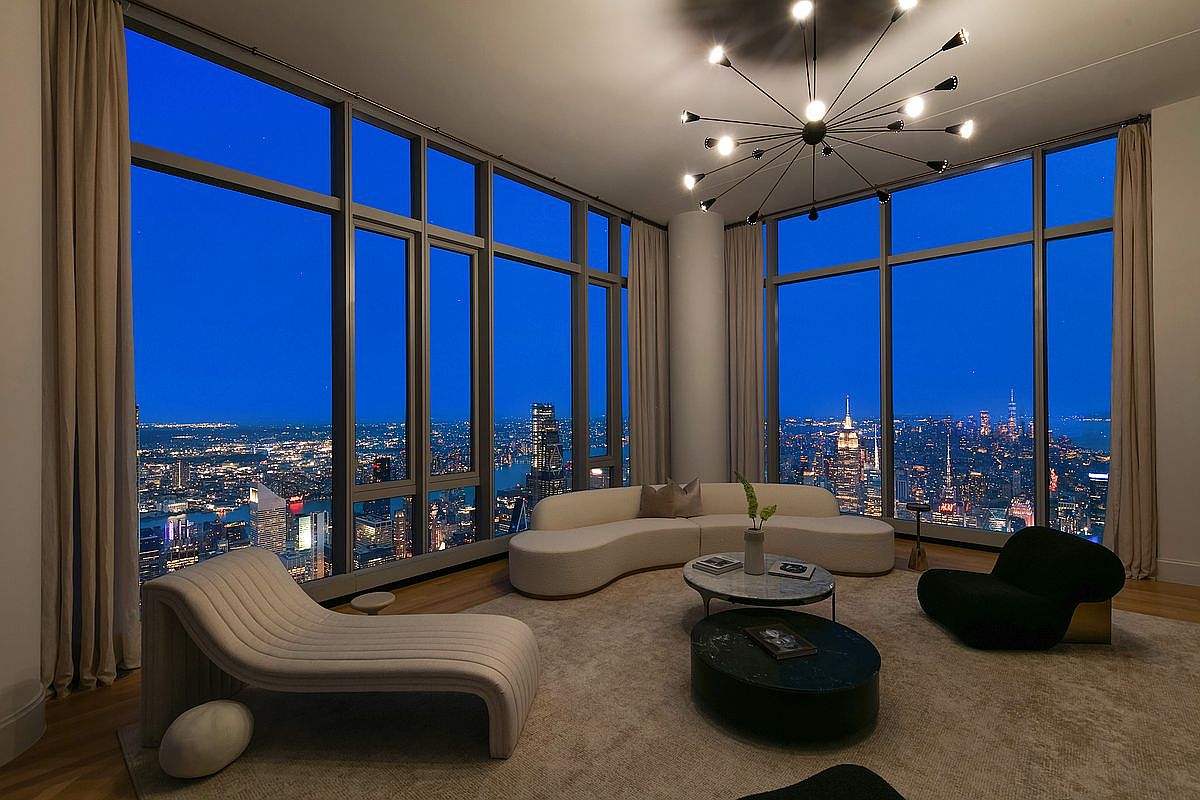
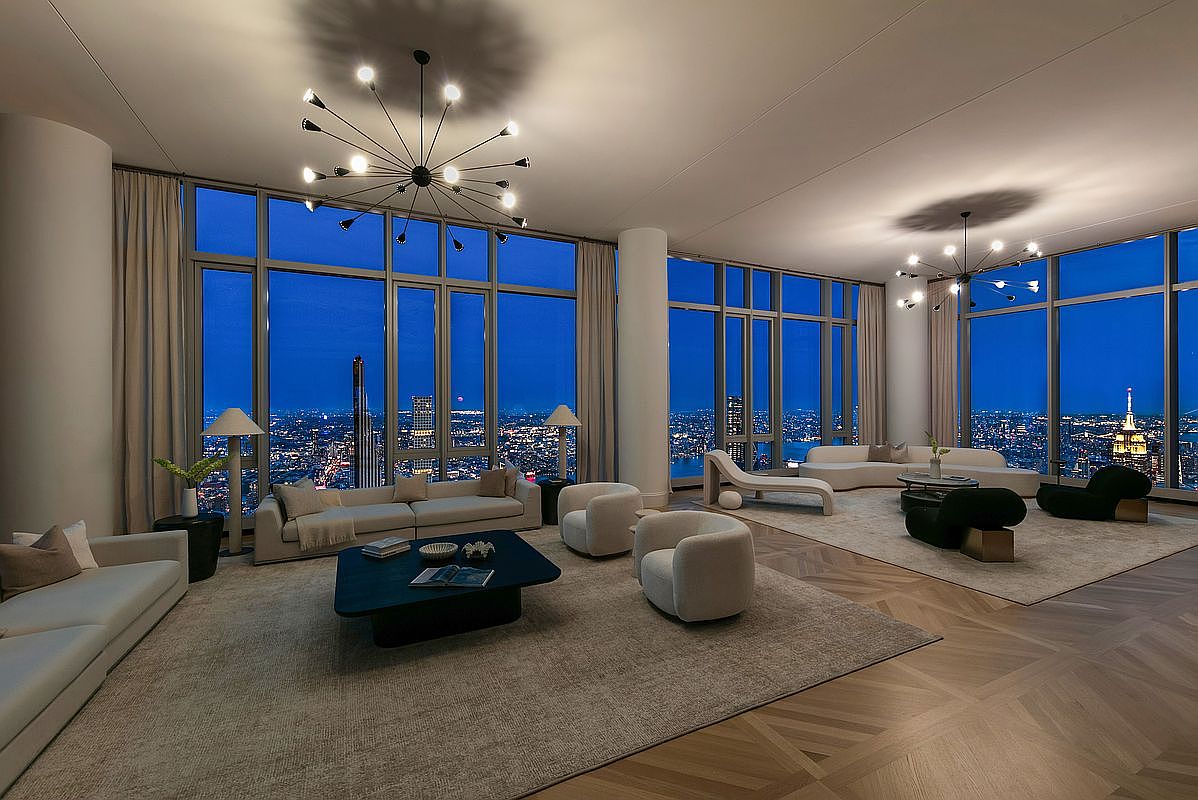
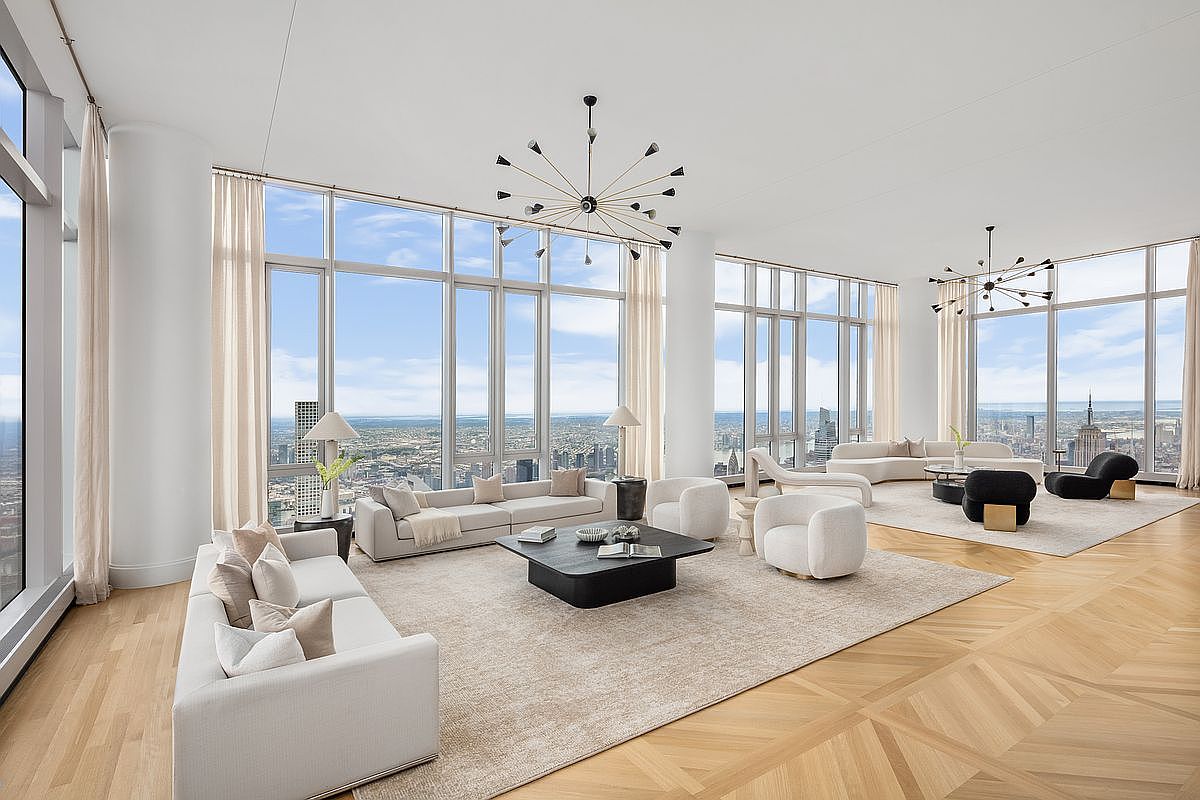
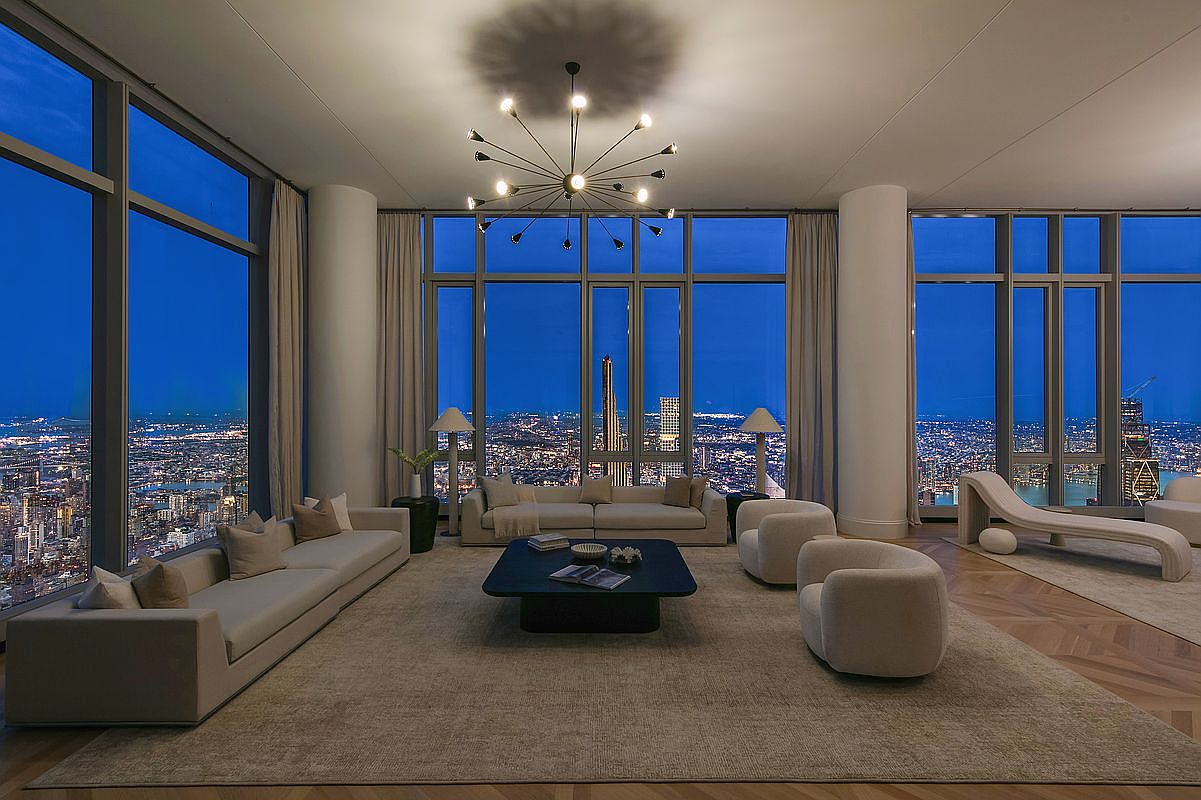
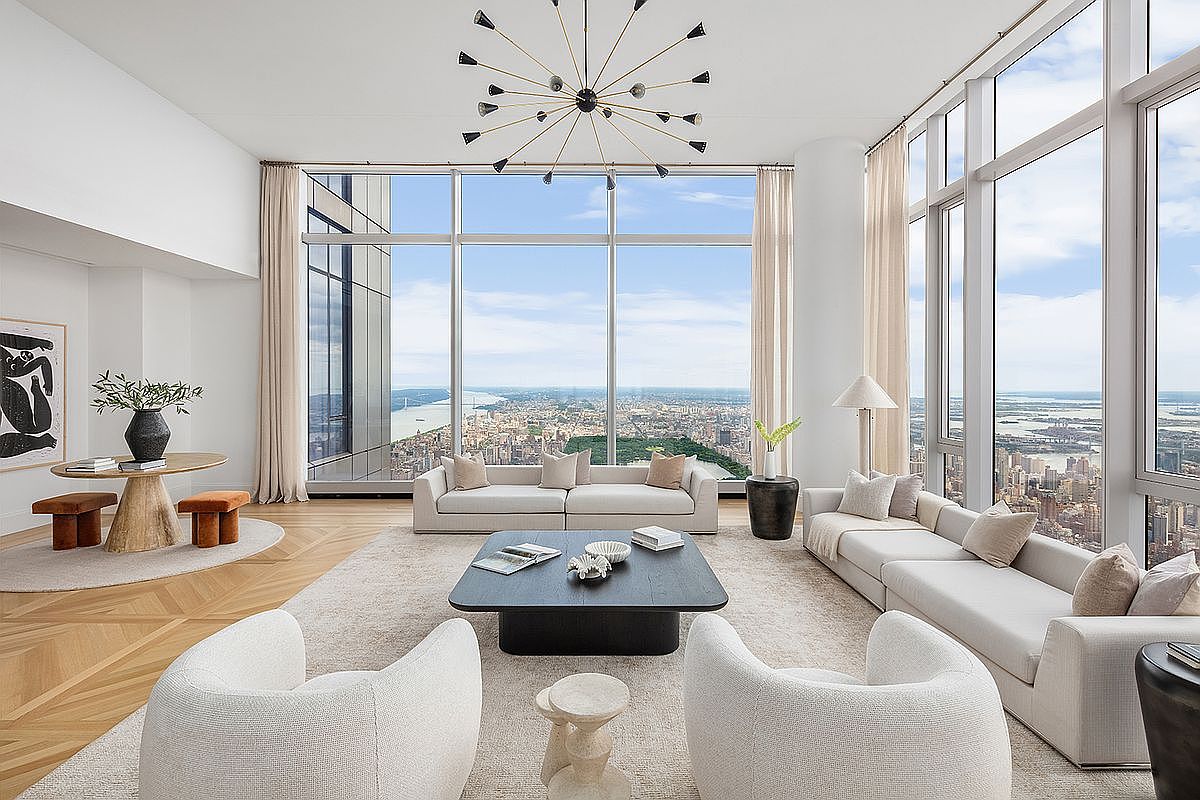
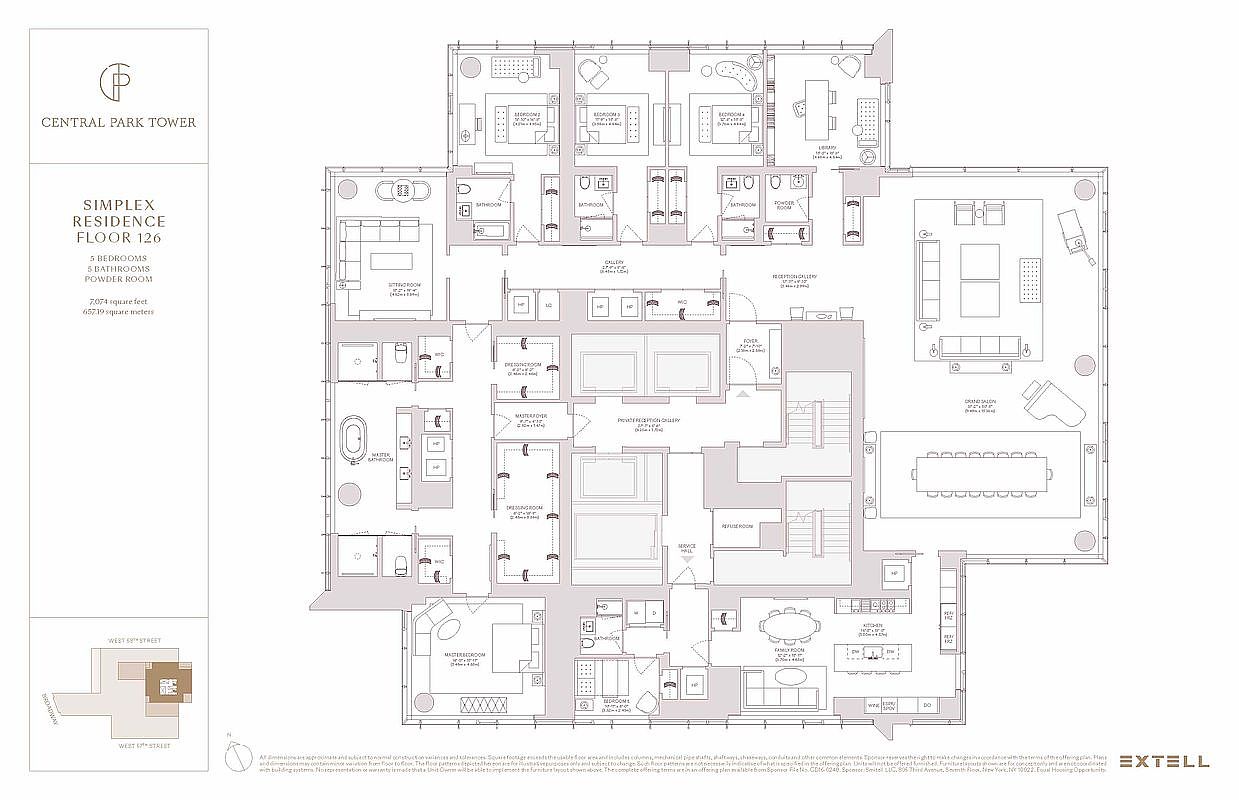
There are apartments with views, and then there is Residence 126 at Central Park Tower — a home that does not merely occupy a position above the city, but commands it. At over 1,200 feet above Midtown Manhattan, this full-floor condominium encompasses 7,074 square feet across a single, uninterrupted level, its architecture shaped by the vision of Adrian Smith + Gordon Gill and its interiors refined by the celebrated design studio Rottet Studios. The result is a residence that achieves something genuinely rare: the feeling of absolute scale, paired with the warmth of a considered home.
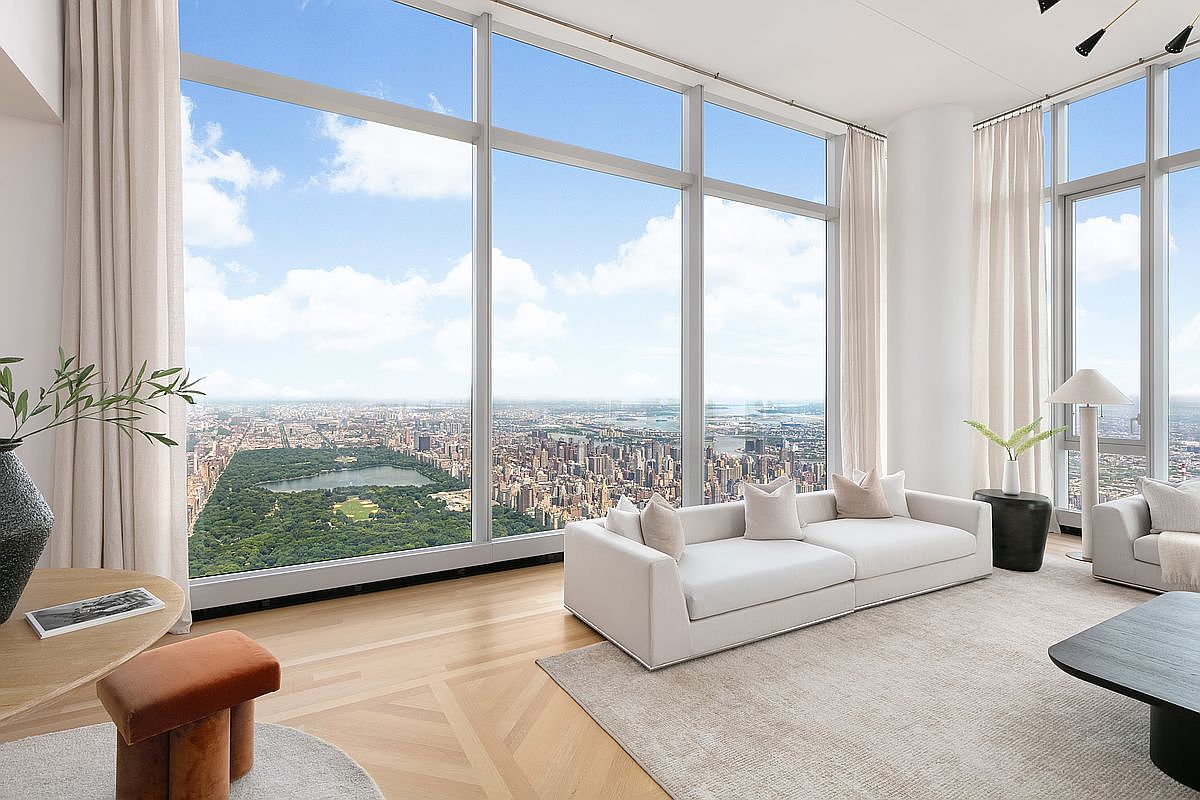
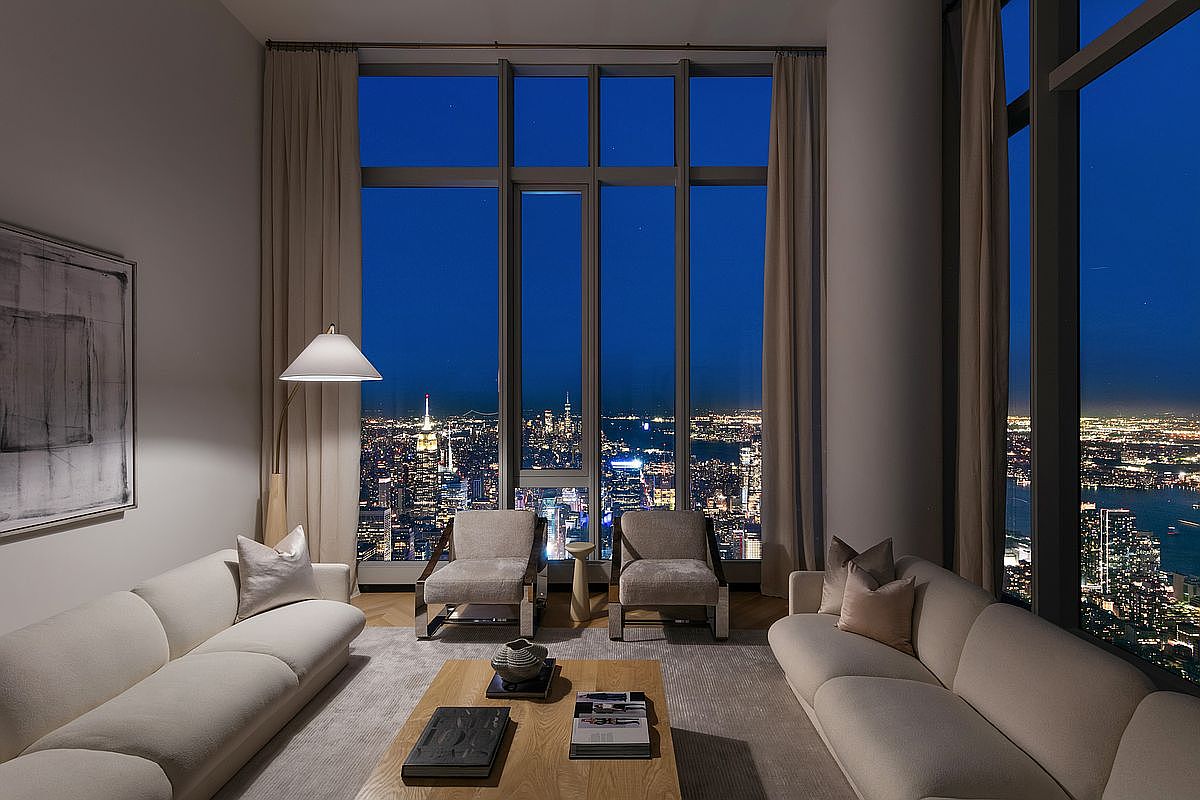
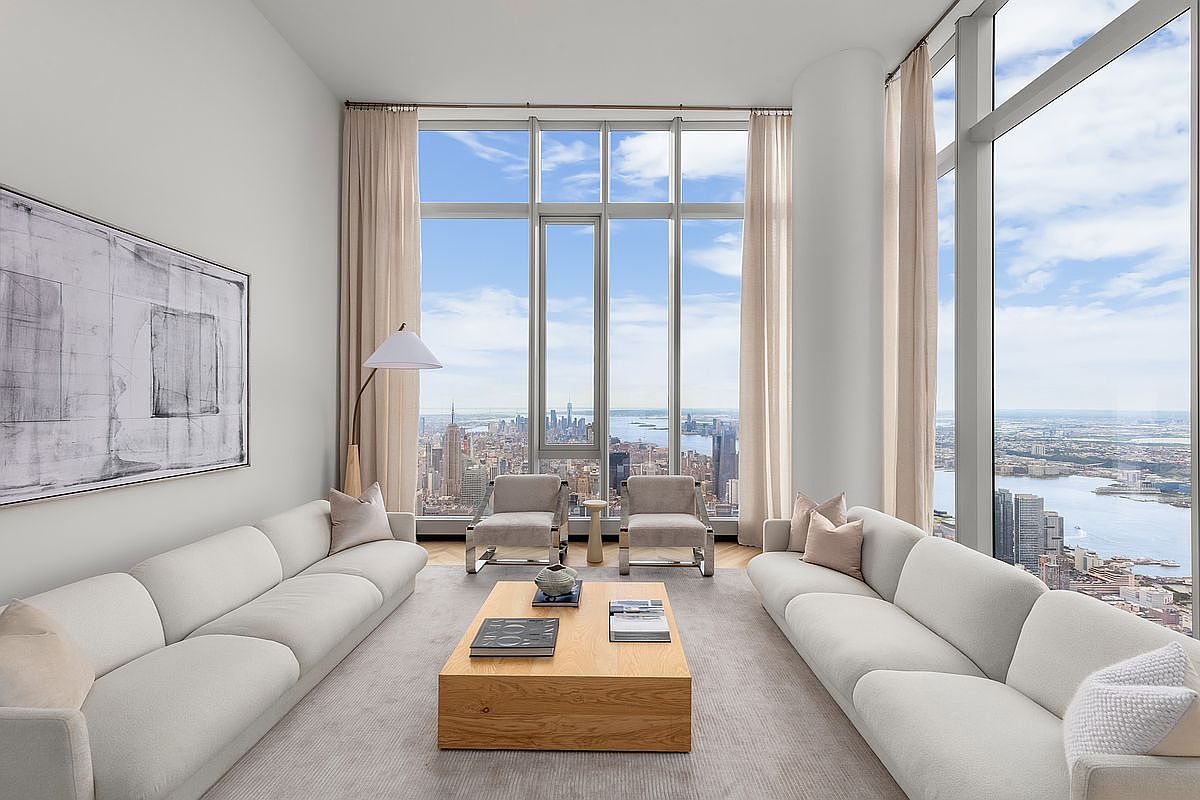
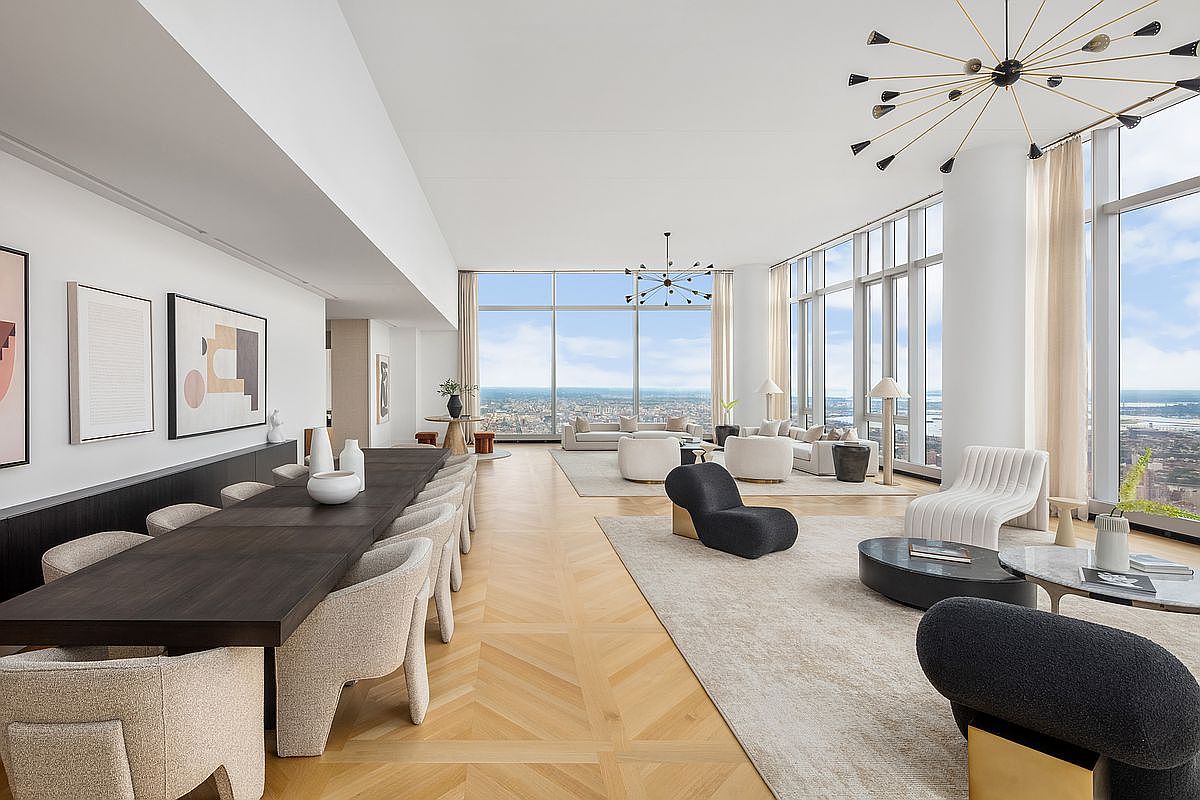
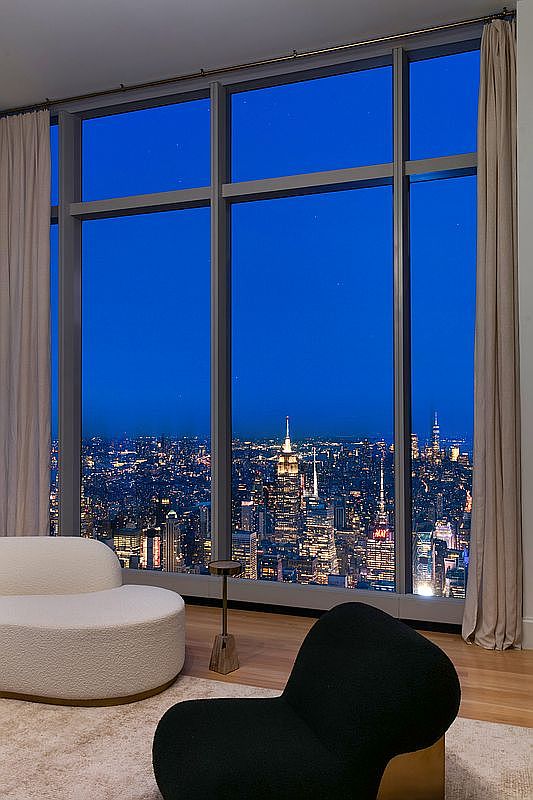
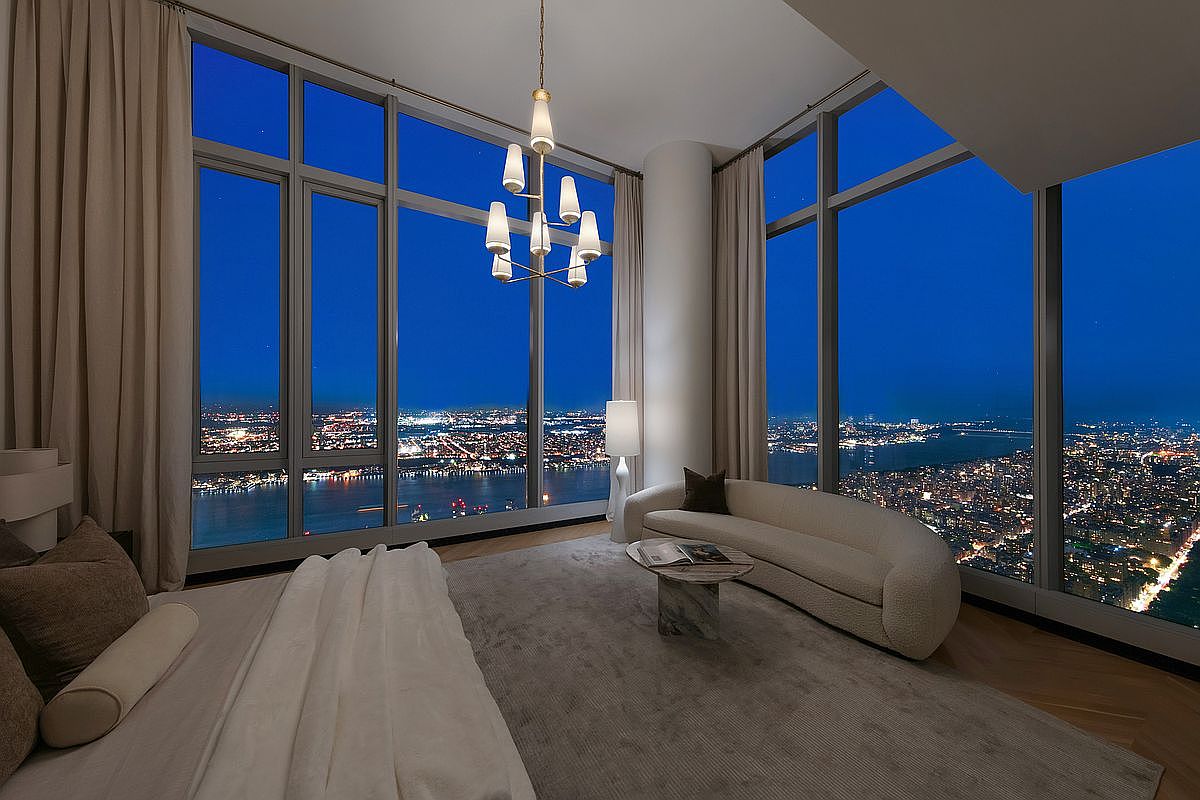
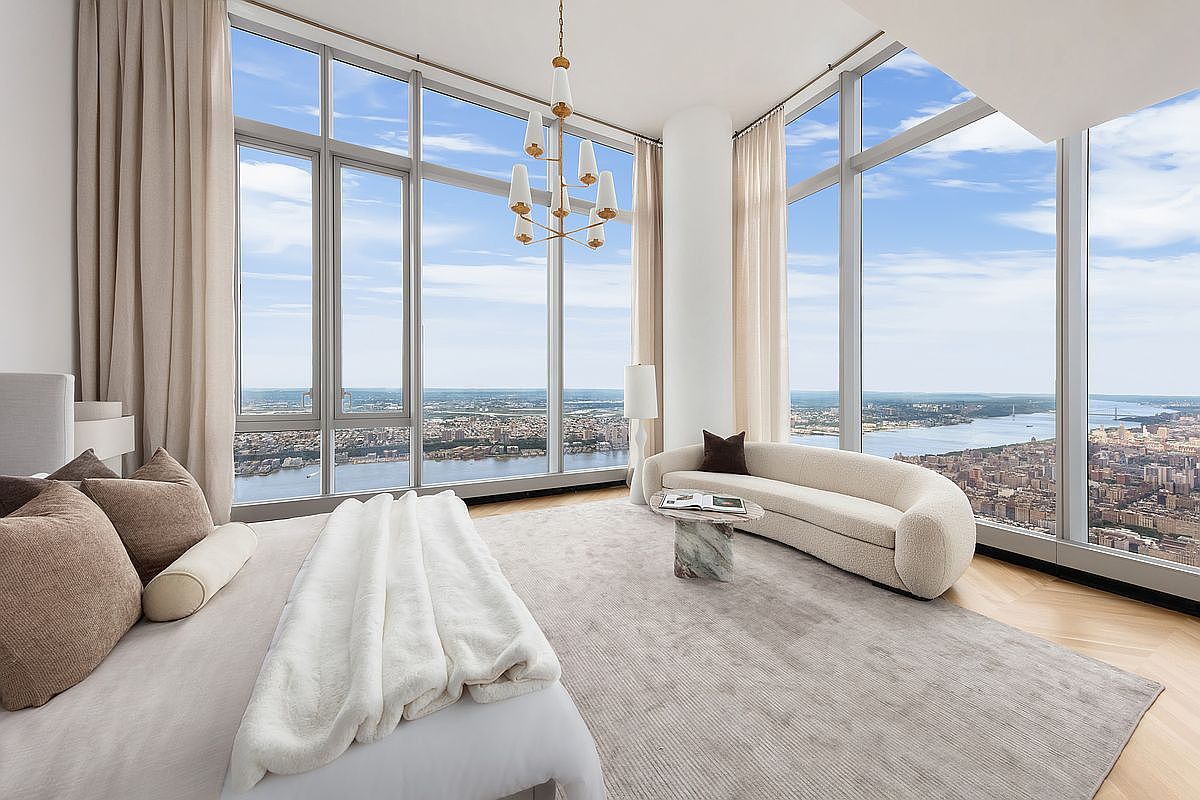
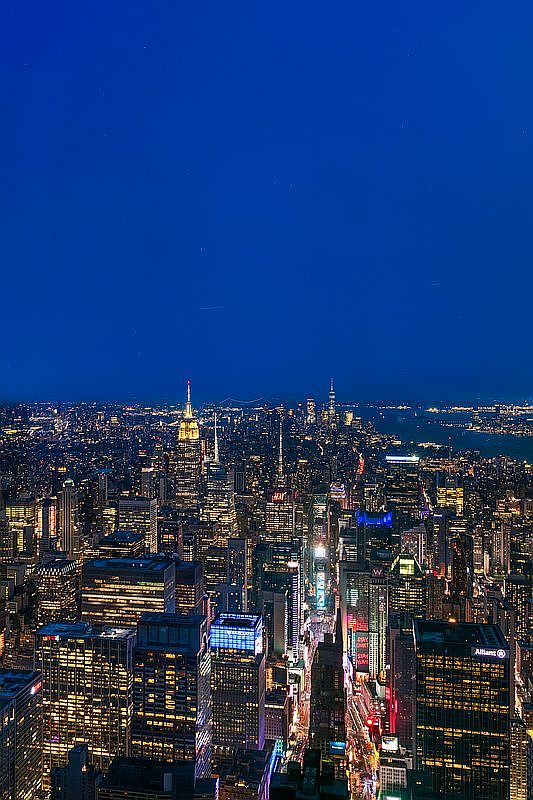
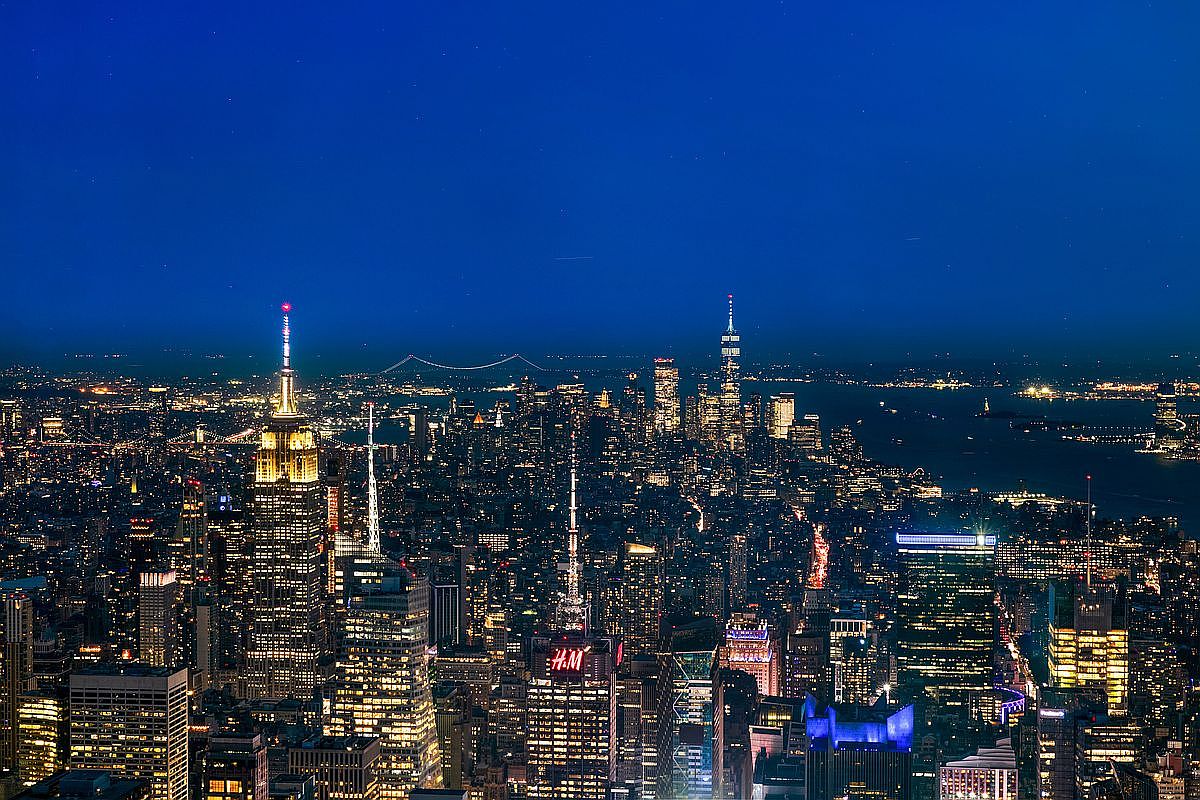
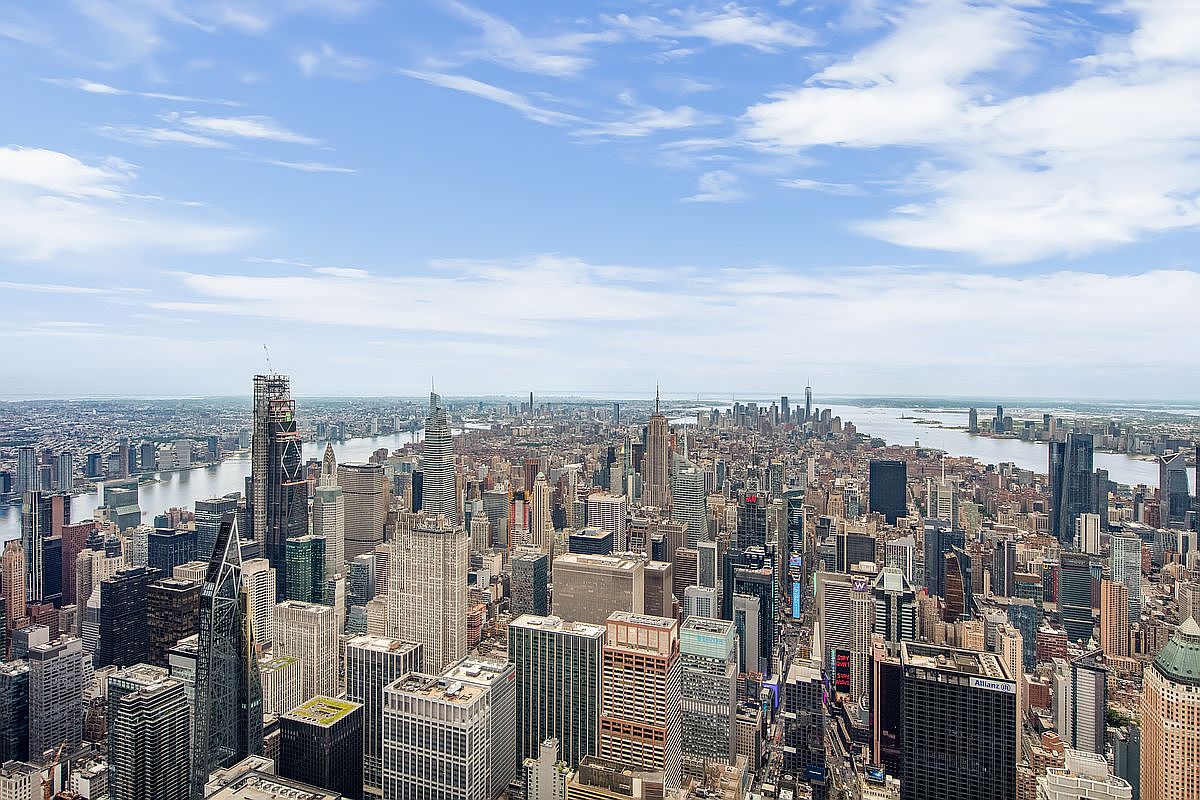
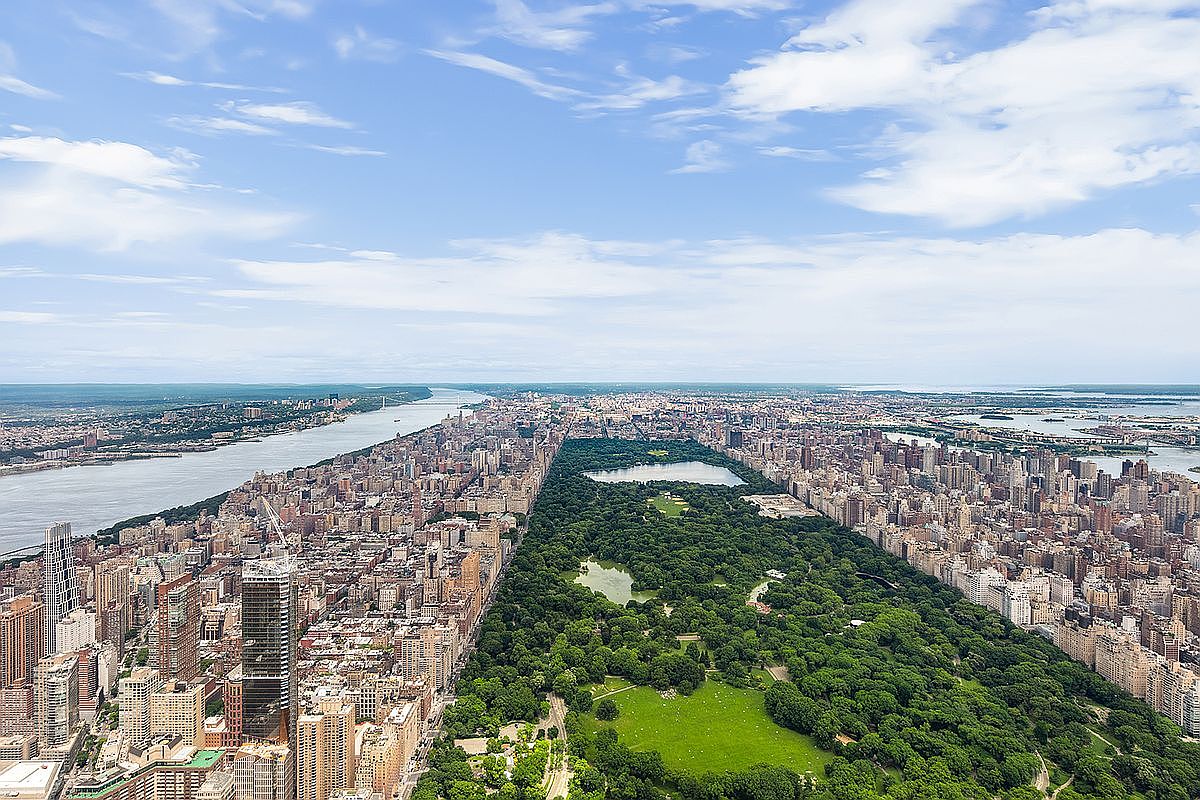
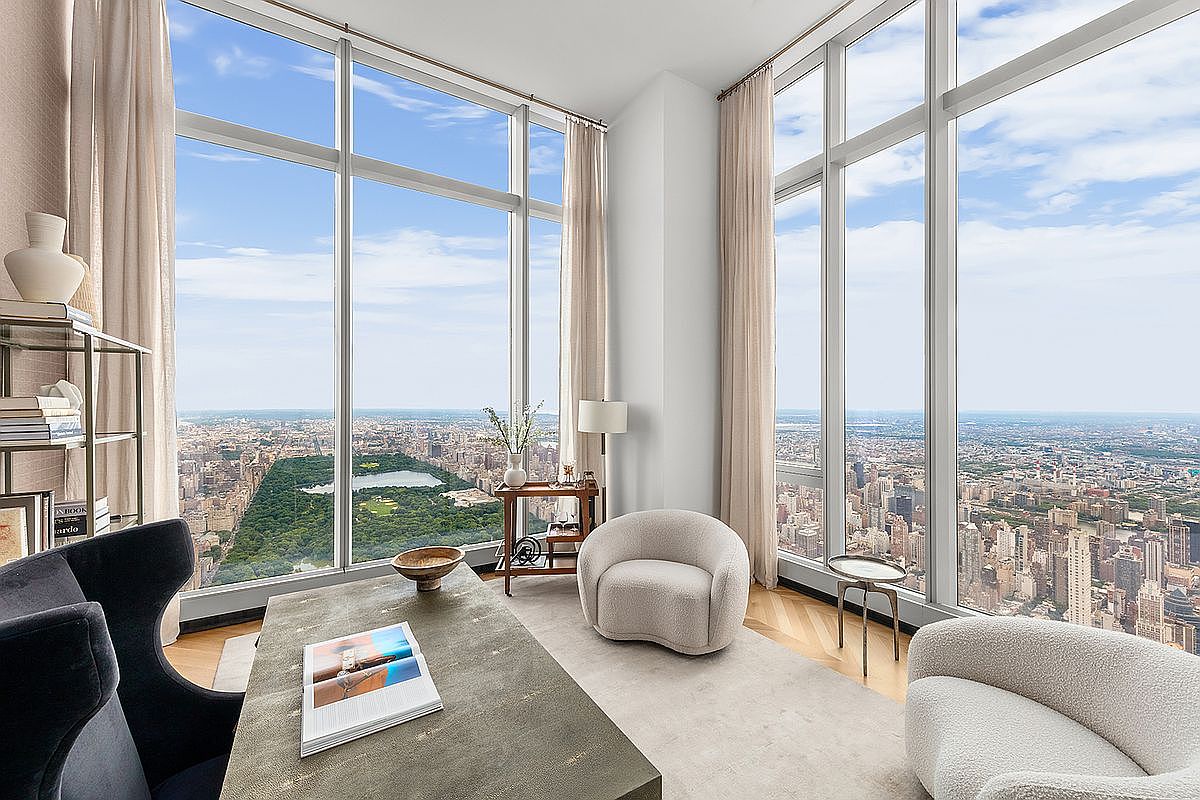
Entry is made through a private reception gallery — a formal threshold that signals the transition from the city's energy into something altogether more composed. The grand salon unfolds beyond, its proportions immediately arresting, anchored by herringbone and chevron hardwood floors that extend the eye across the room's full width. Floor-to-ceiling windows on three exposures dissolve the boundary between interior and sky, drawing Central Park's green expanse, the silver ribbon of the Hudson, and the glittering reaches of the East River into every sightline simultaneously. At this altitude, clouds pass at eye level. Light changes with theatrical deliberateness across the course of a day.
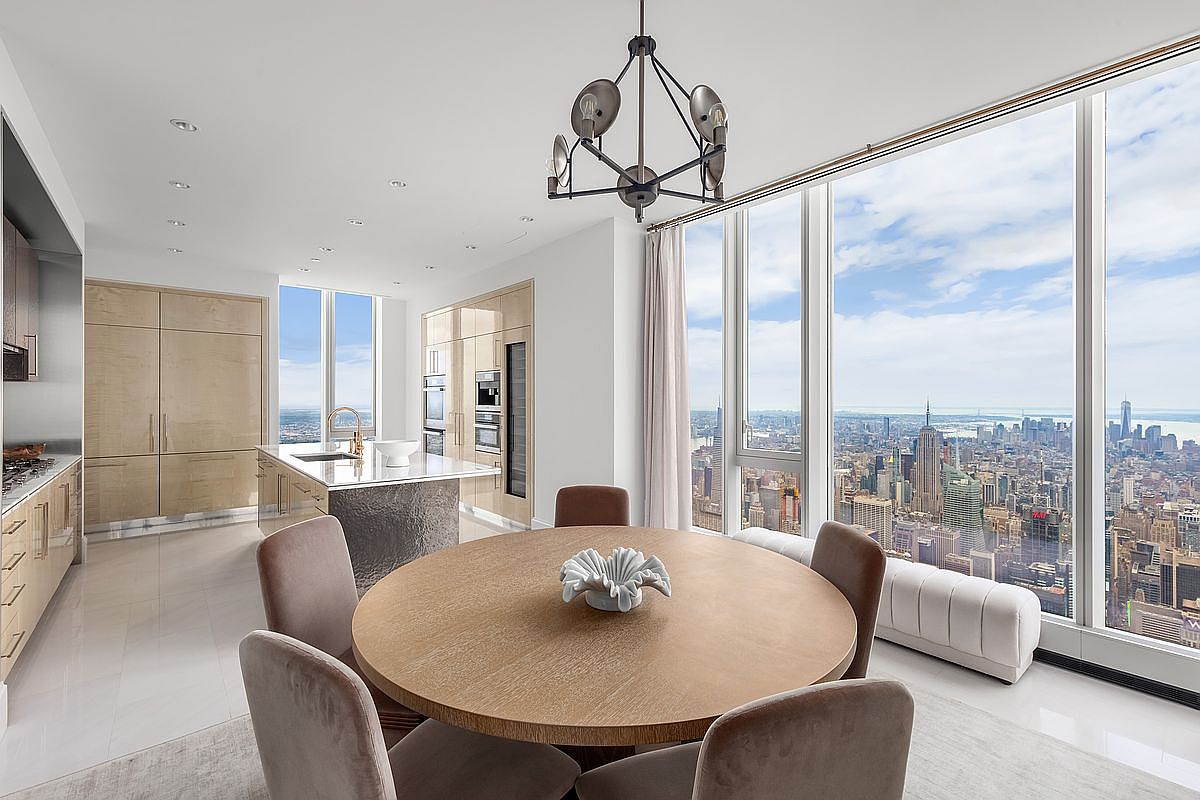
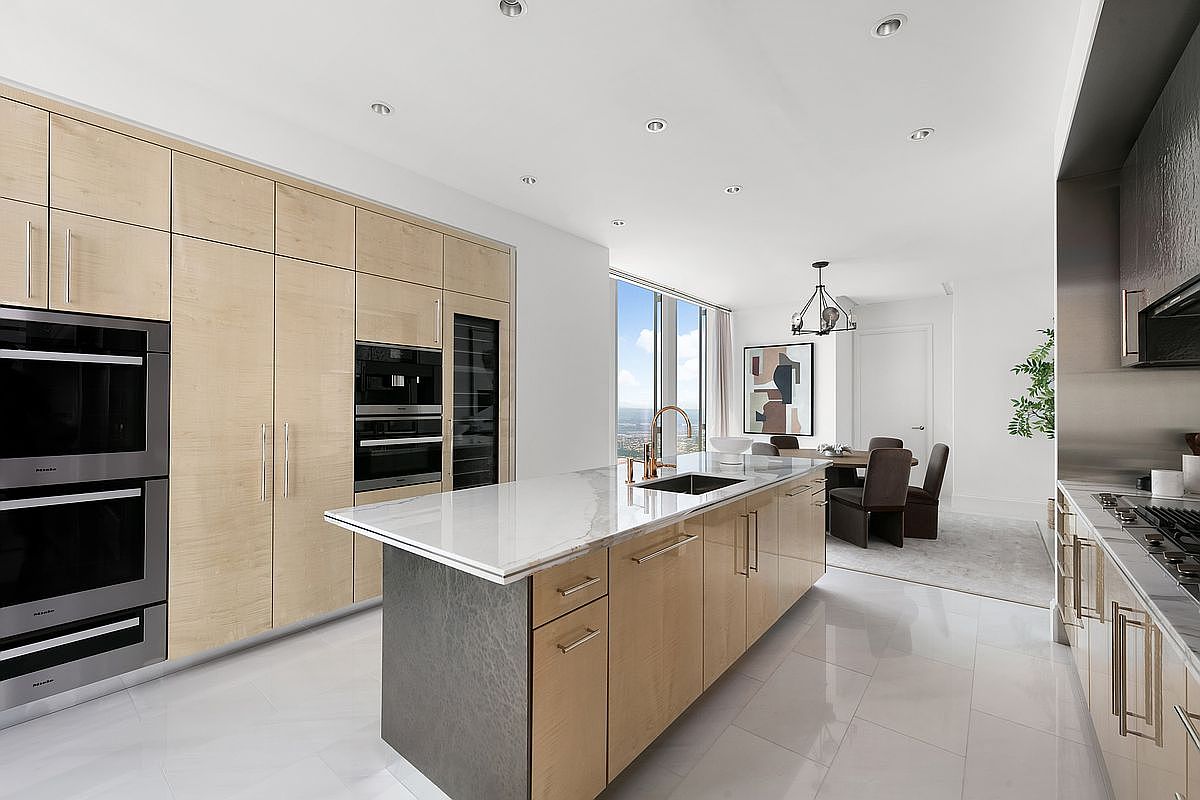
The kitchen is a study in functional luxury. Custom cabinetry by Smallbone of Devizes — the storied British maker whose work appears in some of the world's most celebrated private residences — sets the tone, complemented by a marble-topped island with an integrated sink and a full suite of Miele appliances. Corner windows ensure that even the act of preparing a meal is accompanied by an unobstructed slice of skyline. An adjacent formal dining room connects seamlessly, creating a flow that suits both intimate evenings and grand entertaining with equal ease.
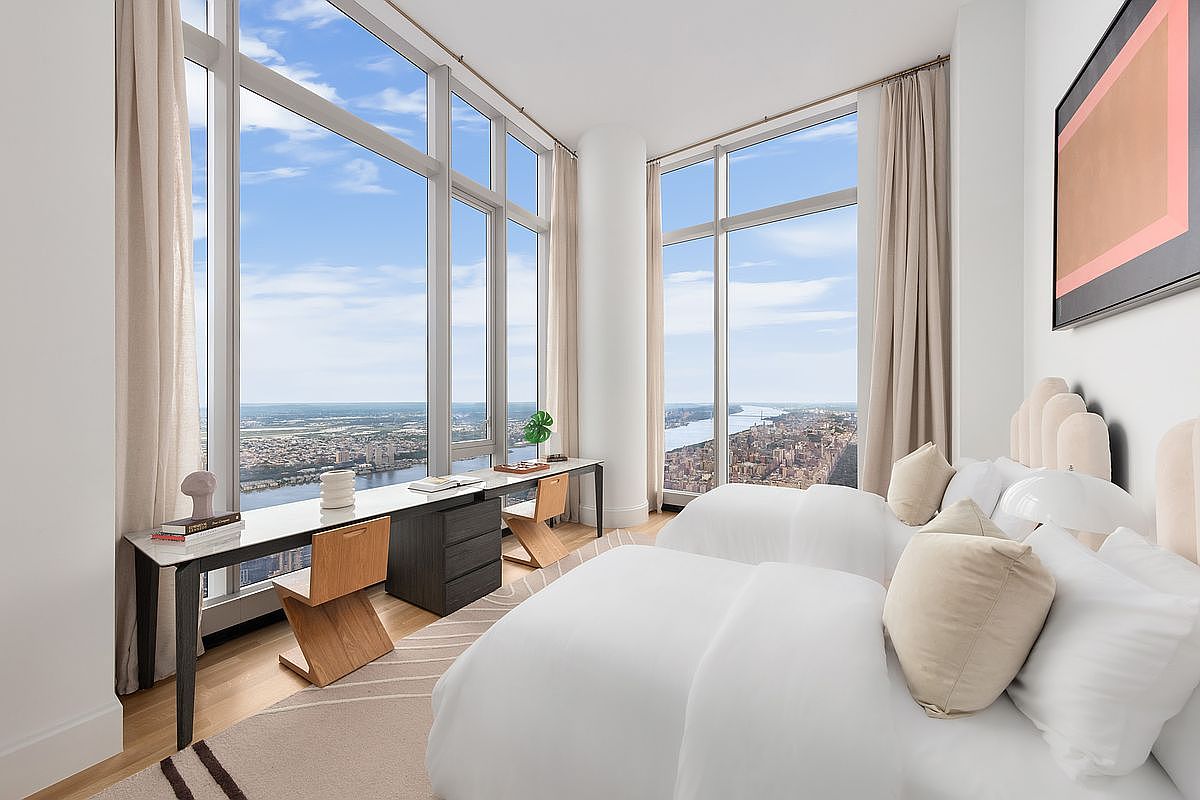
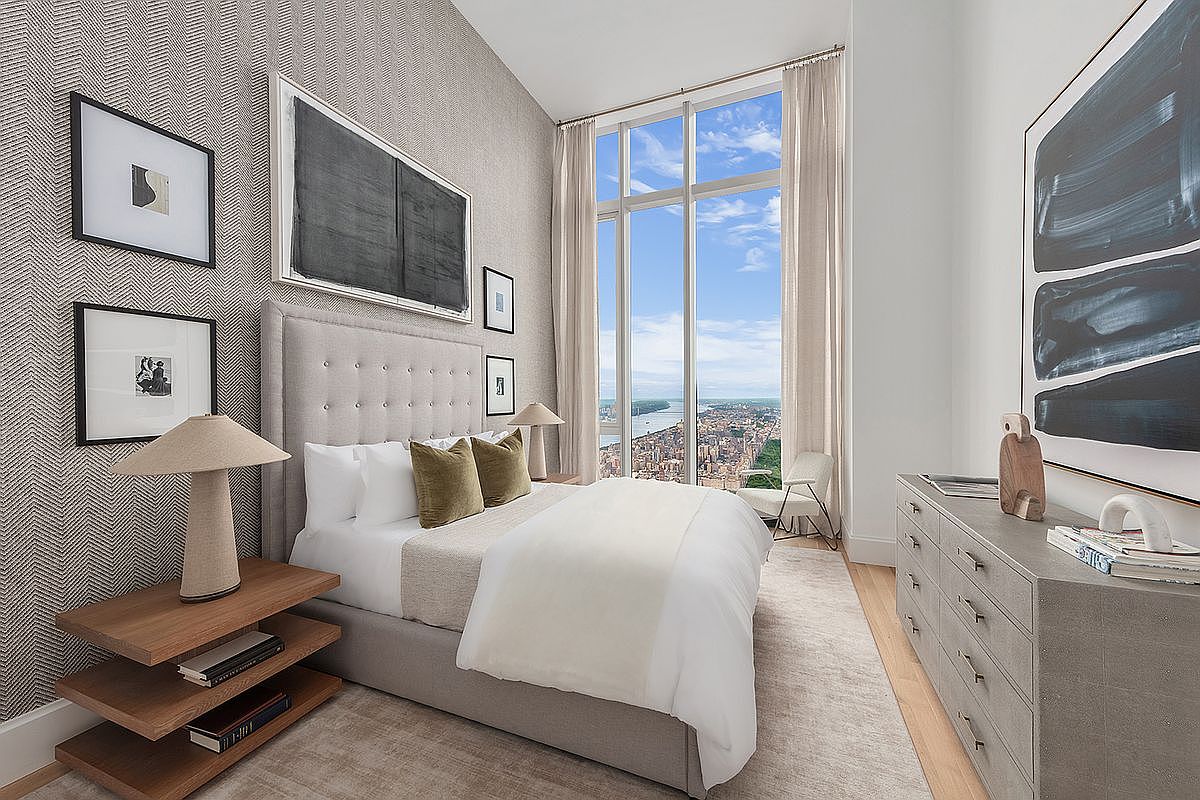
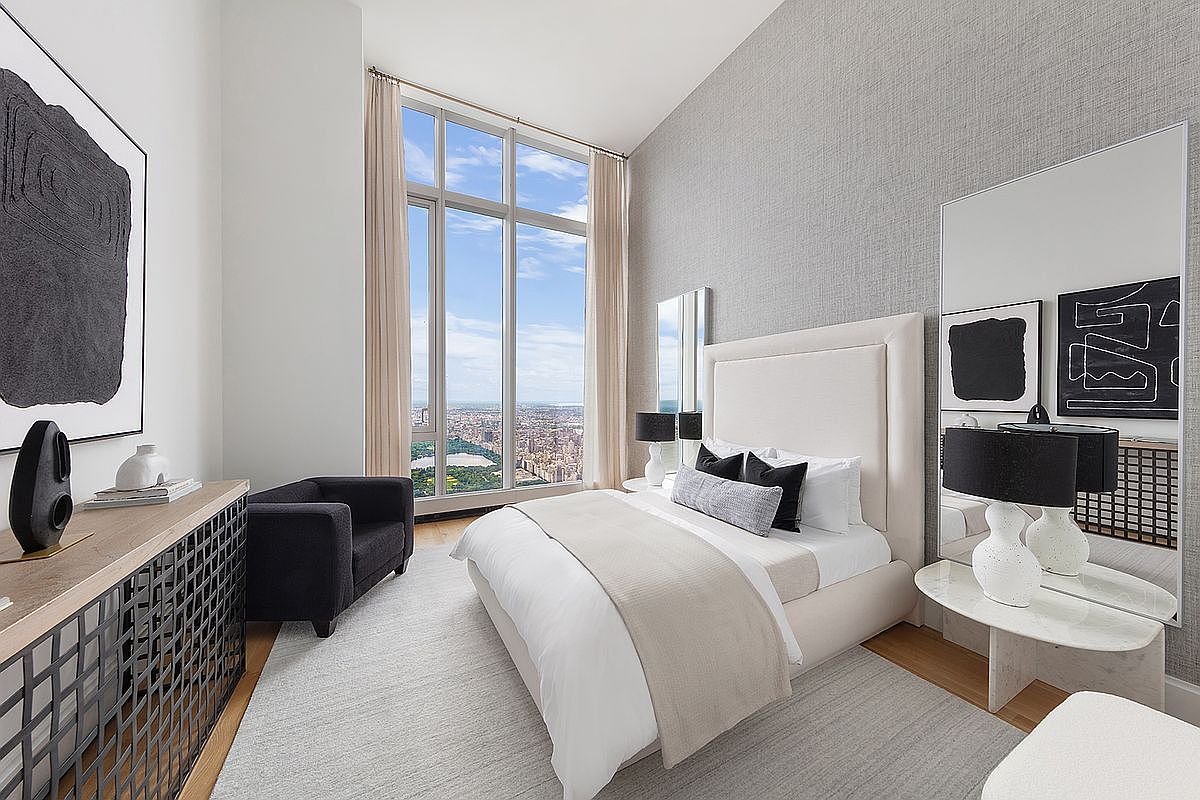
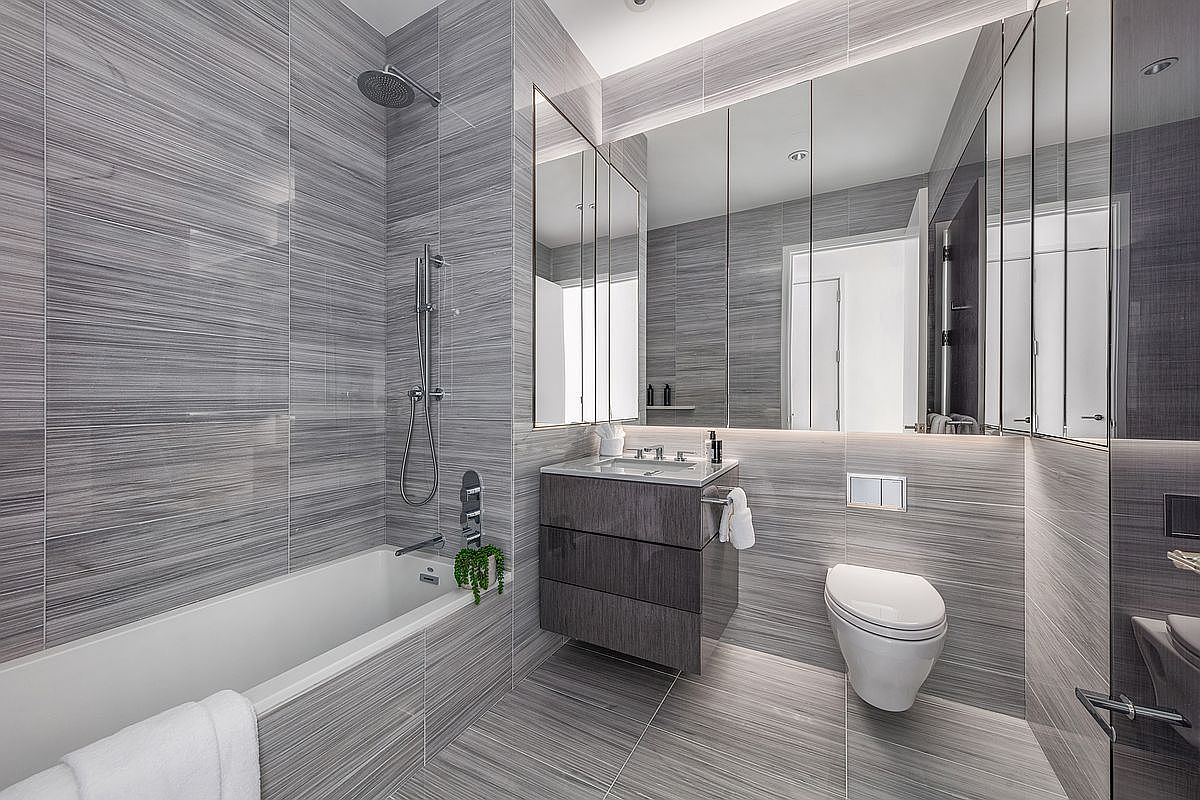
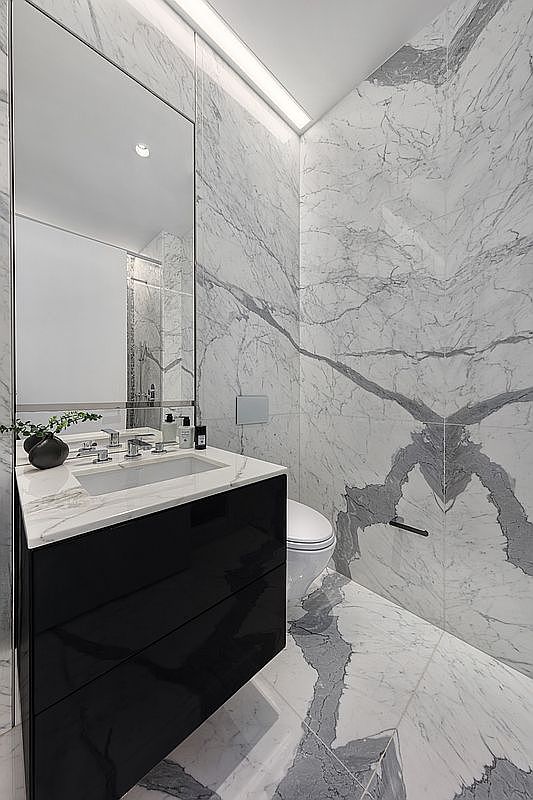
A library and private reception galleries offer quieter volumes within the home — rooms that invite reflection and solitude, a counterpoint to the residence's more expansive public spaces. Five bedrooms and five bathrooms are distributed across the floor plan with a logic that honors both privacy and proportion. The home office, oriented directly toward Central Park, frames the park's full length in a single, composed view — a sightline that would be the envy of any institution in the city.
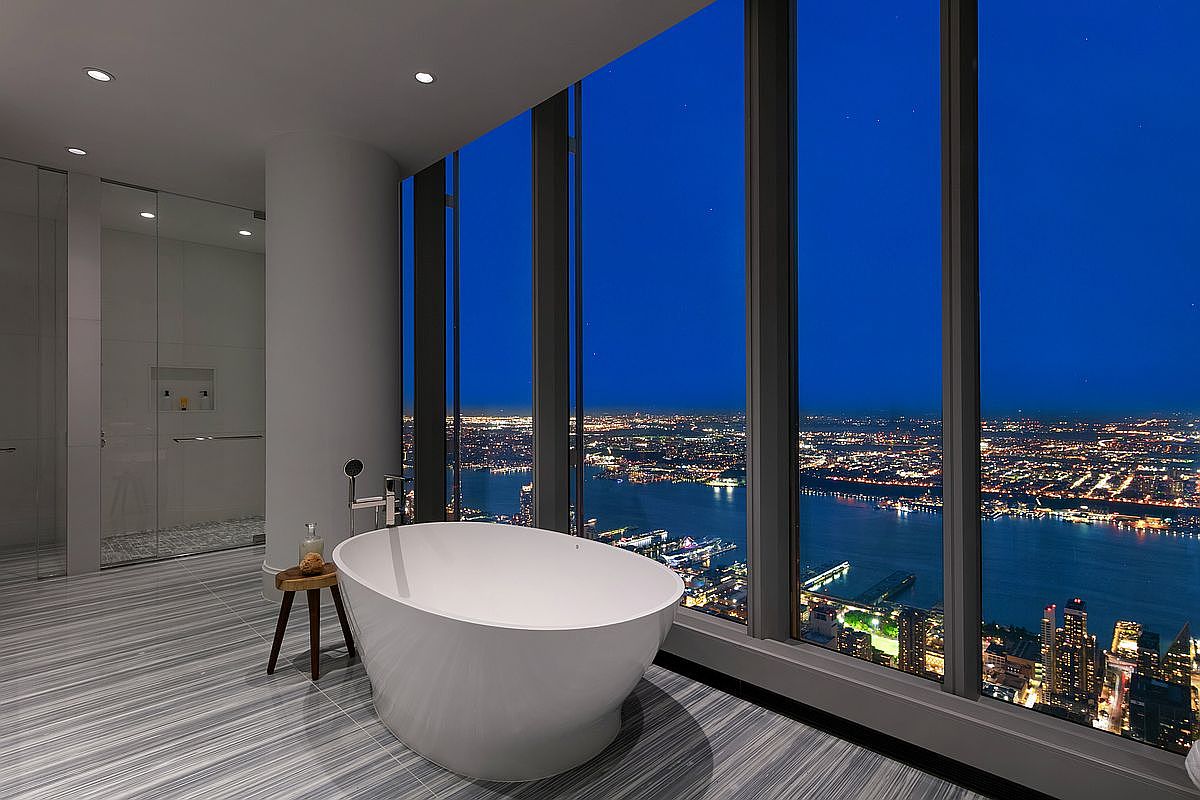
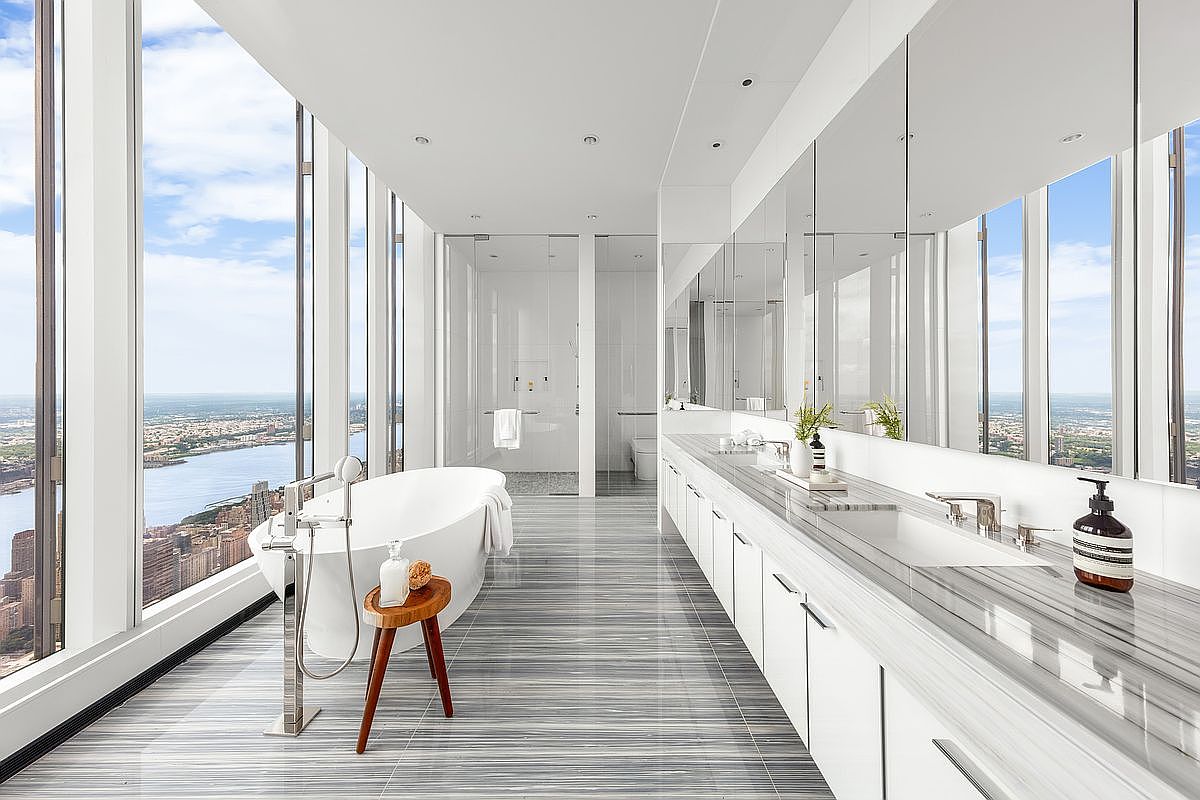
The primary suite commands the entire western wing, a deliberate decision that grants it a sense of remove from the rest of the residence. Here, a freestanding soaking tub is positioned against floor-to-ceiling glass, the Hudson River visible beyond it at every hour. Grey-veined marble flooring extends underfoot throughout the primary bath, where a long double vanity runs the length of one wall. A formal sitting room precedes the bedroom itself, reinforcing the suite's character as a private world within a world.
As a resident of Central Park Tower, access to the fifty-thousand-square-foot private Club is unconditional — encompassing a saltwater lap pool, a Club Spa, a sports court, a screening room, and 10Cubed, the Michelin-recognized dining destination on the 100th floor, curated in collaboration with celebrated event planner Colin Cowie. The building's amenities are not supplementary; they are architectural in their ambition.
The intersection of West 57th Street and Seventh Avenue has long occupied a singular position in New York City's cultural geography — a corridor where the ambitions of commerce, culture, and architecture converge with unusual intensity. Known colloquially as Billionaires' Row, the stretch of 57th Street between Sixth and Eighth Avenues emerged over the past two decades as one of the most consequential addresses in global real estate, defined by a generation of supertall residential towers that have permanently altered the Midtown skyline. Central Park Tower, at the corner of Broadway and West 57th Street, stands as the definitive expression of that transformation.
Immediately to the north, Central Park itself begins — 843 acres of Frederick Law Olmsted and Calvert Vaux's masterwork, designated a National Historic Landmark and among the most visited urban parks in the world. From this address, the park is not a destination requiring transit; it is an extension of the residence's own landscape, visible in its entirety from the floors above and accessible within moments on foot. The Reservoir, the Great Lawn, Strawberry Fields, and the Conservatory Garden are all within the park's bounds, alongside the Delacorte Theater, the Central Park Zoo, and a network of carriage paths, bridle trails, and promenades that have served New Yorkers since 1858.
The surrounding neighborhood draws on several of Manhattan's most storied districts. To the west lies the Lincoln Center campus, home to the Metropolitan Opera, the New York Philharmonic, the New York City Ballet, and the Juilliard School — a concentration of performing arts institutions unmatched anywhere in the country. Columbus Circle, a short walk south, anchors the Time Warner Center and provides direct access to the A, B, C, D, and 1 subway lines, as well as to Broadway's southward corridor. Carnegie Hall, the legendary concert venue that has hosted virtually every major musical figure of the past century, sits directly on 57th Street — a neighbor of genuine historic distinction.
The retail and culinary landscape along and around this corridor reflects its clientele. Fifth Avenue's flagship luxury houses — Bergdorf Goodman, Tiffany & Co., and the flagship stores of the world's foremost fashion brands — are within comfortable walking distance. The restaurants of Midtown's upper reaches range from long-established New York institutions to contemporary destinations that draw international recognition. The Plaza Hotel, anchoring the southeastern corner of Central Park at Fifth Avenue, remains one of the city's most storied landmarks, its presence adding a further layer of historical resonance to the immediate vicinity.
For residents of Central Park Tower, the neighborhood functions less as a place to navigate and more as an environment to inhabit — a concentrated expression of everything that makes Manhattan singular. Museums, parks, concert halls, world-class dining, and the quiet geometry of Central Park's paths are all folded into the rhythm of daily life. At this address, the city does not ask to be discovered. It presents itself, fully and without reservation, from every window.
Featured Highlights
Curated Content • Presented by Janice Chang