The Story Behind
Paine Estate: A Georgian Revival Masterpiece in Chestnut Hill
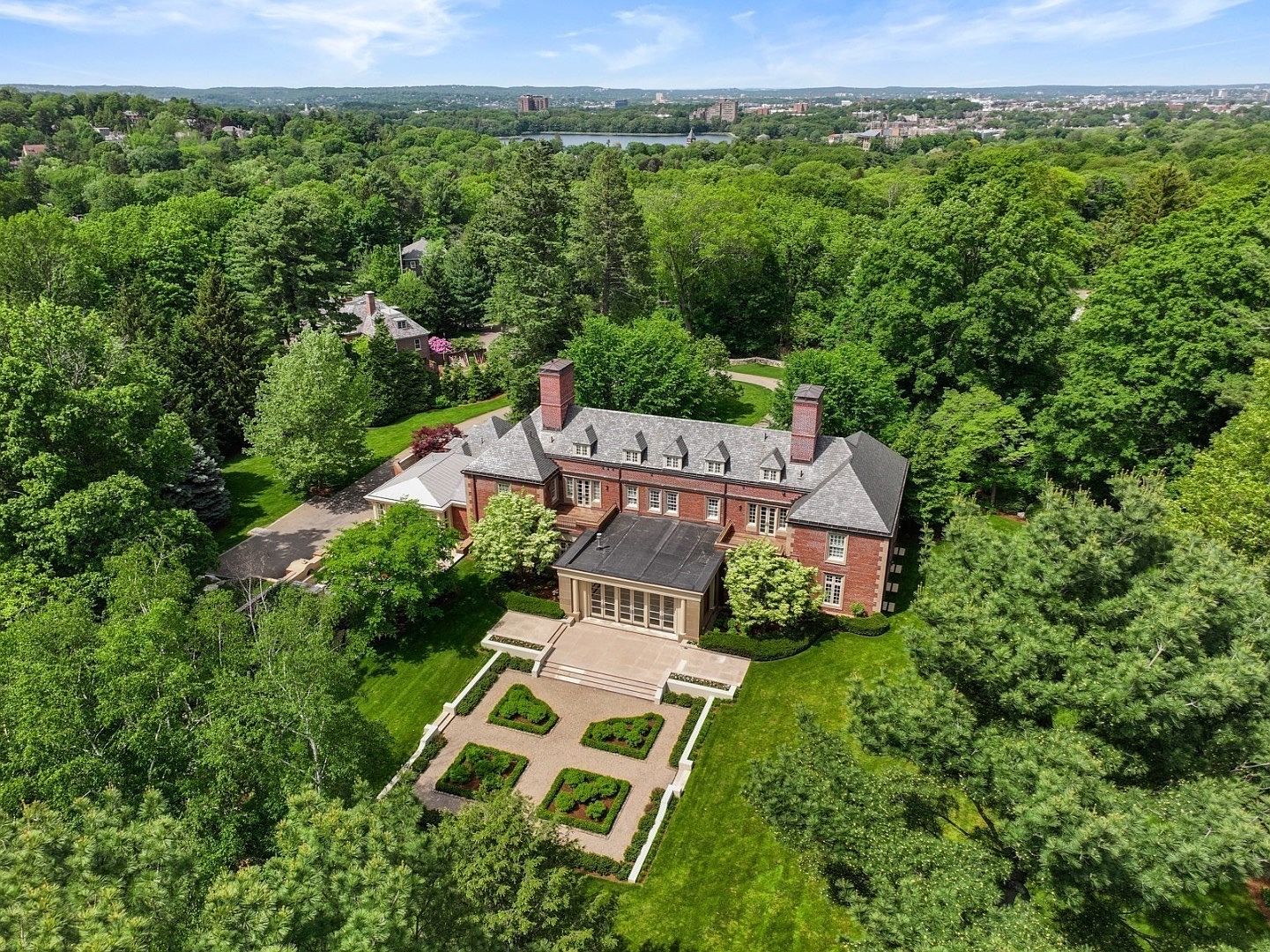
There are houses, and then there are estates — properties that carry within their walls a sense of permanence, intention, and a standard of living that transcends the transactional. Paine Estate, positioned at the intersection of classical architecture and considered modern renovation, belongs unmistakably to the latter category.
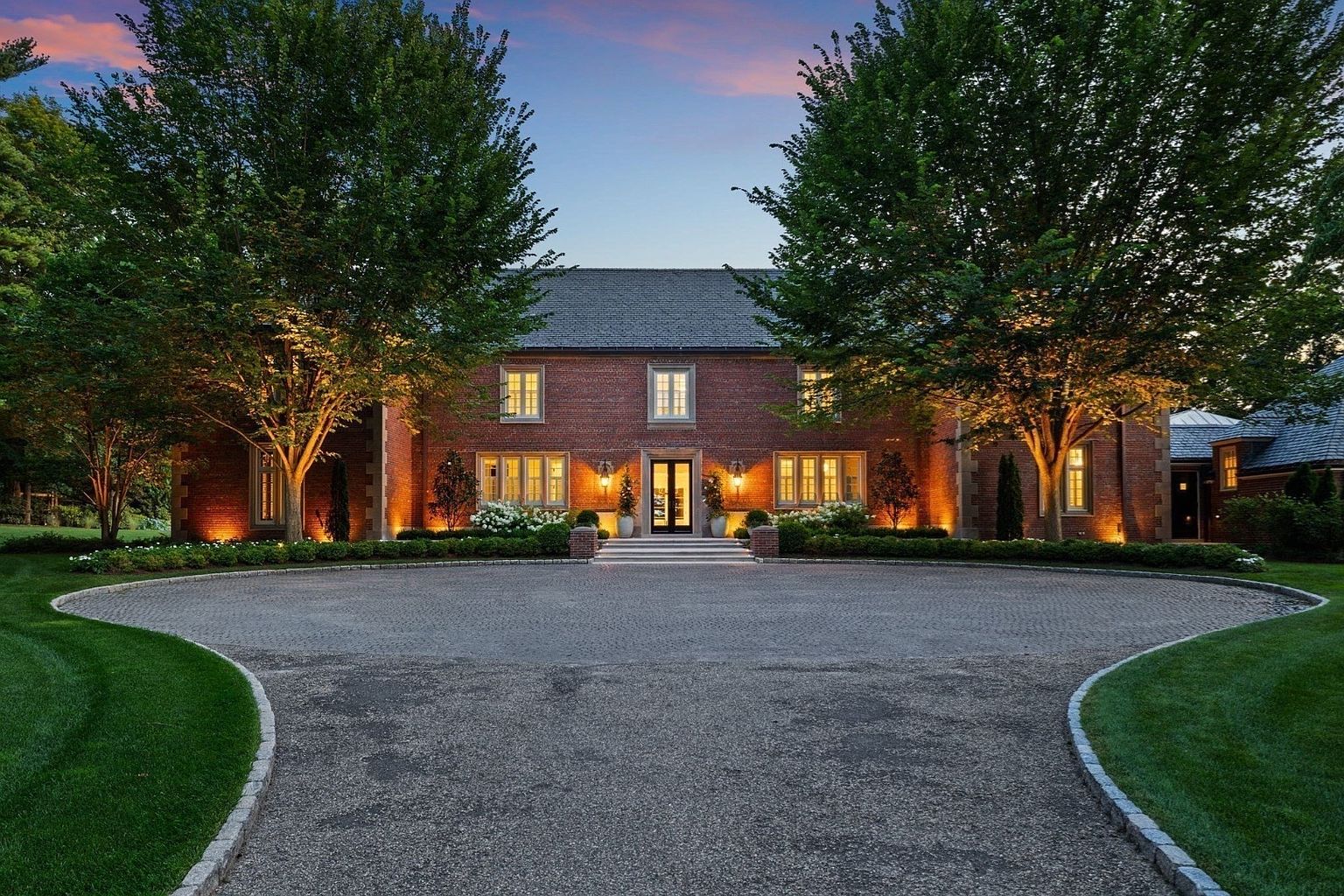
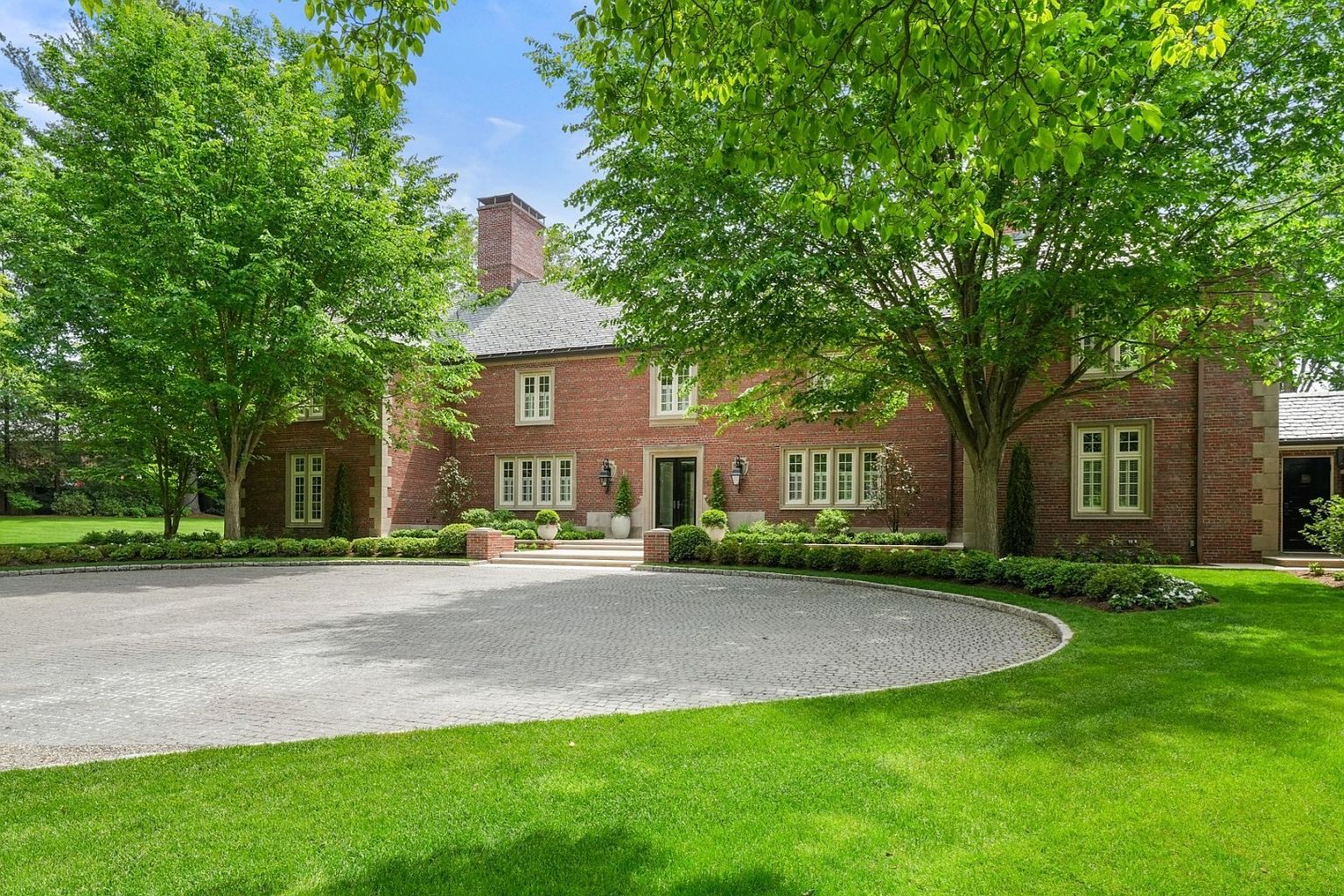
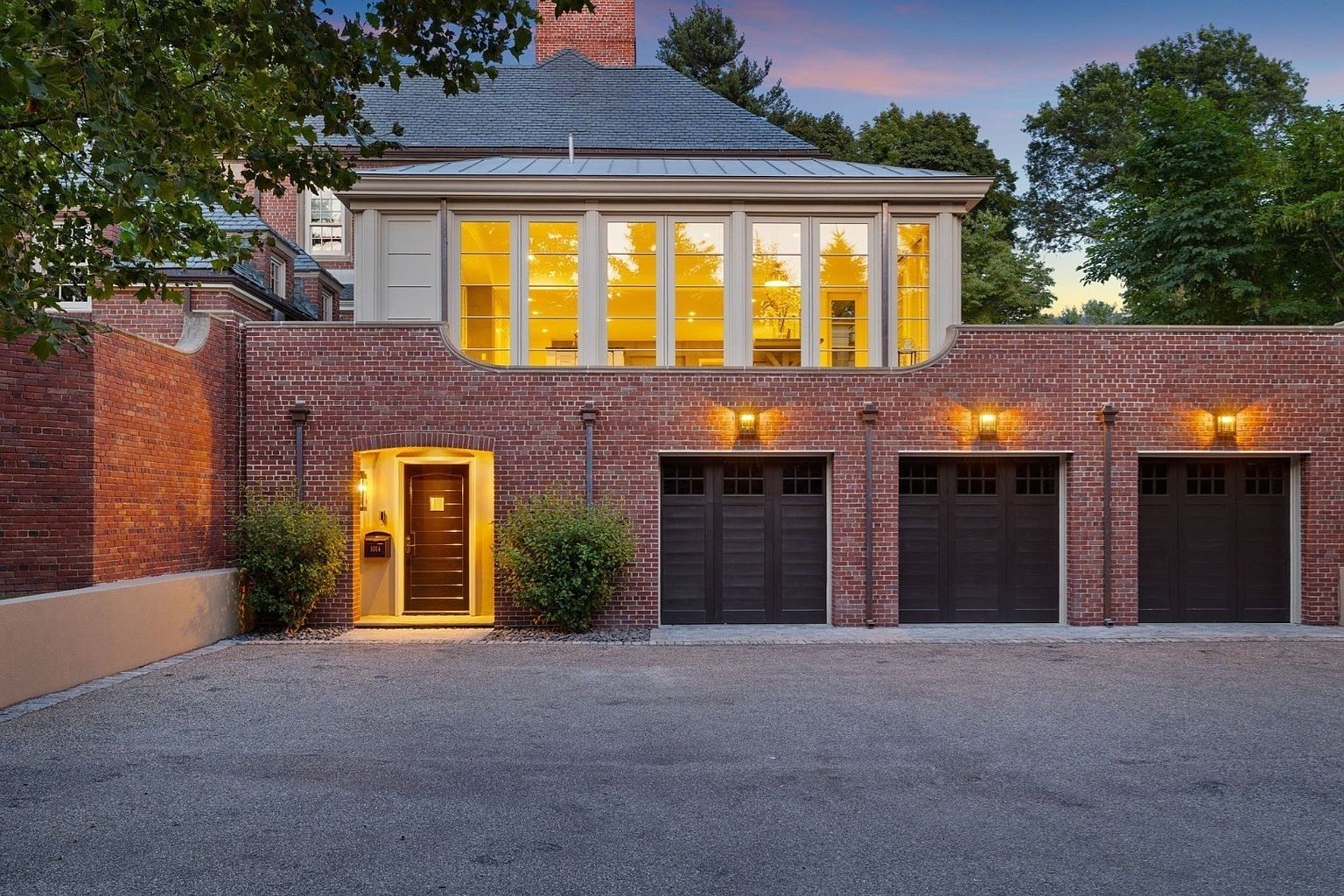
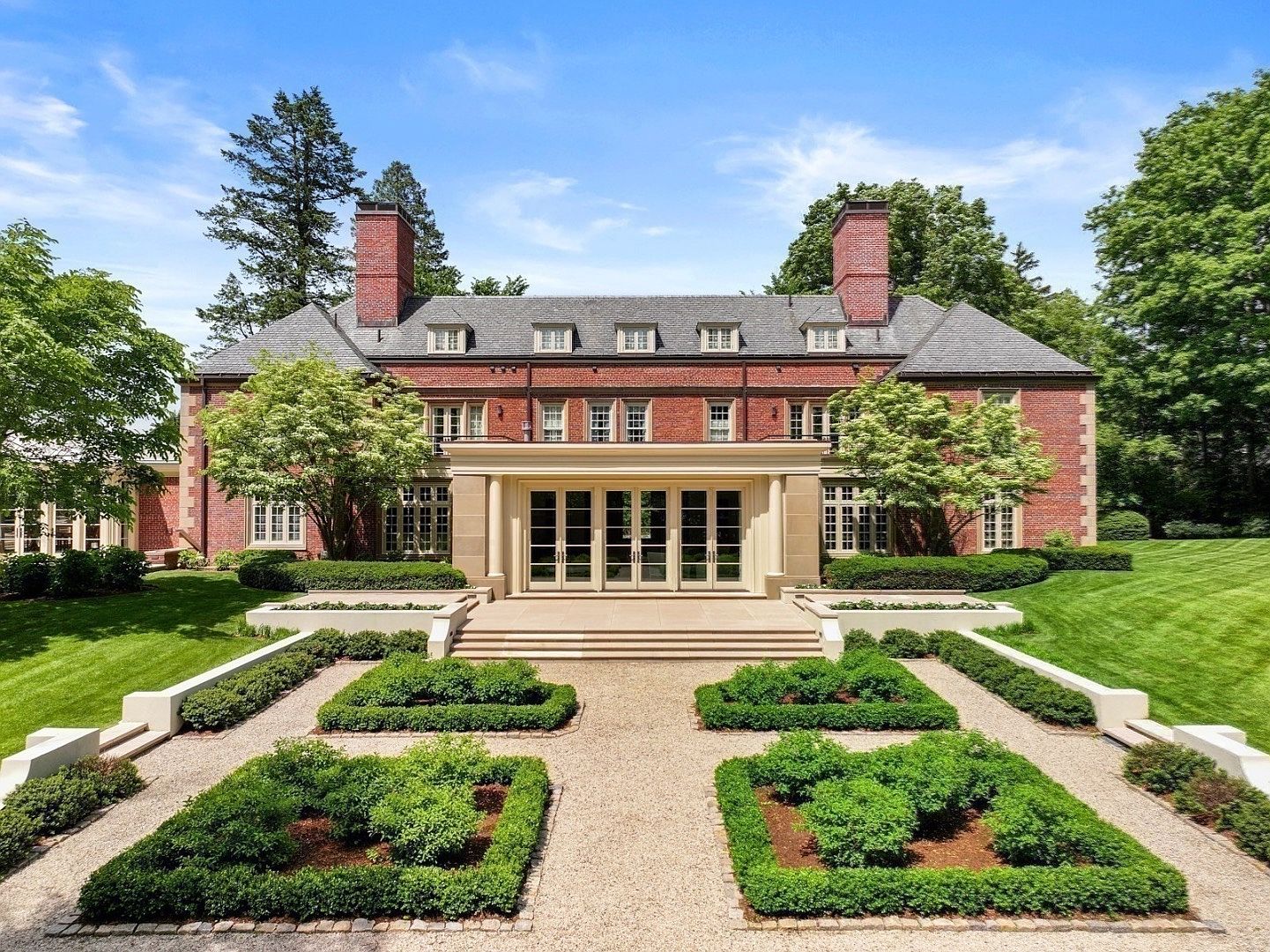
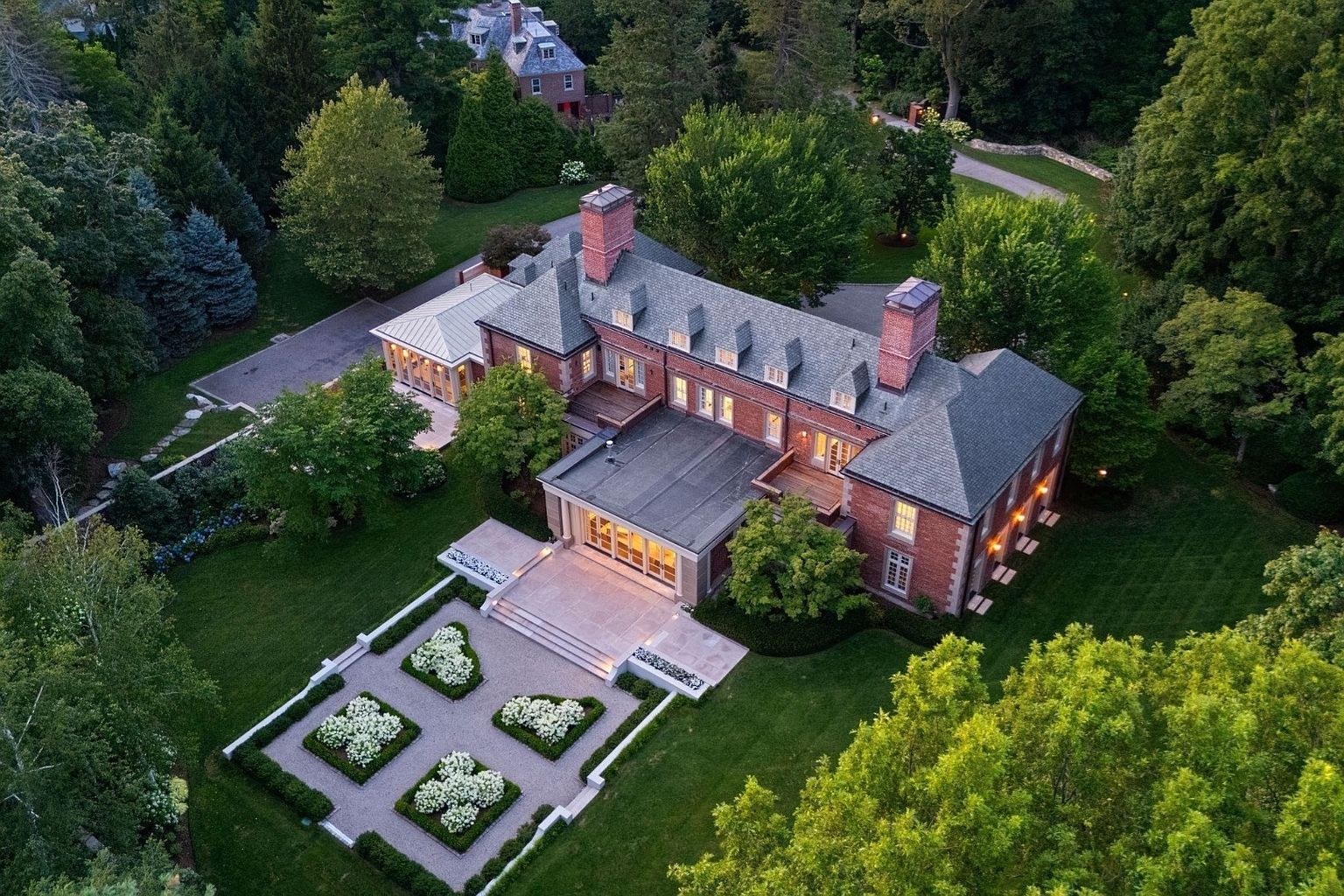
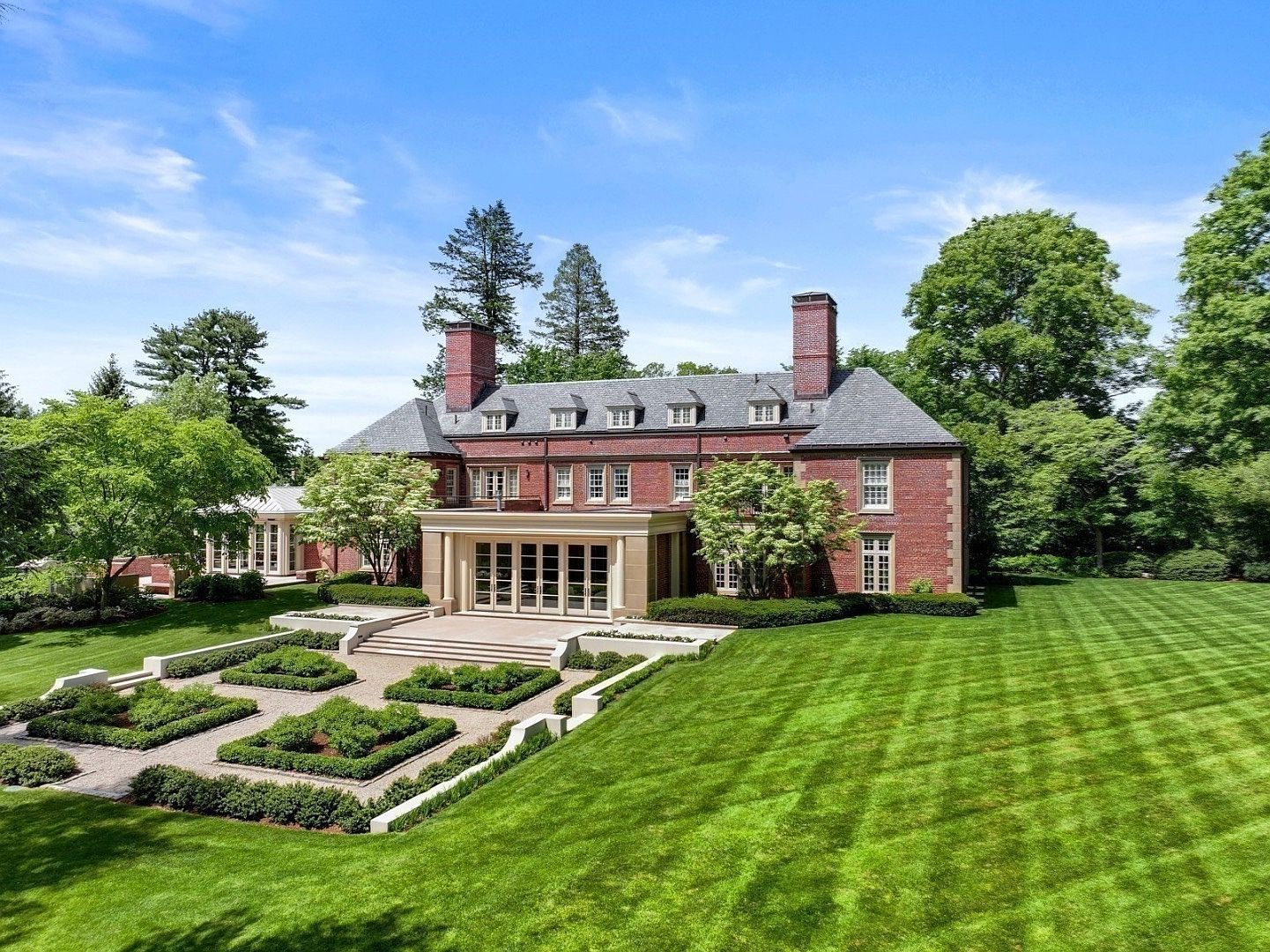
The Georgian Revival brick facade announces the home's character before a single interior threshold is crossed. Symmetrical, composed, and commanding, the exterior presents the kind of formal gravitas that defines the great residential architecture of the early twentieth century. A circular cobblestone drive frames the approach, flanked by mature specimen trees that have grown into natural sentinels, their canopies lending the arrival sequence a cinematic weight.
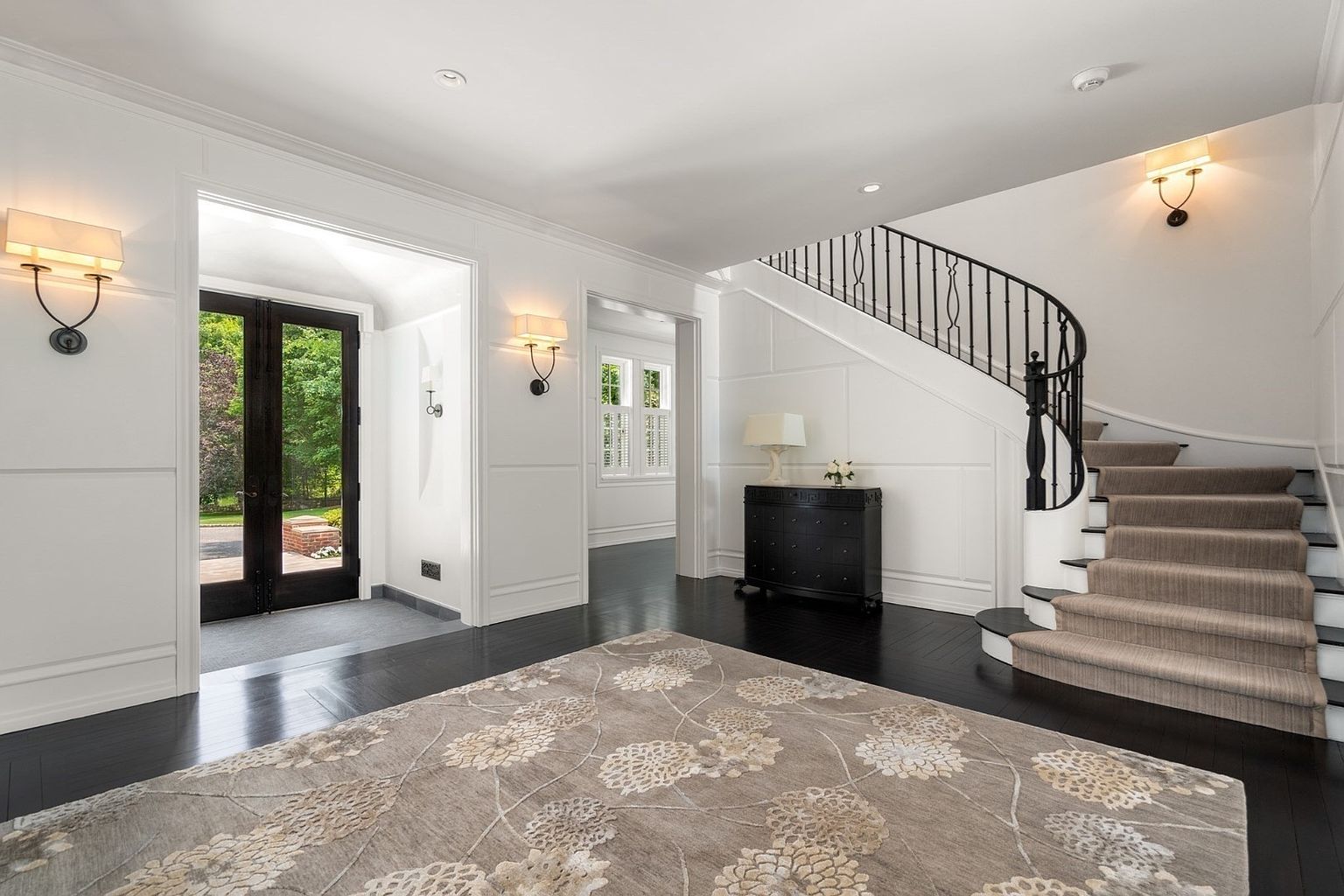
Inside, the grand entry hall sets the tone immediately. Dark hardwood flooring, a sweeping curved staircase with hand-wrought iron railings, and classic wainscoting establish a language of craftsmanship that carries through every room without interruption. The renovation — extensive in its scope — has been executed with a restraint that is itself a form of sophistication. Nothing feels imposed; everything feels resolved.
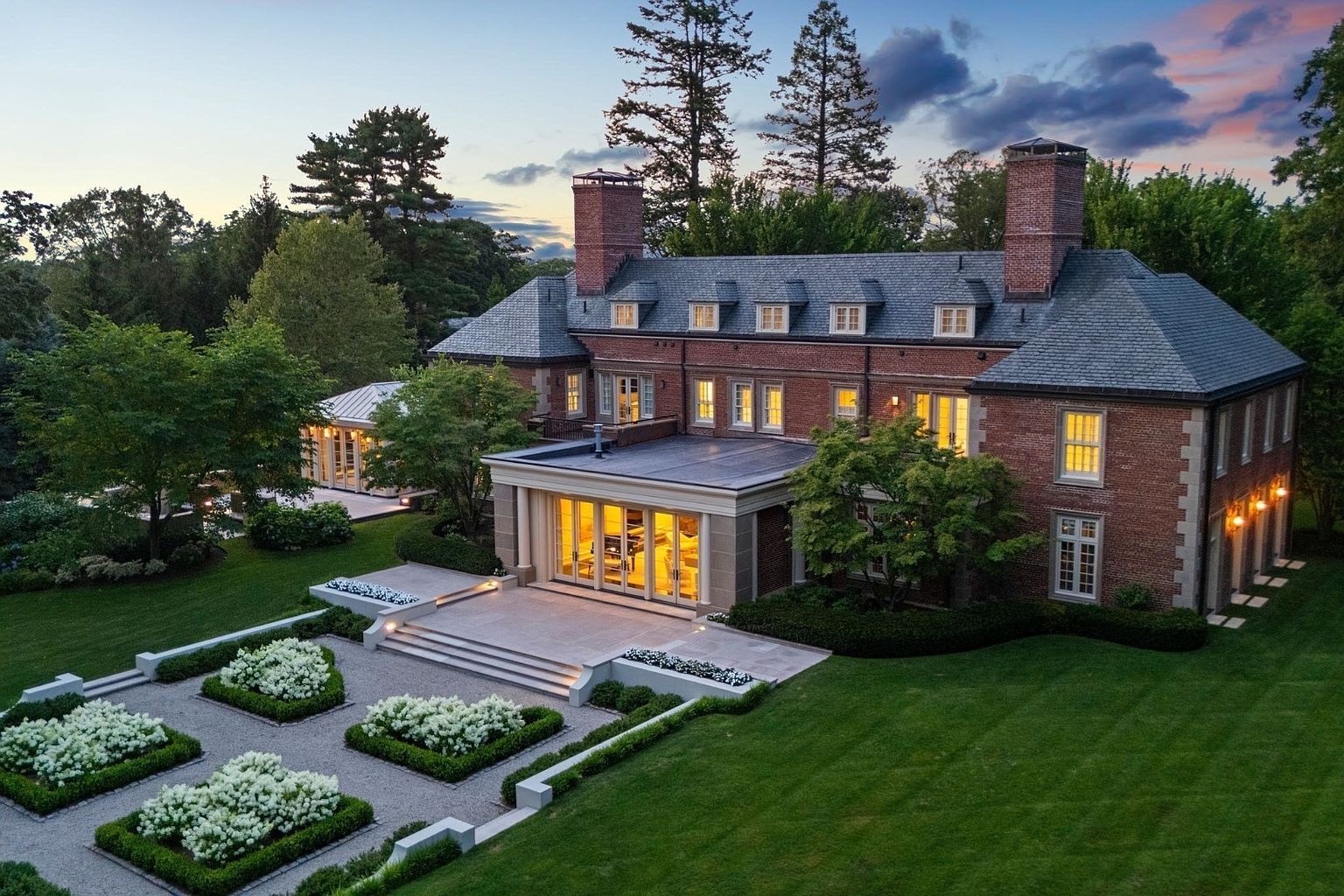
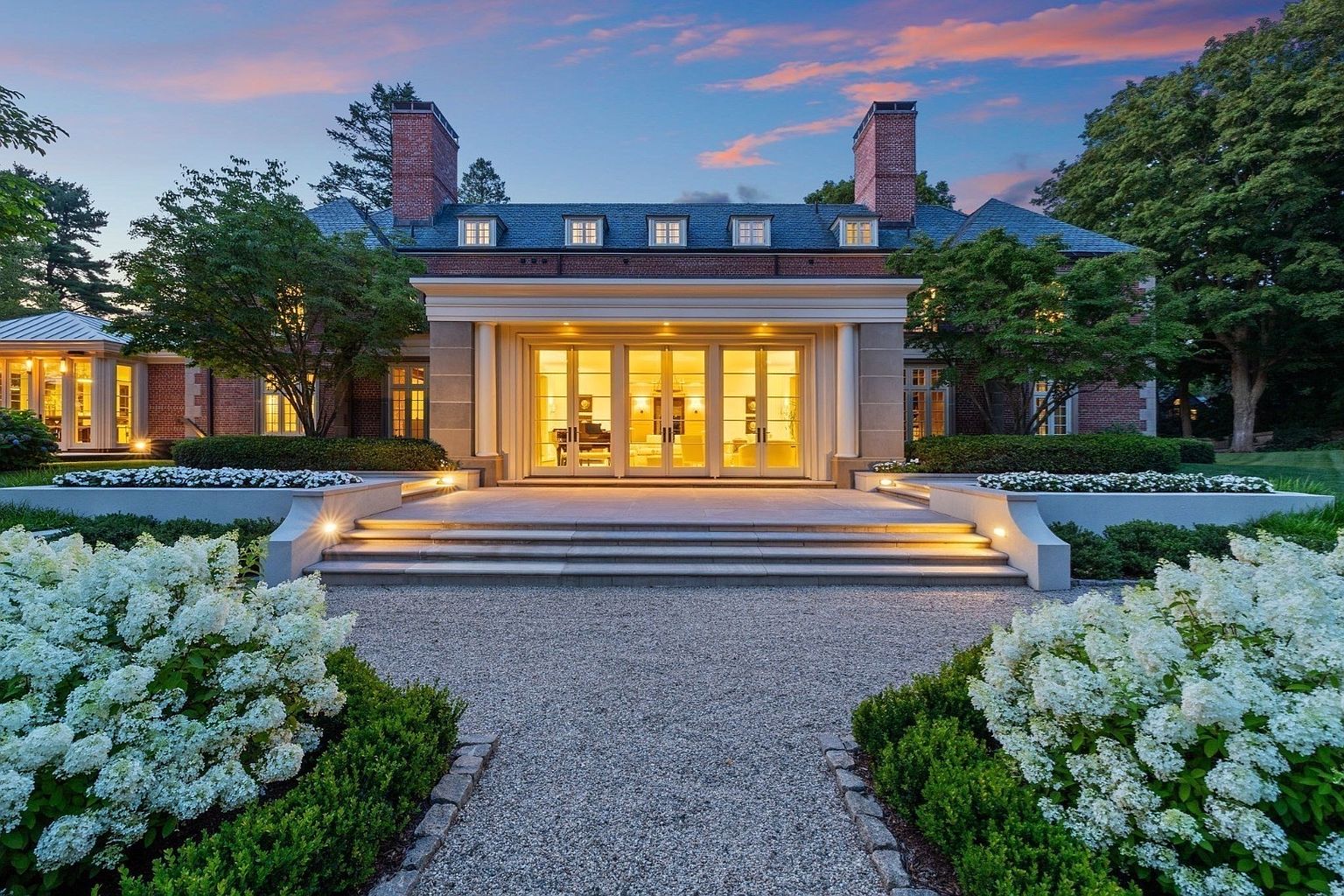
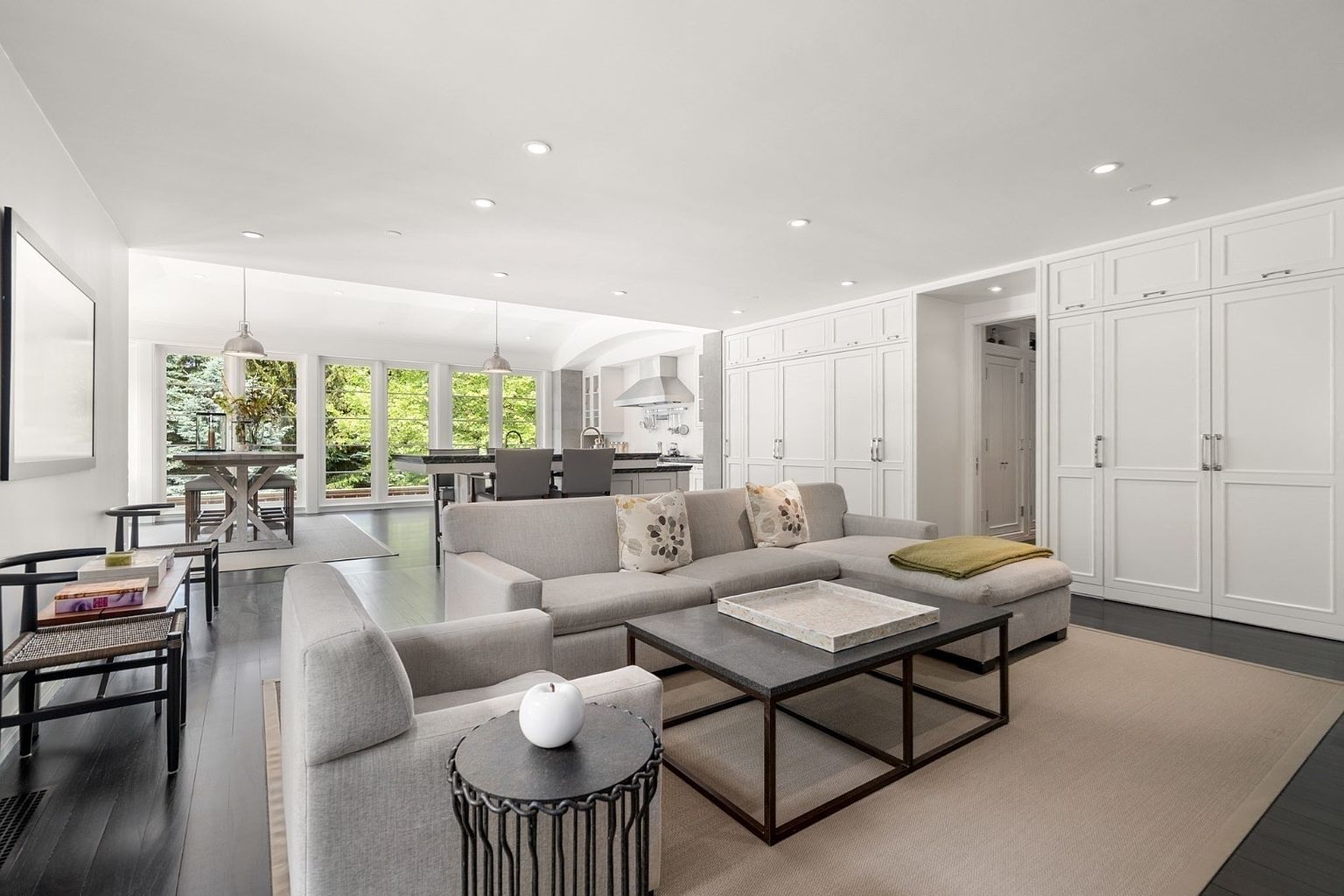
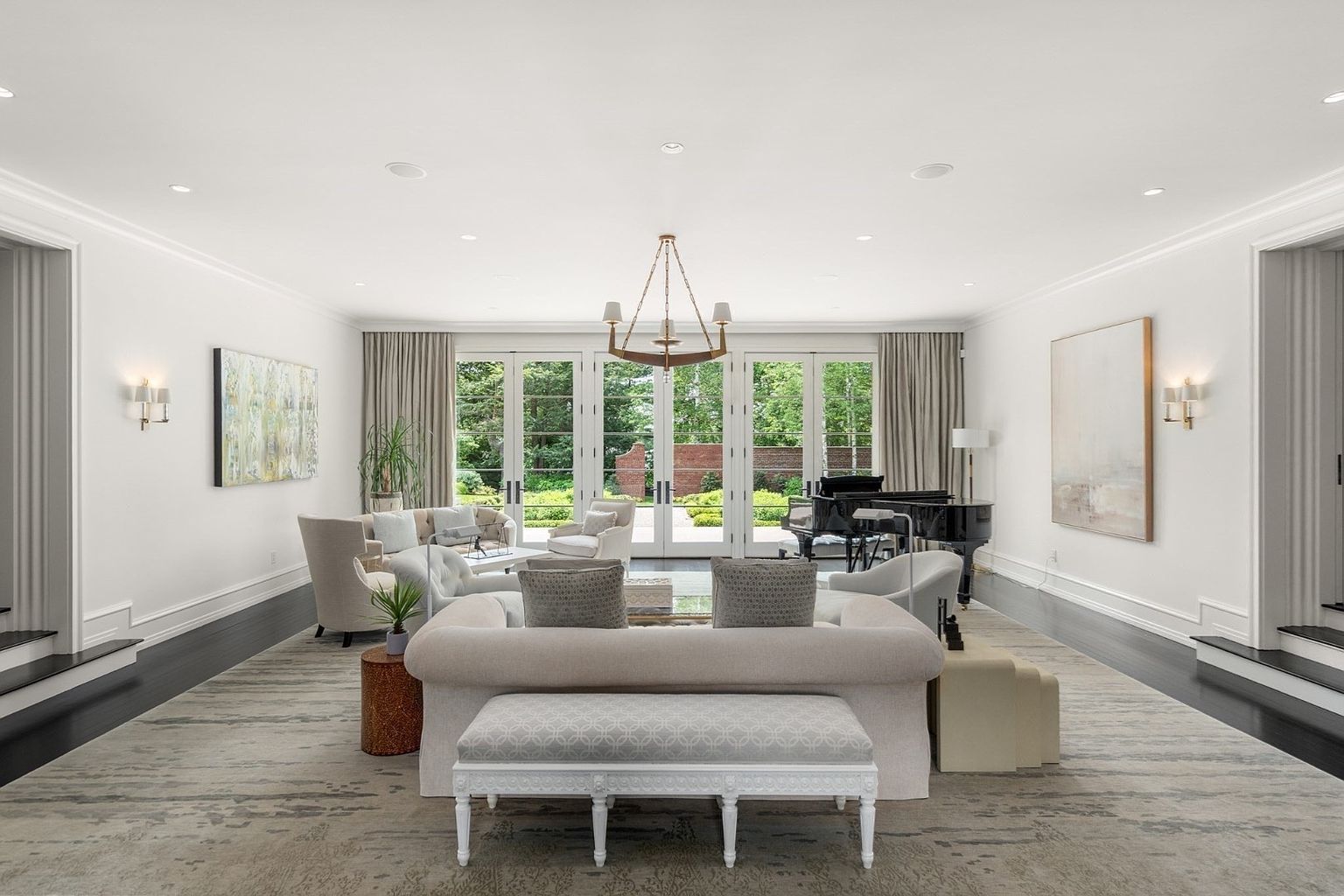
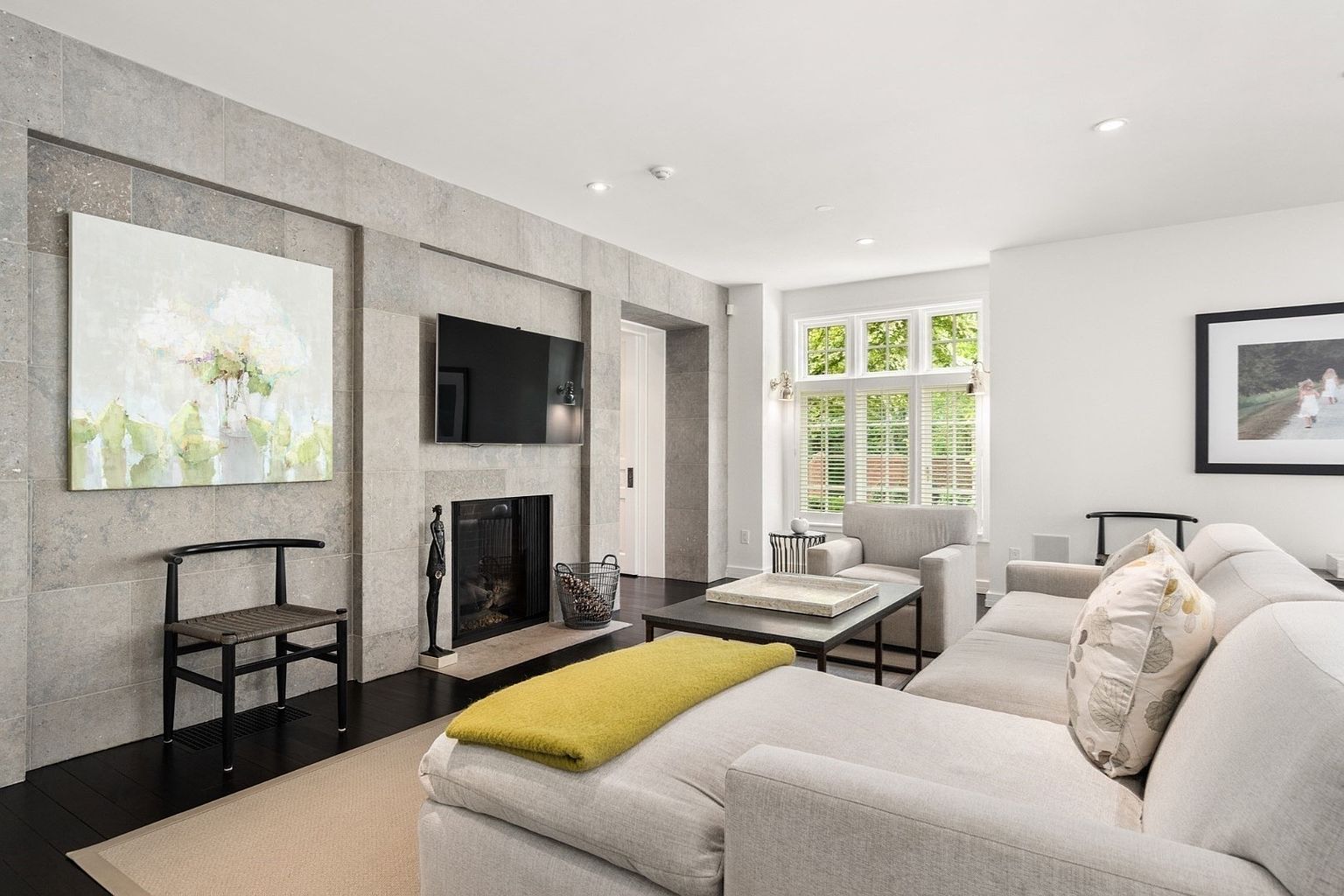
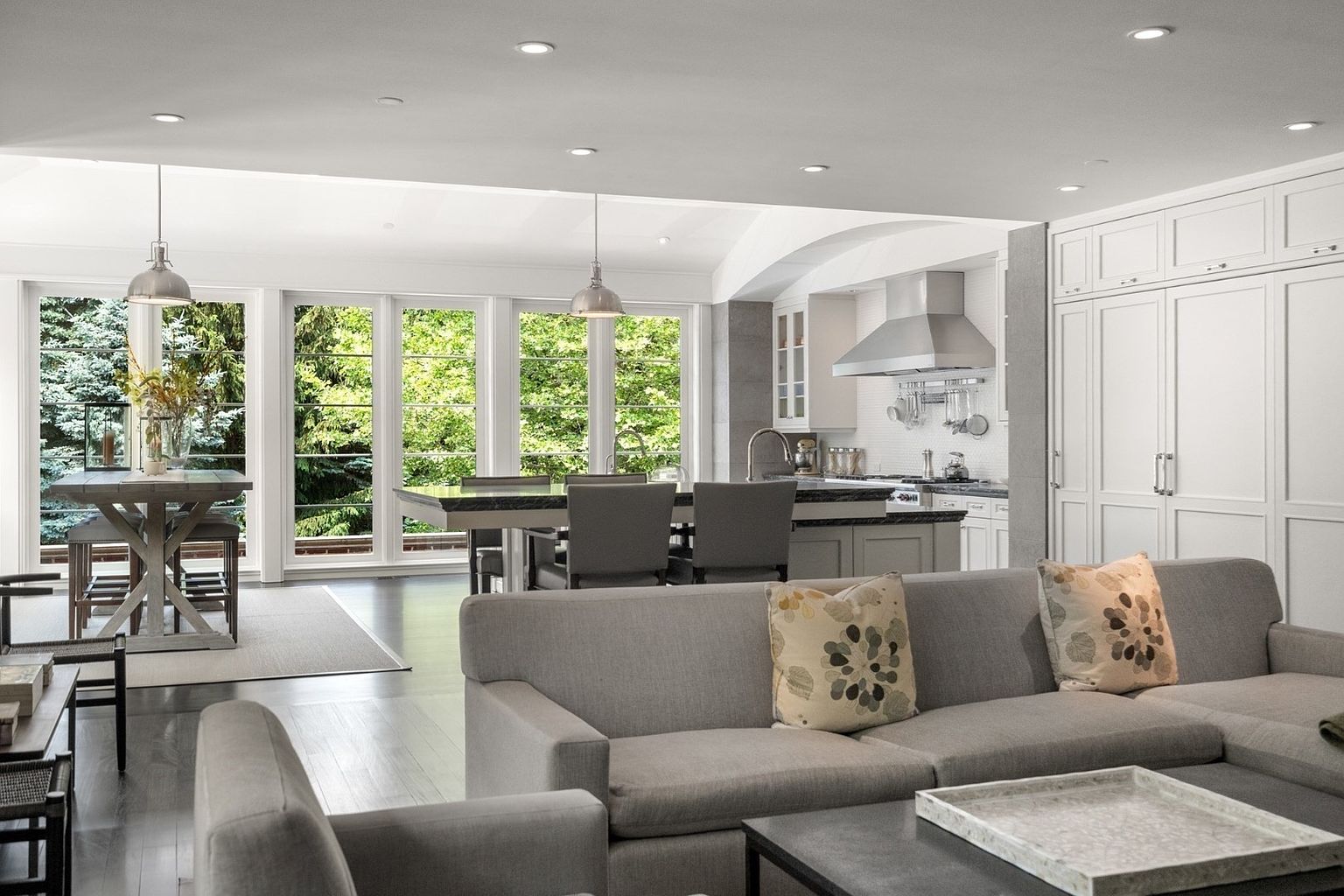
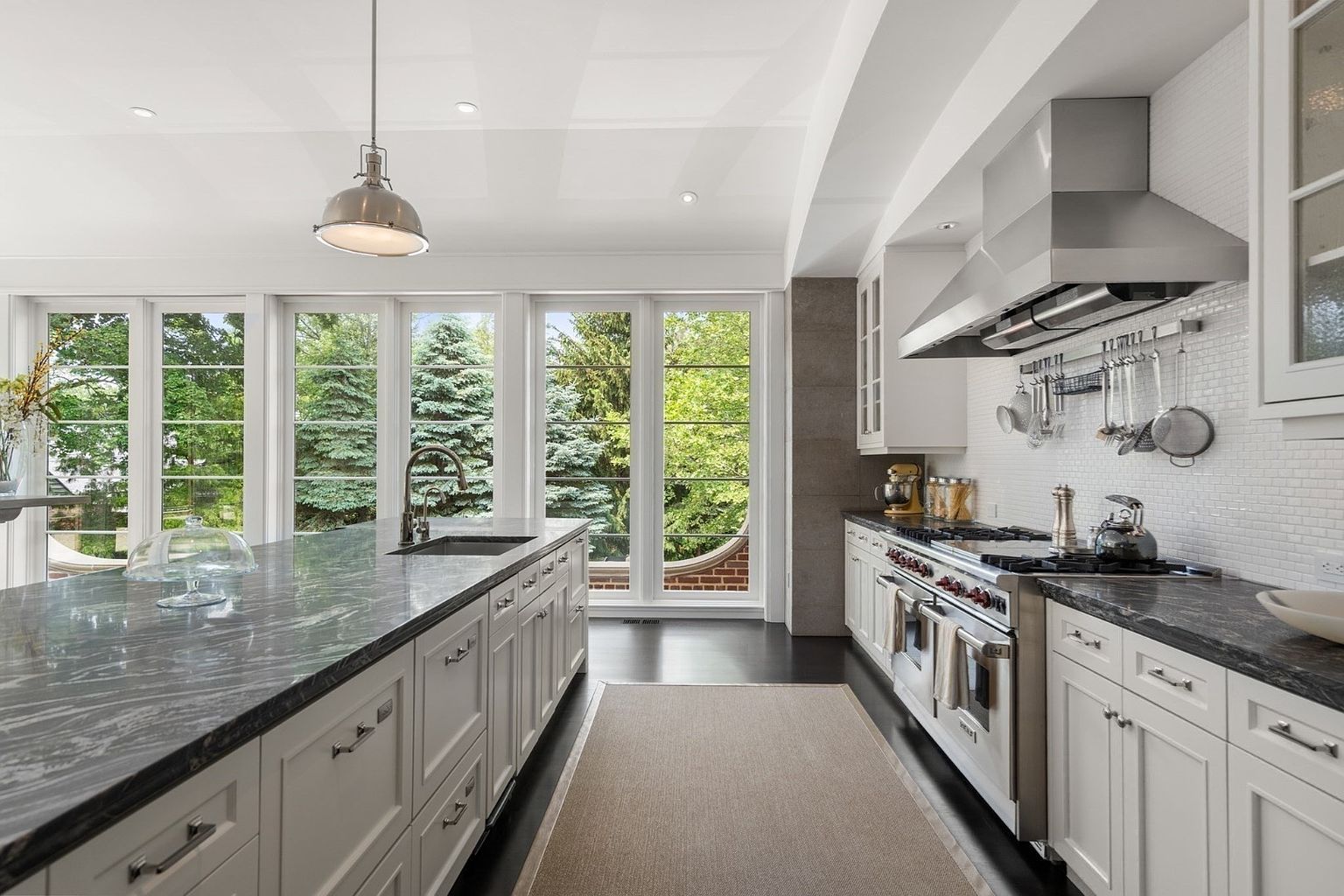
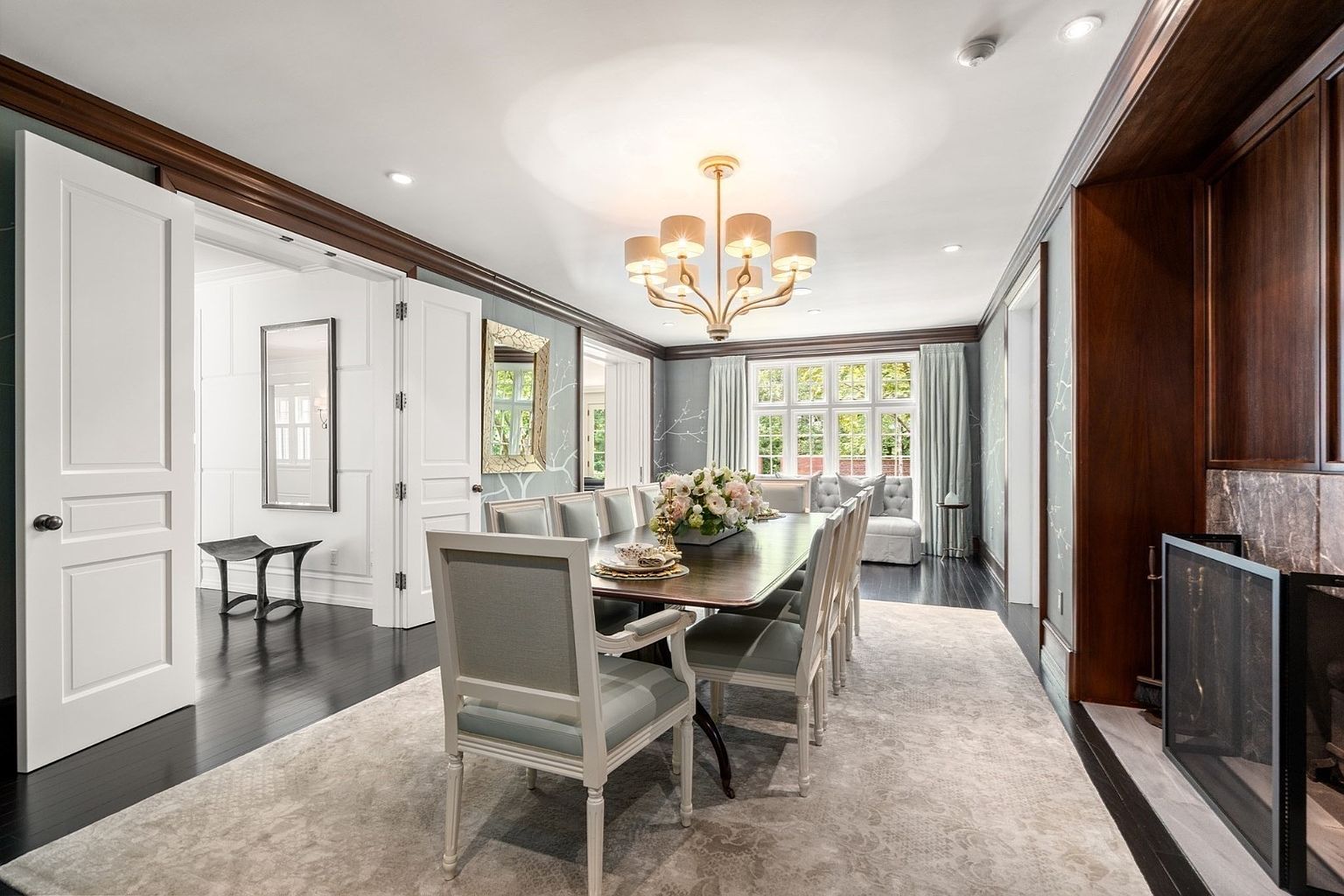
The sunken formal living room is among the home's most distinctive spaces. Its lowered floor plane creates an intimacy unusual in a room of such scale, while tall glass doors draw the eye directly to the sculpted gardens beyond. The fireplaced dining room, dressed in delicate wallpaper and anchored by a stone surround, is a room built for the kind of unhurried dinner that stretches into evening. Adjacent, the gourmet kitchen — fitted with a professional-grade range, stone-topped island, and a full suite of premium appliances — is as serious in its function as it is refined in its finish.
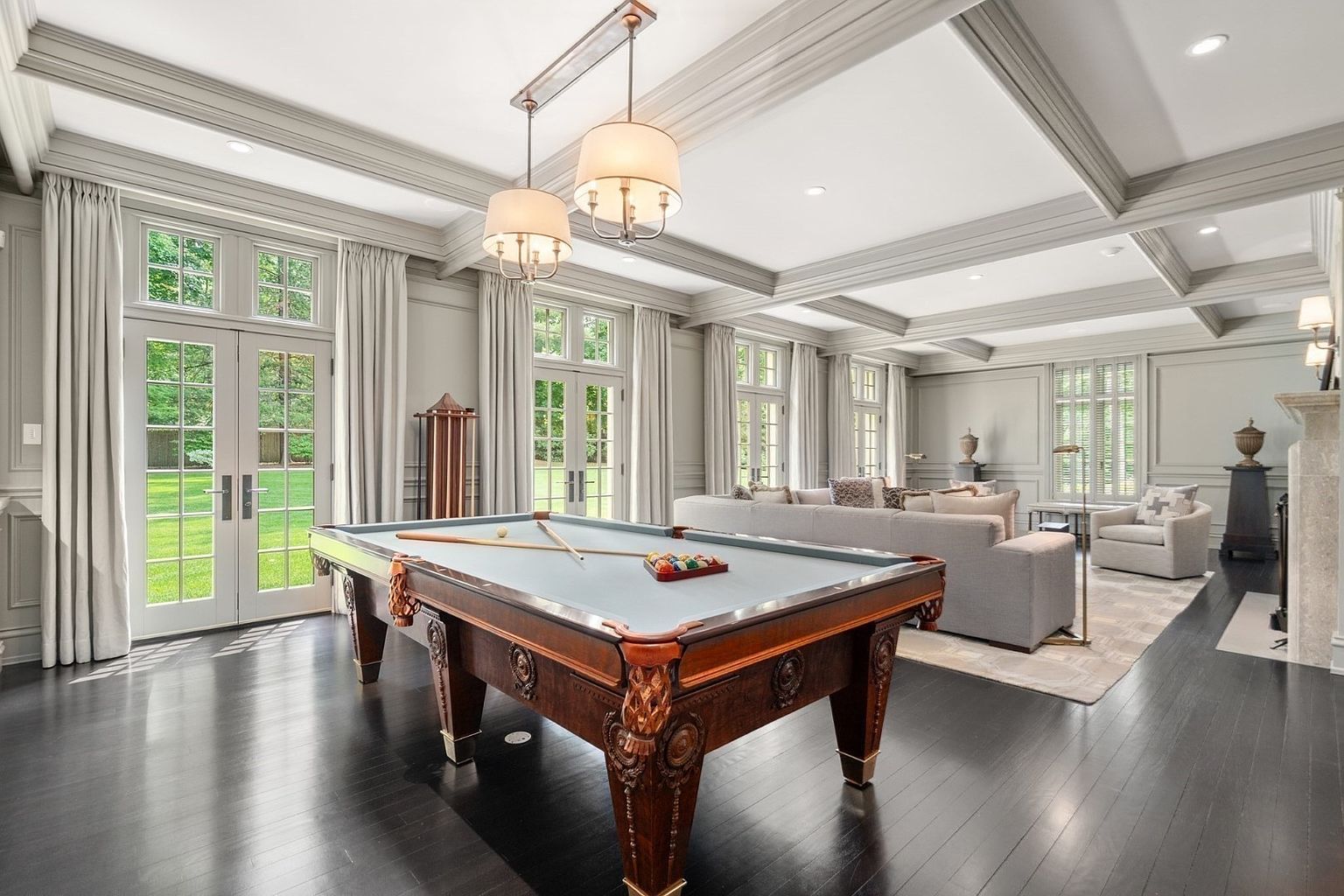
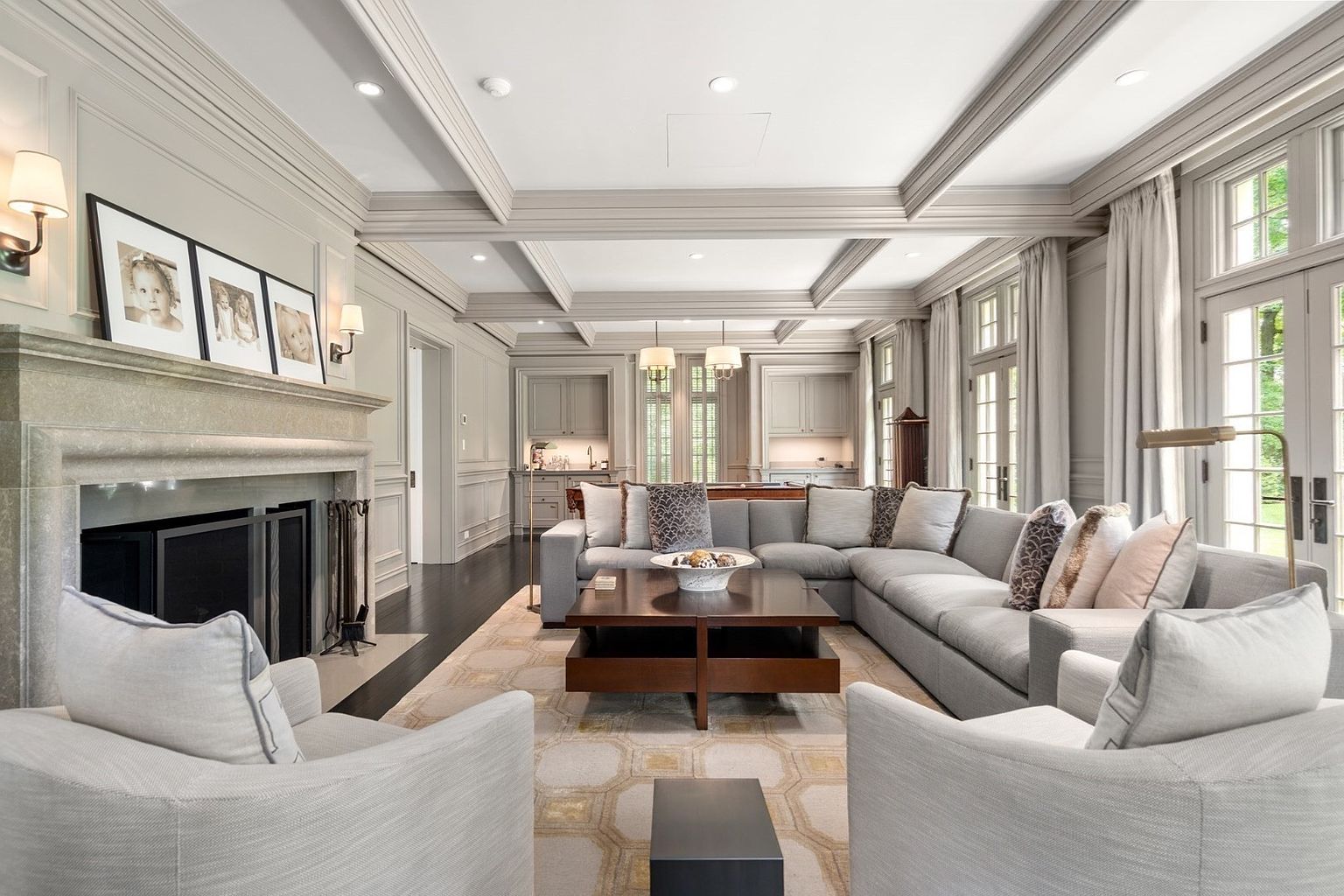
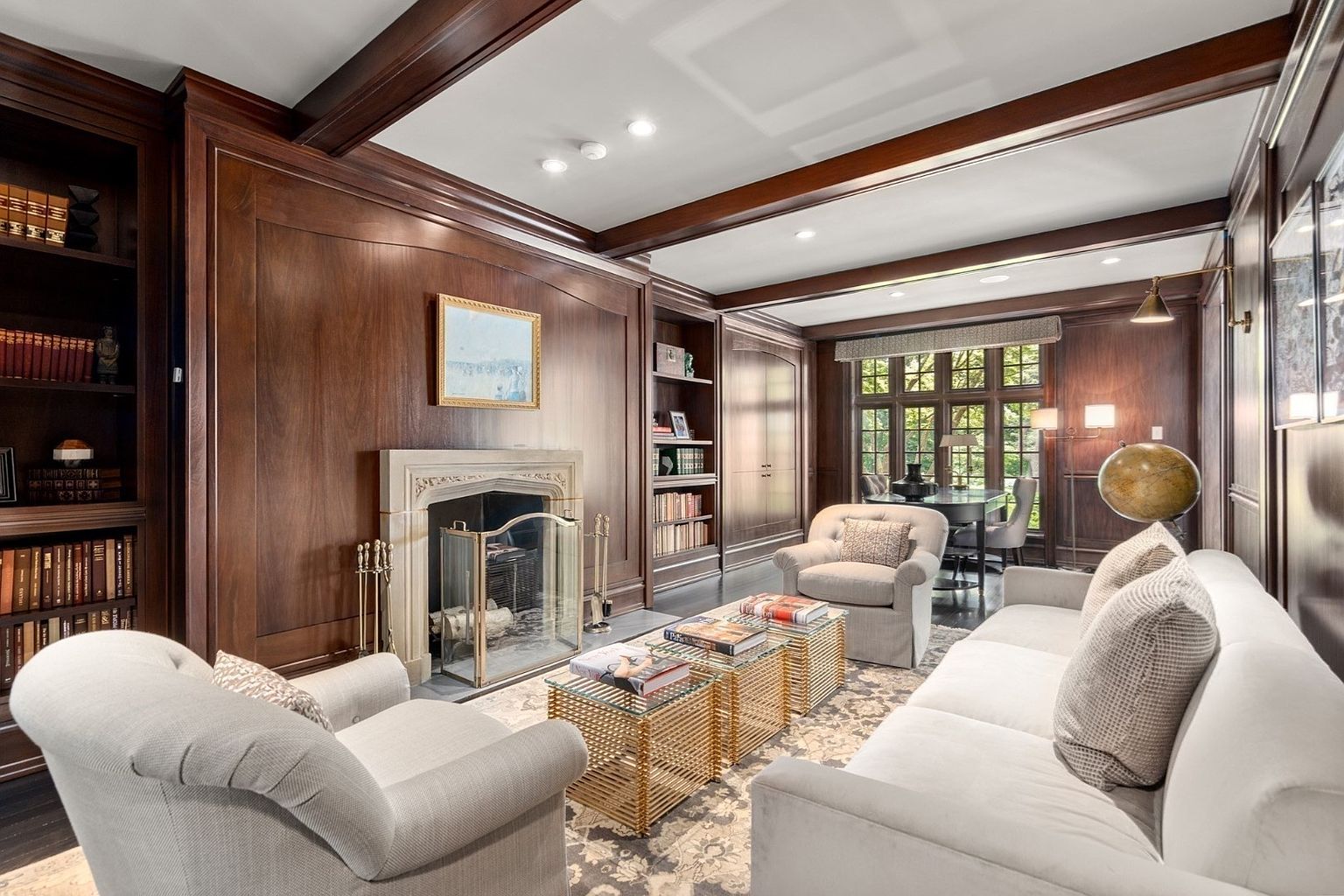
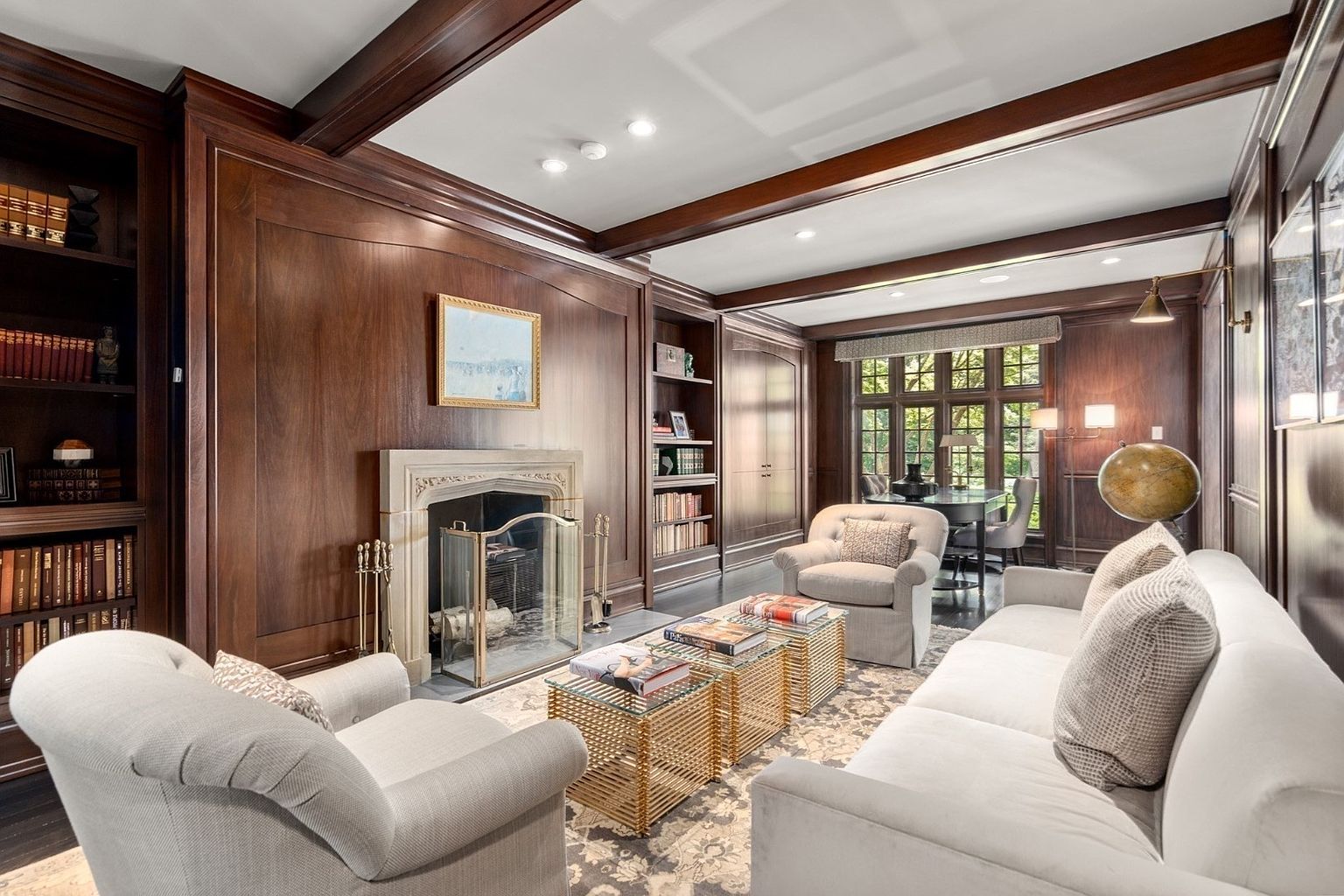
The wood-paneled library deserves particular mention. Rich in tone and deliberate in detail, with built-in bookshelves, a stone fireplace surround, and a seating arrangement that invites genuine repose, it is the kind of room that defines the character of an entire home. The expansive great room, with its coffered ceiling, stone fireplace, and commanding proportions, transitions effortlessly between intimate family evenings and large-scale entertaining.
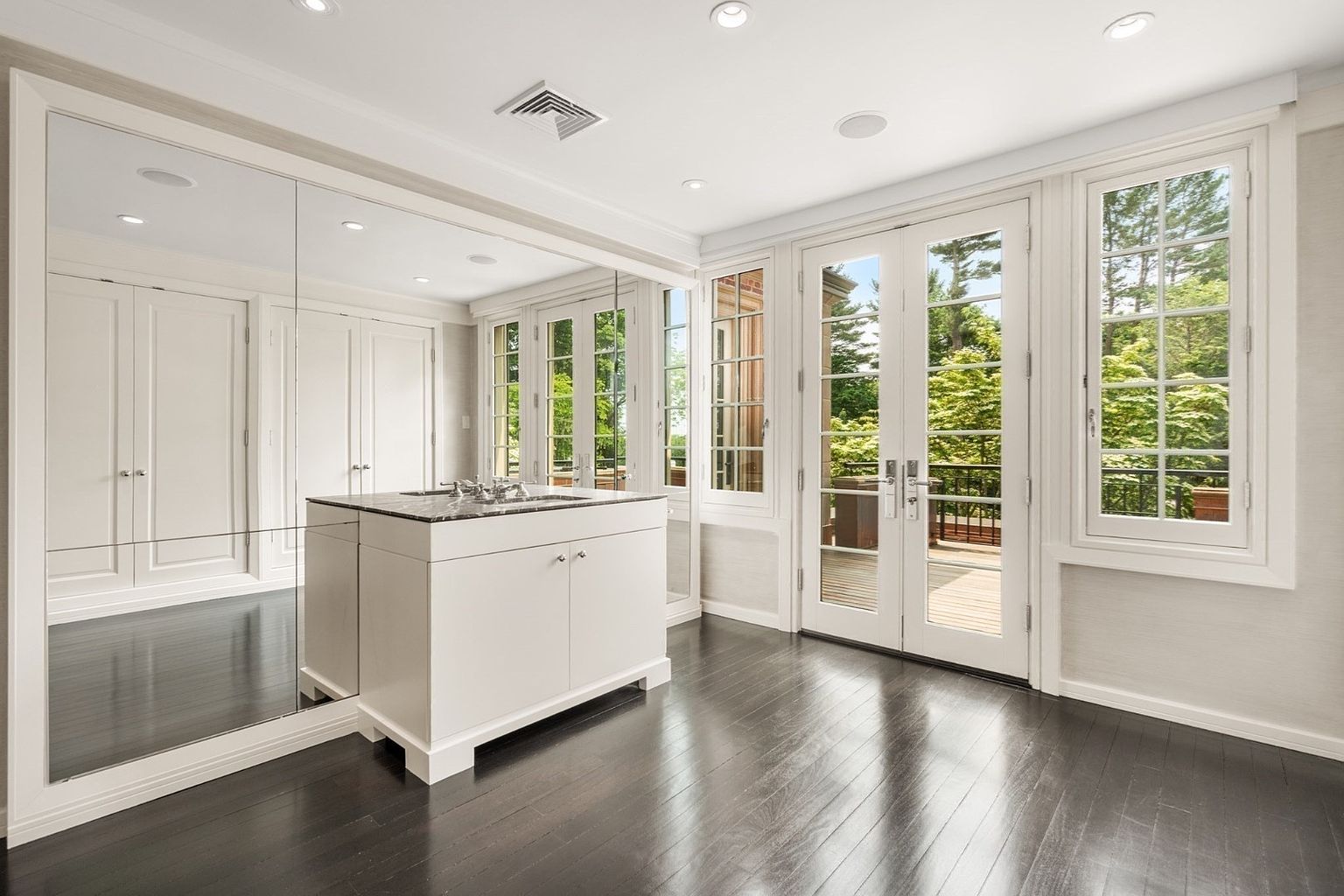
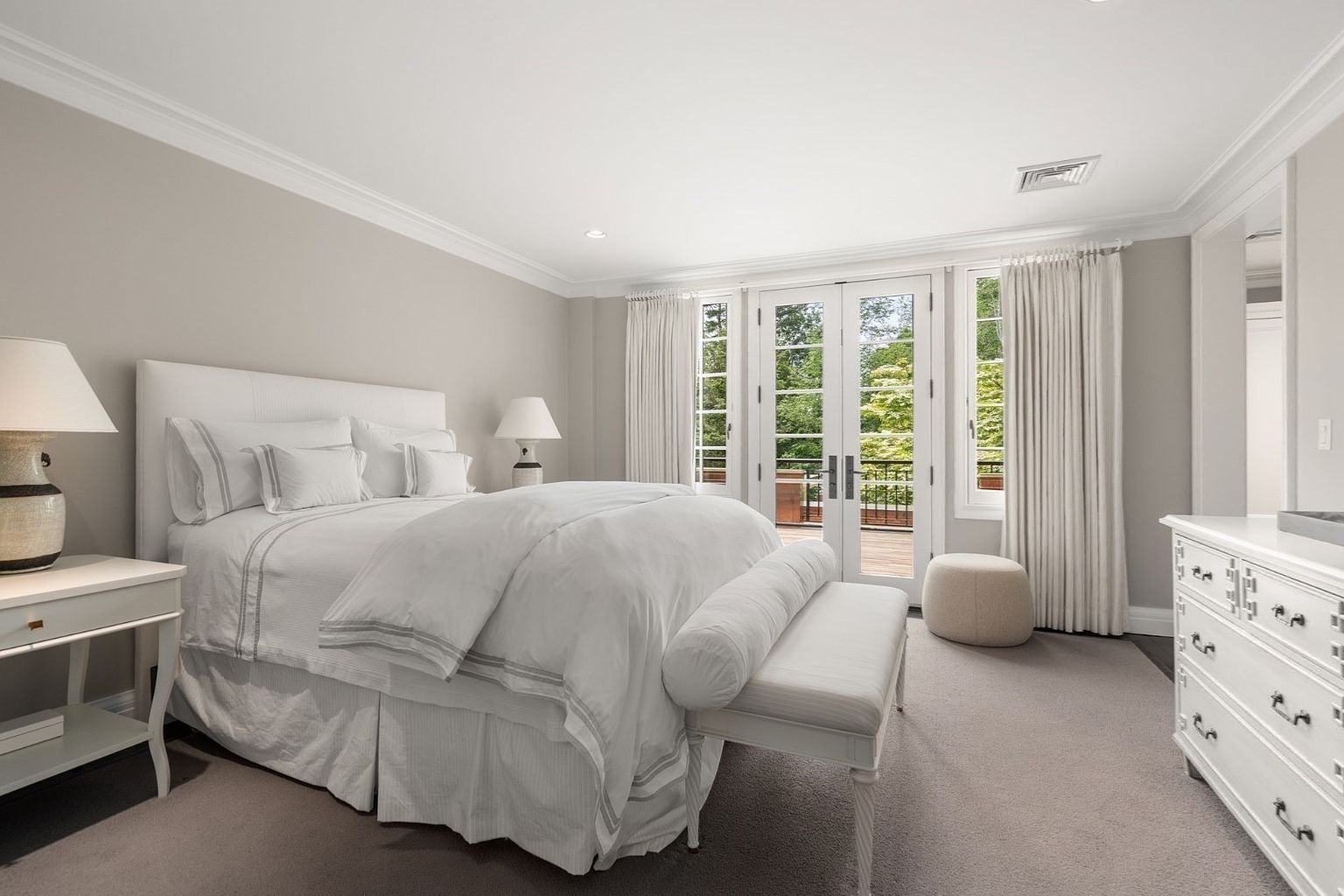
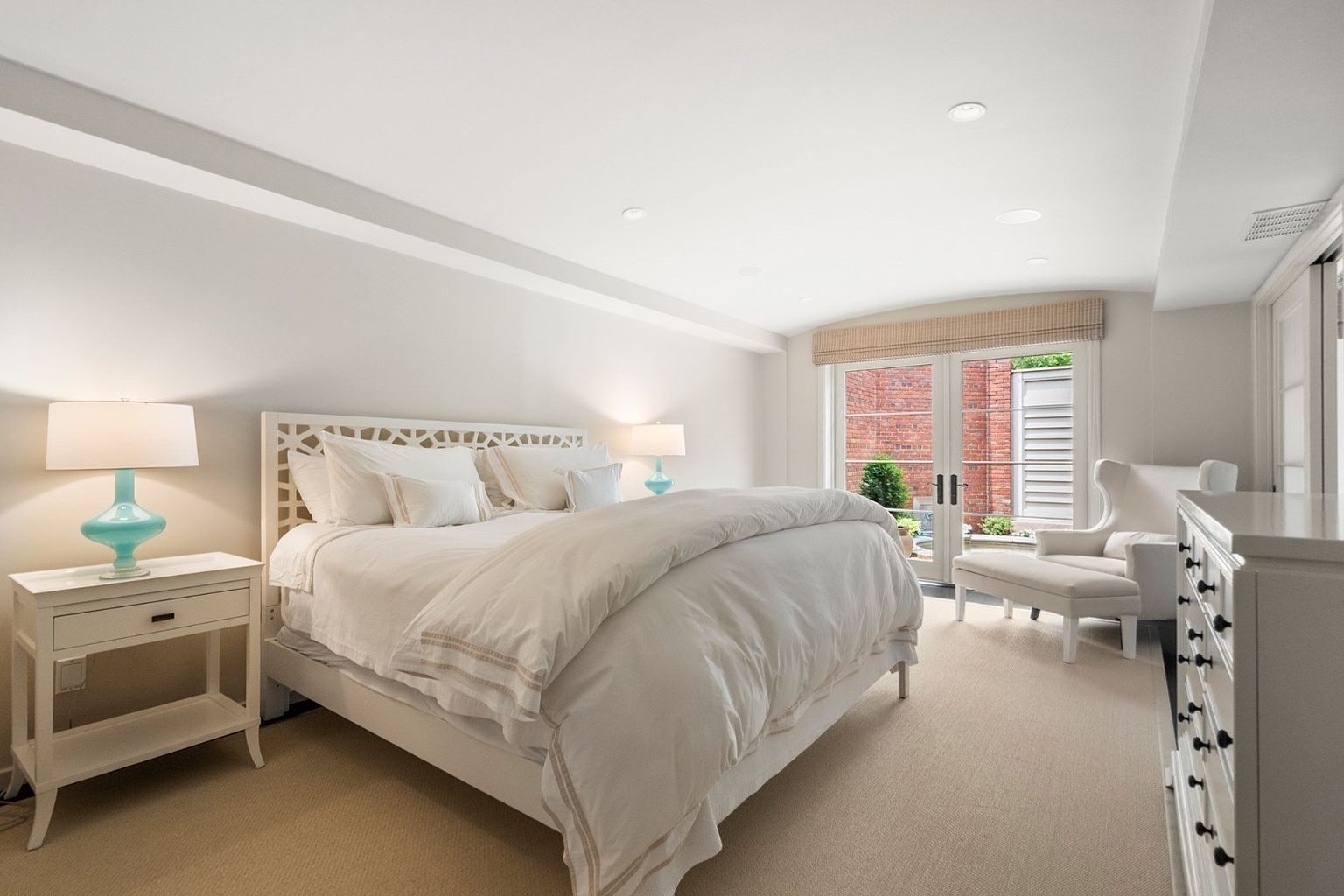
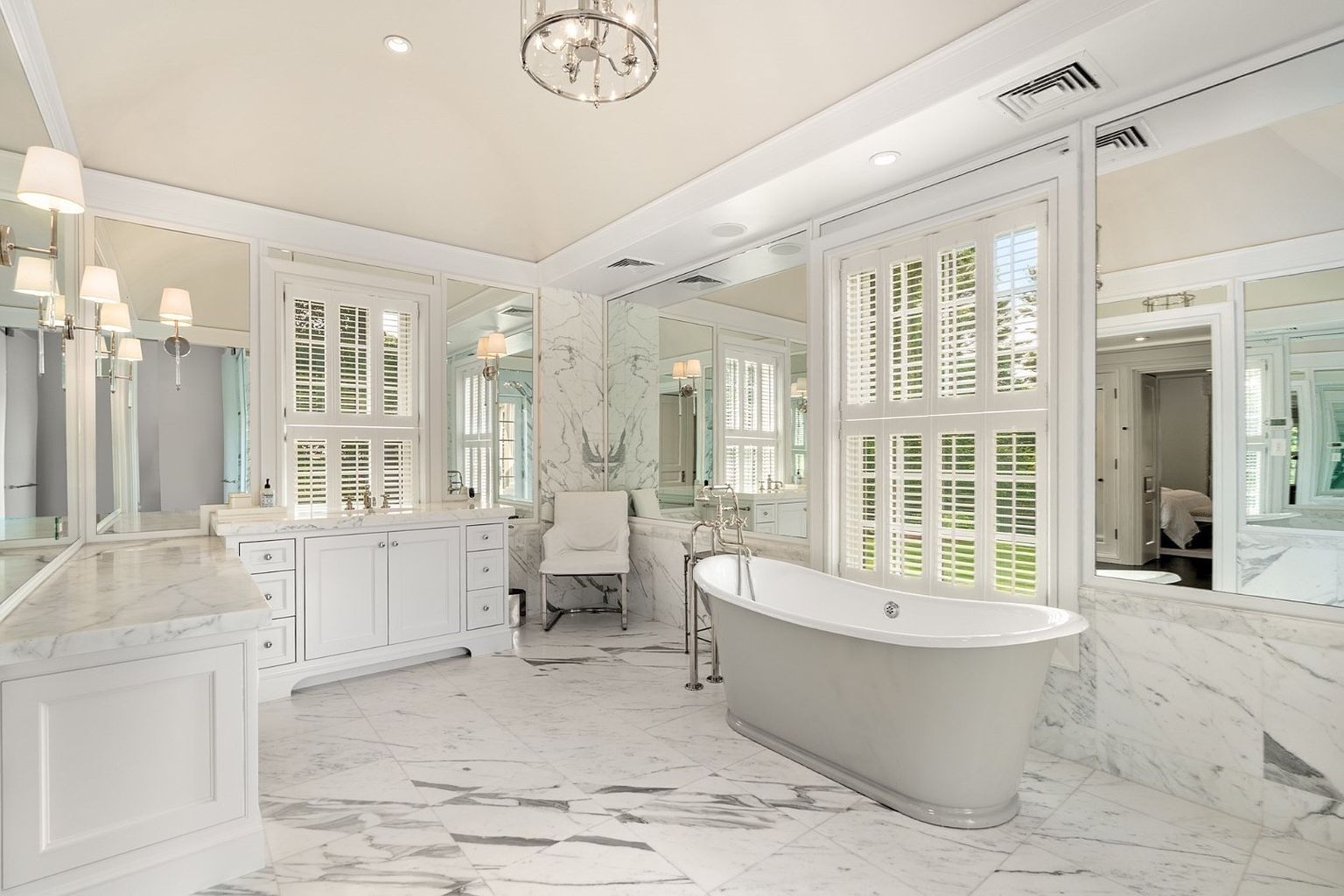
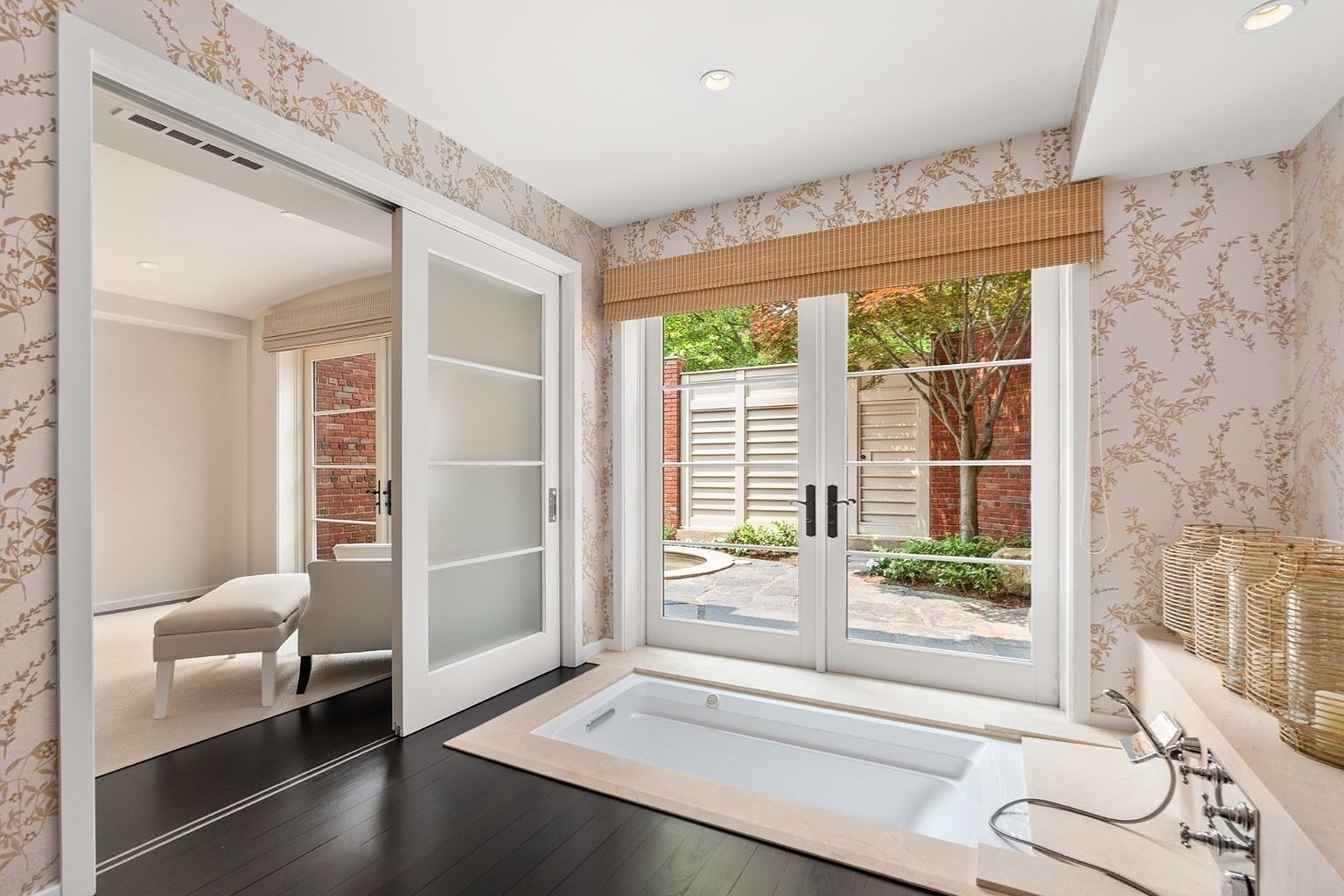
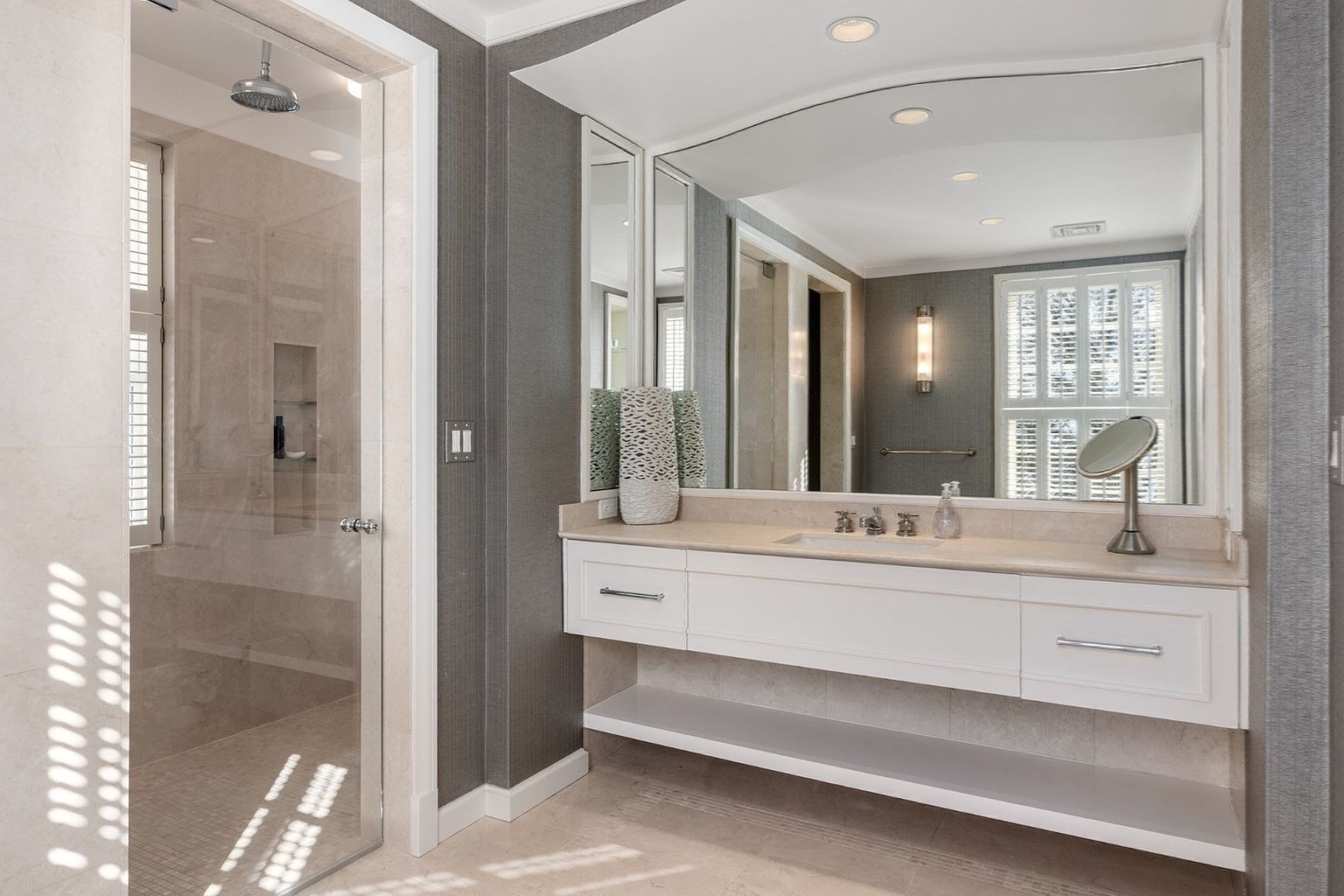
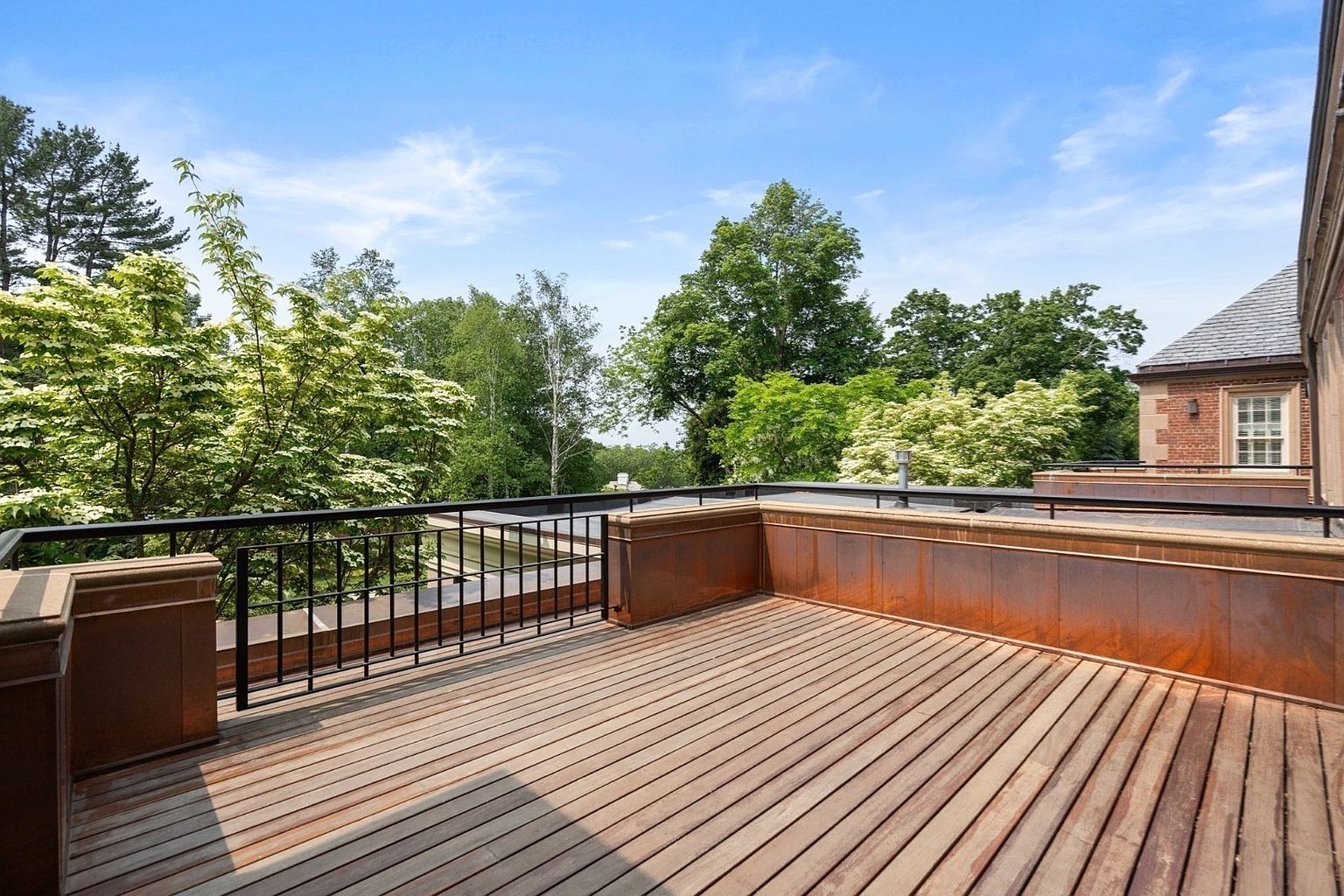
Upstairs, the primary suite is a private world unto itself. Separate bathrooms — each finished with freestanding soaking tubs, walk-in showers, and bespoke cabinetry — and individual dressing rooms reflect a commitment to personal space rarely encountered even at this level of the market. A private balcony overlooks the formal gardens below, offering a moment of quiet that feels genuinely earned.
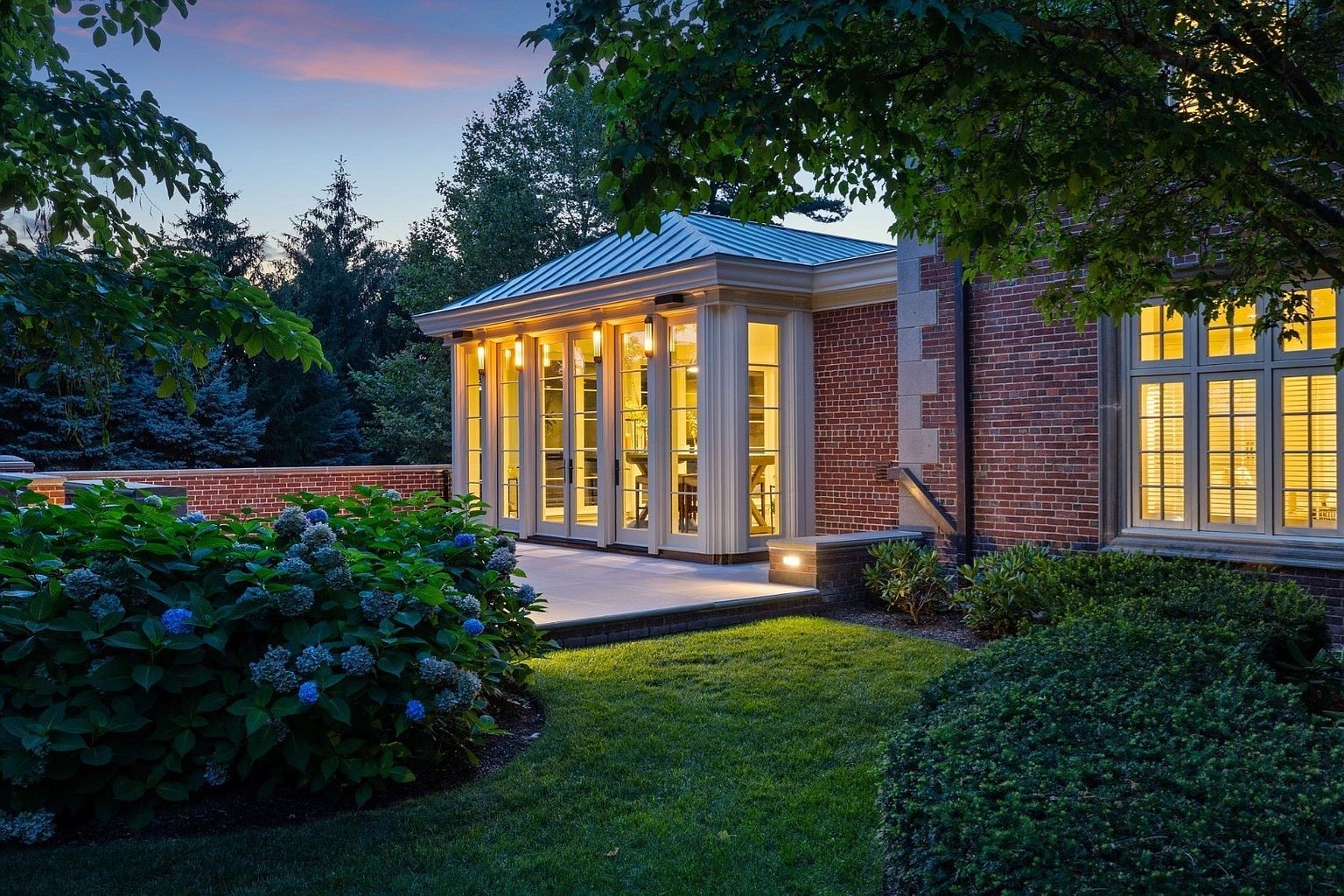
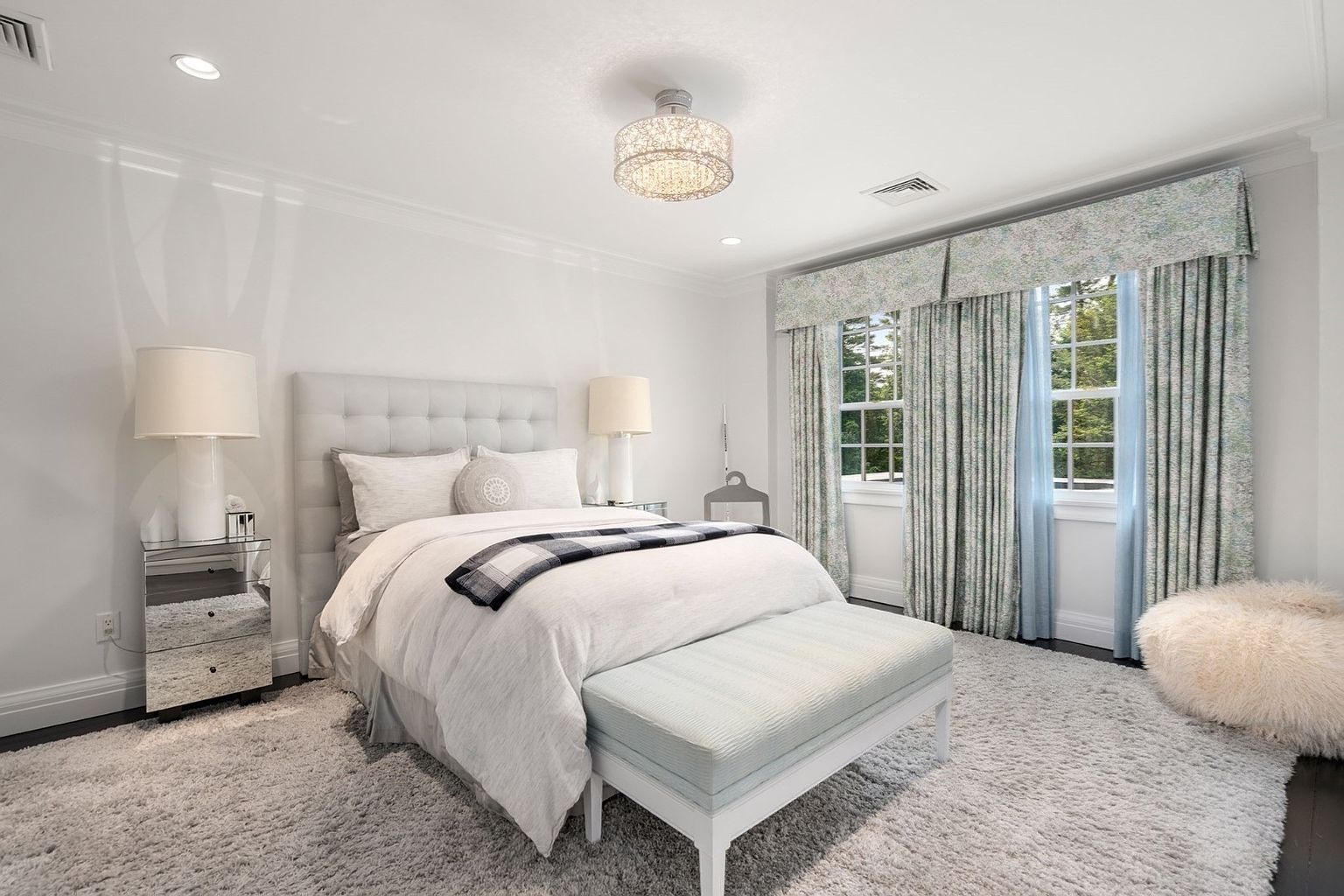
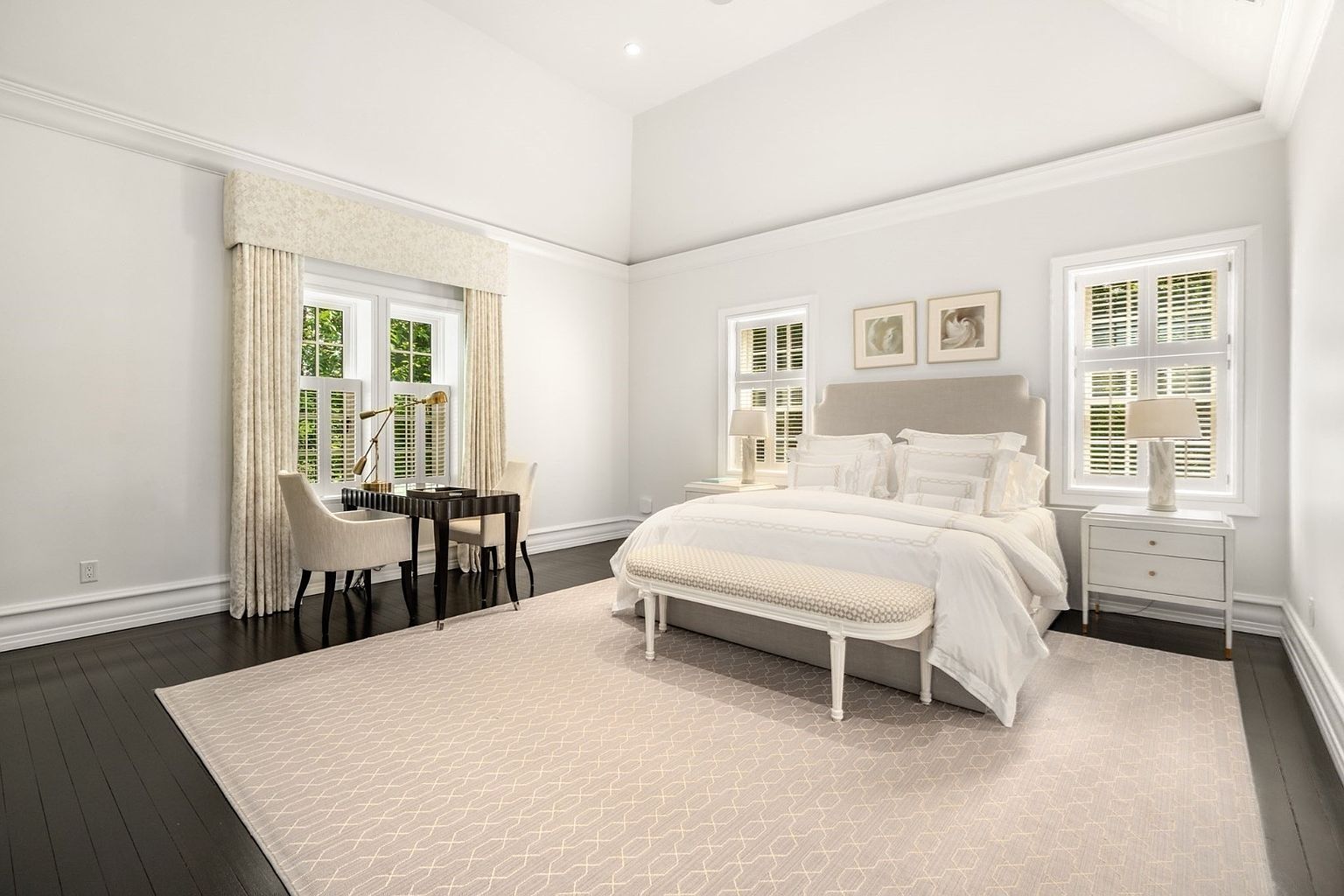
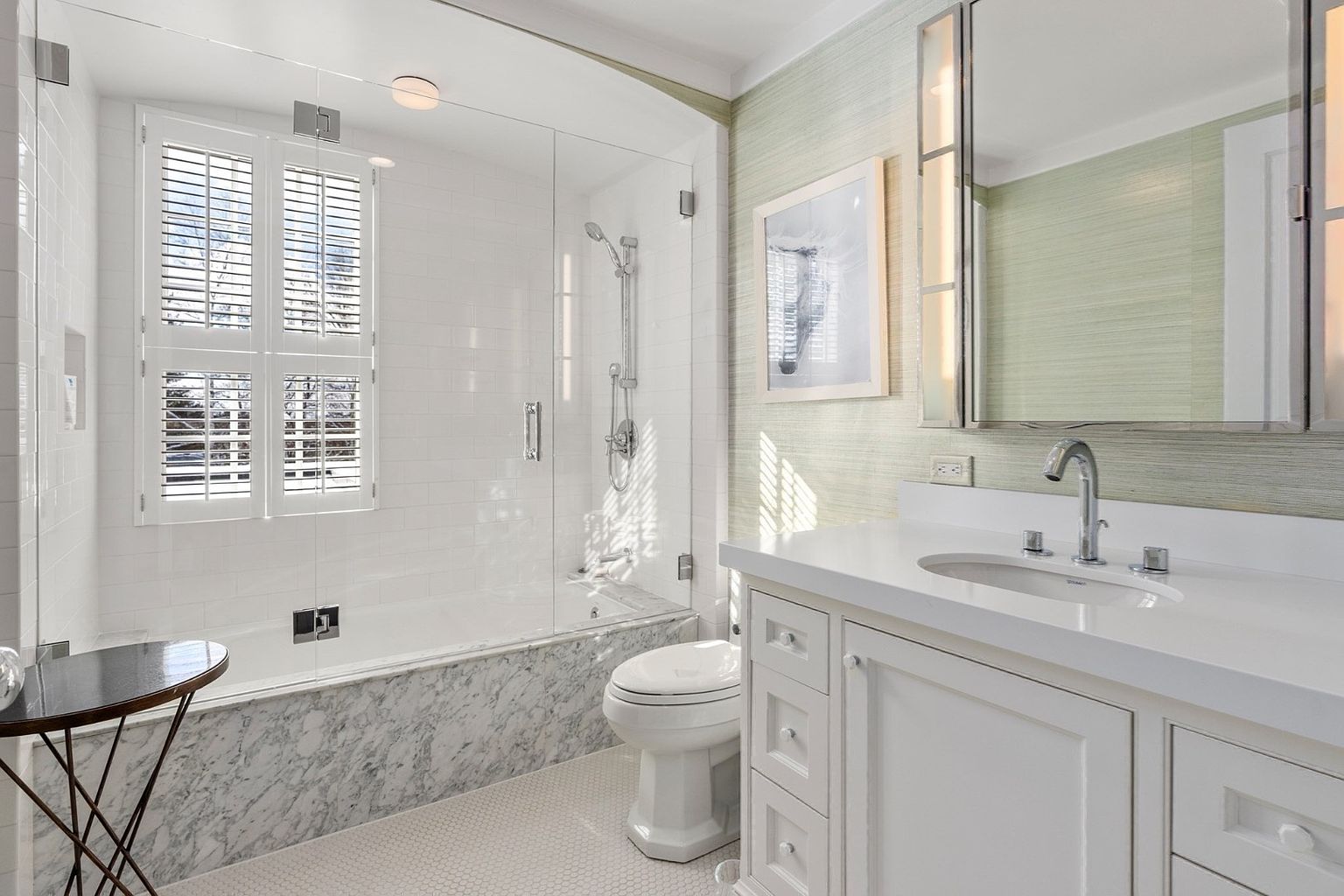
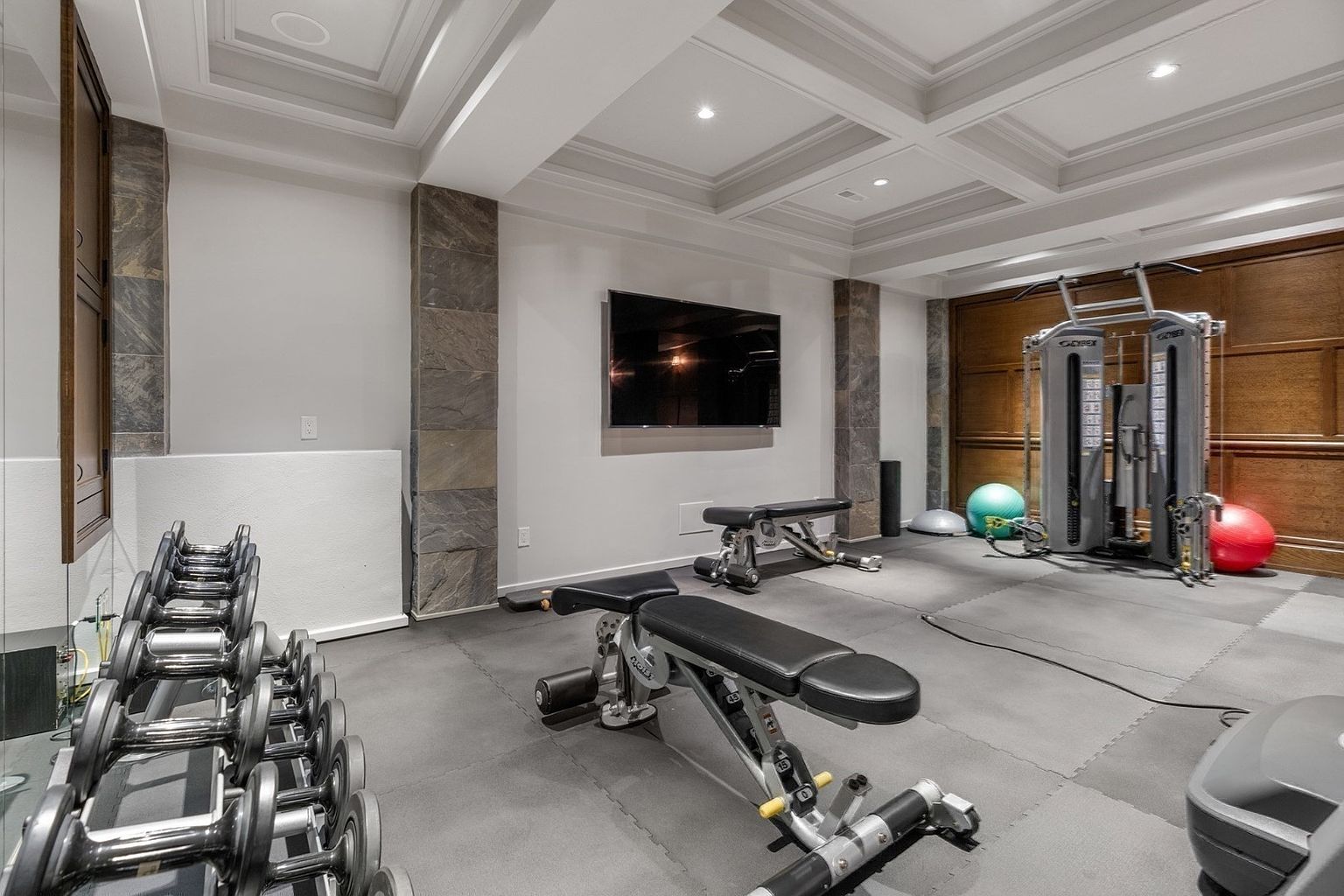
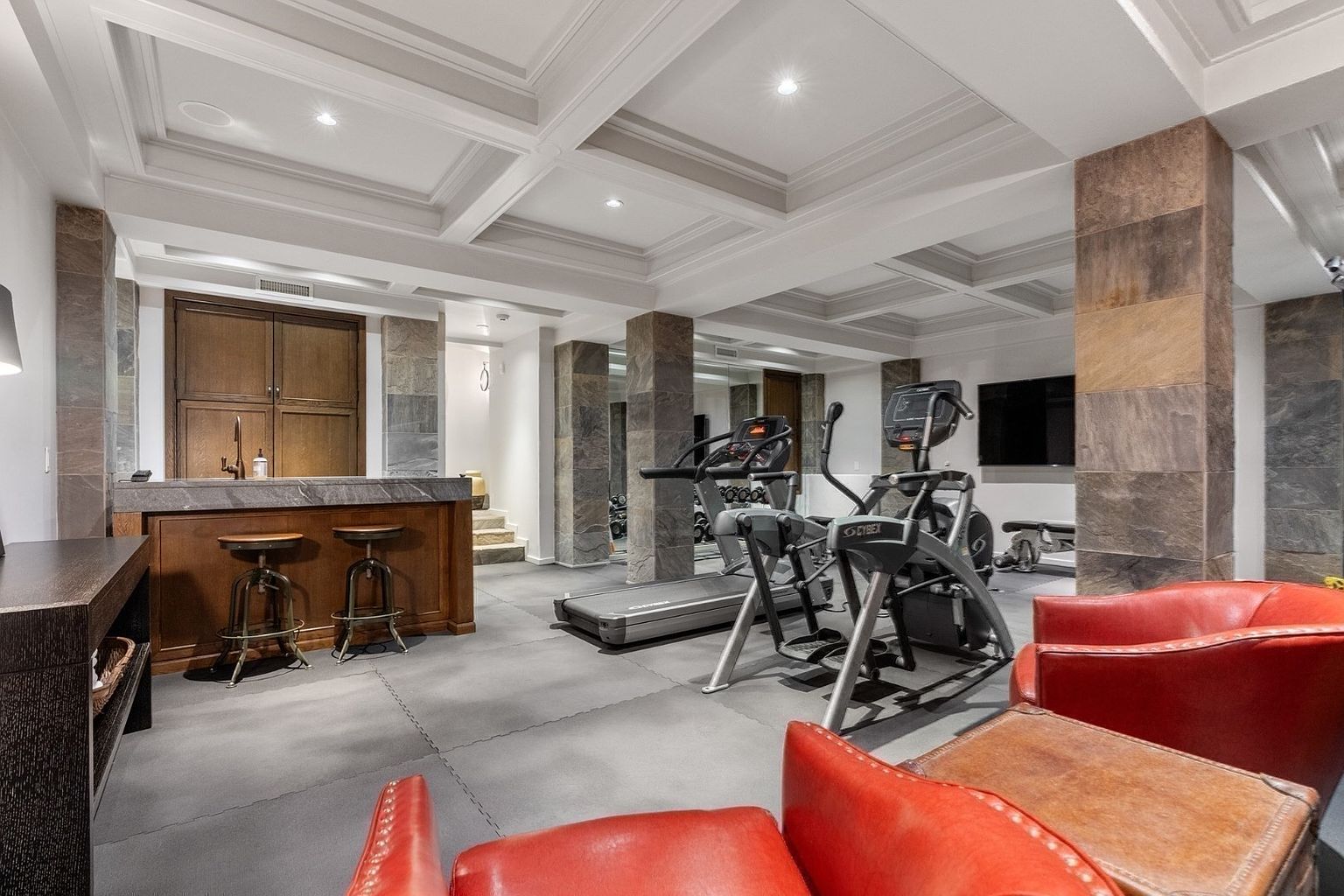
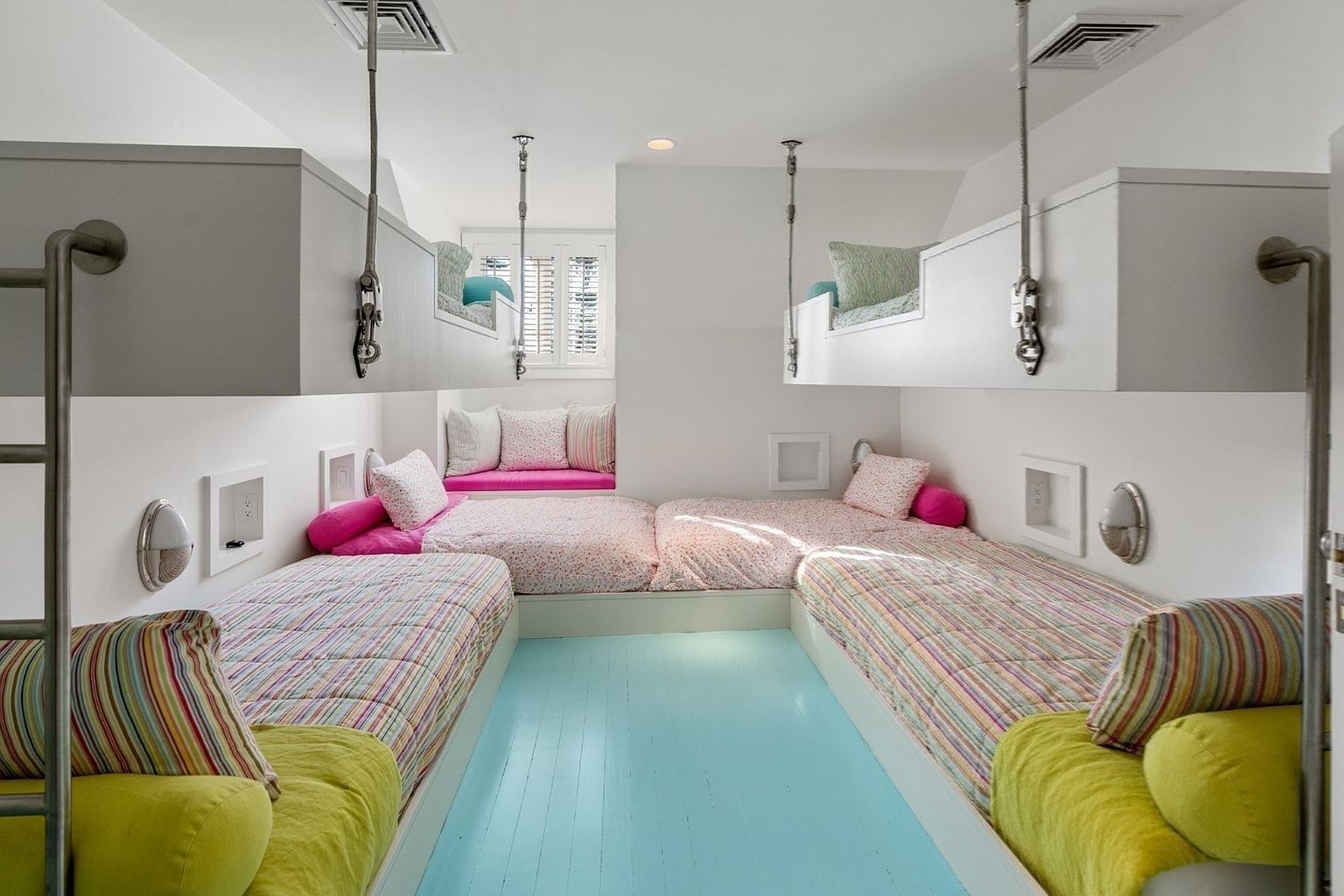
Five additional bedrooms, a dedicated au-pair suite, a fully equipped exercise room with professional-grade equipment, and a wine cellar complete the program. Outside, the formal parterre garden — geometric, precise, and beautifully maintained — gives way to a stone terrace with an outdoor kitchen and dining area, and a plunge pool set within the property's two-plus acres of private, verdant grounds. Paine Estate is not a home that asks you to compromise. It is one that simply delivers.
Chestnut Hill is one of the most storied and quietly distinguished residential addresses in all of New England — a neighborhood that has, for well over a century, attracted those who place equal value on natural beauty, intellectual life, institutional proximity, and the particular kind of privacy that only genuine acreage can provide.
Straddling the border of Brookline and Newton, with the Brookline section carrying its own distinct cachet, Chestnut Hill occupies a topographically elevated position that is as much metaphorical as it is literal. The landscape here is defined by rolling terrain, mature tree canopies, and estates of considerable scale set back from quiet, winding roads — a character that has remained largely unchanged even as the surrounding metropolitan area has evolved dramatically around it.
Boylston Street, the address of the Paine Estate, serves as one of Chestnut Hill's primary residential corridors, connecting the neighborhood to the broader amenities of the area while retaining an essentially residential, unhurried character. The street itself is lined with architecturally significant homes that speak to the neighborhood's heritage as a destination for Boston's most accomplished families.
The Chestnut Hill shopping district — anchored by The Street at Chestnut Hill and Chestnut Hill Square — offers a curated retail and dining experience that reflects the neighborhood's demographic. Upscale grocers, destination restaurants, and specialty boutiques serve a community that values quality and convenience in equal measure. The nearby Chestnut Hill Mall, one of the most productive retail centers in the Boston metropolitan area, extends those options further.
Educationally, the location is exceptional. Brookline's public school system is consistently ranked among the finest in Massachusetts, and the neighborhood sits in close proximity to some of the most distinguished private schools in the country. Boston College, whose Gothic Revival campus occupies a commanding position on the Chestnut Hill Reservoir, is a near neighbor — its grounds and the adjacent reservoir walking paths providing a remarkable amenity for those who value active outdoor living within an urban context.
The Chestnut Hill Reservoir itself, part of the Frederick Law Olmsted-designed Emerald Necklace park system, is a defining feature of the neighborhood's character. The 1.5-mile perimeter path around the reservoir is one of Boston's most beloved recreational circuits, offering a connection to the broader landscape that is unusual in a neighborhood of such proximity to a major city center.
Cultural and intellectual life is equally well served. The Gardner Museum, the Museum of Fine Arts, and the wealth of institutions concentrated along the Boston-Brookline corridor are all within practical reach. Longwood Medical Area, home to some of the world's most significant hospitals and research institutions, is minutes away — a practical consideration for medical professionals and a broader reflection of the neighborhood's proximity to centers of excellence.
The commute to downtown Boston, whether by the Green Line's D Branch — with a stop at Chestnut Hill — or by car along Route 9, is among the most manageable of any comparable residential neighborhood in the region. Chestnut Hill offers the fullness of estate living without the isolation that often accompanies it.
Featured Highlights
Curated Content • Presented by Tracy Campion