The Story Behind
Côte de Mar: Where Sculptural Architecture Meets the Atlantic
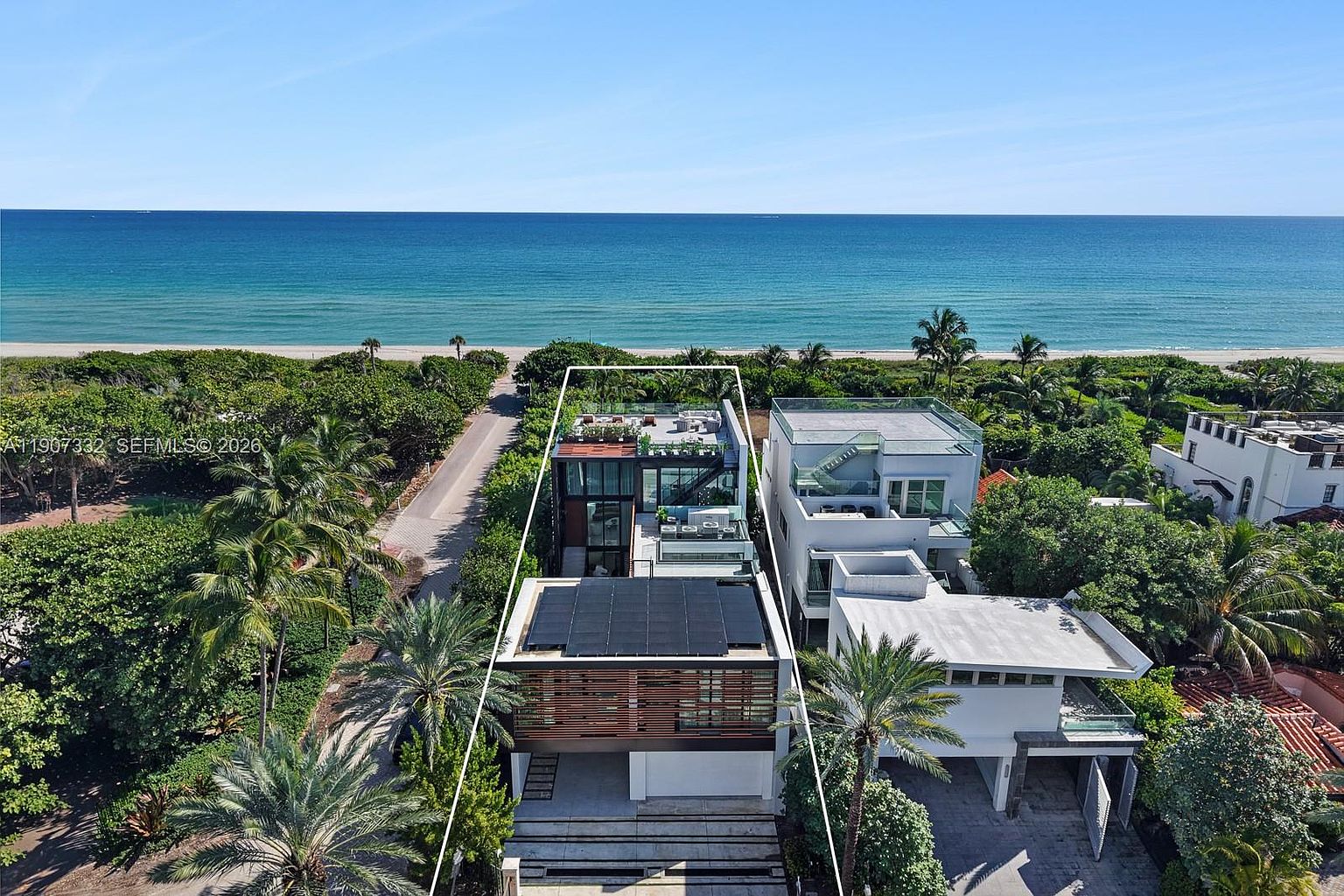
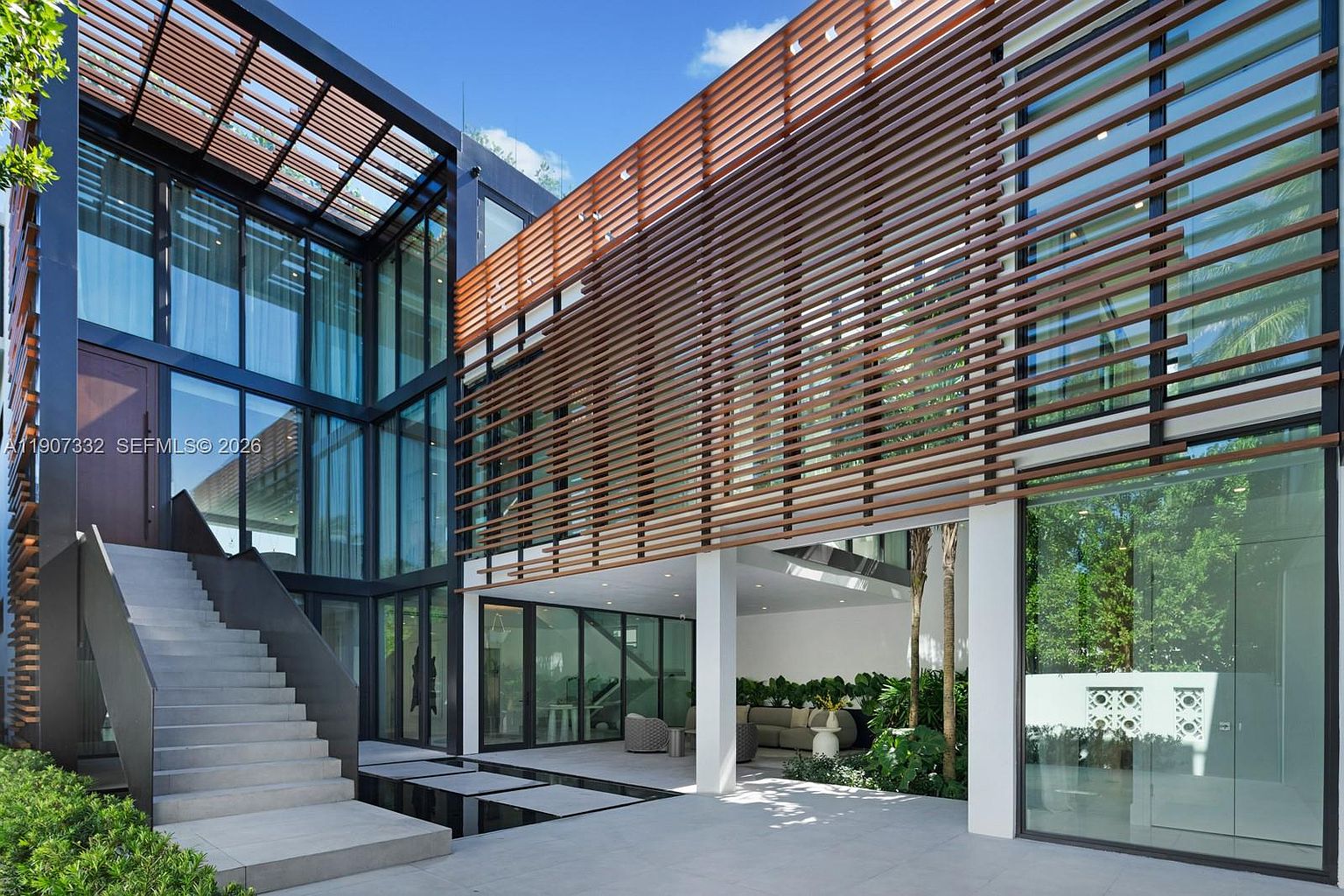
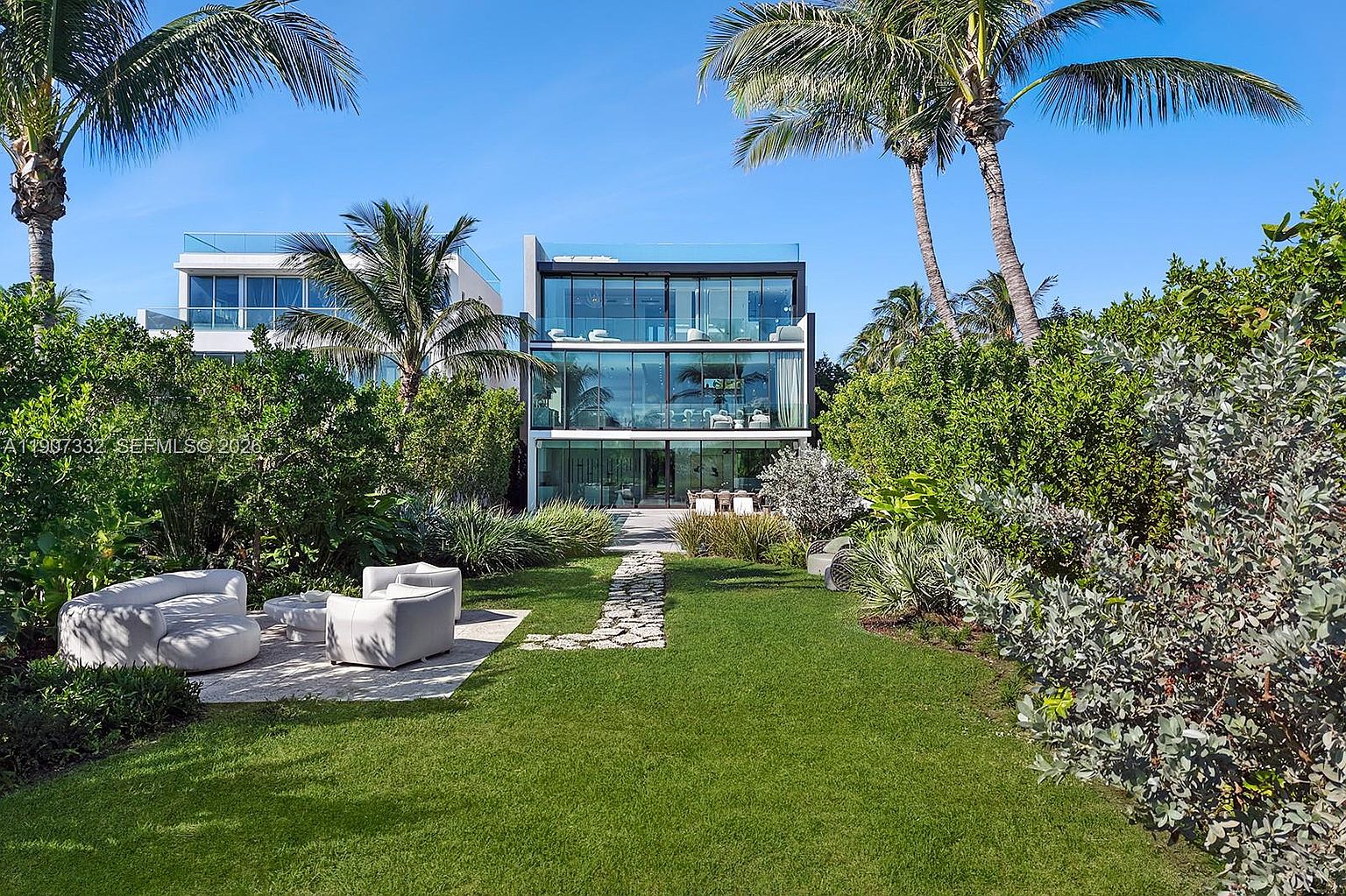
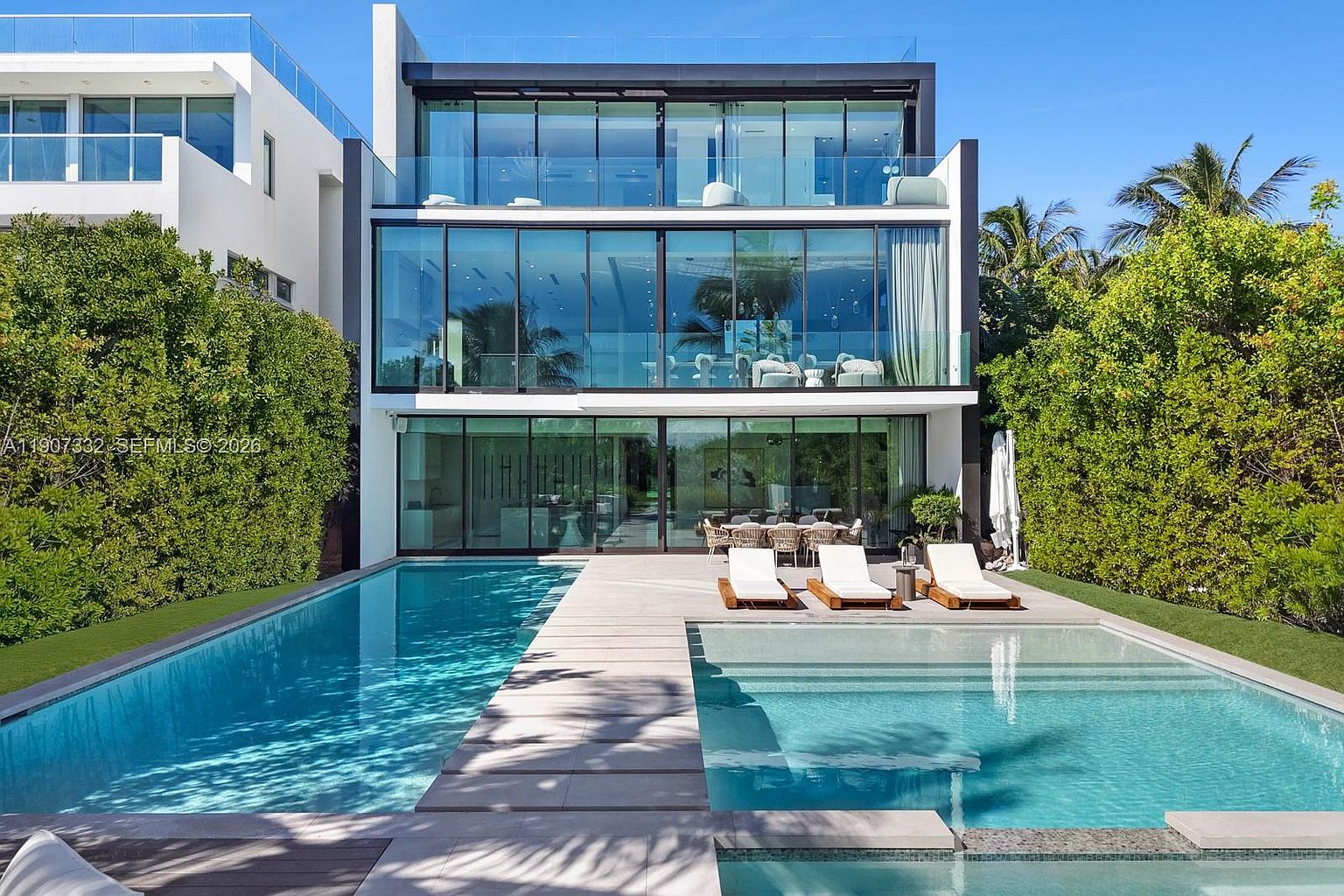
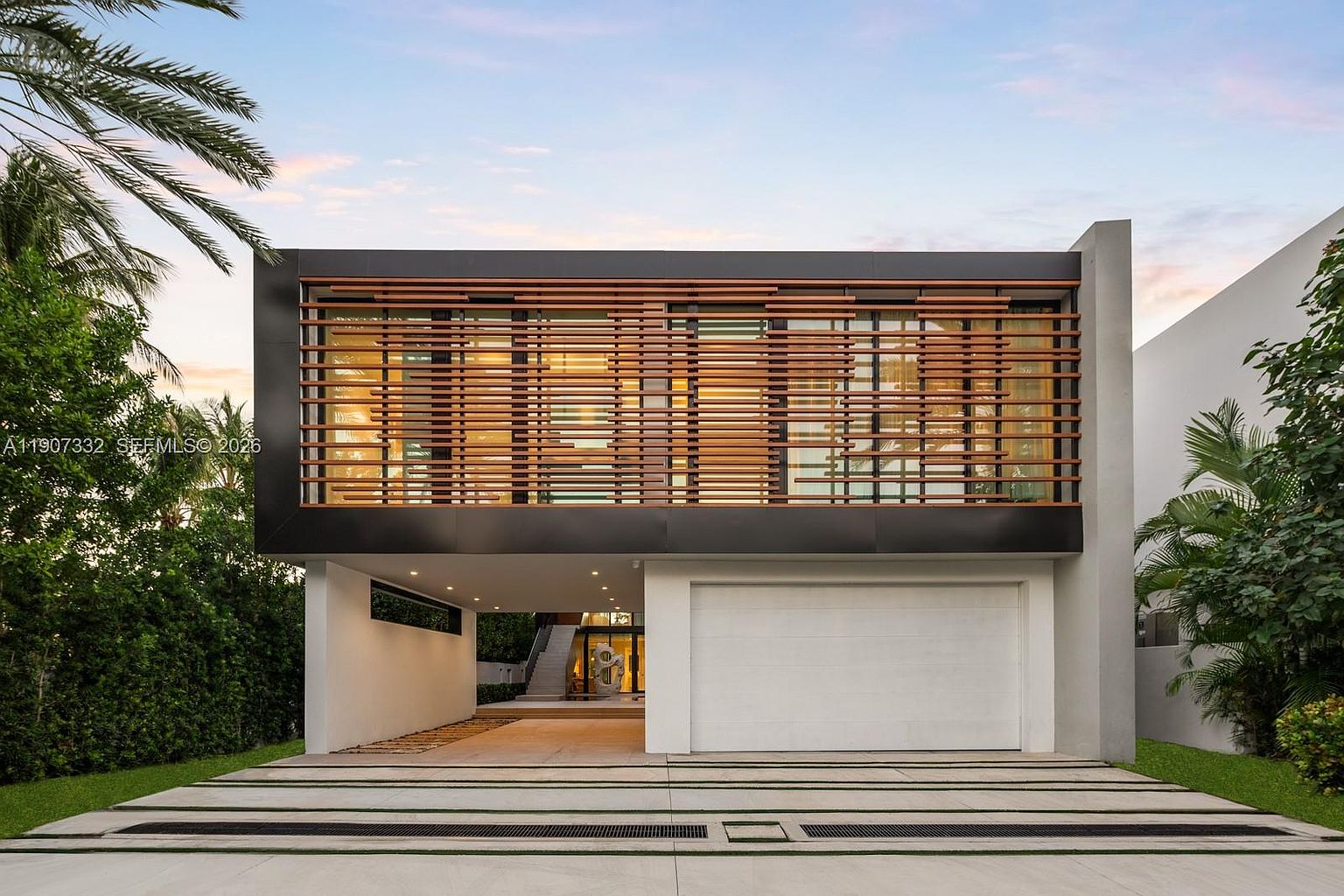
There are properties that satisfy, and then there are properties that redefine. Côte de Mar belongs unequivocally to the latter category. From the moment its sculptural facade comes into view — a refined composition of curated materials, geometric precision, and glass that seems to invite the ocean light inward — it becomes clear that what stands here is something genuinely singular in the Miami Beach market.
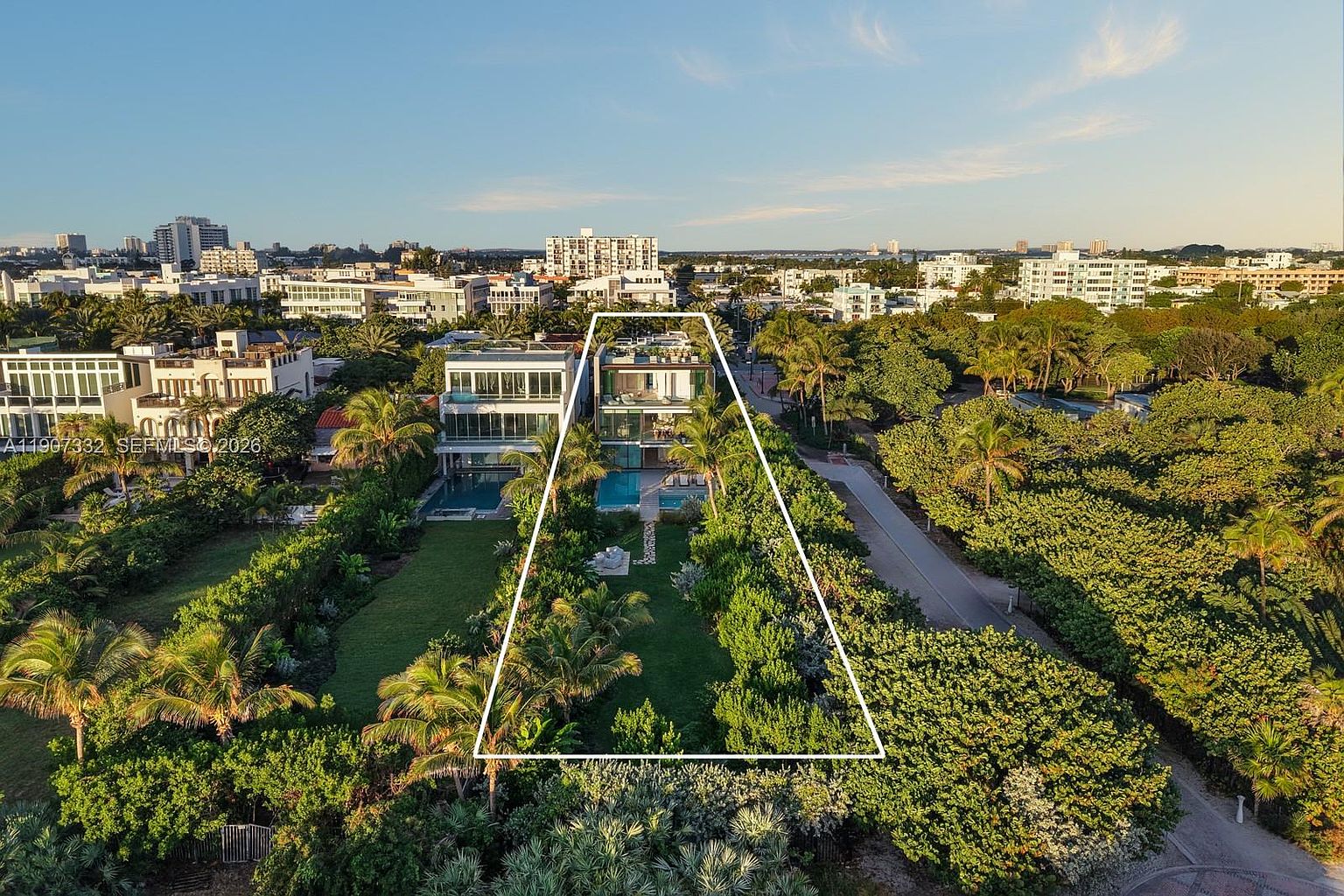
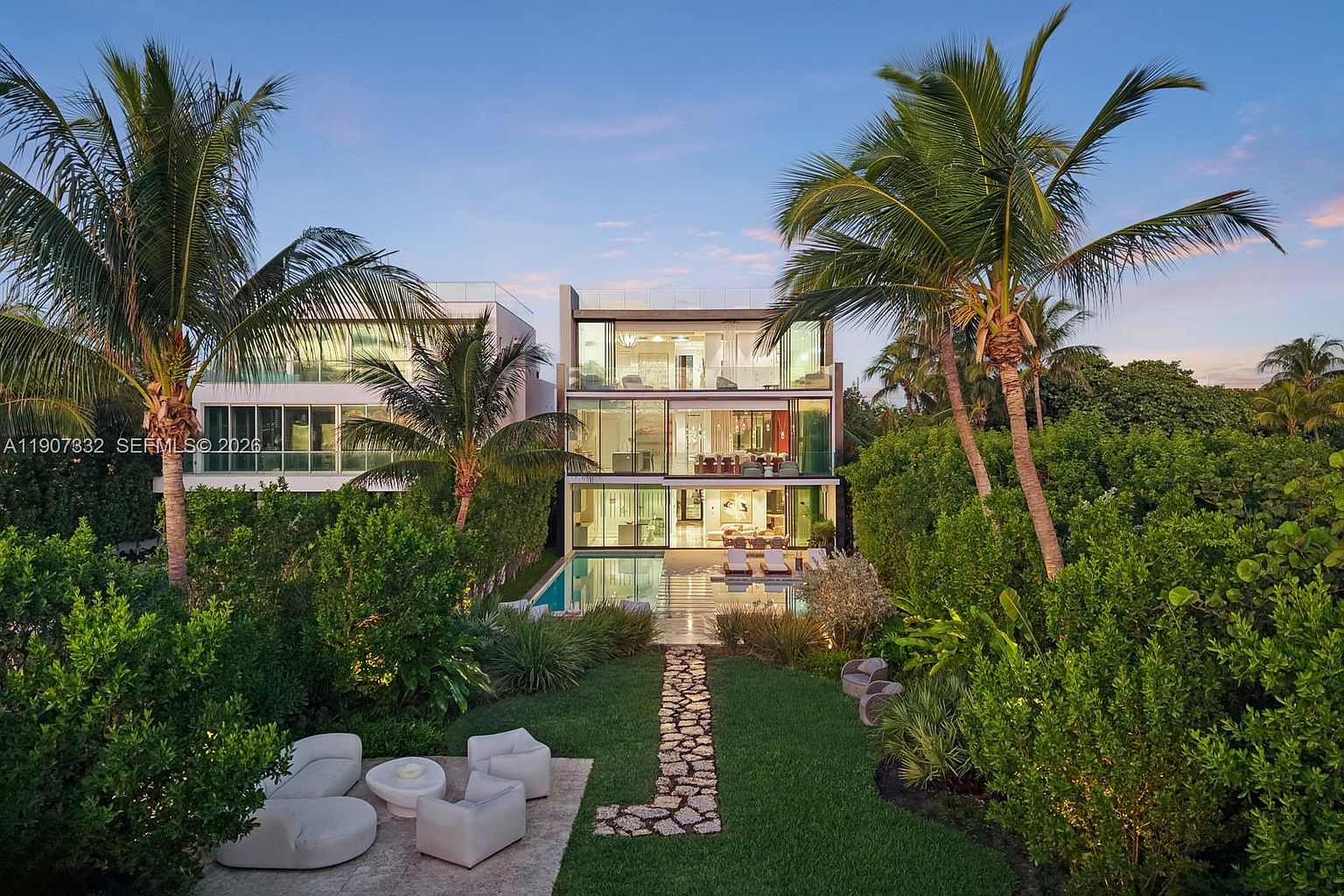
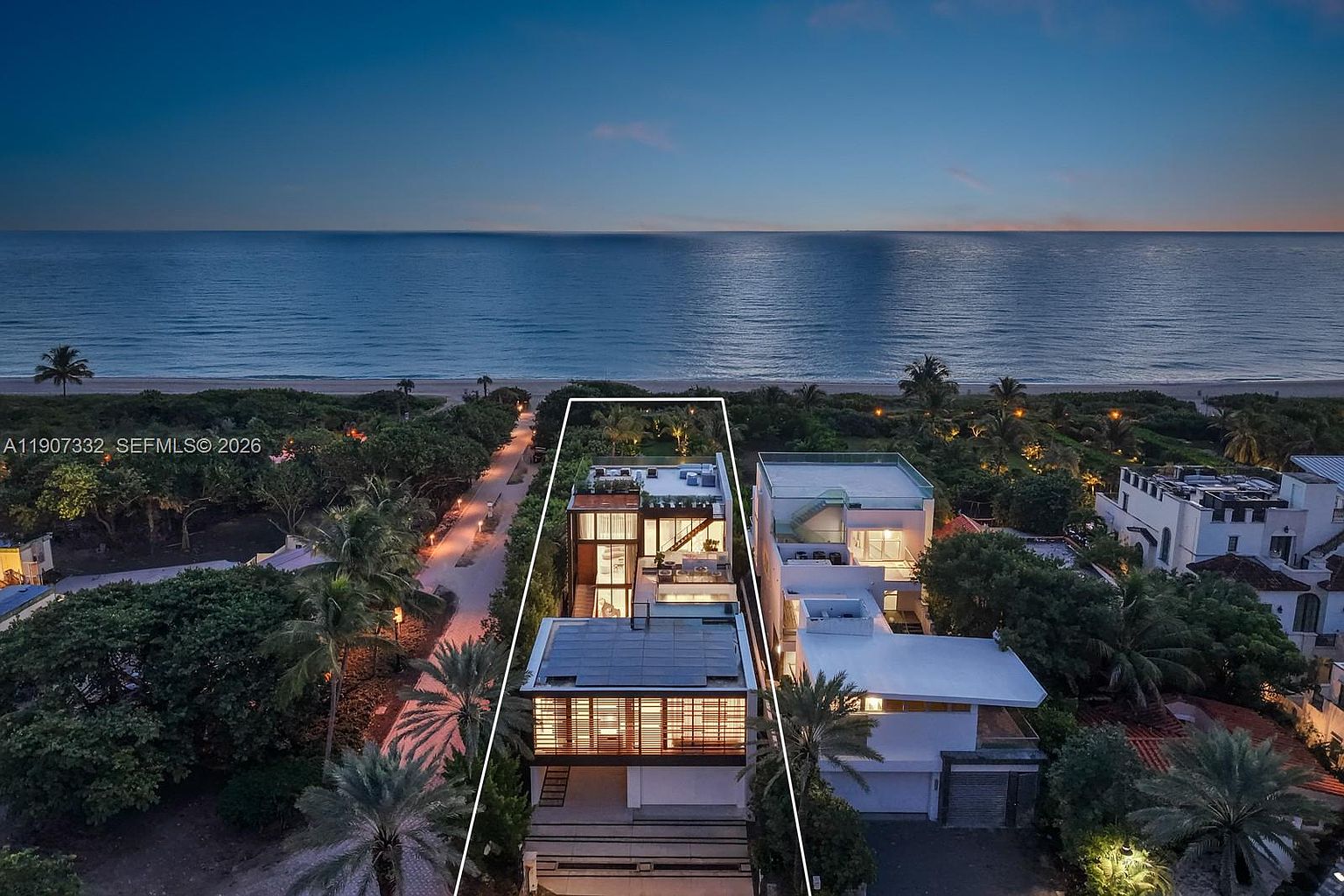
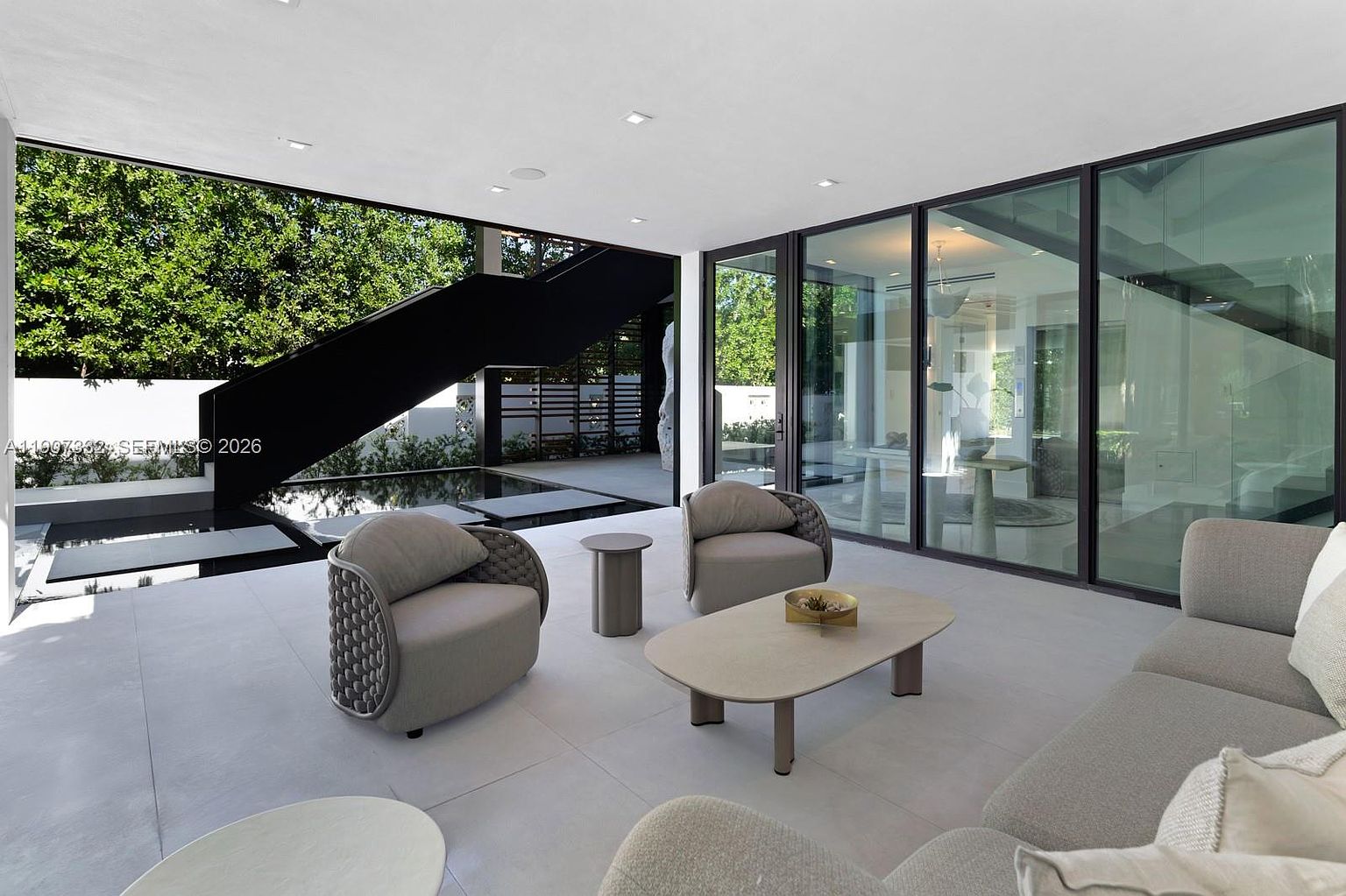
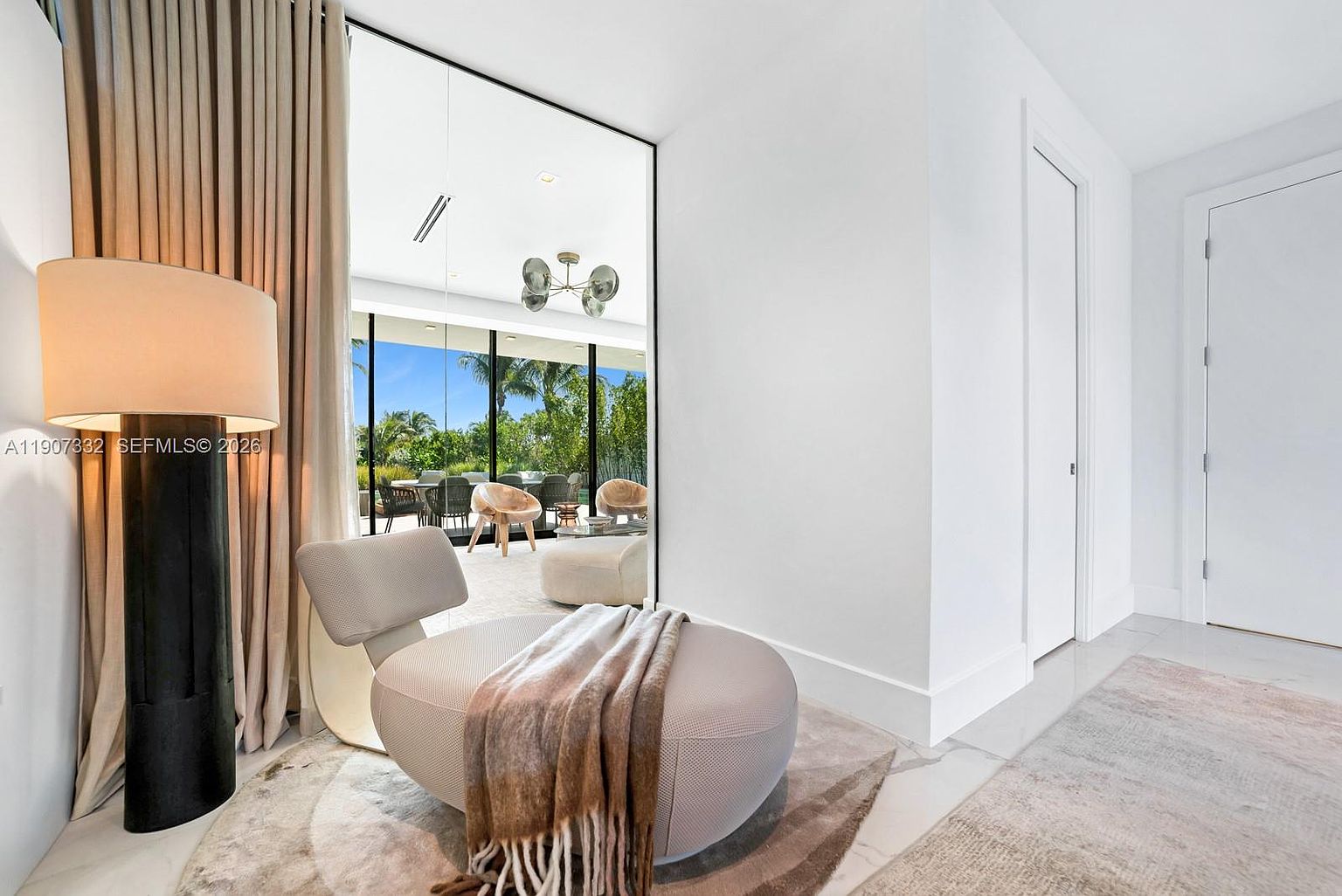
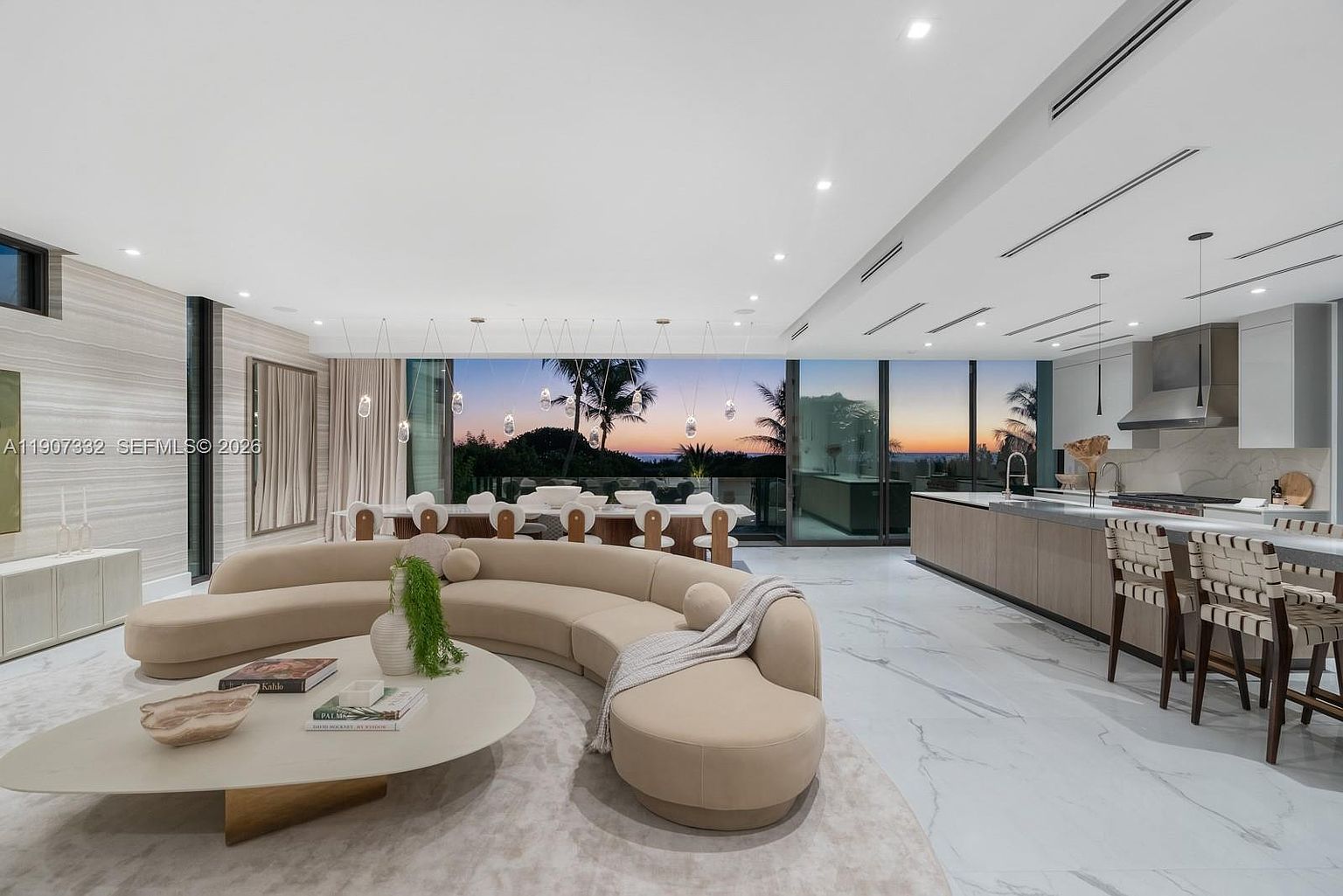
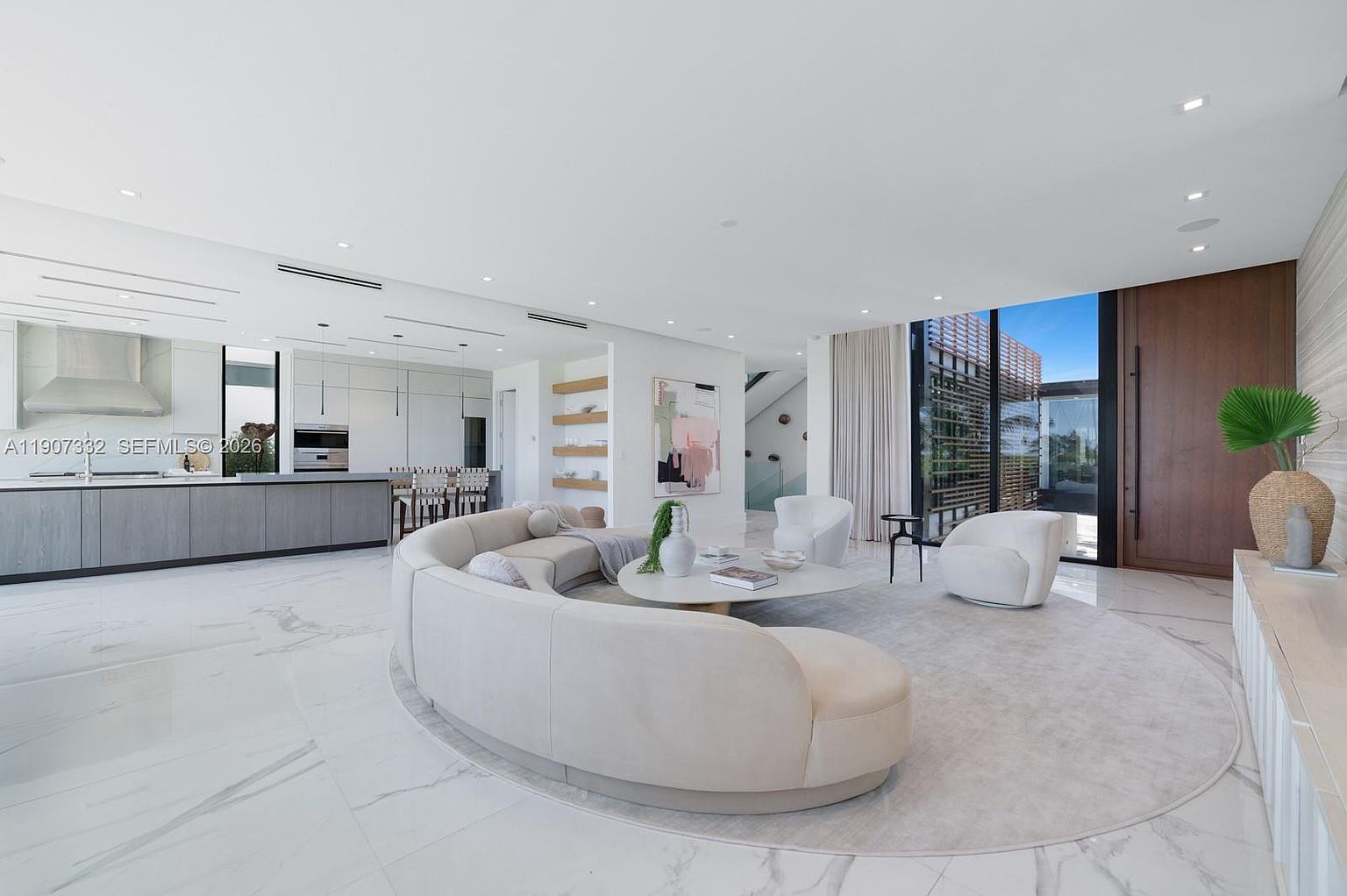
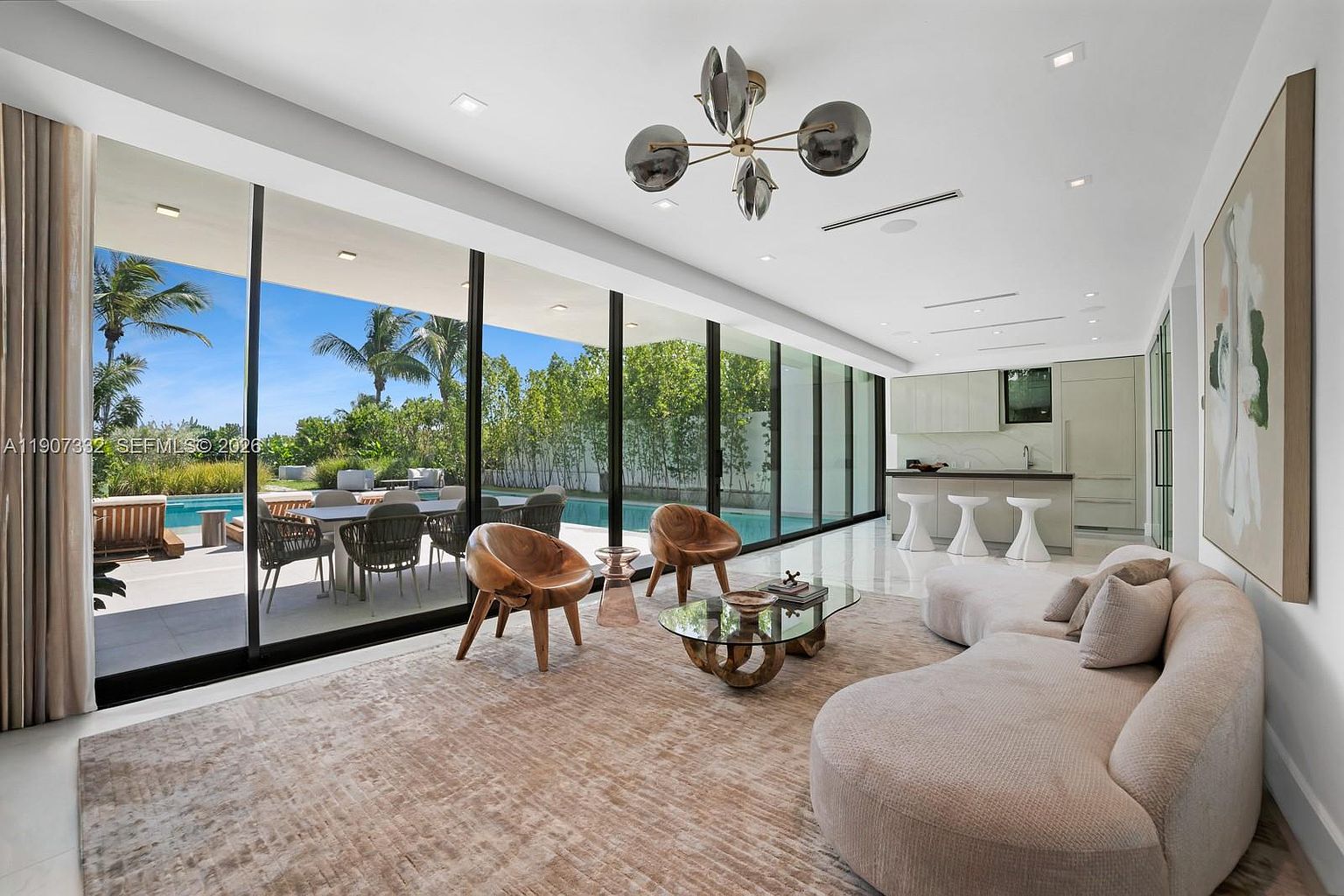
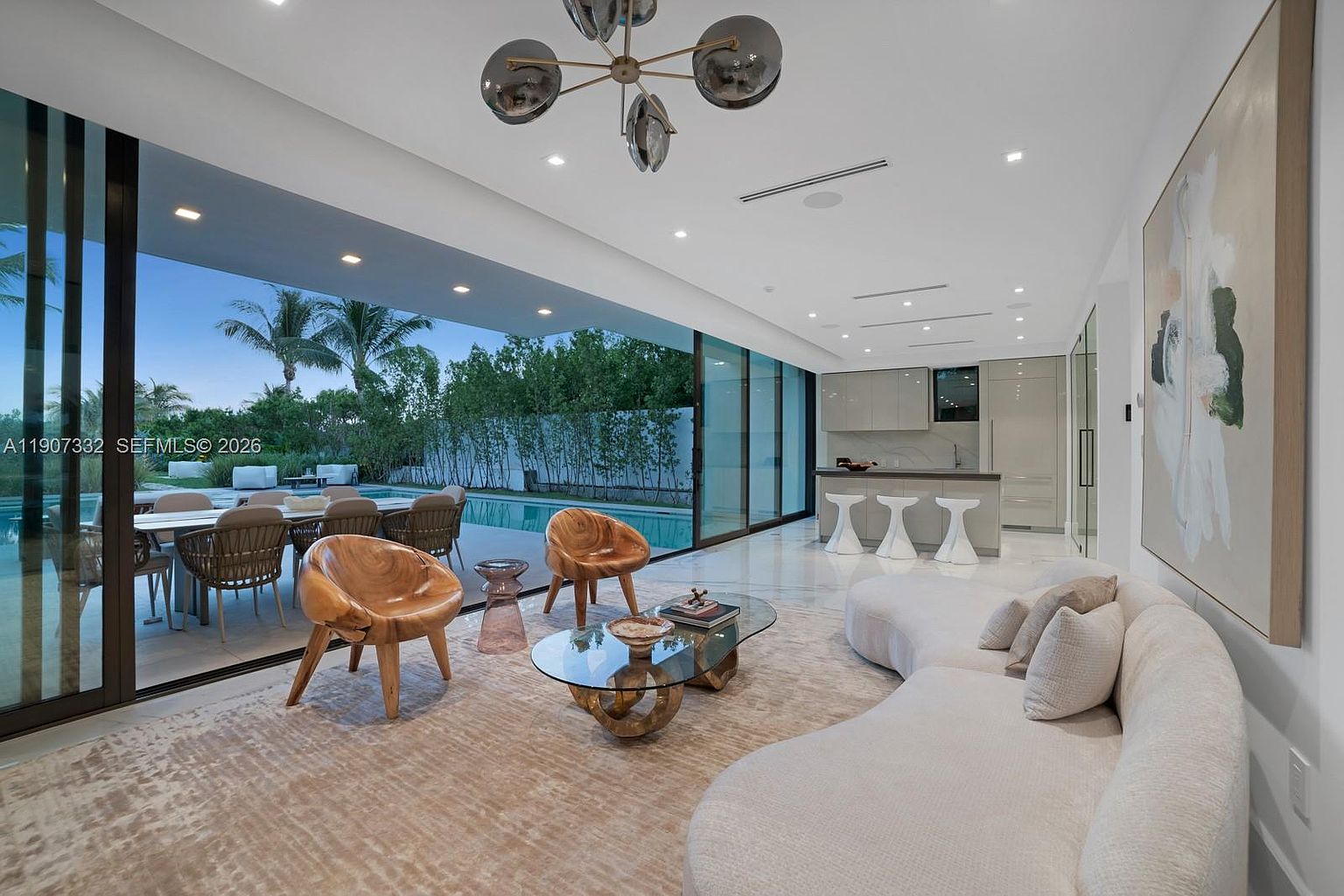
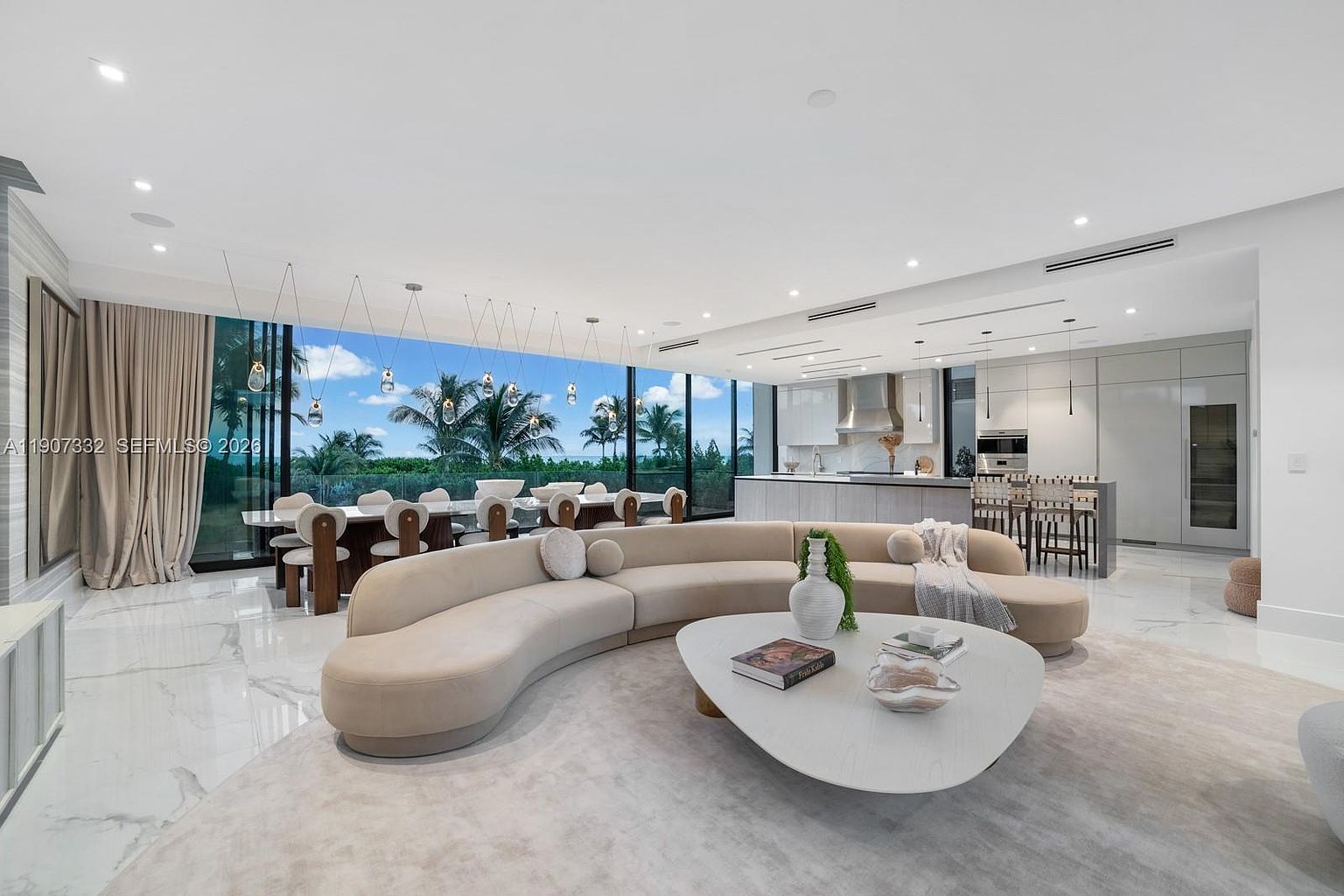
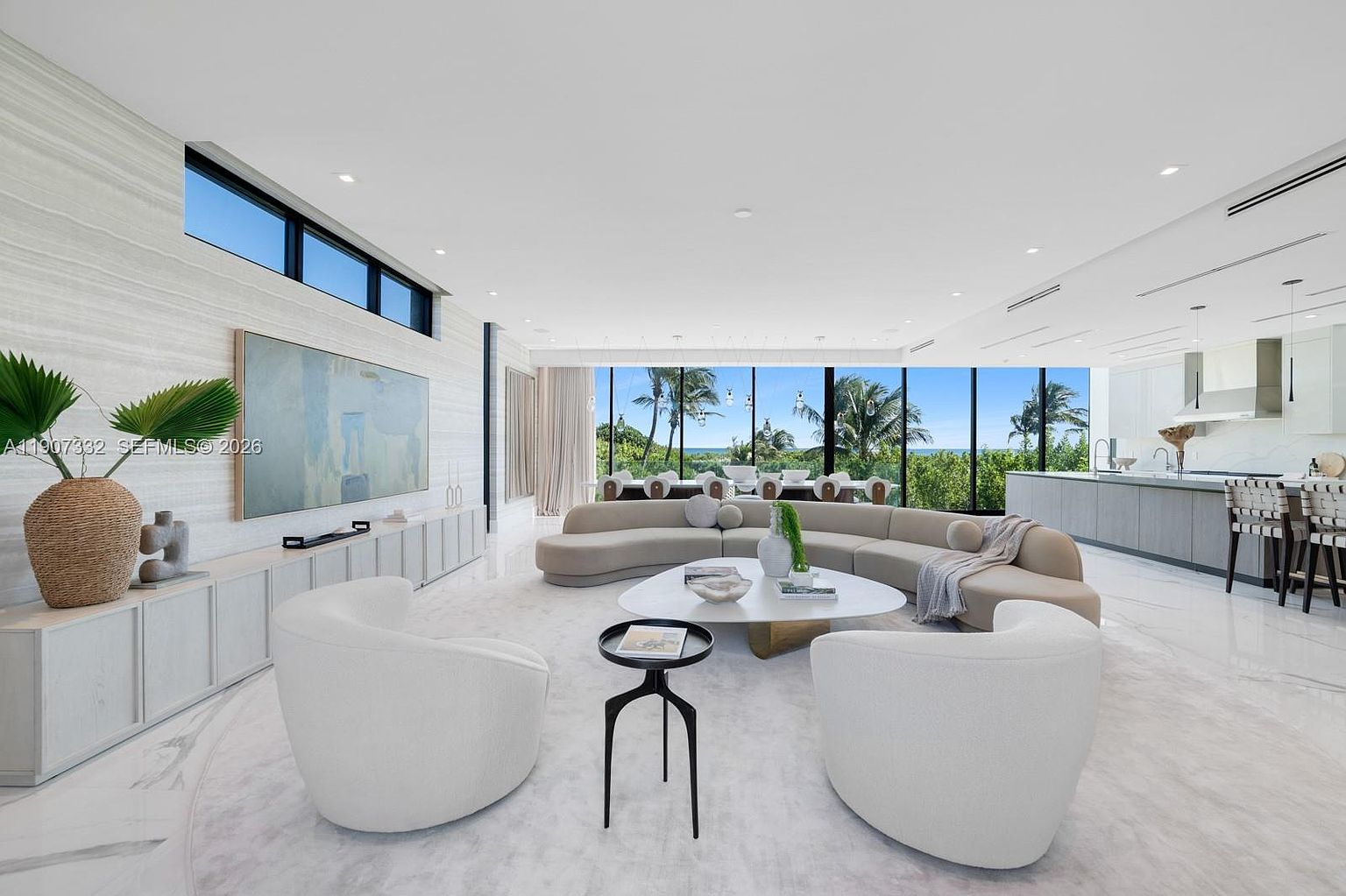
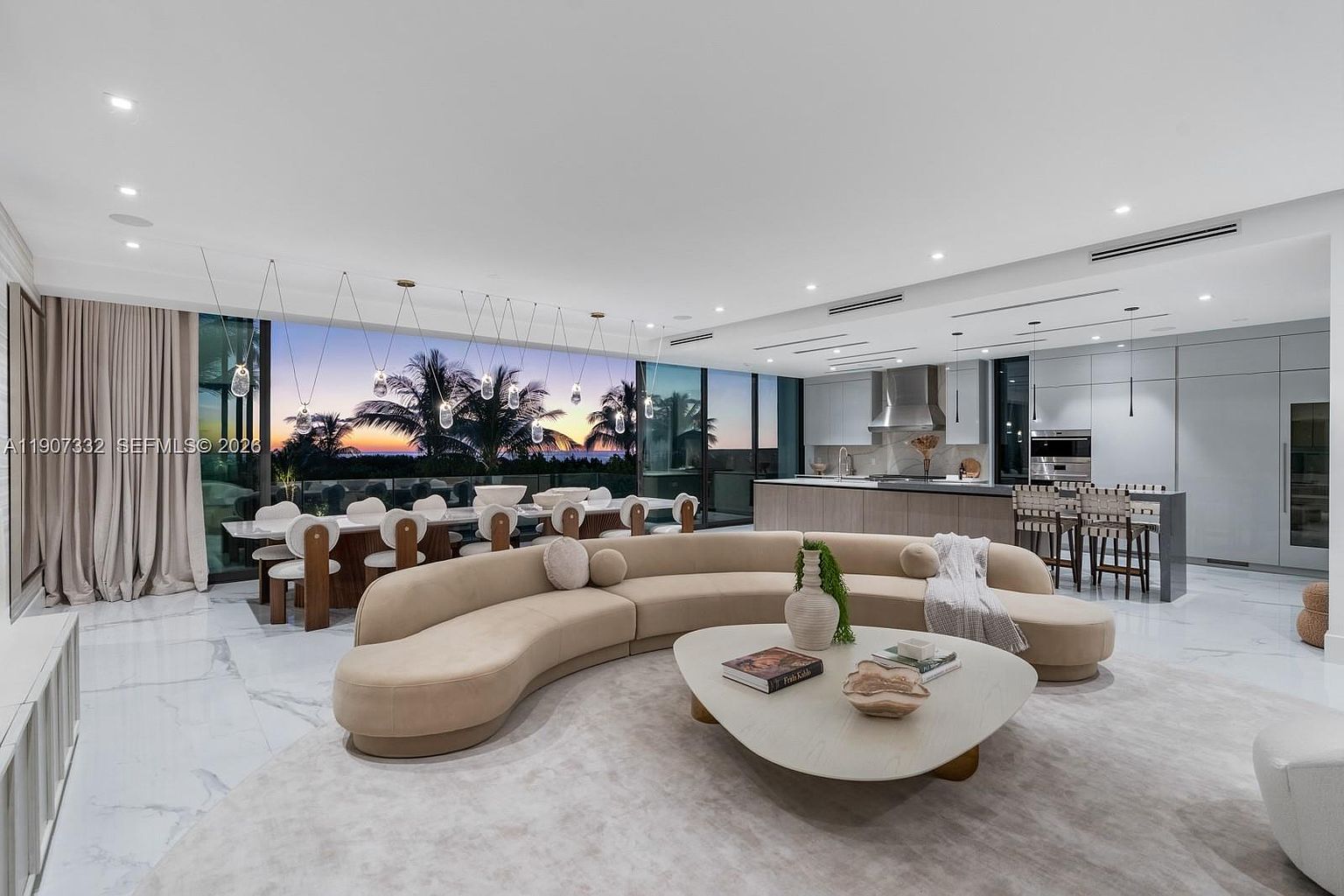
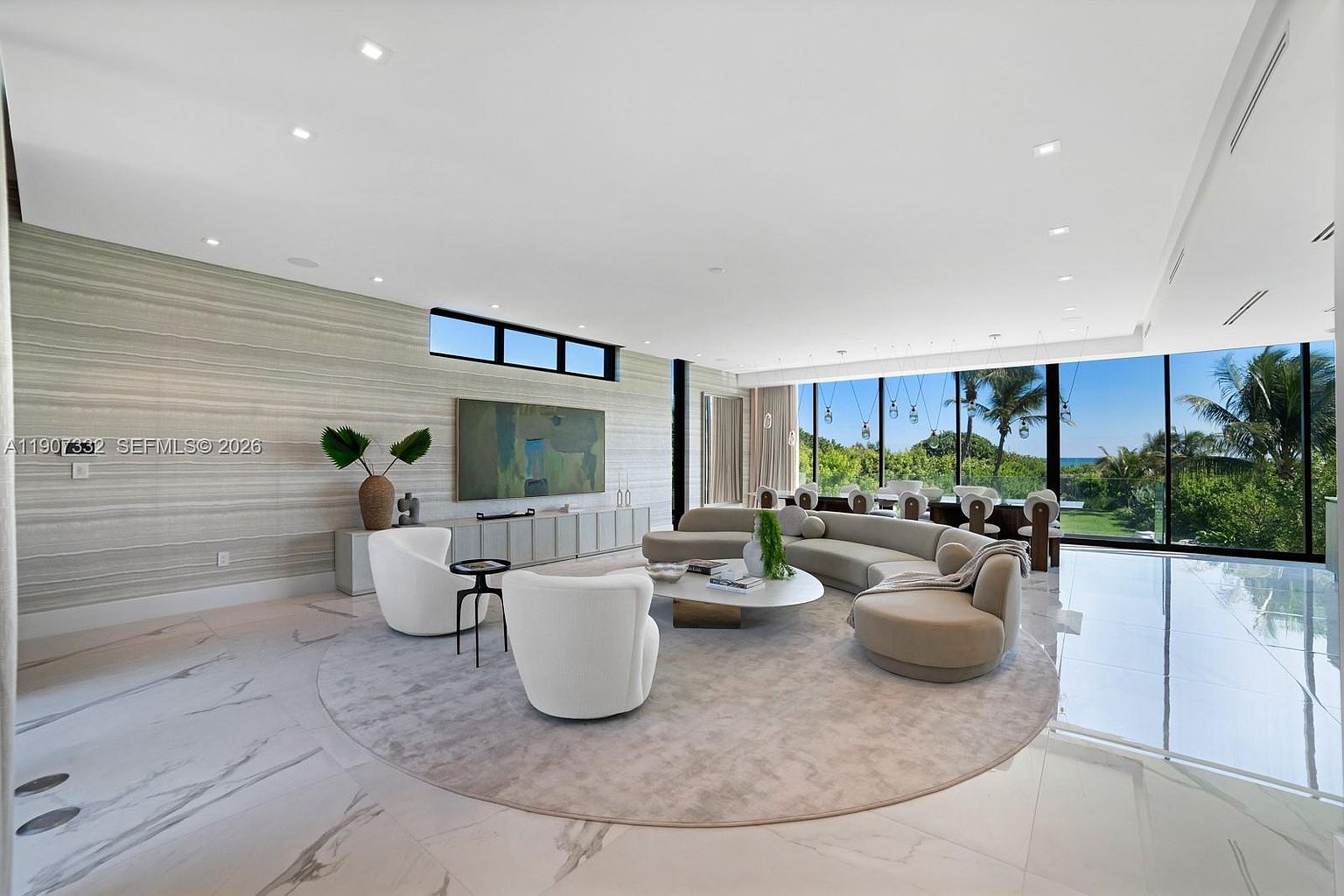
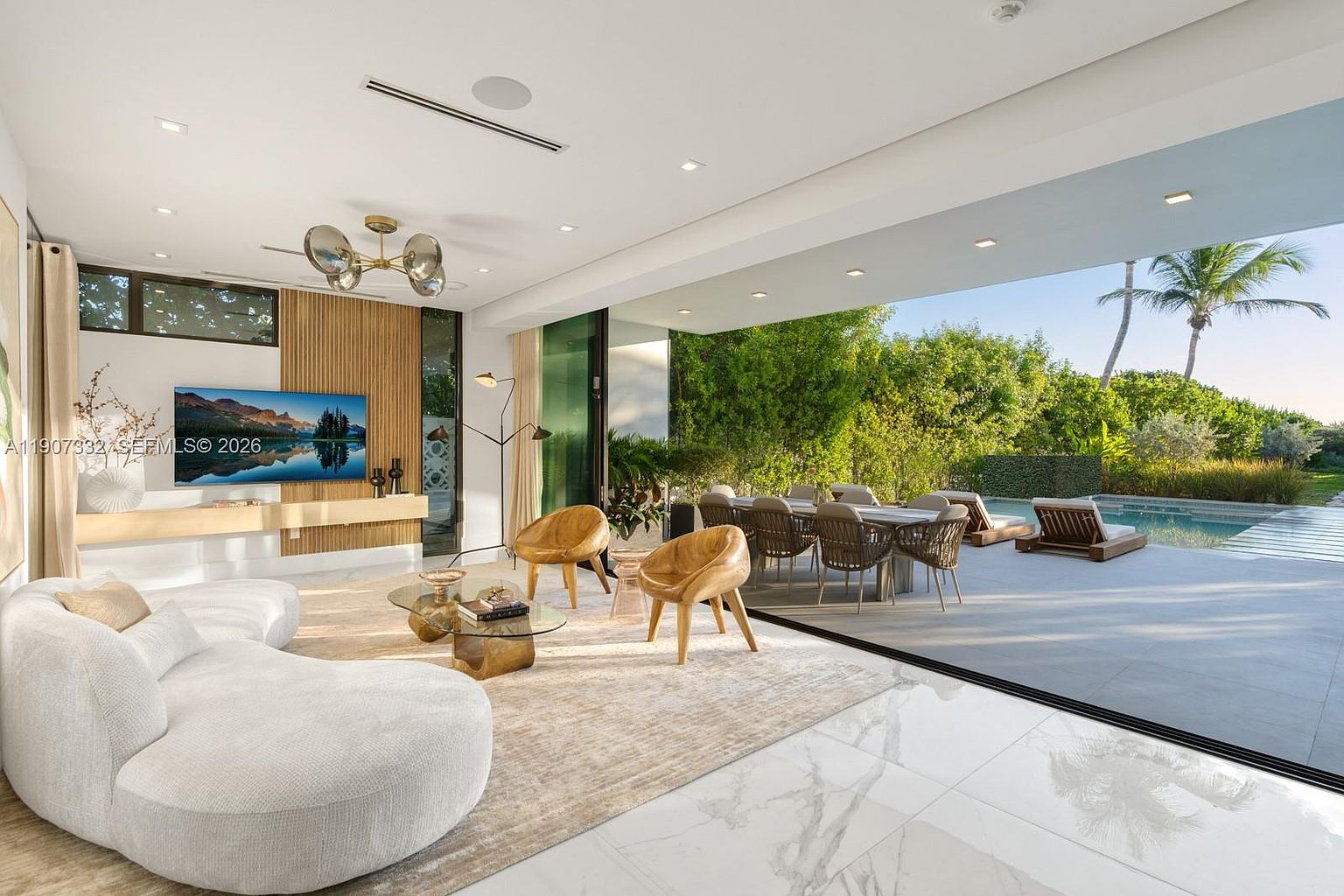
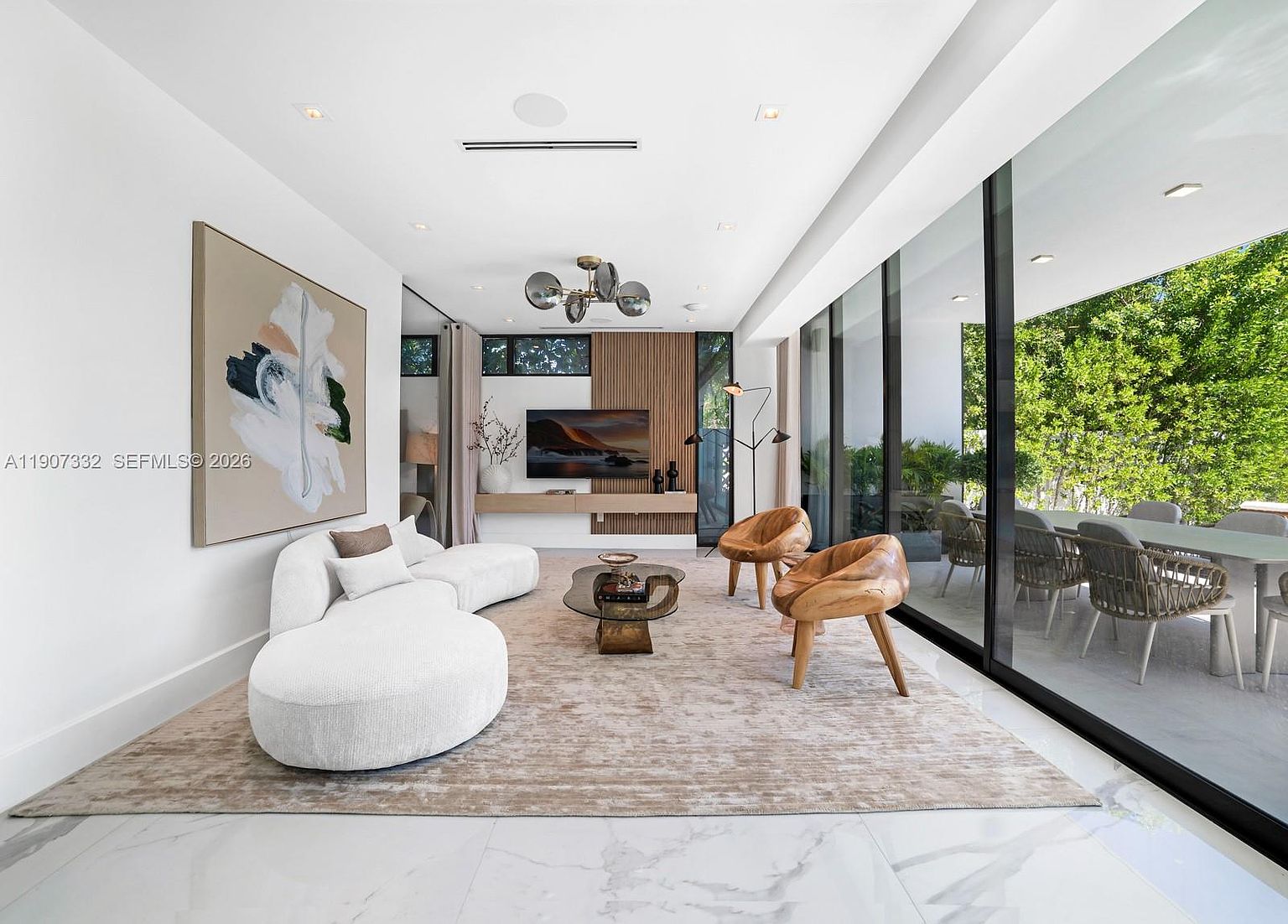
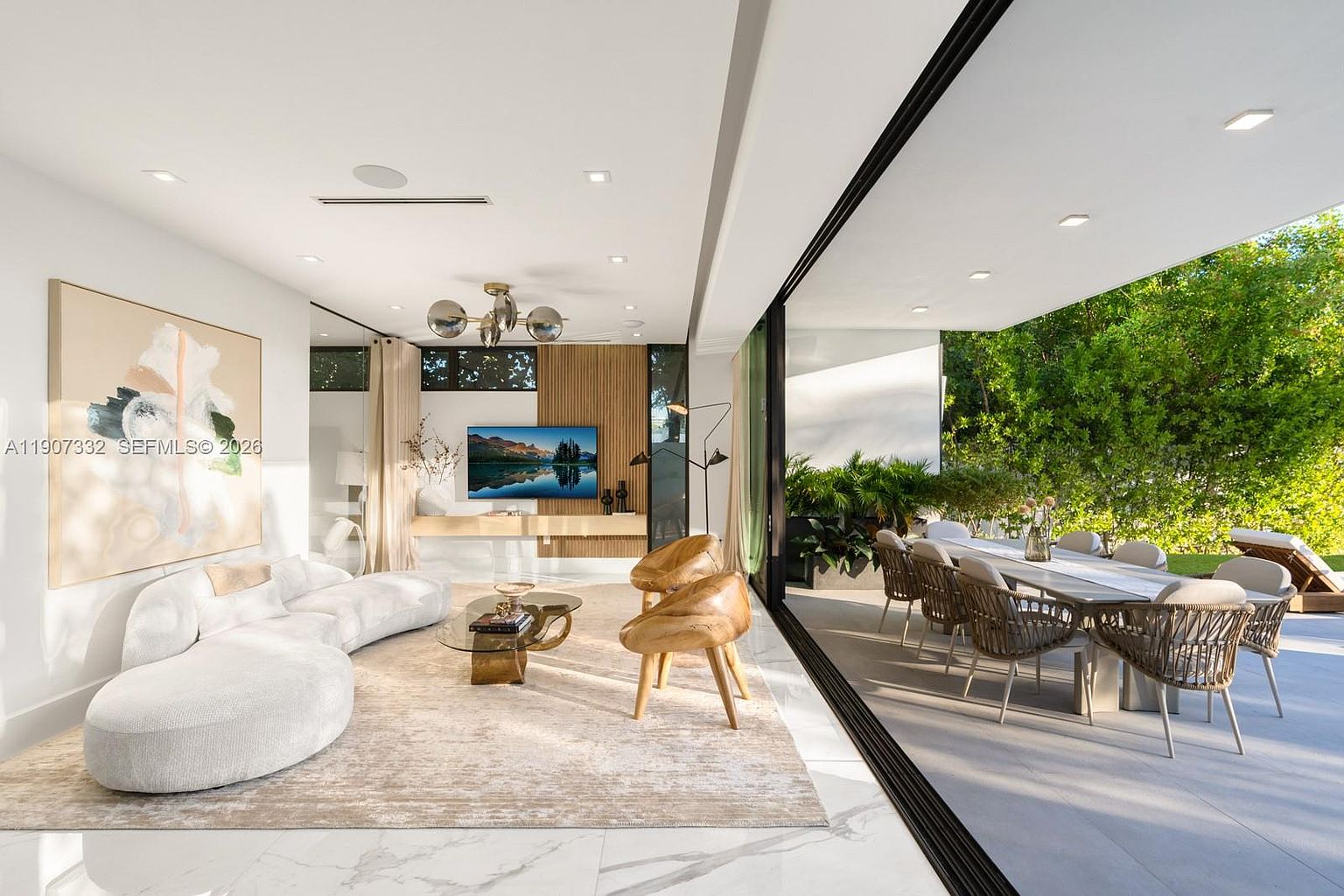
Set on an expansive 16,770-square-foot lot and rising across three levels, the estate was conceived with a clarity of architectural intention that is rare at any price point. The design philosophy is one of seamless connection: between interior and exterior, between crafted space and natural environment, between the life lived inside these walls and the Atlantic horizon just beyond them. Walls of floor-to-ceiling glass dissolve the boundary between inside and out, while sculptural lines and considered proportions ensure that every elevation of the home reads as a deliberate composition rather than a simple structure.
Inside, the light-filled interiors carry that same sense of purpose. The chef's kitchen — appointed with premium appliances, refined surfaces, and thoughtful sightlines — is built for serious entertaining without sacrificing the warmth of daily life. Adjacent, the dining room frames lush tropical canopy through expansive glass walls, transforming every meal into an occasion. A glass wine cellar adds another layer of considered luxury, a space where a curated collection becomes both functional and architectural.
The private office, distinguished by its own dedicated entrance, speaks to an understanding that modern living demands autonomy — the ability to conduct the business of life without disturbing the rhythm of the home. Dedicated staff quarters echo that same philosophy: a residence where every operational detail is accounted for, so that the experience of living here is frictionless by design.
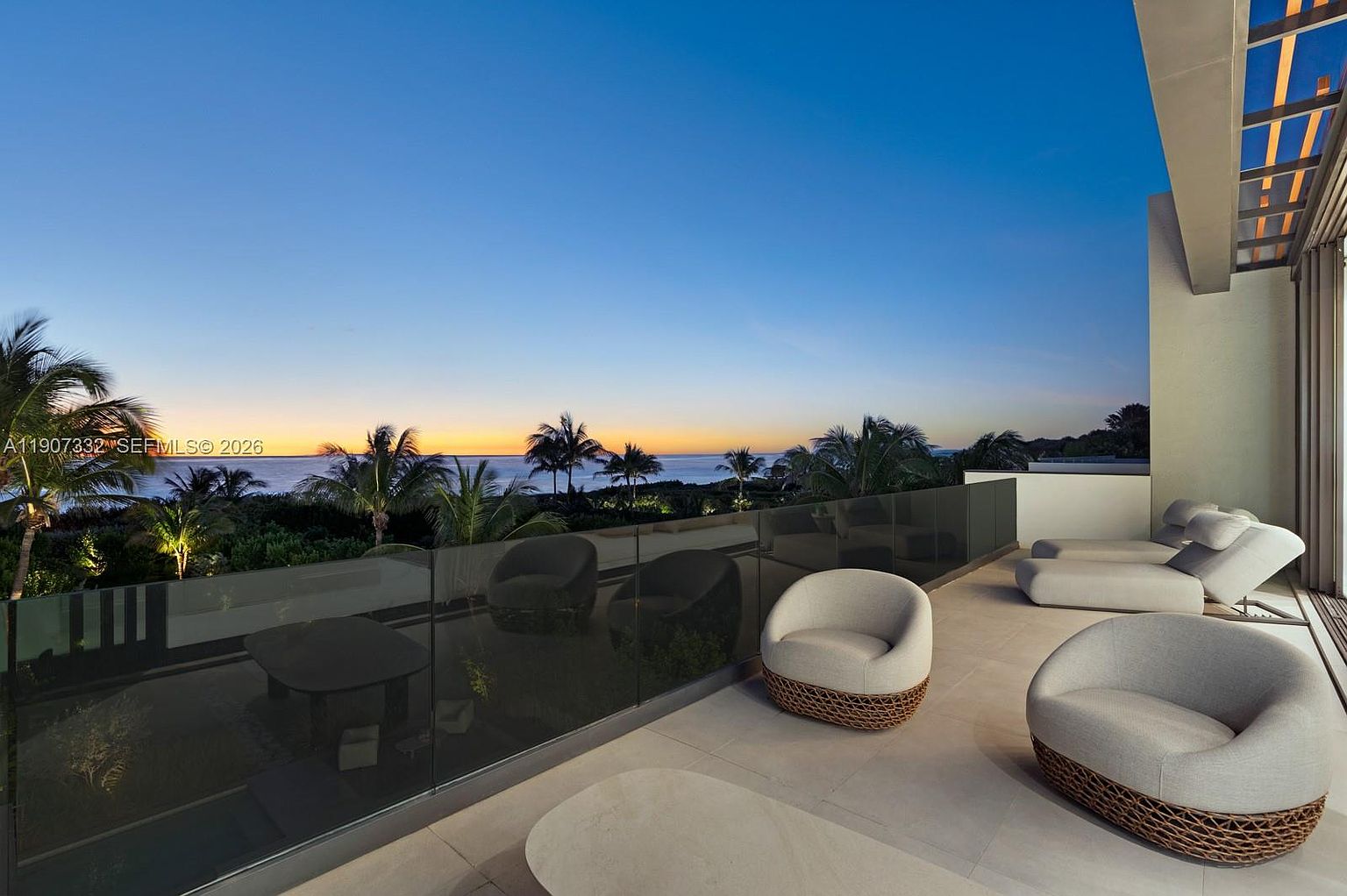
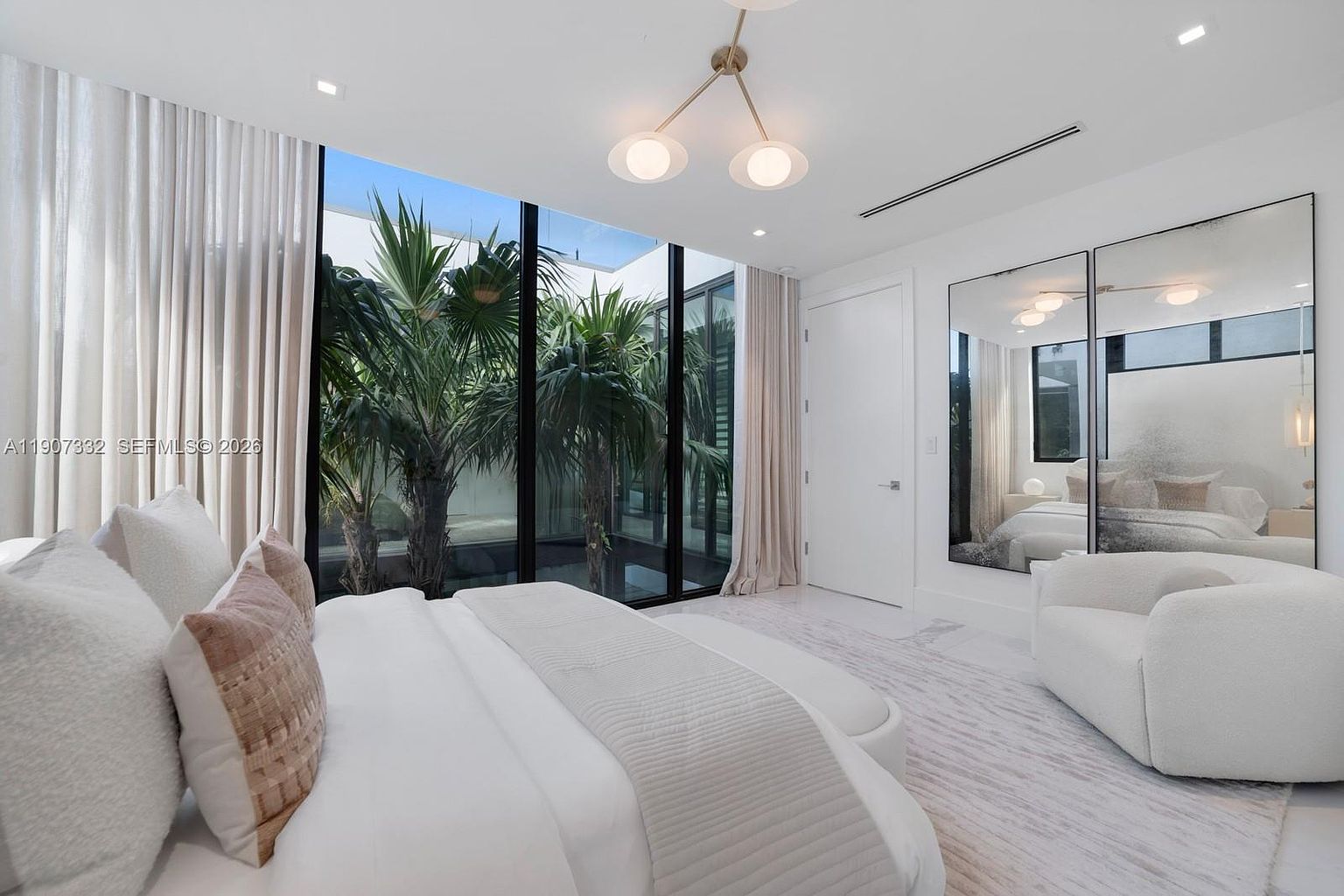
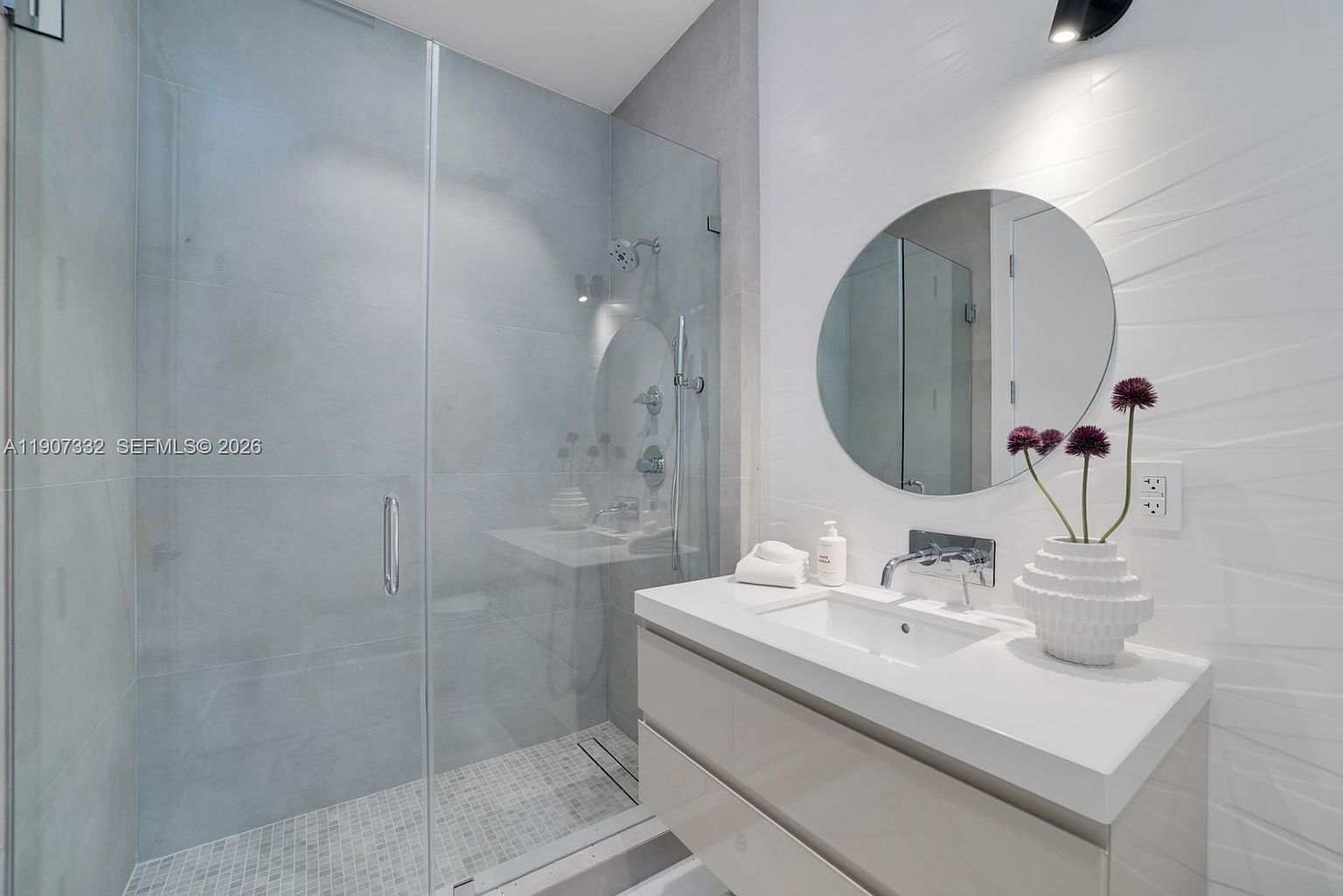
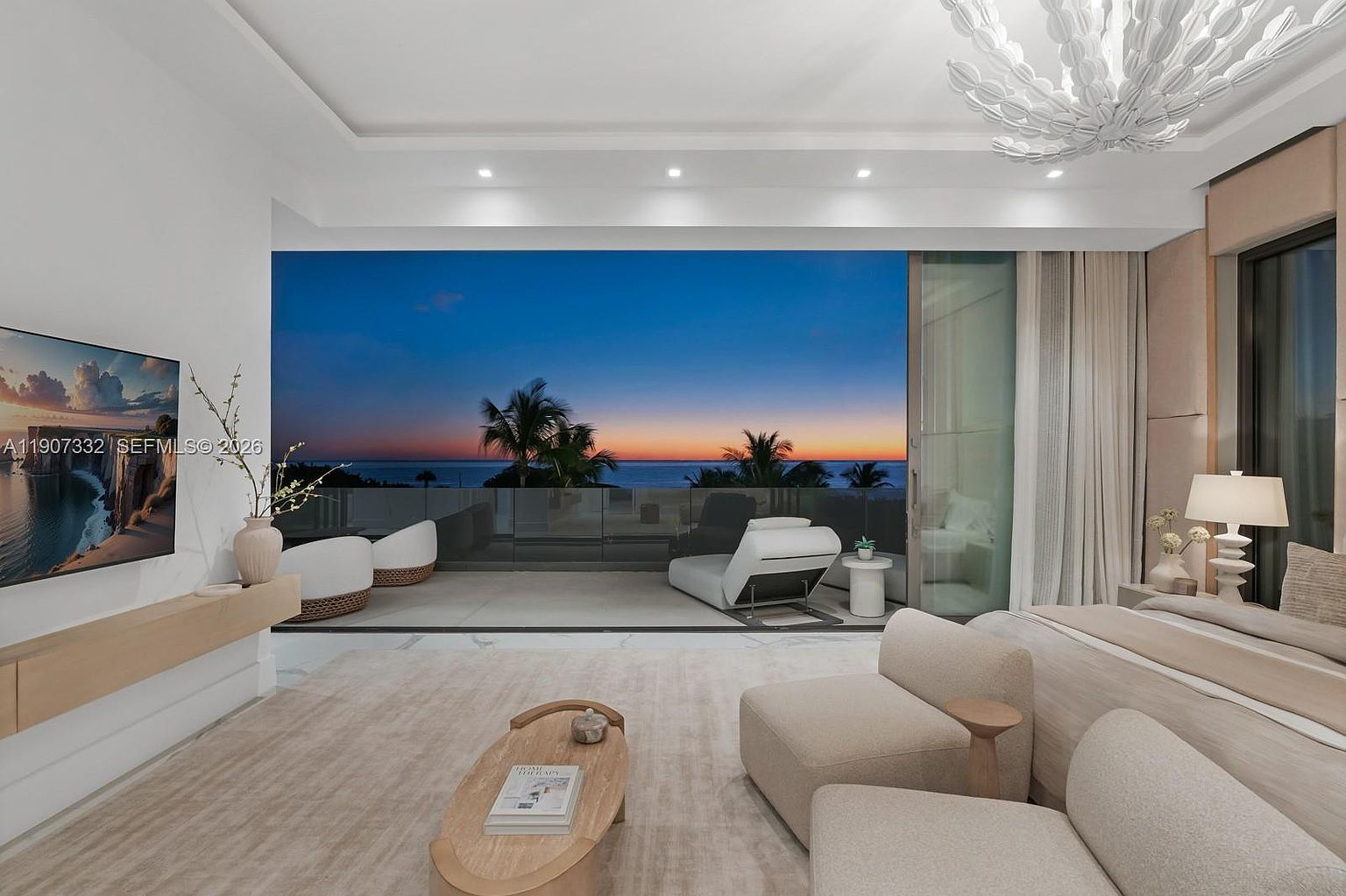
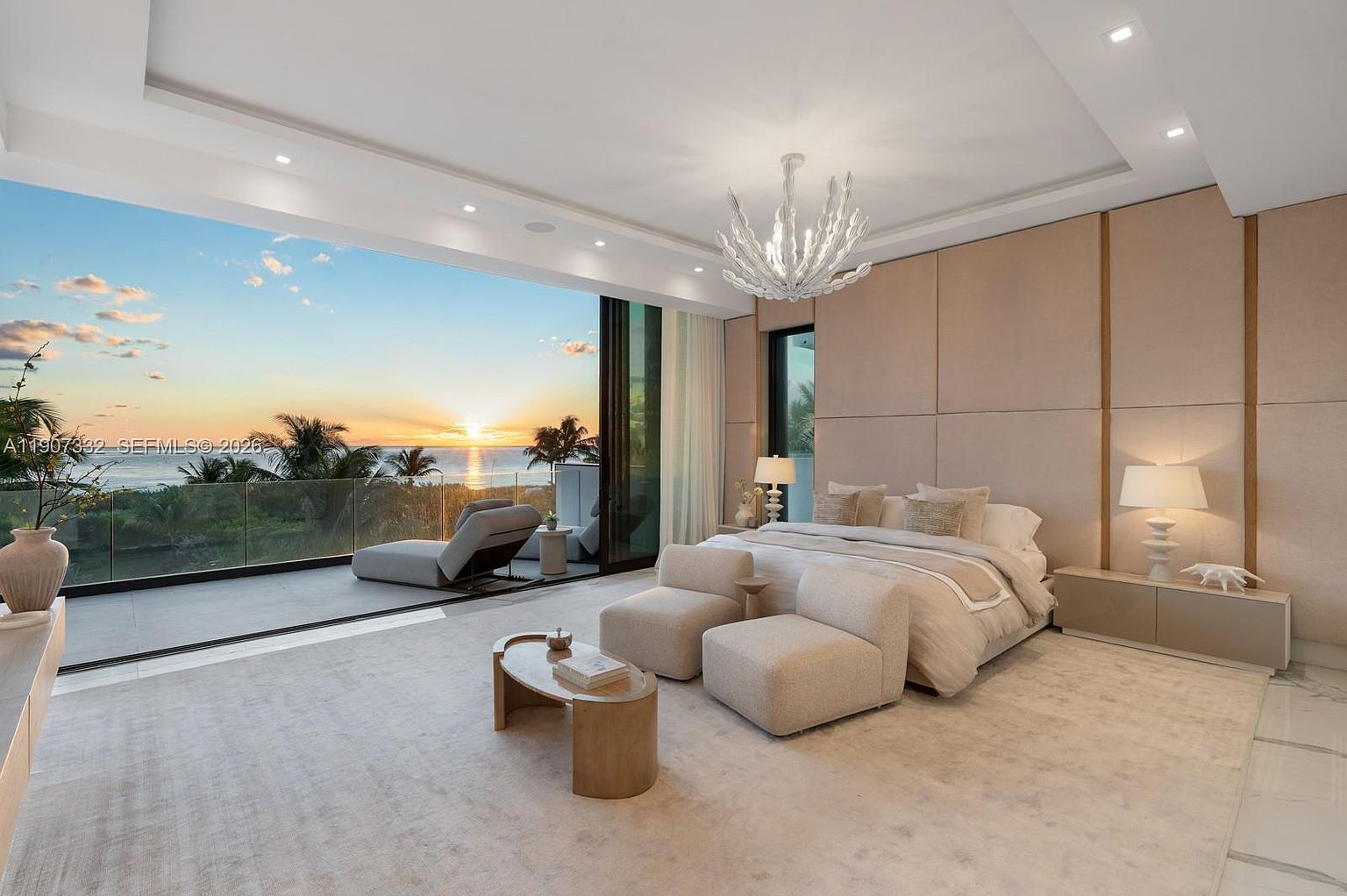
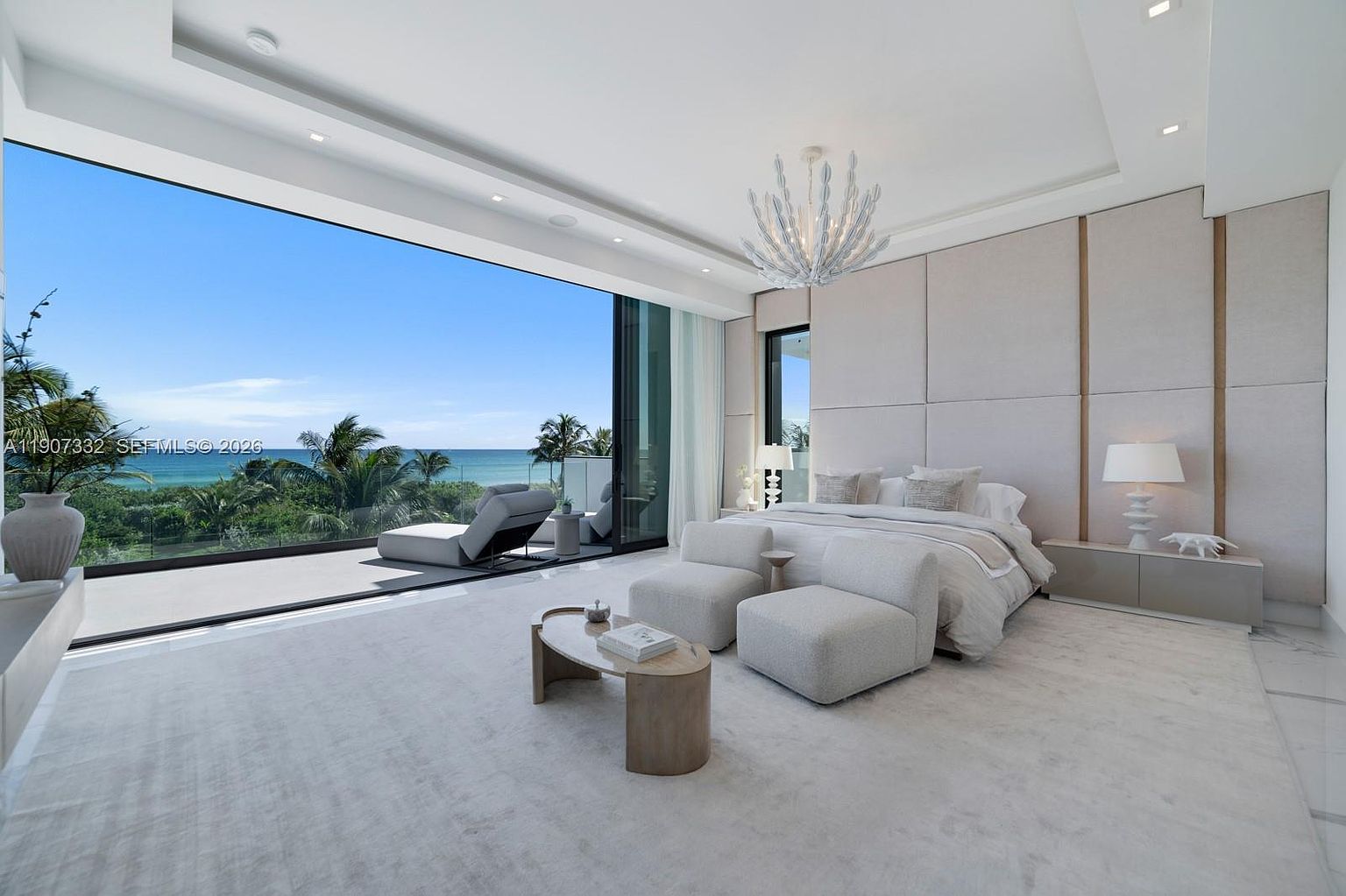
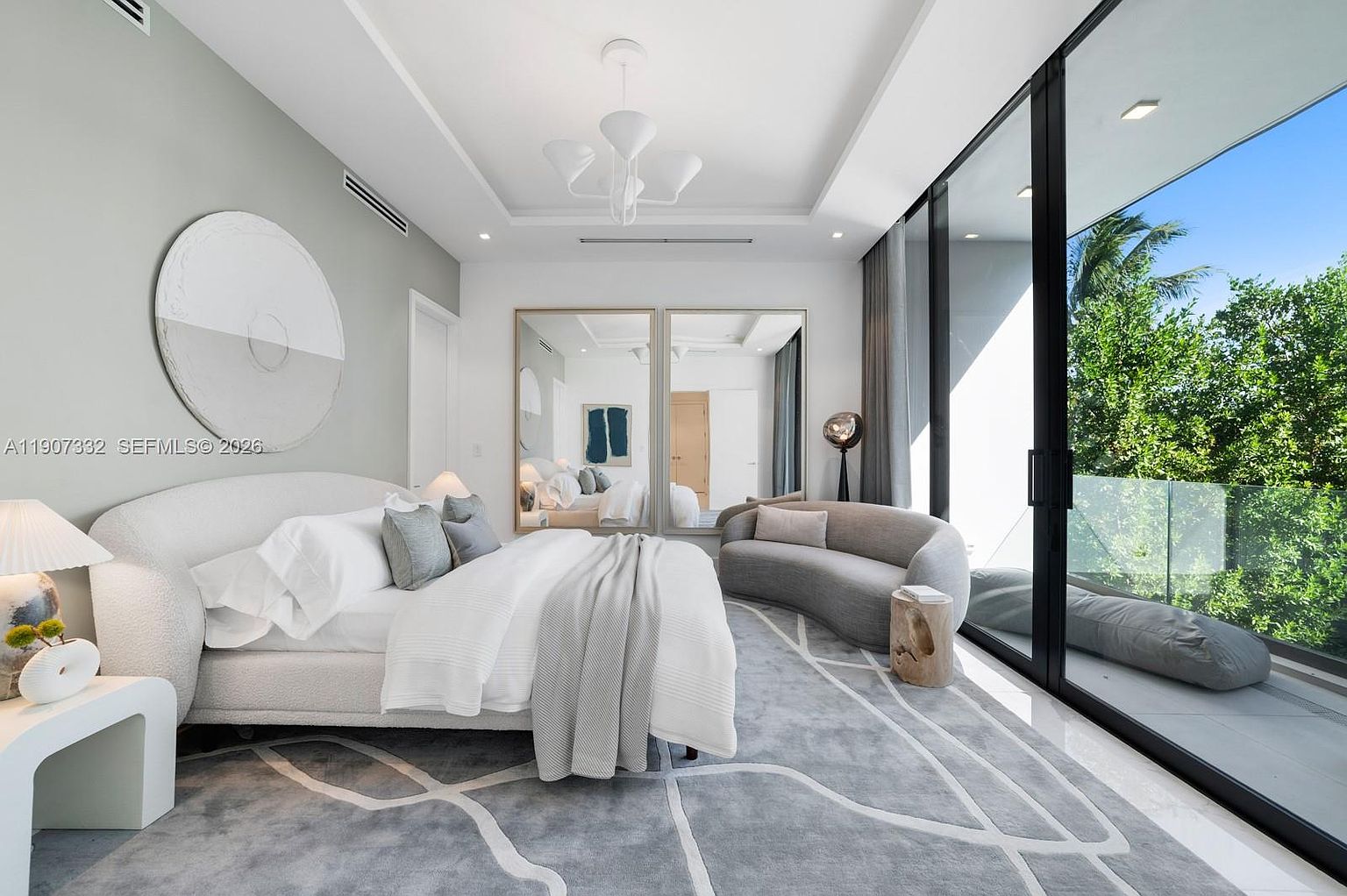
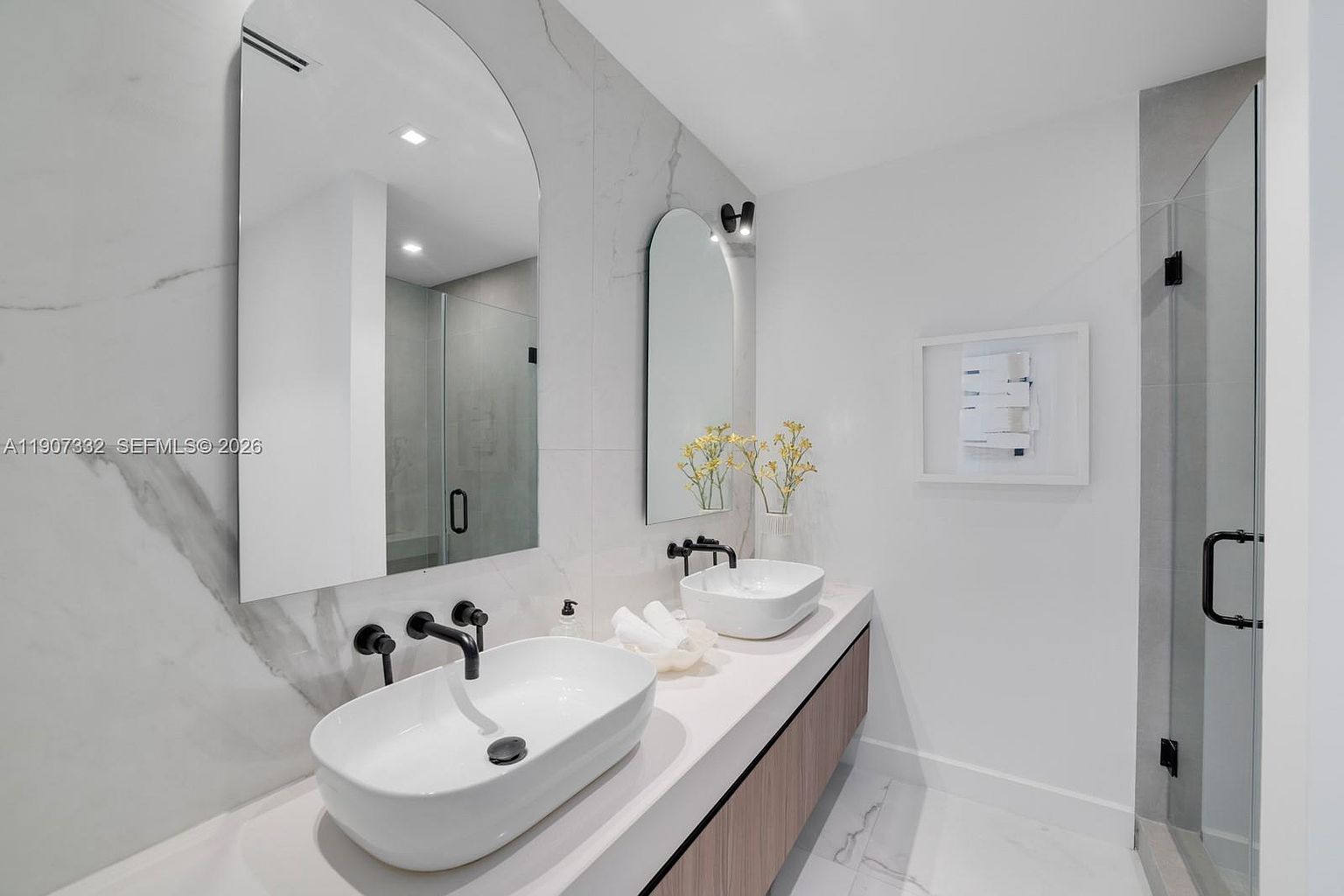
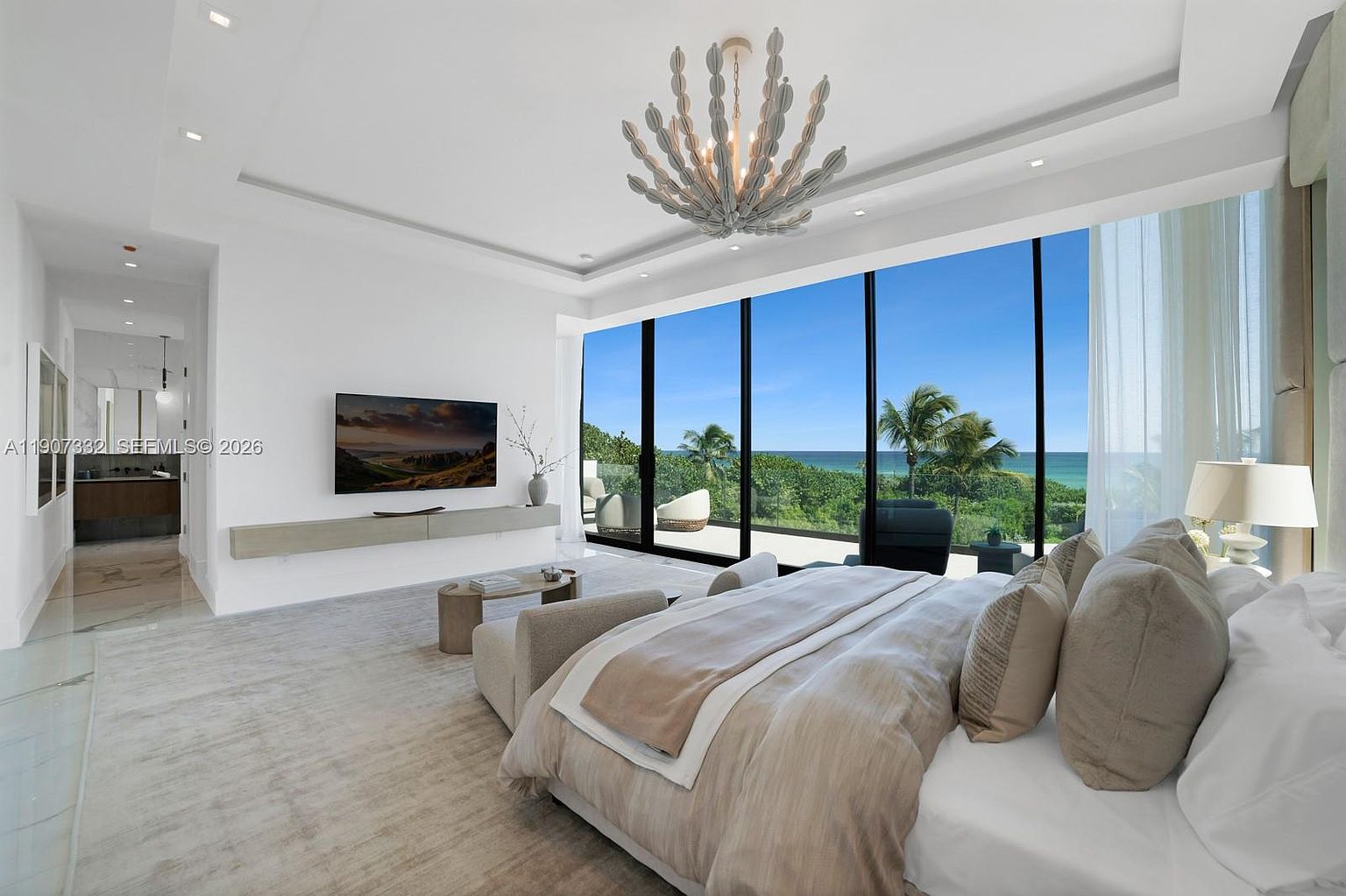
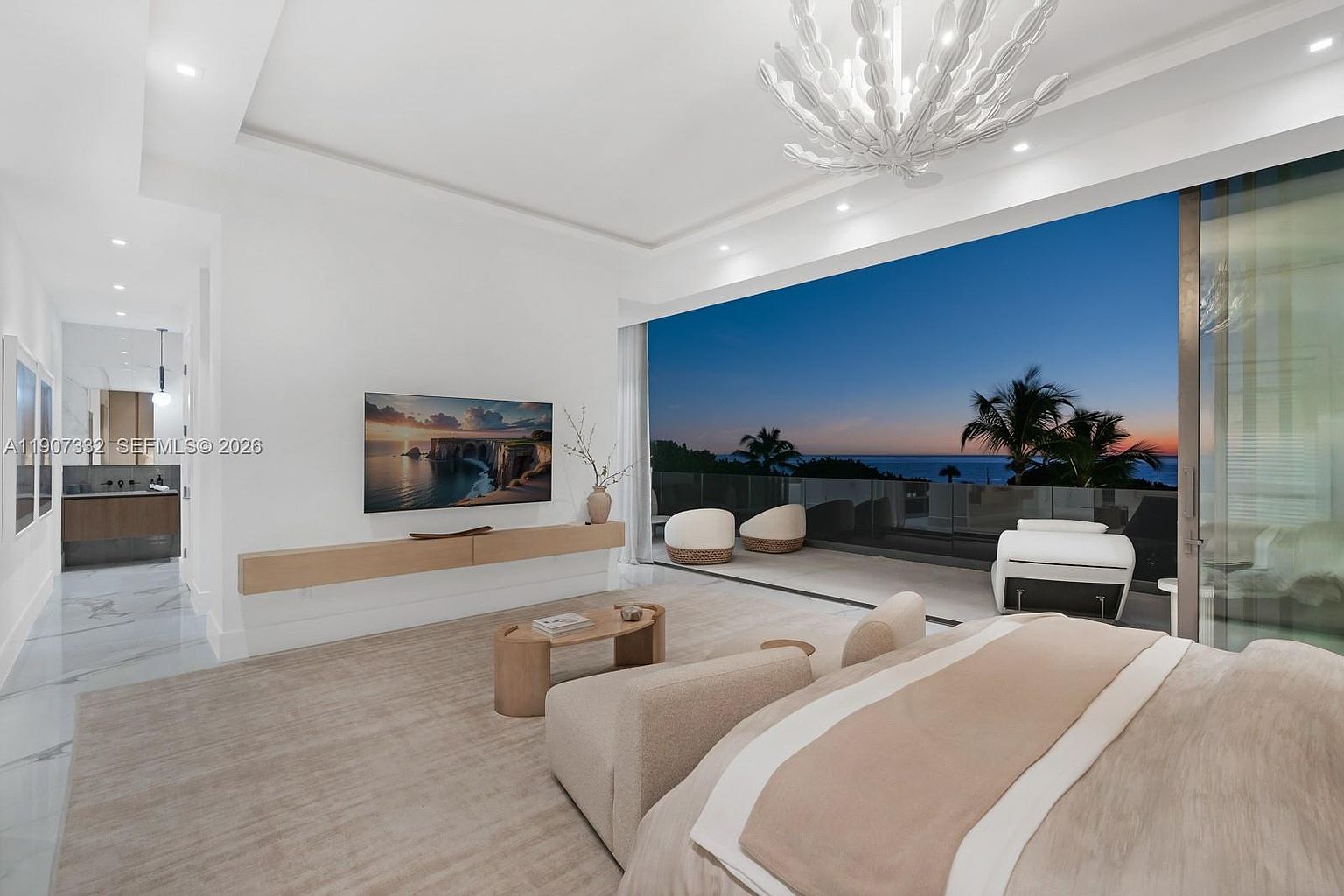
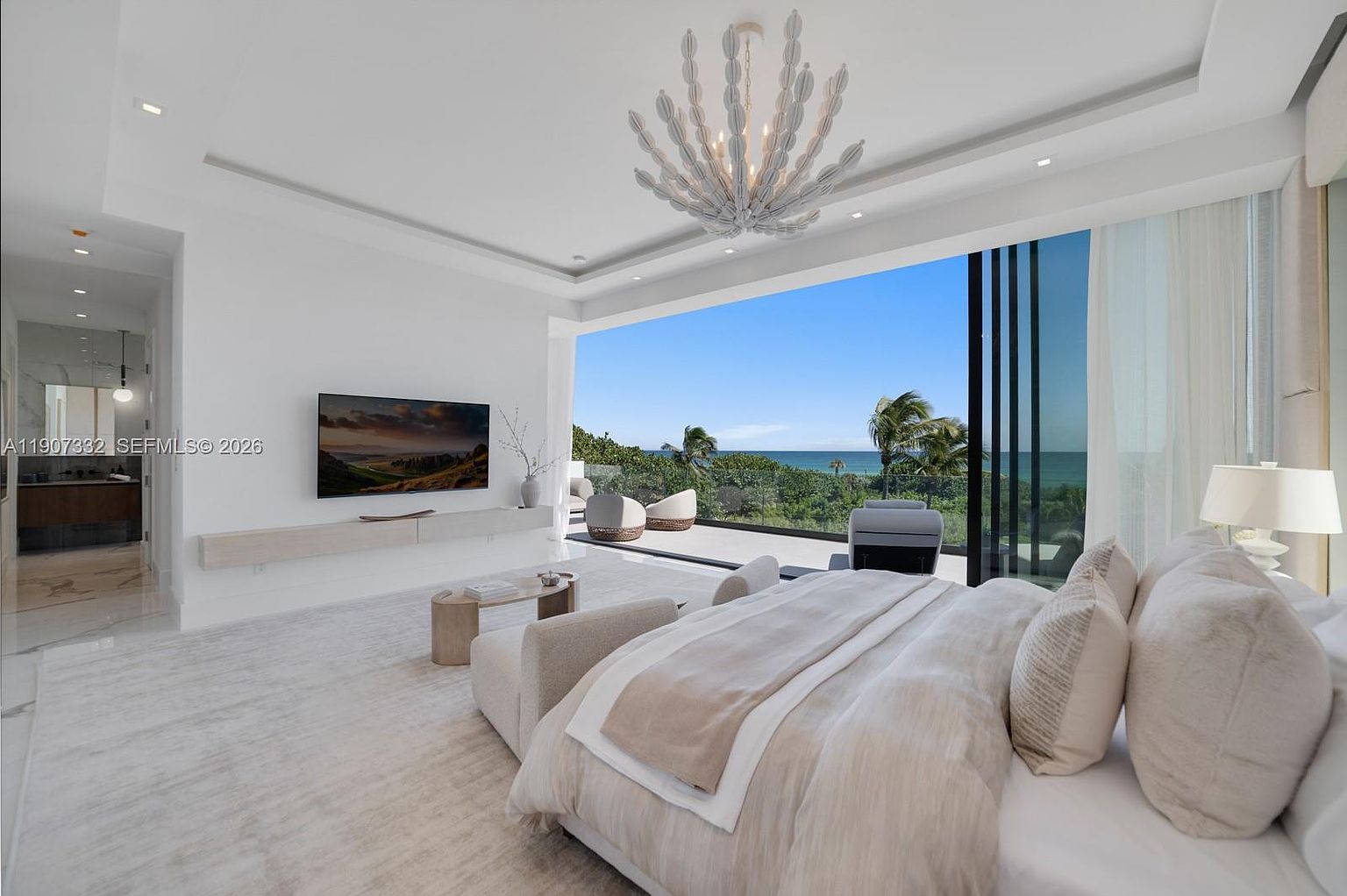
The oceanfront primary suite is its own world entirely. A private terrace faces the water directly, offering unobstructed ocean views from the moment the day begins. The spa bath is finished with the precision of a five-star property, while dual closets have been designed to accommodate a wardrobe of genuine depth. Multiple additional en-suite bedrooms extend that same level of consideration to guests and family alike.
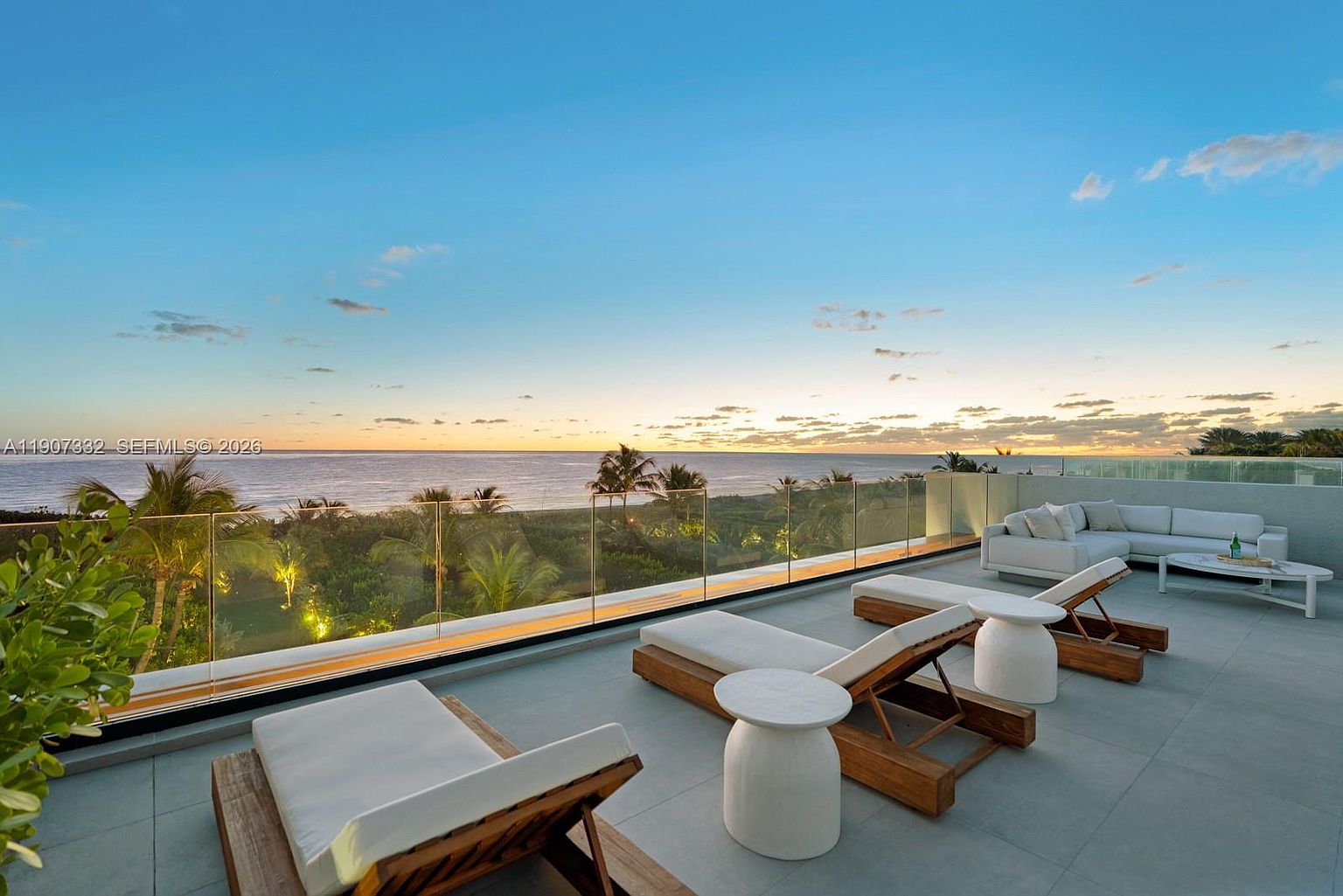
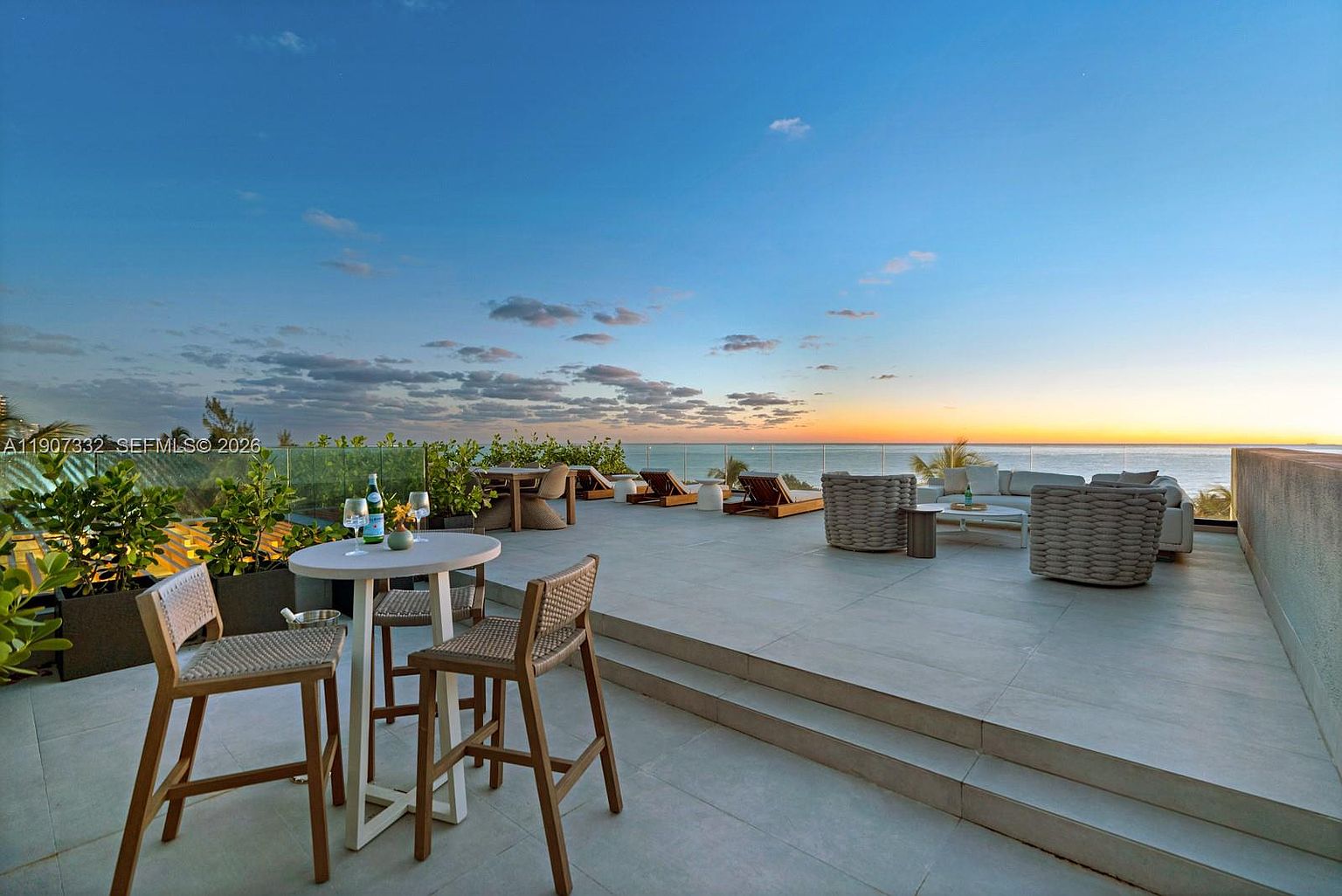
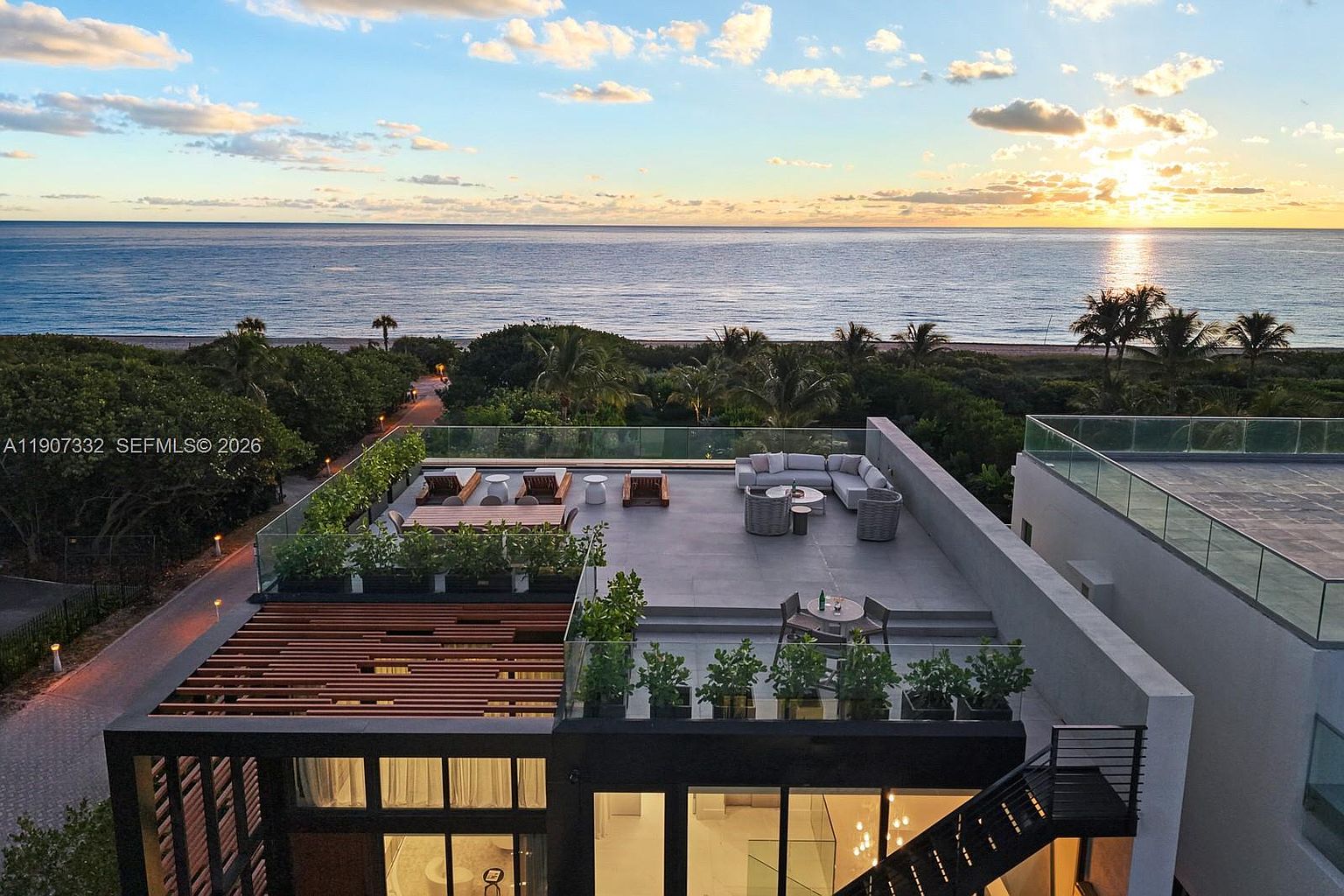
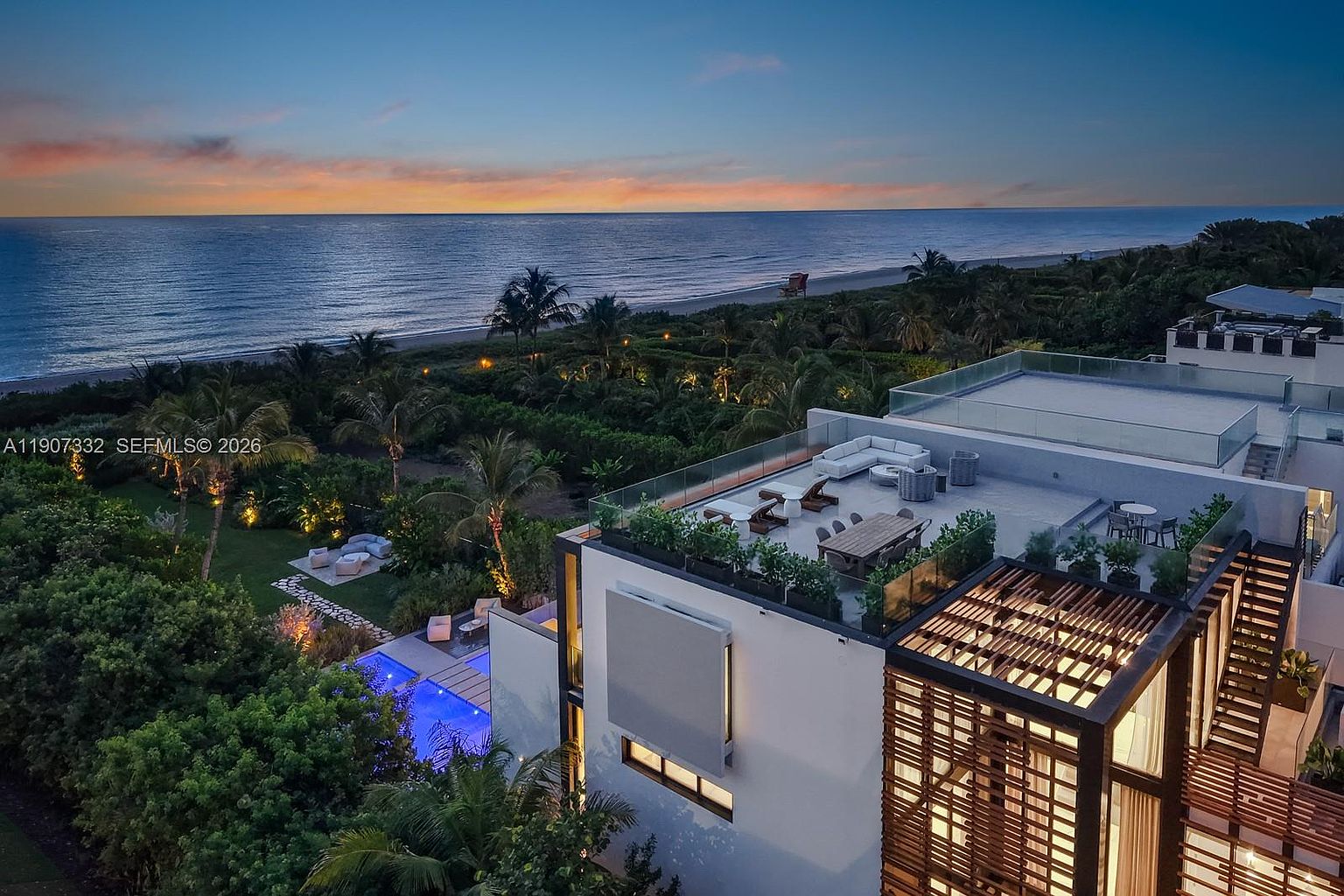
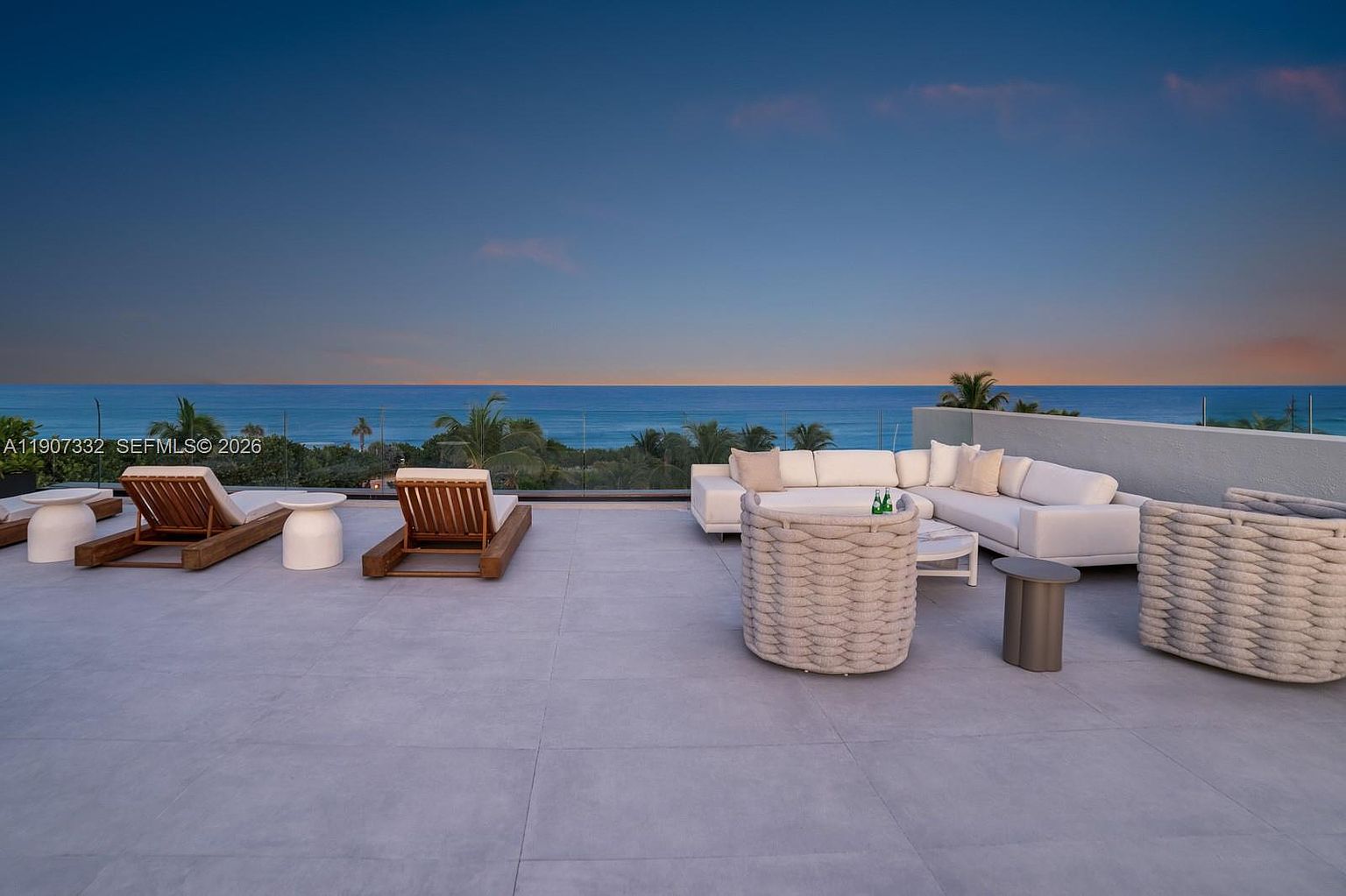
Above it all, the rooftop terrace opens to open sky and open horizon — a panoramic stage for sunrises, sunsets, and everything in between, furnished for both intimate evenings and expansive entertaining.
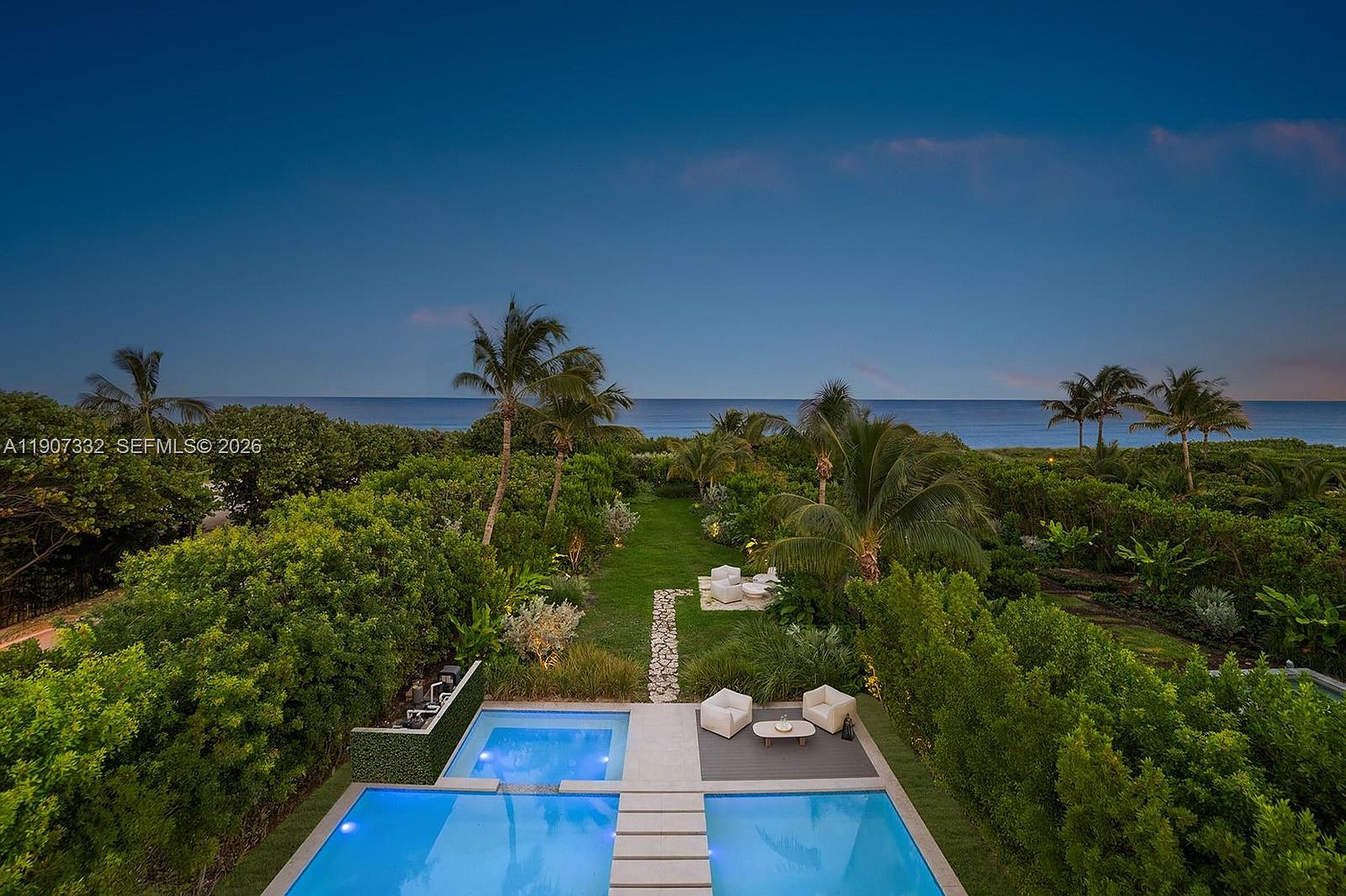
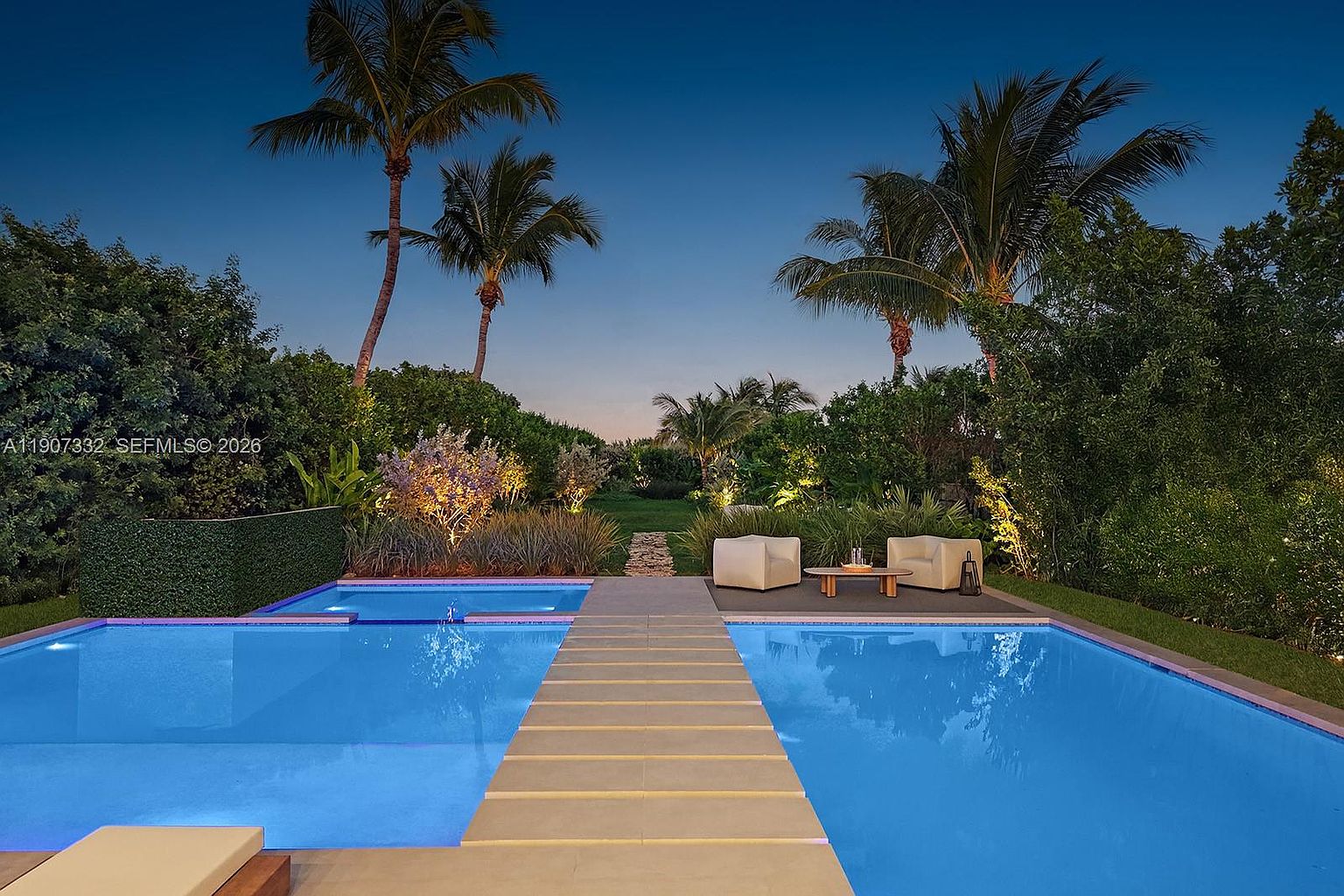
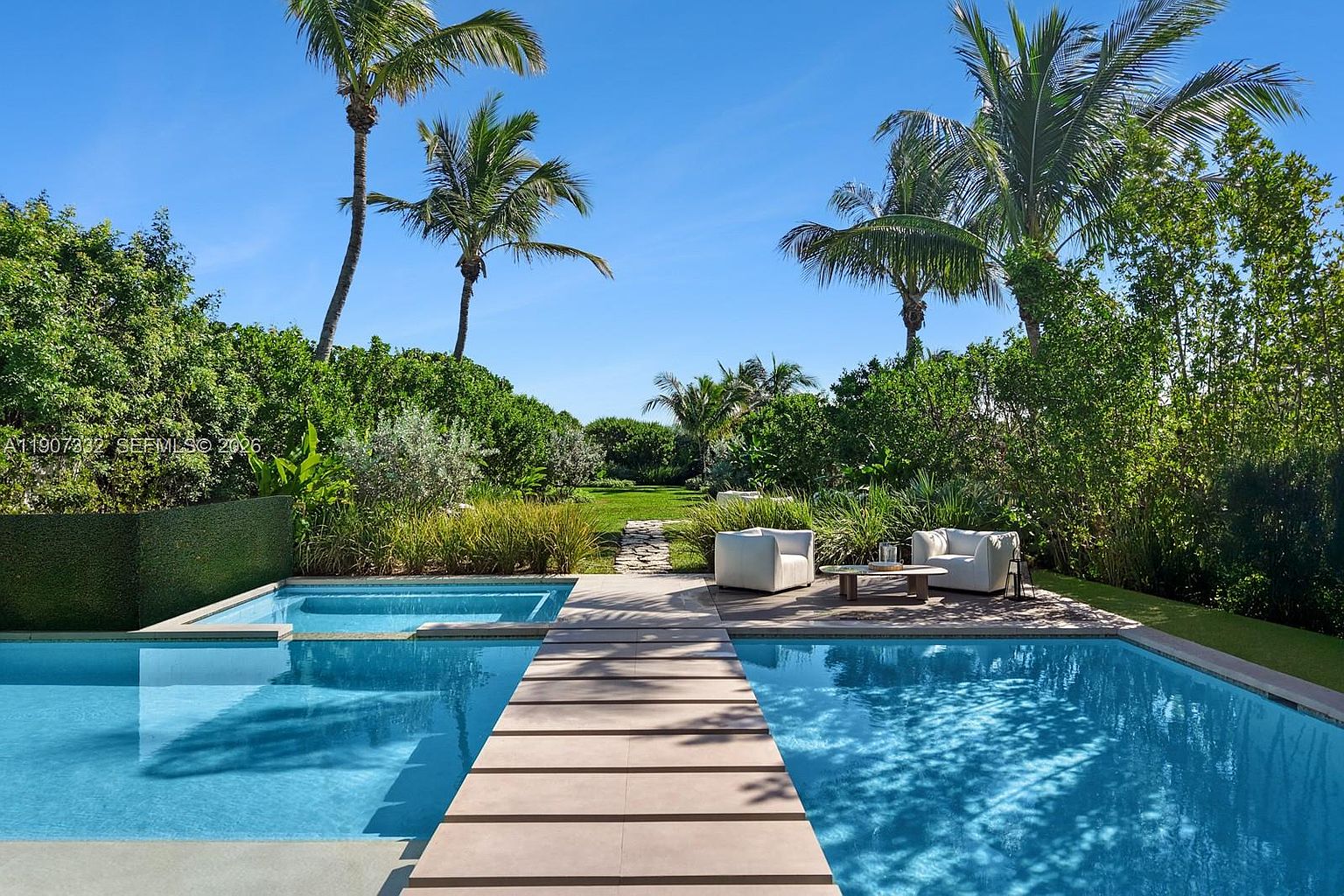
Outdoors, the grounds are equally composed. A saltwater lap pool anchors the exterior living space, while a sunken lounge invites unhurried afternoons. Multiple terraces extend the living area into the coastal air at every level. And then there is the private path — a direct, unmediated connection to the ocean that serves as the ultimate expression of what Côte de Mar truly is: a home that does not merely overlook the sea, but belongs to it.
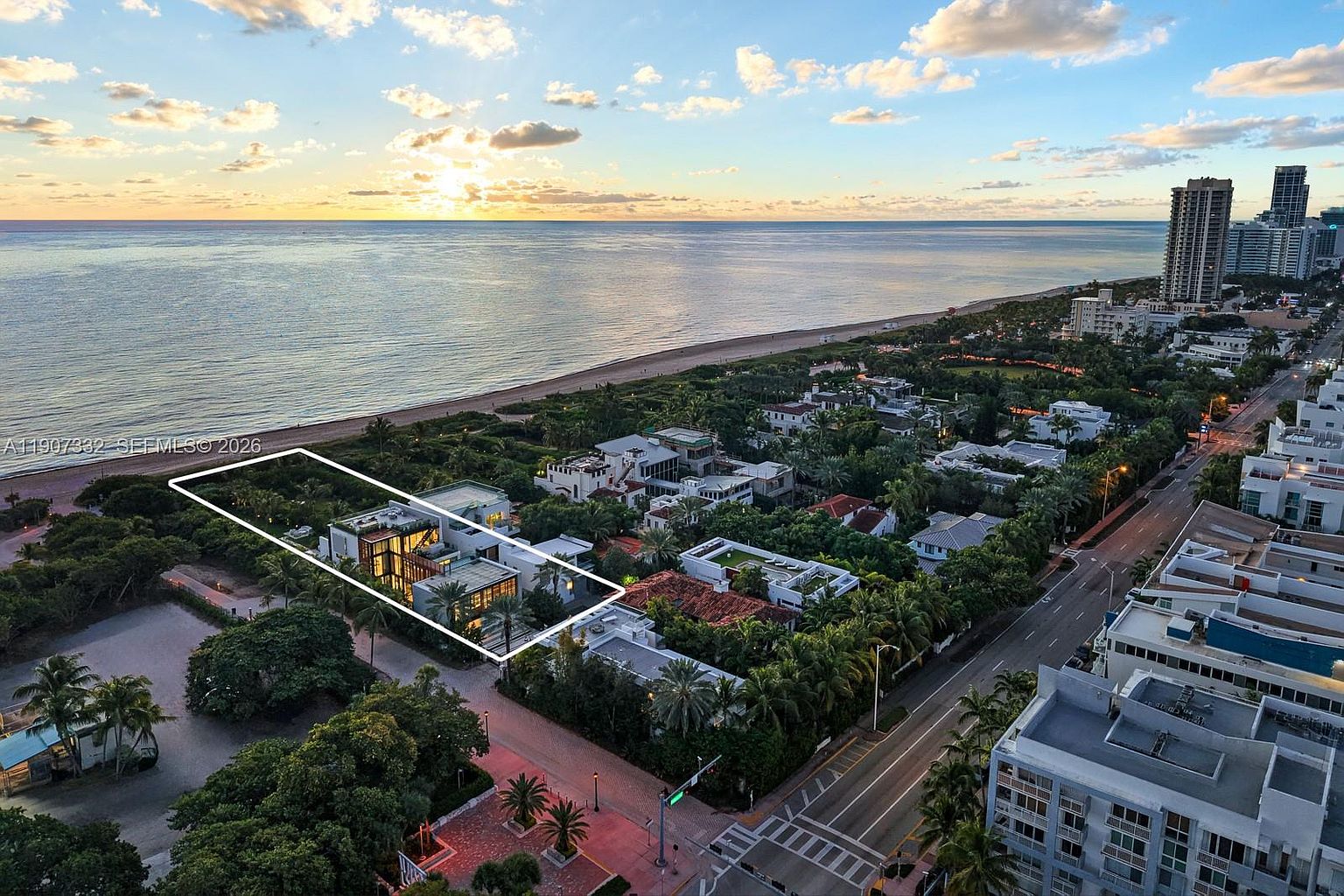
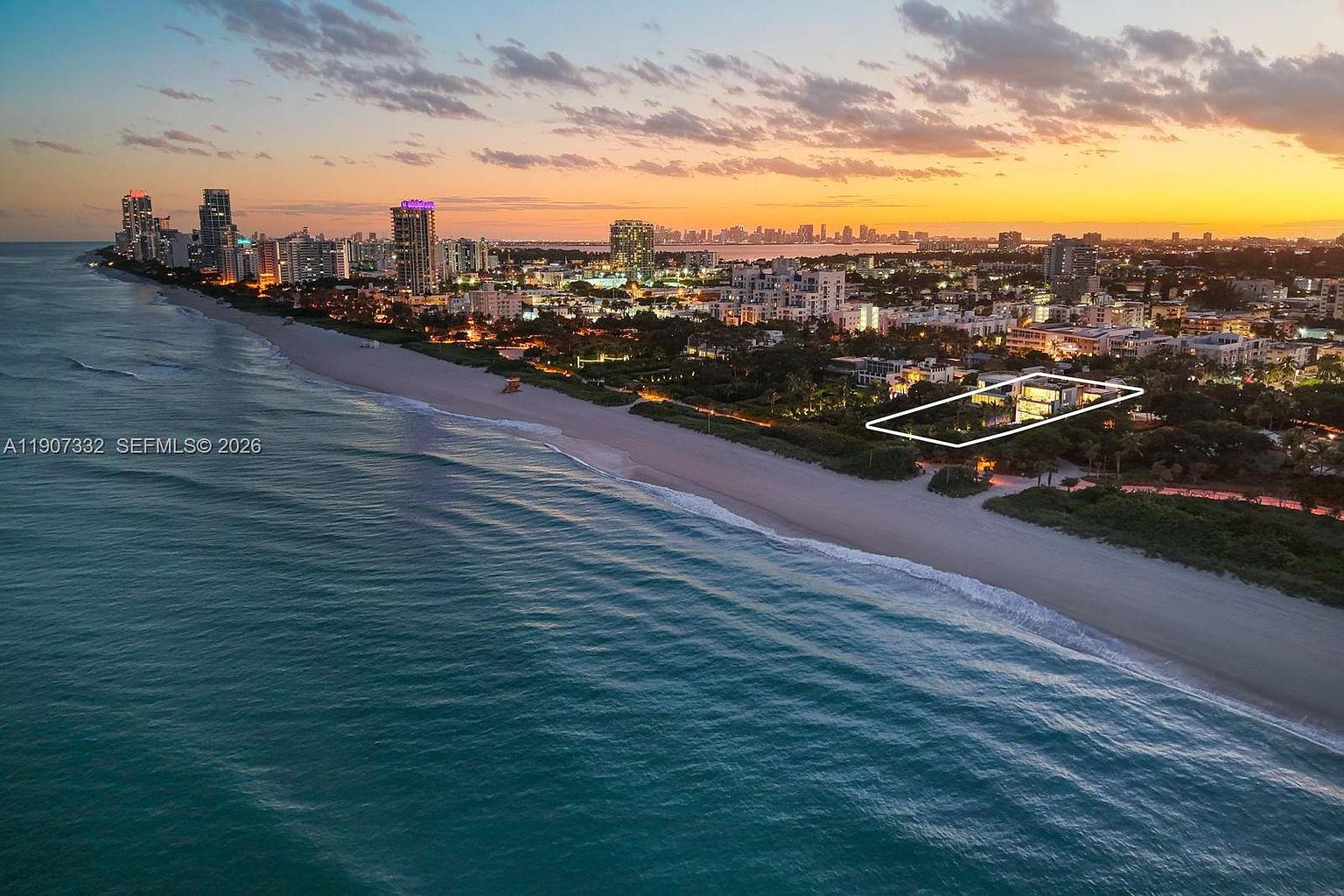
Miami Beach is one of the most recognizable addresses on earth, and yet within its boundaries exist distinct neighborhoods of vastly different character — some defined by nightlife and commerce, others by a quieter, more residential sense of place. The stretch of Atlantic Way where Côte de Mar is situated represents the latter at its most refined: a narrow, deeply private oceanfront enclave that functions as Miami Beach's only true community of direct oceanfront single-family estates.
Miami Beach itself was incorporated as a city in 1915, developed largely through the vision of Carl Fisher and John Collins, who transformed a mangrove barrier island into one of the twentieth century's most ambitious planned communities. Over the following decades, the city became internationally synonymous with Art Deco architecture, glamour, and a particular brand of sun-drenched sophistication. The areas north of the Art Deco Historic District — including the neighborhood surrounding Atlantic Way — developed with a more residential character, attracting families and discerning buyers who sought the amenities of Miami Beach without its most commercial edges.
Today, this section of Miami Beach offers a lifestyle that is simultaneously connected and private. The Atlantic Ocean serves as the eastern boundary, providing not only extraordinary natural beauty but also the health and recreational benefits of direct beach access — morning walks along the shoreline, water sports at will, and the restorative quality of proximity to open water that those who have experienced it rarely choose to surrender.
Culturally, Miami Beach sits within easy reach of some of South Florida's most significant institutions. The Bass Museum of Art, located in Collins Park, houses a permanent collection spanning five centuries and hosts internationally recognized exhibitions. The New World Symphony, housed in Frank Gehry's architecturally celebrated New World Center, brings world-class orchestral performance to the heart of Miami Beach. The annual Art Basel Miami Beach, held each December, transforms the city into a global center for contemporary art, drawing collectors, curators, and cultural figures from across the world.
For everyday living, Lincoln Road — one of the country's first pedestrian shopping malls and a genuine neighborhood institution — offers a curated mix of dining, retail, and outdoor culture. Española Way provides a more intimate, European-inflected alternative. The Design District, Wynwood, and Brickell are all accessible across the causeways that connect Miami Beach to the mainland, ensuring that the full cultural and commercial breadth of Greater Miami is never more than a short drive away.
Restaurants along this corridor of Miami Beach range from casual oceanfront dining to destination-worthy fine dining experiences, many of which have earned national recognition. The area's proximity to Miami International Airport — typically a twenty to thirty minute drive — makes it equally practical for those whose lives require frequent travel.
What the address of Atlantic Way ultimately offers is something increasingly rare in a city of Miami Beach's density and desirability: genuine oceanfront privacy, architectural freedom, and a sense of remove from the city's energy that does not require sacrificing access to it. Côte de Mar is positioned at the very center of that proposition.
Featured Highlights
Curated Content • Presented by Ruthie Assouline