The Story Behind
Iconic Riviera Estate With 180-Degree City-to-Ocean Views
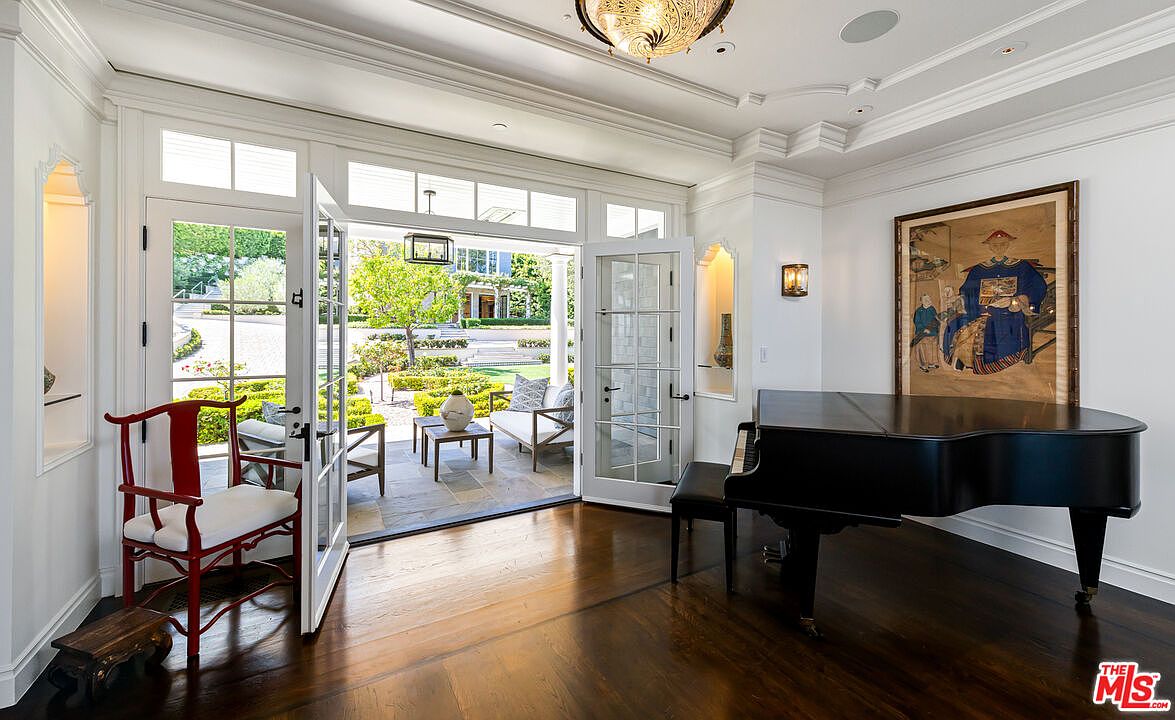
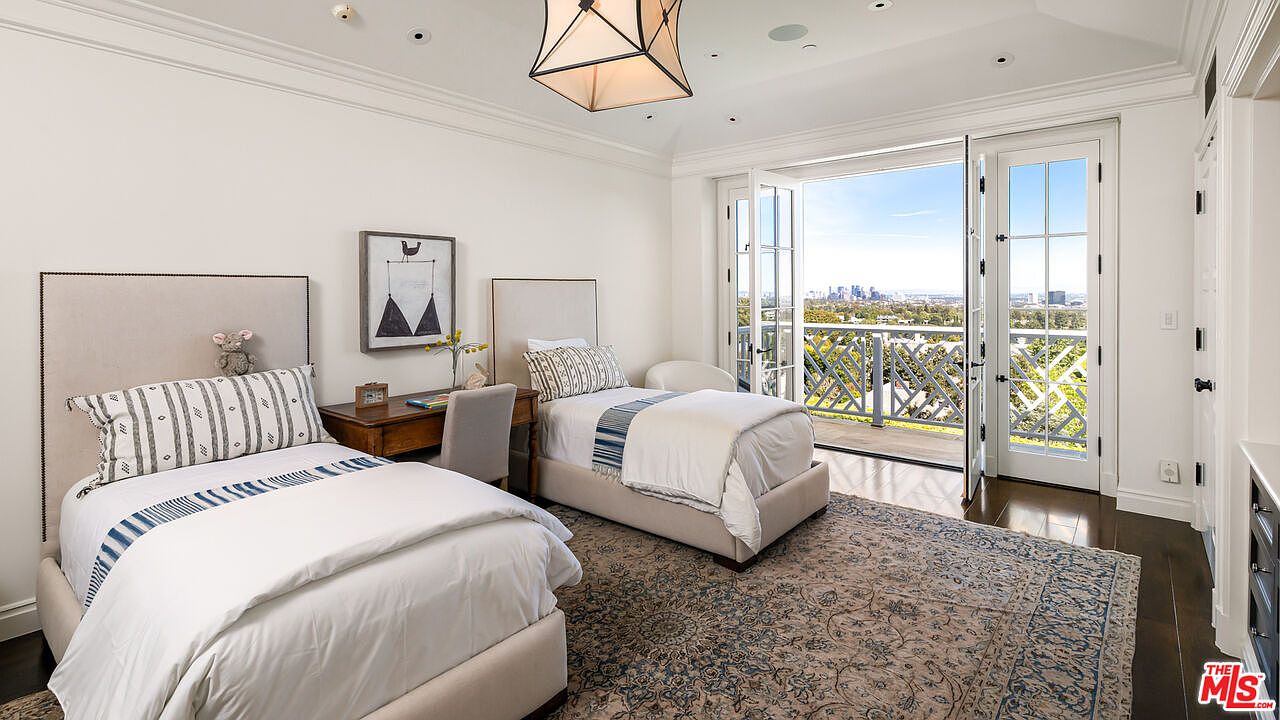
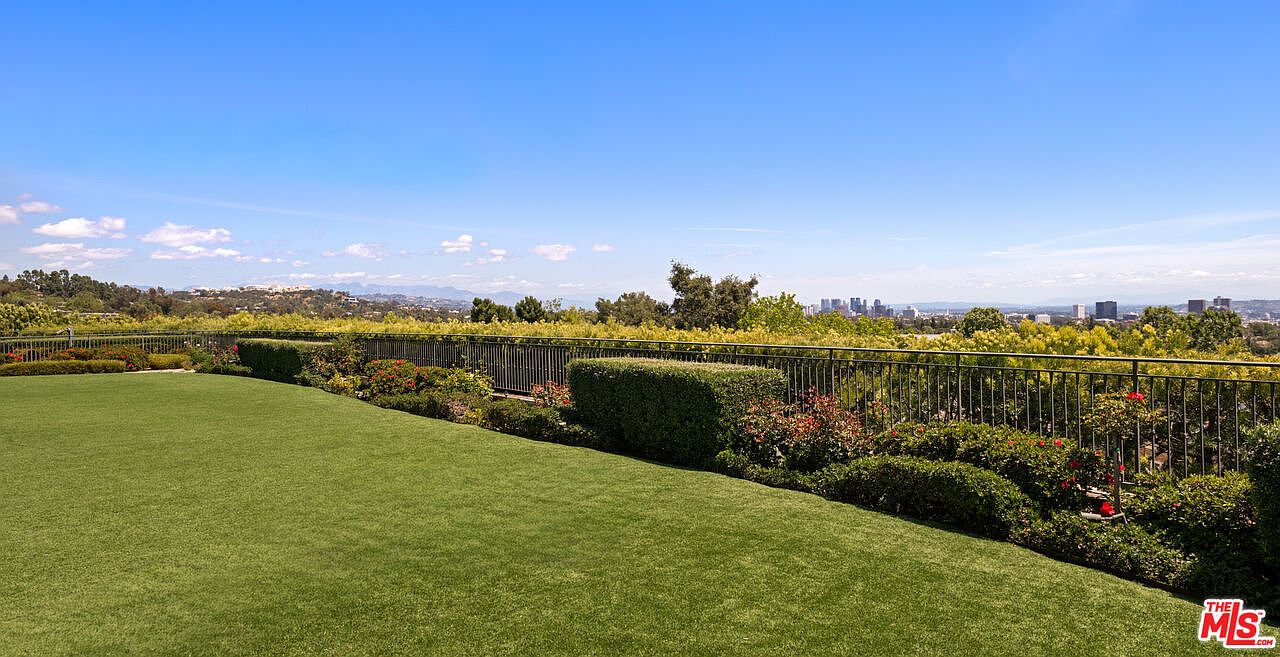
There are estates that impress, and then there are estates that endure in memory long after the tour has ended. 1676 North Alta Mura Road belongs unambiguously to the second category. Positioned at an elevation that commands more than 180 degrees of uninterrupted panorama — city grid, canyon ridgeline, and open ocean held simultaneously in view — the compound announces its ambitions from the first approach, where a generous motor court gives way to a façade of hand-laid stone and blue-grey shingle siding, grounded by tiered stone stairs adorned with hand-painted decorative tile. It is an arrival sequence that sets a tone of considered craftsmanship, one the interior only deepens.
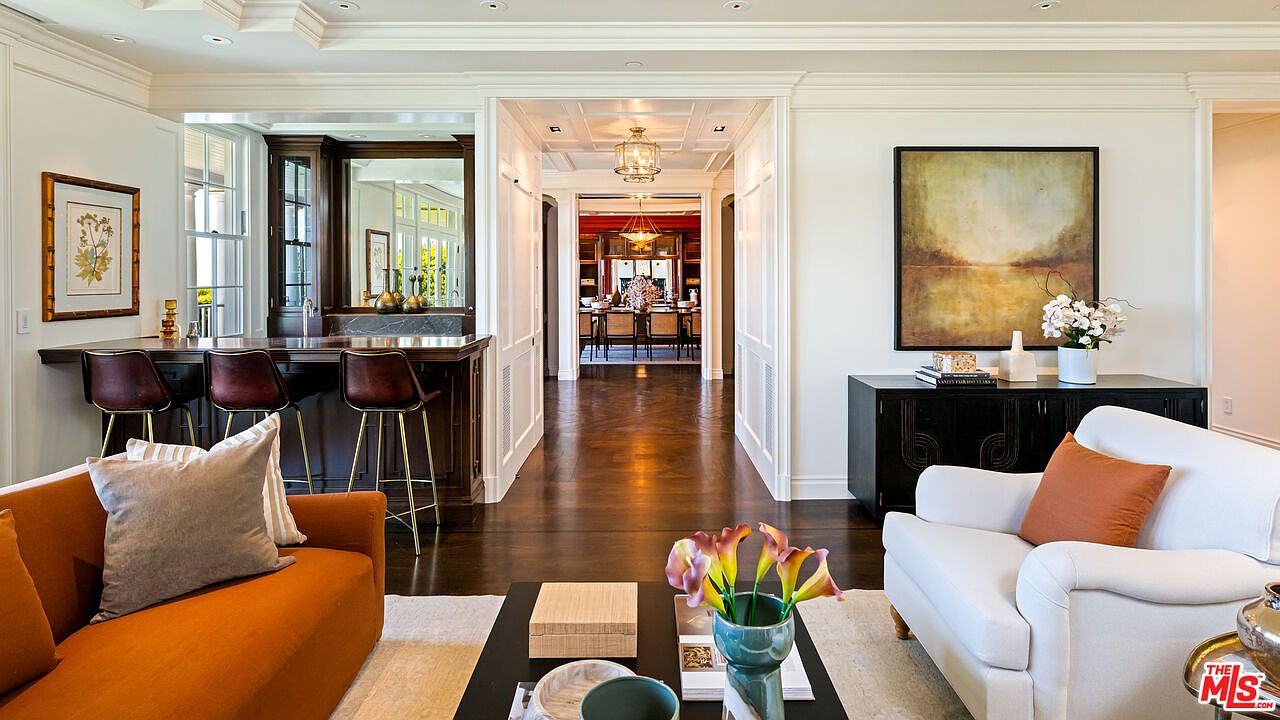
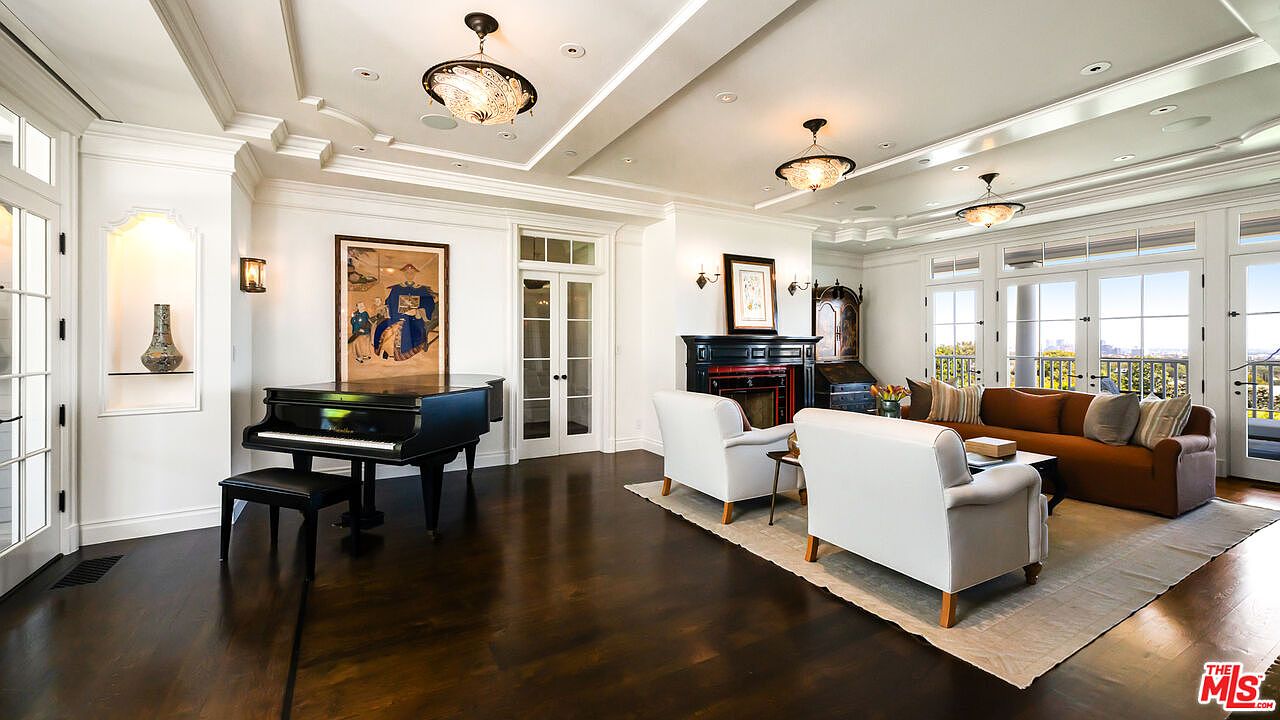
Through the coffered foyer, dark herringbone hardwood floors establish a rhythm that carries throughout the 13,000-square-foot main residence, drawing the eye forward while the architecture itself expands outward. The grand kitchen serves as the home's social nucleus: a deep-blue island anchored by a warm wood countertop presides over a suite of professional-grade stainless appliances and crisp white cabinetry, all beneath a coffered ceiling whose proportions feel generous without excess. It is a kitchen designed equally for the private Saturday morning and the catered dinner for fifty.
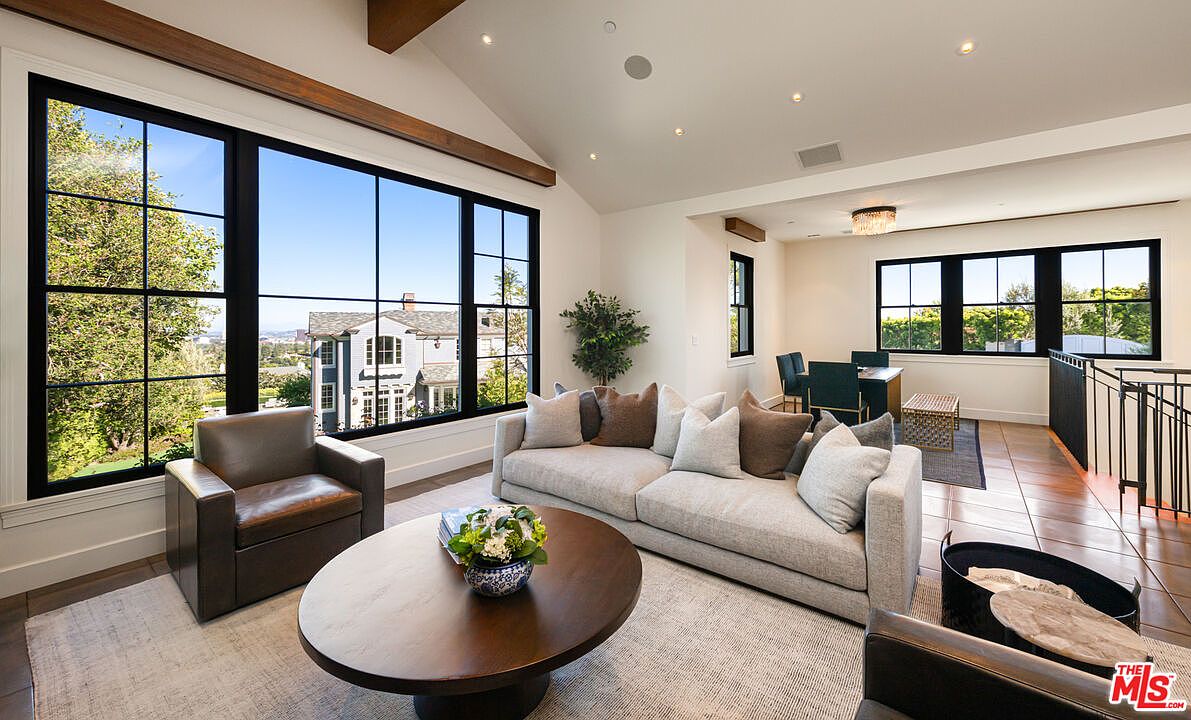
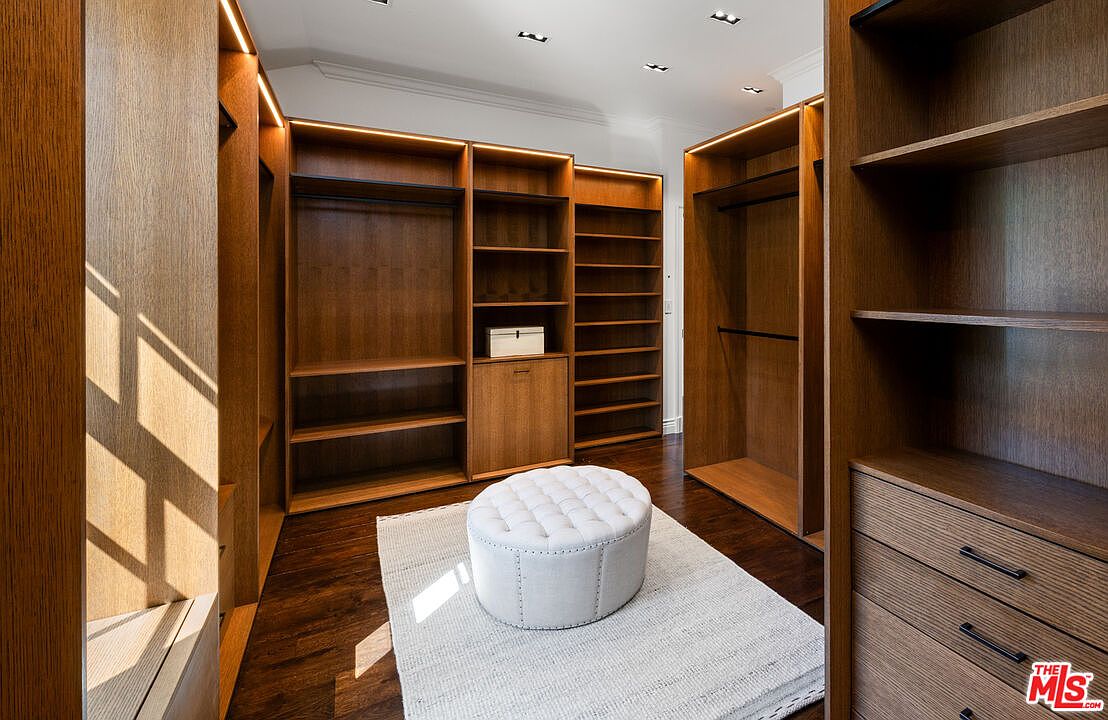
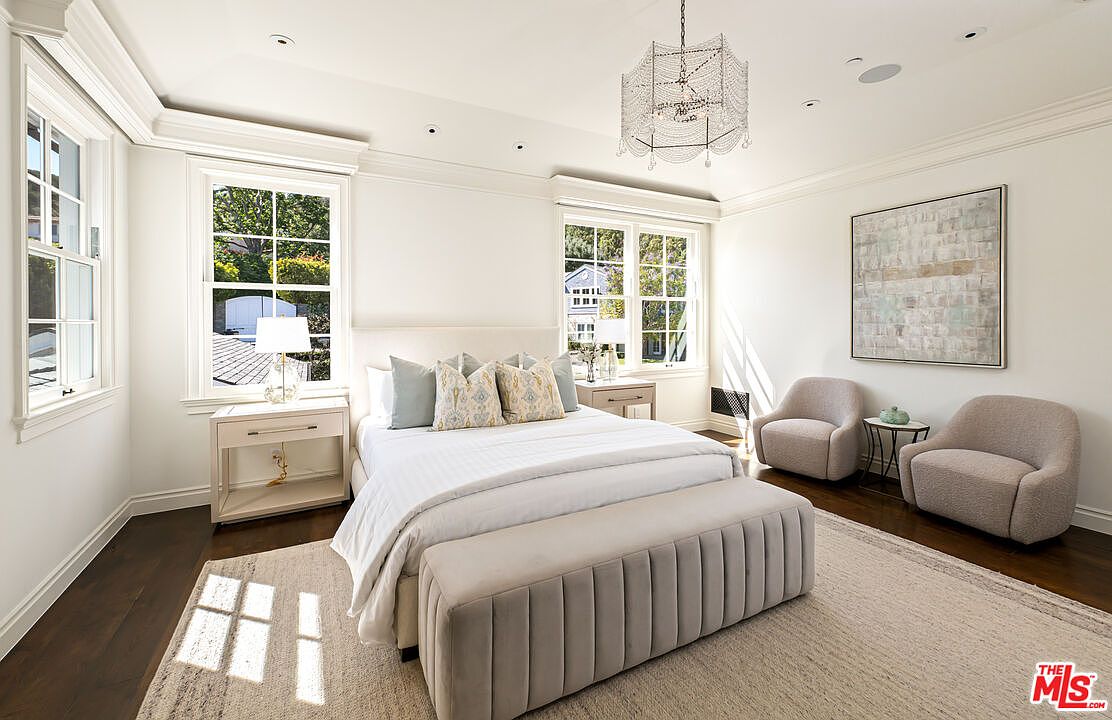
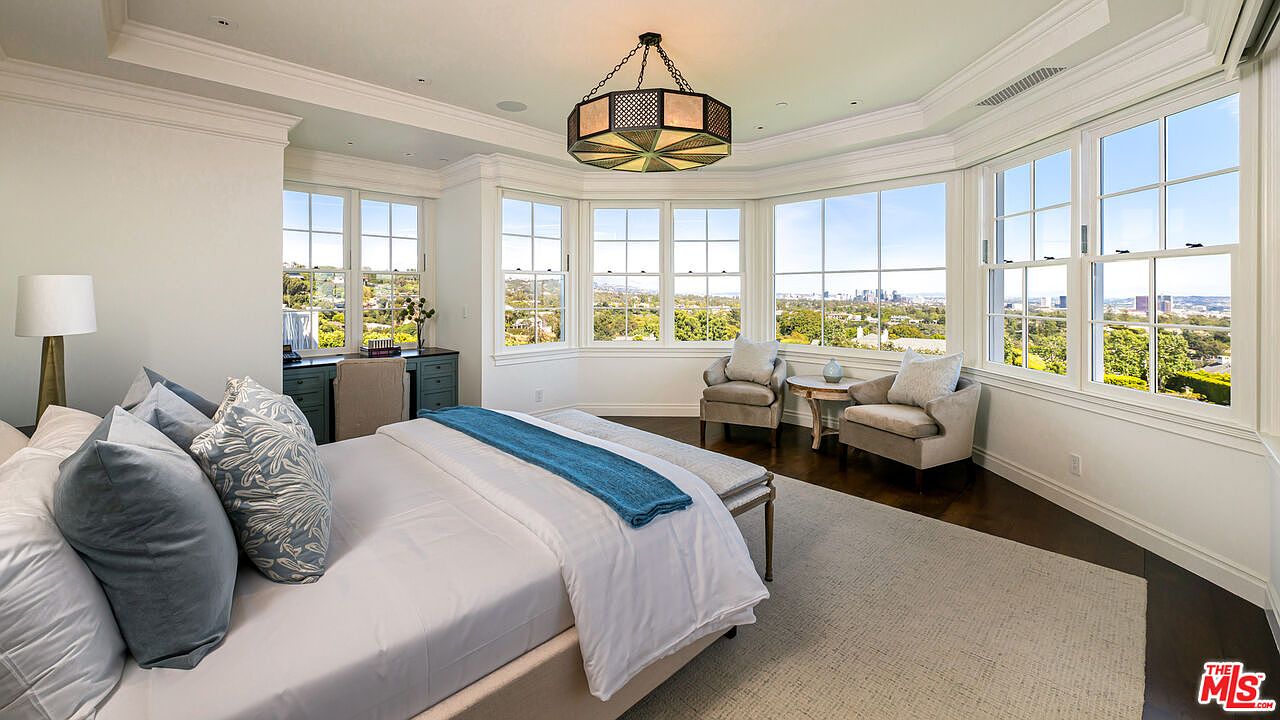
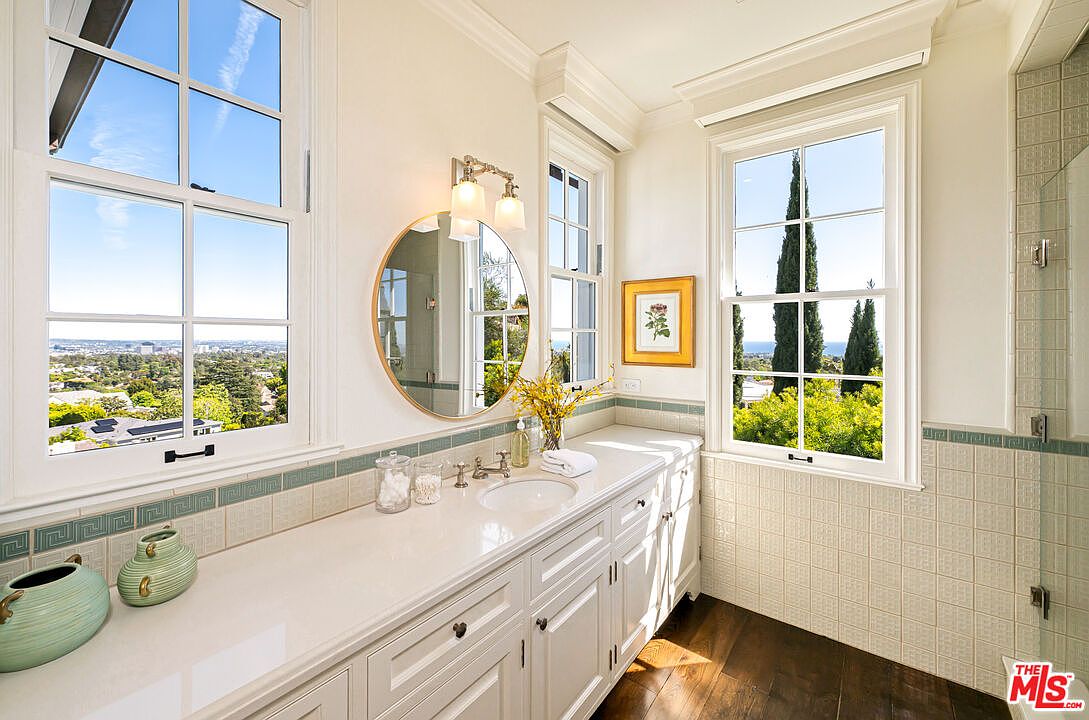
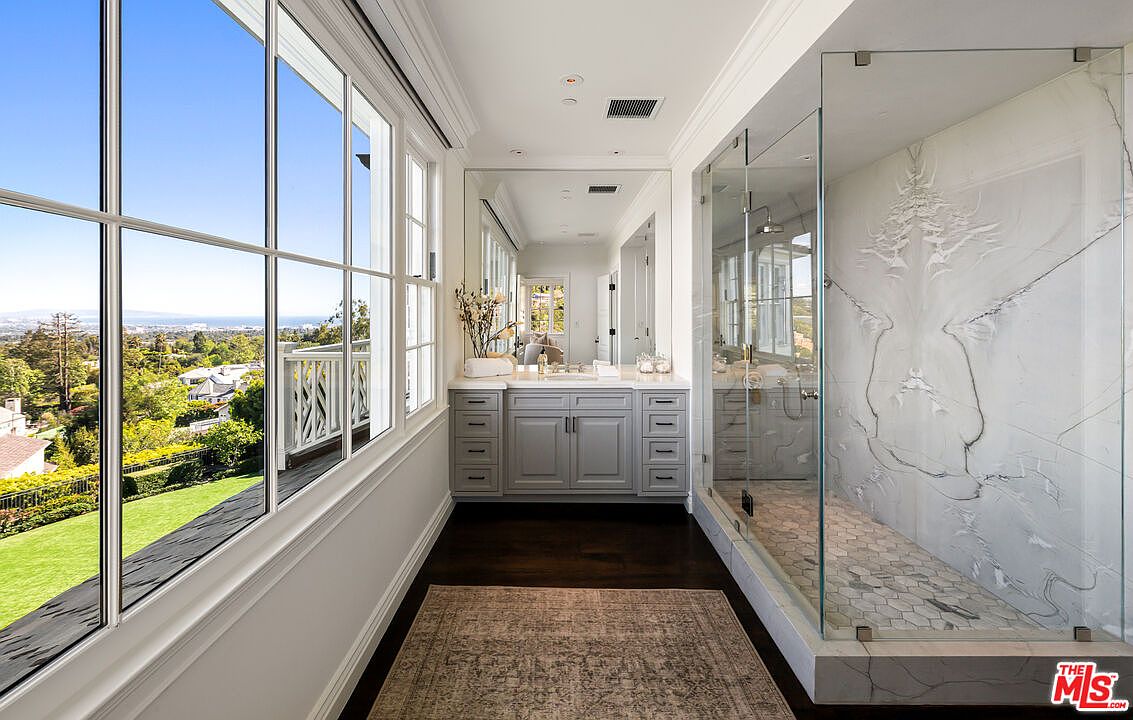
The wood-paneled study — its built-in bookshelves ascending to a high-gloss coffered ceiling lacquered in a striking, saturated hue — opens directly to the outdoors, dissolving the boundary between intellectual sanctuary and the landscape beyond. The primary suite refines that dialogue further: a bay window wall frames the cityscape as a living painting, while a soaking tub positioned beneath an arched window transforms the morning ritual into something approaching meditation. The custom walk-in closet, finished in dark wood cabinetry with integrated LED lighting, reflects the same attention to detail found in every room.
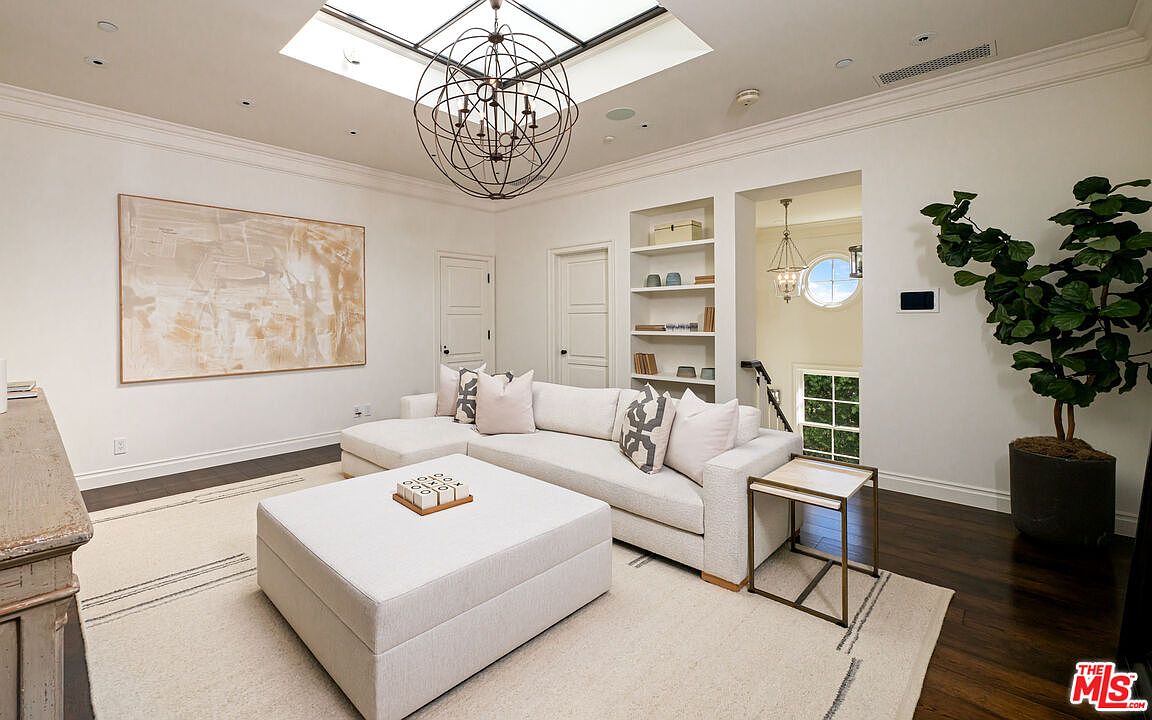
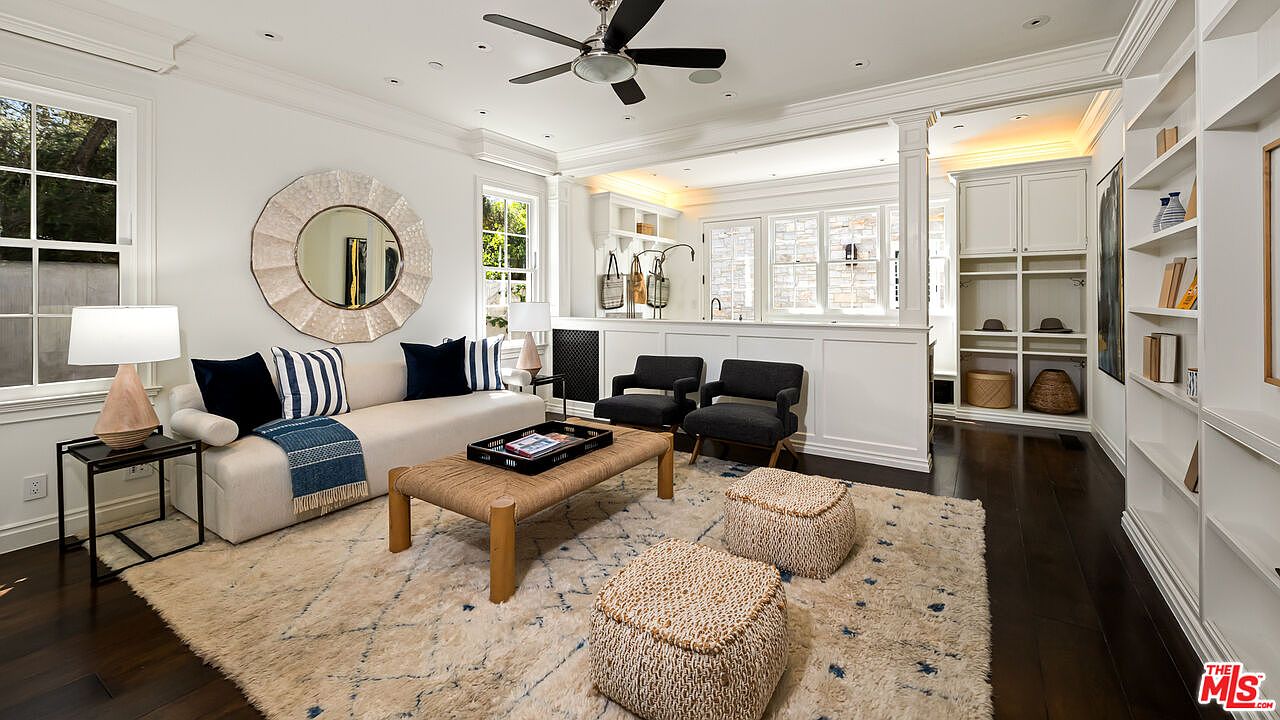
Entertainment infrastructure is equally considered. The tiered media room, finished with dark sectional seating and linear LED ceiling detail, delivers a true cinematic experience. The game room, anchored by a billiard table and a built-in bar, opens seamlessly through glass doors to the backyard — an architectural gesture that makes the transition from interior gathering to outdoor living feel effortless rather than incidental.
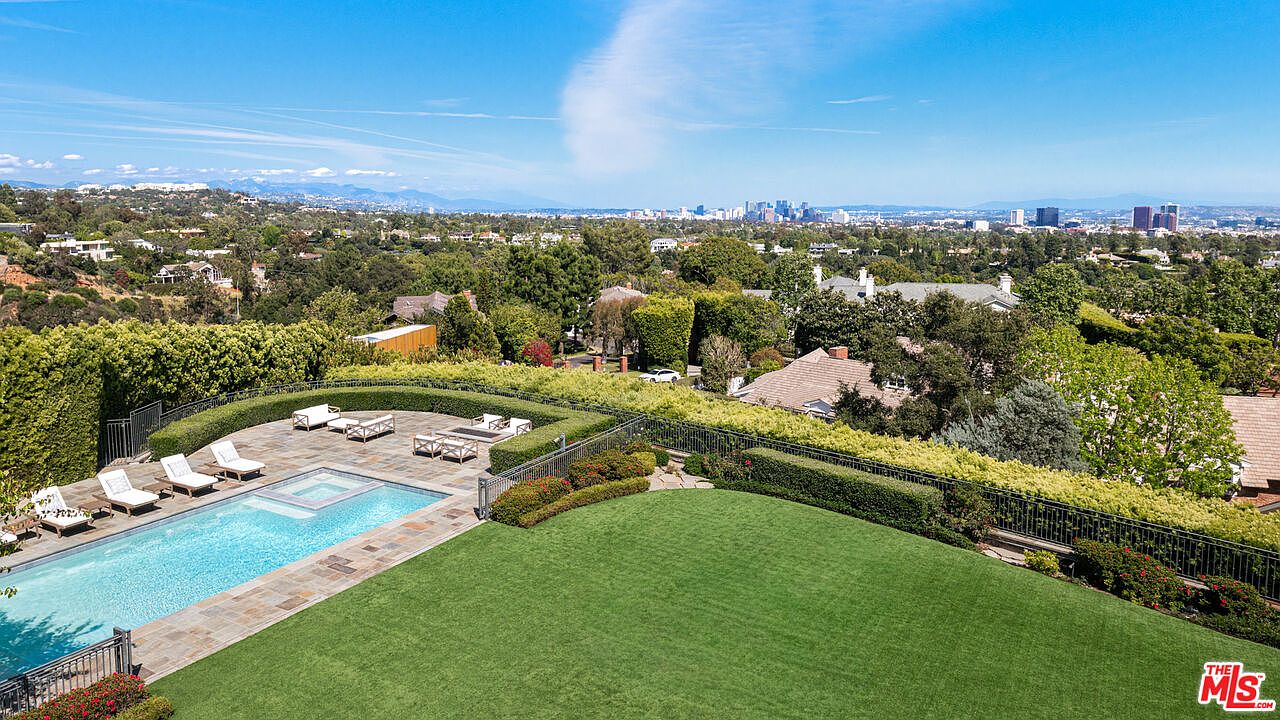
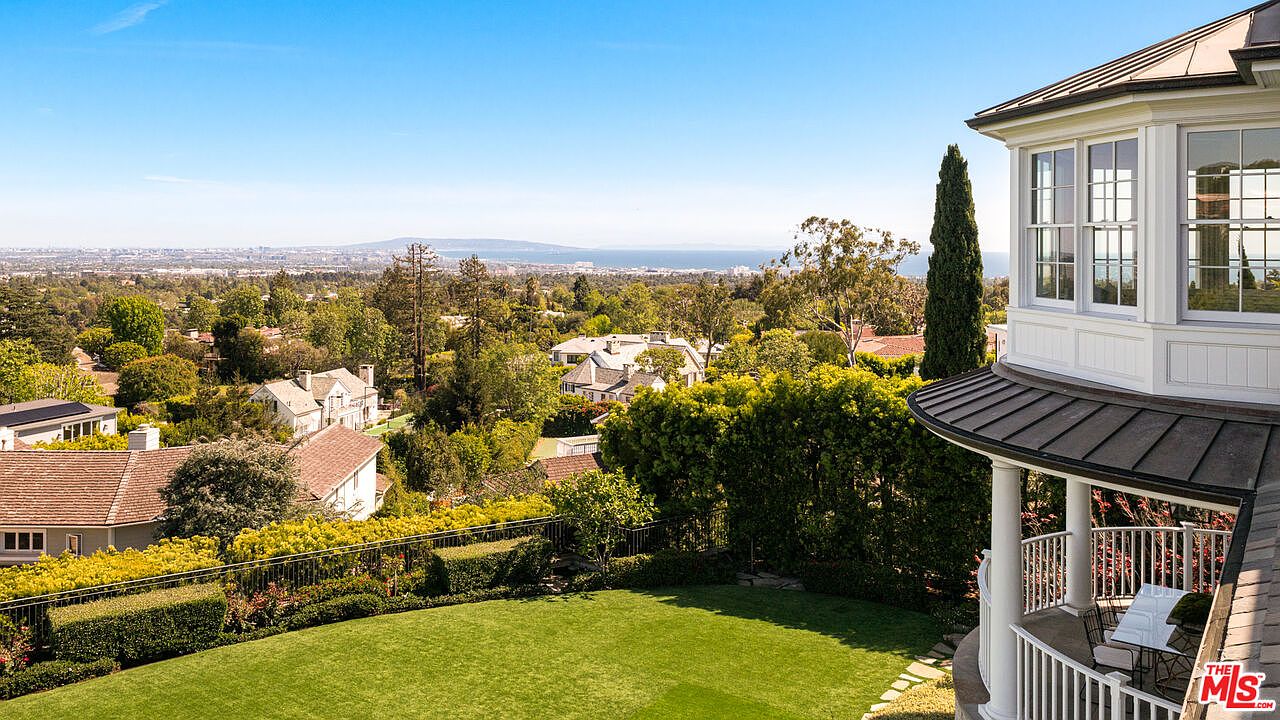
Outside, the resort-style pool and integrated spa occupy a stone-paved terrace lined with lounge chairs, overlooking dual flat lawns bordered by sculpted hedges. A covered stone balcony extends the entertaining vocabulary to the sky, offering panoramic views that shift from golden to violet as the evening settles. The fire feature adds warmth and theater to evenings in the garden.
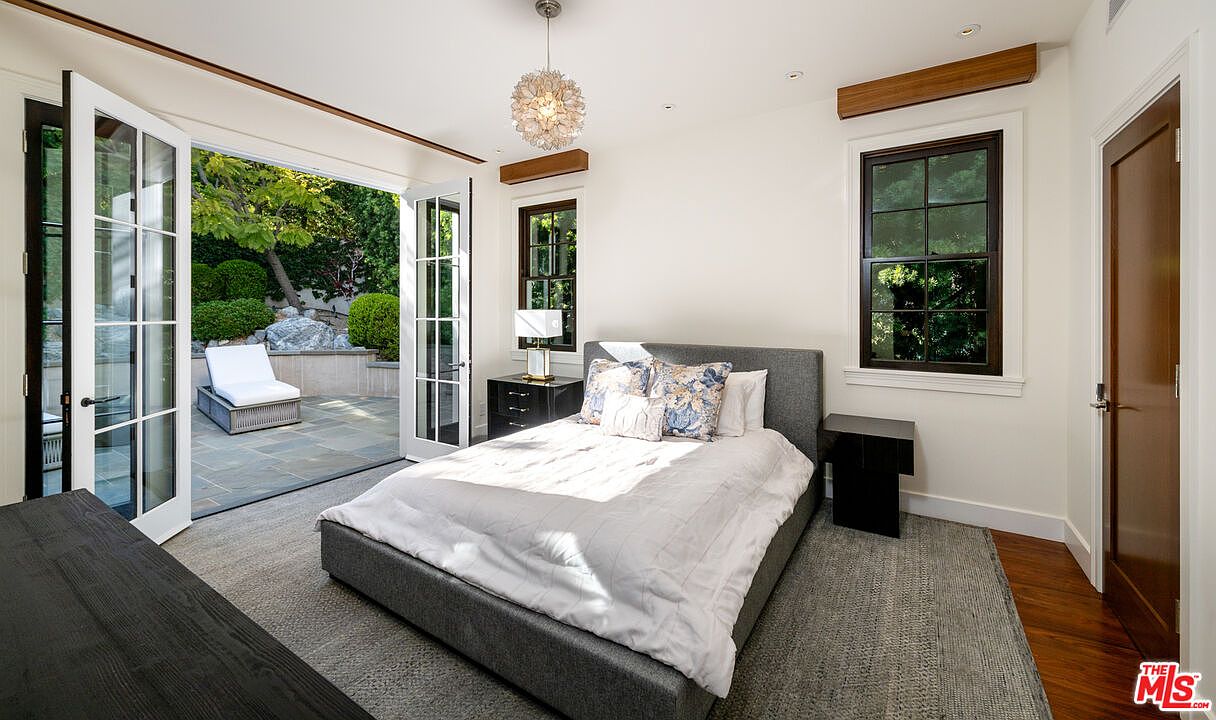
The 3,000-square-foot guesthouse operates as a self-contained sanctuary: two bedrooms, three bathrooms, a separate kitchen, and an 800-square-foot gym with folding glass doors that open directly to the panoramic view. A Japanese soaking tub, clad in warm wood and dark stone, completes an offering that rivals many standalone luxury residences. Both structures carry LEED certification, their geothermal HVAC systems representing a commitment to sustainability that is architectural in its own right — invisible infrastructure that honors the landscape this estate so spectacularly inhabits.
Pacific Palisades occupies a singular position in the geography of Los Angeles — not merely between the Santa Monica Mountains and the Pacific Ocean, but between the city's restless ambition and the restorative calm of open land, coastal air, and tree-lined residential streets that have changed little in character for decades. Within this community, the Palisades Riviera stands apart as its most elevated and private precinct, a hillside neighborhood whose winding roads and mature canopy have long attracted those who require both proximity to the city and genuine removal from it.
The neighborhood takes its name and informal character from its visual kinship with the residential hillsides of the French and Italian Riviera — elevated, private, oriented toward water and light. Developed primarily mid-century, the Riviera's streets are characterized by substantial parcels, generous setbacks, and the kind of established landscaping that only decades of careful stewardship can produce. Alta Mura Road itself sits at an elevation that captures the full sweep of the Los Angeles basin, with city lights extending eastward and the Pacific visible to the west on clear days — which, at this altitude, are most days.
The Riviera Country Club, one of Los Angeles' most storied private institutions, sits immediately adjacent to the neighborhood and has hosted major championship golf for nearly a century, including the Genesis Invitational. Its presence contributes both to the community's character and to the consistent demand for properties within its immediate vicinity. The club's grounds form a natural green buffer, preserving the area's sense of seclusion even as the broader Westside continues to develop.
Palisades Village, the neighborhood's revitalized commercial center, offers an intimate collection of independent restaurants, specialty retail, and professional services within walking distance or a short drive. Restaurants including Fia and Croft Alley have made the Village a destination beyond the neighborhood itself, while a weekly farmers' market reflects the community's longstanding preference for quality and locality over scale. Erewhon, the premium grocer that has become something of a cultural institution on the Westside, maintains a presence nearby.
The proximity to the Santa Monica Mountains National Recreation Area places miles of maintained hiking and equestrian trails within immediate reach — Temescal Canyon, Topanga State Park, and the Will Rogers State Historic Park are all accessible within minutes. This access to open land is perhaps the Palisades' most quietly prized asset: the ability to be at the trailhead within the time it would take to exit a parking structure elsewhere in the city.
The Pacific Coast Highway runs along the neighborhood's southern edge, connecting residents directly to Malibu's beaches and dining to the north and Santa Monica's Third Street Promenade and pier to the south. Both are within a short drive. The proximity to major Westside employment centers — Century City, Brentwood, Santa Monica — makes the Palisades Riviera a practical choice as much as an aspirational one, a combination that has historically insulated the neighborhood from broader market volatility. For those who understand Los Angeles at its finest, this enclave simply has no equivalent.
Featured Highlights
Curated Content • Presented by Kurt Rappaport