The Story Behind
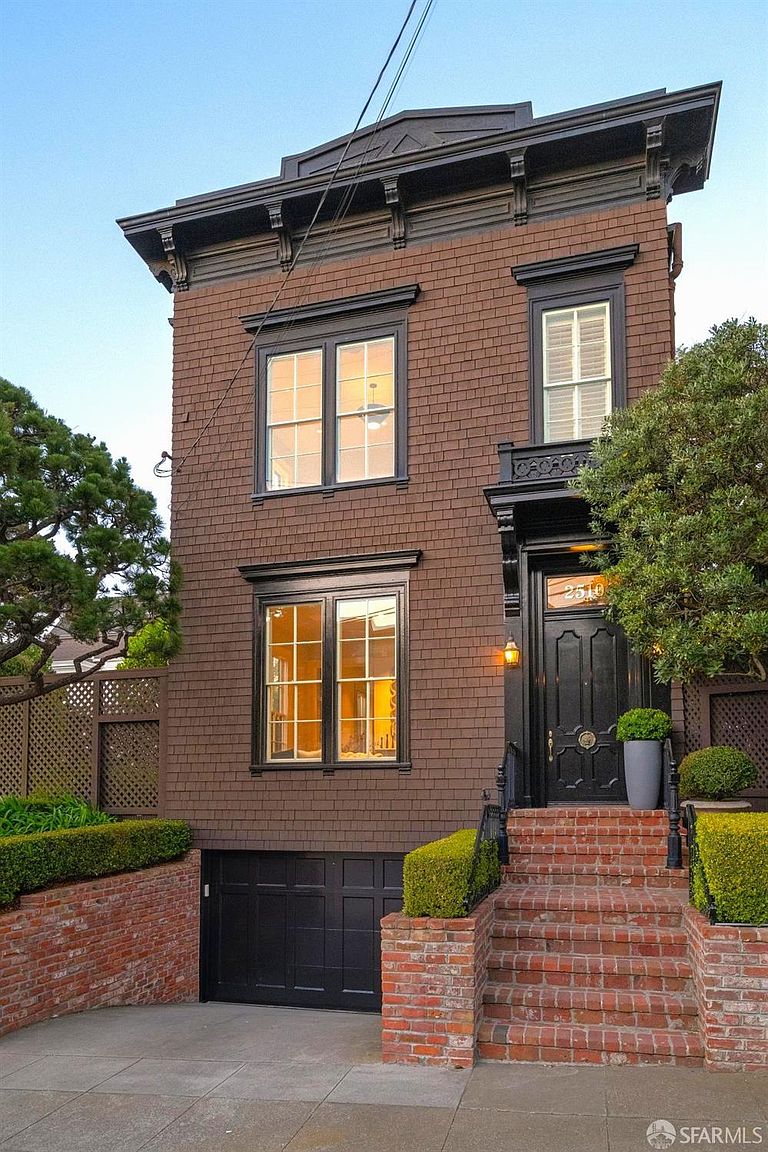
A Storied Italianate Victorian, Fully Detached, in the Heart of Pacific Heights
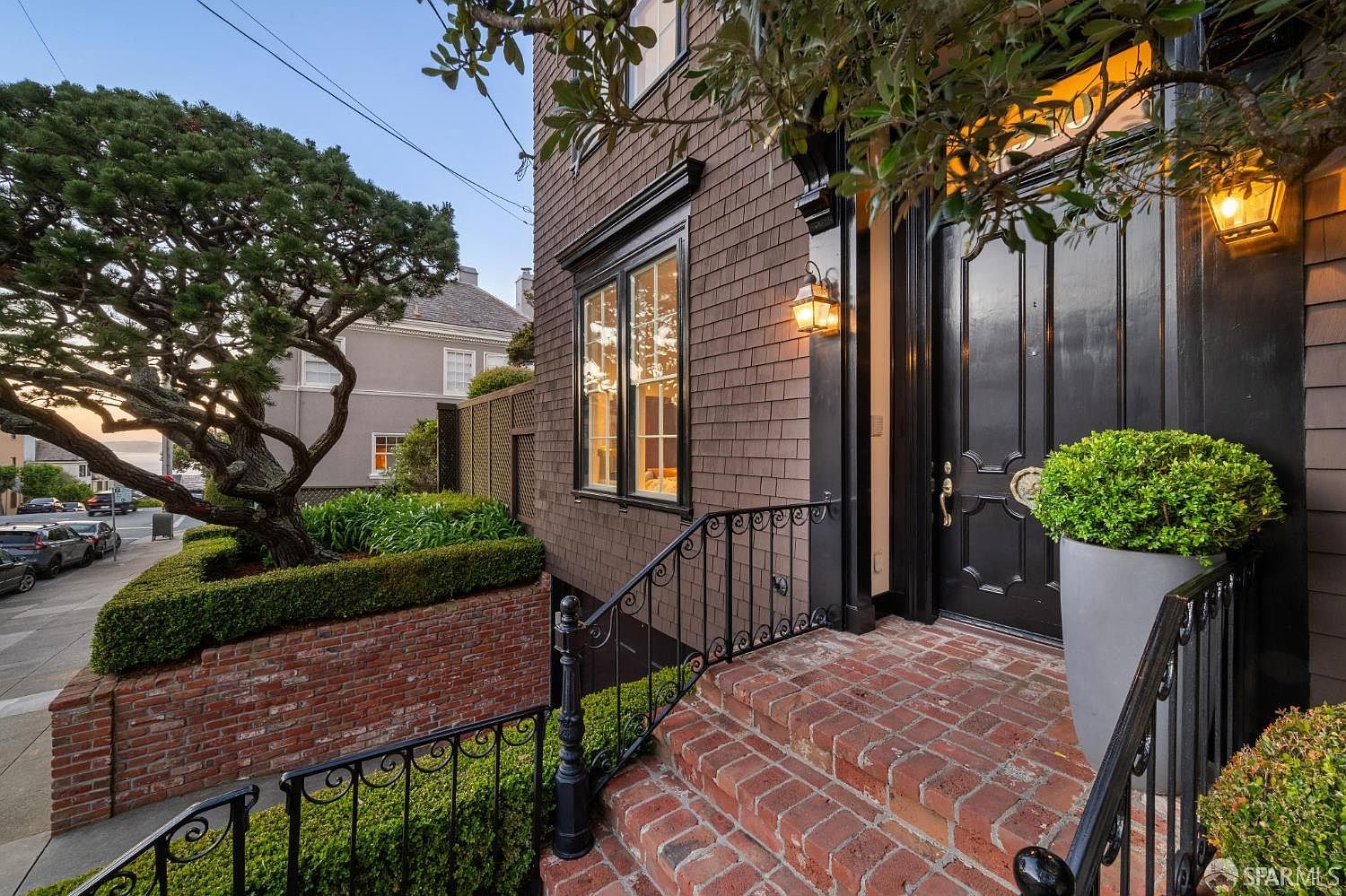
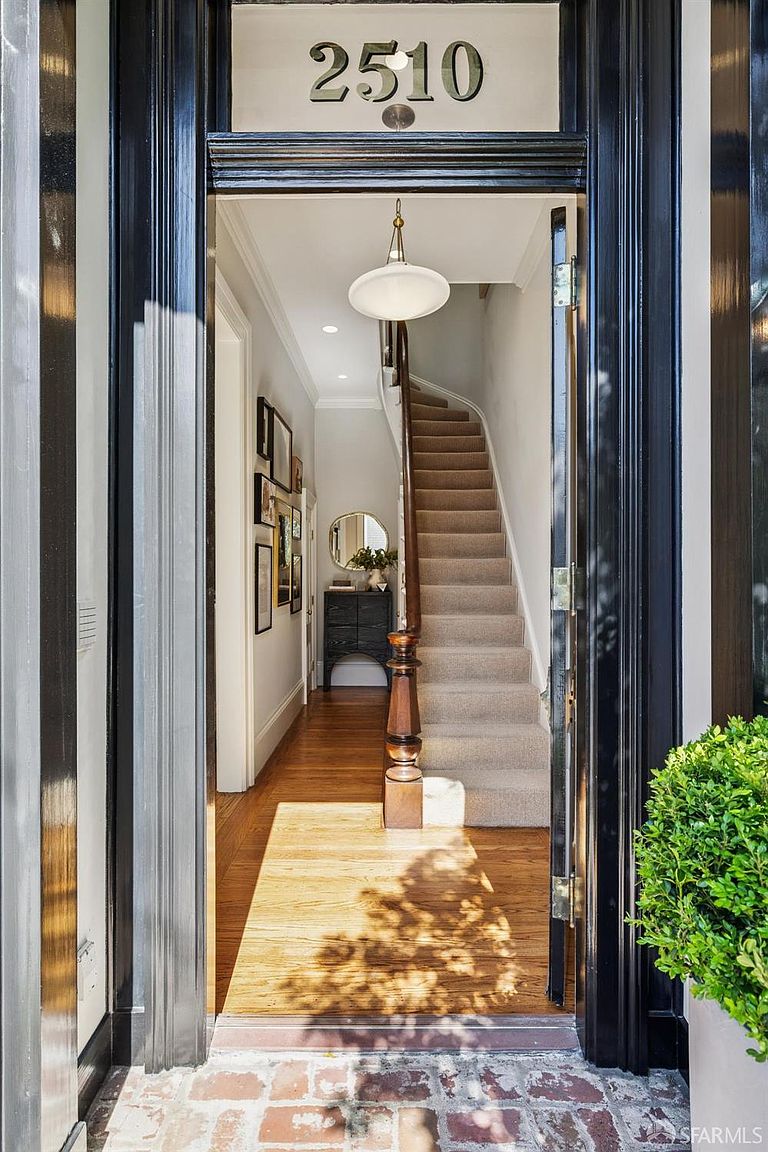
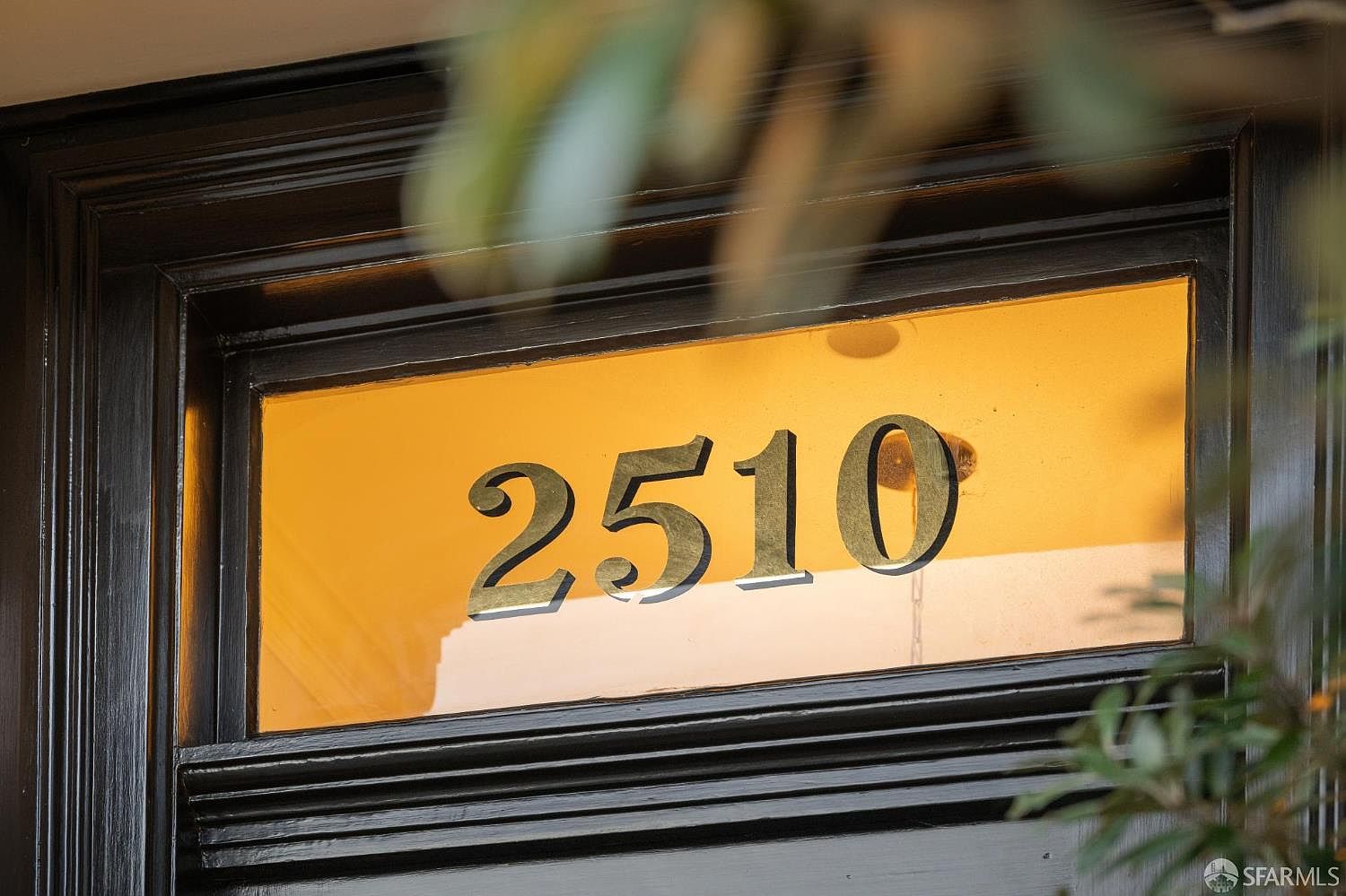
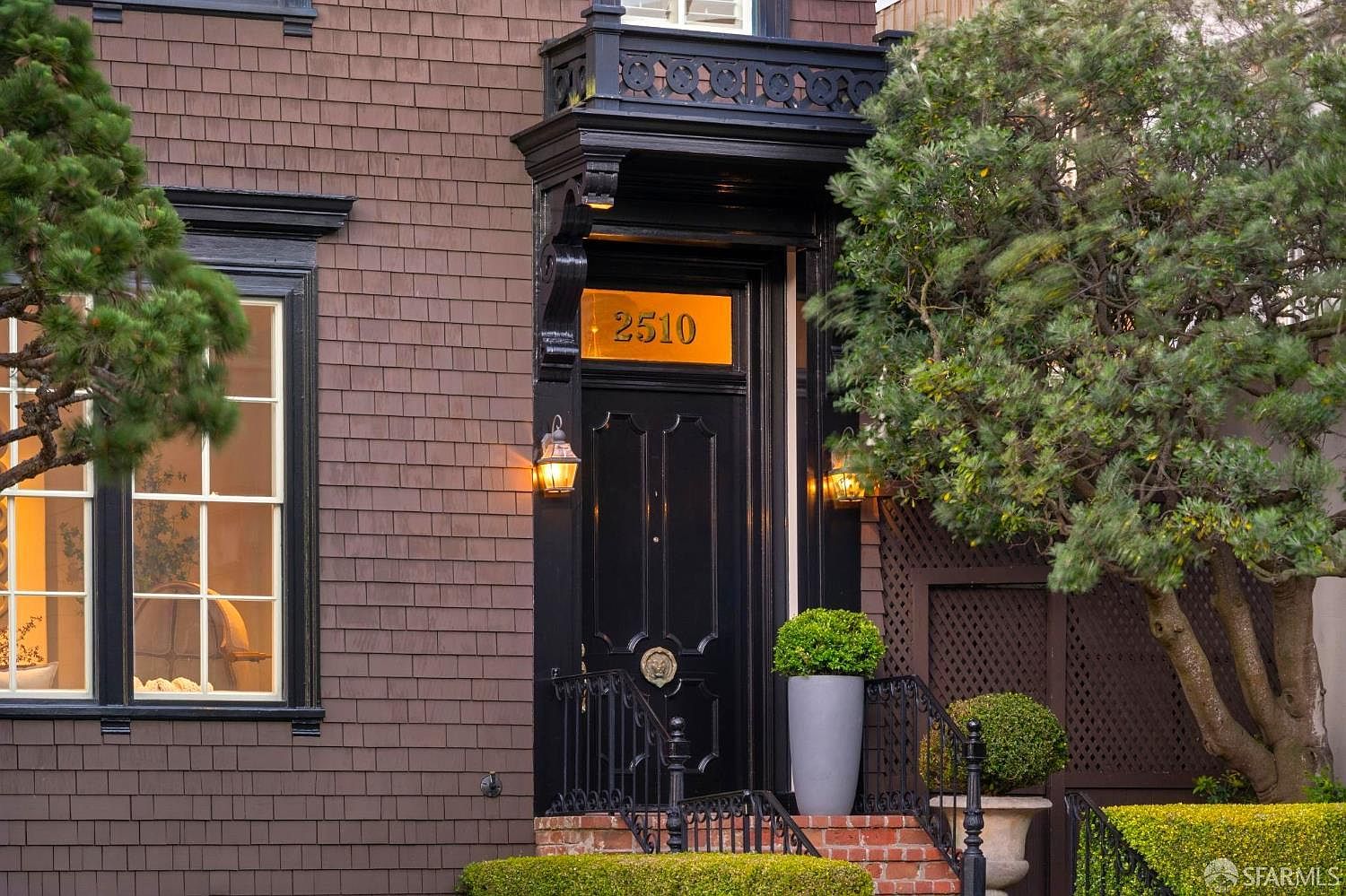
There is a particular quality of light that belongs only to a certain kind of San Francisco house — the kind built in the years immediately following the Gold Rush, when ambition ran high and architecture followed suit. At 2510 Steiner Street, that quality is immediately present. Step through the paneled front door, past the ornate brass lion-head knocker, and the proportions of the house announce themselves at once: ceilings that draw the eye upward, tall windows that pull the afternoon light deep into the rooms, and a formal geometry that speaks of a time when a house was understood to be a civic statement as much as a private refuge.
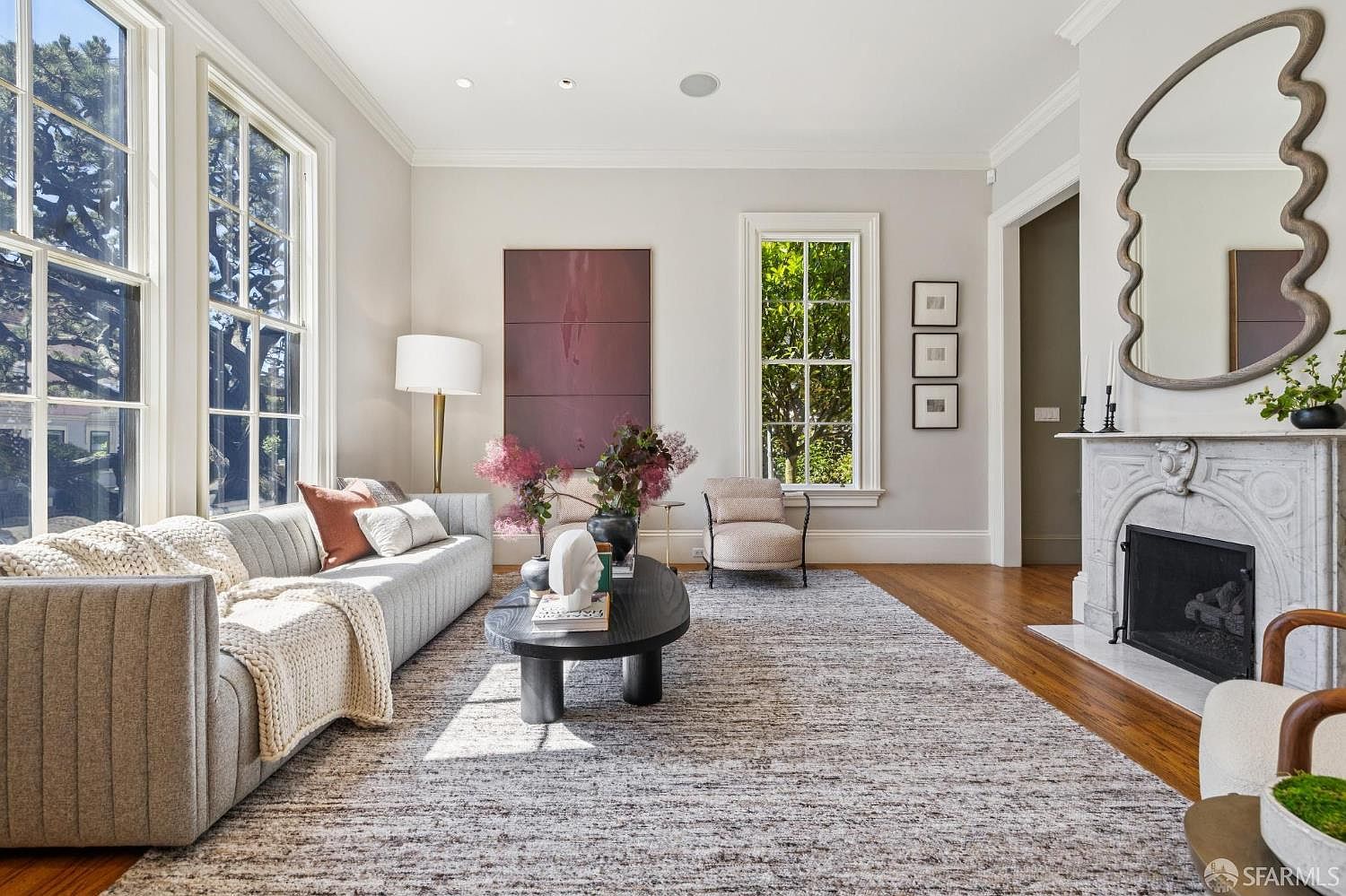
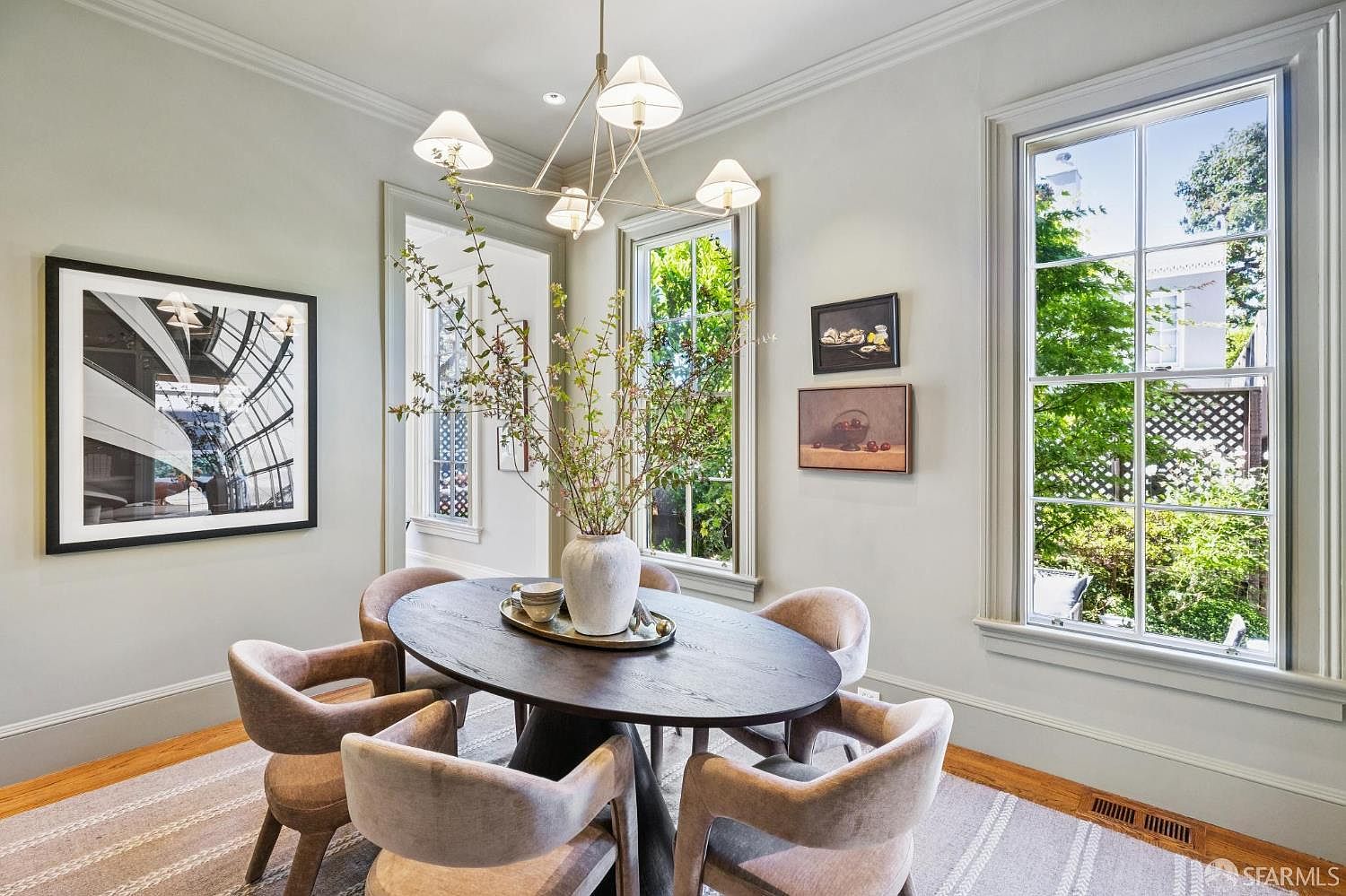
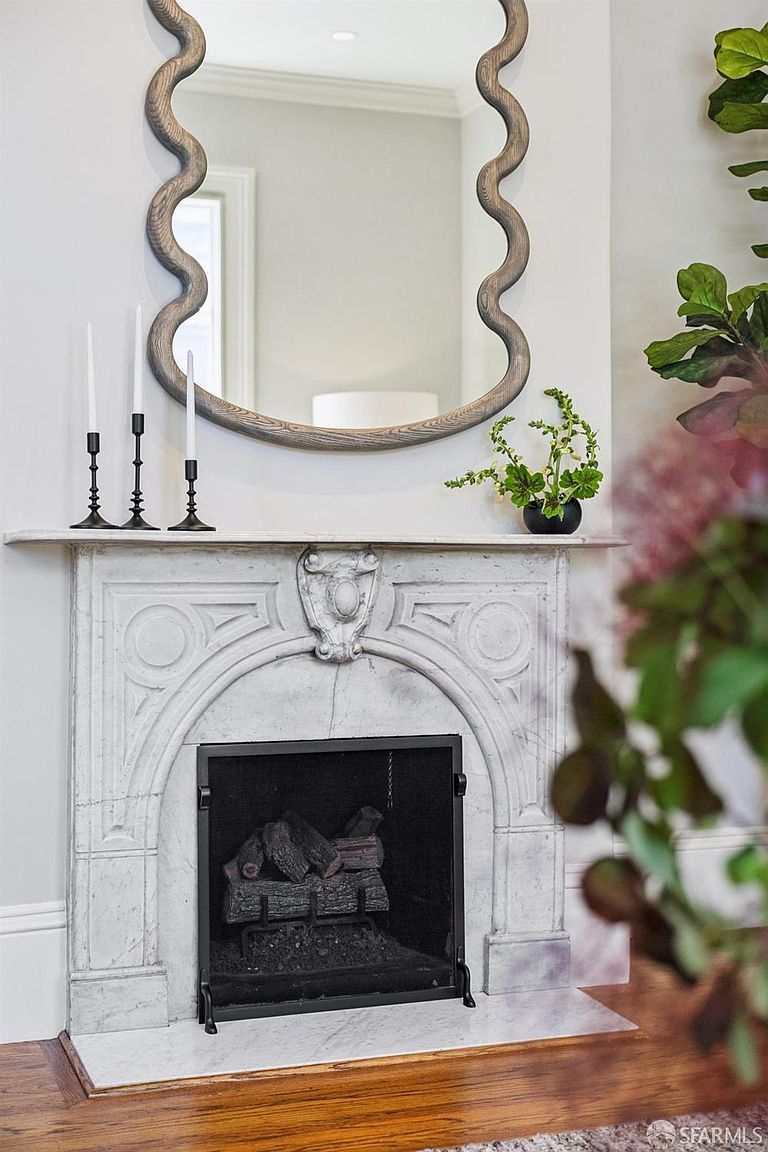
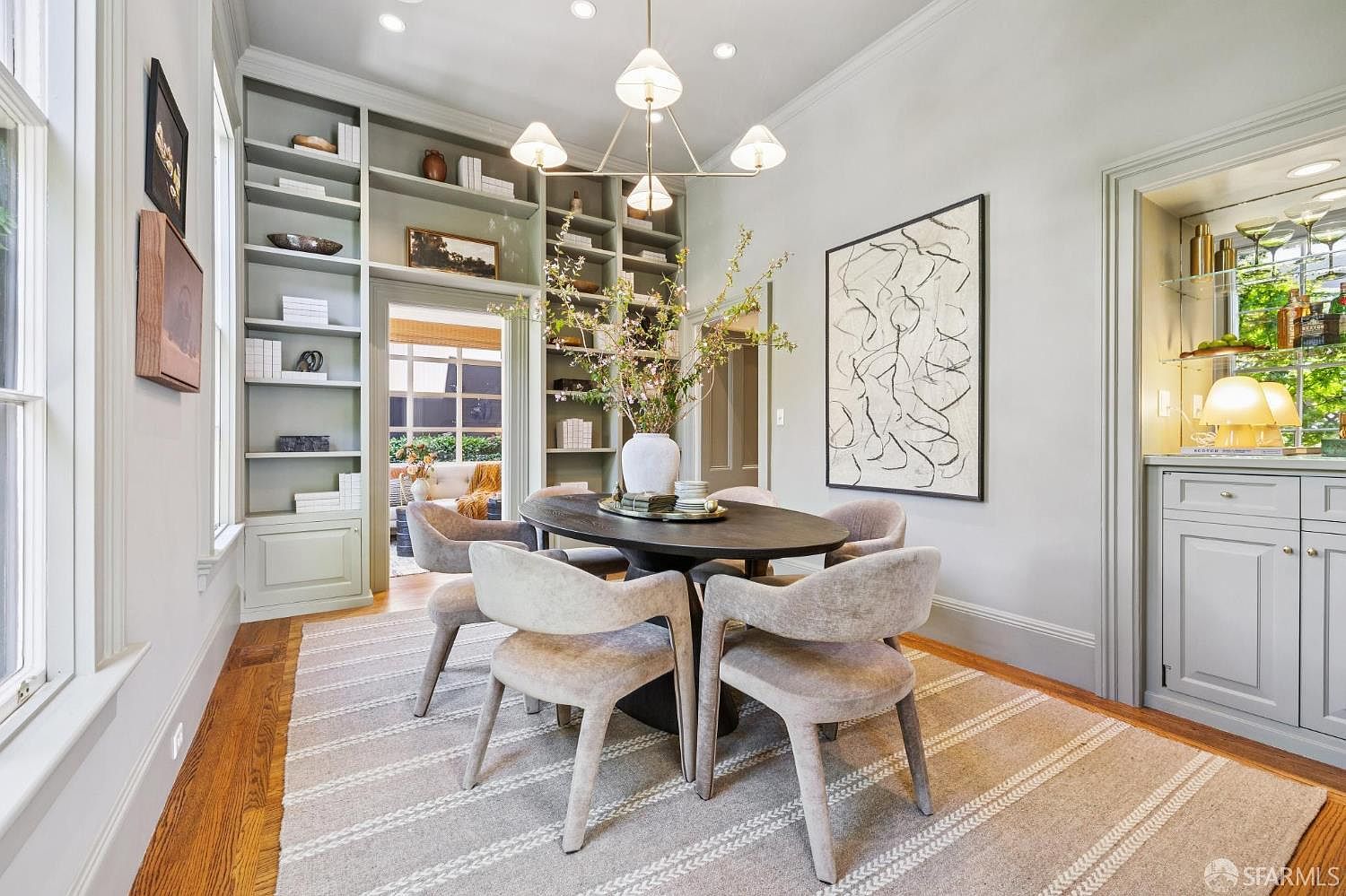
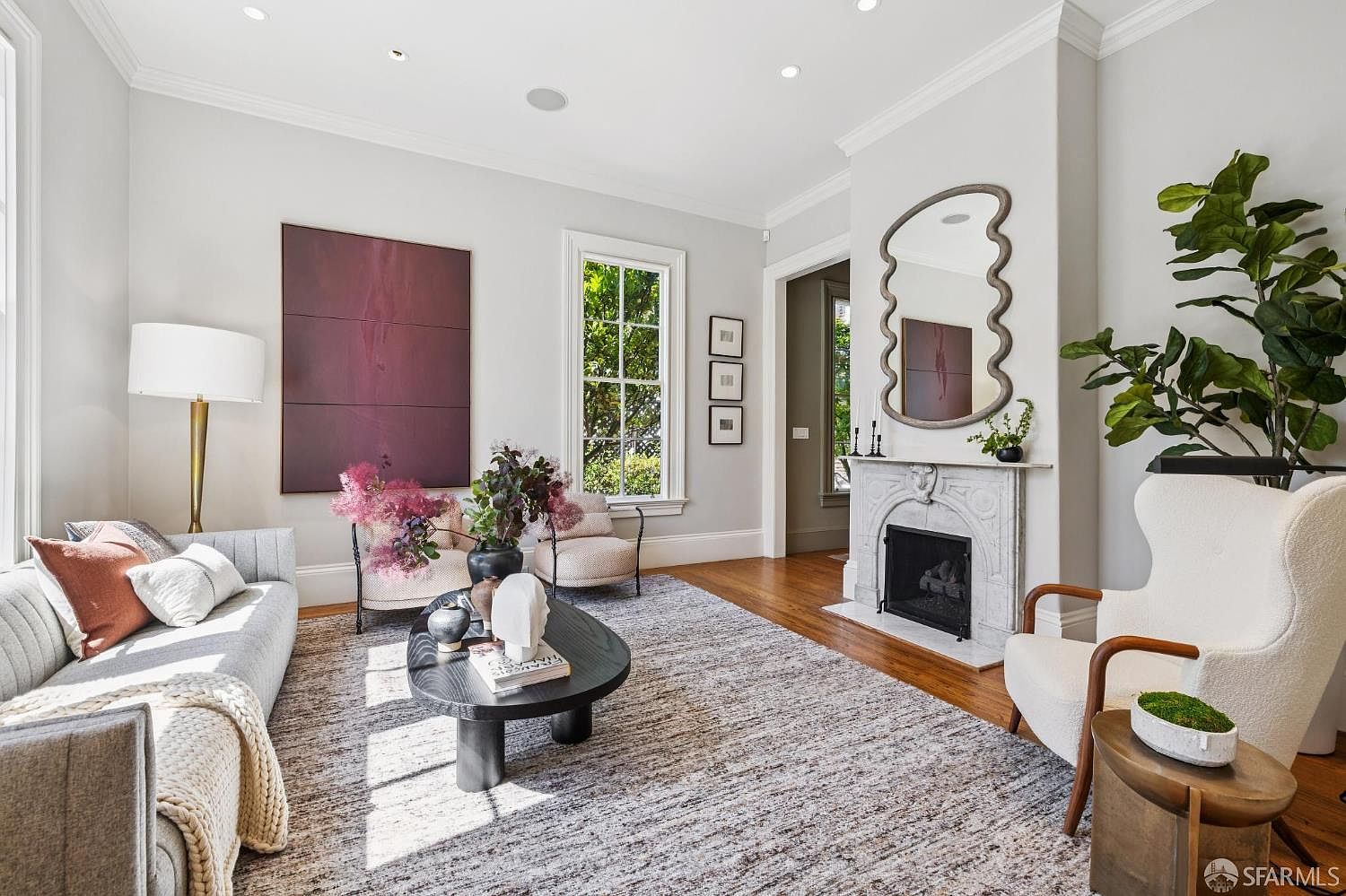
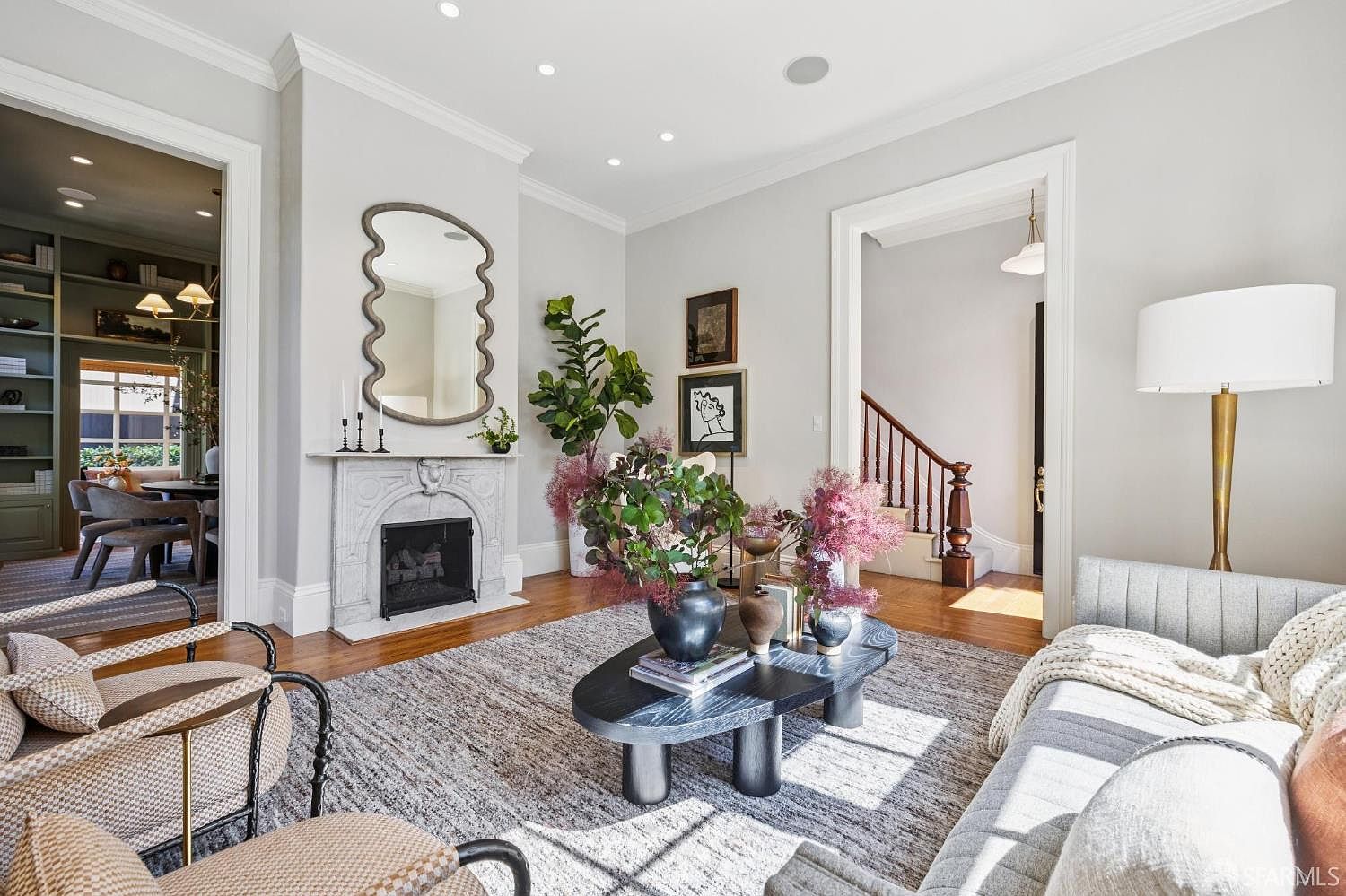
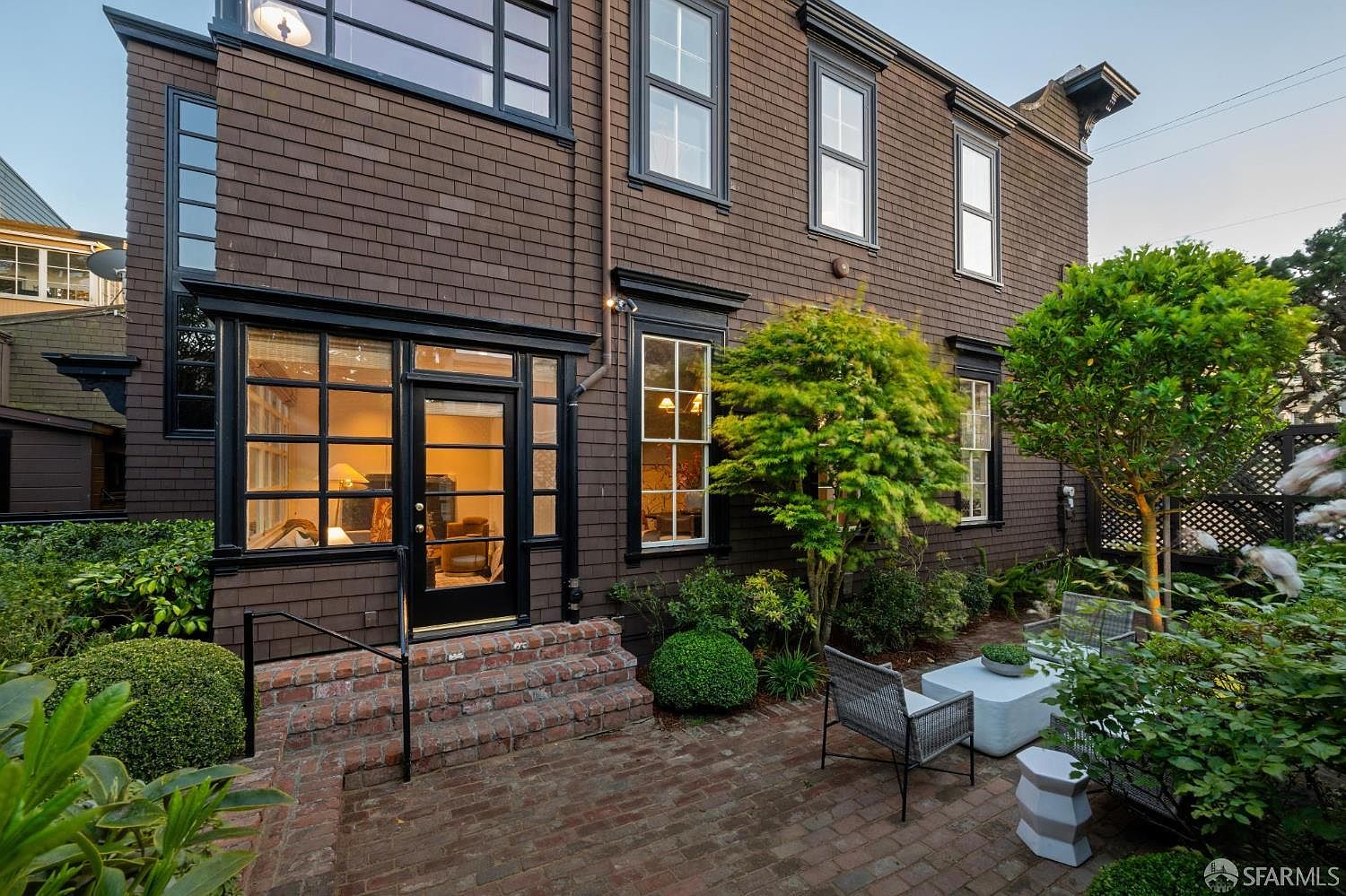
Built circa 1870, this fully detached Italianate Victorian has been brought to a state of beautiful polish without sacrificing an ounce of its original character. The main-level public rooms are anchored by a marble fireplace whose carved surround serves as a quiet, elegant focal point — a gathering place around which the rest of the room naturally organizes itself. Sight lines carry through to the formal dining room, where the same luminous quality holds and a multi-armed chandelier casts a warm, considered glow over a space equally suited to intimate dinners and formal occasions.
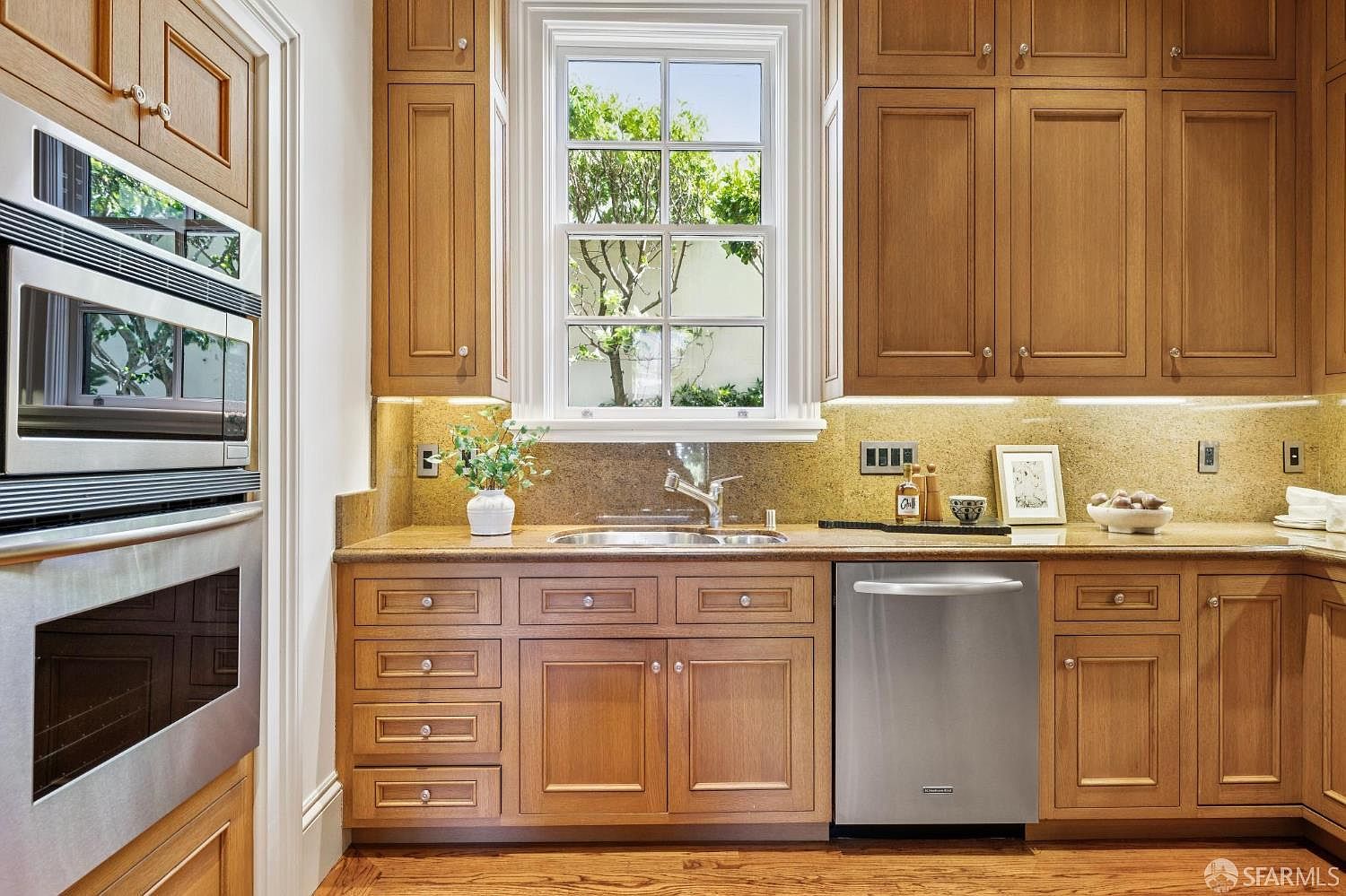
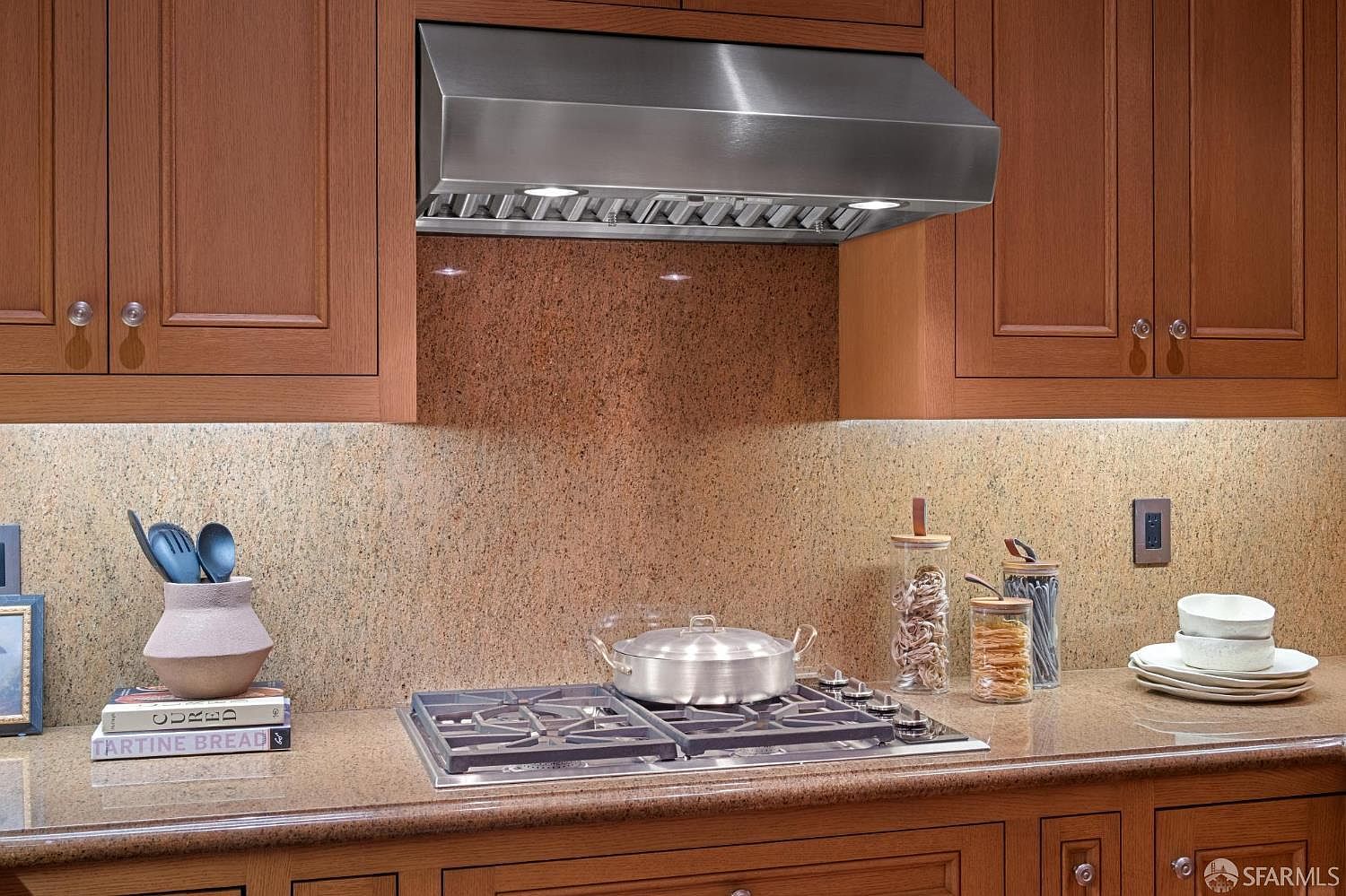
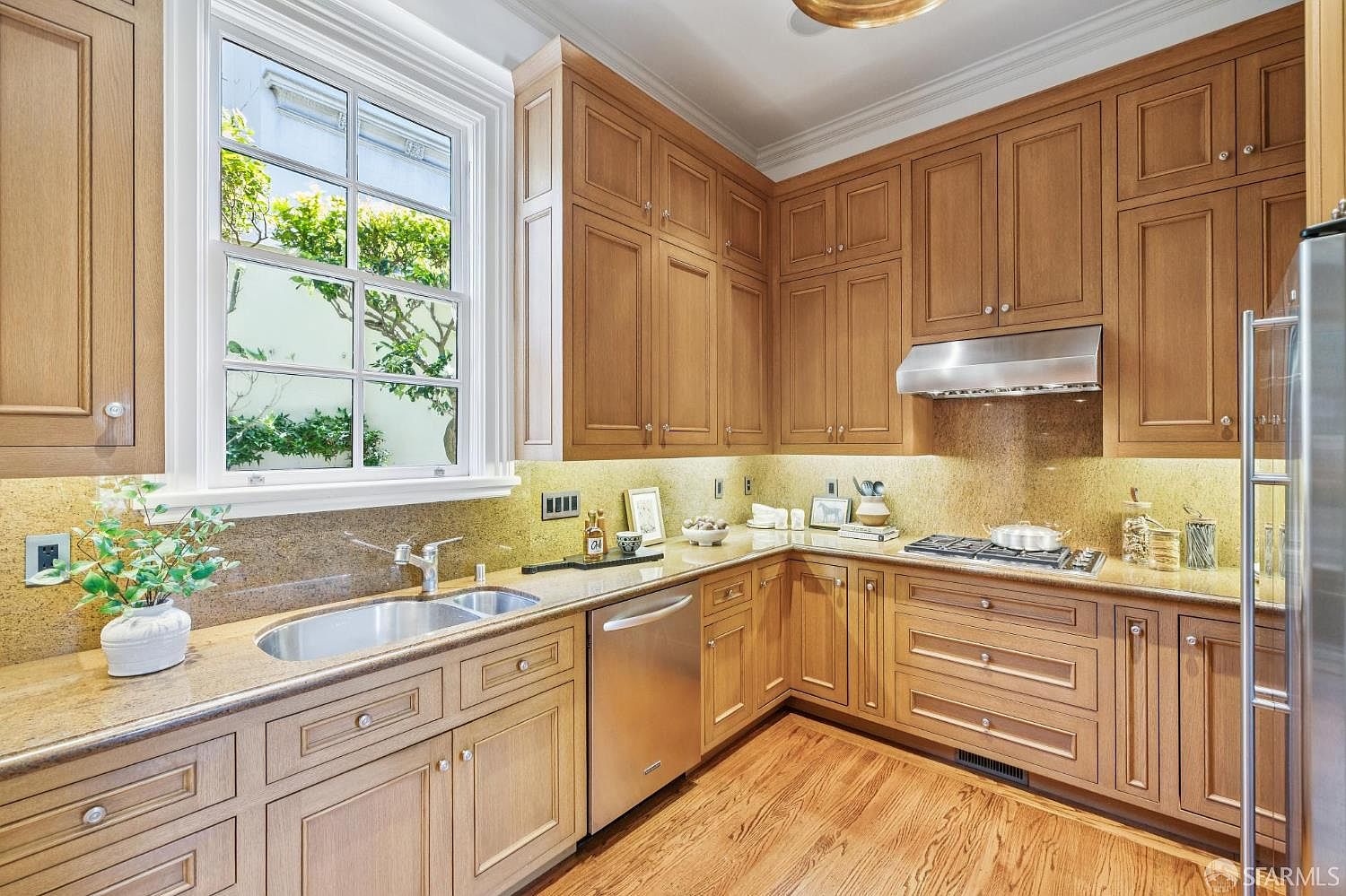
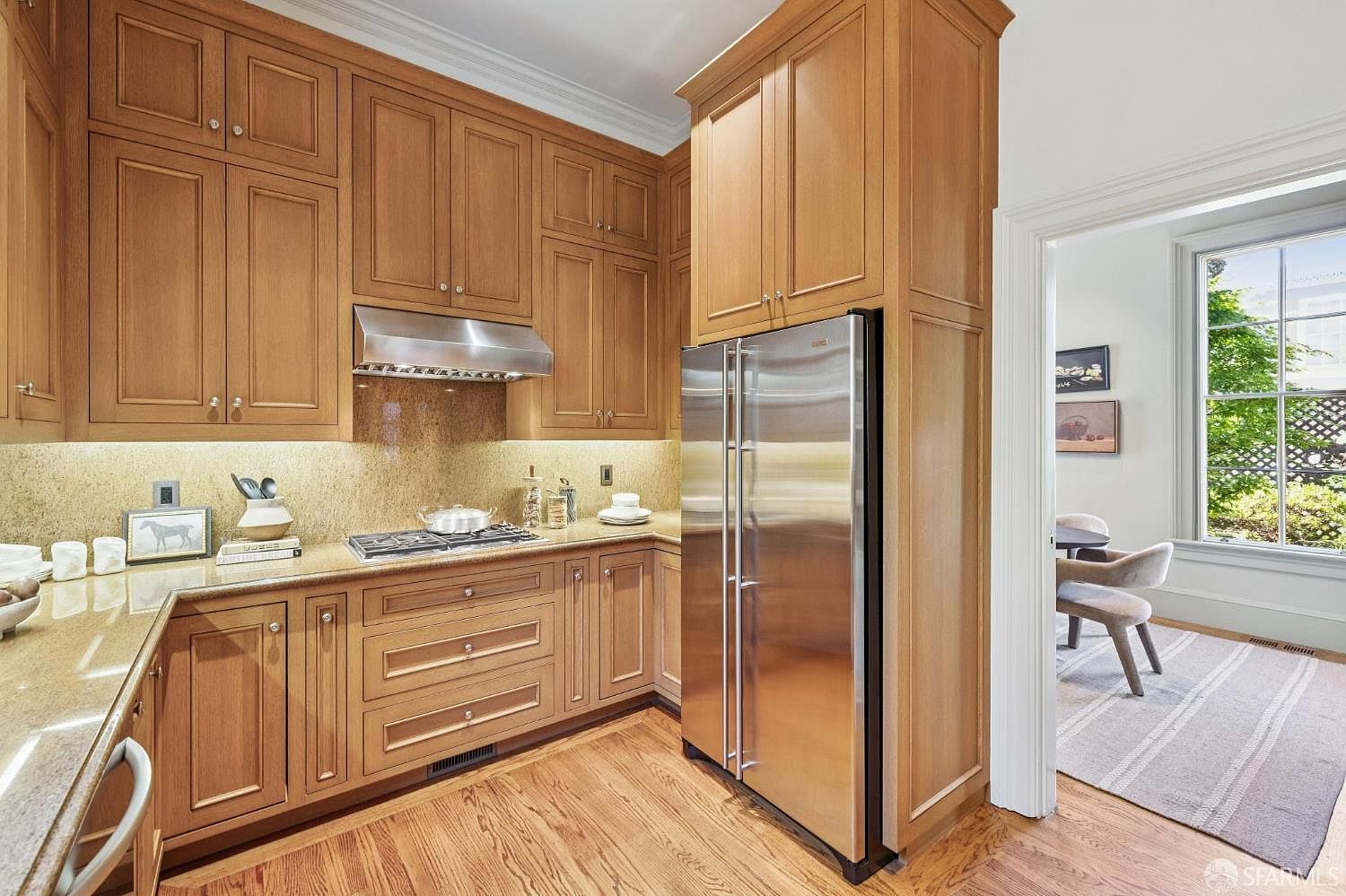
The kitchen is a serious room — professionally equipped, generously scaled, and paired with a butler's pantry that extends its capabilities without cluttering its aesthetic. Warm-toned wood cabinetry, stone countertops, a stainless steel gas cooktop, and under-cabinet lighting combine to create a workspace that handles a dinner party for twenty as effortlessly as a quiet weeknight meal. It is the kind of kitchen that rewards those who cook and accommodates those who simply love to gather.
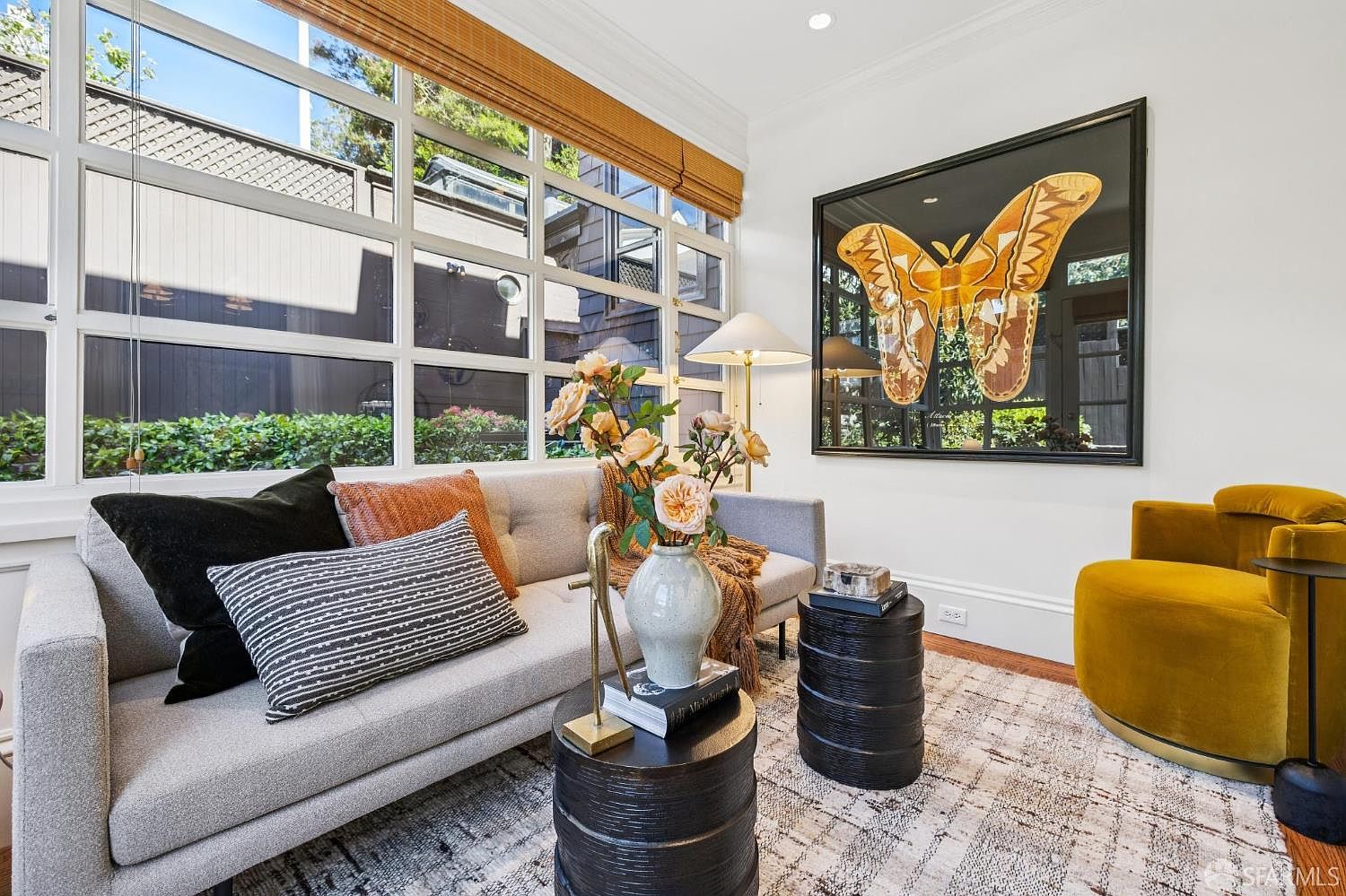
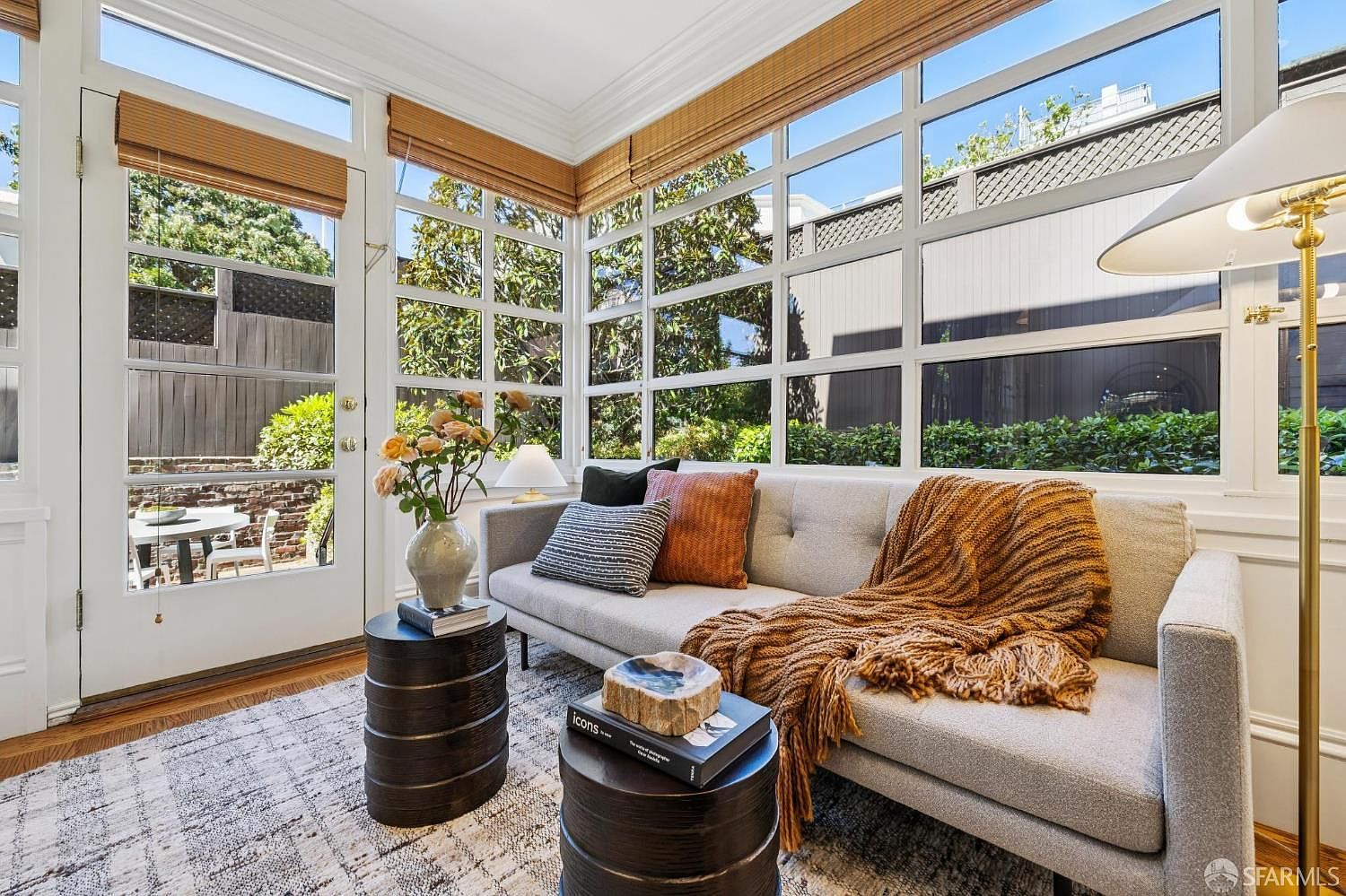
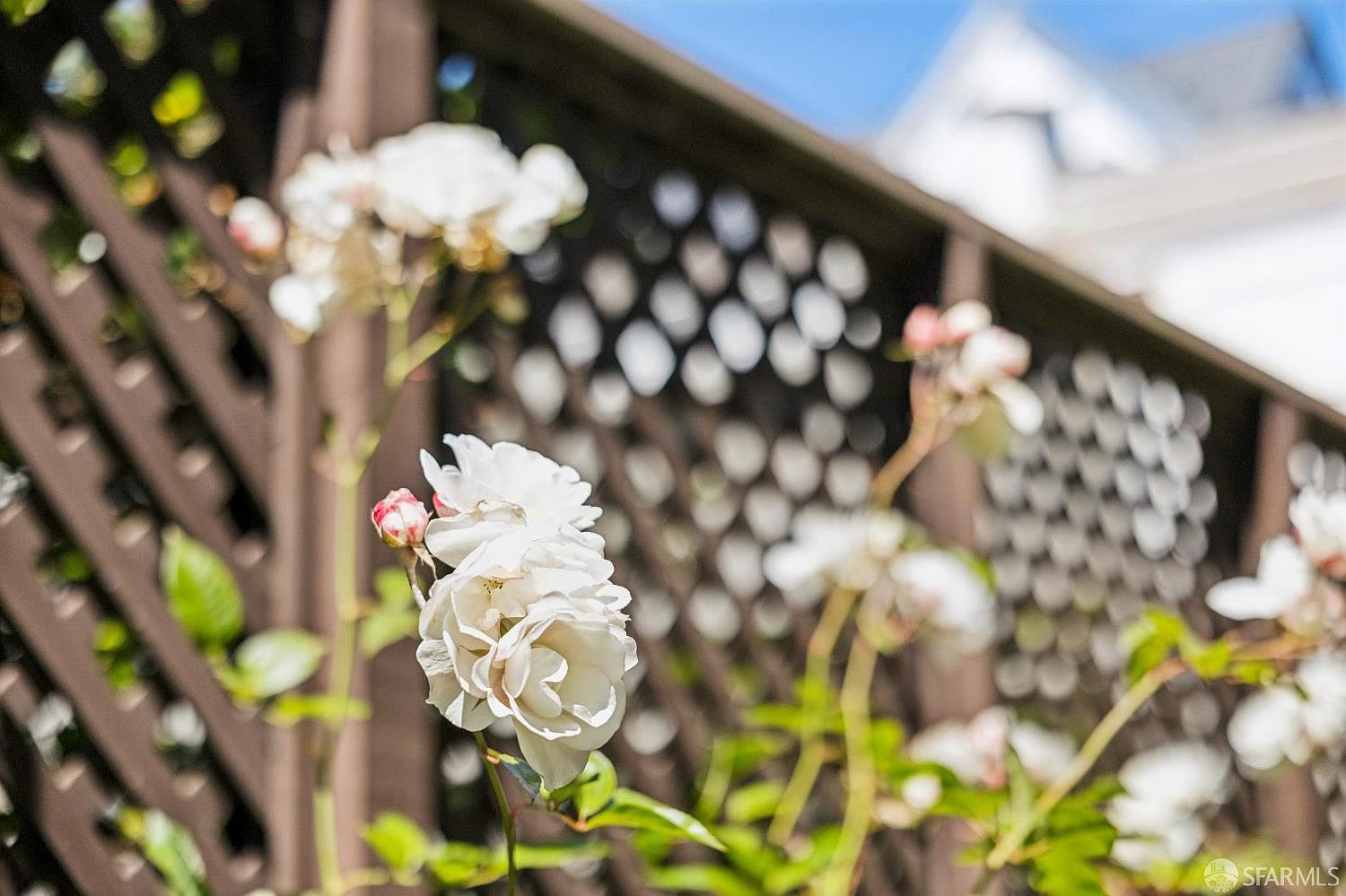
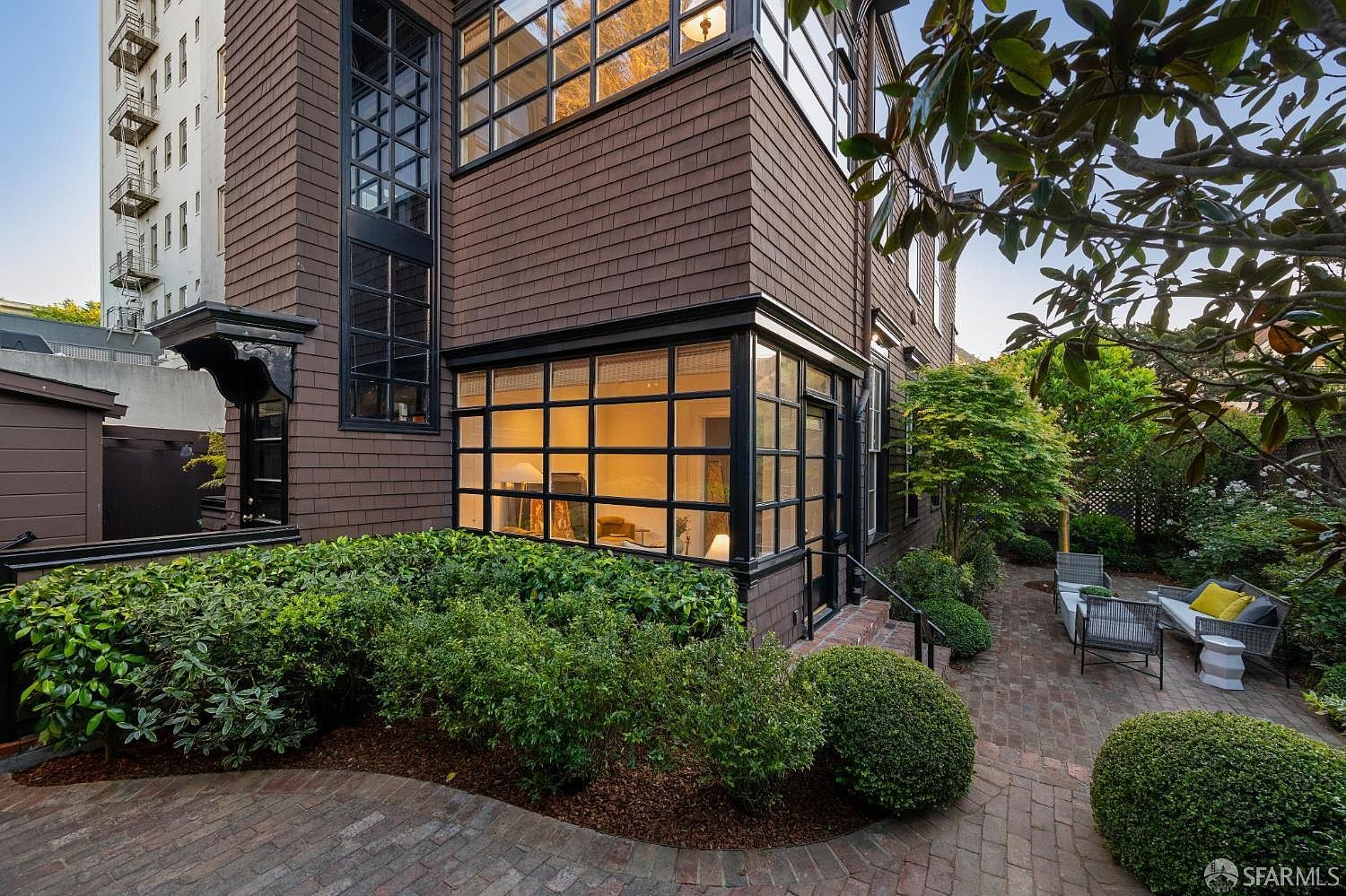
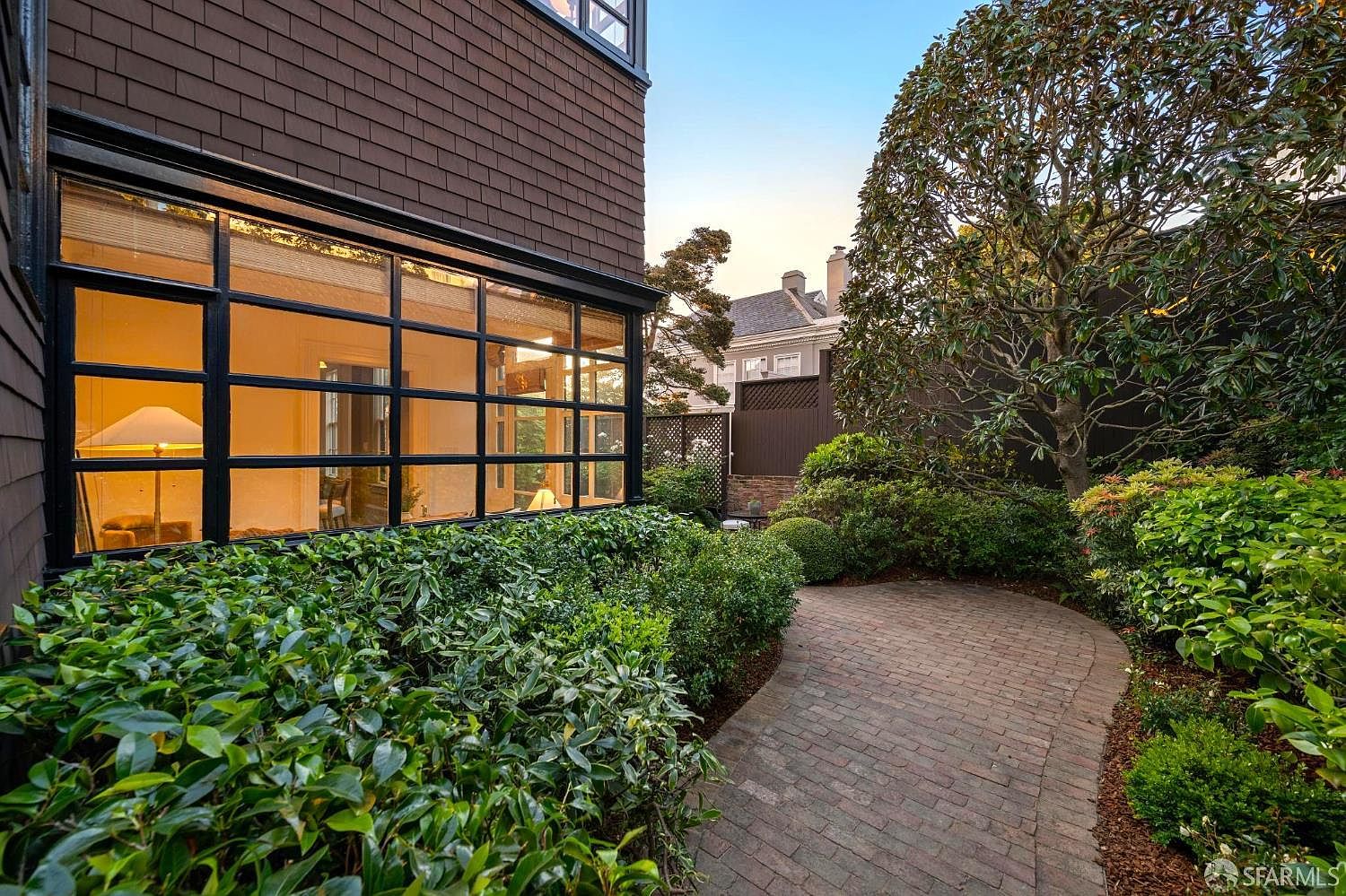
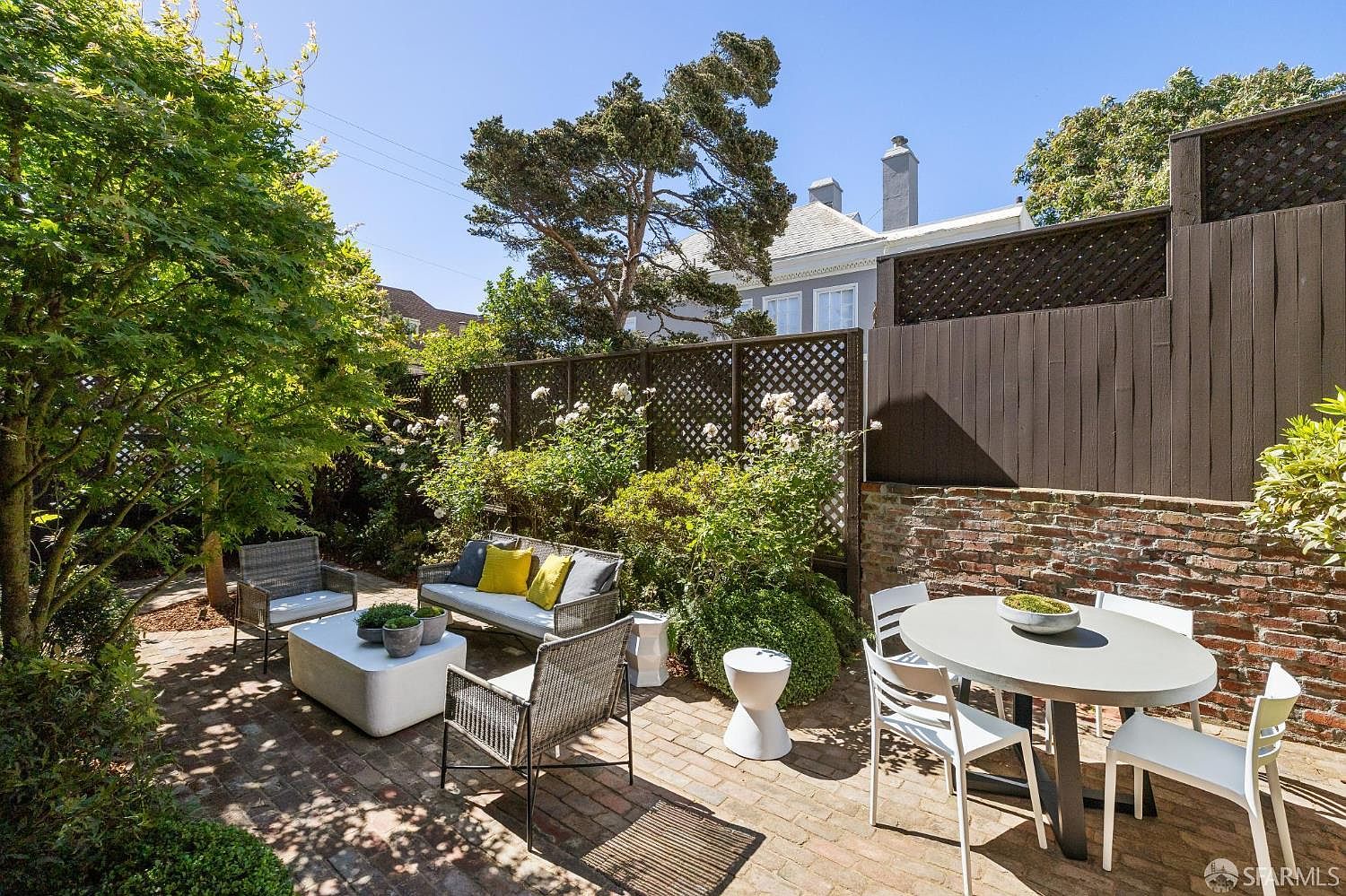
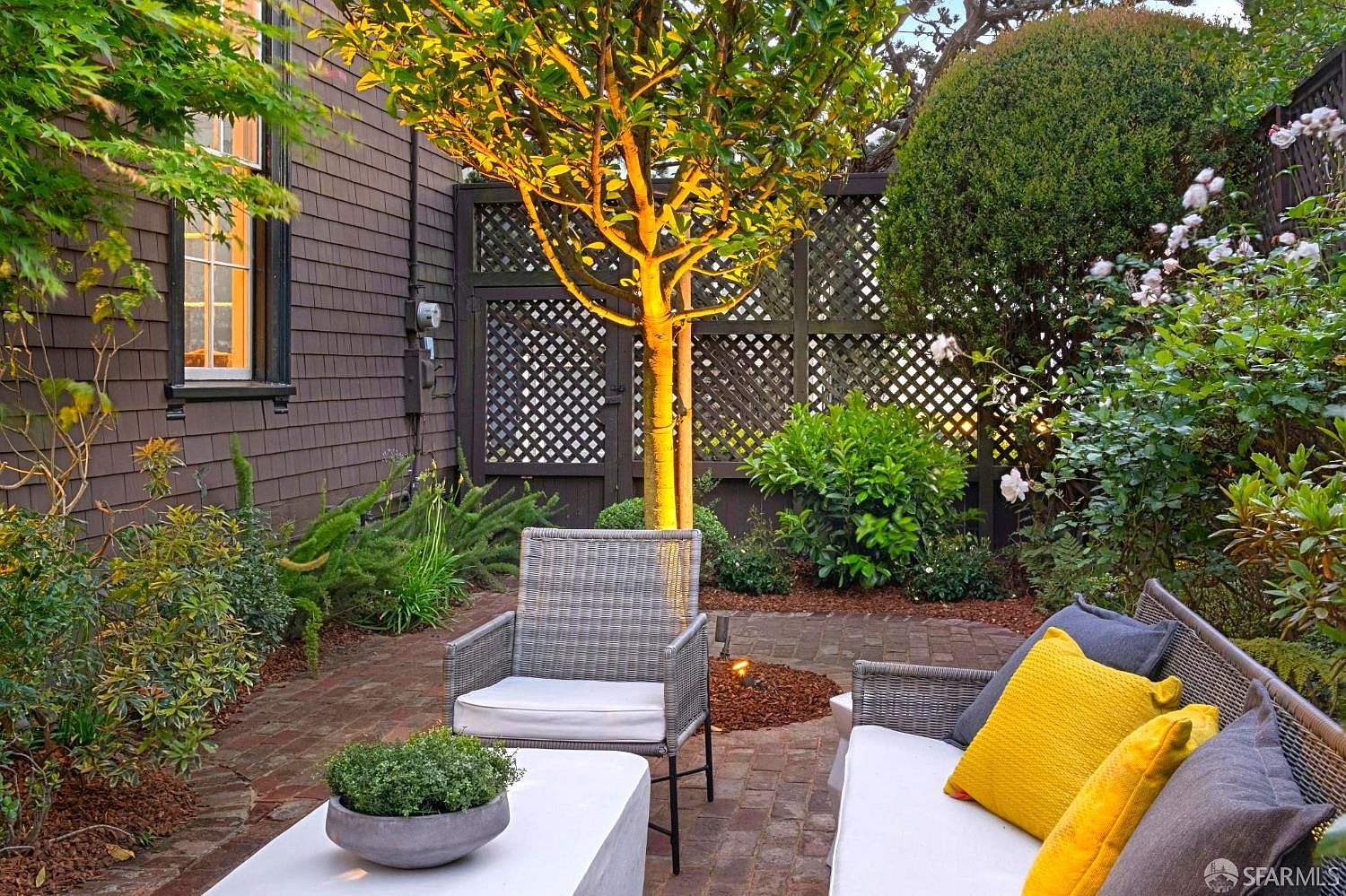
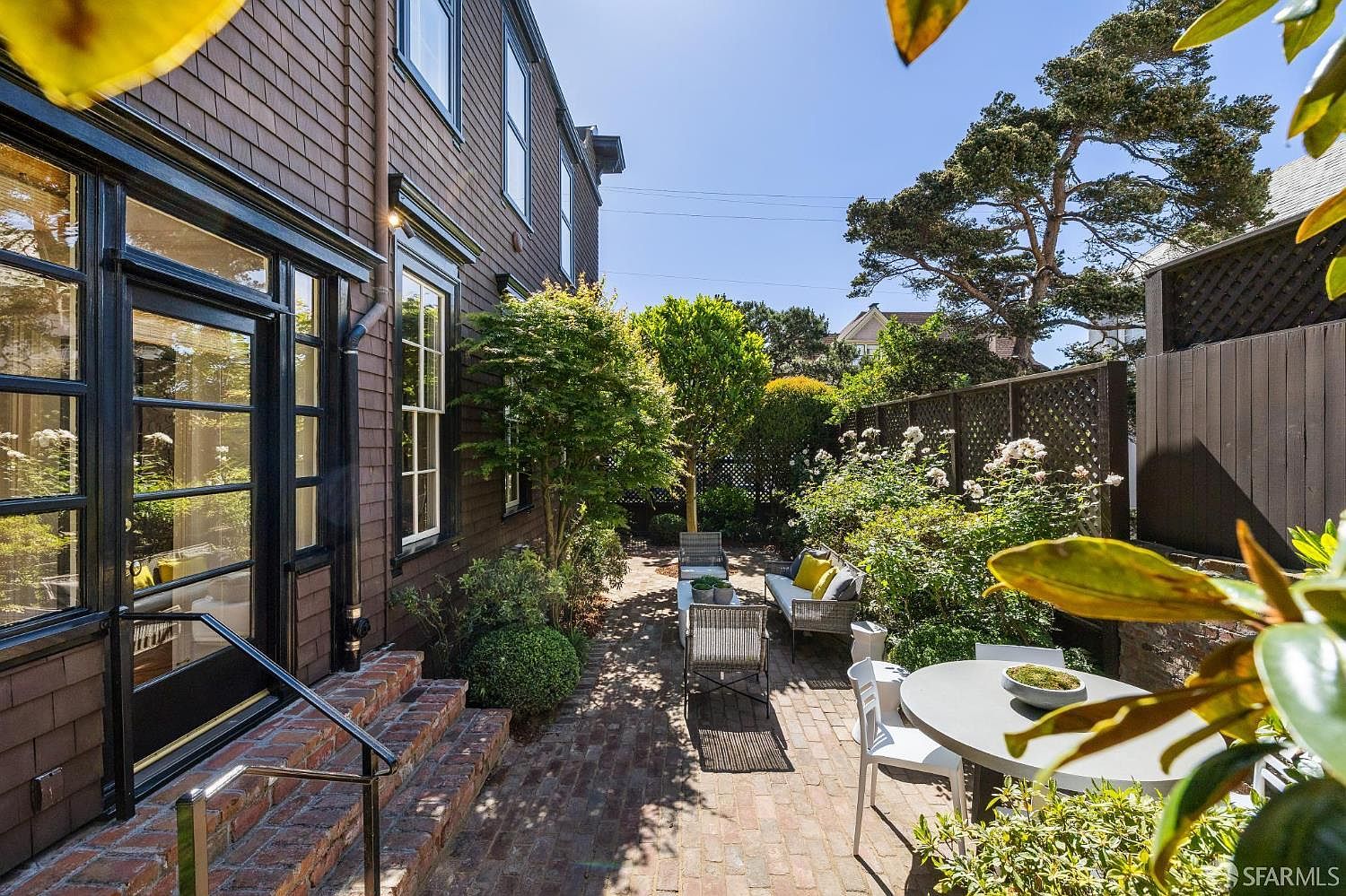
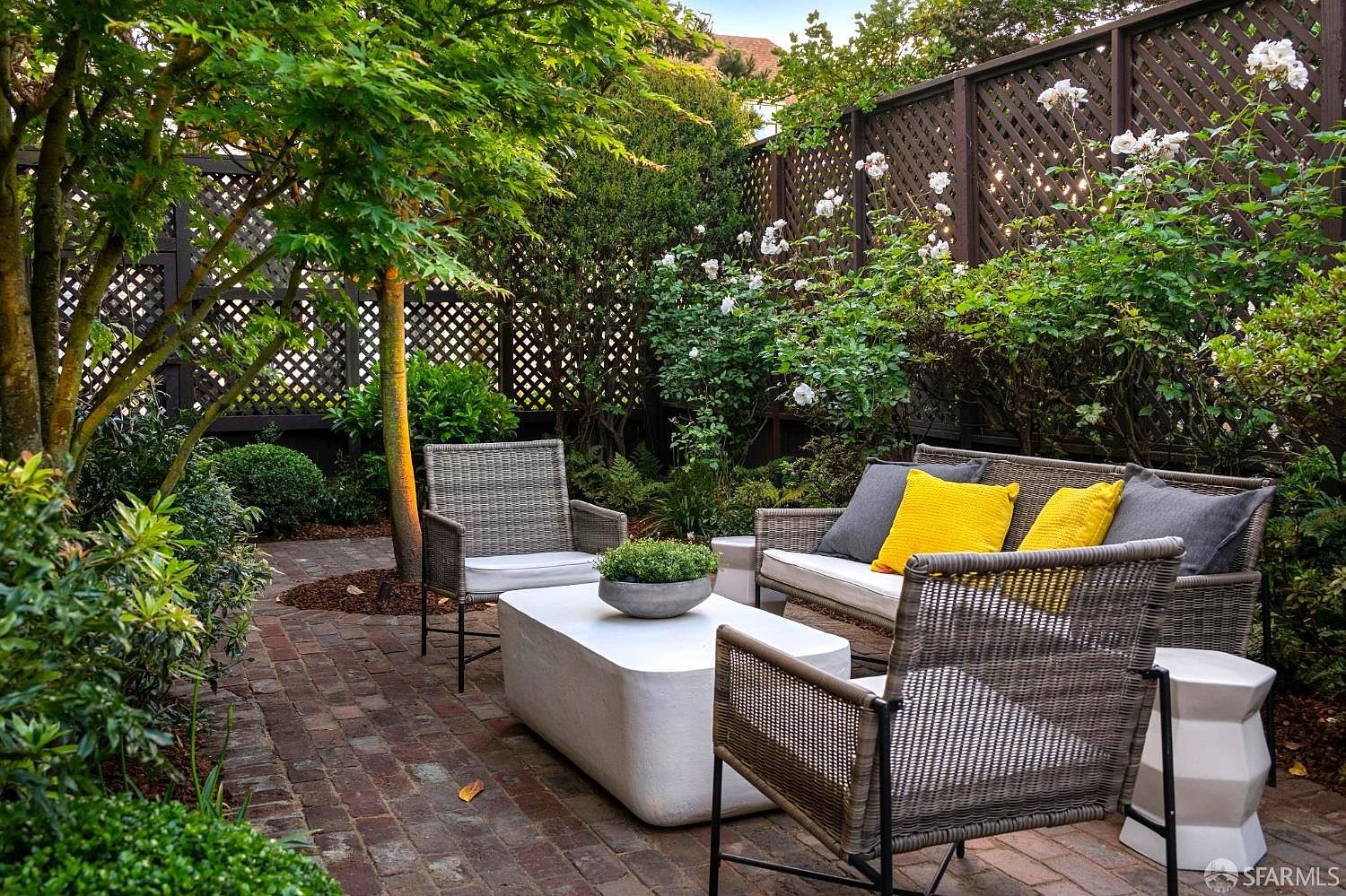
A sunroom on the main level dissolves the boundary between inside and out, opening directly onto a mature, sheltered garden where brick patios, climbing roses, flowering shrubs, and canopy trees create a sequence of outdoor rooms that feel genuinely private. The garden is not a backdrop — it is a destination, and the architecture knows it.
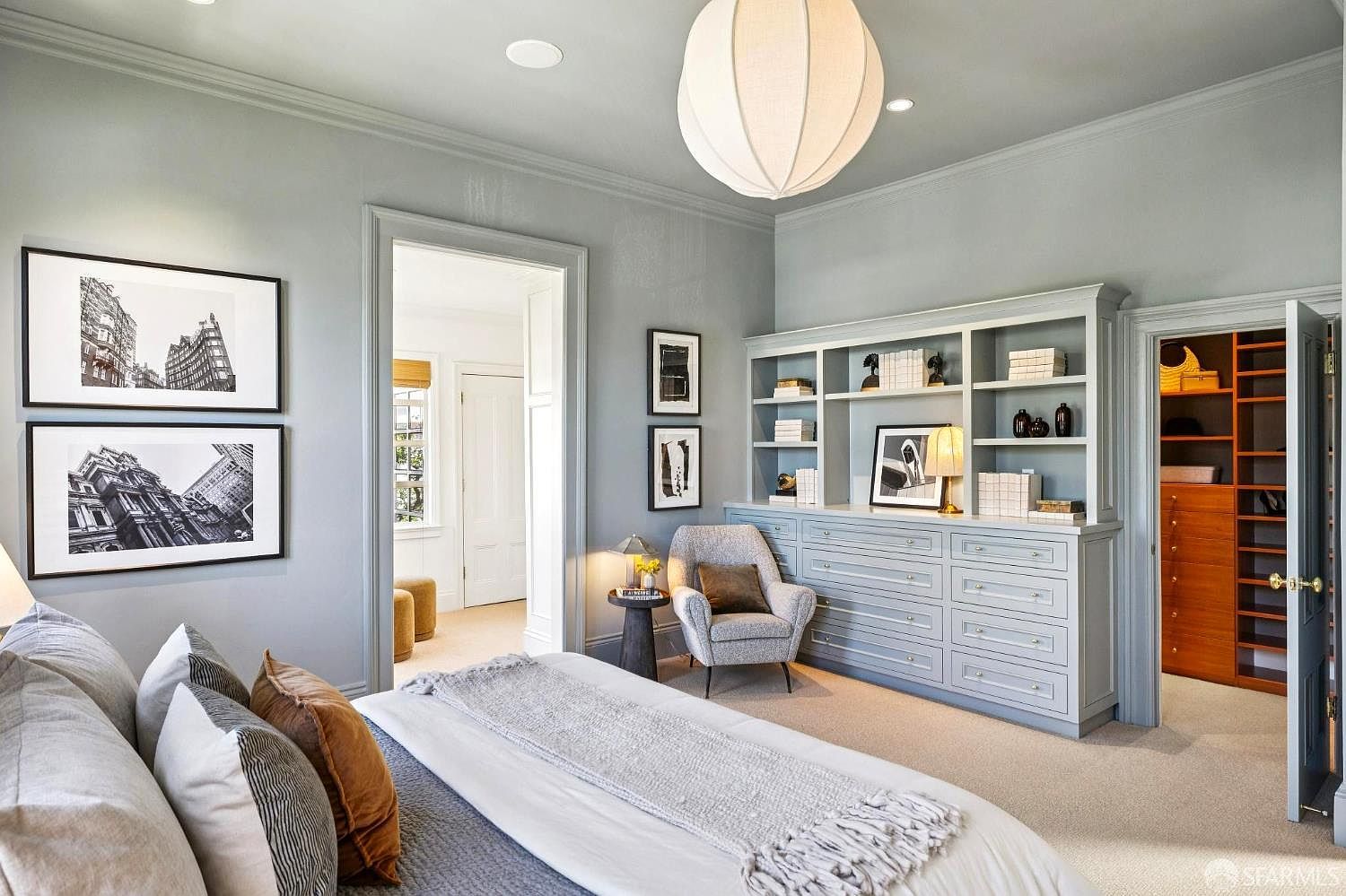
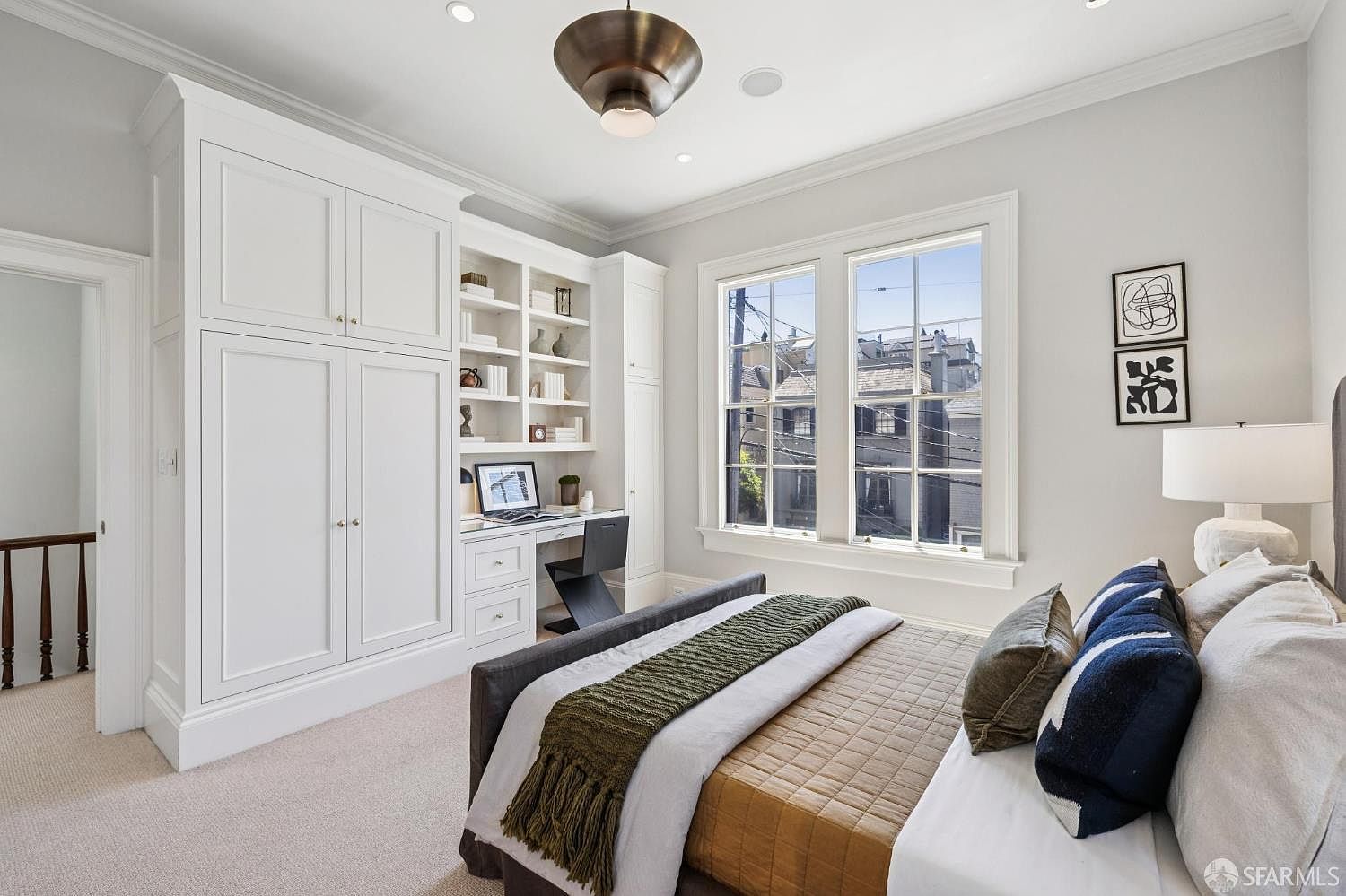
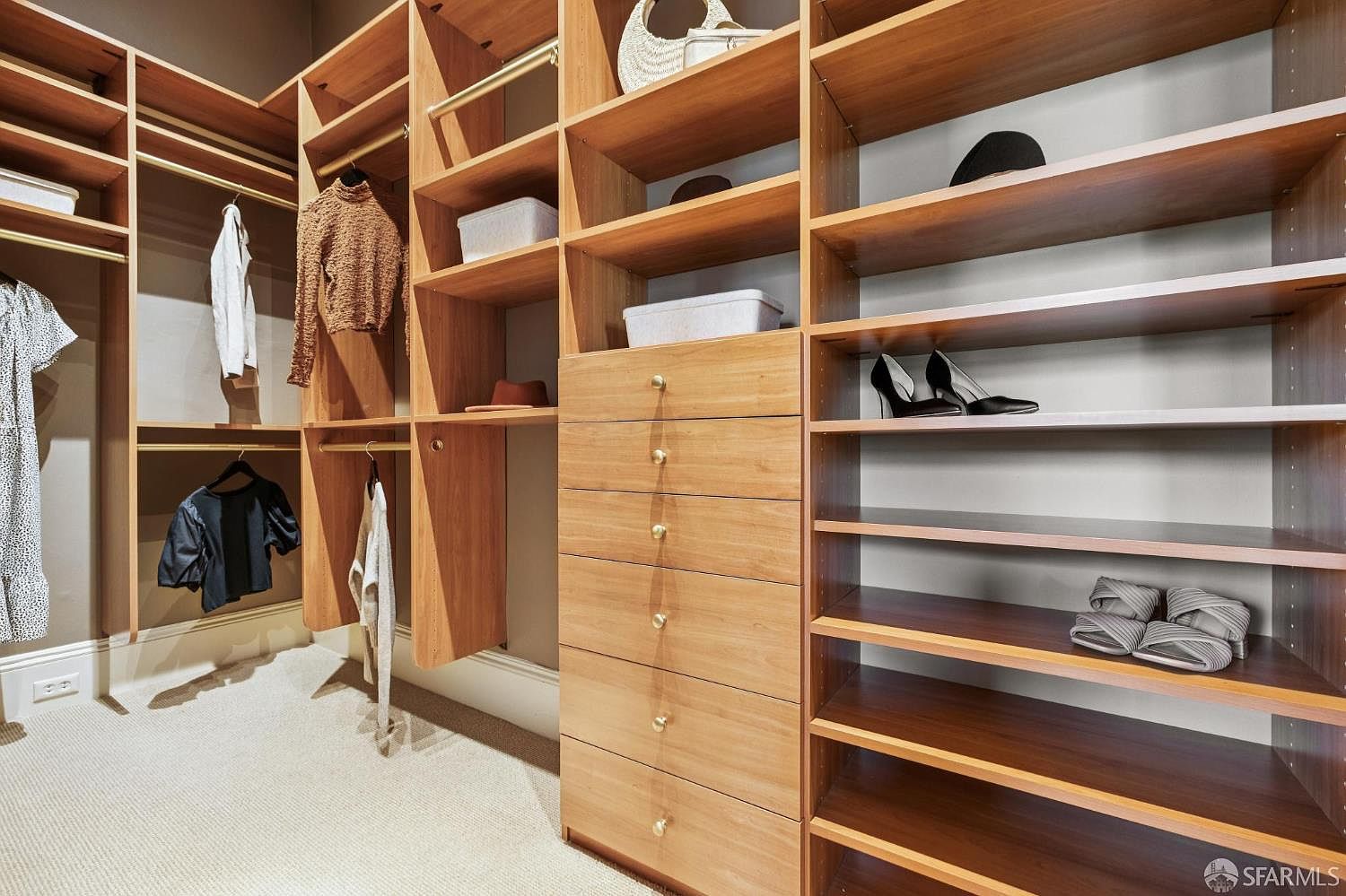
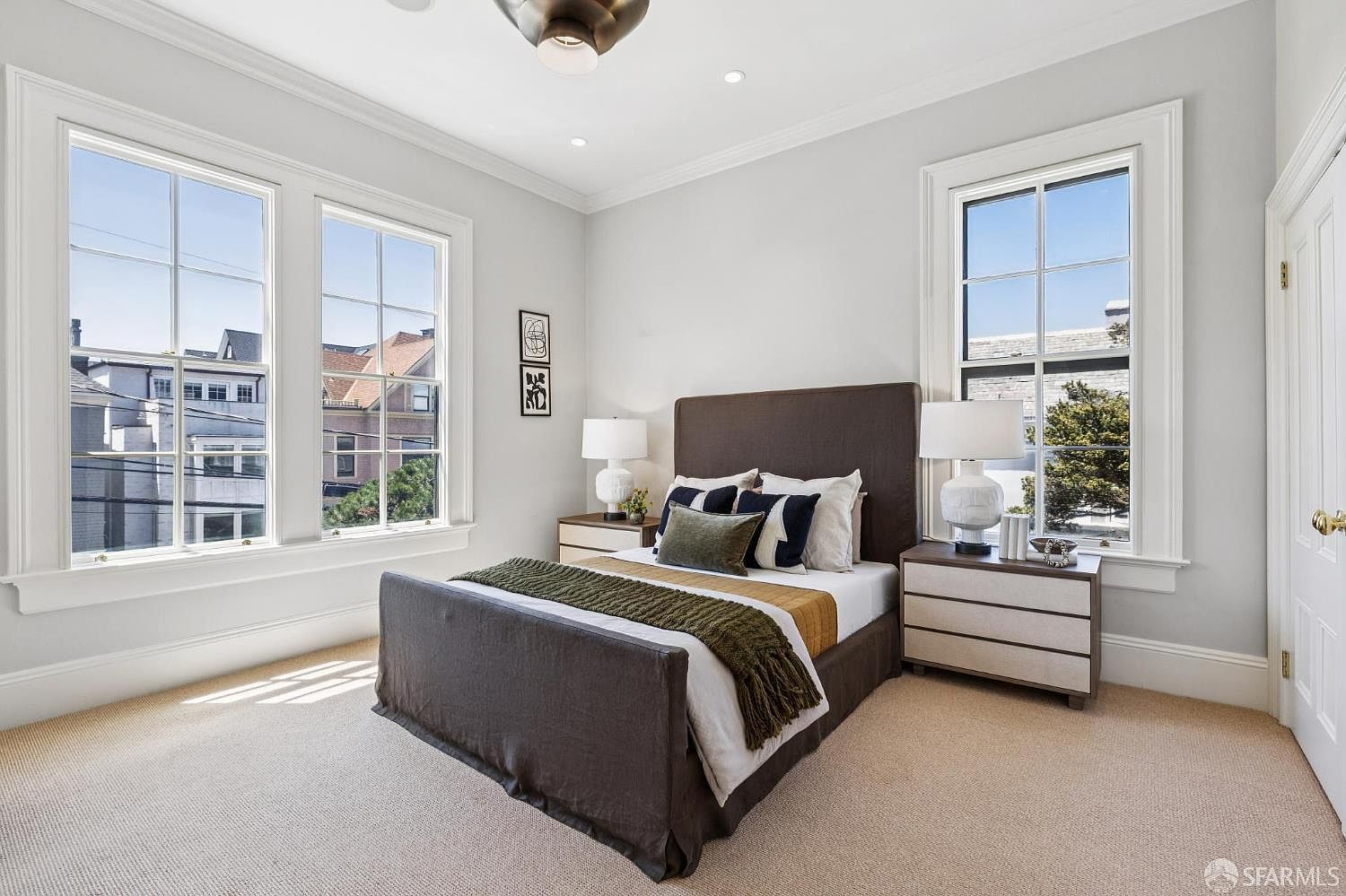
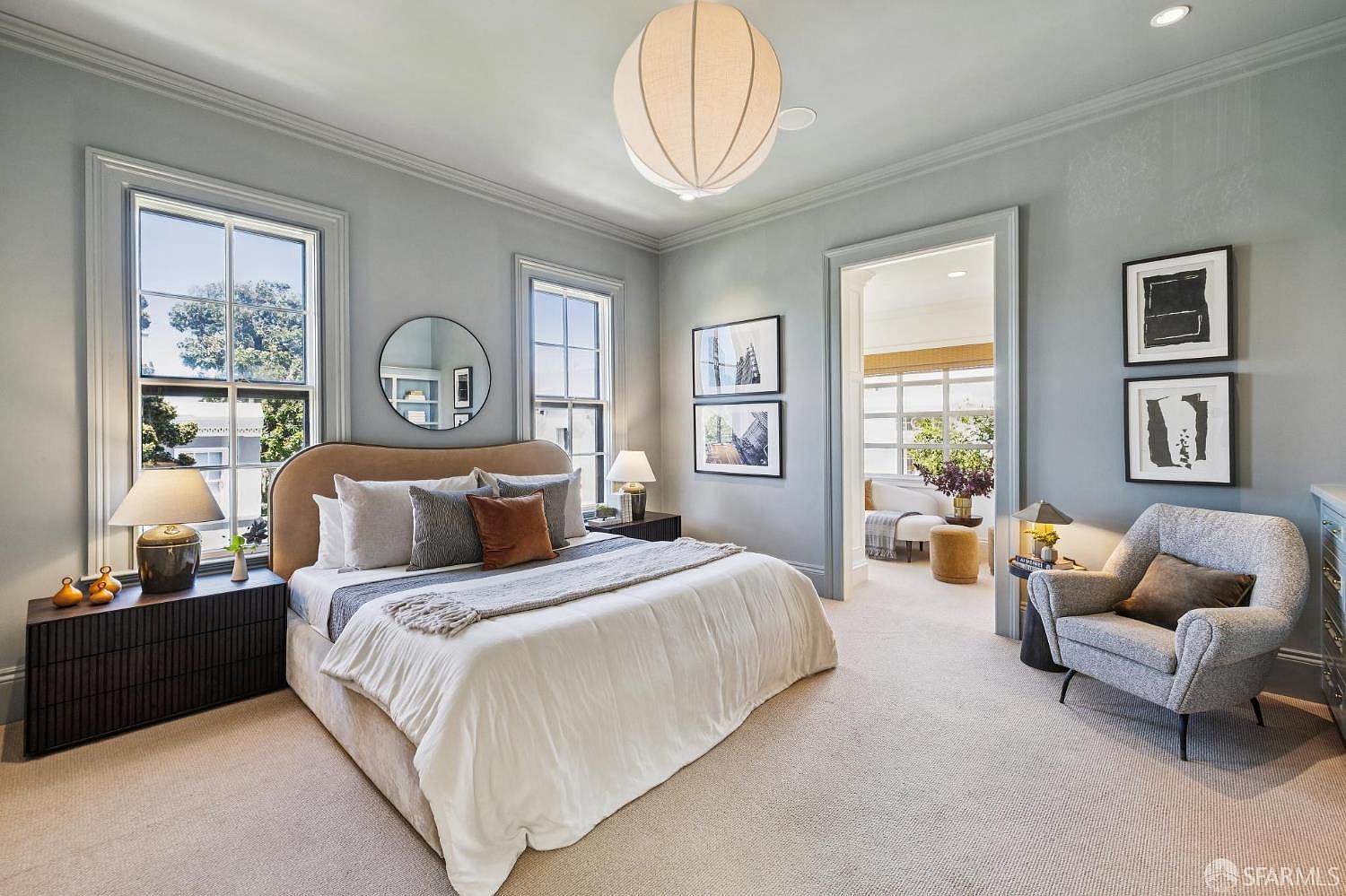
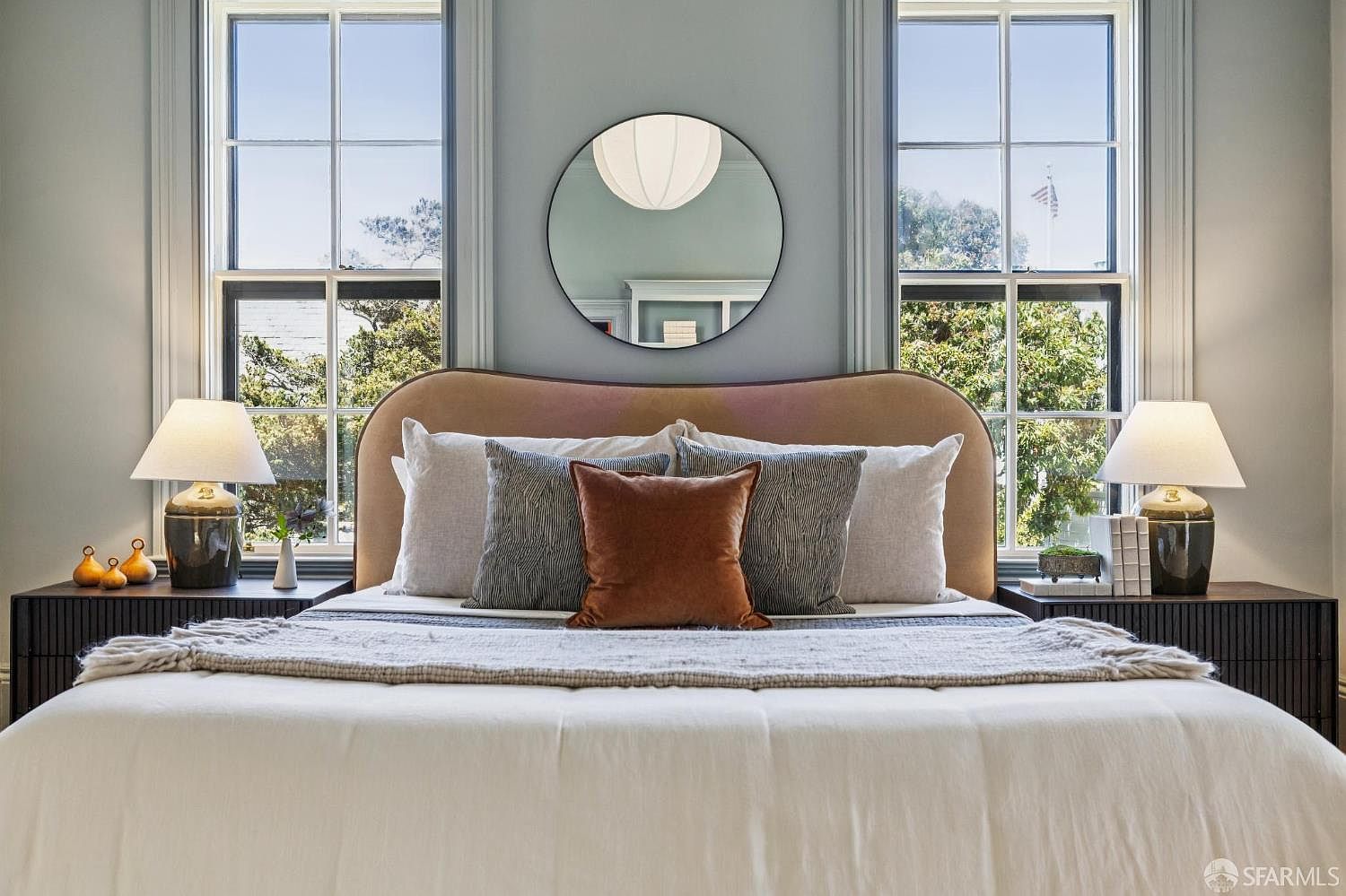
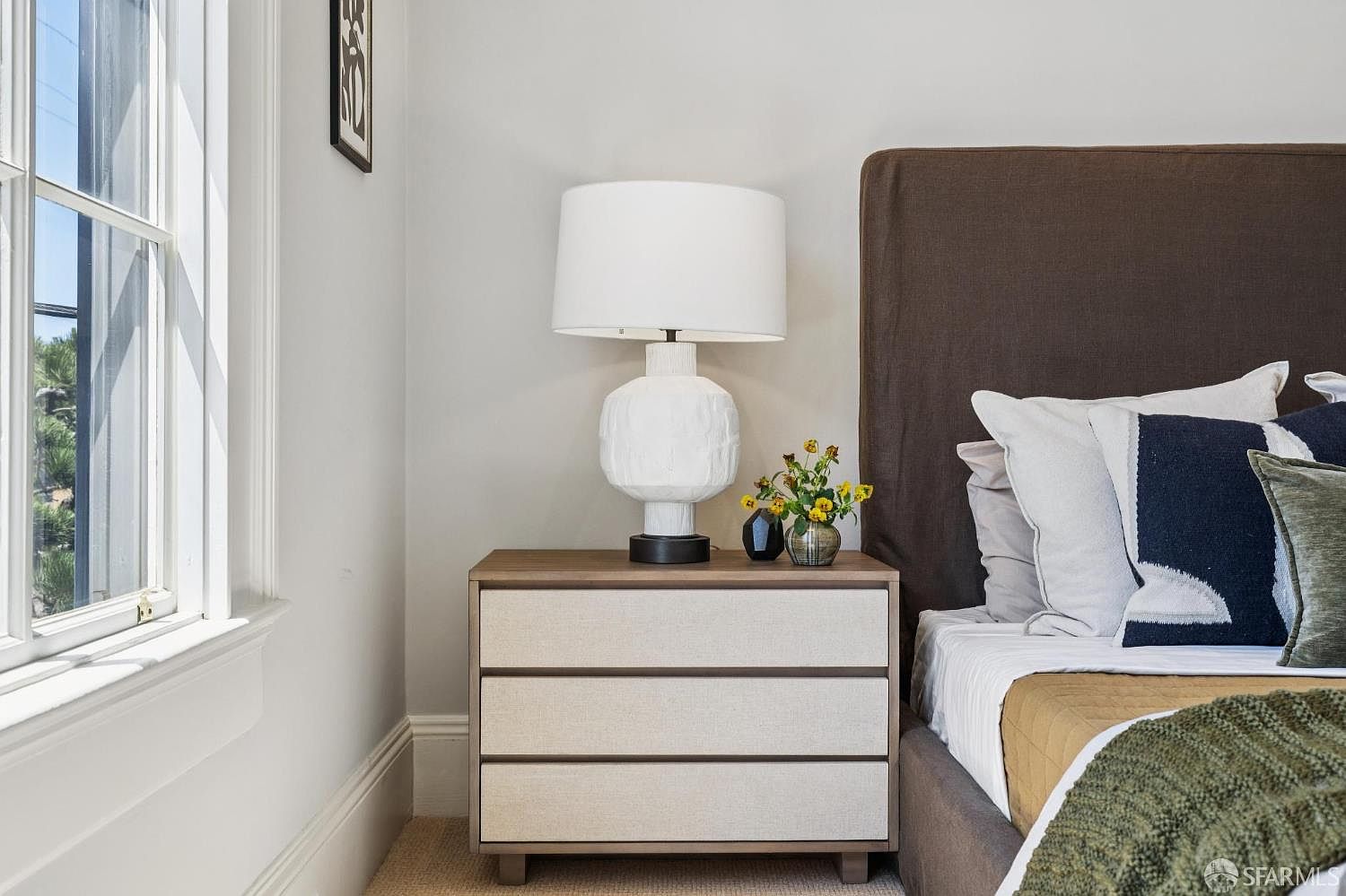
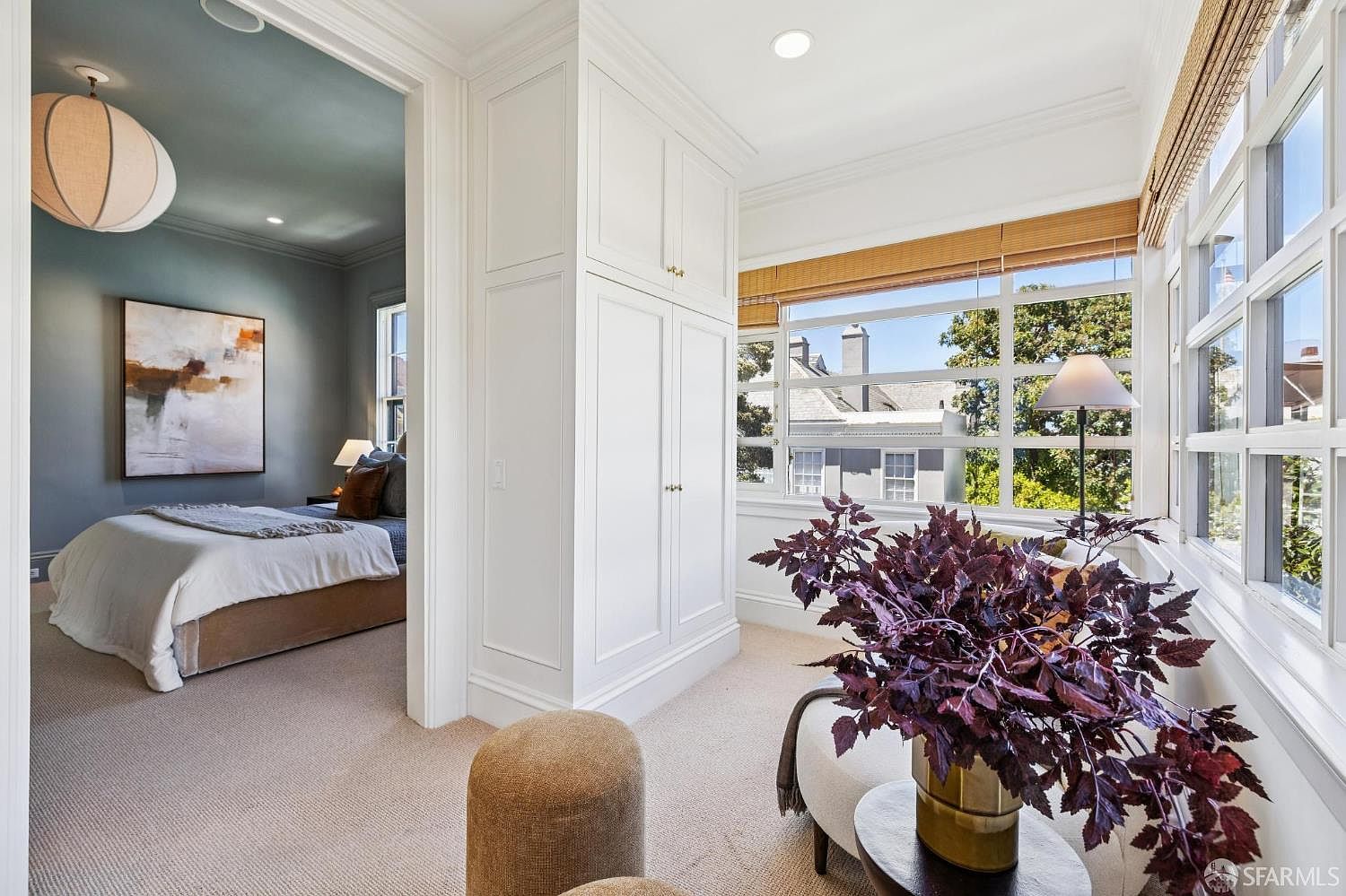
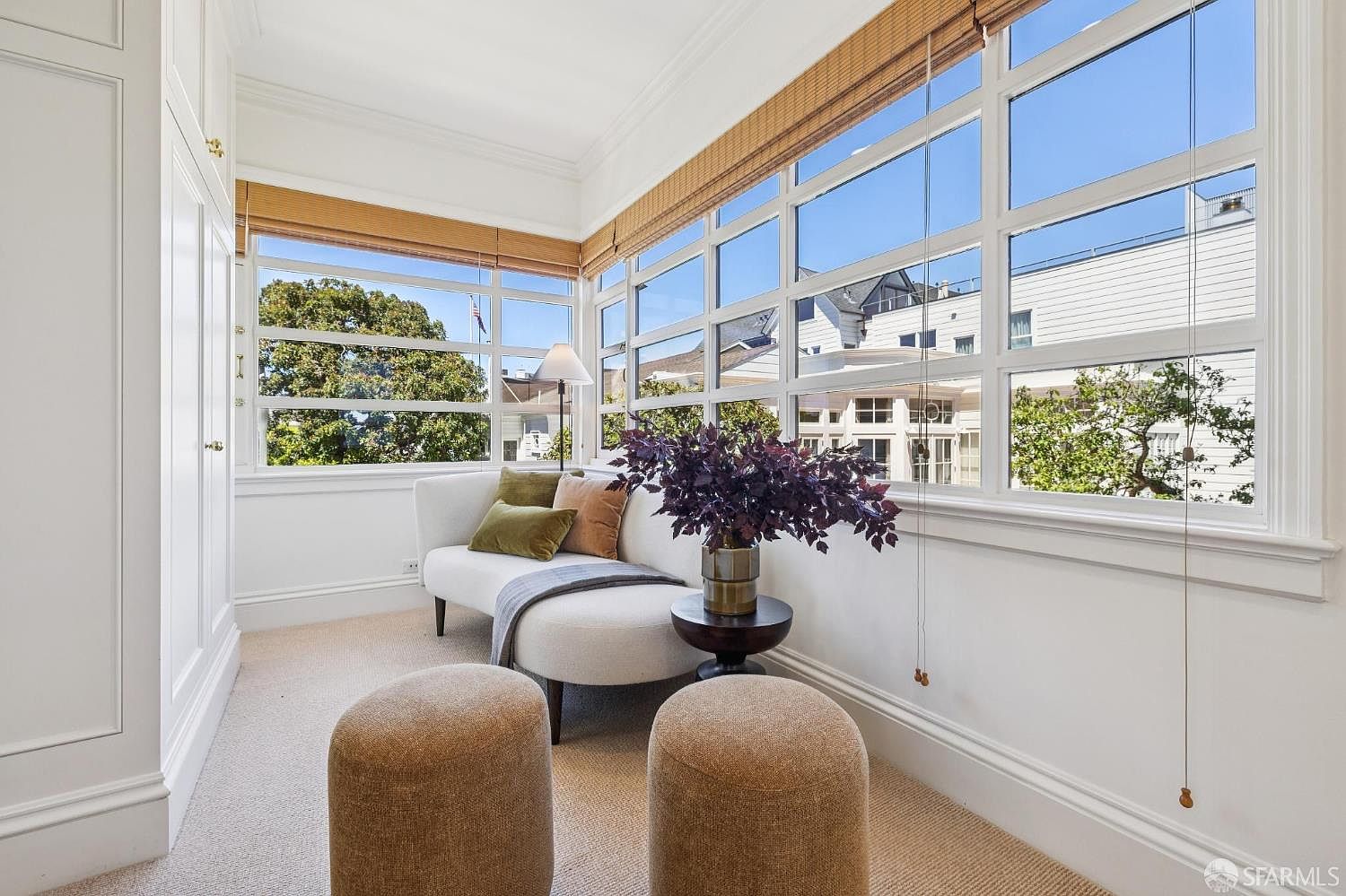
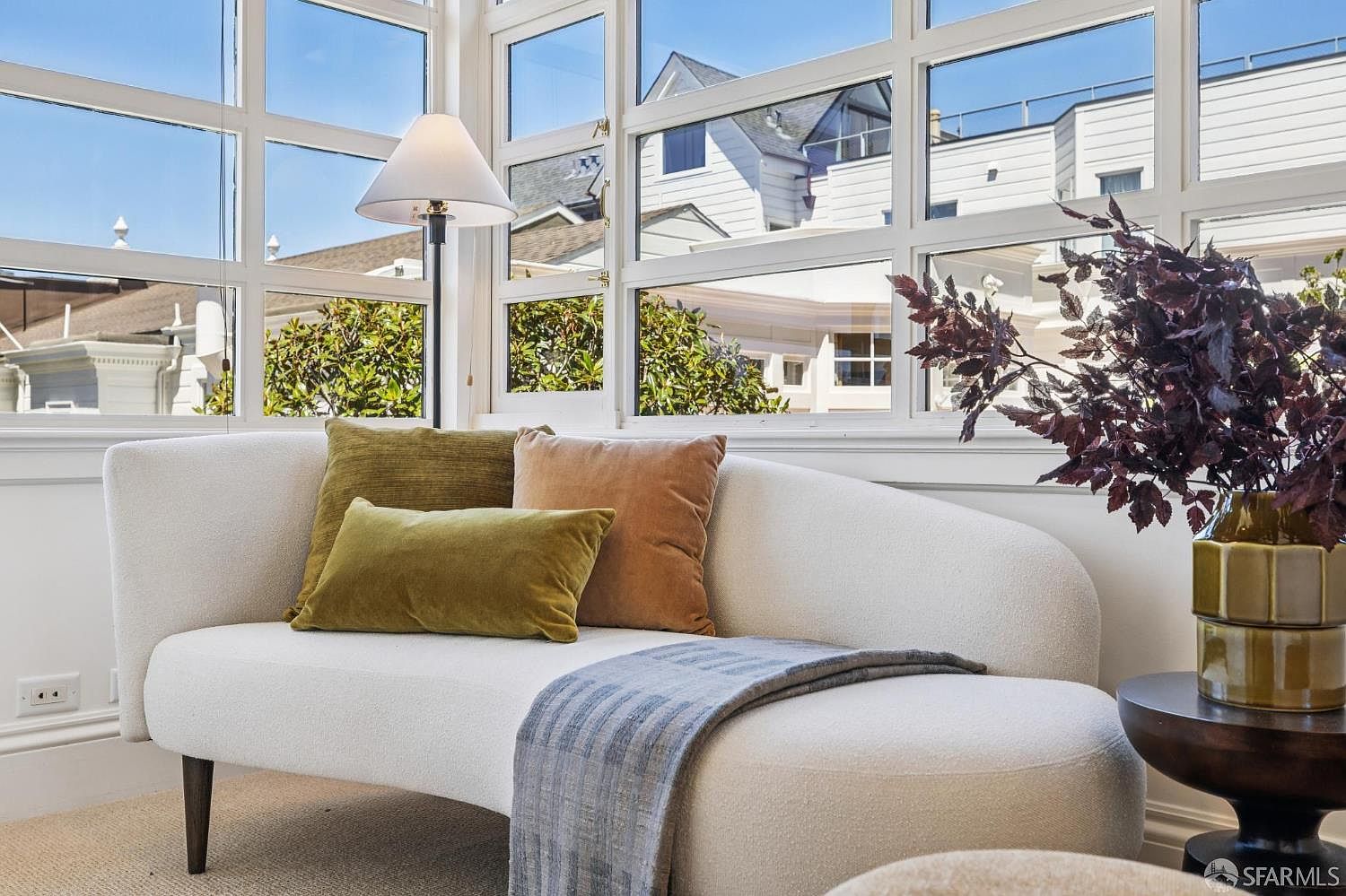
Upstairs, two bedrooms and two marble baths offer considered comfort. The primary suite is generous in every sense: a curved upholstered headboard anchors the room, walk-in closets and custom built-in storage address the practical, and a private sunroom lounge — looking out over the garden below — provides a genuinely serene retreat that belongs entirely to the house's owners. The second bedroom is bright and well-proportioned, with built-in storage and large windows that bring the neighborhood's light inside.
At the rear of the garden, a dedicated art studio or private office introduces a dimension of flexibility that is rare in the city — a space entirely separate from the main residence, suited to creative work, focused thought, or simply the luxury of a room with a single purpose.
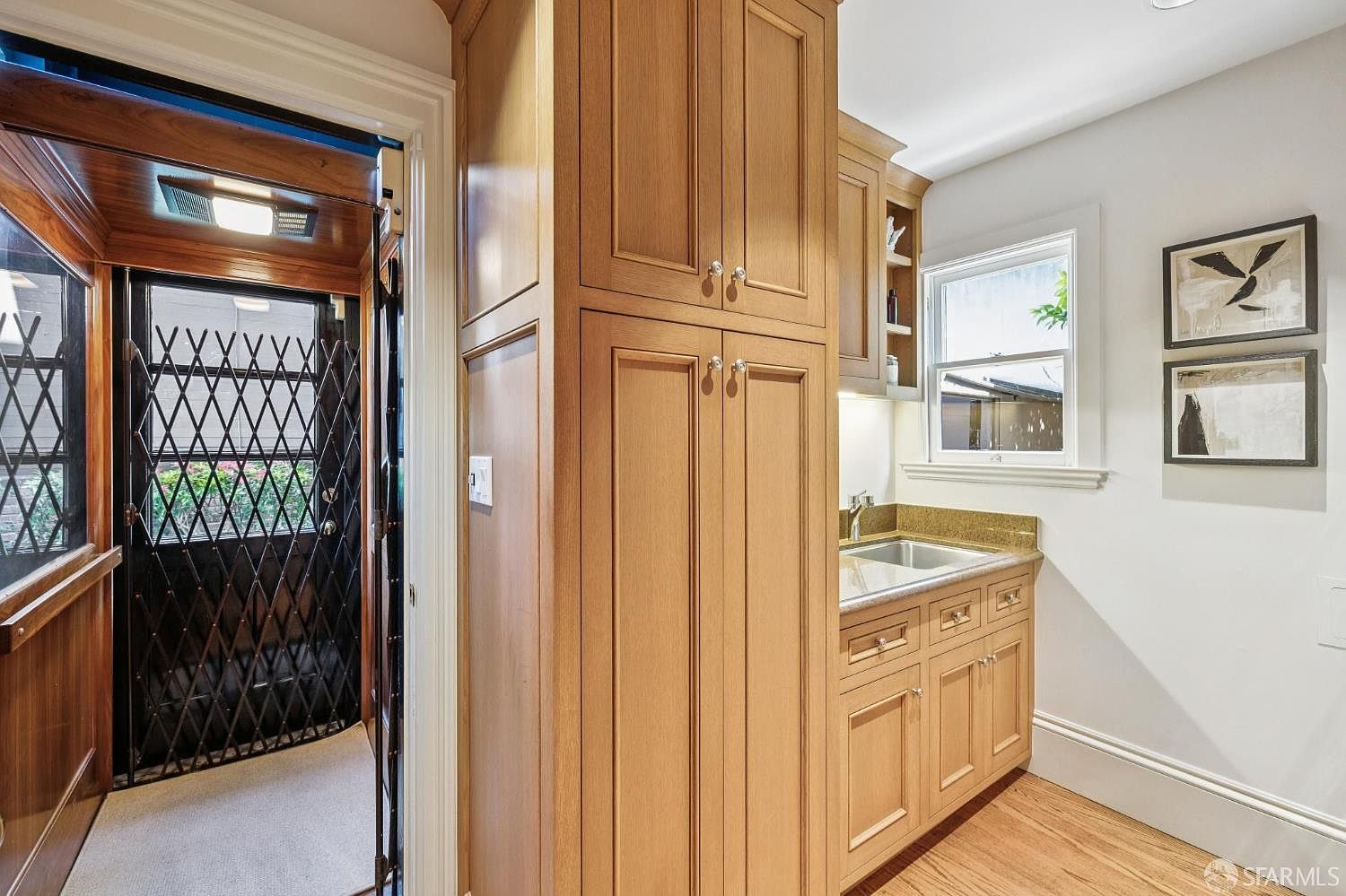
An elevator, lined in warm wood paneling with a classic accordion gate, connects the two-car side-by-side garage directly to both living levels — a detail that transforms daily life and speaks to the home's understanding that true luxury is never inconvenient. From the ornate newel post at the foot of the staircase to the gallery wall ascending toward the upper level, every element of this house has been considered. The result is a residence that feels simultaneously historic and entirely alive.
Pacific Heights occupies one of the most coveted positions in San Francisco — geographically and culturally. Perched on a ridge between the Marina District to the north and the Western Addition to the south, it commands sweeping views of the bay, the Marin Headlands, and the Golden Gate, and it has done so since the late nineteenth century, when the extension of cable car lines made its hilltop lots suddenly and permanently desirable. The neighborhood that emerged from that era was defined by ambition and architectural confidence — grand Victorians, Edwardians, and later Beaux-Arts mansions that reflected the aspirations of the city's most prosperous families. That character has not diminished. Pacific Heights remains one of the most architecturally significant residential neighborhoods in the American West, and its streets — Broadway, Vallejo, Broadway, and Steiner among them — constitute a living survey of the best residential architecture the late nineteenth and early twentieth centuries produced.
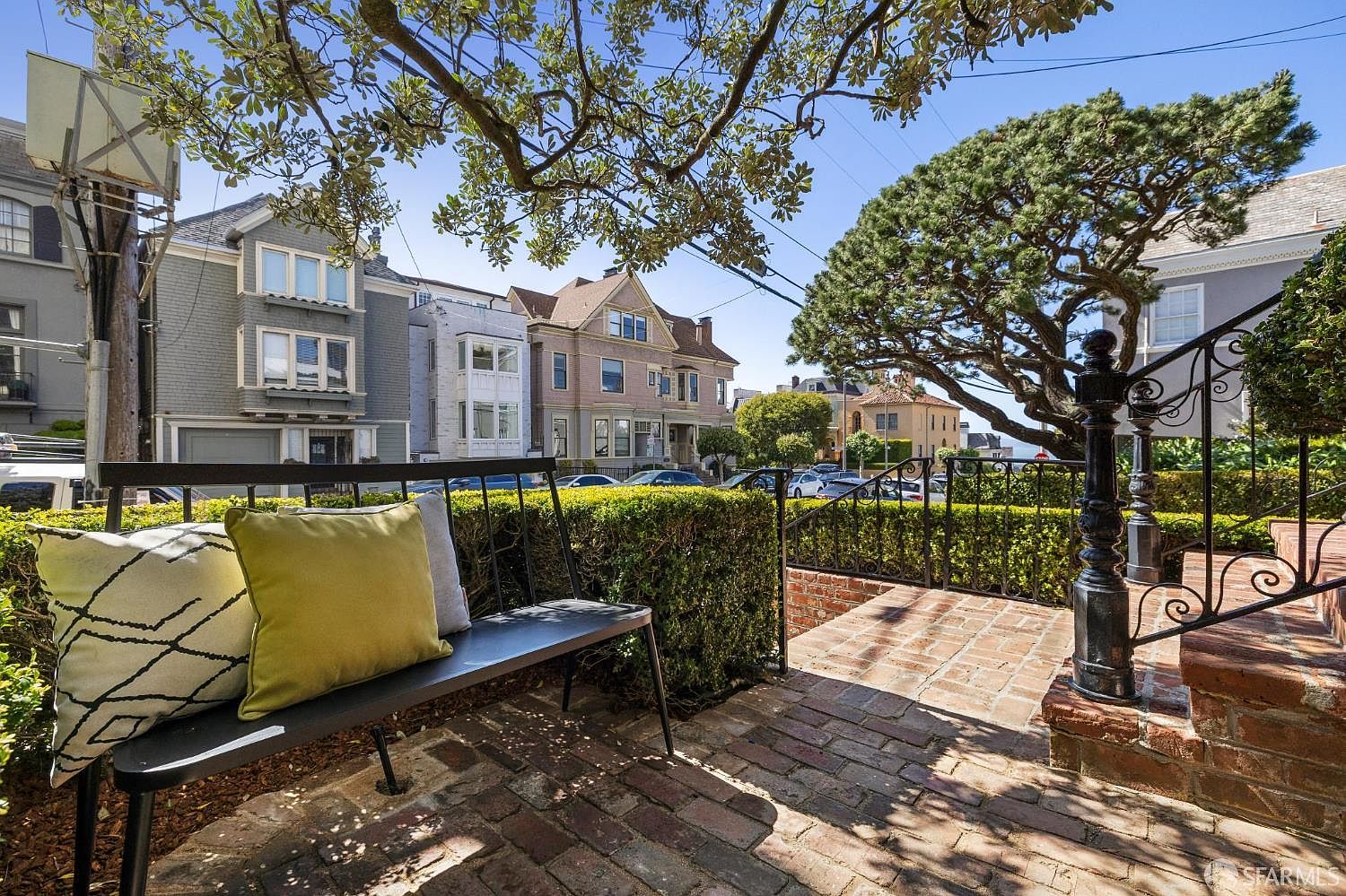
Steiner Street itself is among the neighborhood's most iconic addresses. The famous "Painted Ladies" row of Victorian homes along the eastern stretch of Steiner, overlooking Alamo Square, has made this corridor one of the most photographed streets in San Francisco. But the character of the street extends well beyond its most celebrated block. Here in the heart of Pacific Heights, Steiner is quieter, more residential, and more considered — a street of mature trees, well-maintained gardens, and homes that wear their history with a certain ease.
Alta Plaza Park, just steps from 2510 Steiner, is one of San Francisco's great neighborhood parks — a four-block terraced green space with tennis courts, a basketball court, a playground, and sweeping city views. On any given weekend, it functions as the neighborhood's living room: dog walkers, families, and residents of every description converging on its lawns and pathways. The park's elevation gives it a particular quality of light and openness that feels almost improbable within a dense urban neighborhood.
Fillmore Street, the neighborhood's commercial spine, runs just to the east and is among the city's finest retail and dining corridors. Its offerings range from destination restaurants — among them the celebrated Bar Crenn at 3131 Fillmore, Pizzeria Delfina, and Spruce — to independent boutiques, specialty food shops, and the beloved Salt & Straw creamery. The Clay Theatre, one of San Francisco's oldest continuously operating cinemas, anchors the cultural life of the street with an independent programming sensibility that reflects the neighborhood's sophistication.
Beyond the immediate neighborhood, Pacific Heights sits within easy reach of the Presidio — the former military base turned national park that offers more than 1,400 acres of trails, forests, and bay-front access — as well as the boutiques and galleries of Sacramento Street, and the waterfront parks of the Marina District. San Francisco's downtown, the Ferry Building, and the city's cultural institutions are all within a short drive.
To live at 2510 Steiner is to occupy one of the most considered positions the city offers: architecturally significant, supremely walkable, and surrounded by the kind of neighborhood life that San Francisco, at its best, does better than almost anywhere.
Featured Highlights
Curated Content • Presented by Wendy Storch