The Story Behind
Penthouse East at The Henry: Above the Upper West Side
There are buildings that occupy a block, and there are buildings that define one. The Henry, at 211 West 84th Street, belongs to the latter category — a boutique condominium of 45 residences that announces itself with the quiet confidence of a structure designed to endure. Robert A.M. Stern Architects, the firm whose portfolio includes some of the most admired residential buildings in New York, brought to The Henry the same commitment to contextual design that has distinguished their work across the city. The Indiana limestone and hand-set brick facade rises with the terraced setbacks, bay windows, and decorative detailing that are the hallmarks of the finest prewar architecture — not as pastiche, but as a considered architectural statement rooted in the character of the Upper West Side.
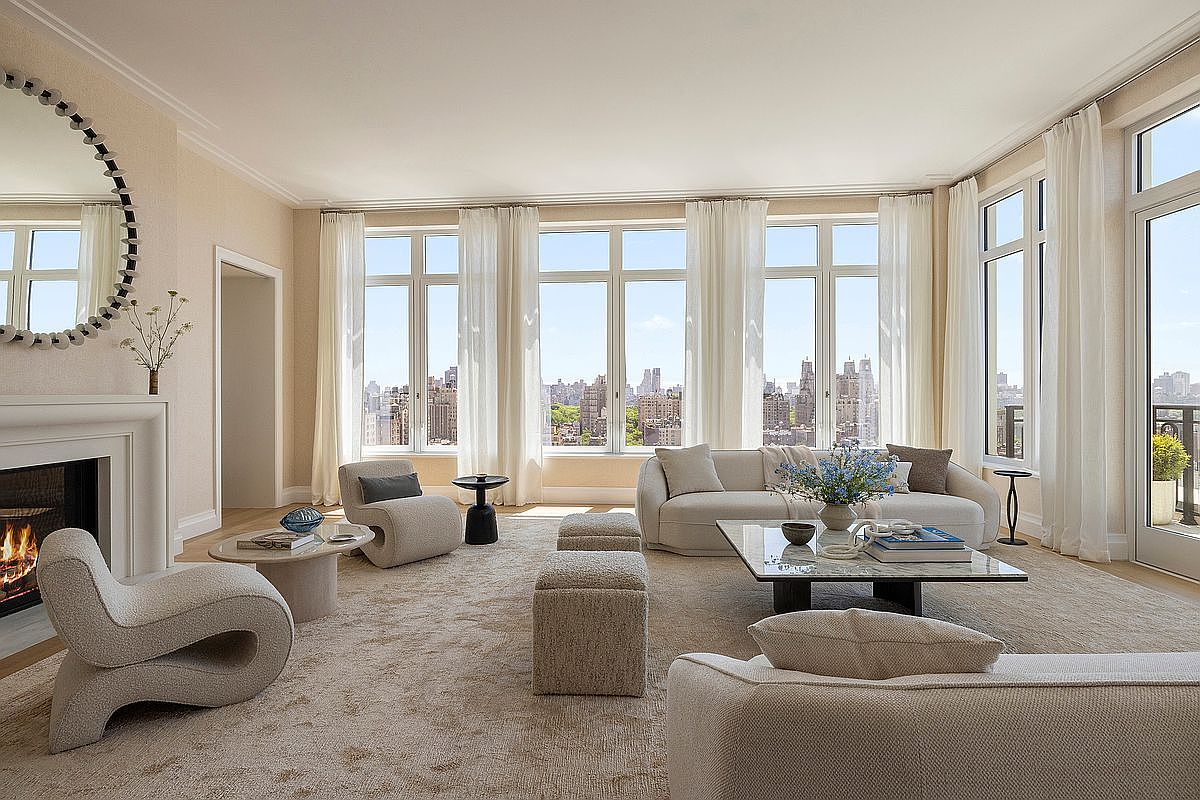
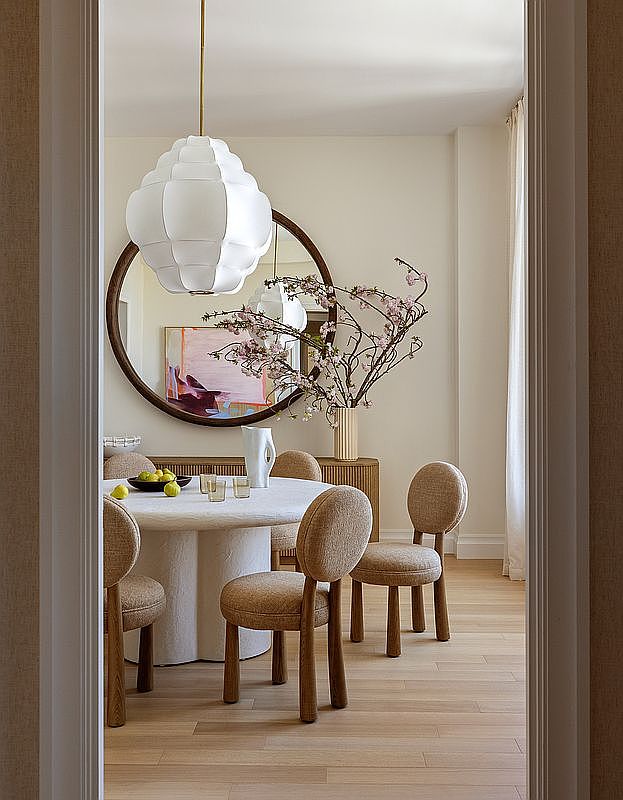
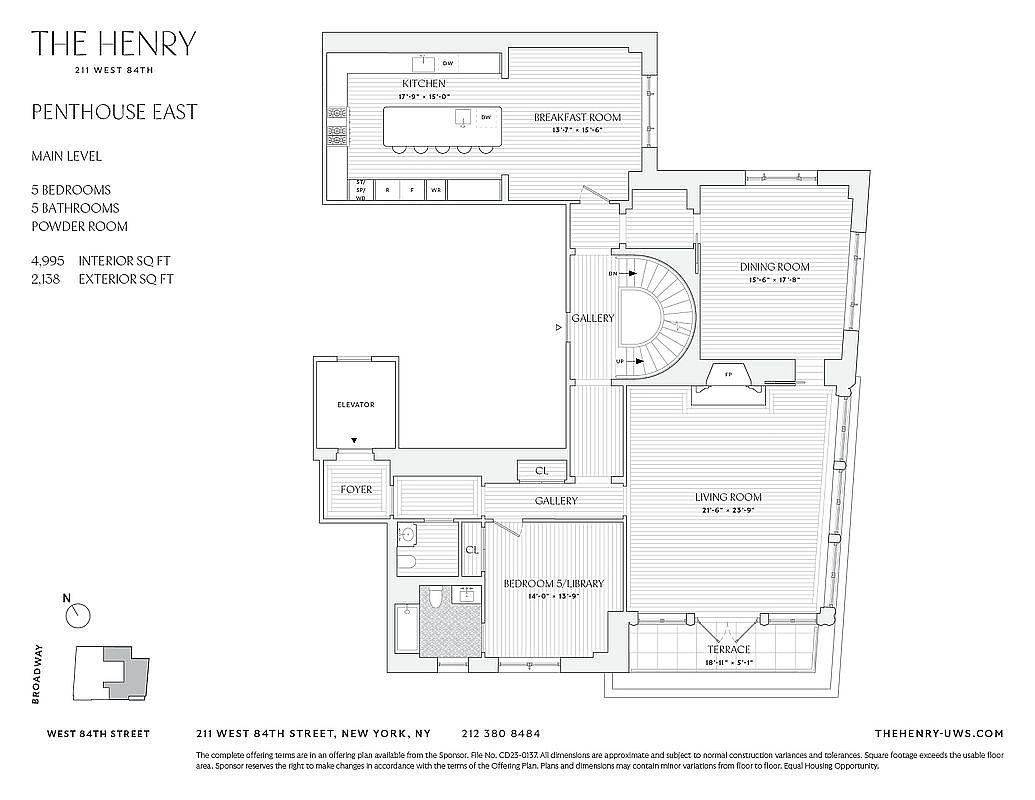
Penthouse East occupies the upper reaches of this building with the authority such a position demands. A private elevator opens directly into a formal foyer and gallery — an arrival sequence that establishes the tone of everything that follows. The corner living room is the heart of the residence: oversized windows wrap the space in open southern and eastern light, framing views that stretch across the rooftops toward Midtown. A stone-clad gas fireplace grounds the room, offering warmth against the expansiveness of the city beyond. From here, the principal floor unfolds with purpose — a formal dining room oriented toward Central Park, an eat-in kitchen designed for both the serious cook and the effortless entertainer, and a flexible bedroom that transitions naturally into a library or study.
The kitchen is a composition in restraint and quality. Painted white cabinetry is paired with wood islands and accents, while honed Calacatta marble countertops and backsplashes provide a surface of quiet luxury. Miele and Sub-Zero appliances are integrated with precision, and Lefroy Brooks faucets speak to the considered selection of every detail throughout the home.
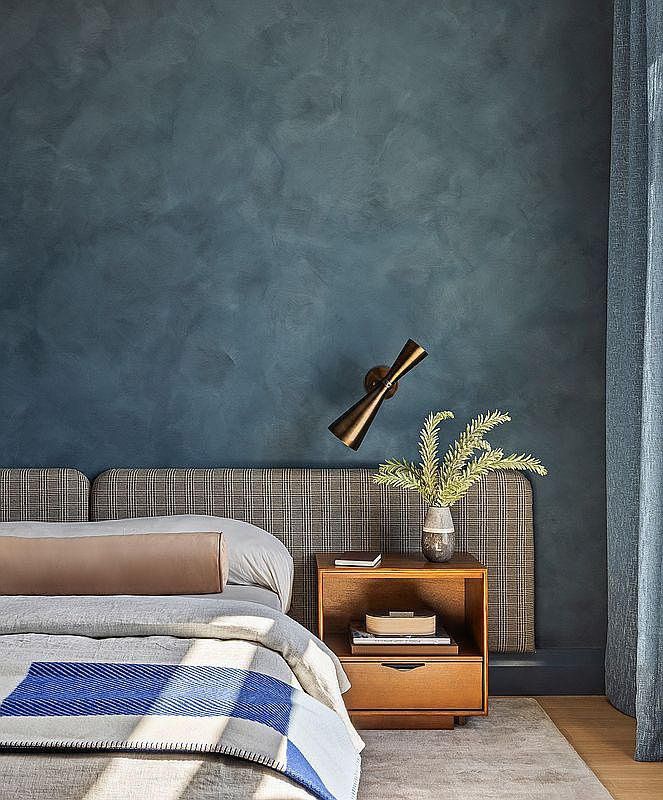
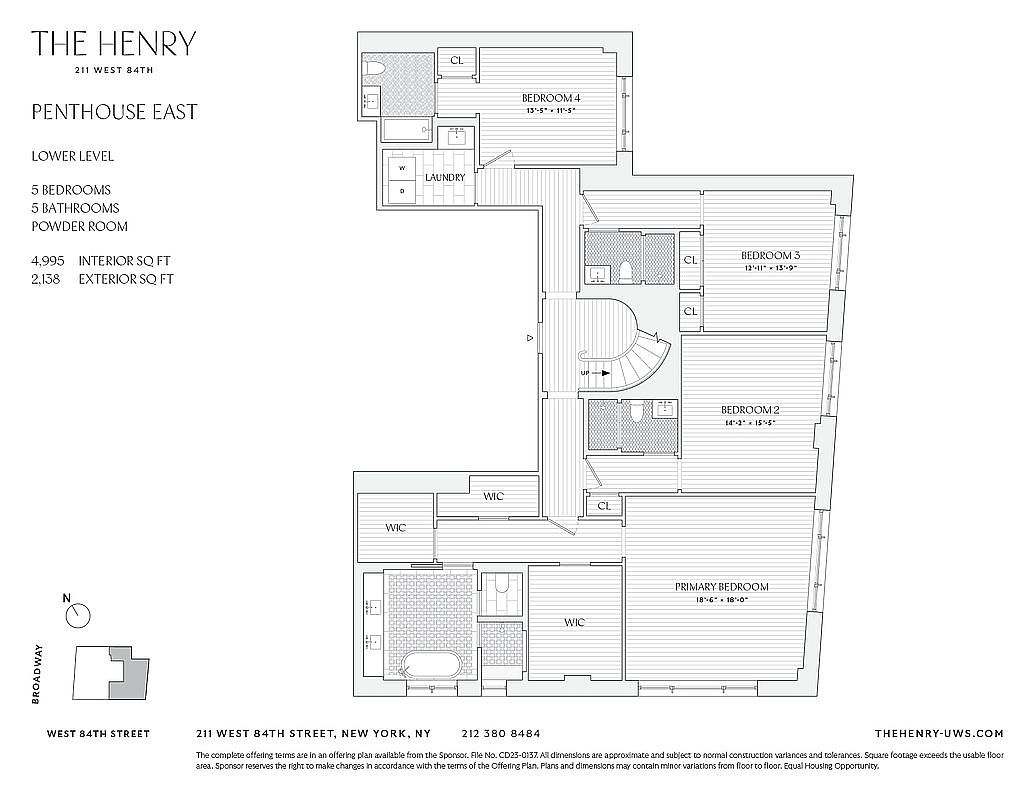
The upper level is devoted to rest and privacy. Four additional bedrooms — each with its own ensuite bath — are arranged with generosity of space that is rare even in this tier of the market. The primary suite is a sanctuary unto itself: three oversized closets, and a five-fixture bathroom finished in honed white Dolomiti marble, with heated floors, a rain shower, and a south-facing windowed soaking tub that frames the city as a living artwork. A large vented laundry room with sink and a secondary entrance complete the floor with the kind of practical elegance that distinguishes truly thoughtful design.
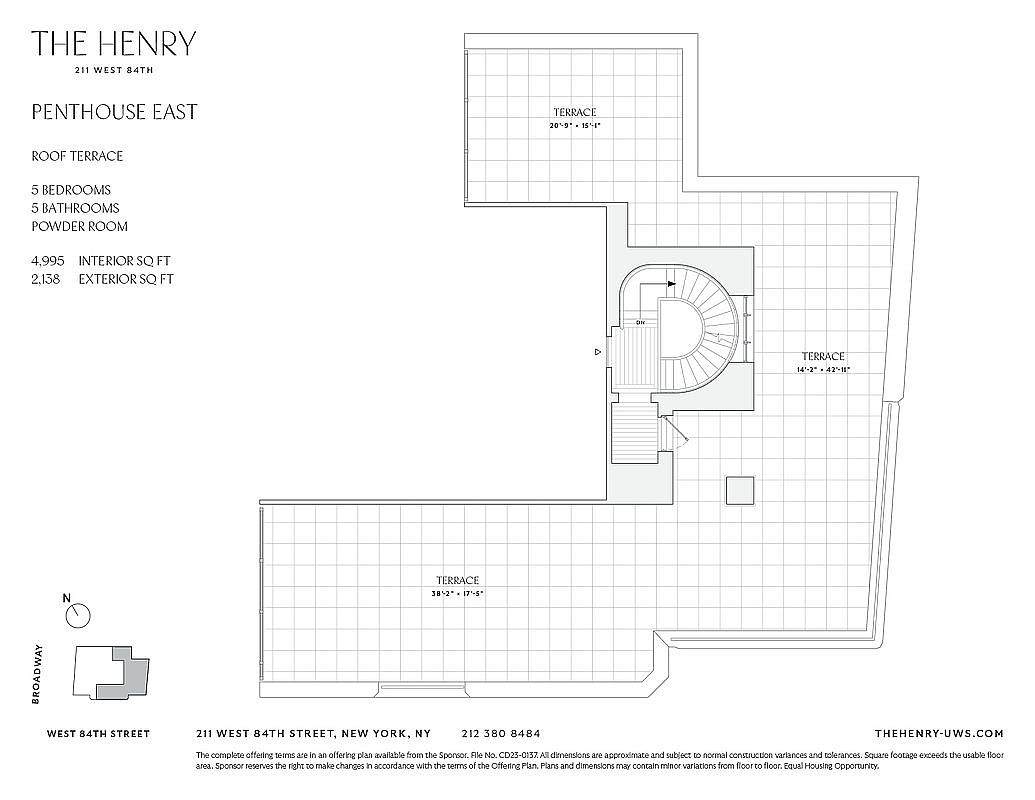
Above it all, the rooftop terrace is the residence's defining gesture — an expansive outdoor room with panoramic views of the Midtown skyline and Central Park that rewards every season. White oak floors, solid-core doors, and polished nickel hardware run throughout, providing a refined material palette that accommodates any direction in furniture or art. This is a home that does not impose a style; it provides the finest possible foundation for one.
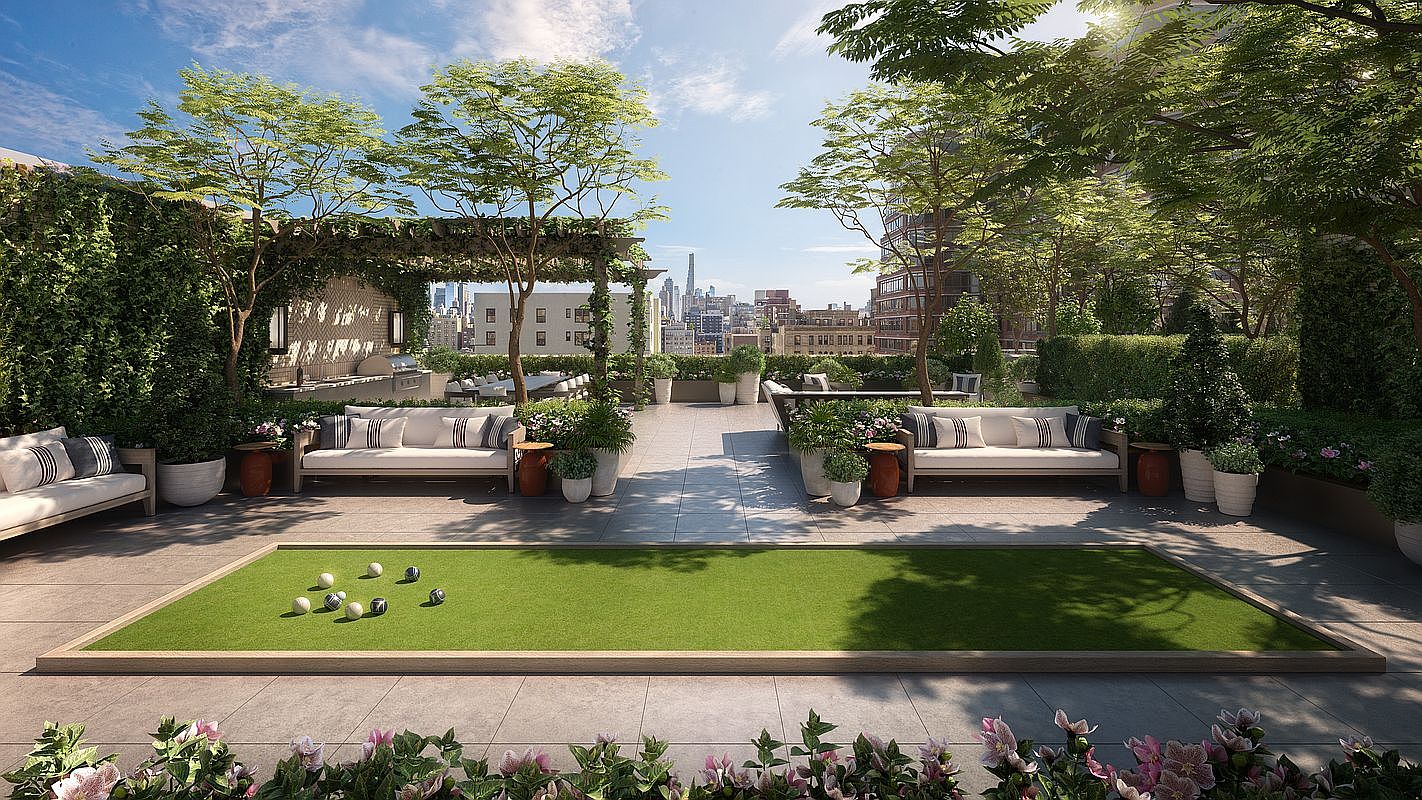
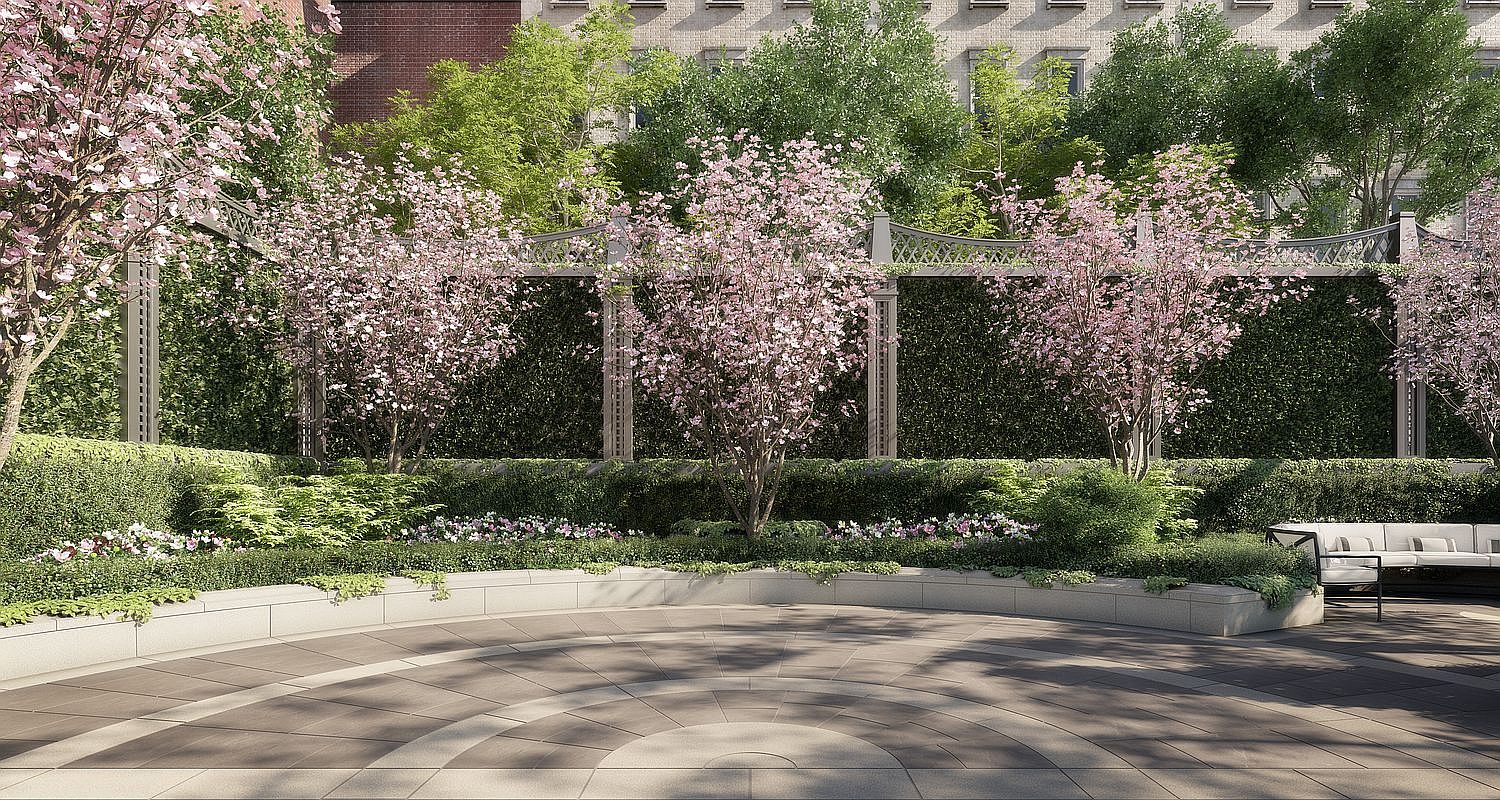
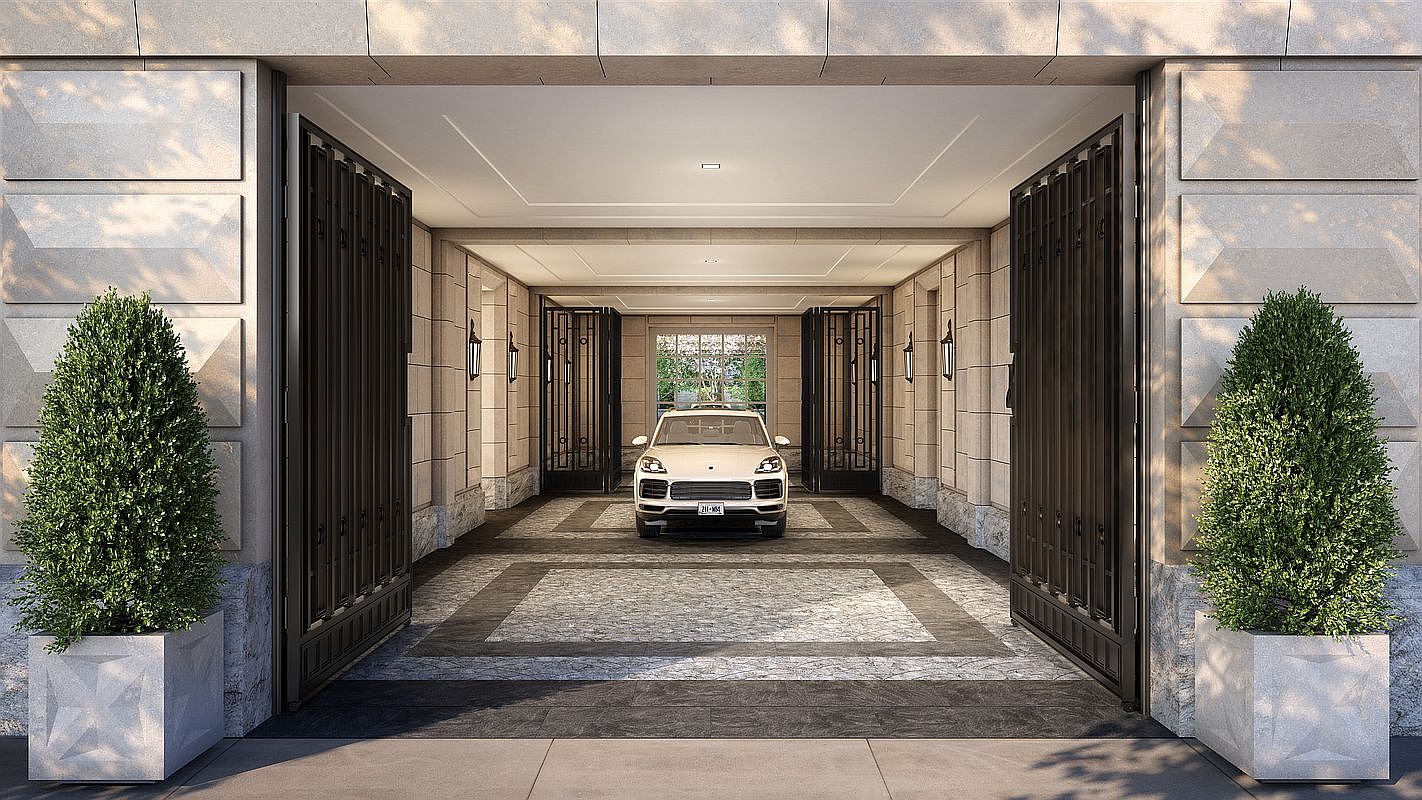
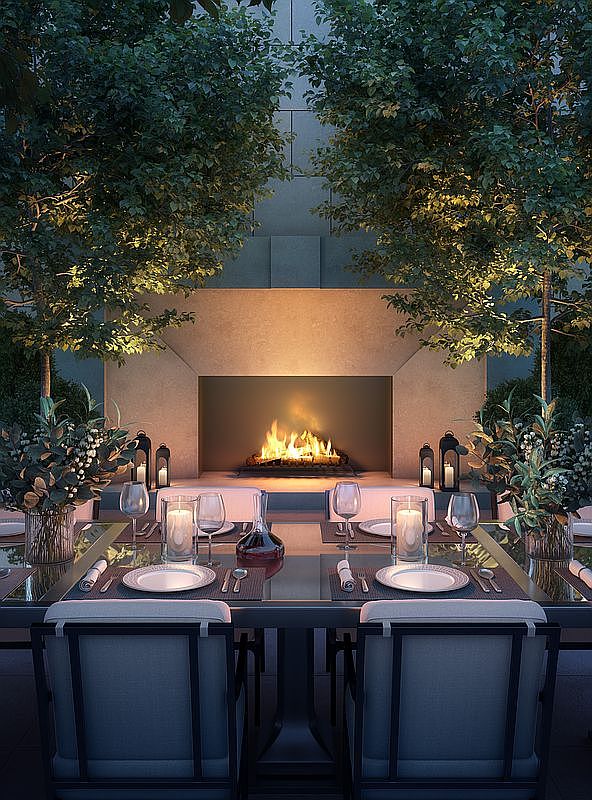
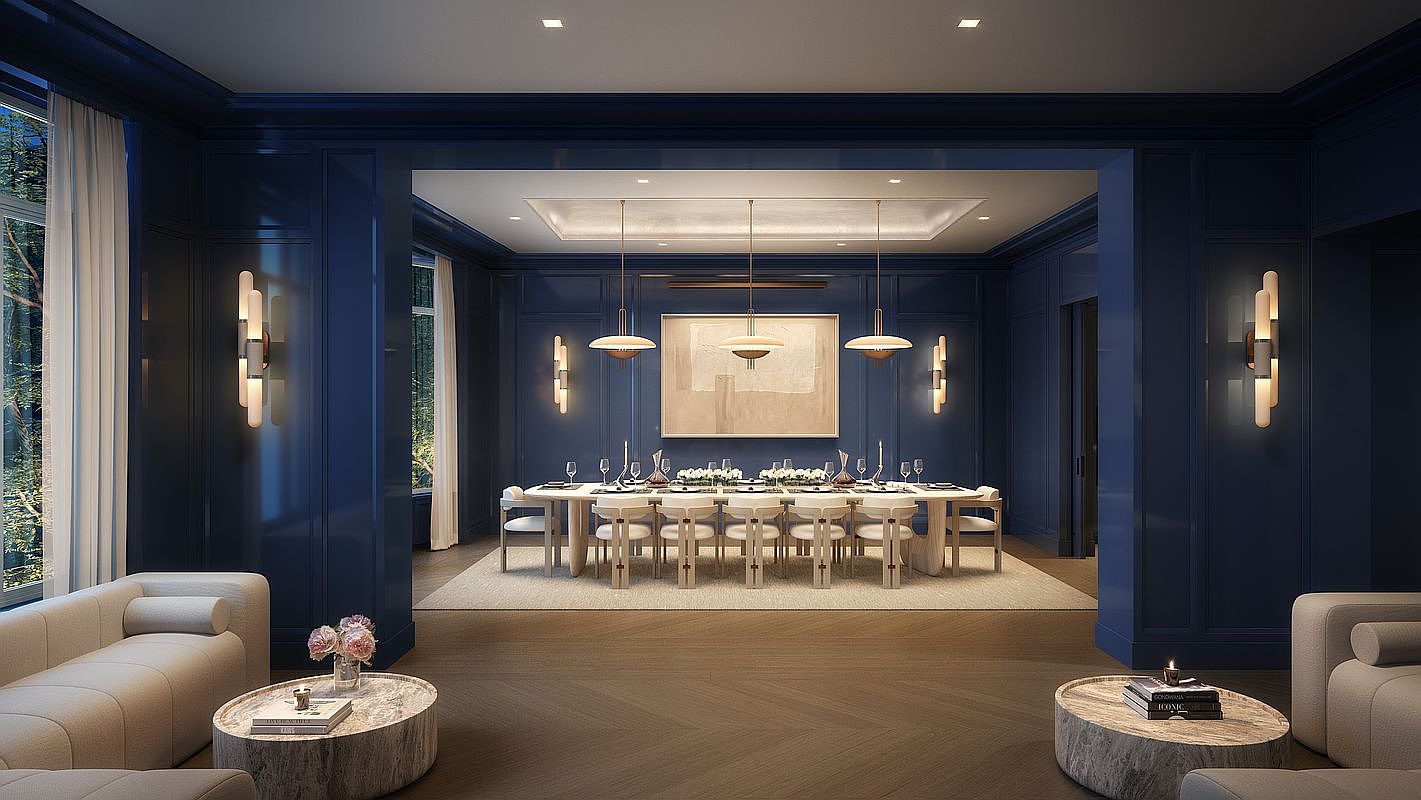
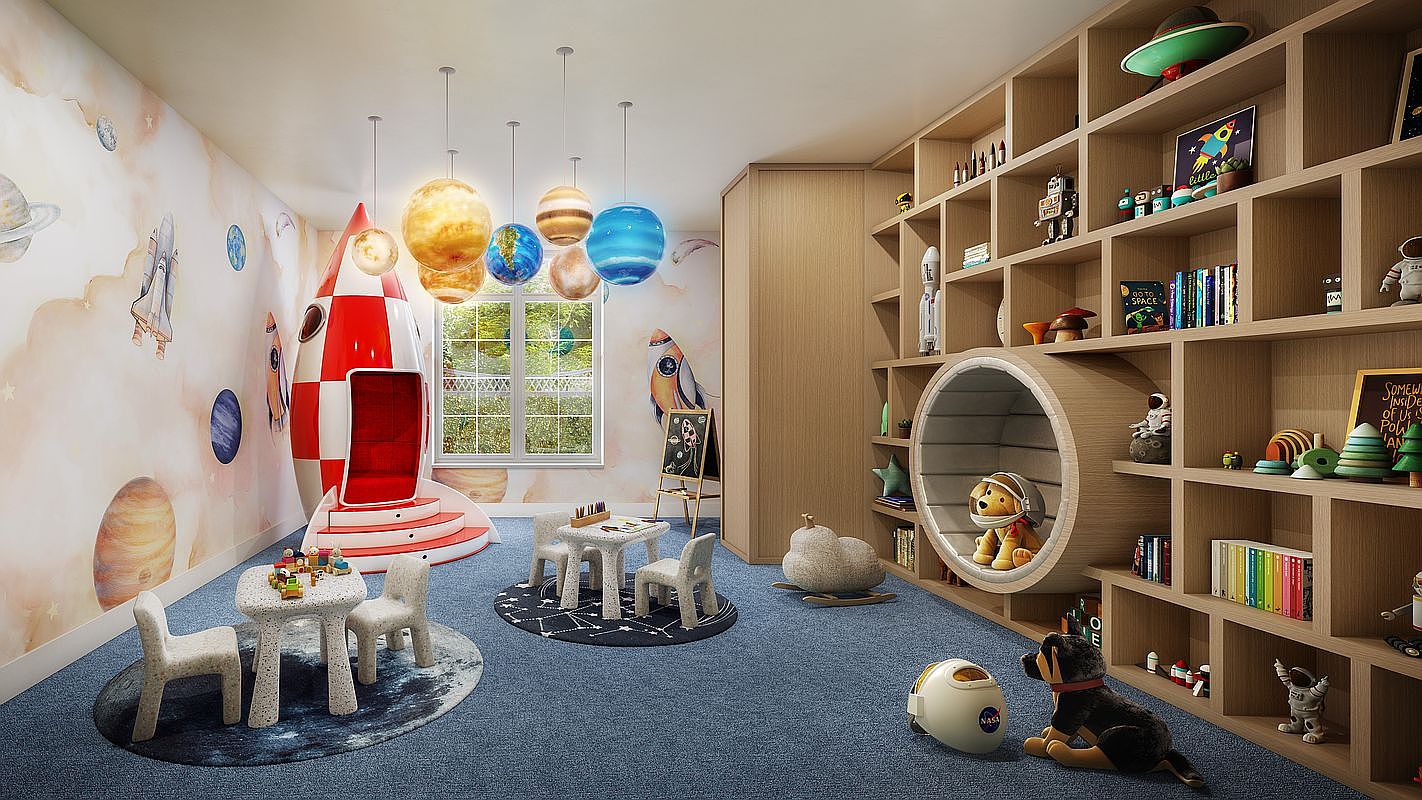
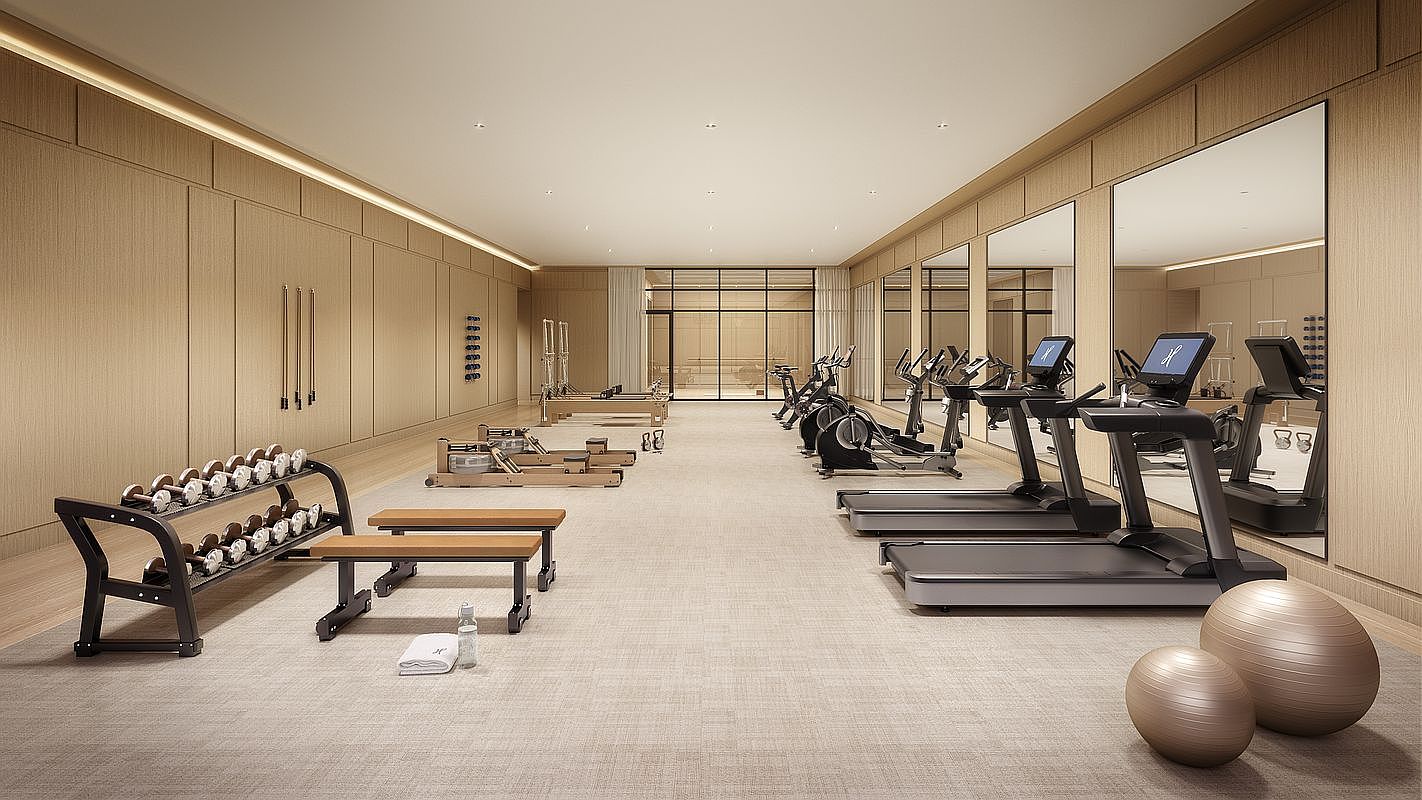
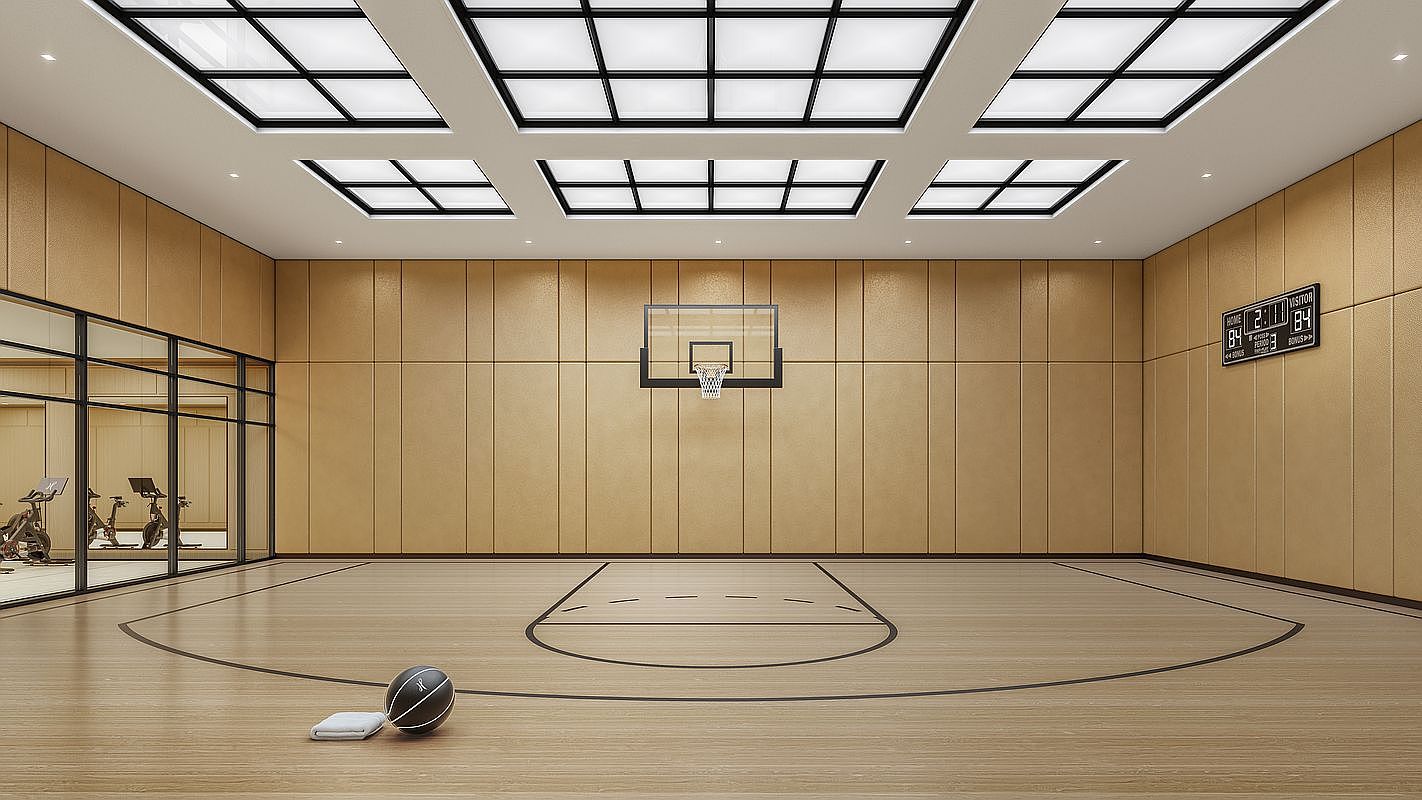
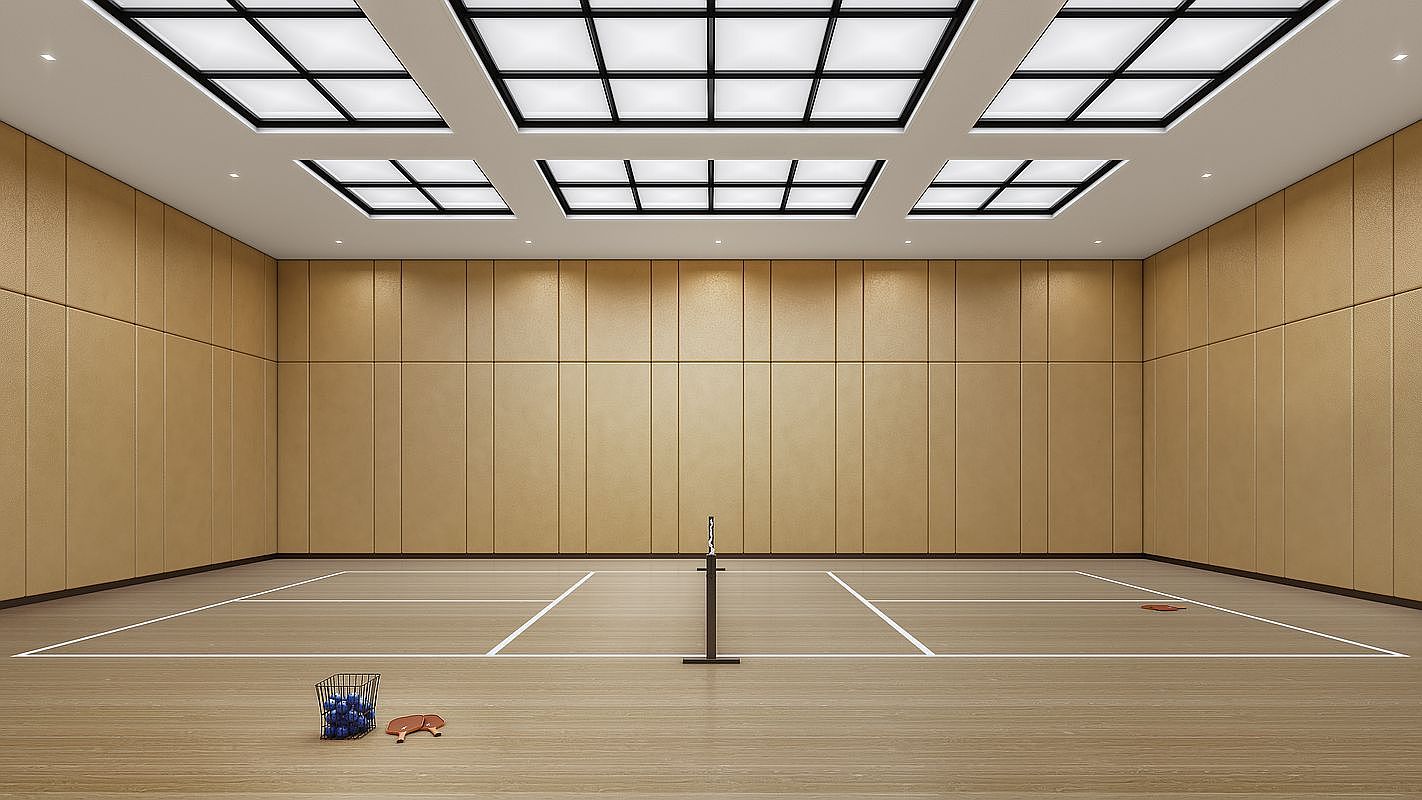
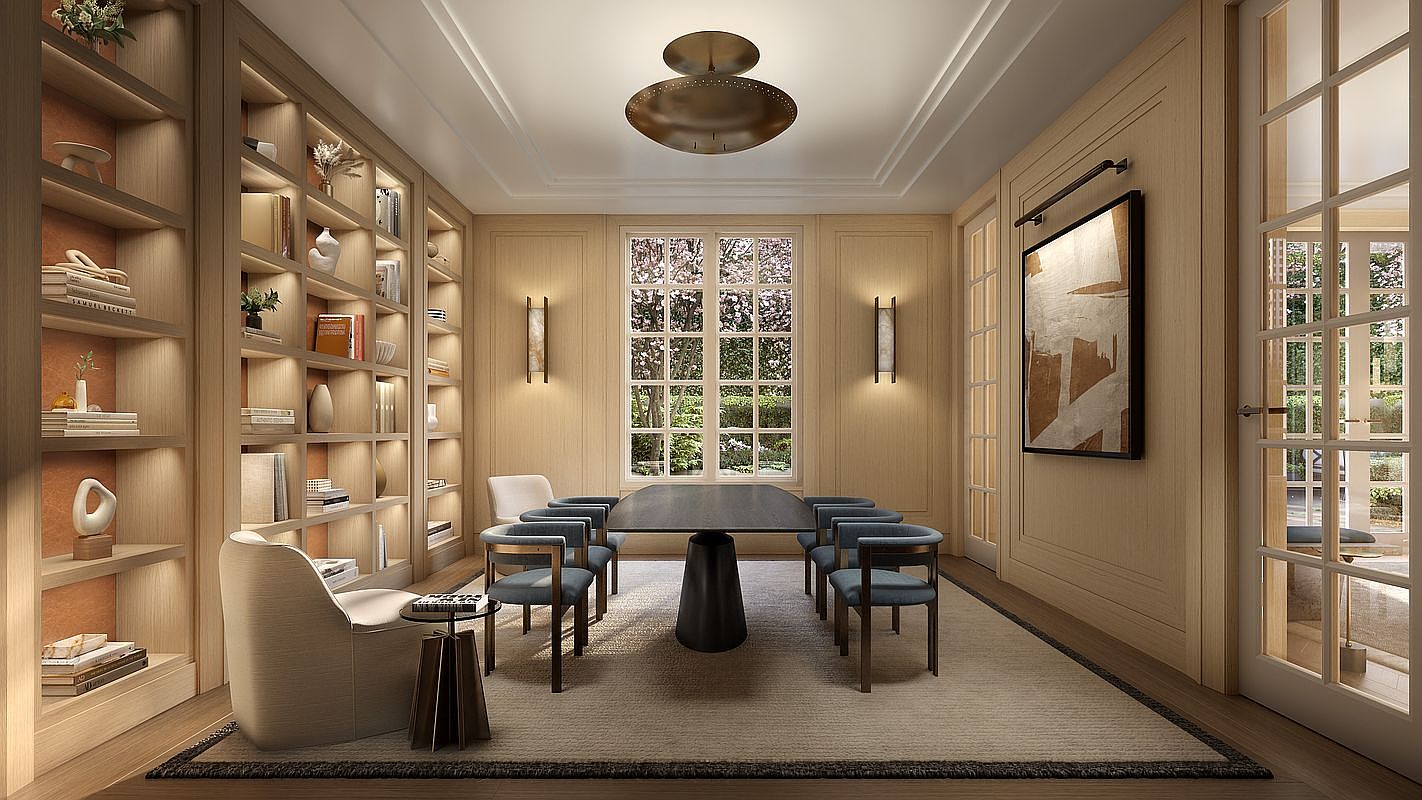
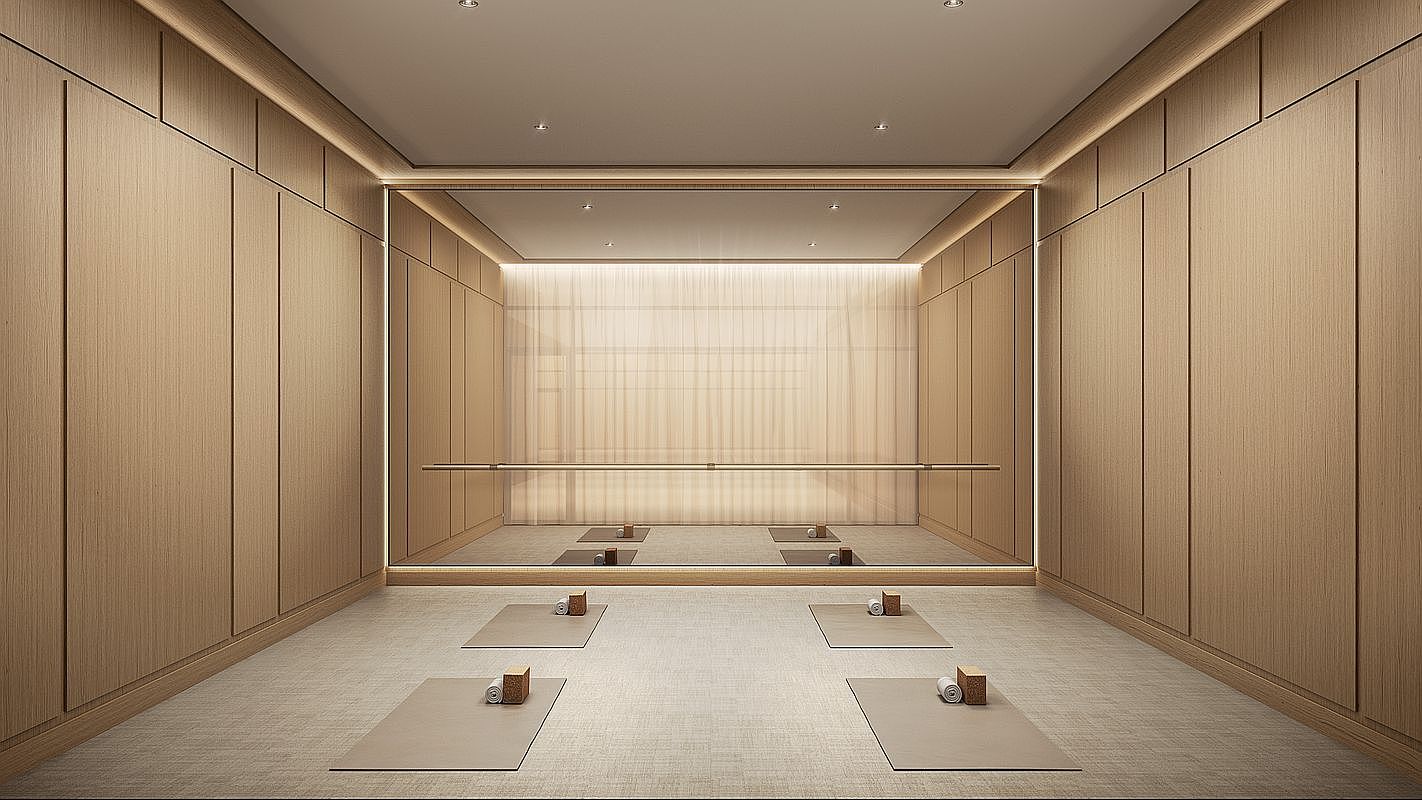
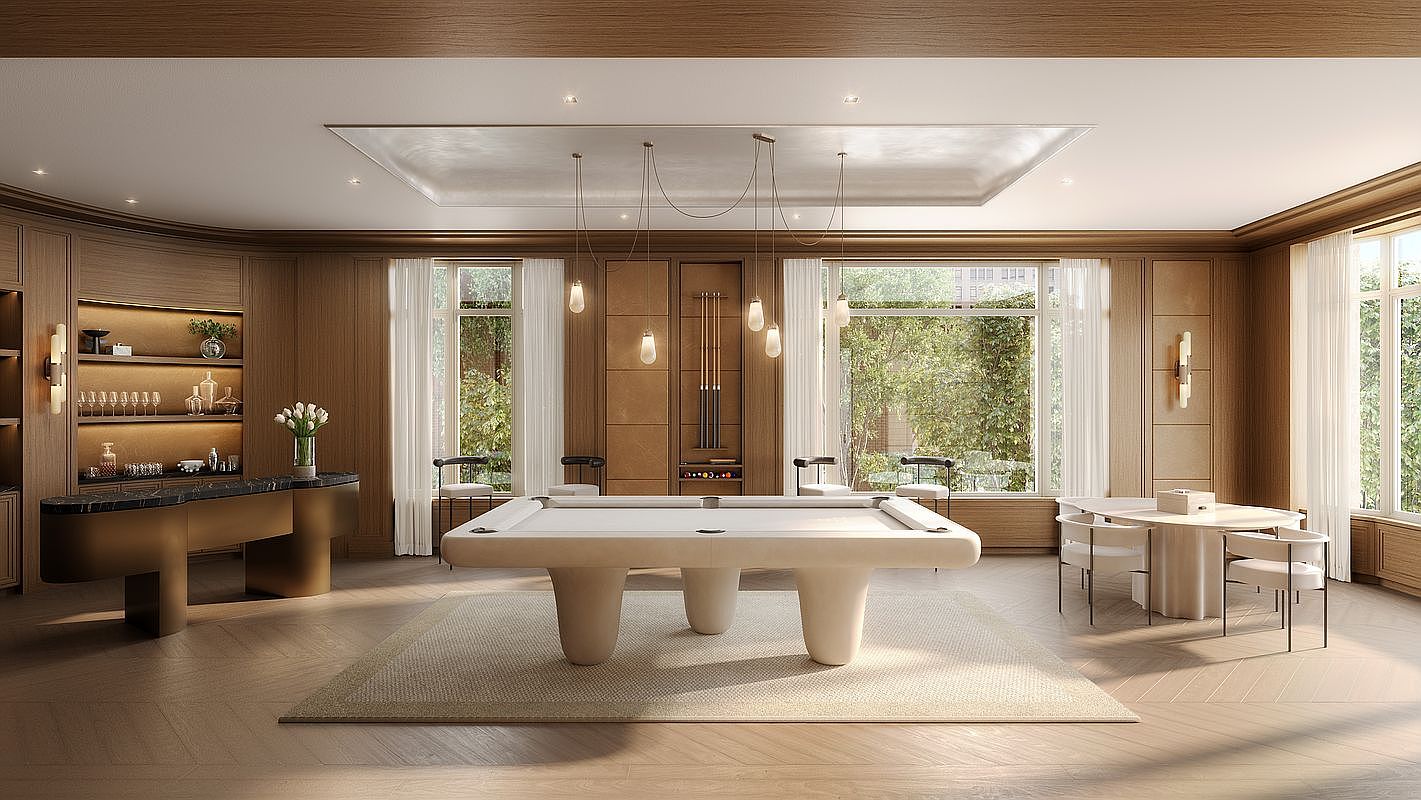
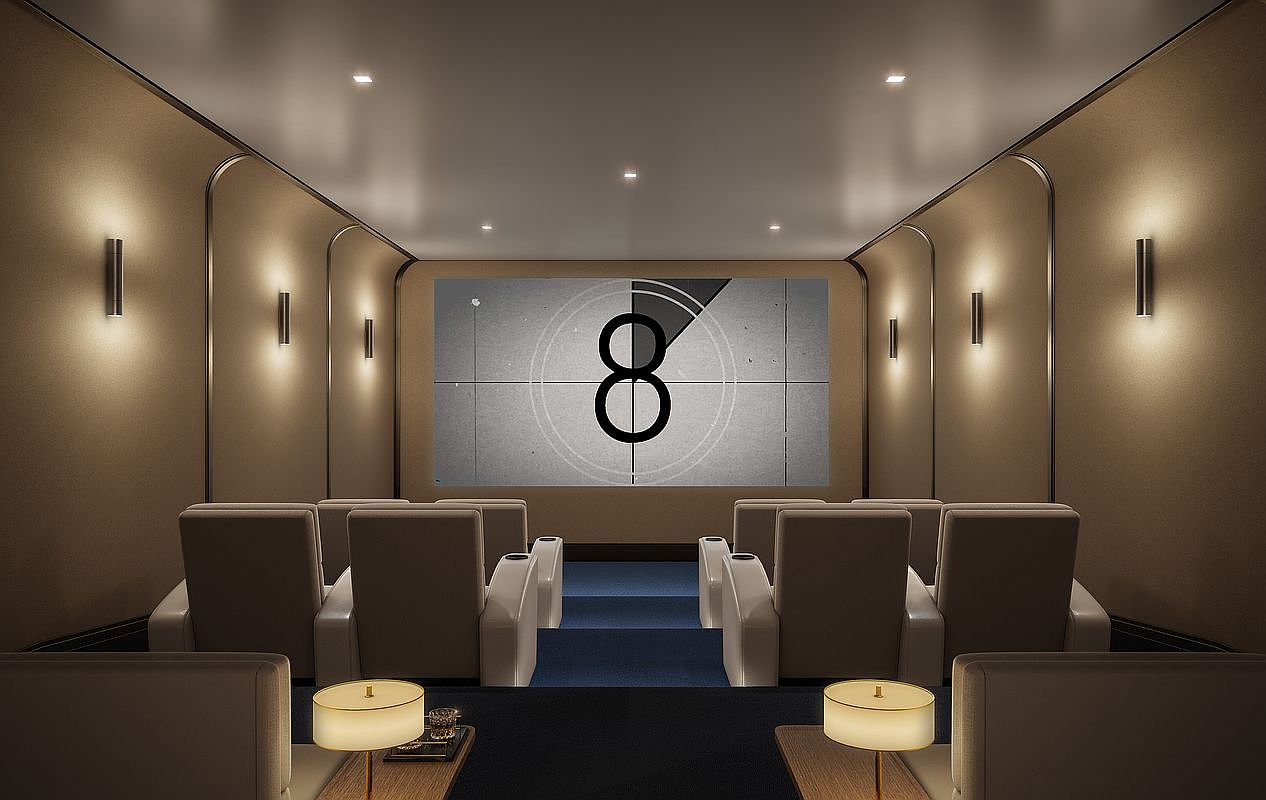
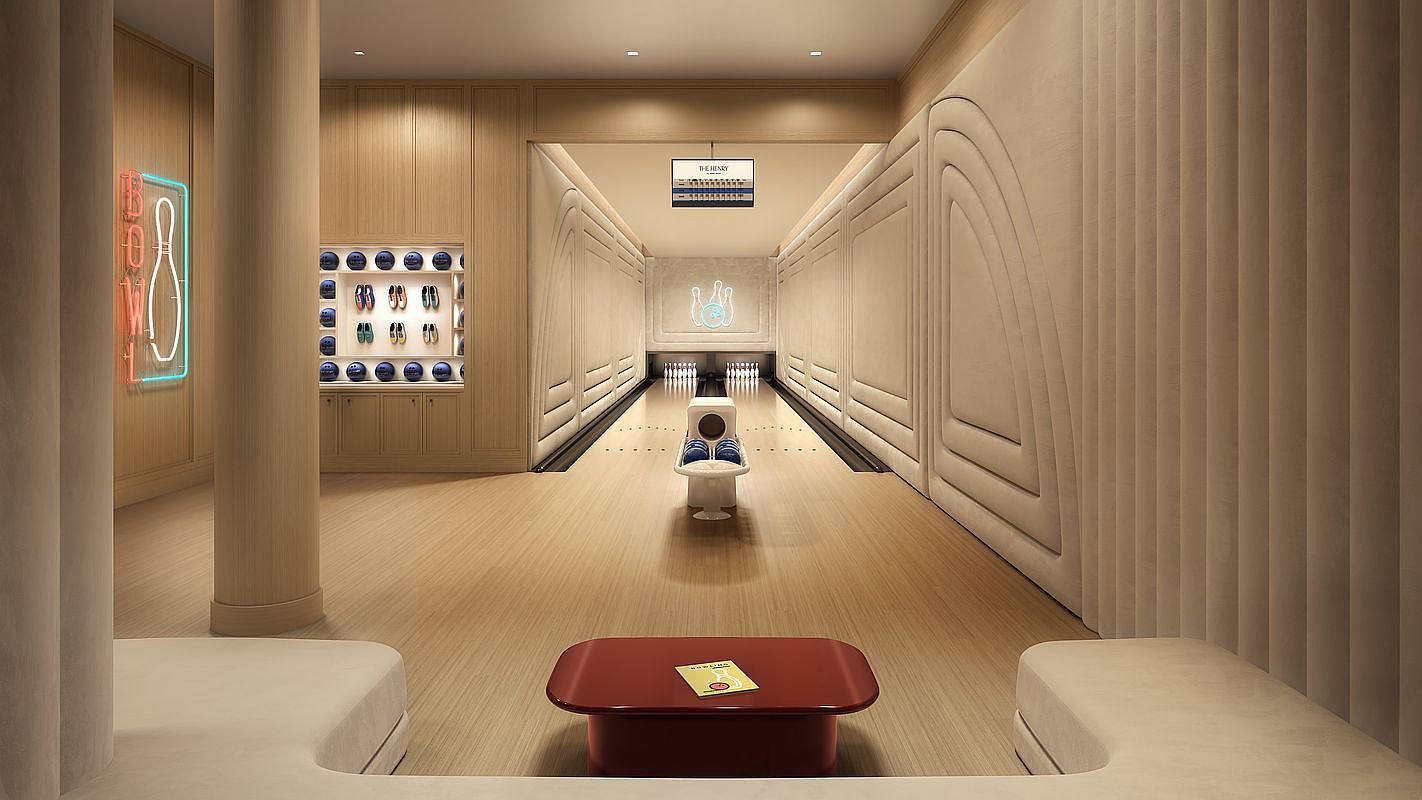
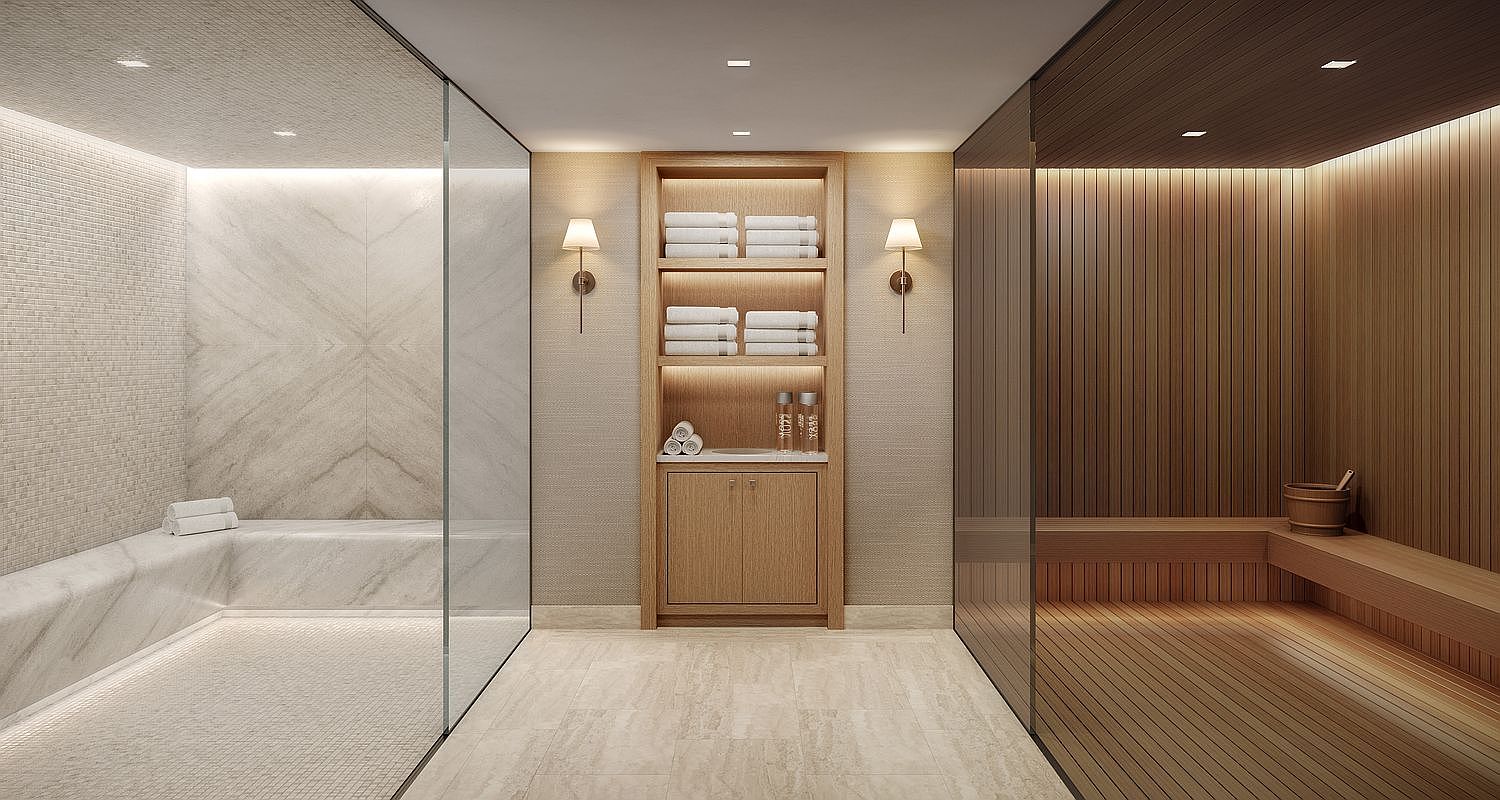
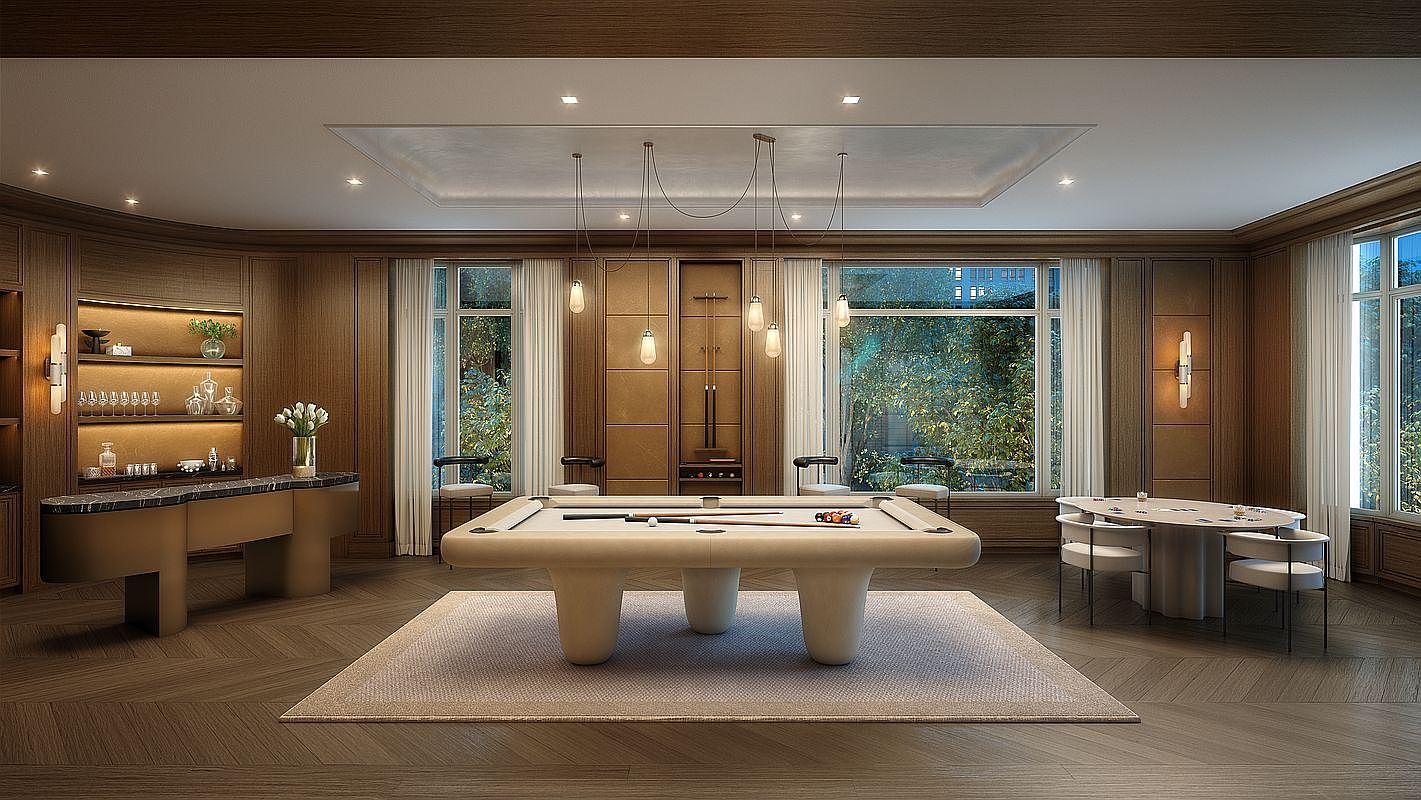
The building's amenities are, by any measure, exceptional: the first indoor pickleball court in a Manhattan residential building, a private two-lane bowling alley, a cinema, a half-court basketball court, a spa with steam room and sauna, a yoga and private training studio, a club room with a bespoke pool table and bar, a formal salon with fireplace, a catering kitchen, a children's playroom, a porte-cochère with automated parking, and both a formal garden and a rooftop terrace with outdoor kitchen, firepit, and bocce court. Doorman and concierge service complete the offering around the clock.
The Upper West Side has long occupied a particular place in the imagination of New York — not as a neighborhood that aspires to be something else, but as one entirely at ease with what it is. Bounded by Central Park to the east, Riverside Park to the west, and anchored by the grand cultural institutions of Broadway and Amsterdam Avenue, this is a neighborhood that has attracted artists, academics, musicians, and families for well over a century, and it has retained that character with a fidelity rare in a city that reinvents itself continuously.
West 84th Street sits in the heart of the Upper West Side's most sought-after stretch, within moments of Central Park's 79th Street entrance and the transverse that connects the park's interior landscape to the rest of the city. Central Park itself — 843 acres of Frederick Law Olmsted and Calvert Vaux's masterwork — is not merely a nearby amenity but a daily extension of life at this address. The Reservoir, the Great Lawn, the Ramble, Strawberry Fields, and the boat pond are all within comfortable reach, offering a range of experience from quiet morning walks to summer evenings on the grass that few urban addresses anywhere in the world can match.
The cultural density of this neighborhood is equally remarkable. The American Museum of Natural History, one of the largest natural history museums in the world and a New York institution since 1869, stands just blocks away on Central Park West. The New-York Historical Society, the city's oldest museum, is a short walk south. Lincoln Center for the Performing Arts — home to the Metropolitan Opera, the New York Philharmonic, the New York City Ballet, and the Film Society — anchors the southern edge of the neighborhood and places world-class performance within easy reach of everyday life.
Broadway and Amsterdam Avenue provide the neighborhood's commercial spine, lined with an eclectic mix of independent bookstores, specialty food markets, acclaimed restaurants, and the kind of neighborhood institutions — wine bars, coffee shops, family-run dry cleaners — that give a place its texture and its loyalty. Zabar's, the legendary Upper West Side food emporium, has been a neighborhood fixture since 1934. Fairway Market and Citarella are similarly embedded in the rhythms of the community.
The architecture of the Upper West Side rewards attention. The great prewar apartment buildings along Central Park West — the Dakota, the San Remo, the Beresford, the Majestic — represent some of the finest residential architecture in American history, and it is into this conversation that The Henry enters with both humility and ambition. Robert A.M. Stern Architects understood that to build on the Upper West Side is to accept a responsibility to context, and the building at 211 West 84th Street honors that responsibility fully.
For families, the neighborhood's public and private schools are among the most respected in the city. For those who travel, proximity to the 1, 2, and 3 subway lines at Broadway provides direct access to Midtown and downtown Manhattan. This is, in every sense, a neighborhood that has arrived — and at Penthouse East, you arrive with it.
Featured Highlights
Curated Content • Presented by Alexa Lambert