The Story Behind
A Palatial Gramercy Park Mansion, Poised for Its Next Chapter
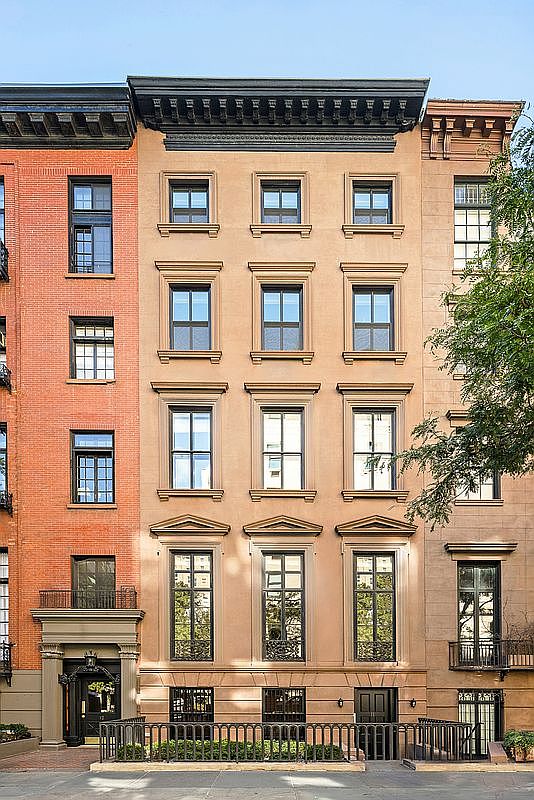
There are properties that simply occupy an address, and then there are those that define it. 11 Gramercy Park South belongs firmly to the latter category. Constructed in 1885 at the height of New York's Gilded Age architectural ambition, this five-story brownstone mansion stretches 27 feet wide across one of Manhattan's most rarefied blocks — a physical statement of permanence, proportion, and prestige that nearly 140 years have done nothing to diminish.
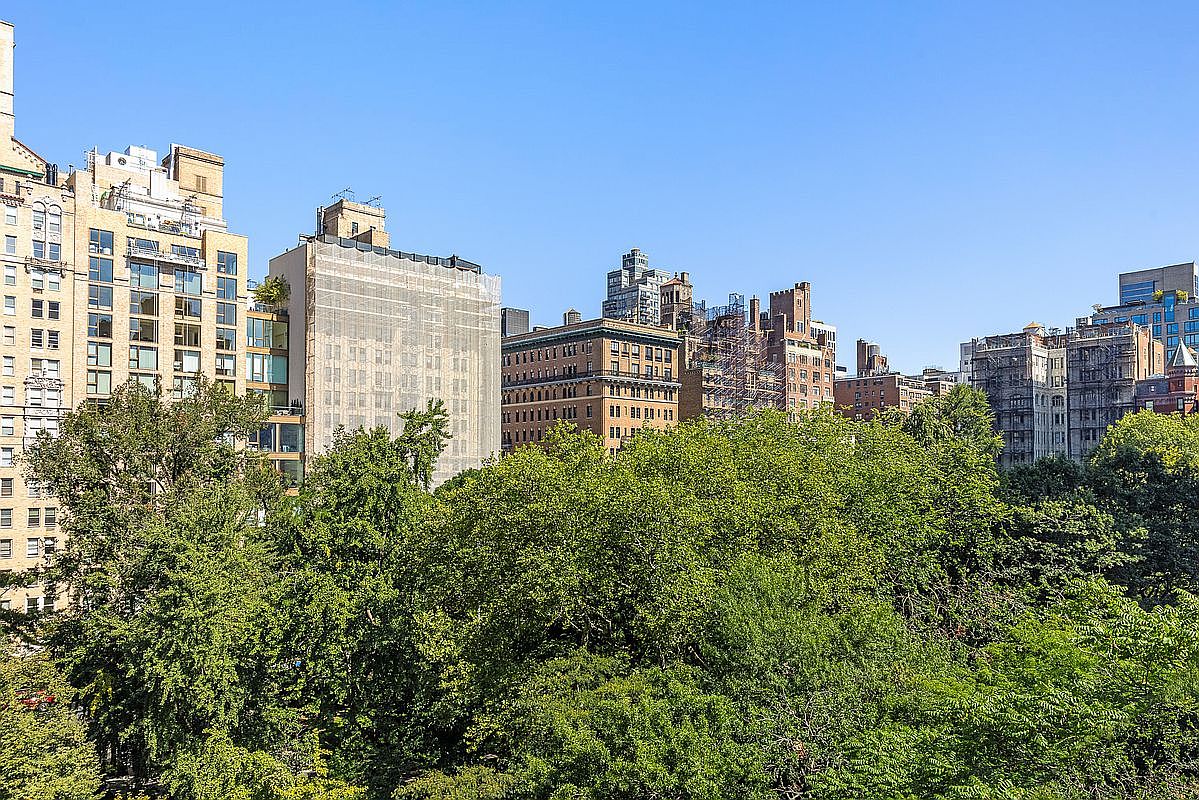
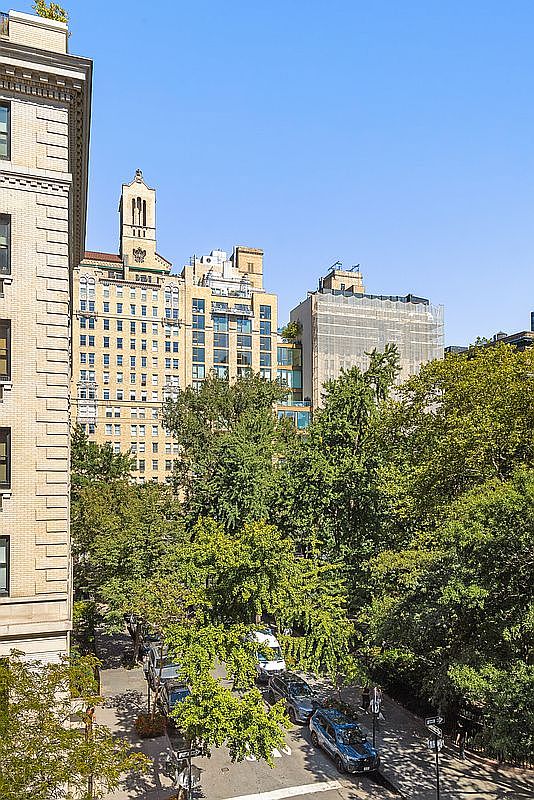
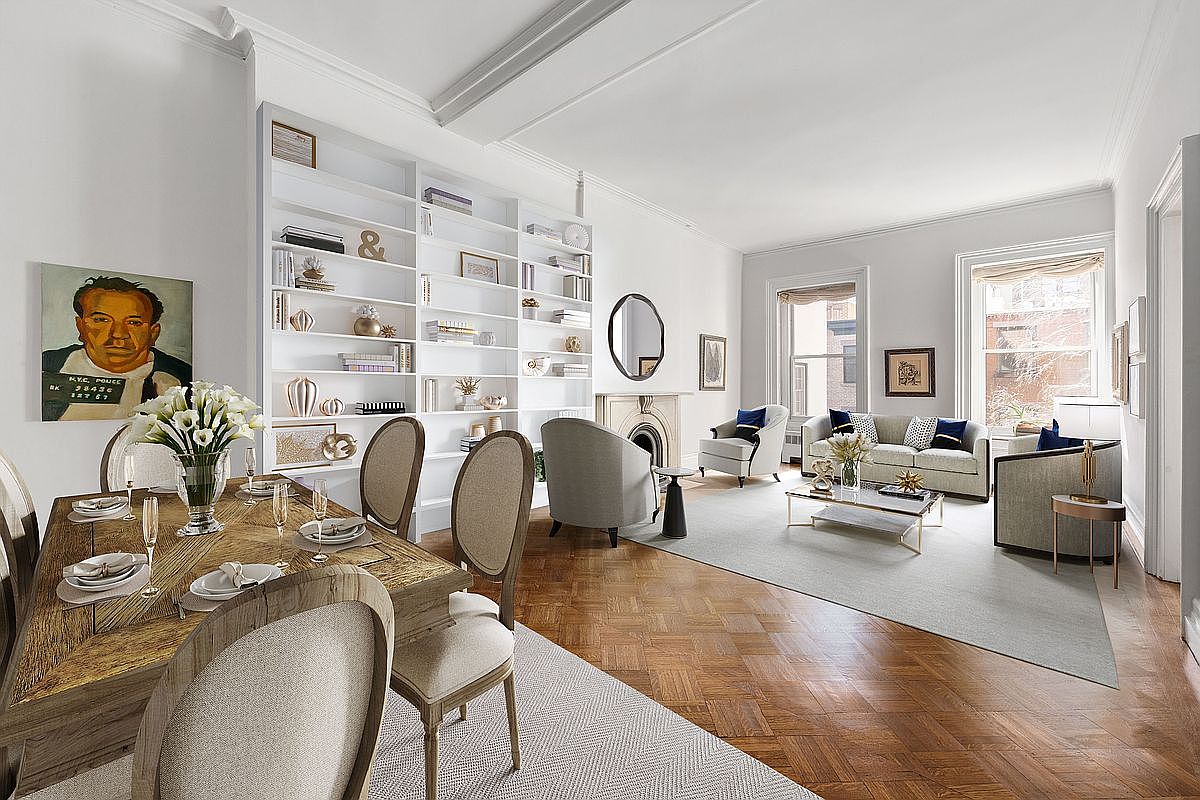
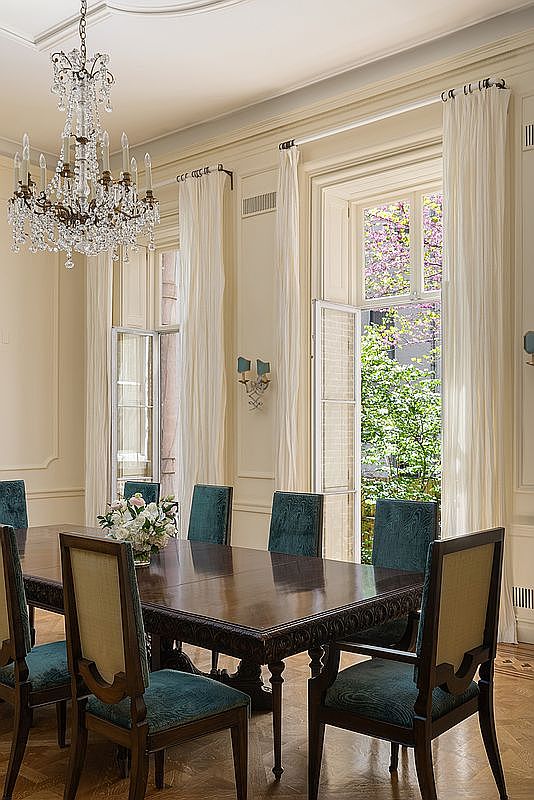
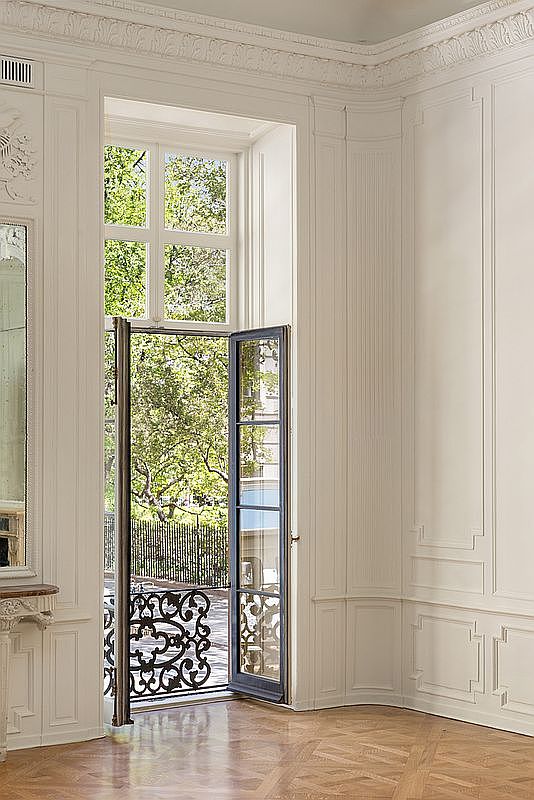
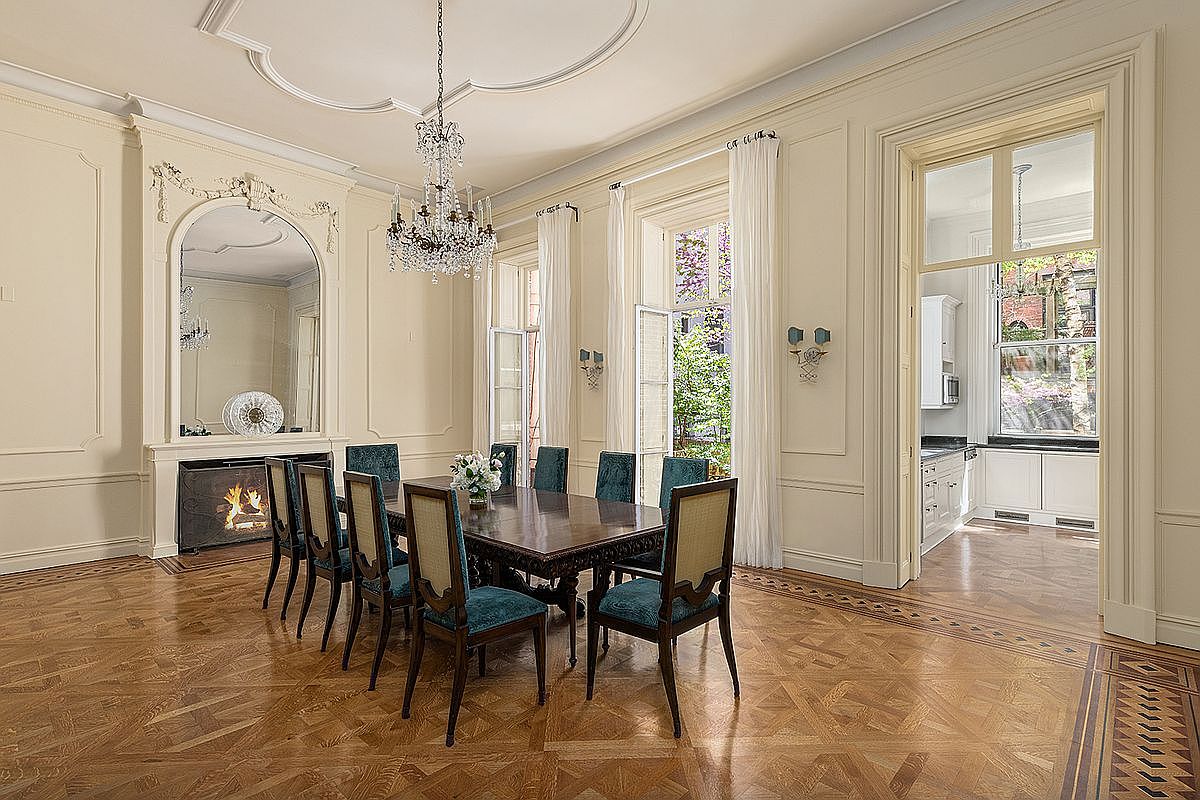
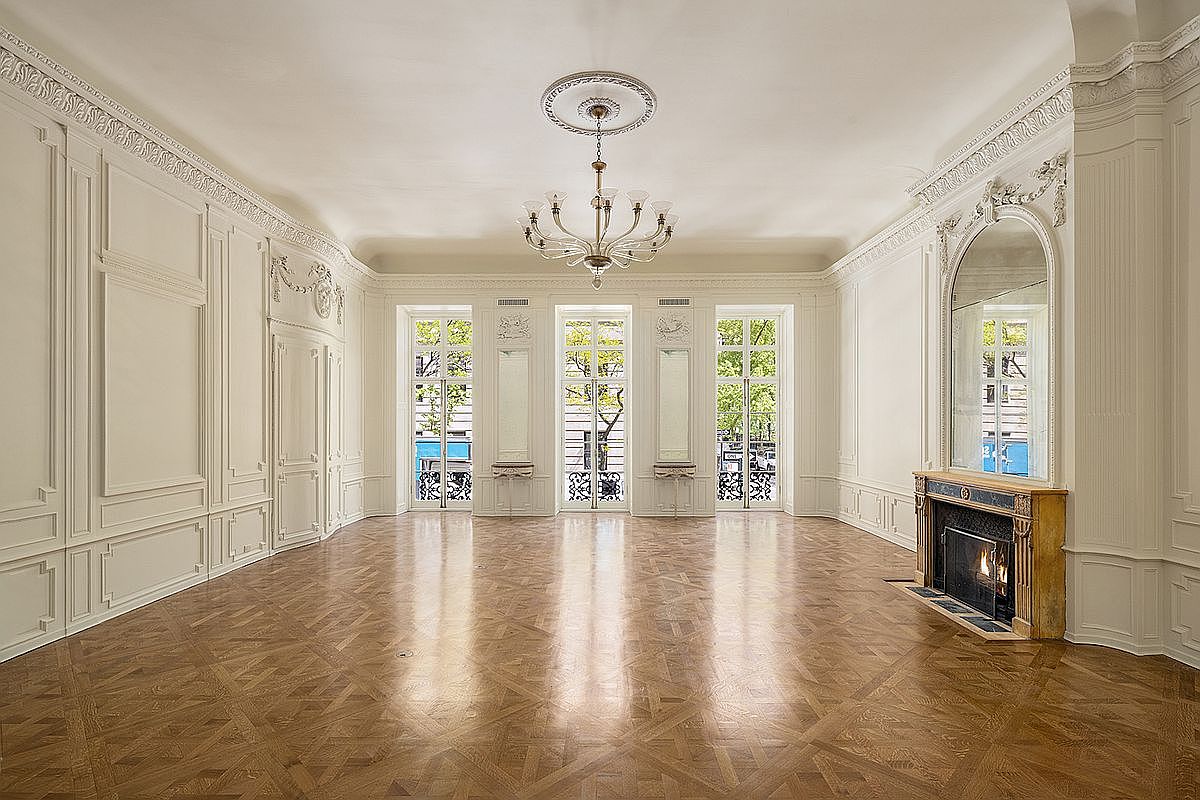
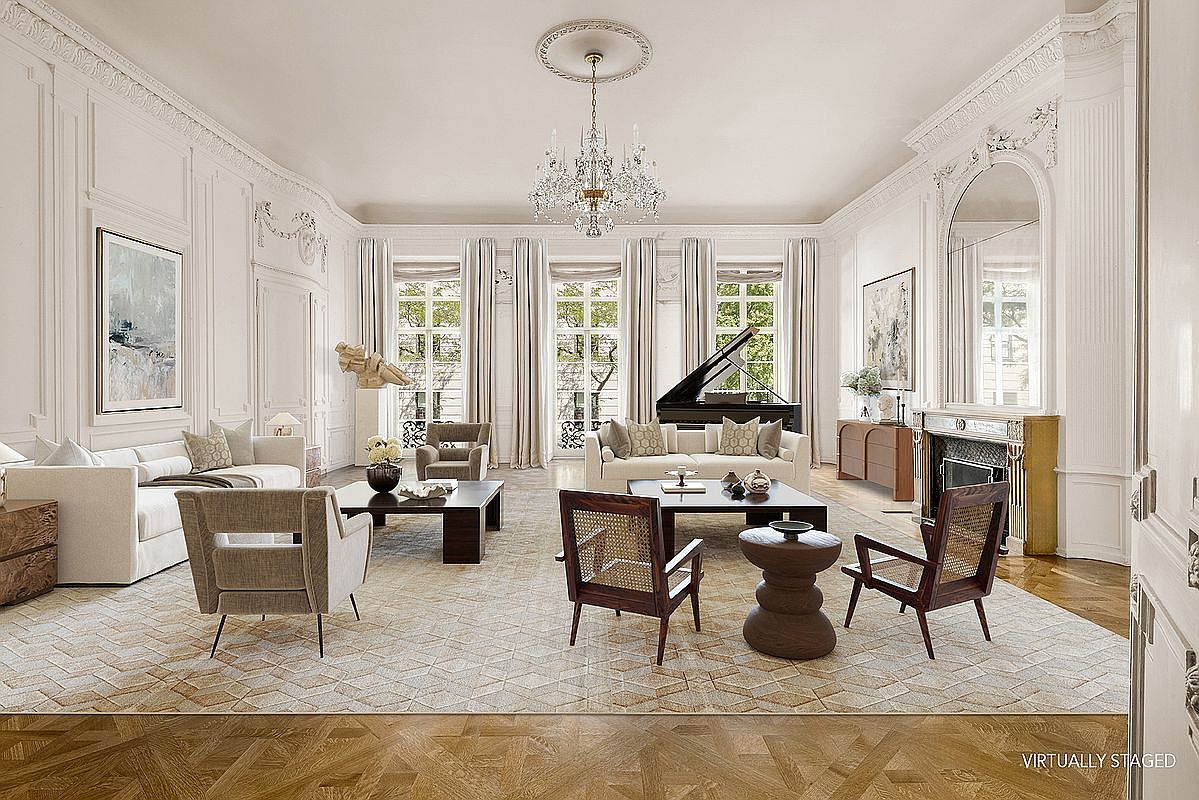
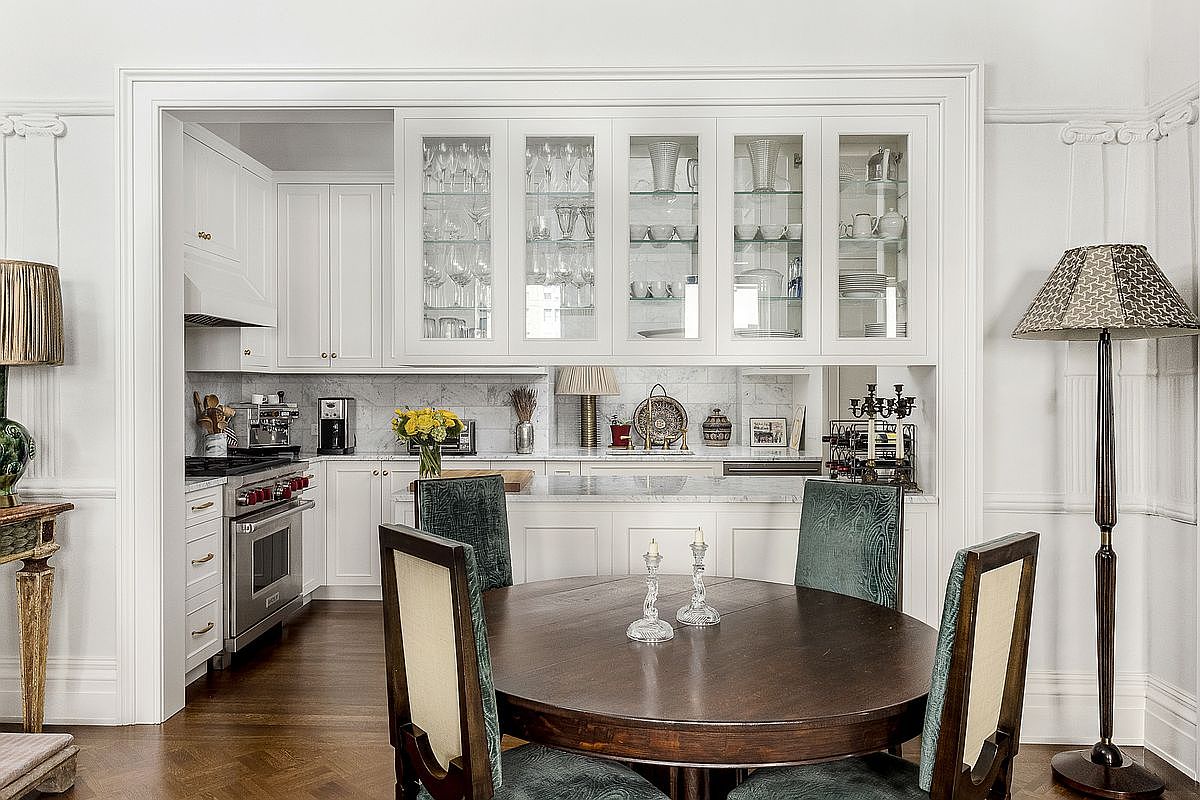
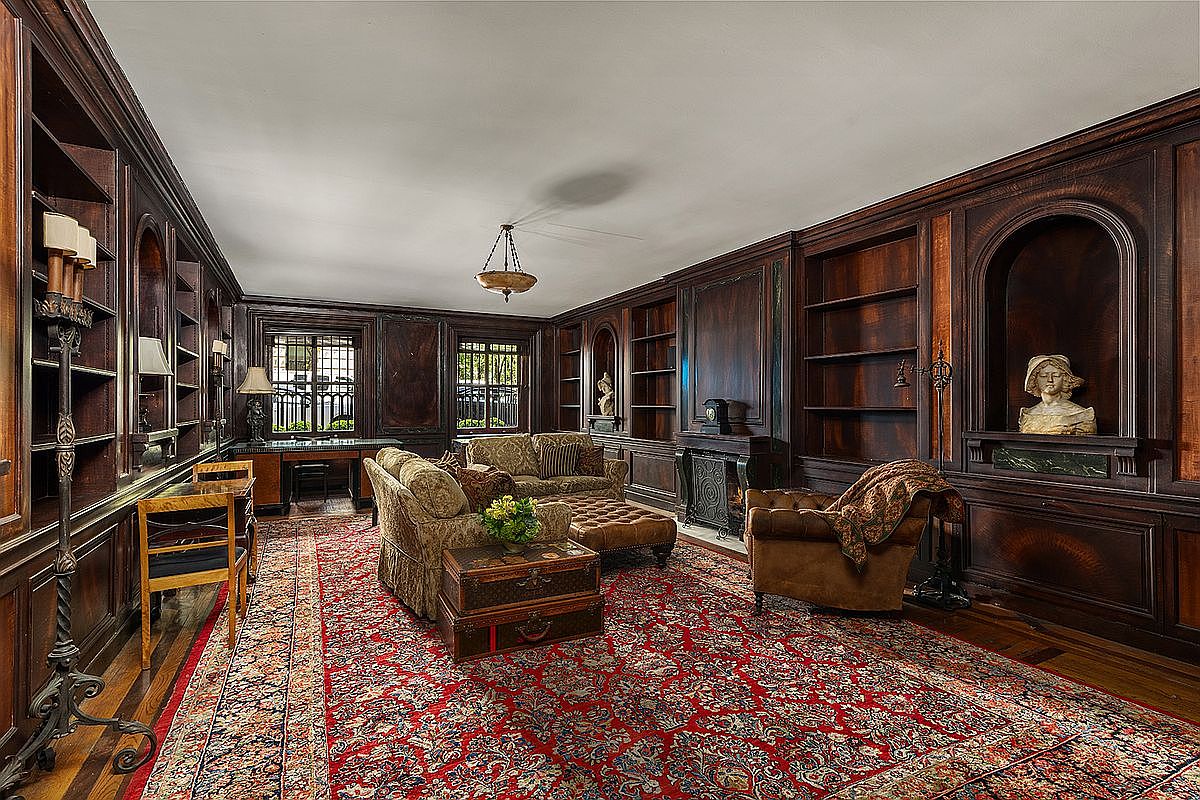
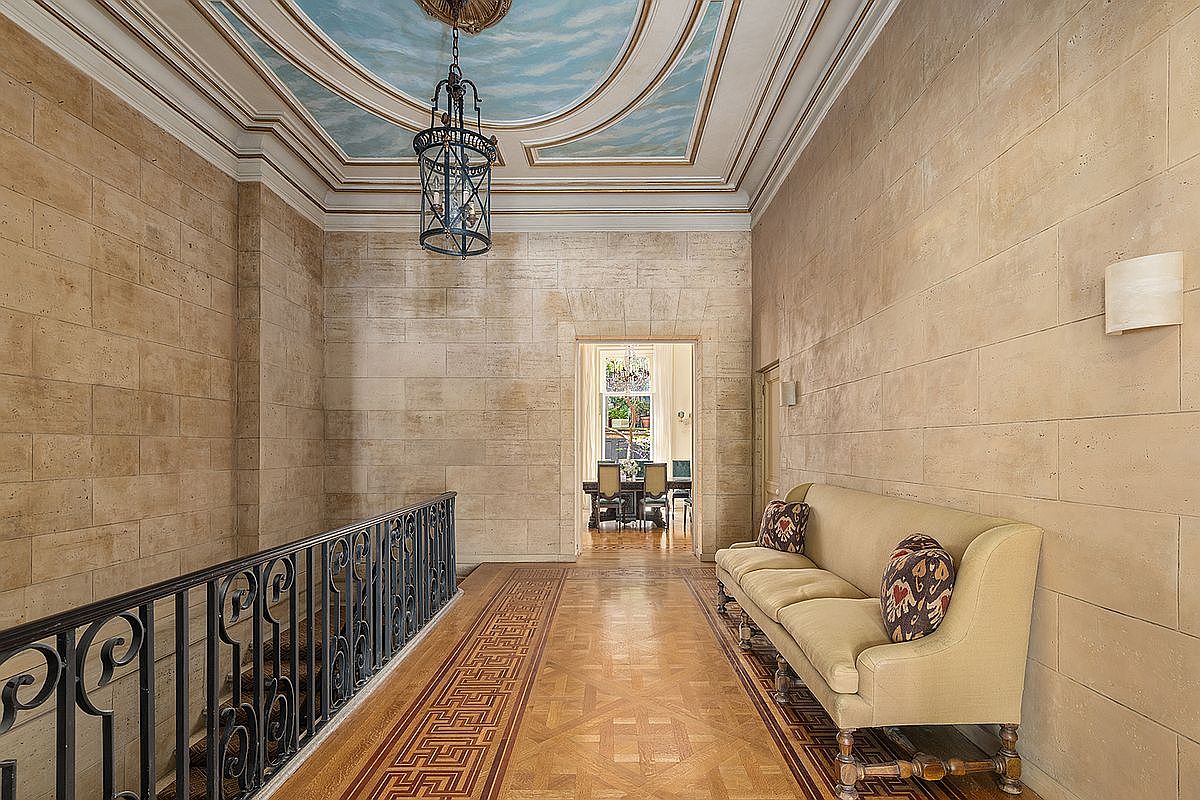
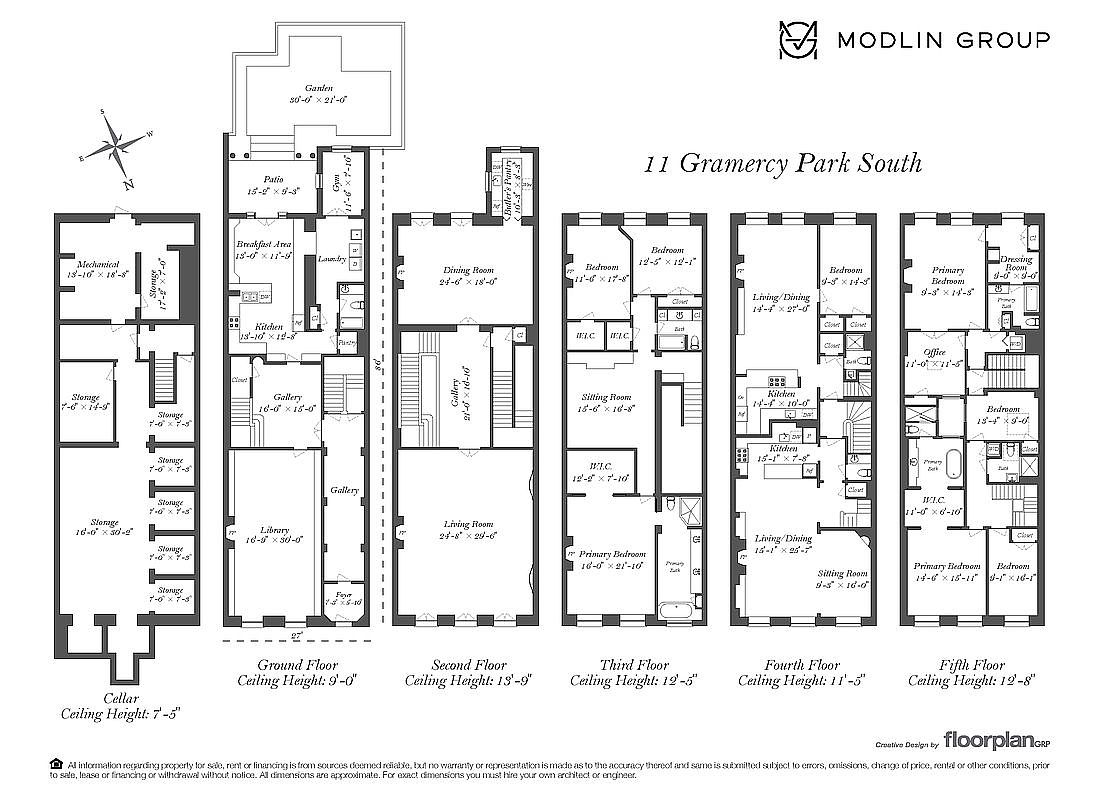
The building's facade sets the tone immediately: symmetrical fenestration, ornate cornice detailing, a handsome wrought-iron fence enclosing a manicured entry, and a recessed doorway that signals the grandeur within. Step inside, and the grand staircase rises with quiet authority toward the parlor level, where the home reveals its most breathtaking room. With fourteen-foot ceiling heights — a measurement that speaks to an era when architecture was conceived as a form of civic and personal aspiration — the living room is wrapped in Louis XIV wood paneling and graced with original inlaid herringbone floors. Three sets of tall glass-paned doors flood the space with natural light and frame unobstructed views over the park, while an original wood-burning fireplace anchors the room with warmth and history. The formal dining room, accessed through a wide architectural opening, offers a second wood-burning fireplace and an adjacent butler's pantry, its French doors opening onto garden views that bring the outside world gently inward.
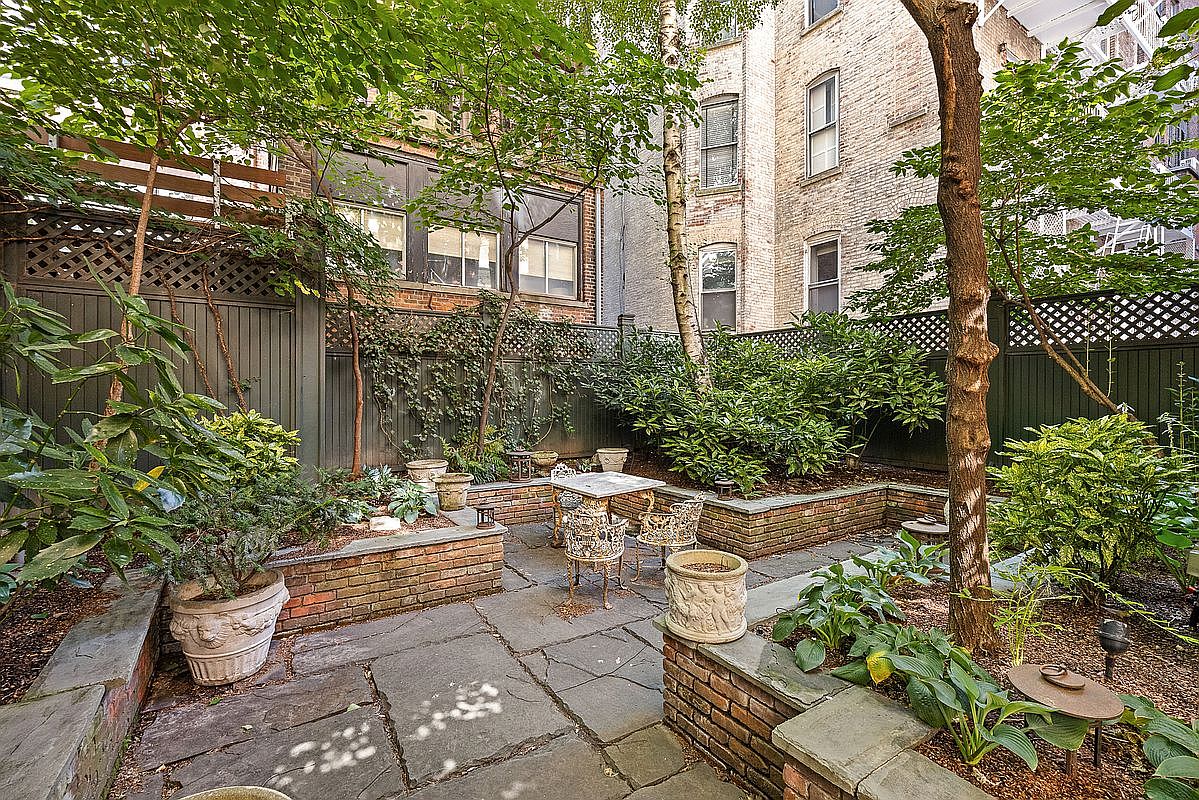
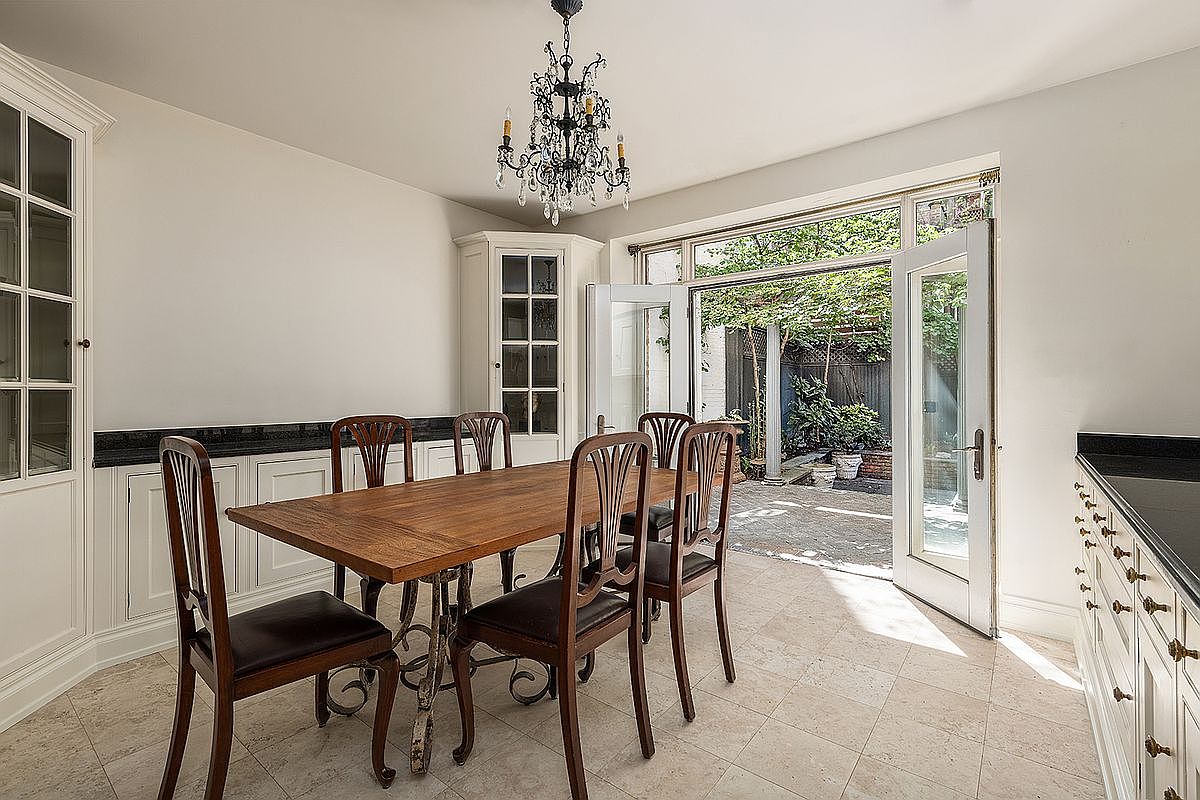
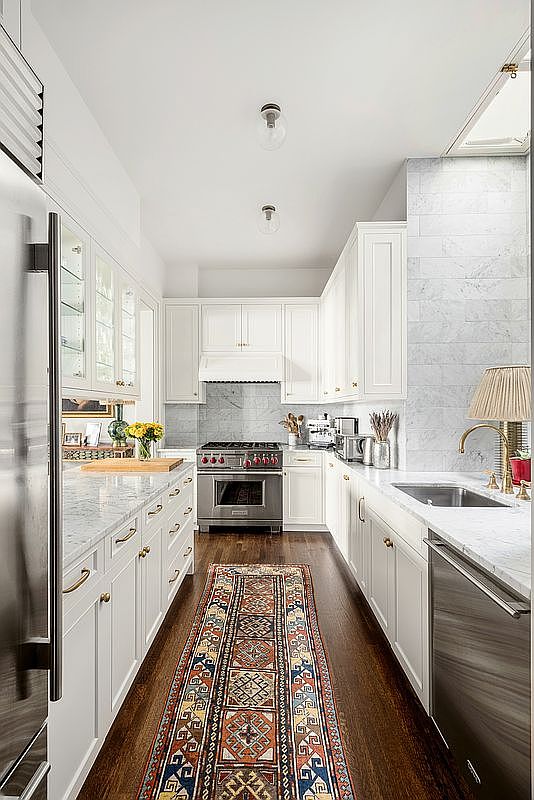
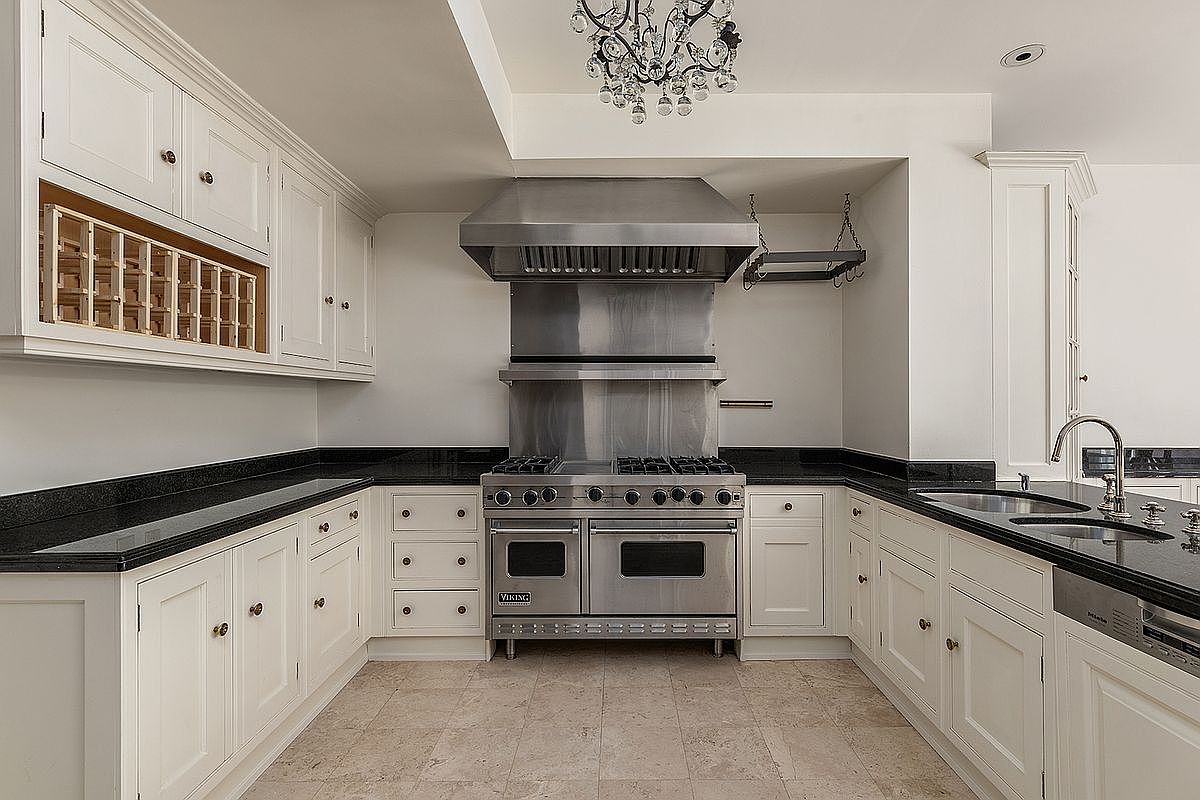
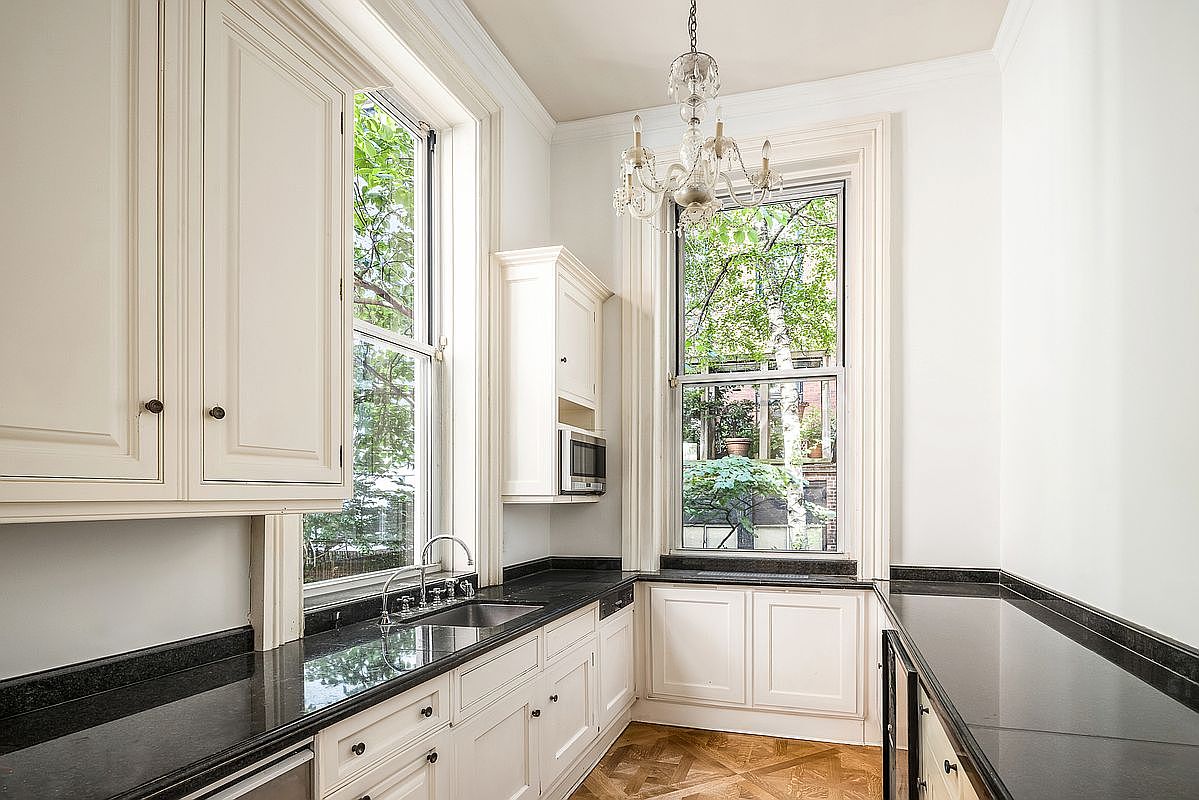
On the garden level, the chef's kitchen is appointed with a professional suite of Viking, Sub-Zero, and Miele appliances, marble countertops, and generous storage — a working room of genuine culinary ambition that opens directly onto a private flagstone patio and garden. Here, tiered brick planters, mature plantings, and a bistro set create a secluded urban sanctuary of uncommon tranquility. A staff quarters with full bathroom, a laundry room, and a flexible bonus room — originally a staff room, later a private gym — complete this level with practical elegance.
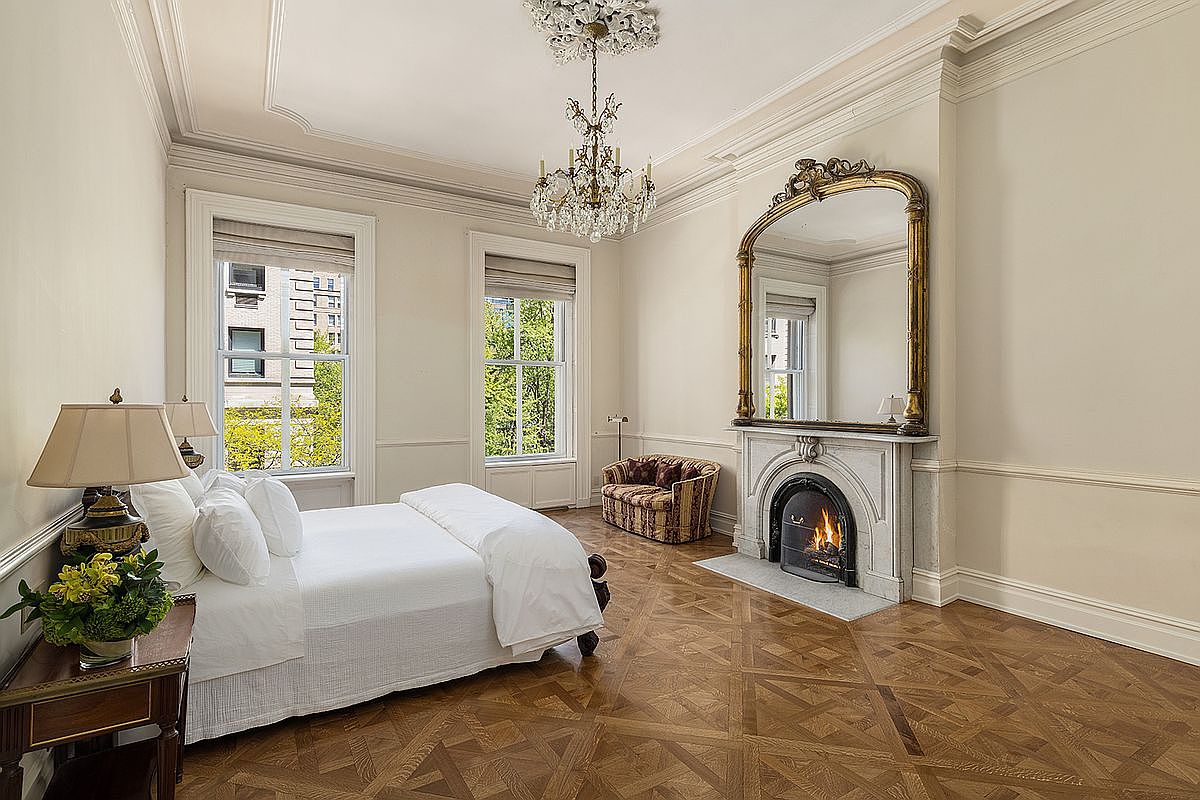
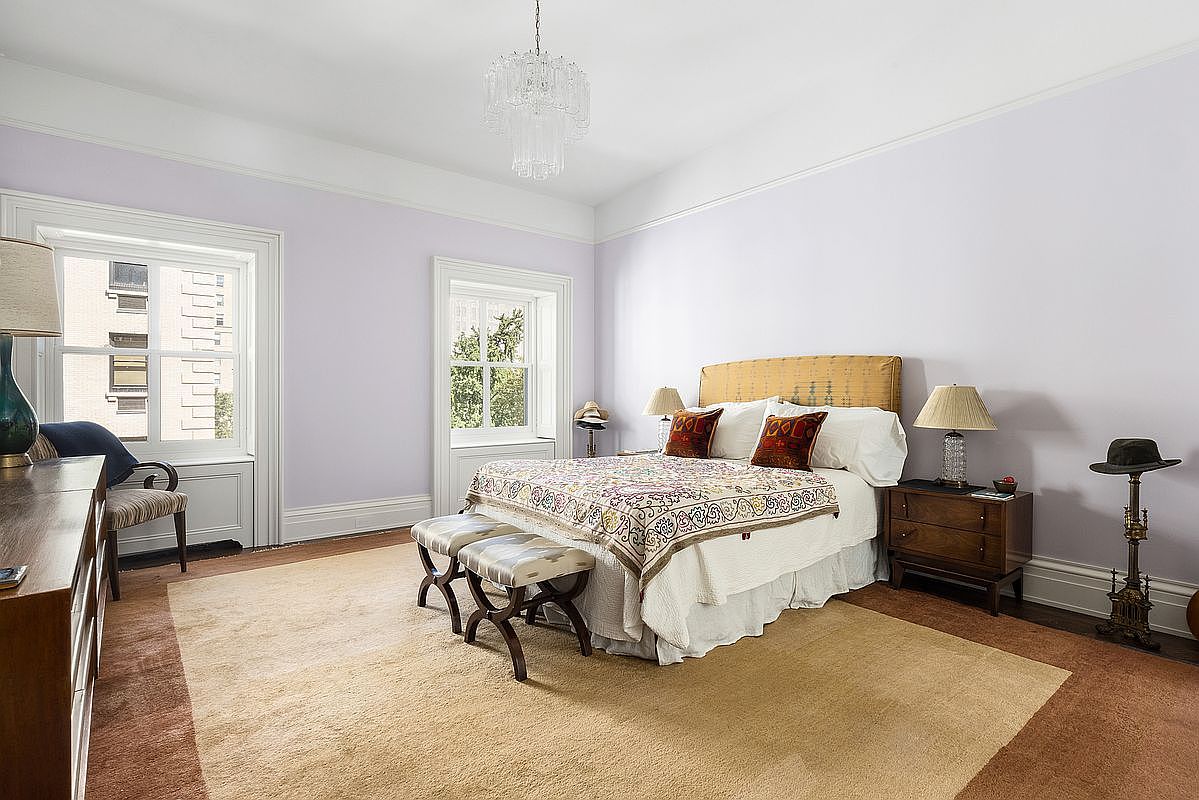
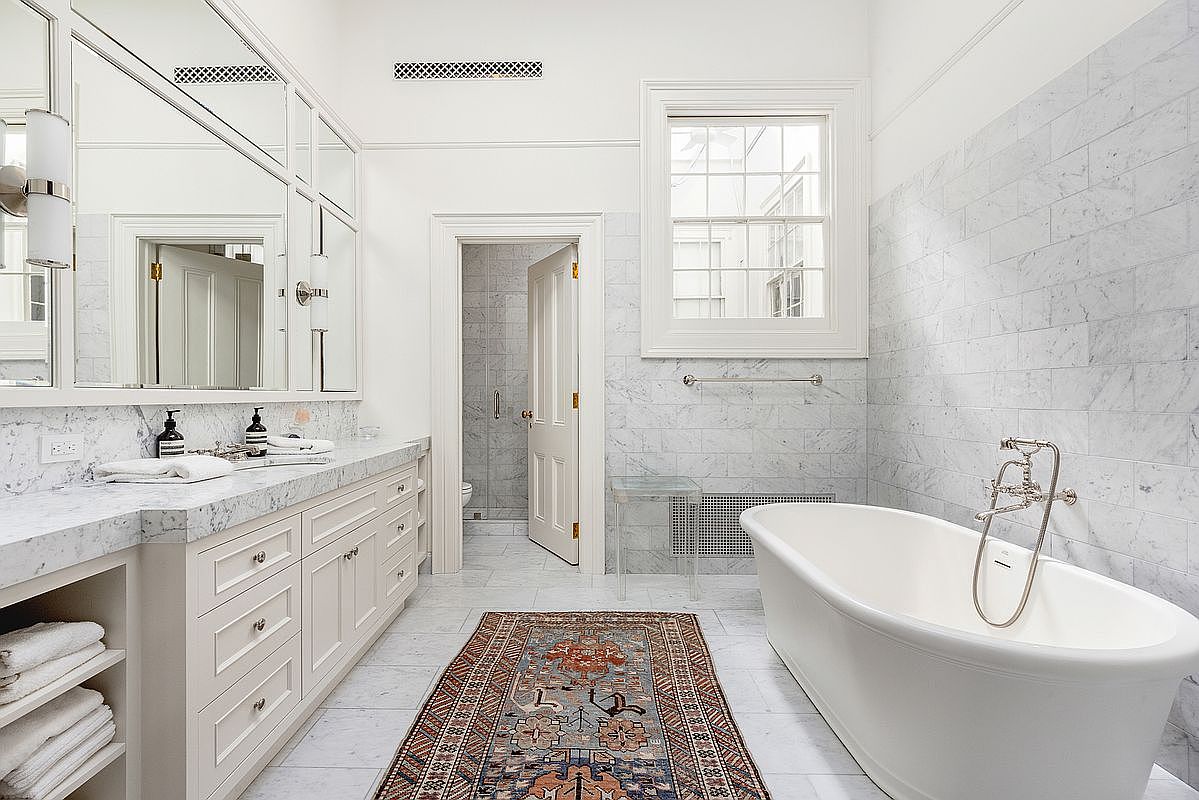
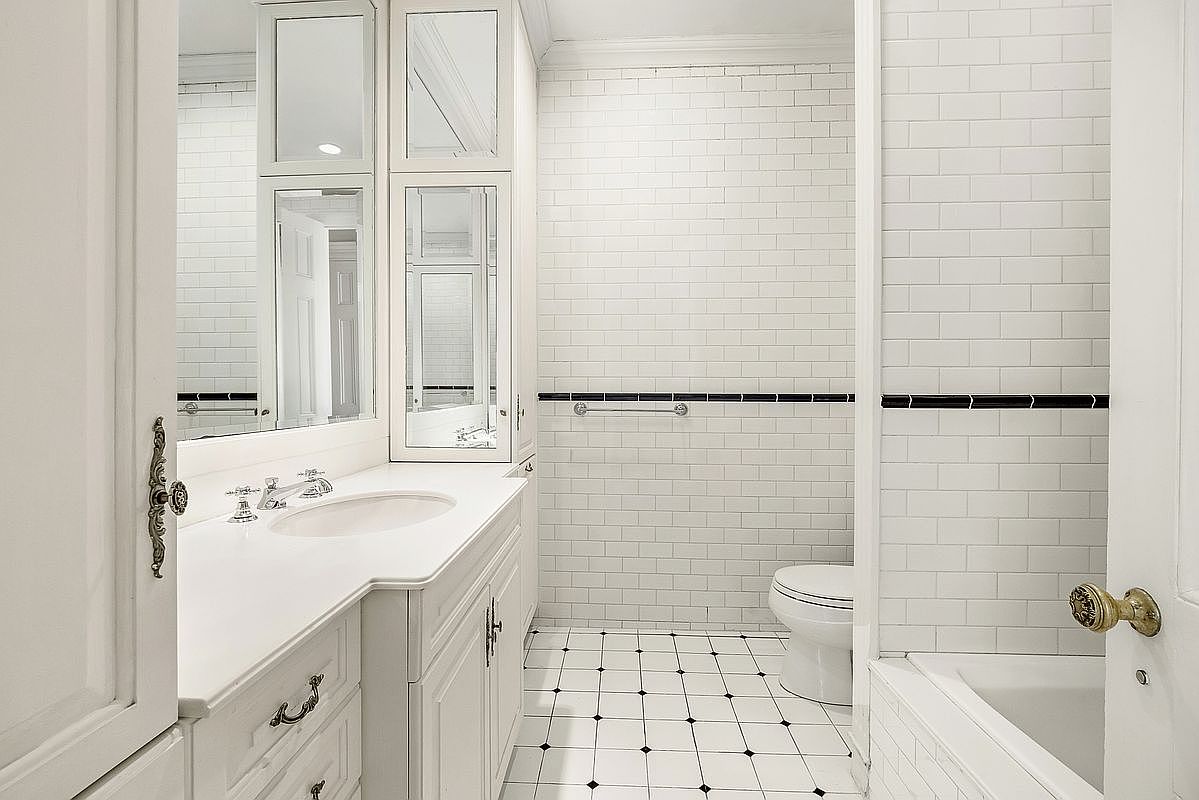
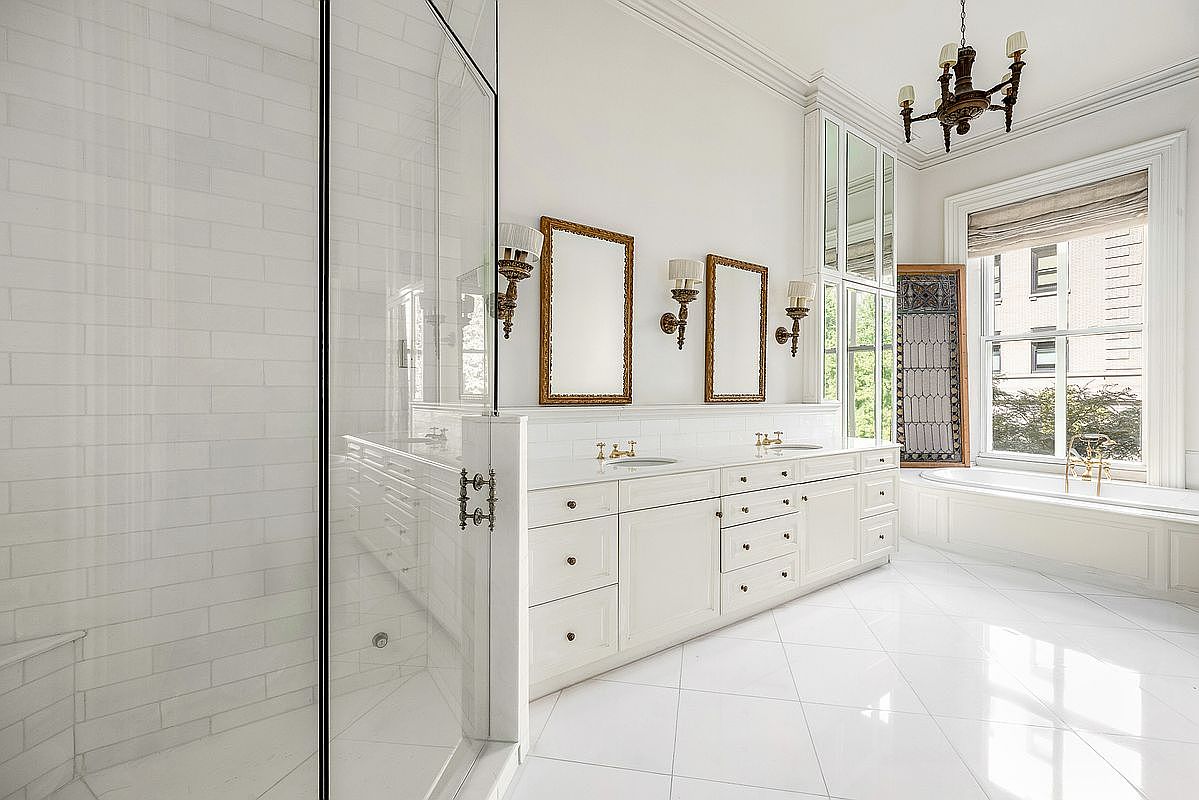
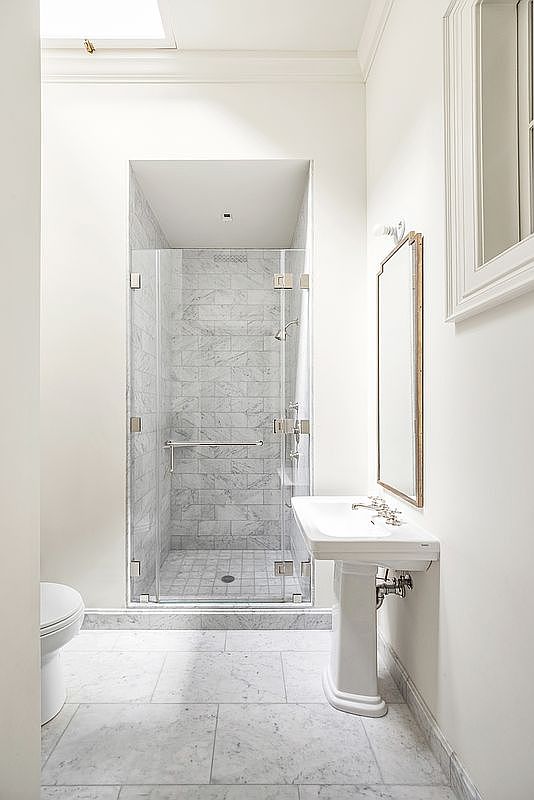
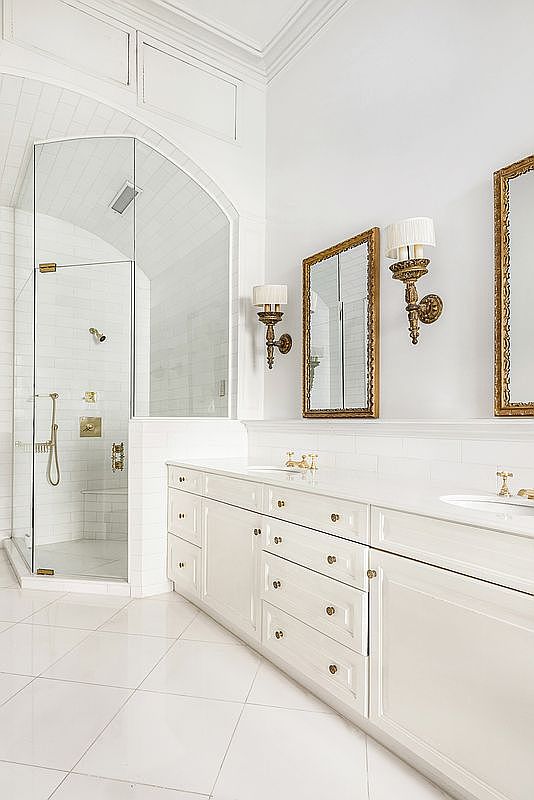
The primary suite commands the entire third floor. A separate sitting room, an expansive walk-in dressing room, and a primary bath appointed with a freestanding soaking tub, dual vanities with stone countertops, and a glass-enclosed shower compose a private retreat of genuine luxury. Two additional park-facing bedrooms share a full bathroom, completing the floor with grace.
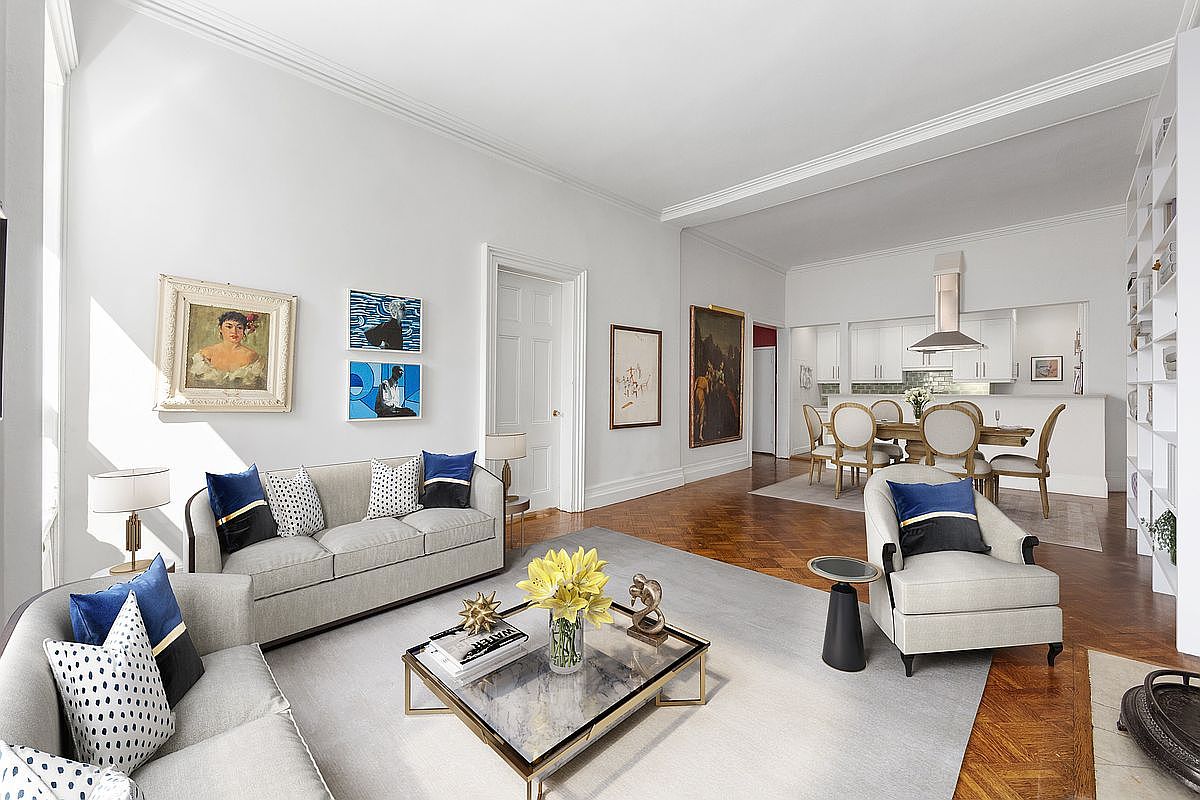
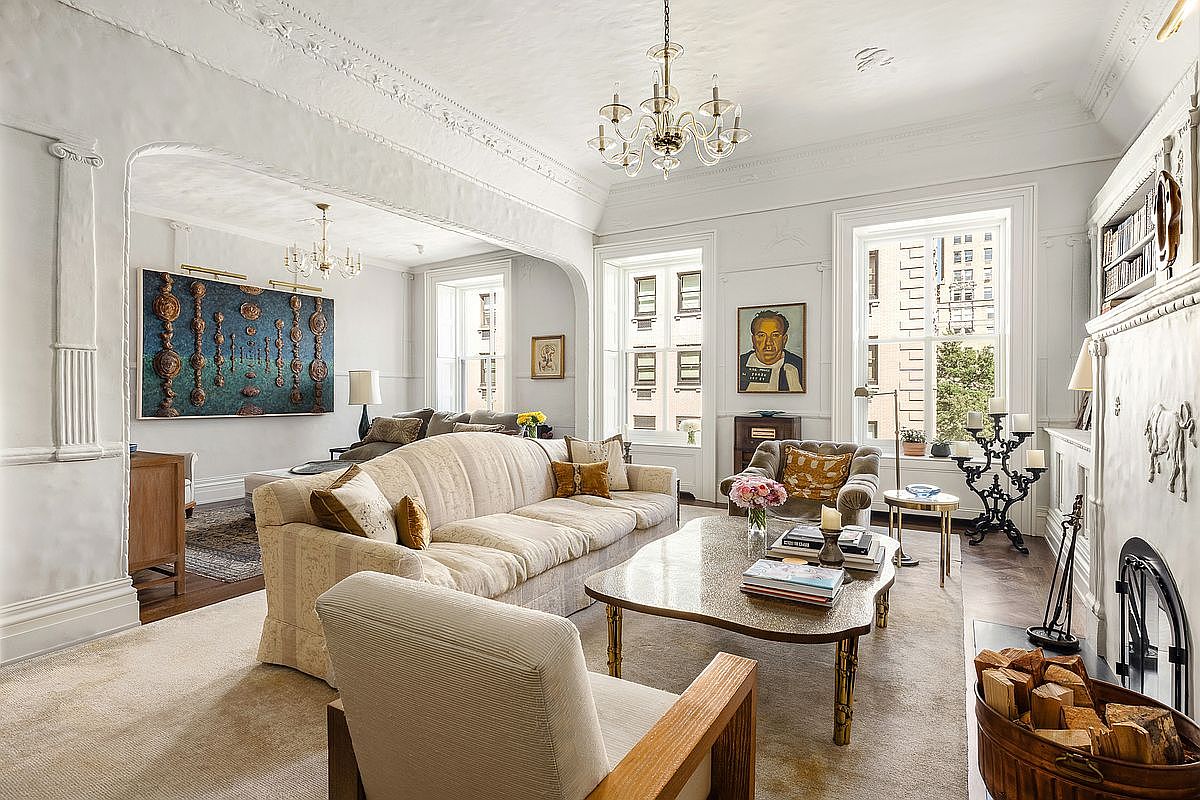
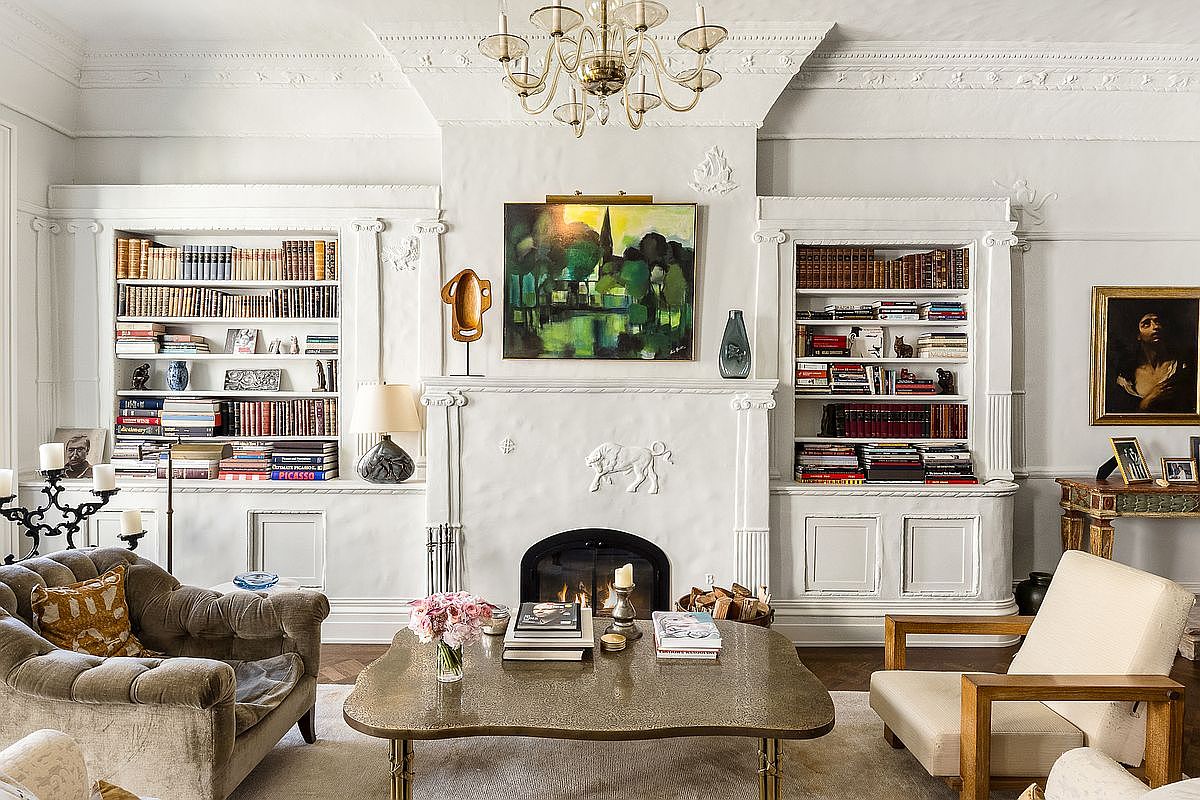
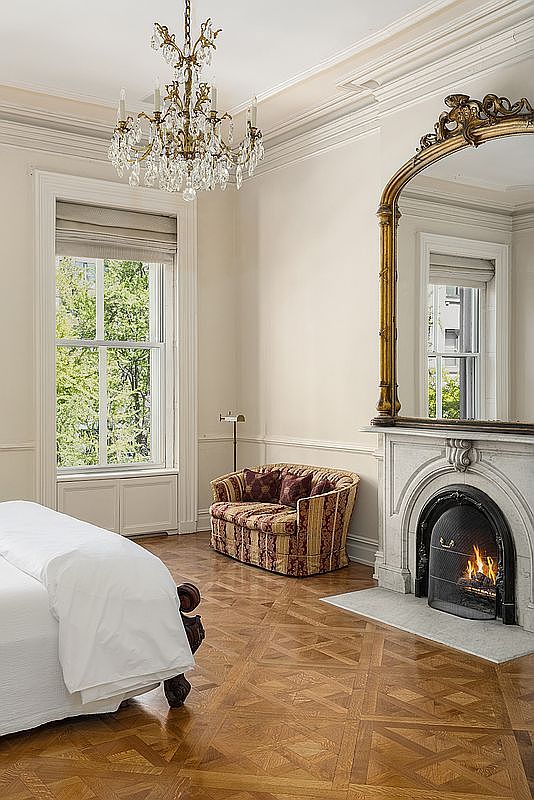
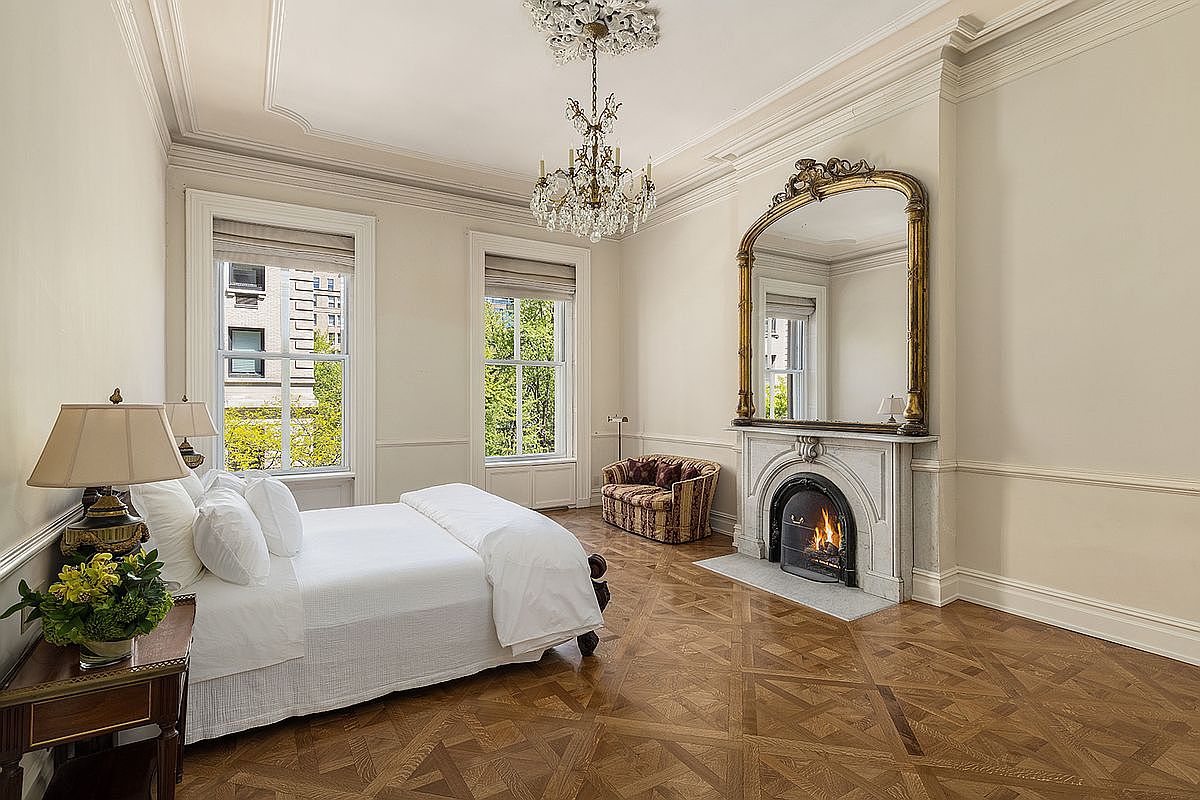
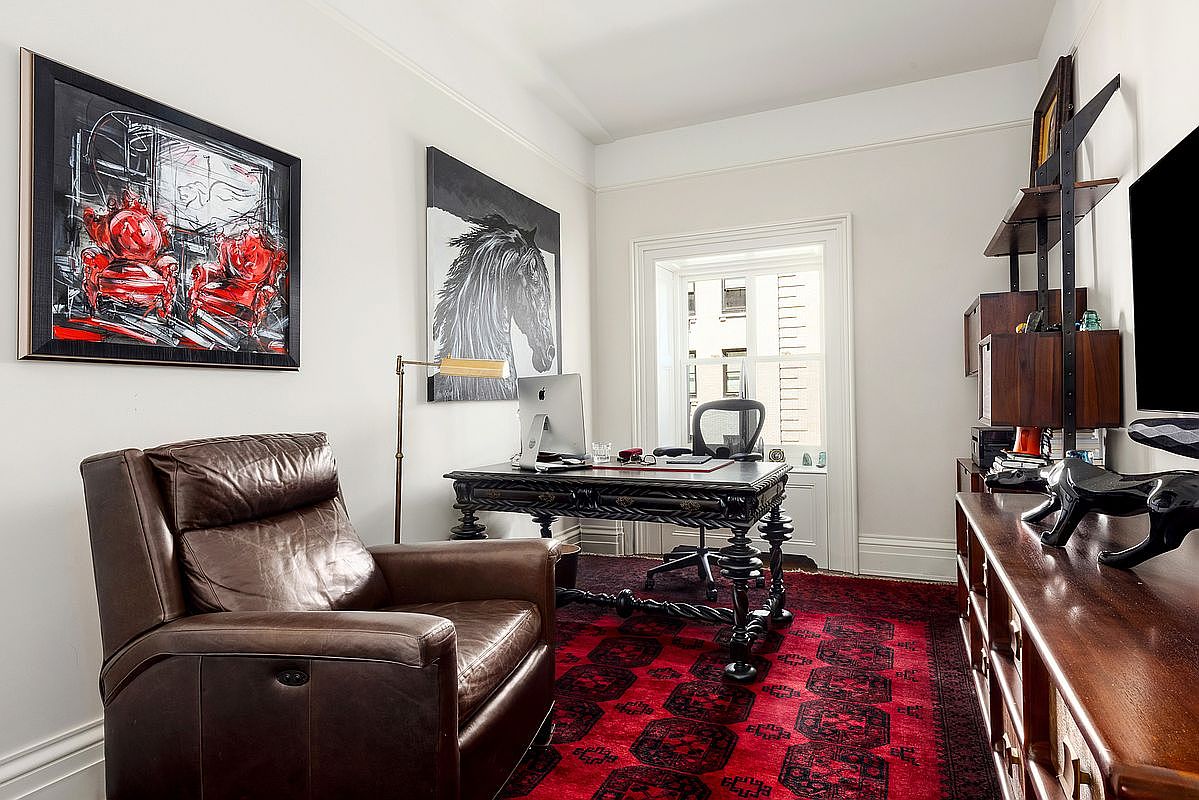
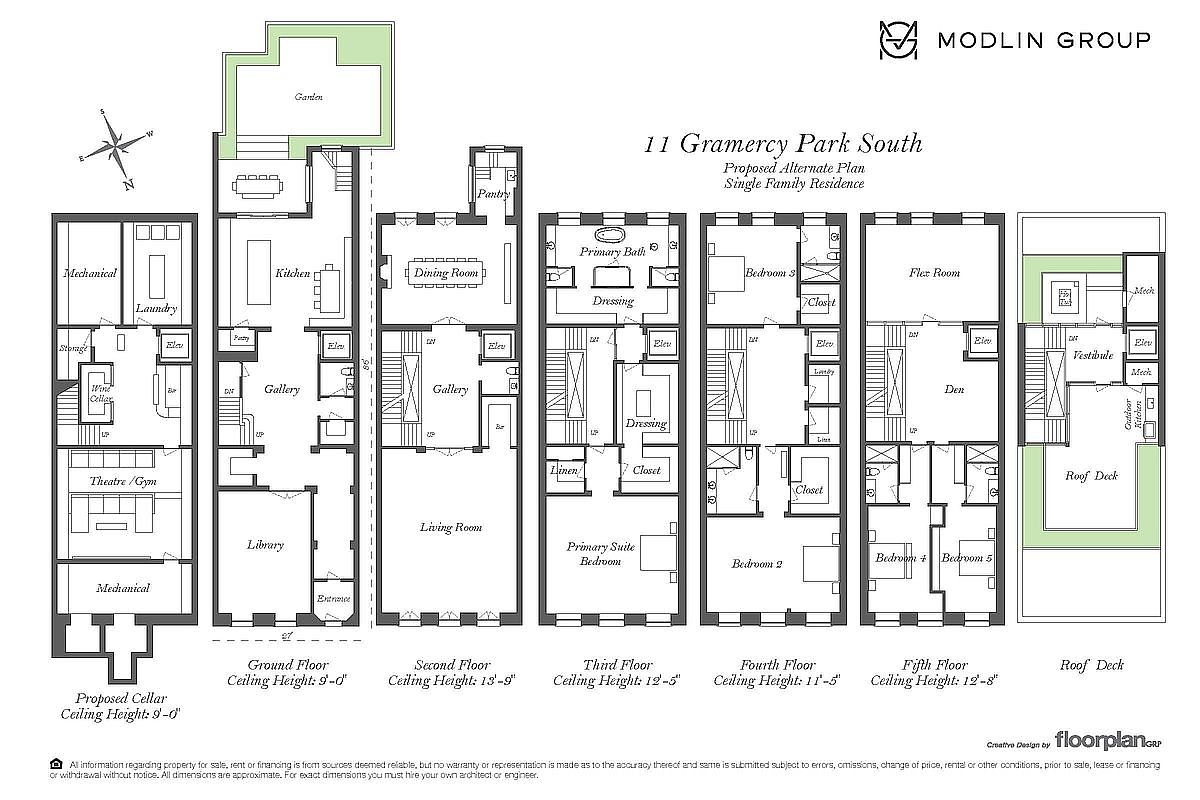
The upper two floors house two beautifully restored duplexes — each featuring three bedrooms, original century-old hardwood floors, active wood-burning fireplaces, and soaring eleven-foot ceilings — residences that would be distinguished in any context, and which here represent the upper portion of a building awaiting its transformation into a single unified masterpiece. A proposed single-family floor plan is included, offering a clear and compelling vision for what this mansion could become: one of the most extraordinary private homes in New York City.
Gramercy Park is, by any measure, unlike anywhere else in New York City. Conceived in the 1830s by developer Samuel Ruggles, who drained a swamp and laid out a planned residential enclave modeled loosely on the private garden squares of London, the neighborhood was designed from its inception as a refuge from urban density — a place where order, greenery, and architectural harmony would prevail. Nearly two centuries later, that founding vision remains strikingly intact.
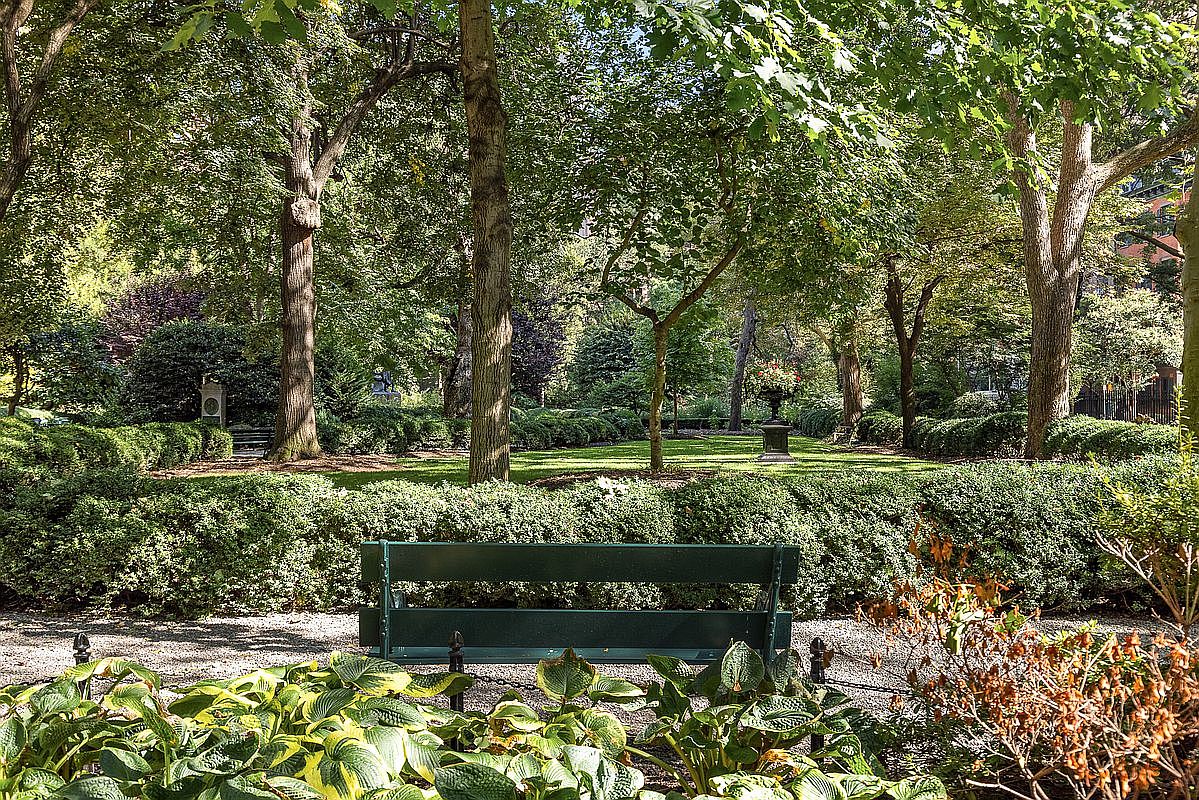
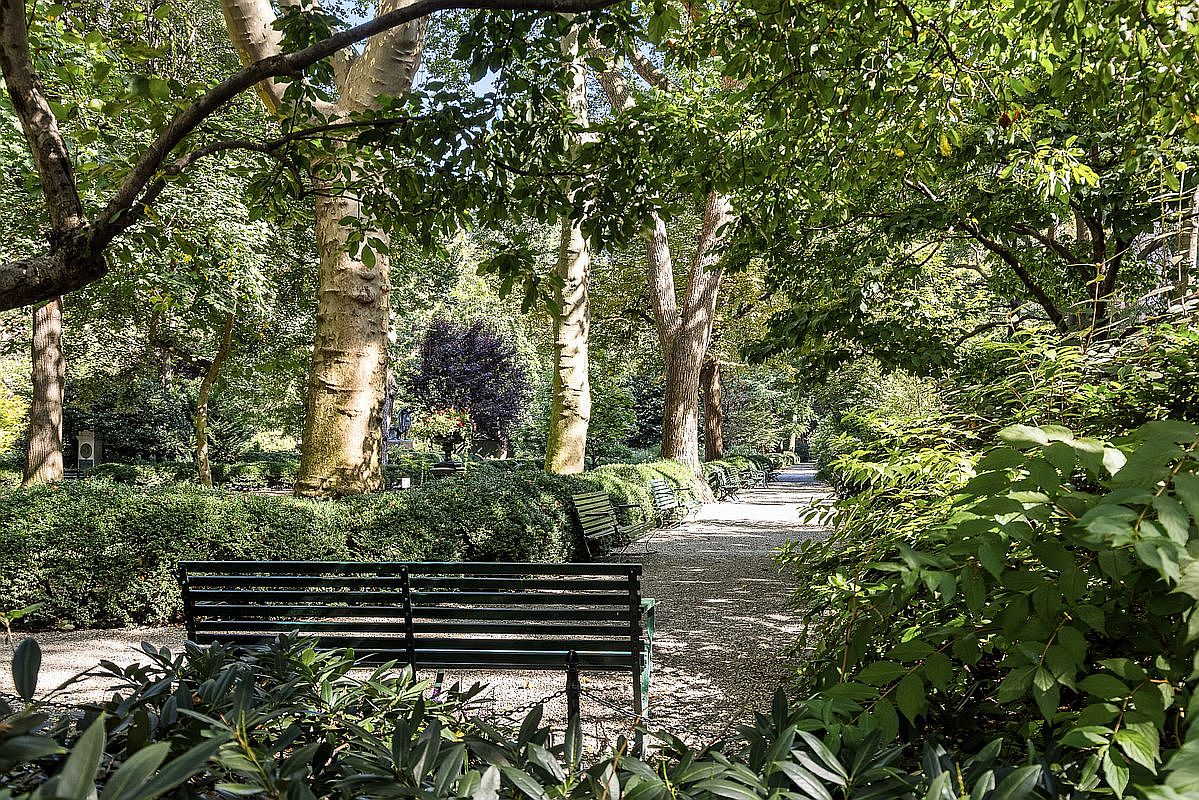
At the heart of the neighborhood sits the park itself: a 1.9-acre private green space enclosed by an ornate cast-iron fence, accessible only to residents of the surrounding buildings who hold one of the coveted keys issued by the Gramercy Park Trustees. It is, famously, the only private park in Manhattan, and its exclusivity is not merely a marketing conceit — it is a lived, daily reality. On any given morning, keyholders walk among manicured lawns, gravel pathways, and mature trees in a setting of genuine serenity, the noise and pace of the city held at a respectful distance beyond the fence.
The neighborhood that surrounds the park is equally distinguished. Gramercy's residential streets are lined with some of New York's finest surviving examples of Italianate and Greek Revival townhouse architecture, many dating to the mid-to-late nineteenth century. The block of Gramercy Park South — formerly known as East 20th Street — is among the most architecturally cohesive in the city, its buildings maintaining a scale and character that speak to another era's civic seriousness. The National Arts Club and The Players, two of New York's most storied private clubs, both occupy landmark buildings directly on the park, lending the address a cultural pedigree that few Manhattan blocks can match.
Beyond its architectural and cultural cache, Gramercy offers a lifestyle that balances genuine neighborhood intimacy with effortless access to the broader city. Madison Square Park, with its beloved Shake Shack, seasonal programming, and rotating public art installations, is a short stroll to the north. The restaurants and nightlife of the Flatiron District and Union Square are equally close at hand, as are the greenmarkets, independent bookshops, and cultural institutions that make the Union Square area one of Manhattan's most vibrant commercial and intellectual hubs.
Transportation is seamlessly convenient, with multiple subway lines — including the 4, 5, 6, N, Q, R, W, and L trains — accessible within a few blocks, connecting residents to every corner of the city with ease. The neighborhood also sits within close reach of some of Manhattan's finest dining, from the celebrated kitchens of the Flatiron District to the intimate neighborhood restaurants that have made Gramercy a destination for discerning New Yorkers for generations.
To own on Gramercy Park South is to inhabit a piece of the city's living history — a neighborhood that has maintained its character, its exclusivity, and its quiet sense of distinction through every chapter of New York's remarkable evolution.
Featured Highlights
Curated Content • Presented by Adam Modlin