The Story Behind
Gardner's Cove: A Gated Lakefront Estate of Rare Completeness
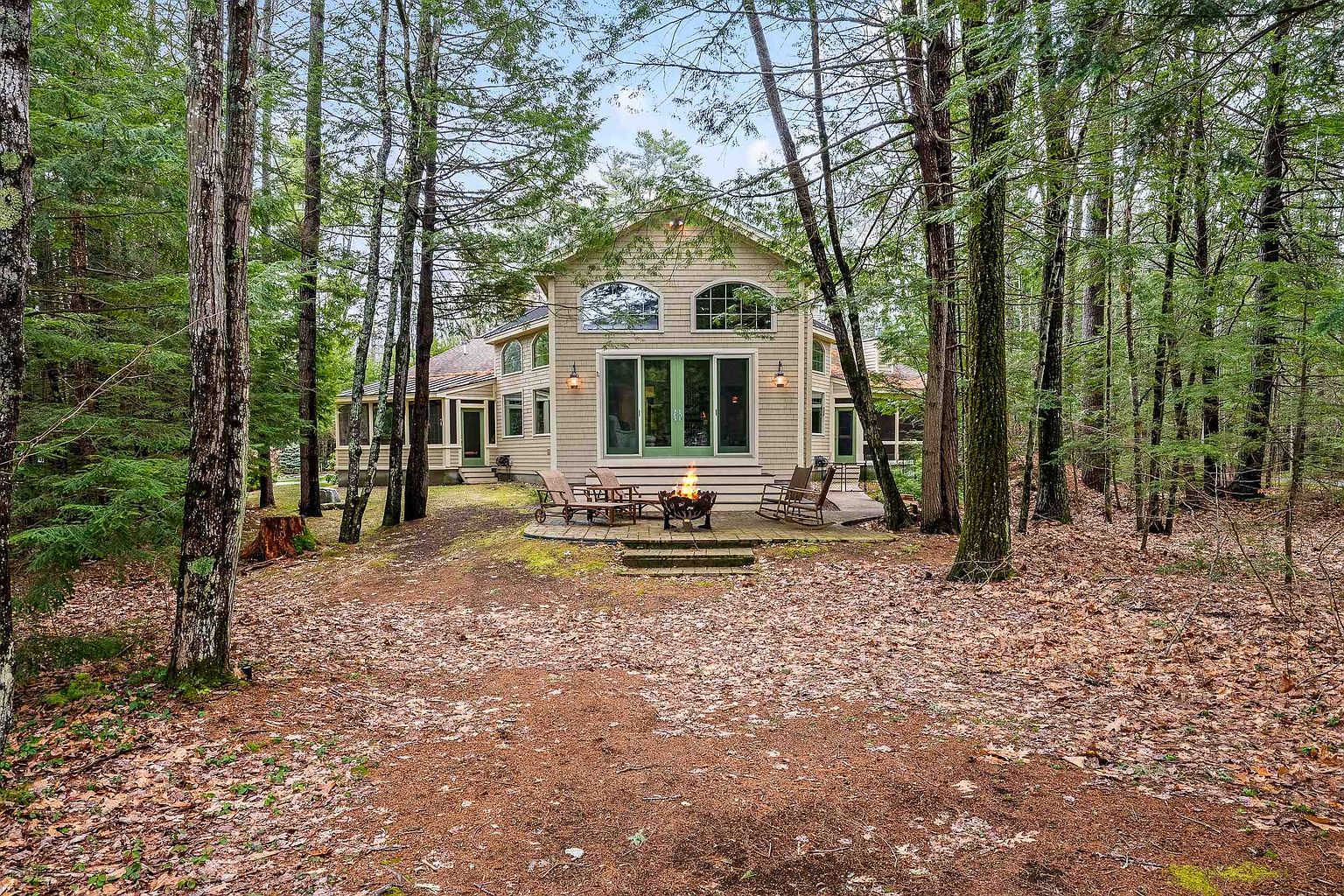
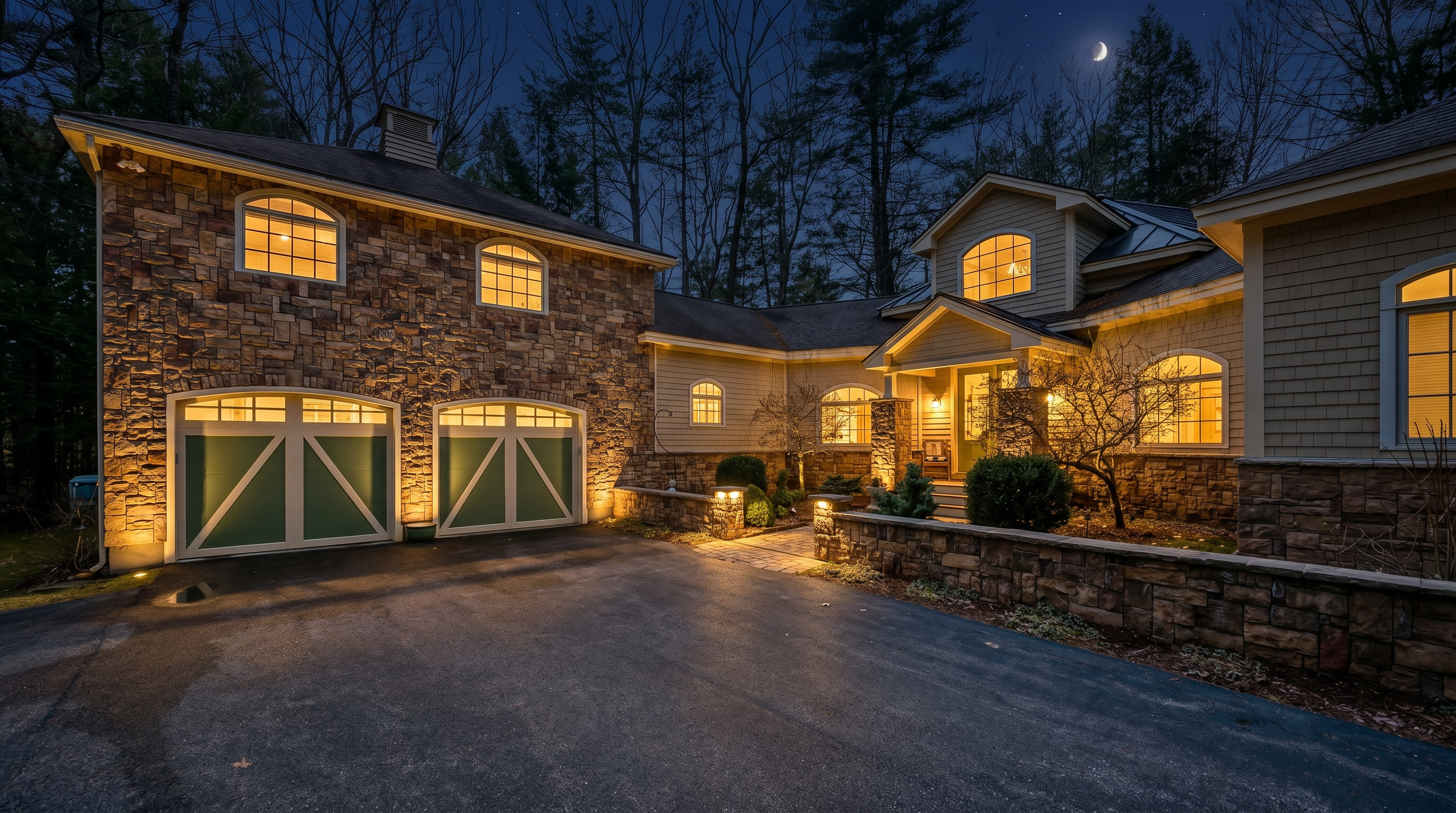
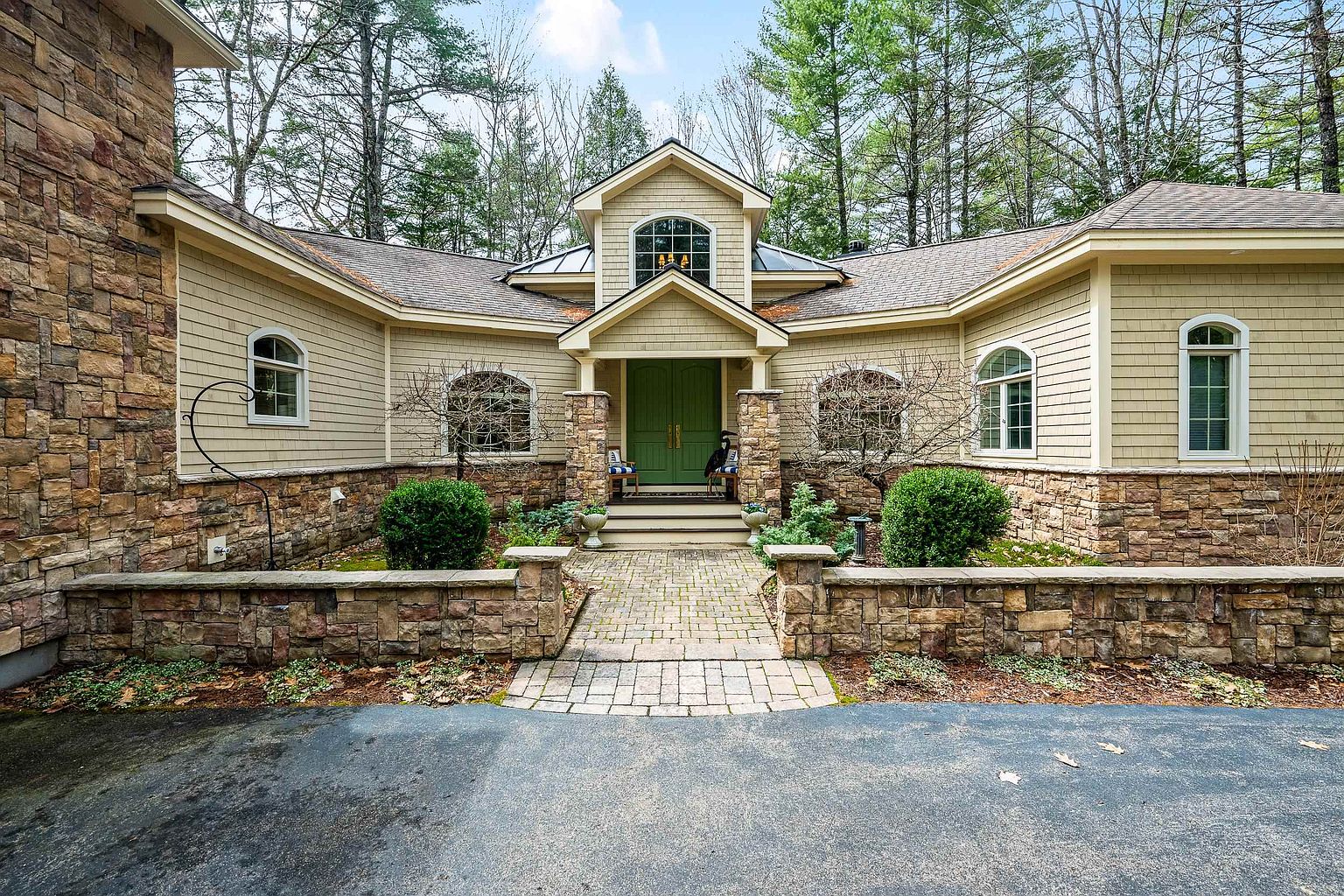
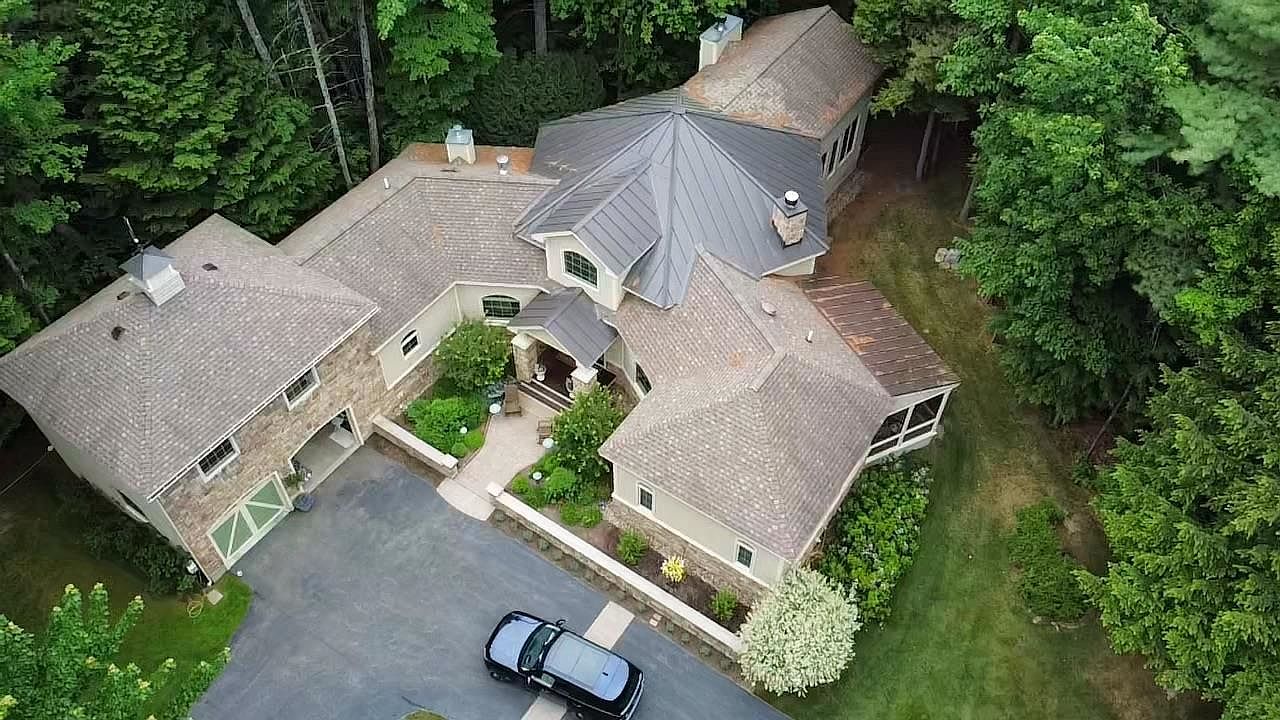
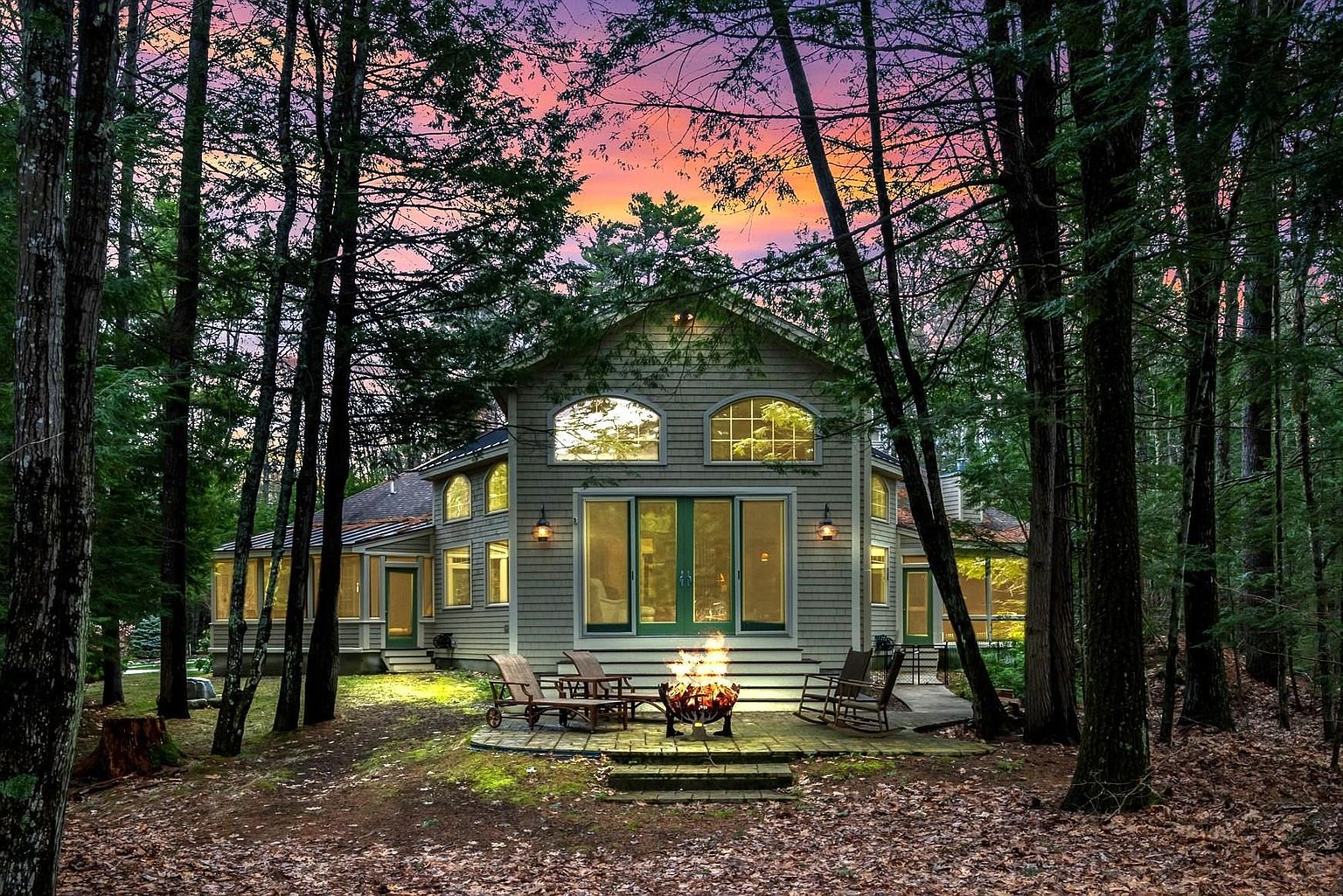
There is a particular kind of intention that separates a well-built home from a truly considered one, and Gardner's Cove announces itself as the latter from the moment you pass through its private gate. A level paved driveway — itself a quiet luxury in a region where terrain rarely cooperates — draws you toward a main residence that feels at once substantial and entirely at ease within its wooded, waterfront setting. Constructed in 2007, the 4,000-plus square foot home was designed around a philosophy of one-level living elevated to something closer to a guiding aesthetic. The result is a floor plan that moves without compromise: no stairs interrupting the rhythm of daily life, no concessions made in the name of convenience.
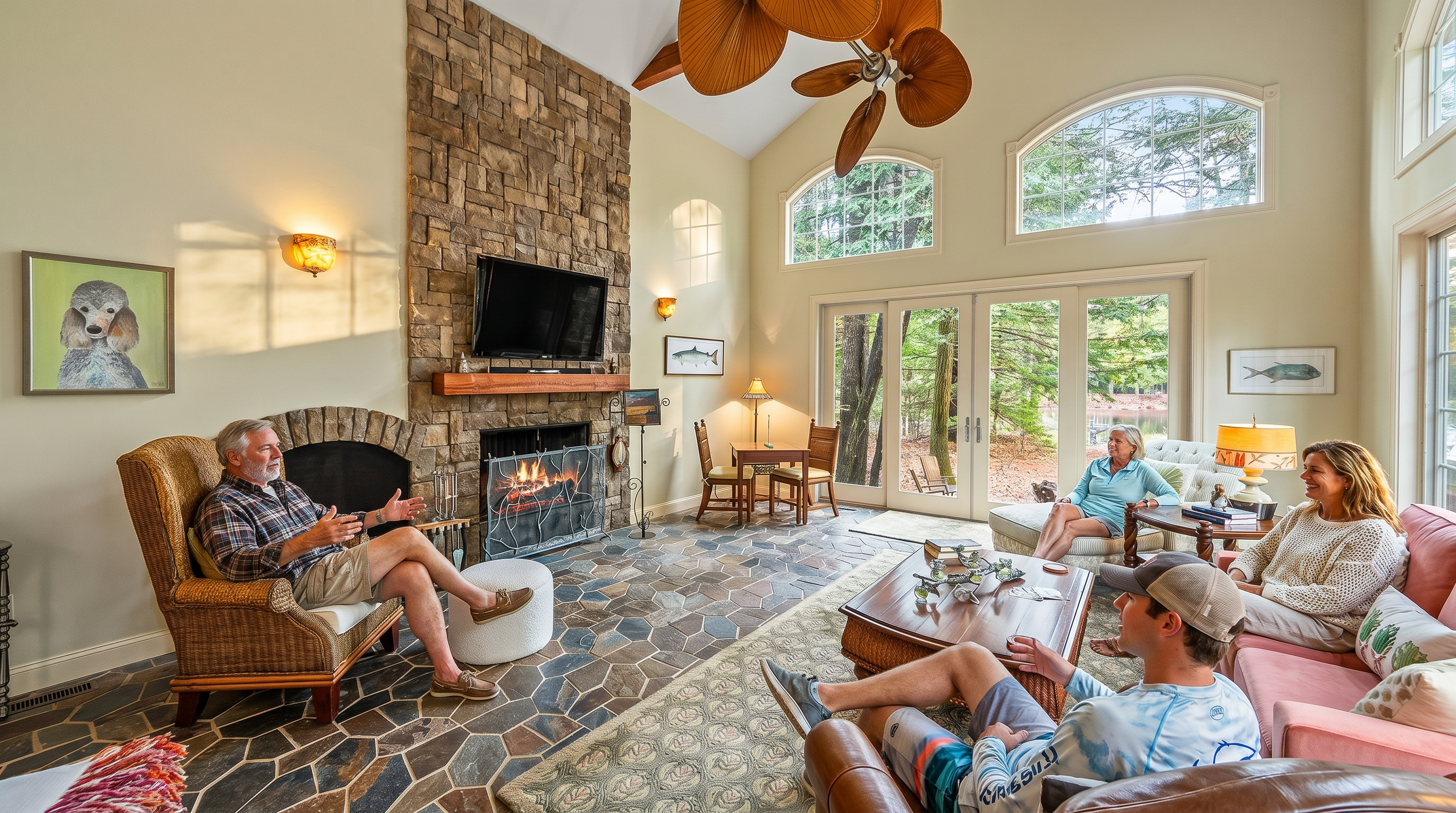
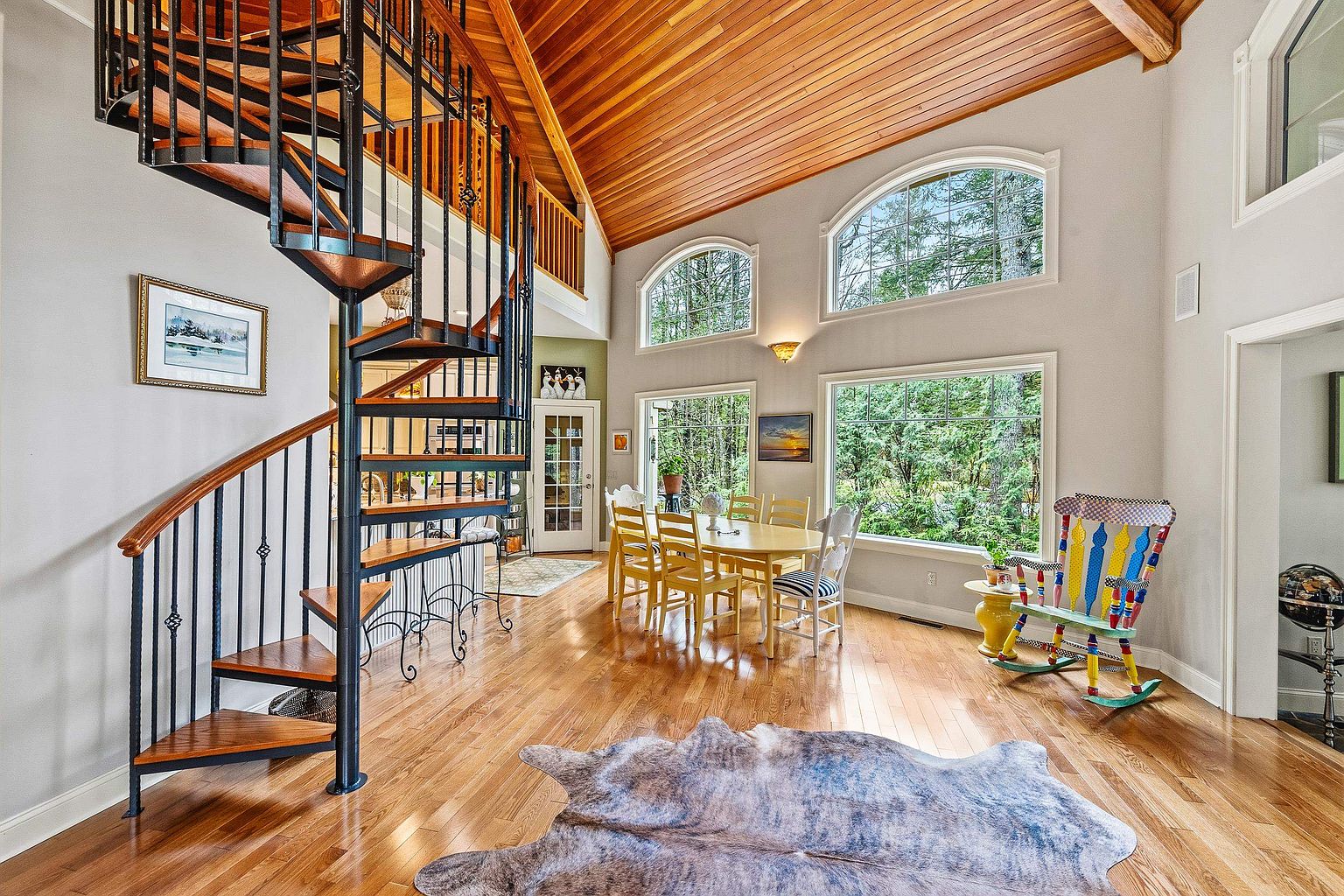
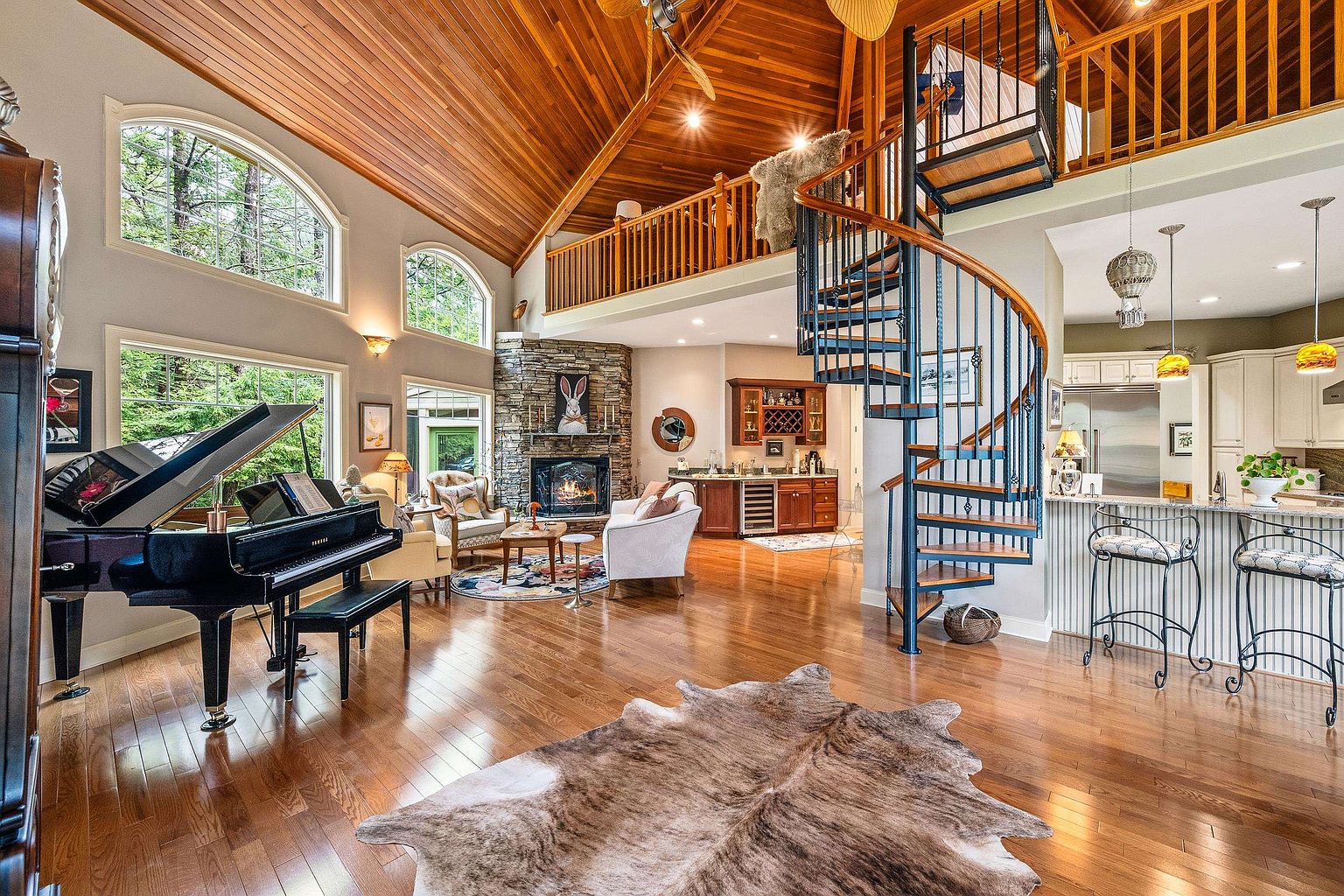
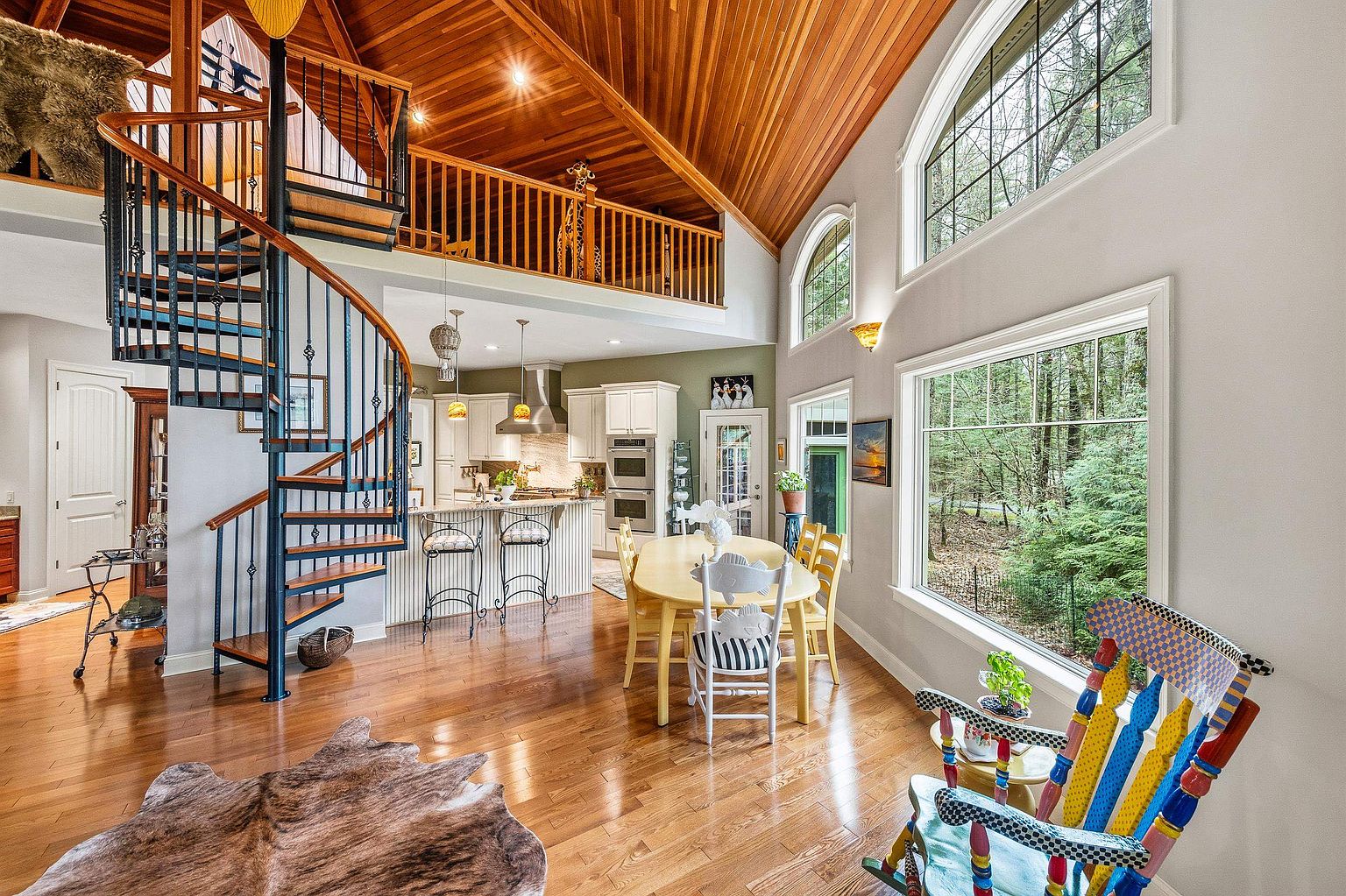
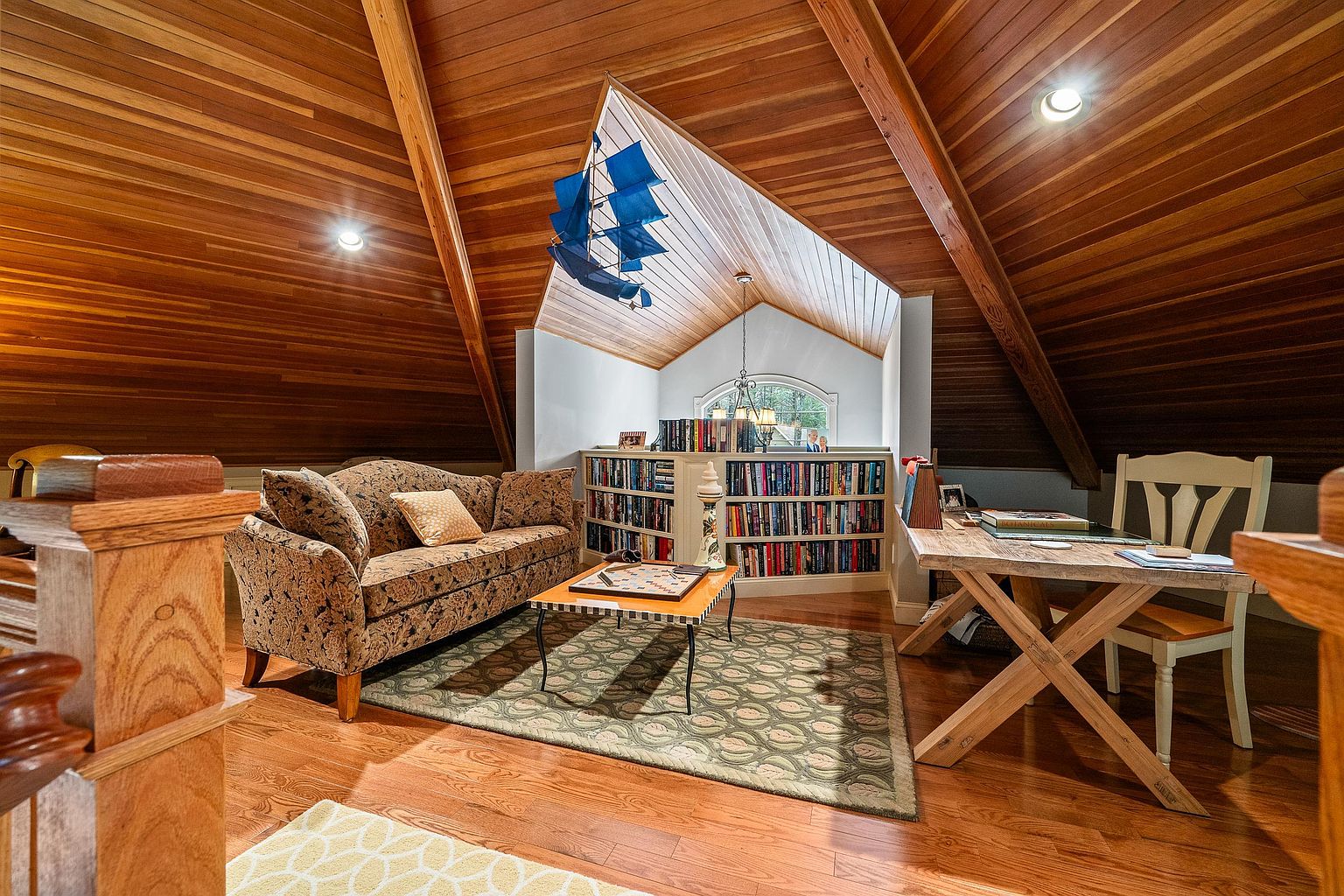
Inside, soaring vaulted ceilings draw the eye upward before the open floor plan pulls it across a seamless succession of gathering spaces. Exposed timber beams and extensive custom woodwork — present in every room, on every surface — establish the home's architectural language: warm, deliberate, and deeply grounded in the craft traditions of the New England north country. Two fireplaces anchor the principal living areas, each one less a feature than a focal point, capable of transforming the atmosphere of a room with a single fire on a September evening.
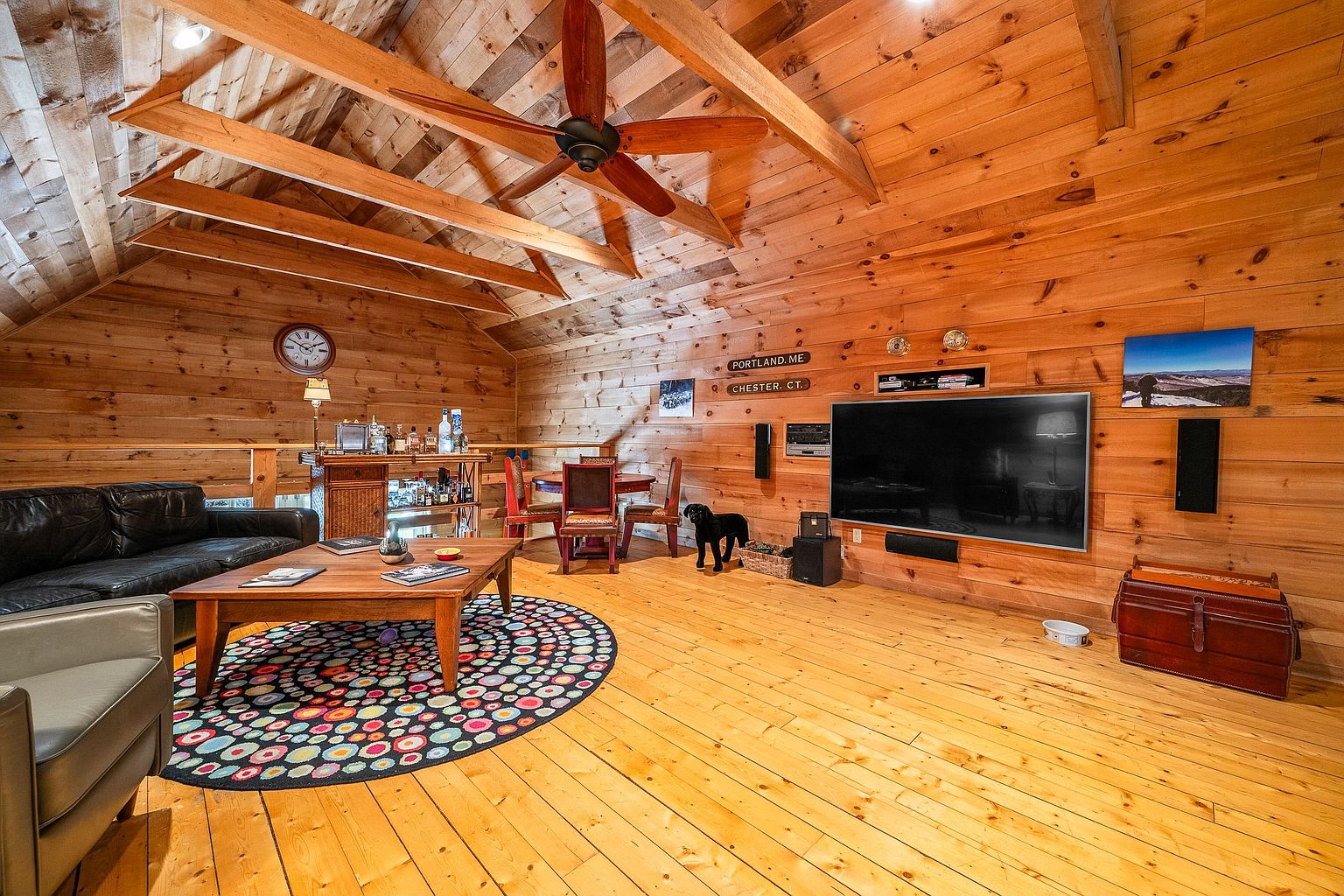
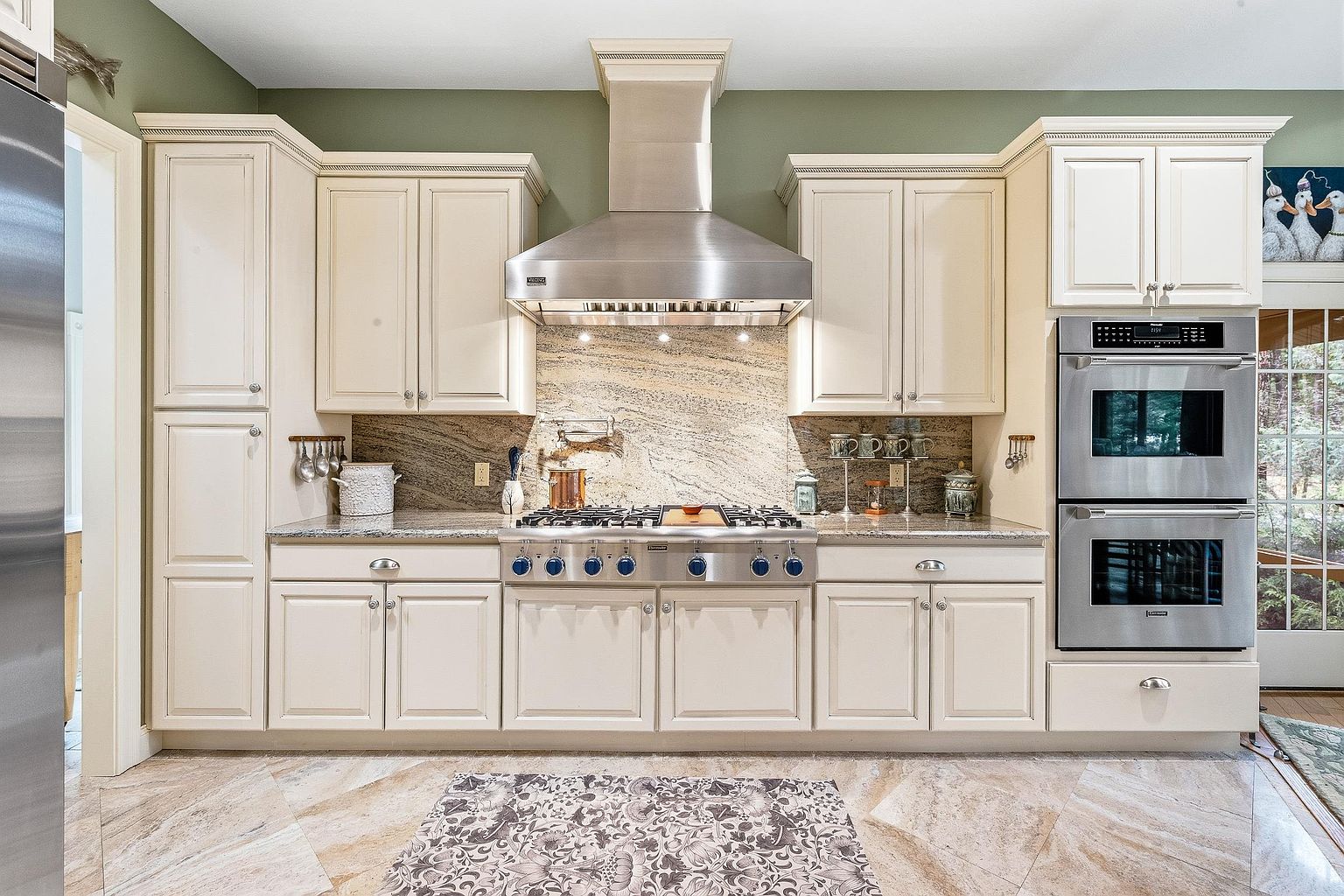
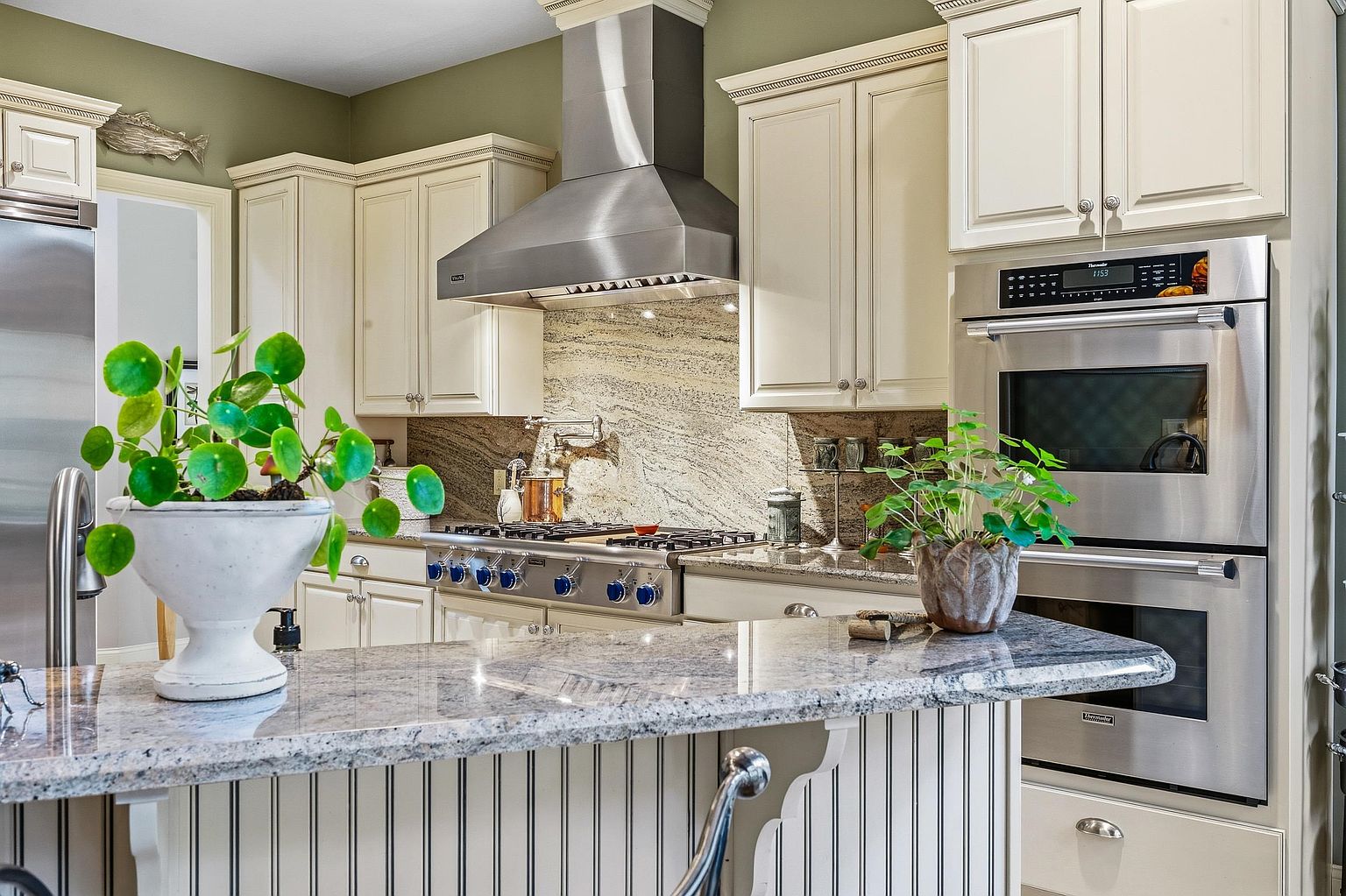
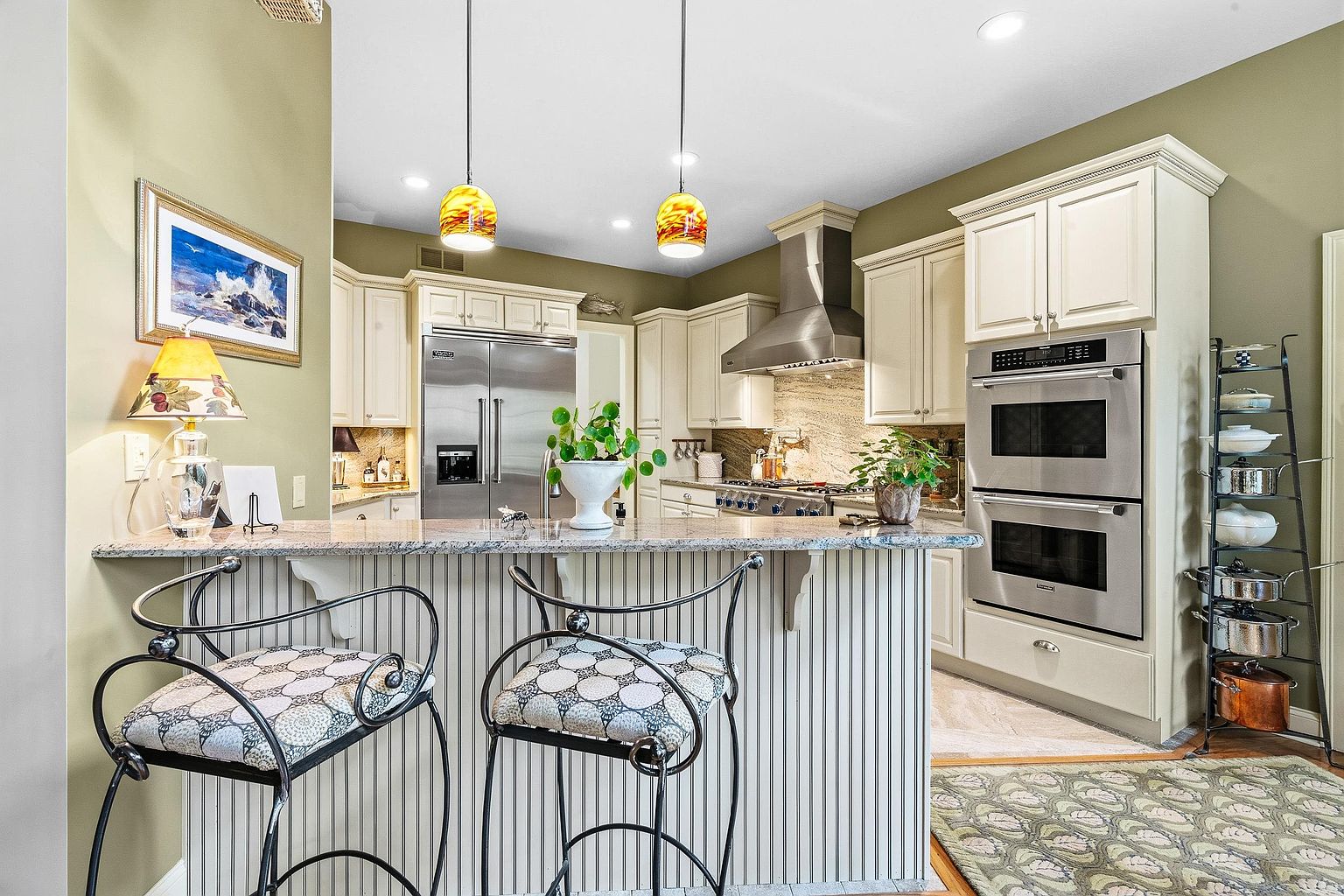
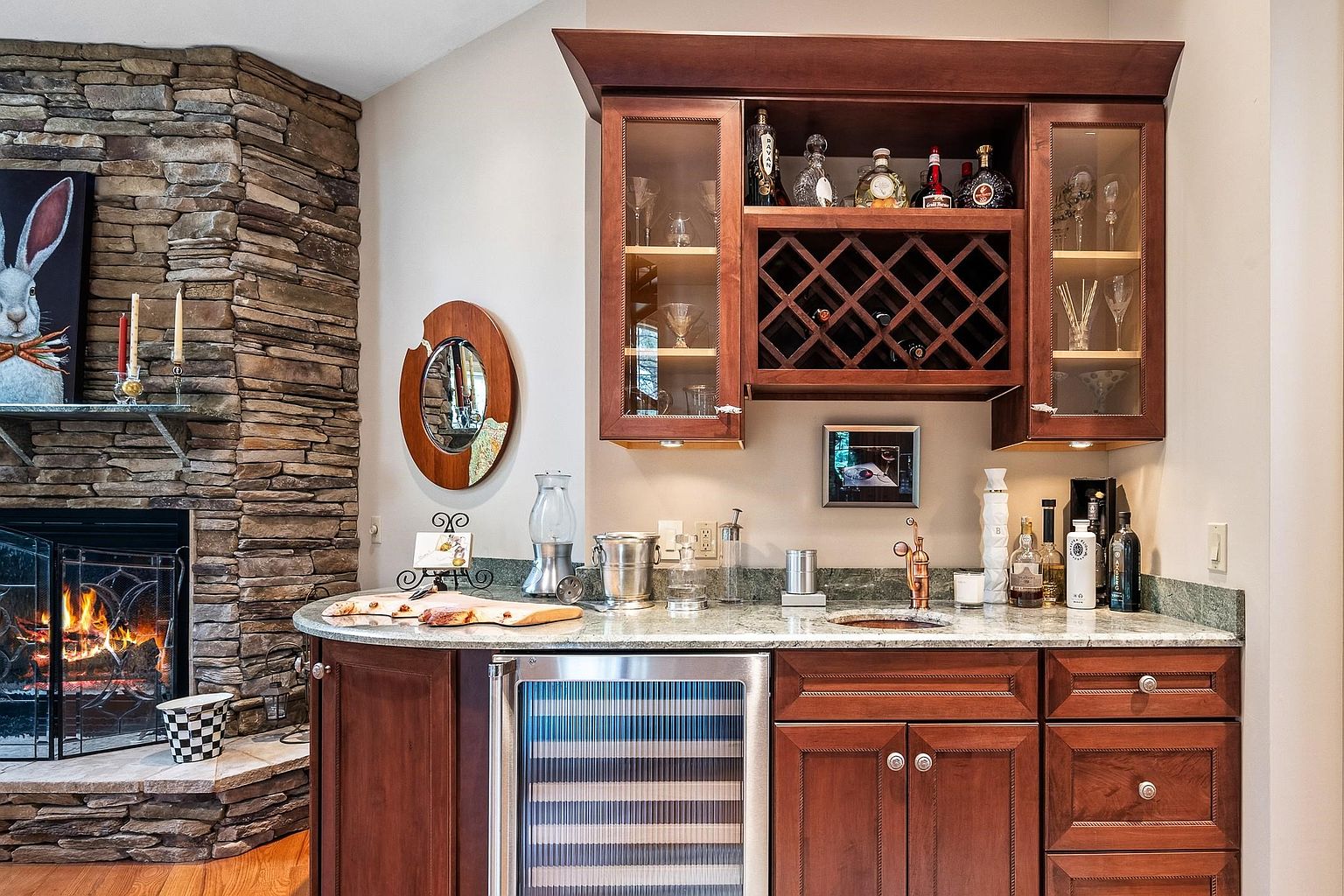
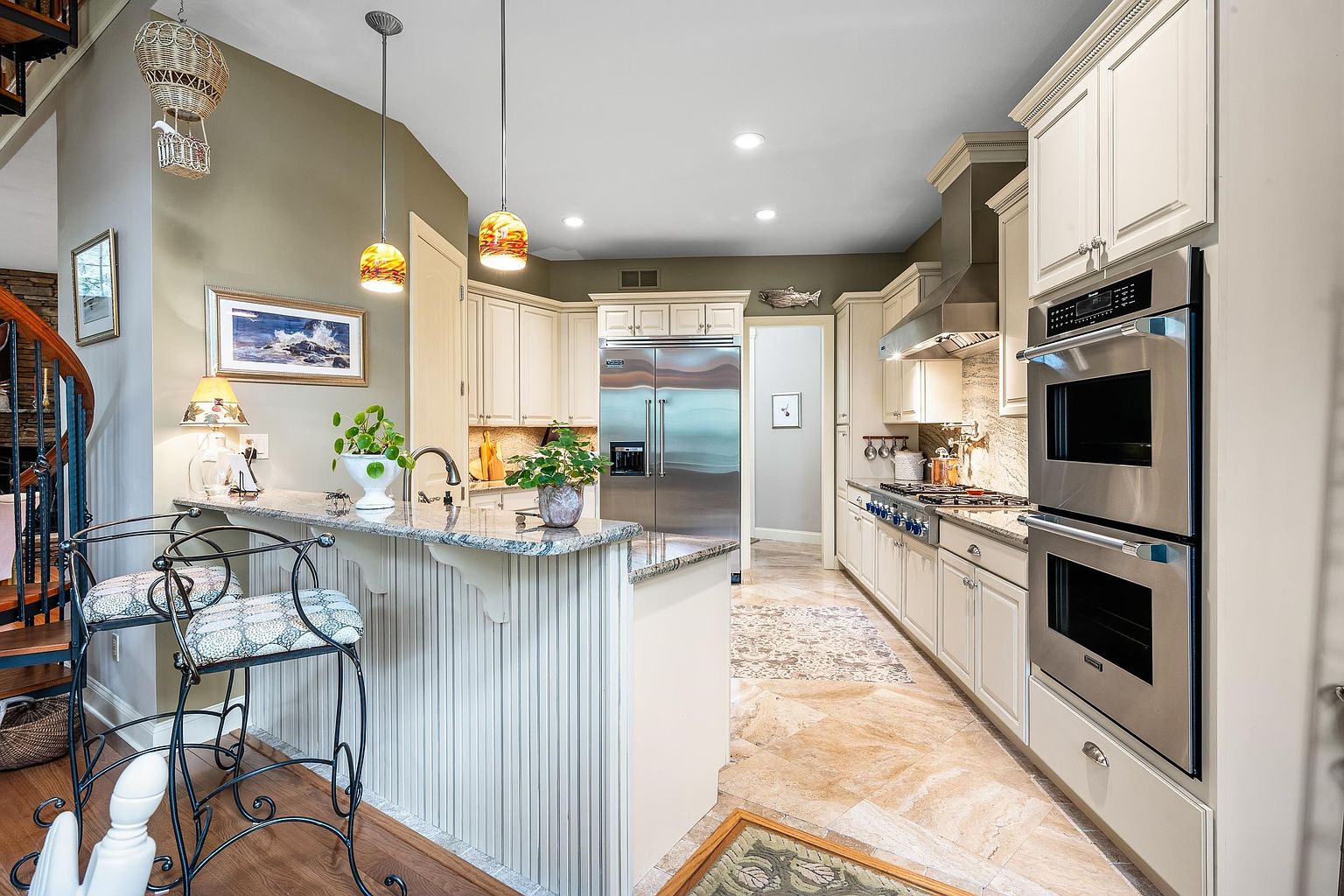
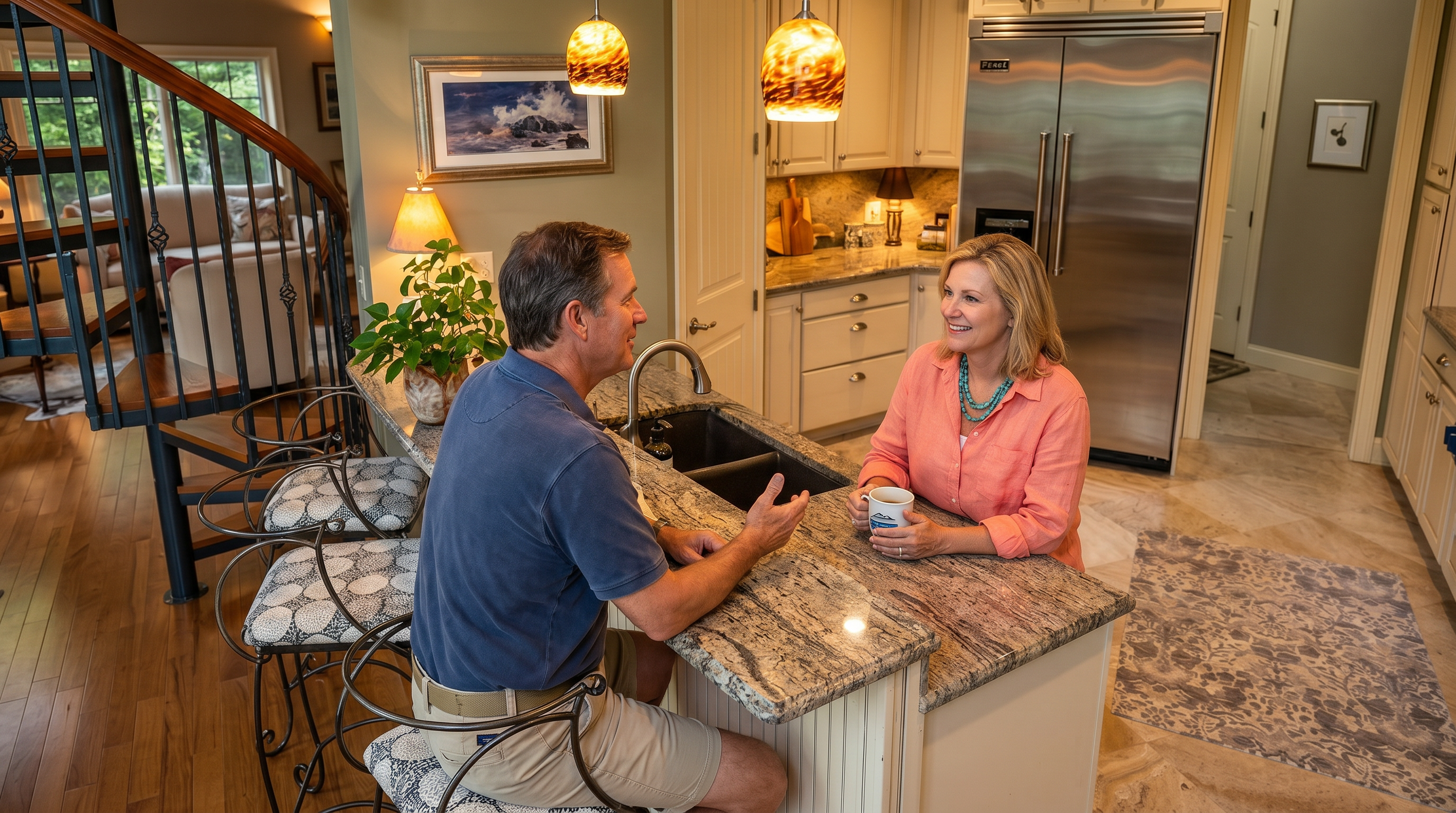
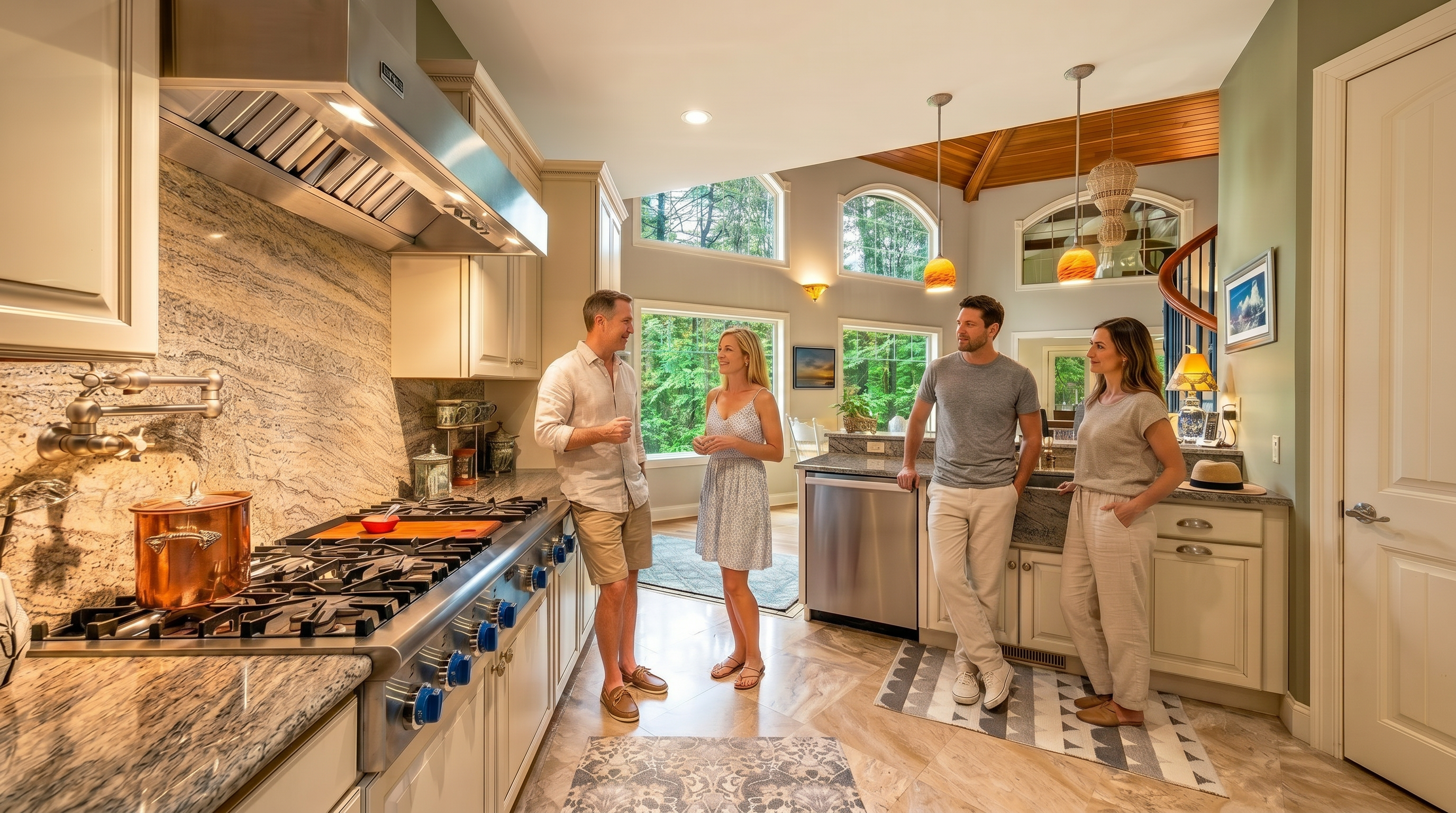
The great room flows without interruption into the dining and kitchen areas, a design choice that makes the home as functional for a quiet weekend as it is for hosting at scale. The kitchen itself is finished with professional-grade stainless steel appliances, cream cabinetry, and granite countertops — materials chosen for their longevity as much as their beauty. A wet bar integrated into the living space further extends the home's entertaining range without disrupting its coherence.
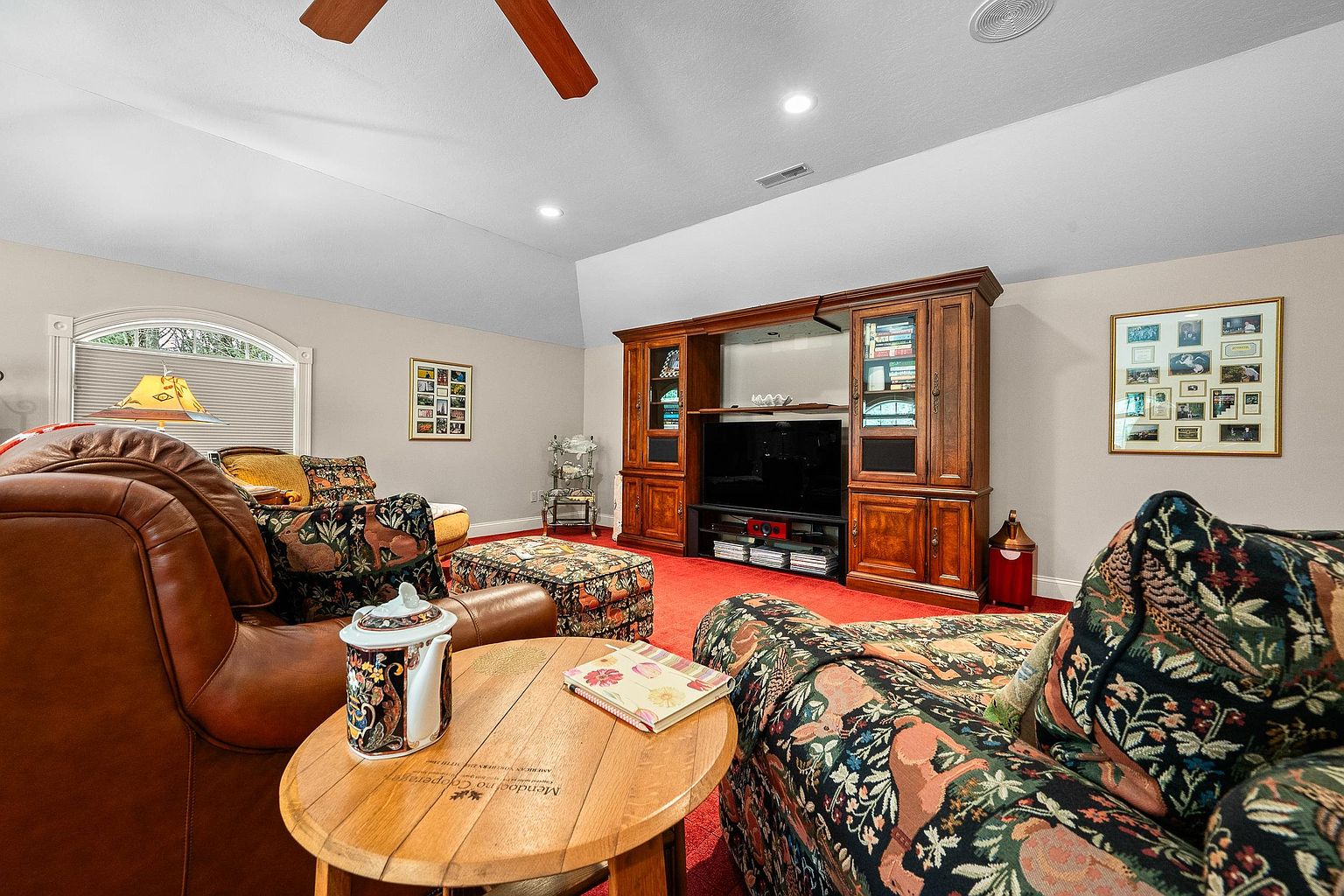
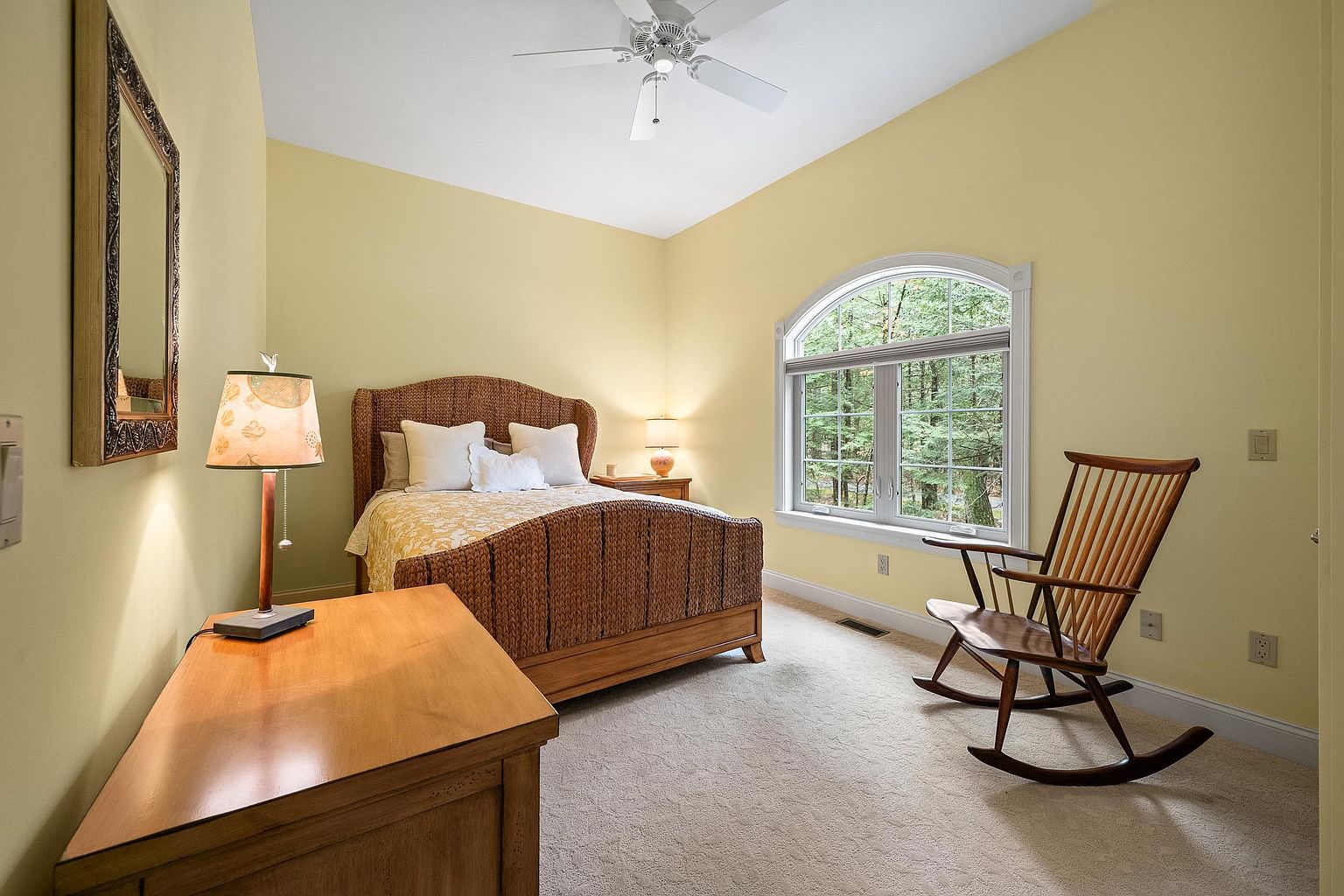
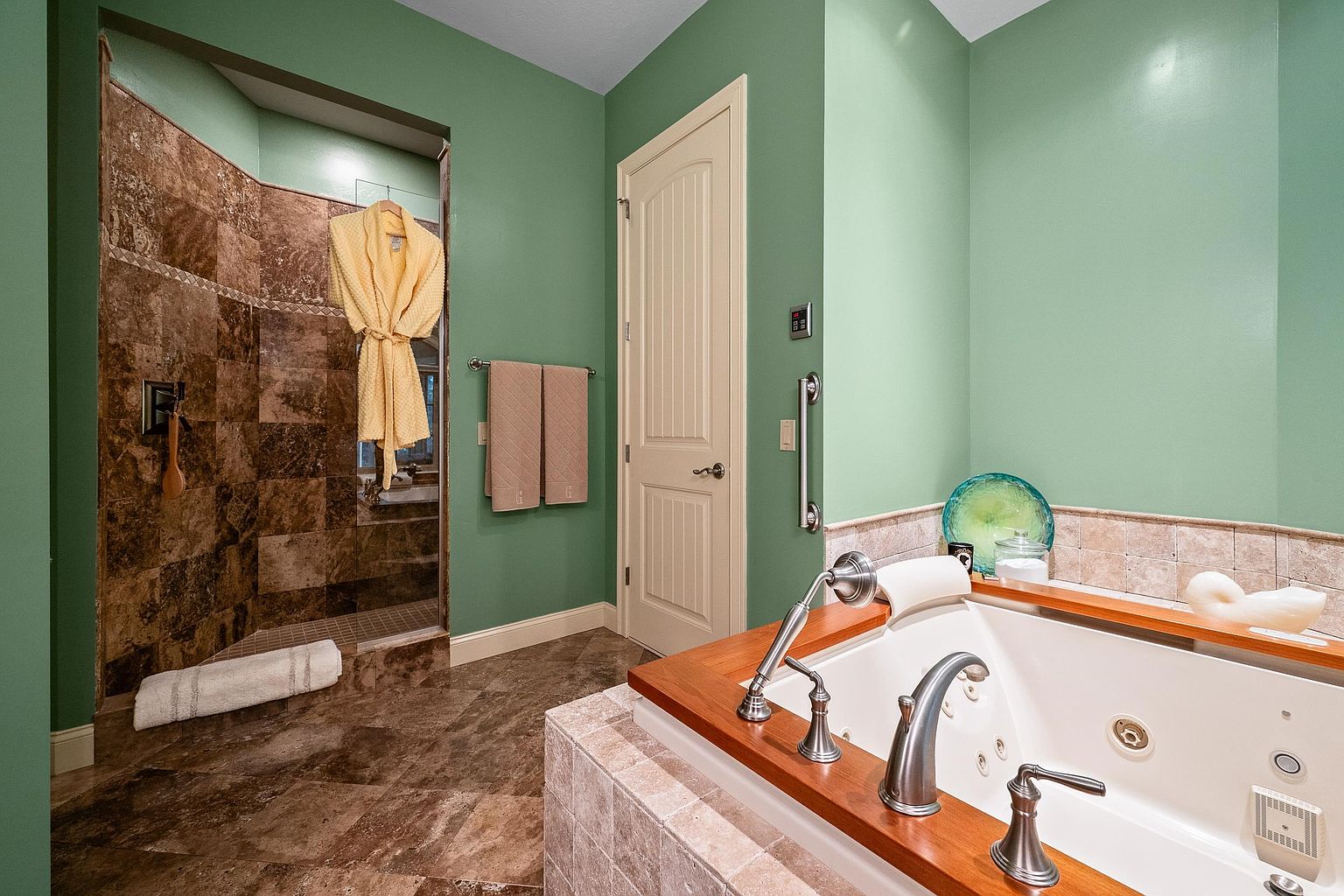
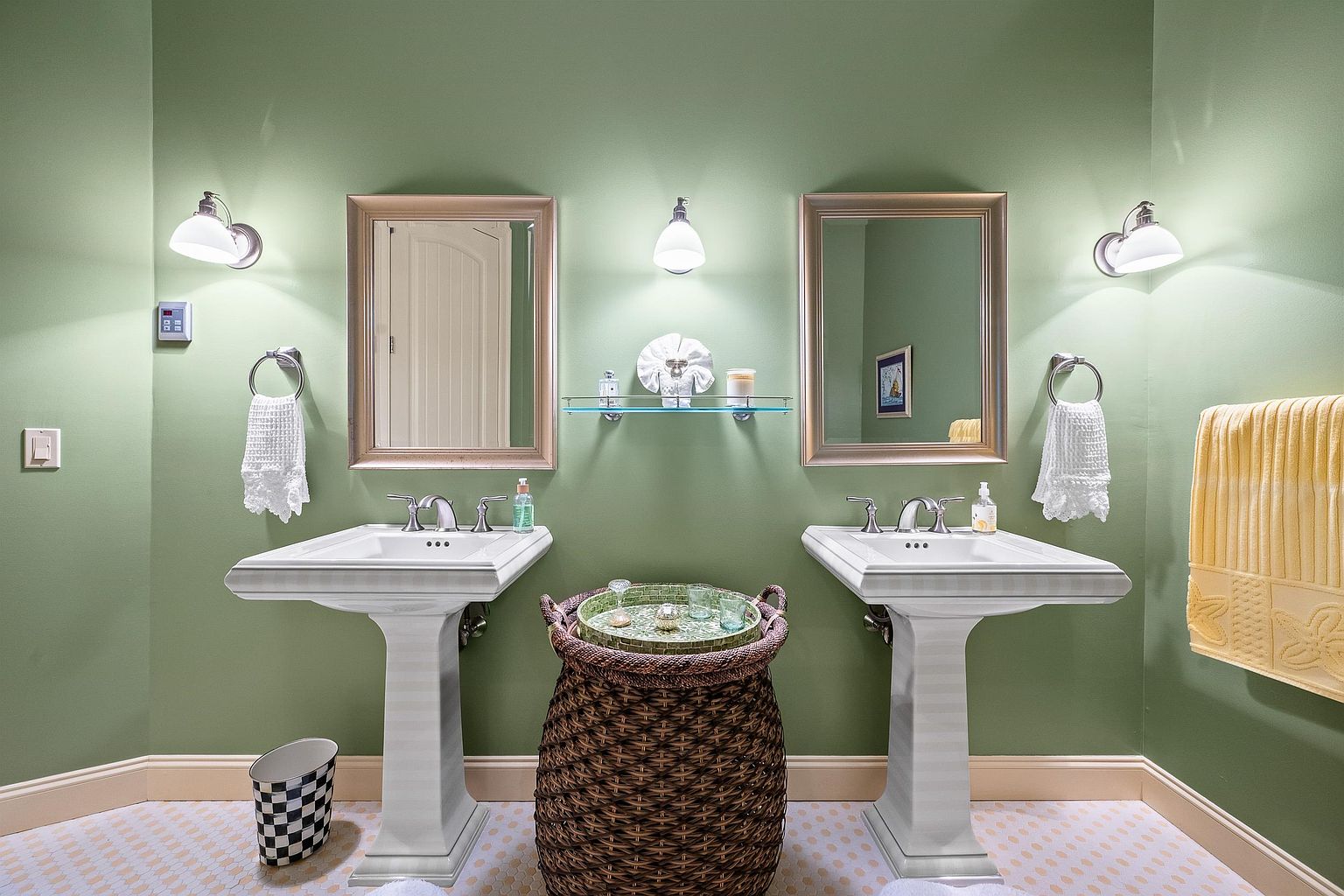
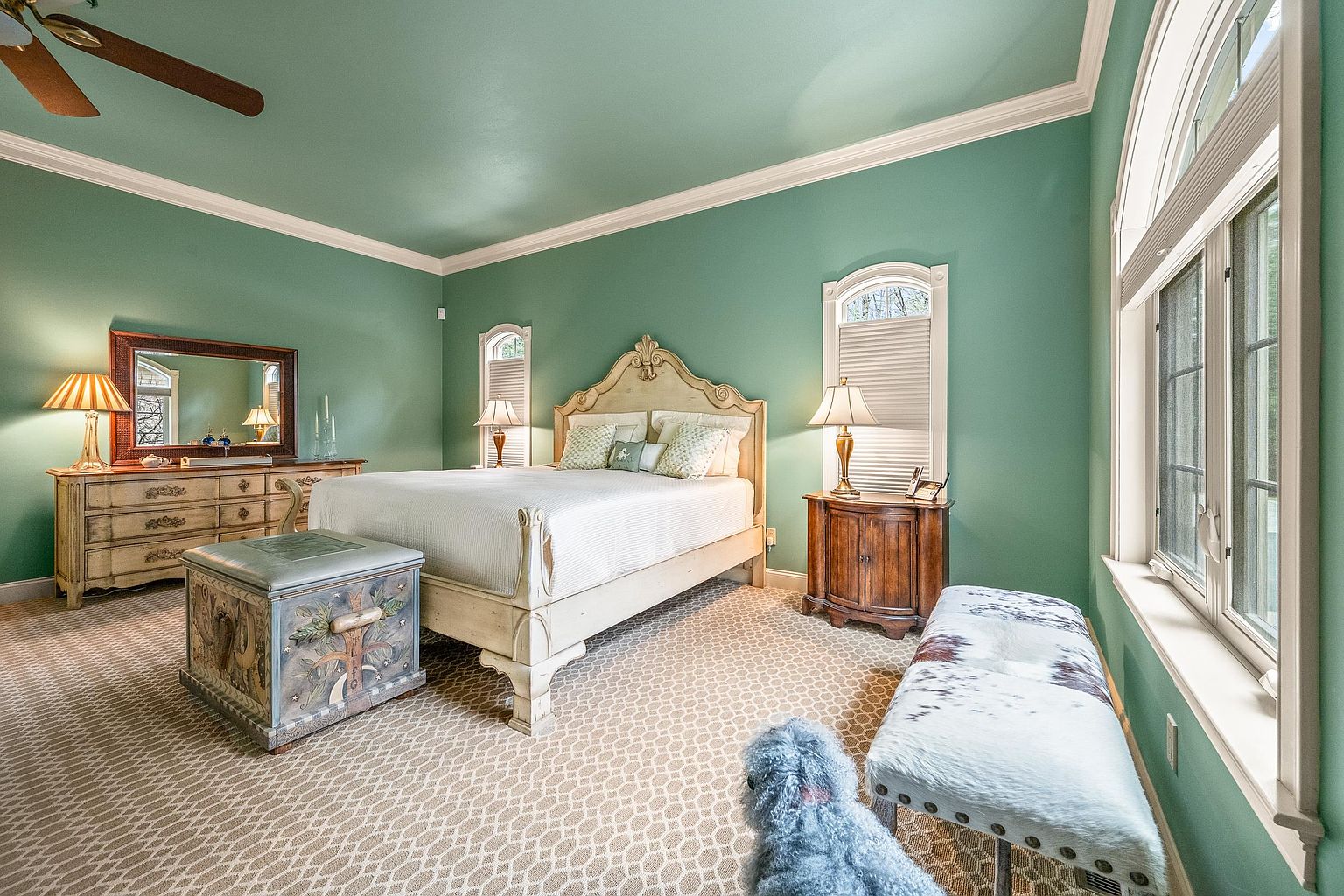
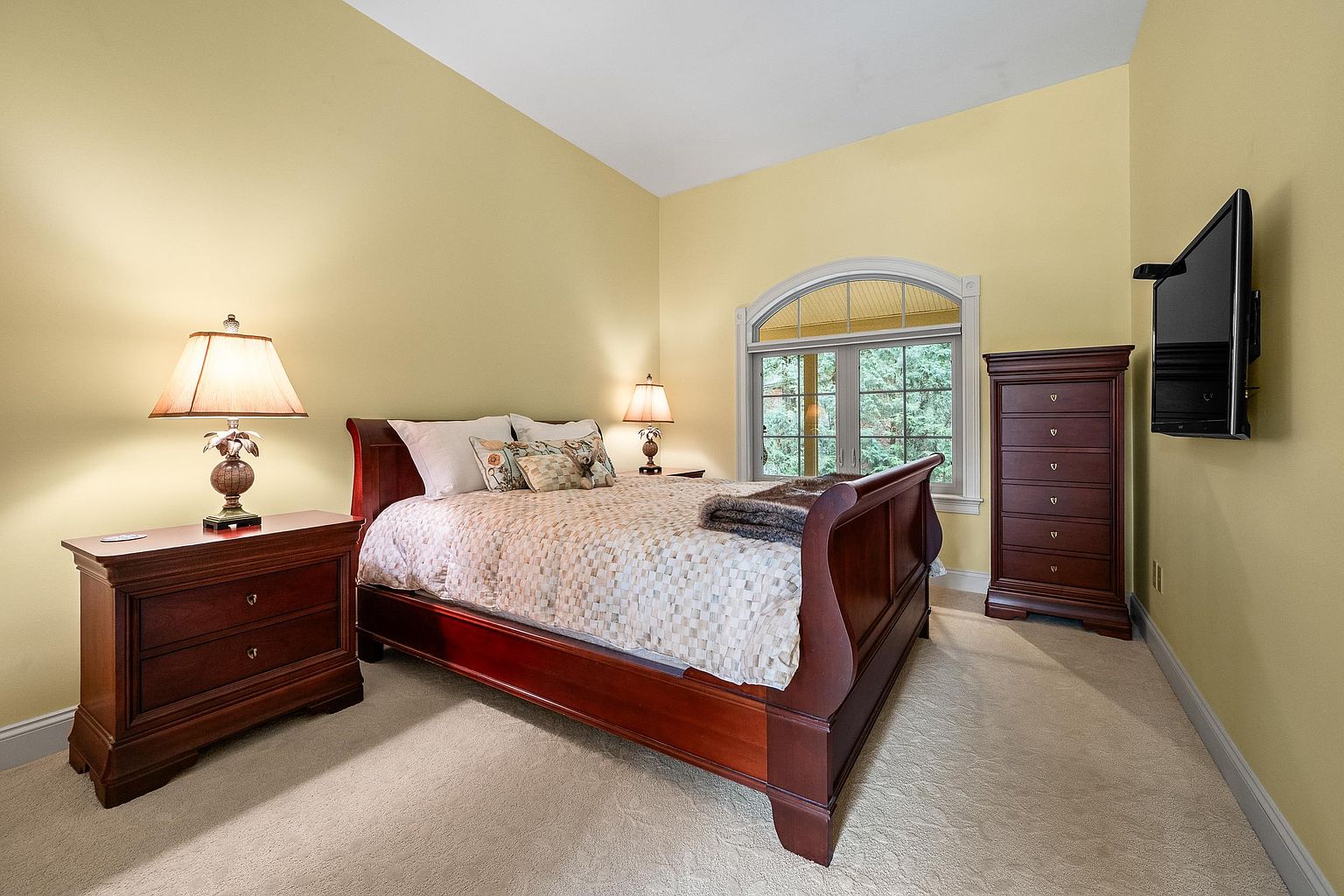
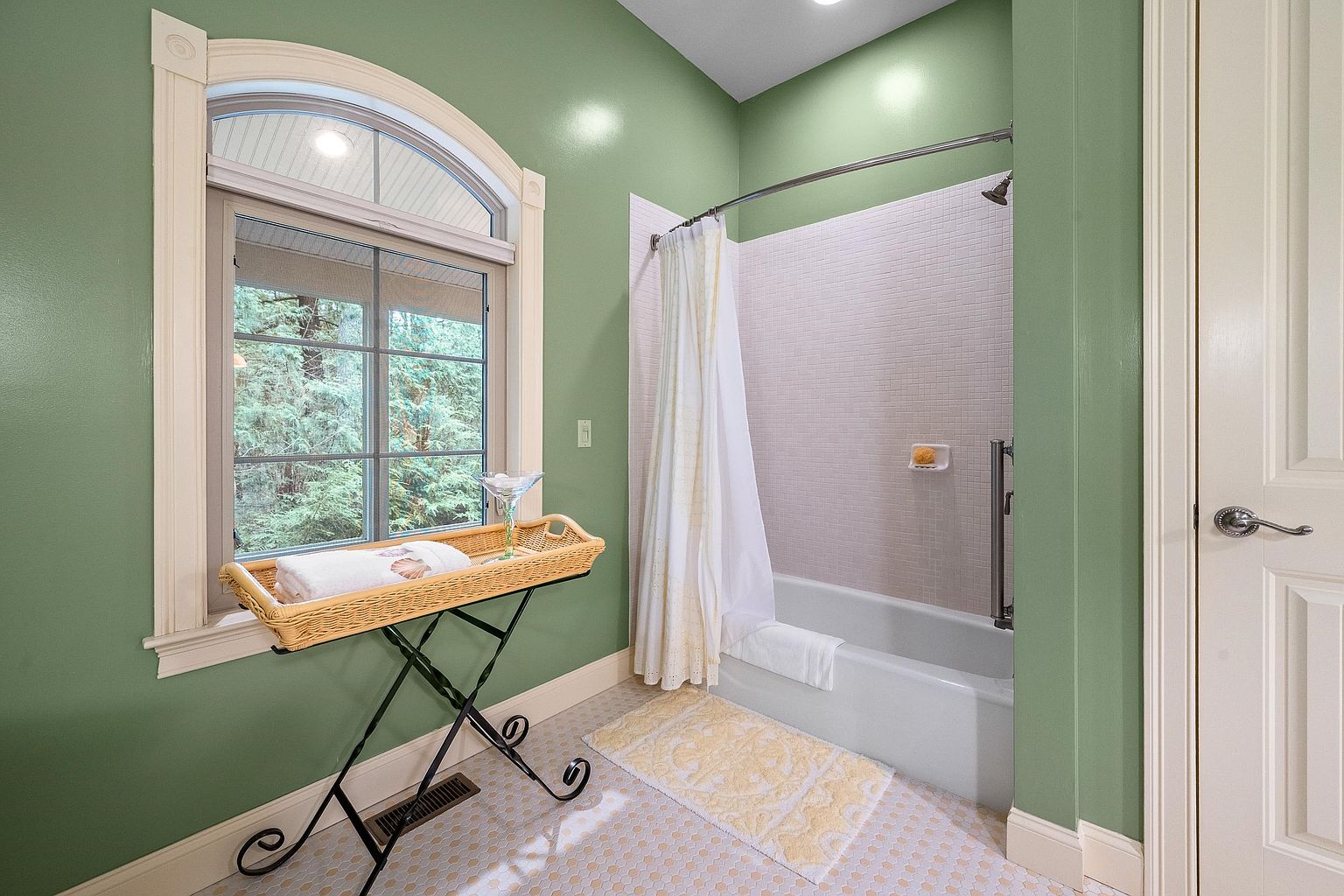
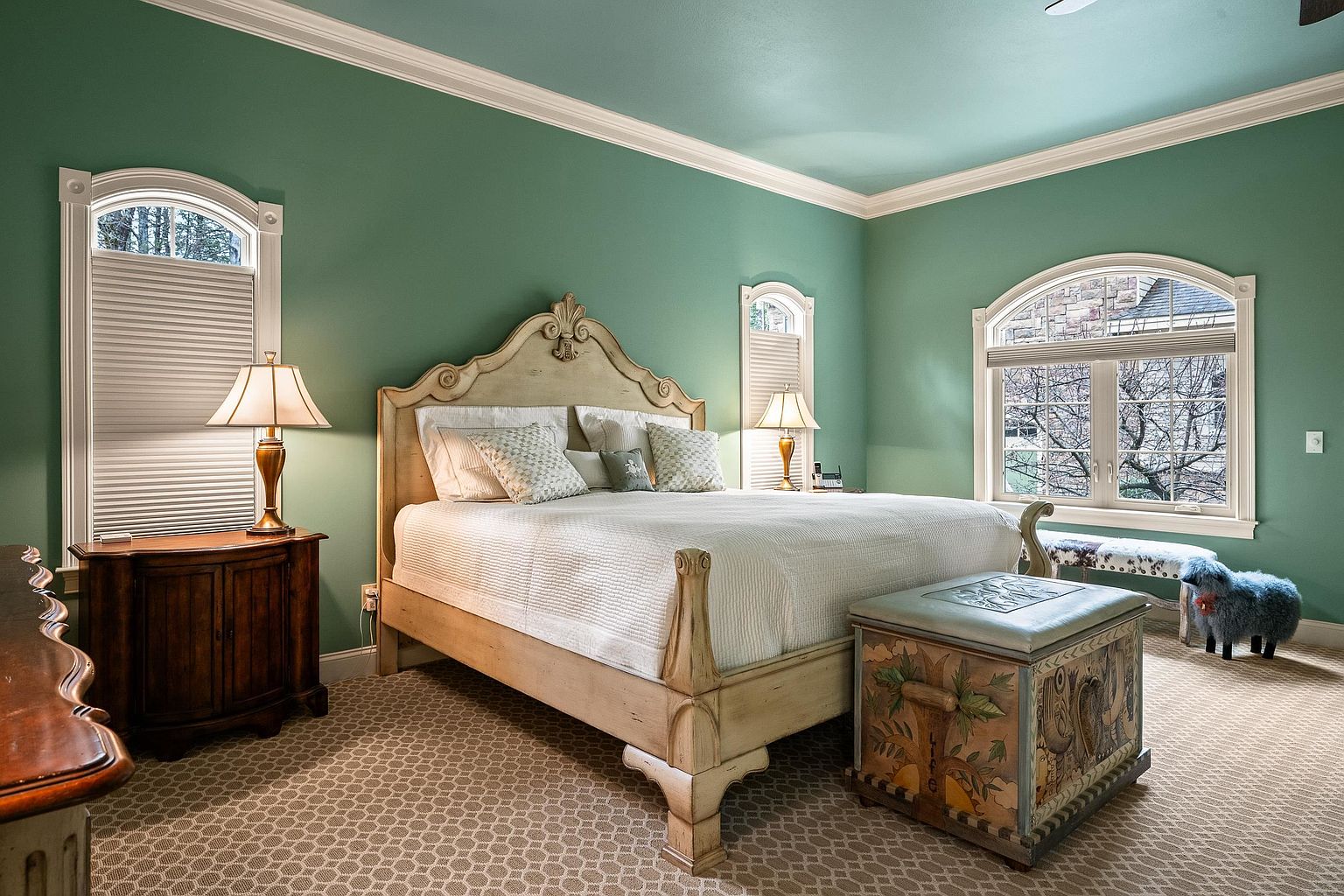
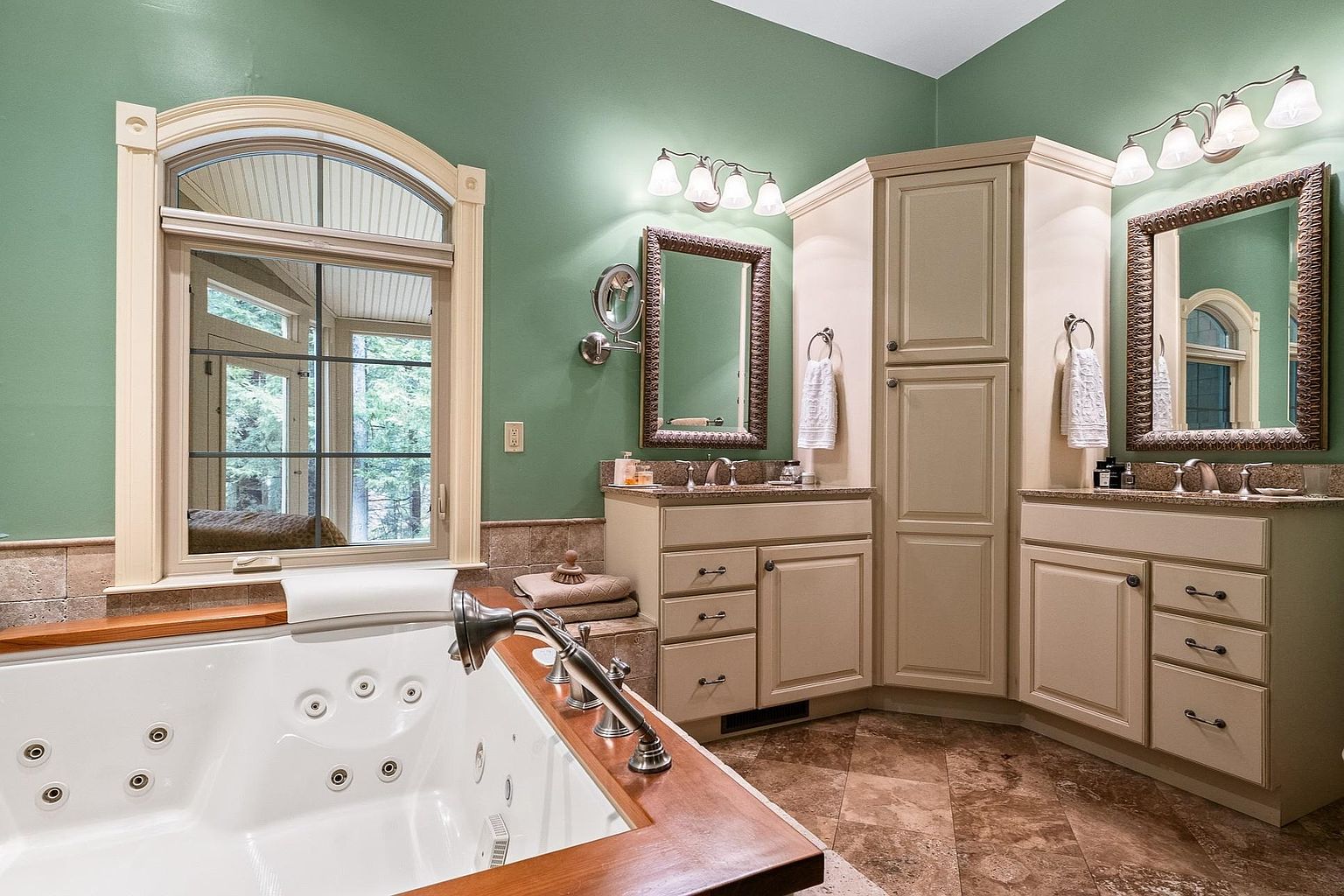
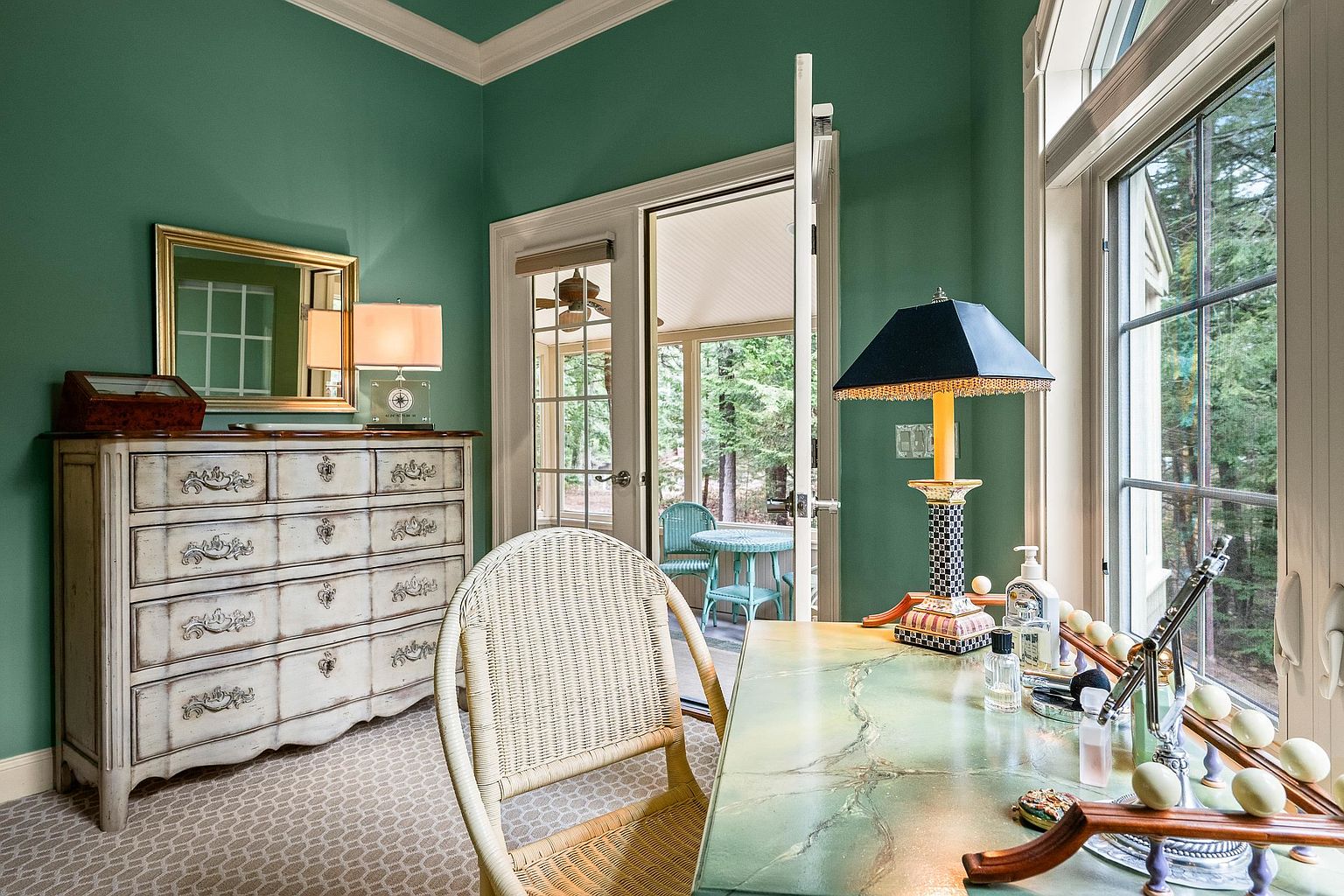
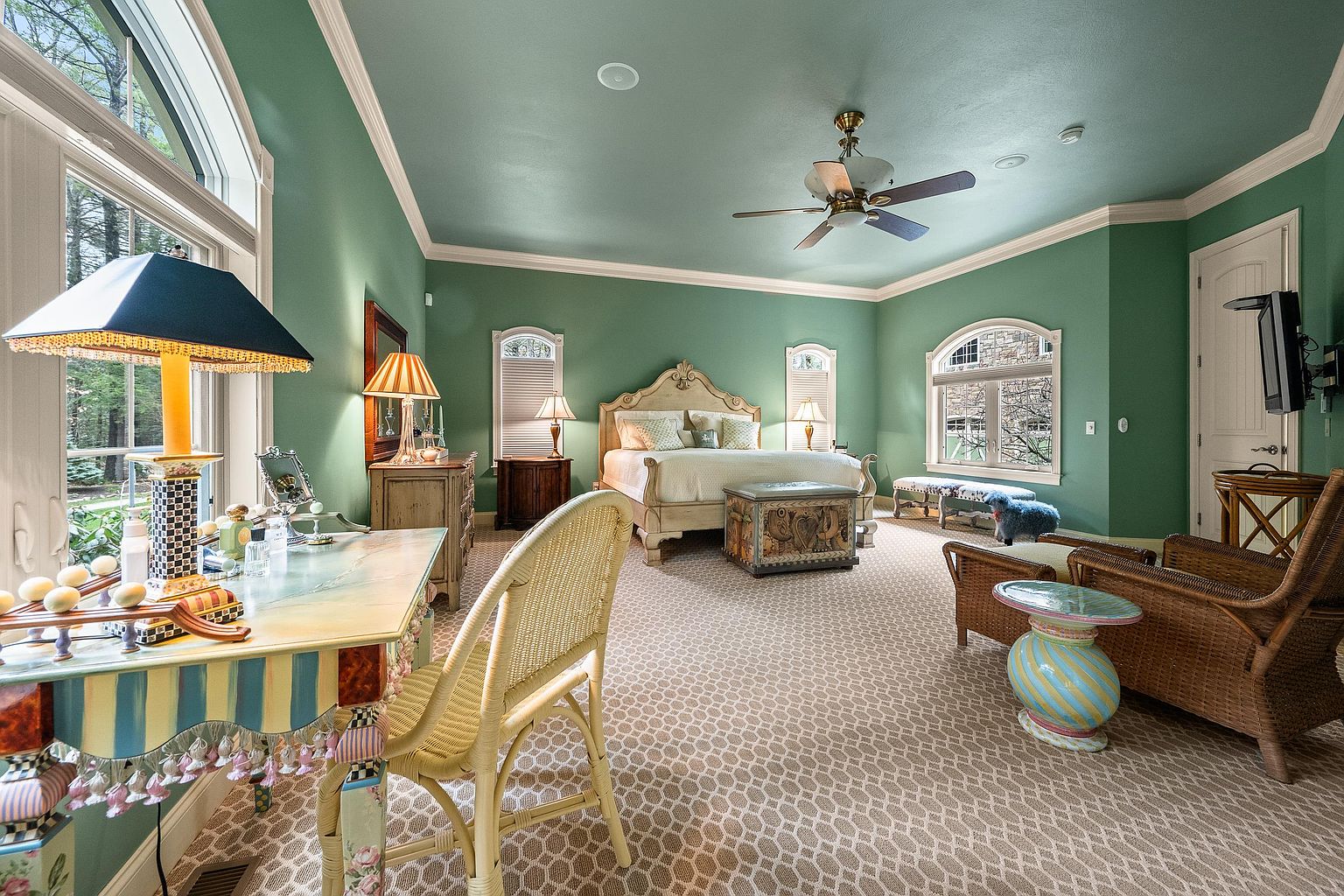
The first-floor primary suite is a considered retreat: sage green walls, arched windows admitting the filtered light of the surrounding pines, a spa-caliber bathroom with a jetted soaking tub, dual vanities, and a walk-in shower finished in textured stone tile. Guest rooms carry the same lakeside warmth, each one offering a distinct character while remaining part of the home's unified vision. A dedicated game room provides a destination within the destination — a space that gives guests their own geography within the compound.
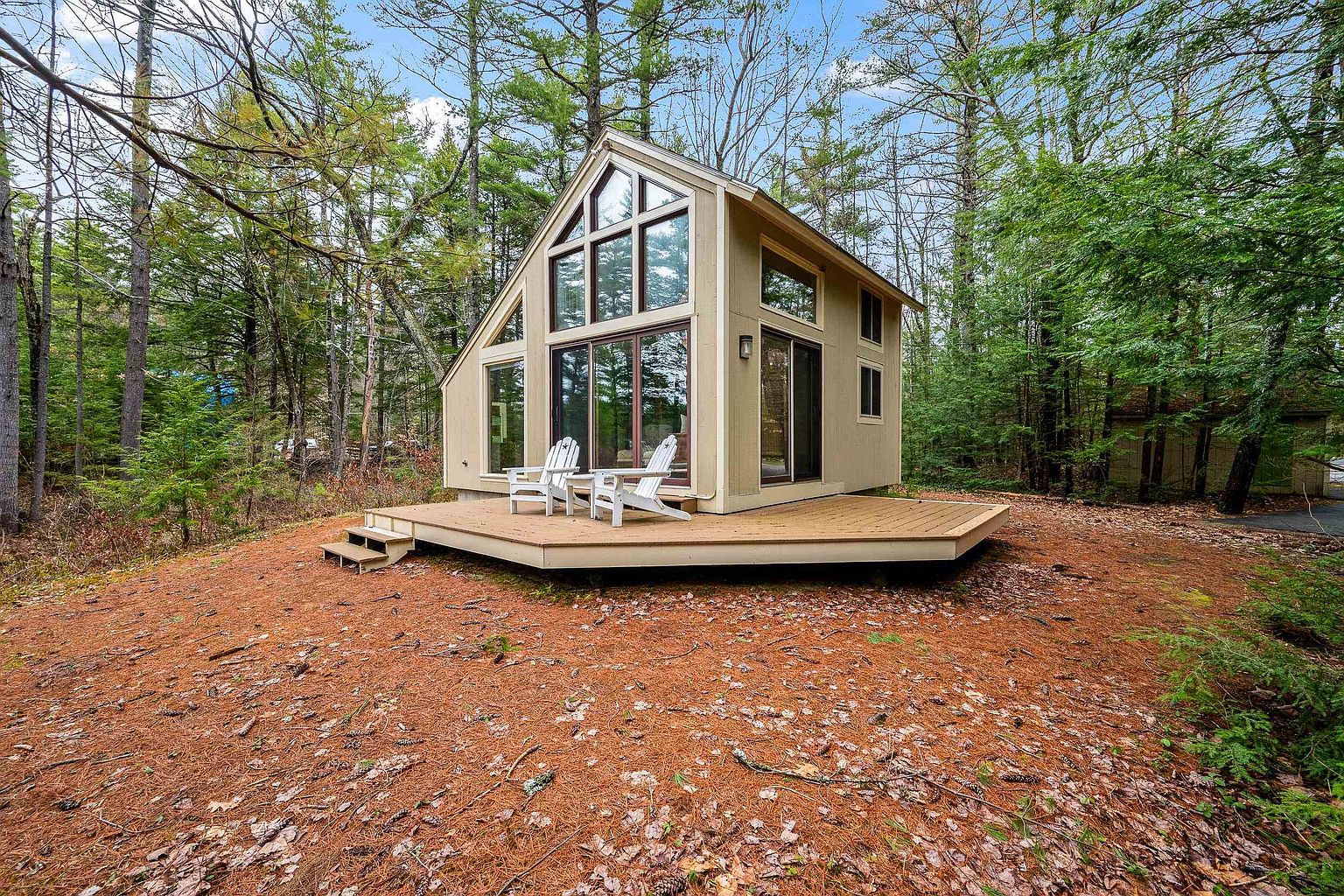
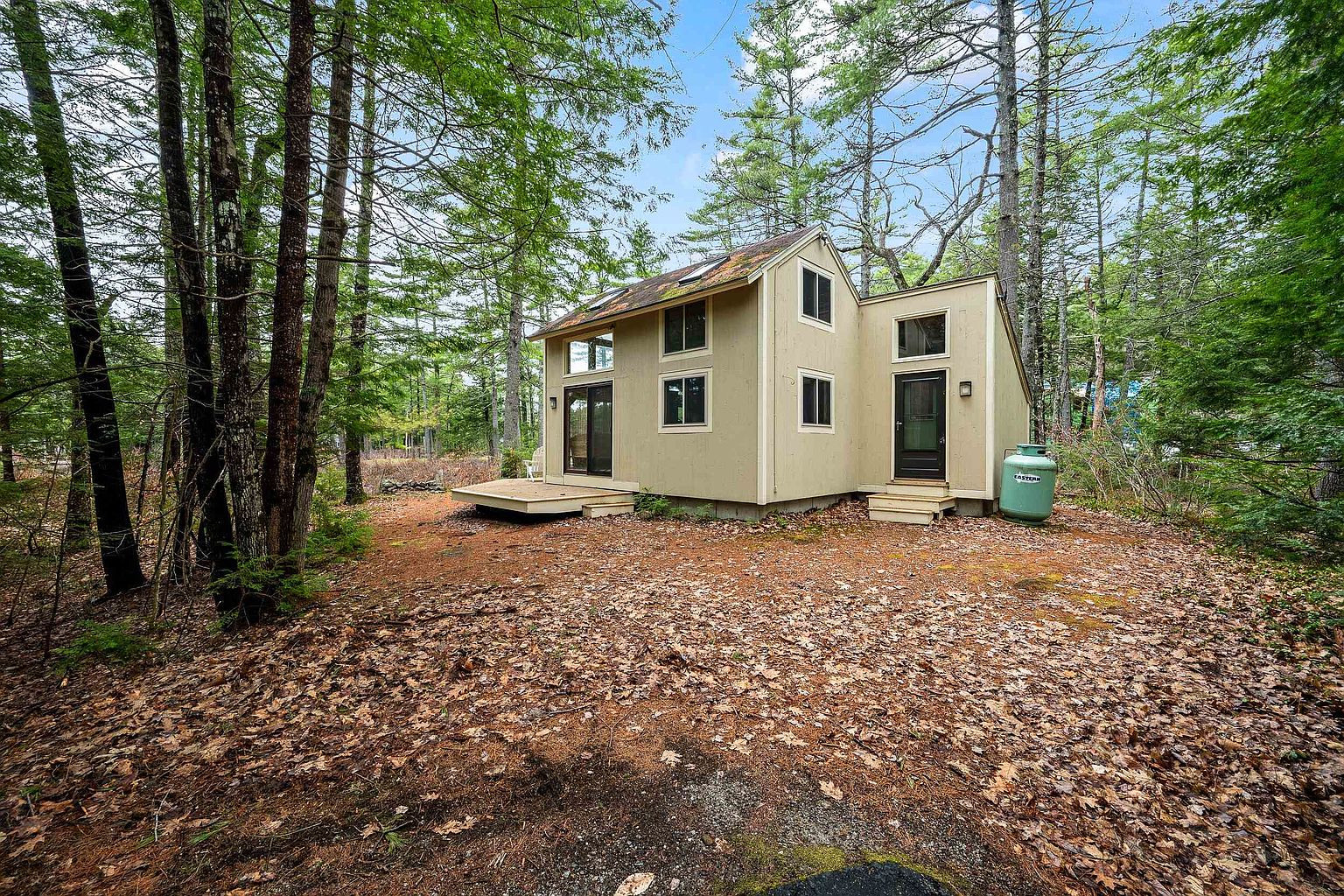
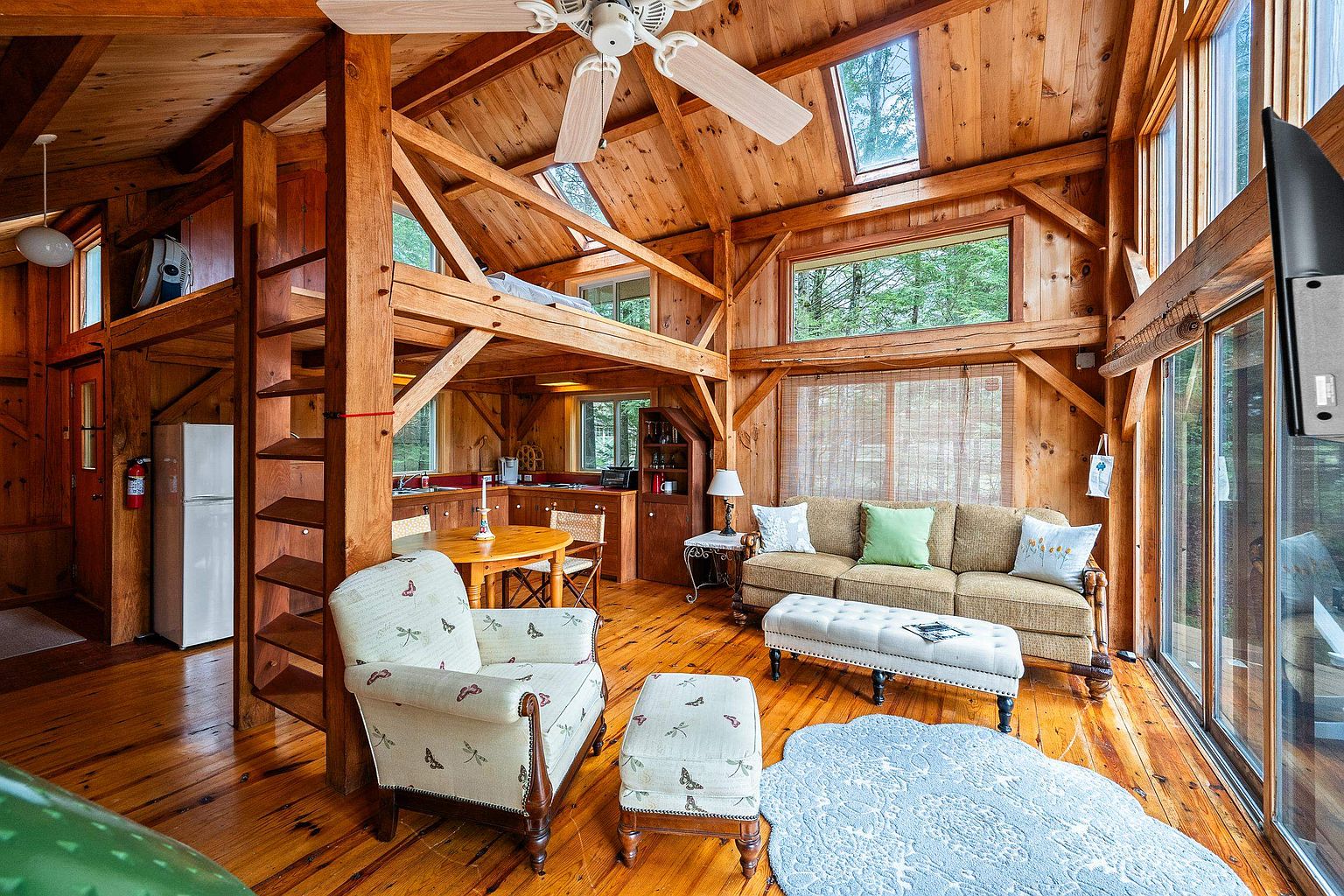
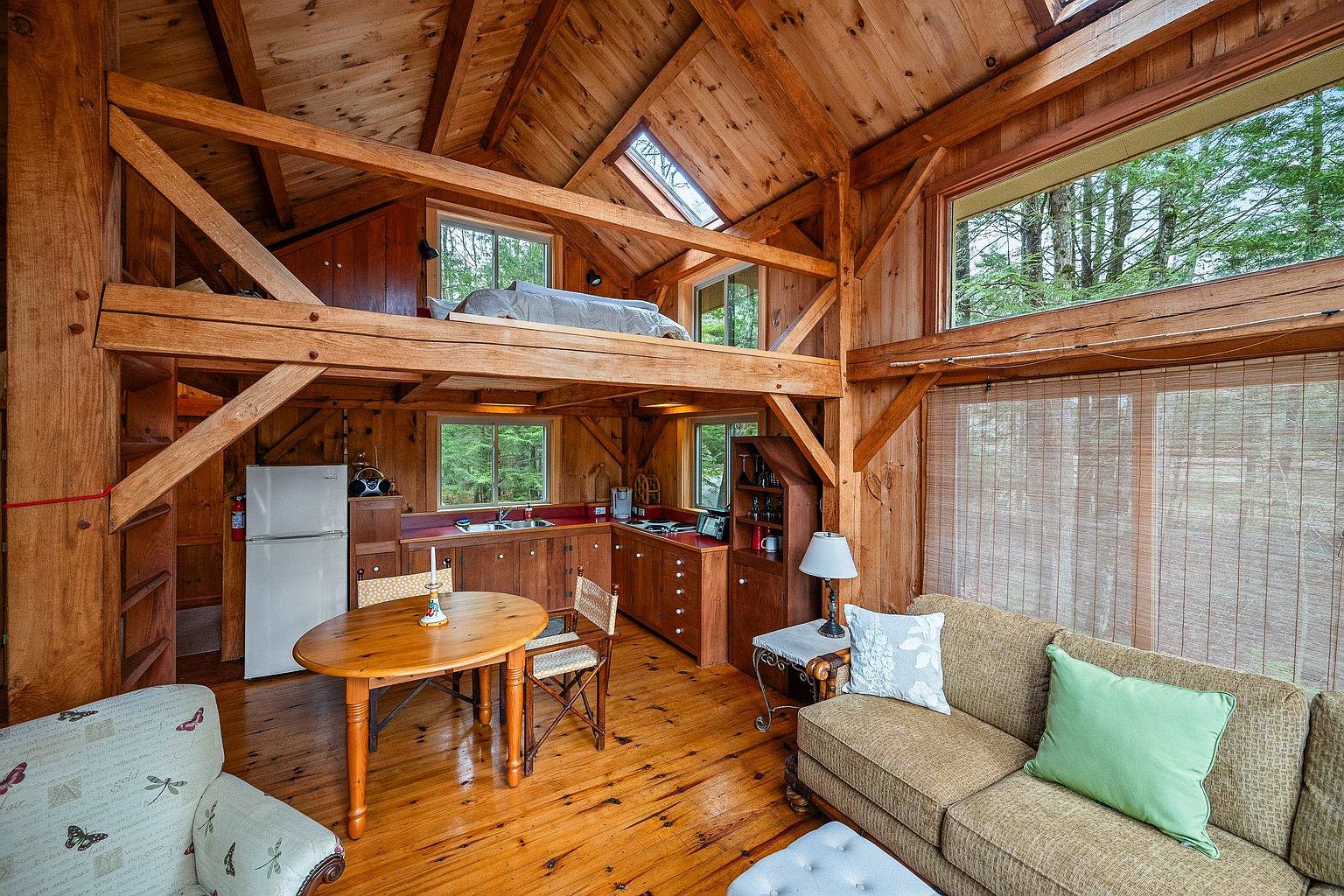
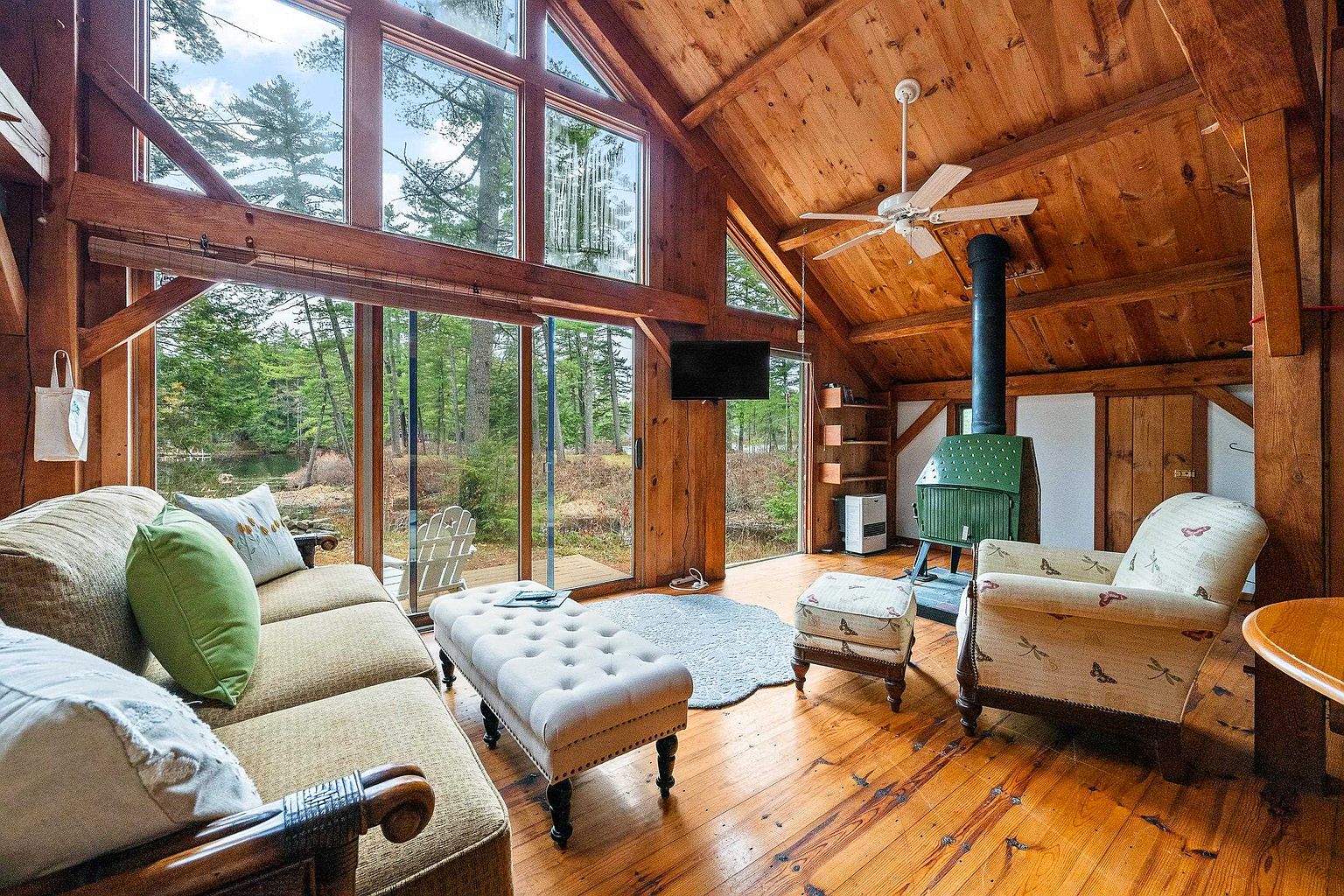
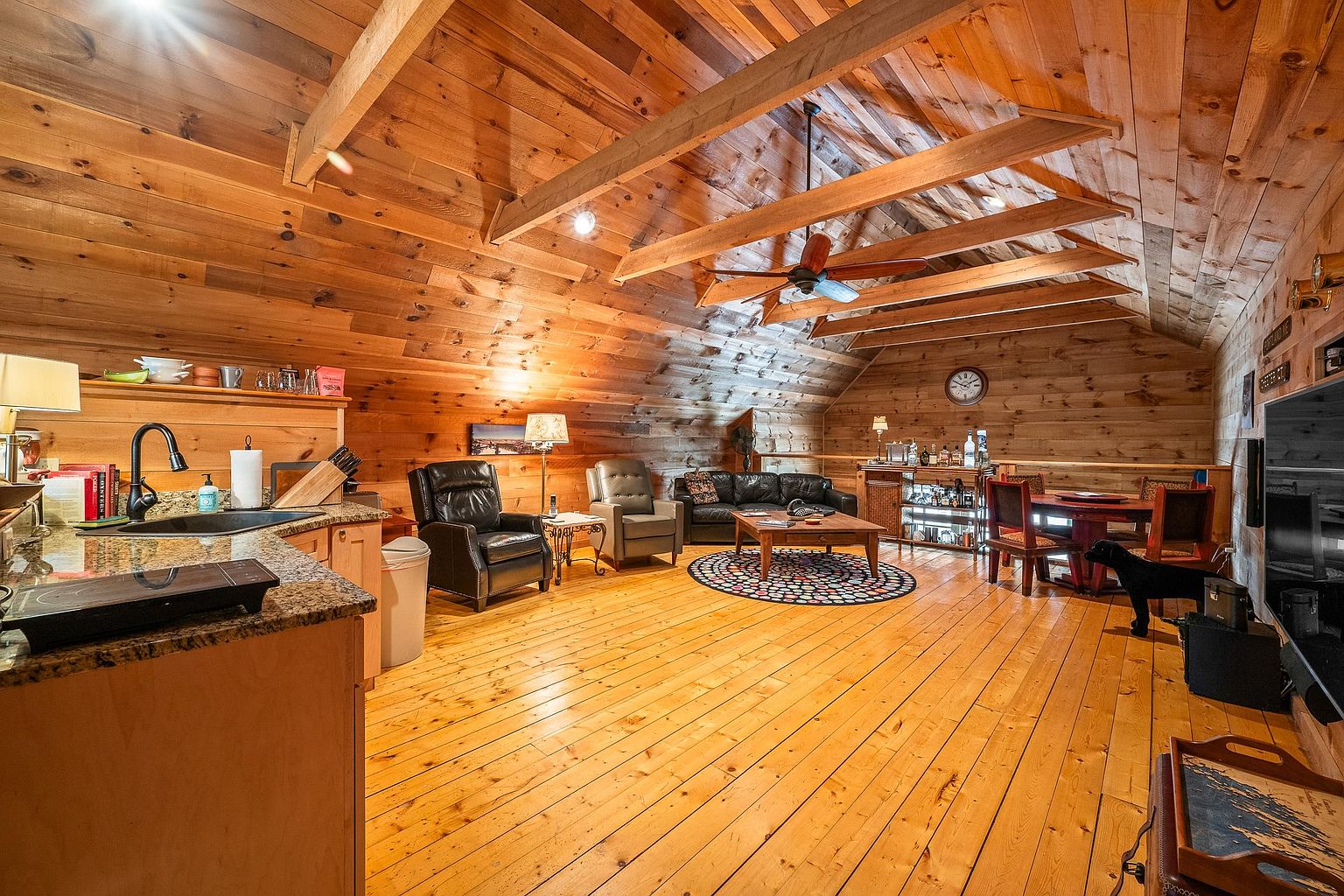
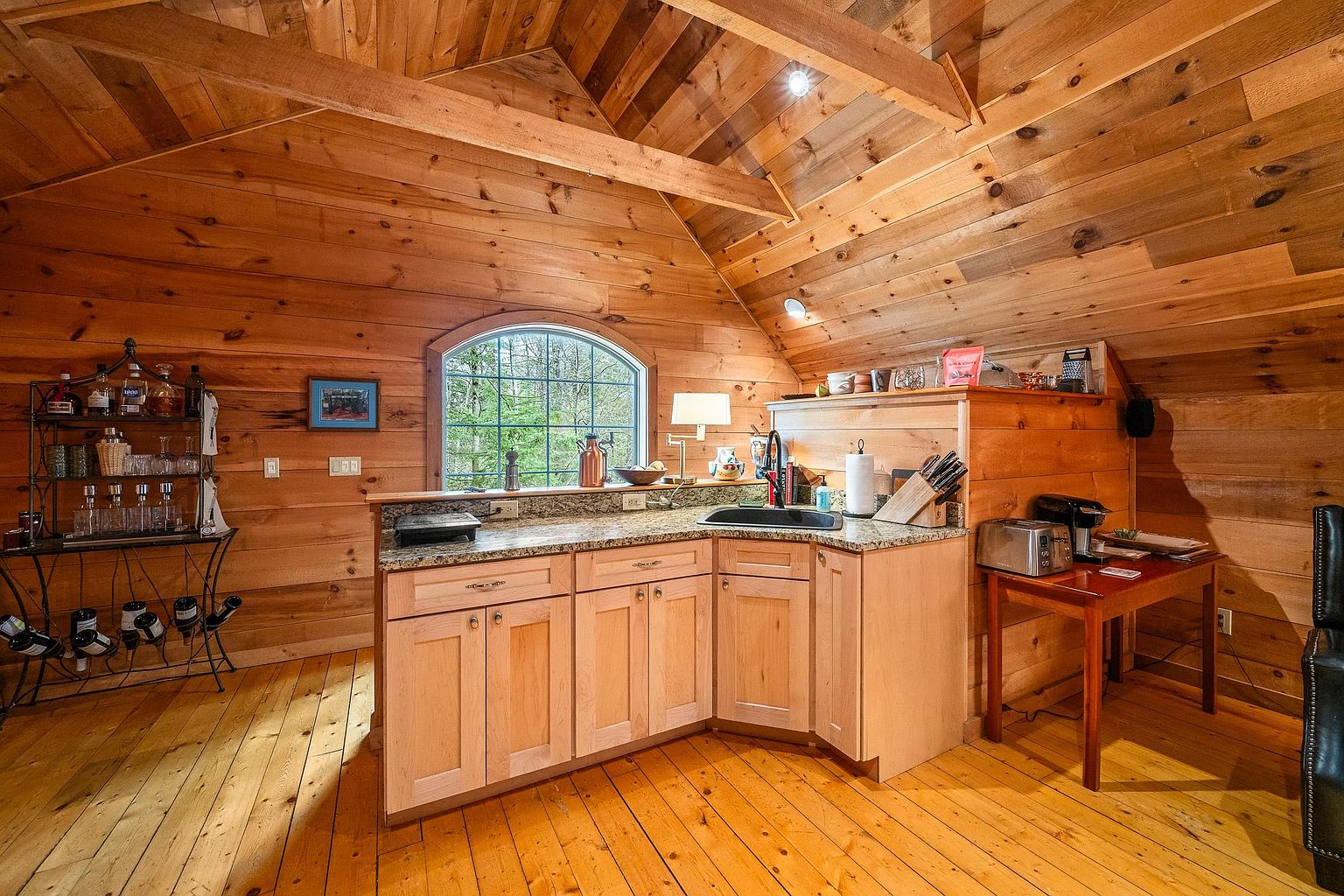
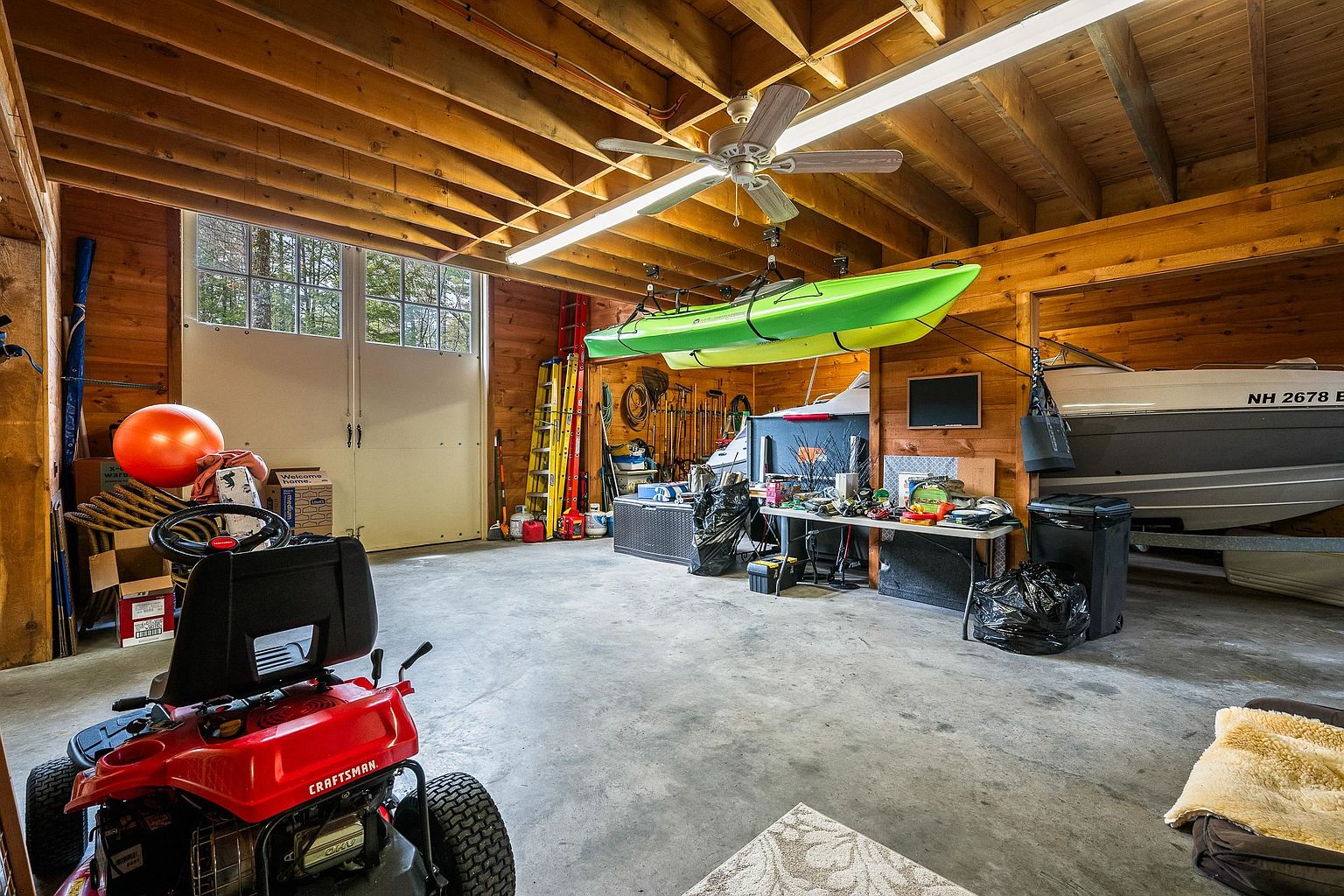
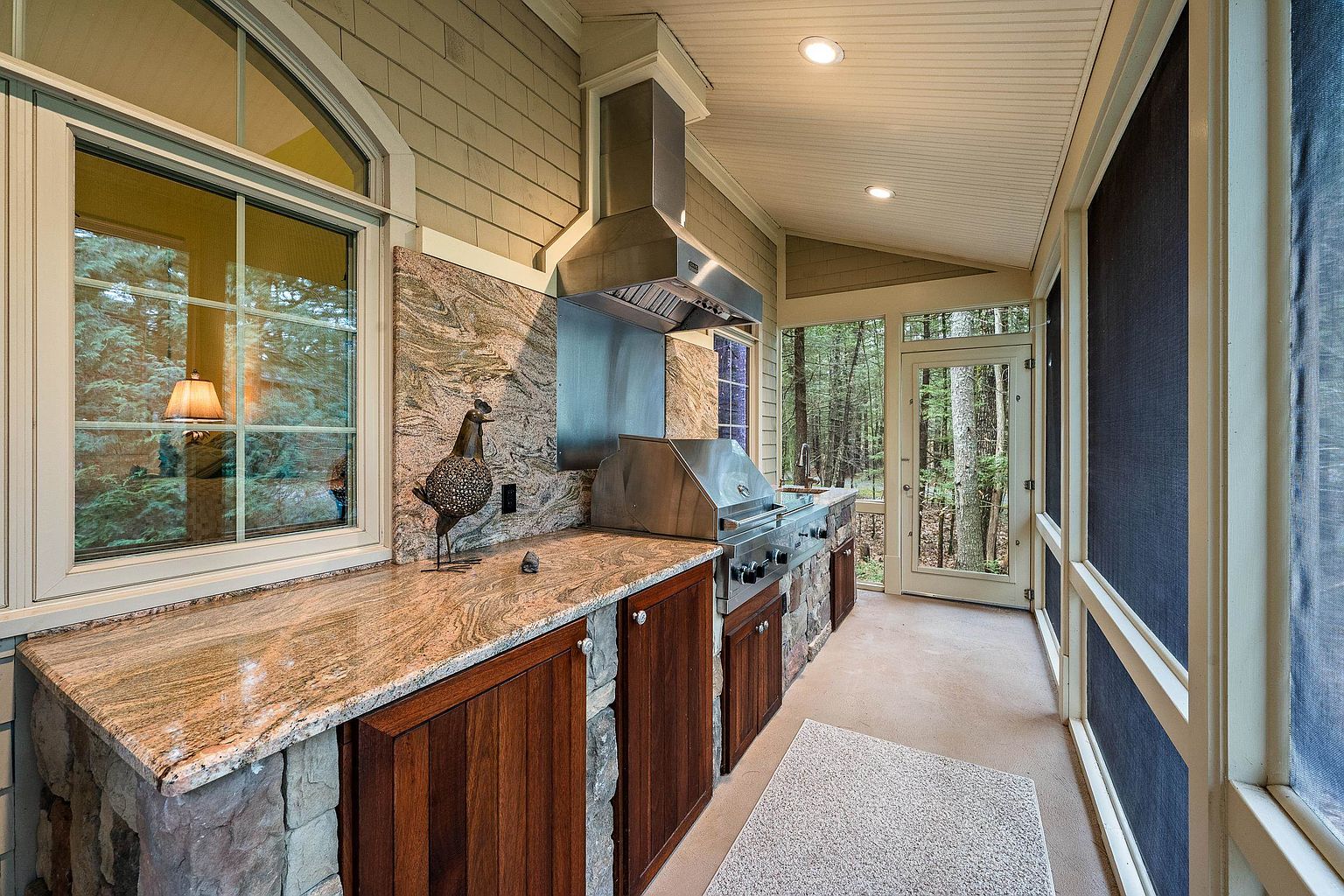
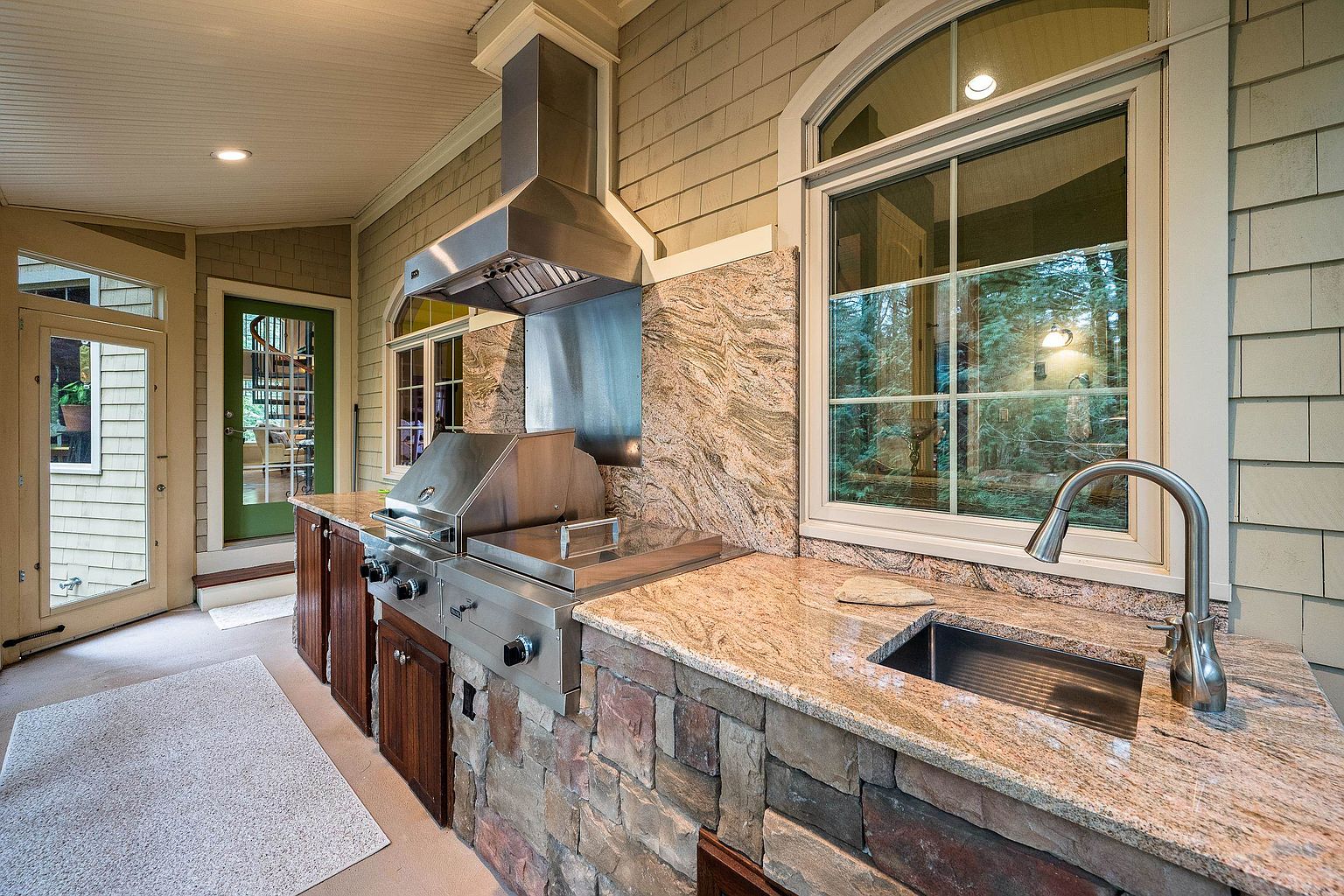
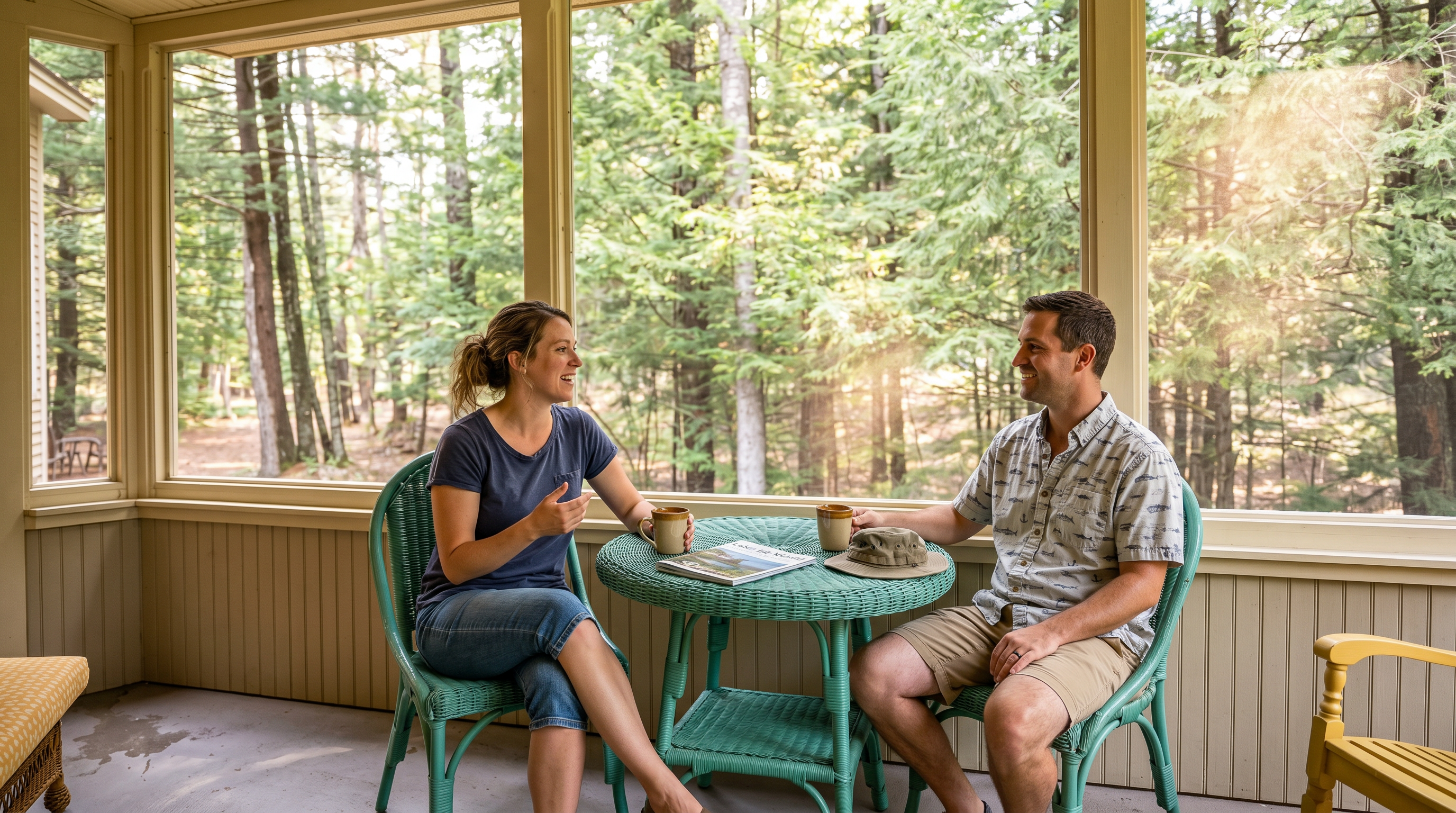
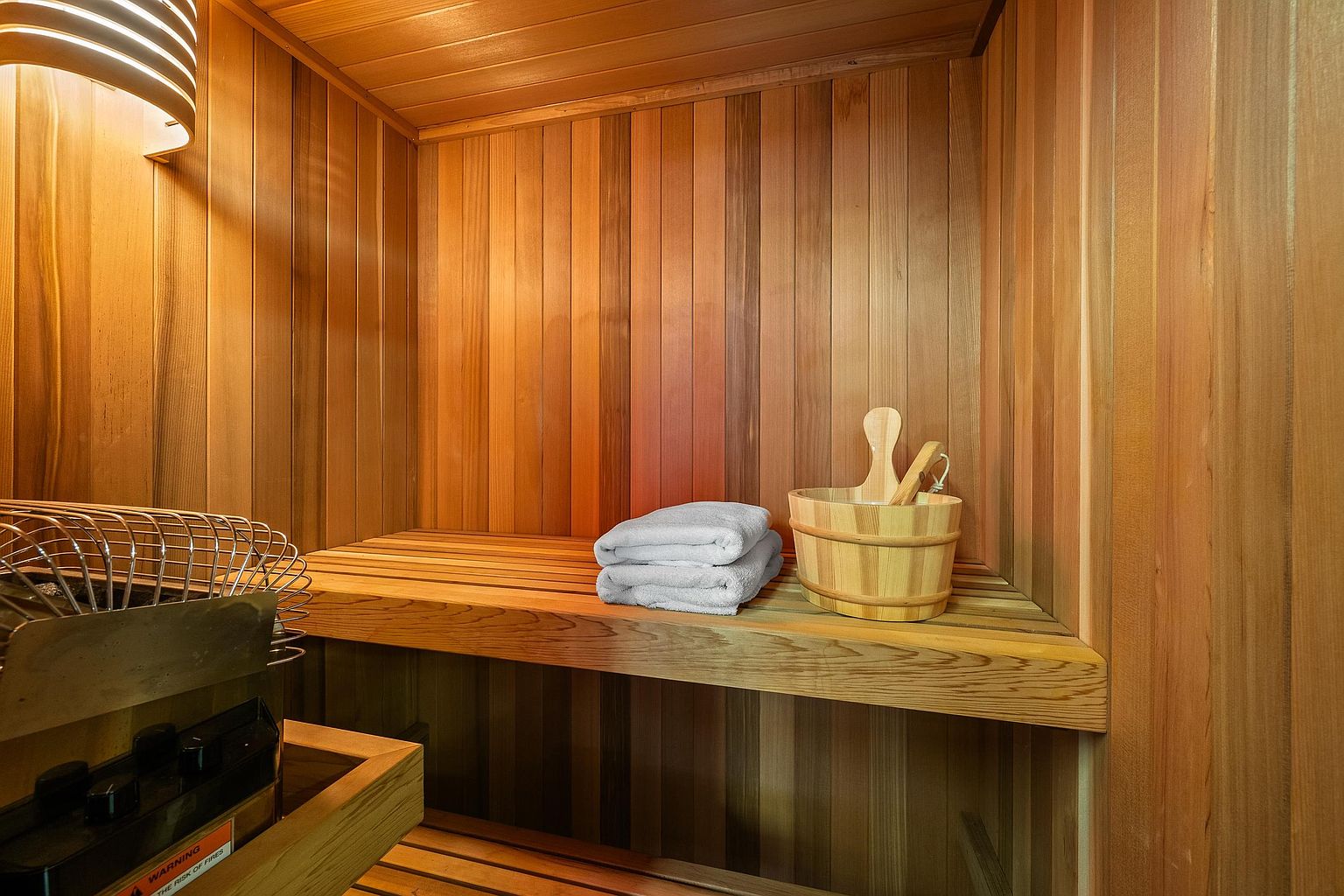
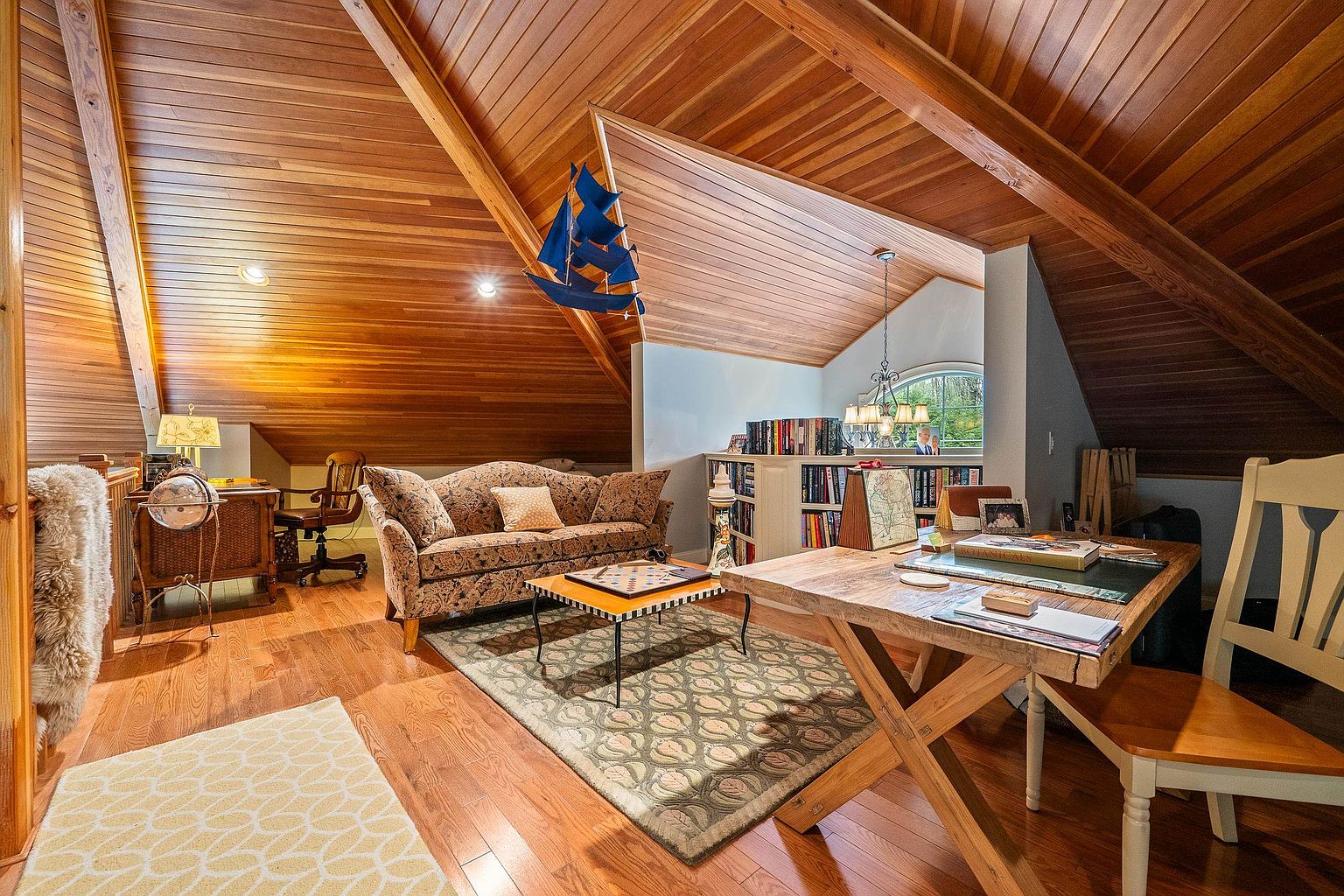
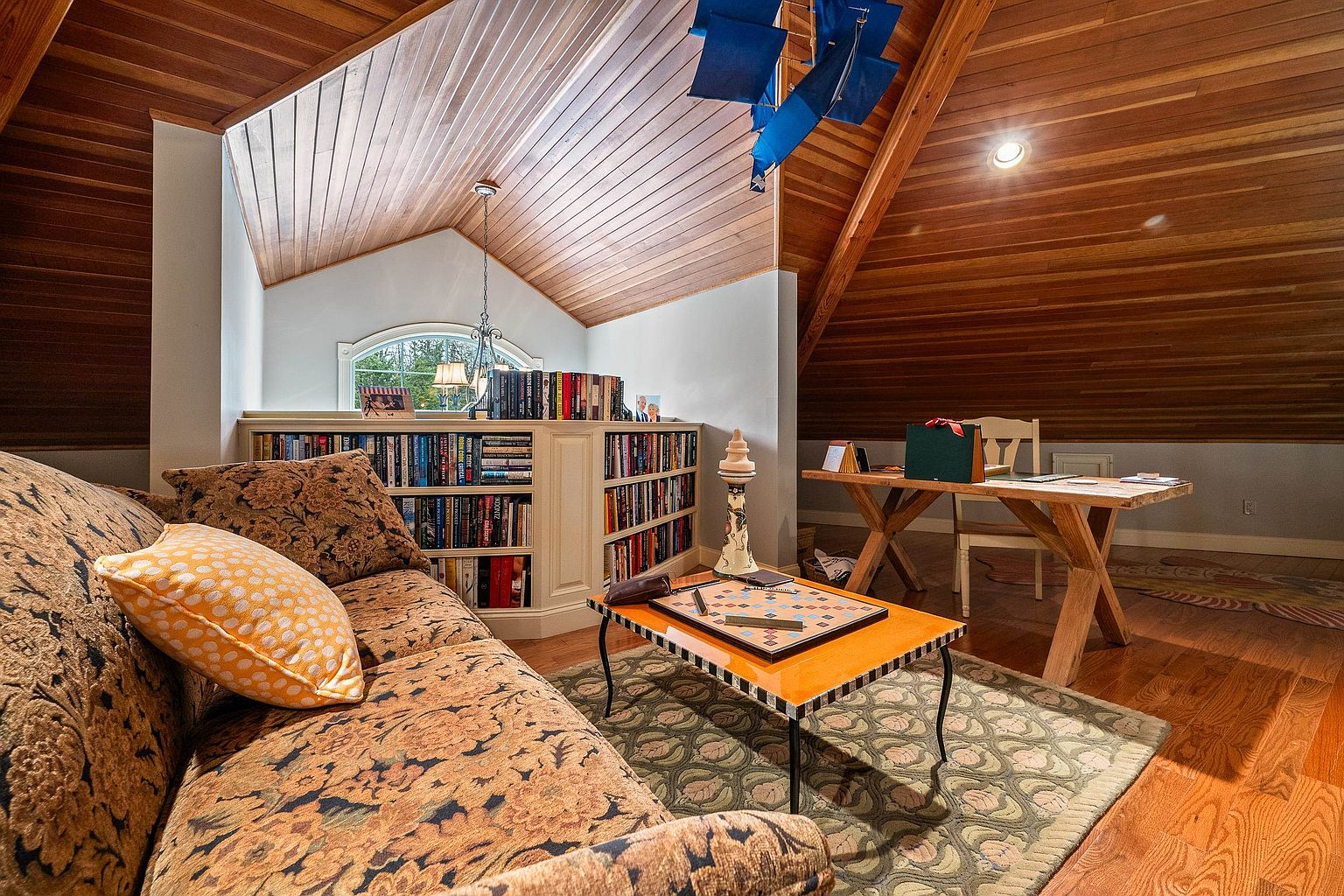
The compound dimension of Gardner's Cove is, perhaps, its most distinctive quality. The timber frame guest cottage — with its own kitchen, sleeping loft, and living areas — offers visiting family or friends a complete and private experience without separation from the estate's shared amenities. The hobby barn, generous in scale and fitted with a cedar-paneled sauna, speaks to a lifestyle that extends well beyond the water's edge. A screened-in porch with an outdoor kitchen and forest views provides a sheltered third season room of exceptional quality.
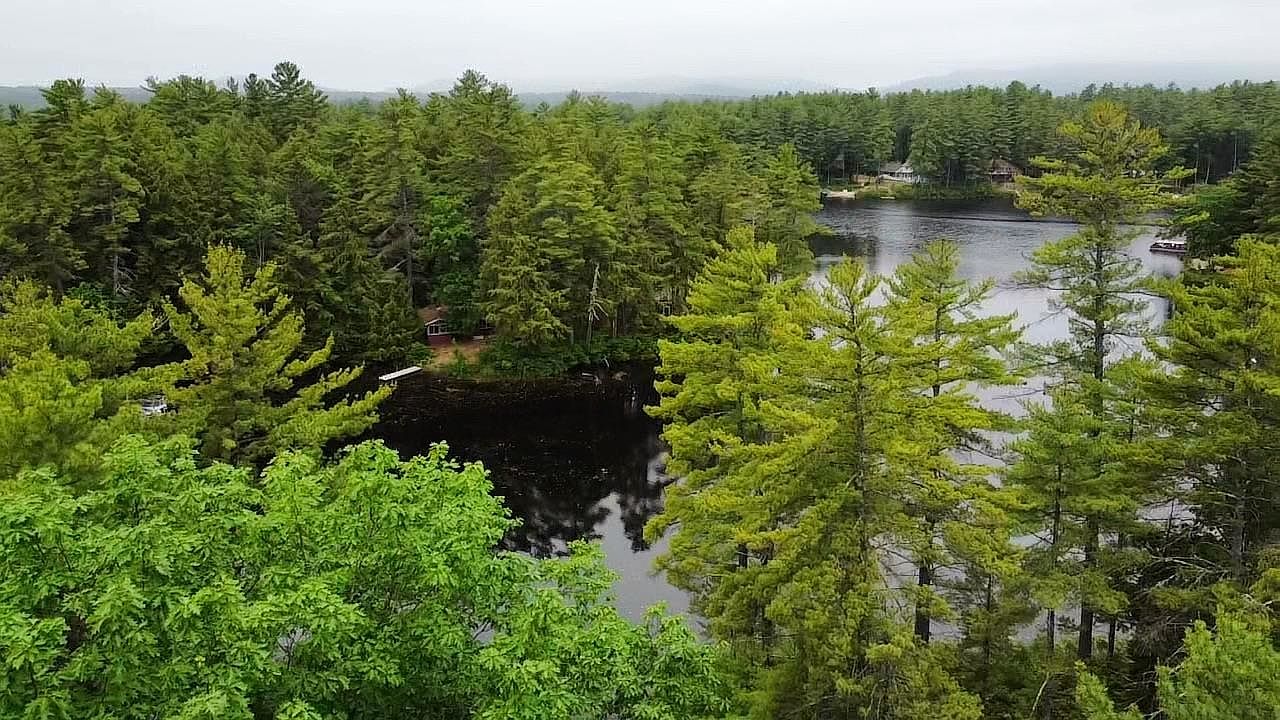
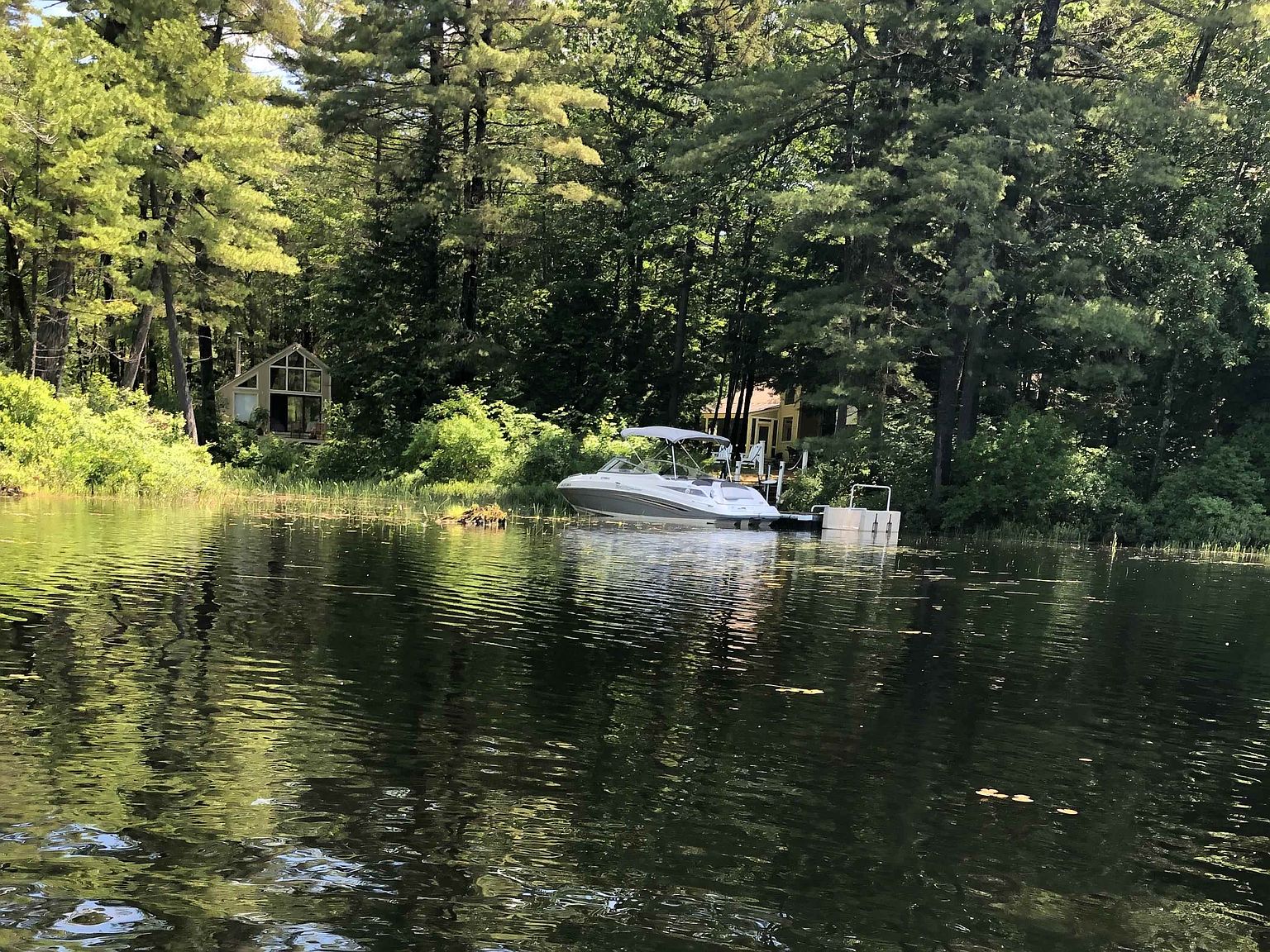
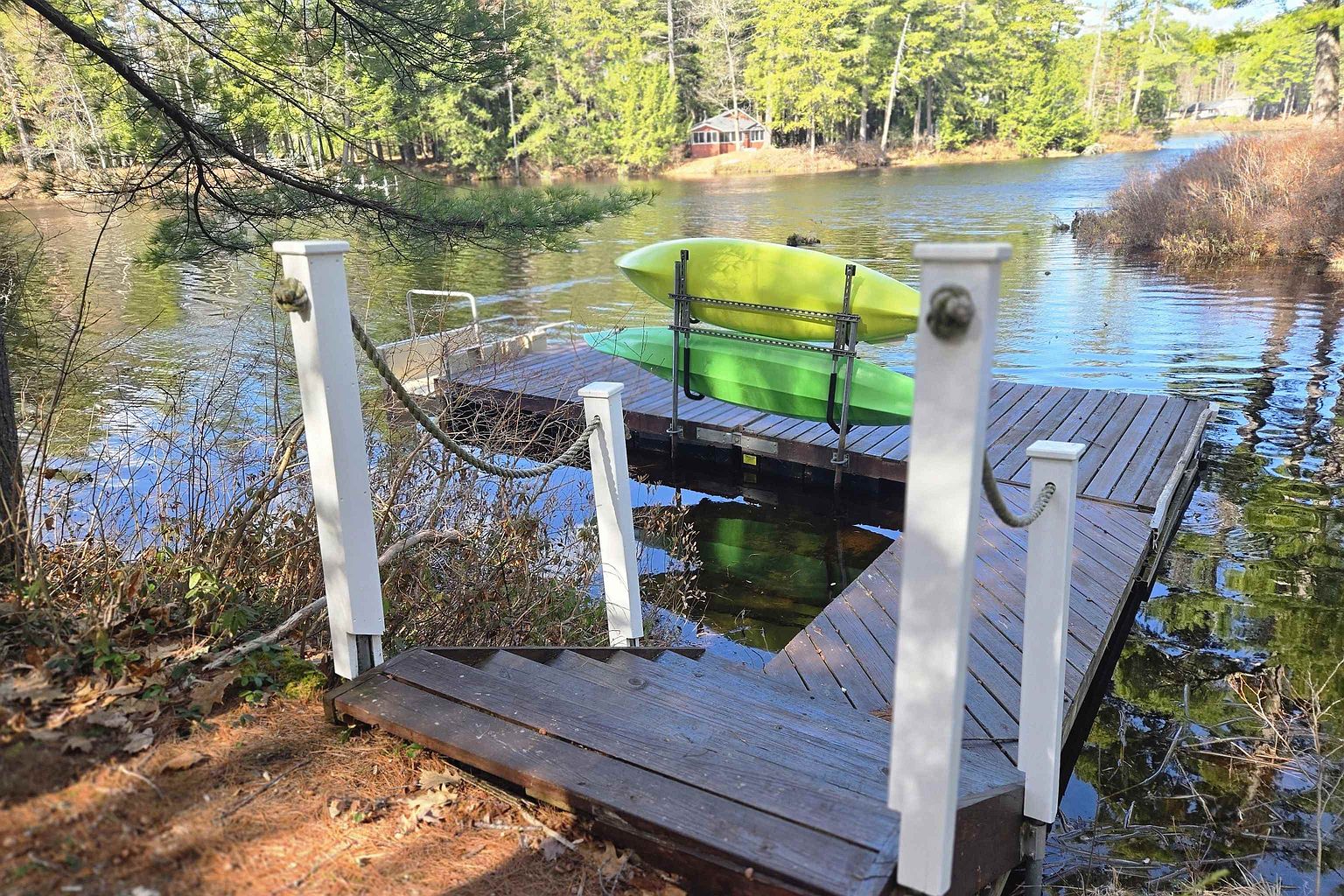
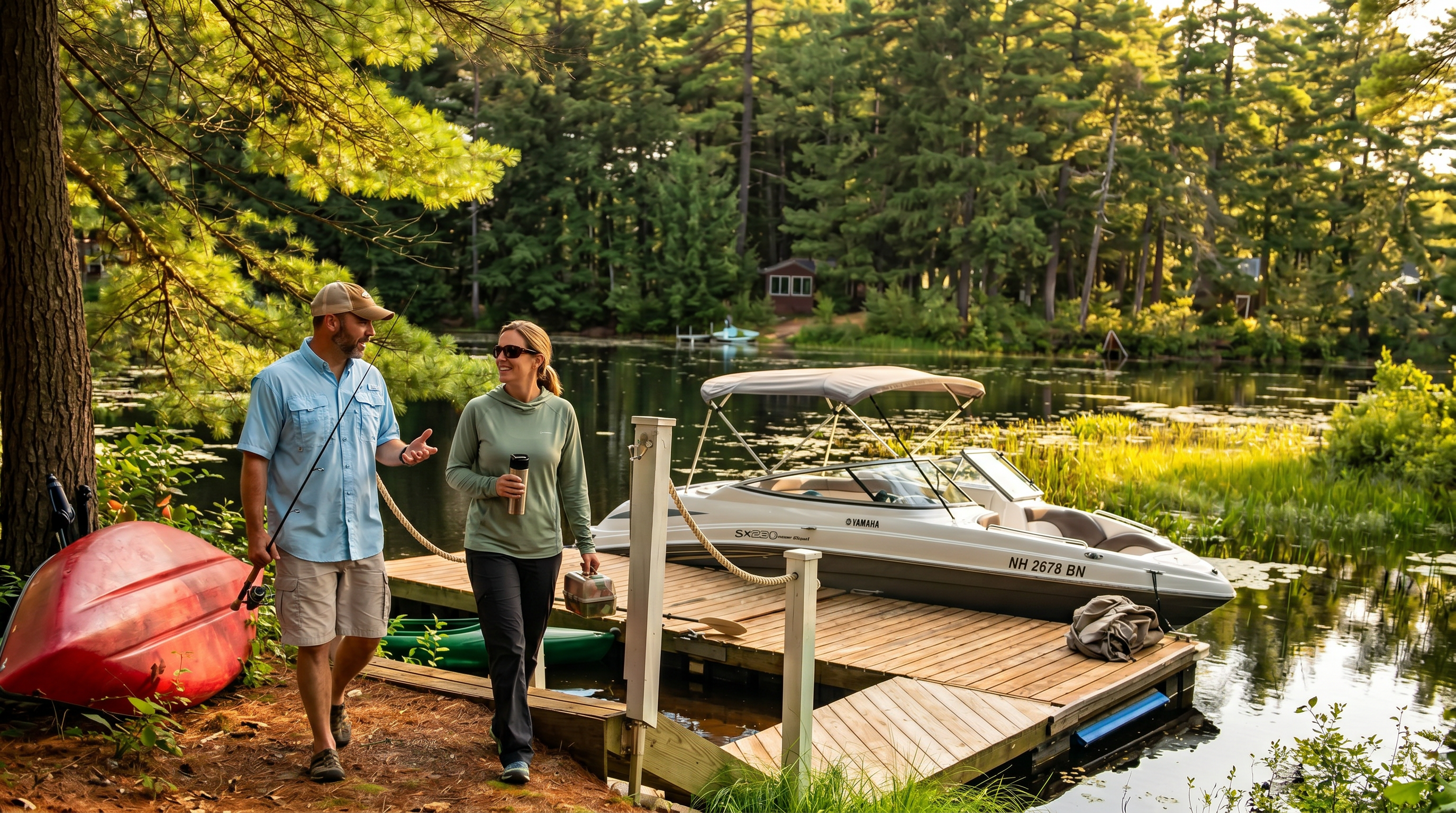
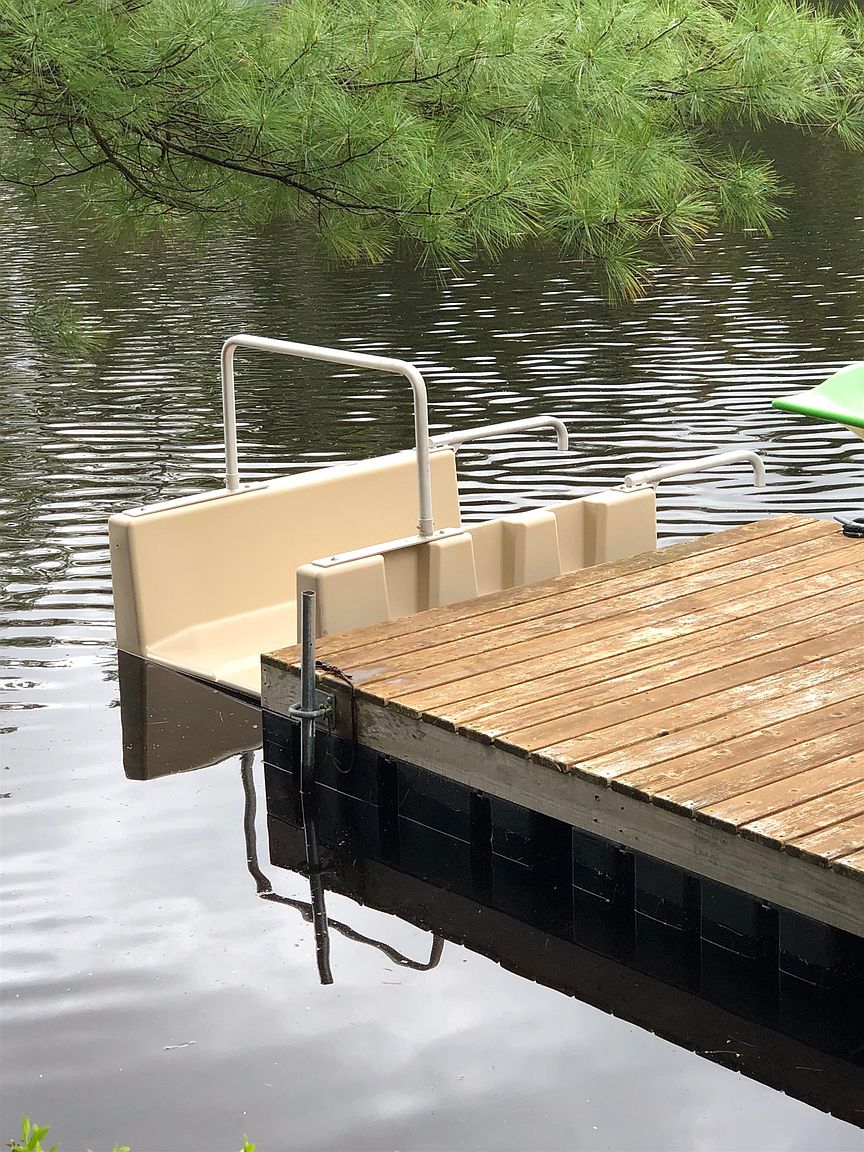
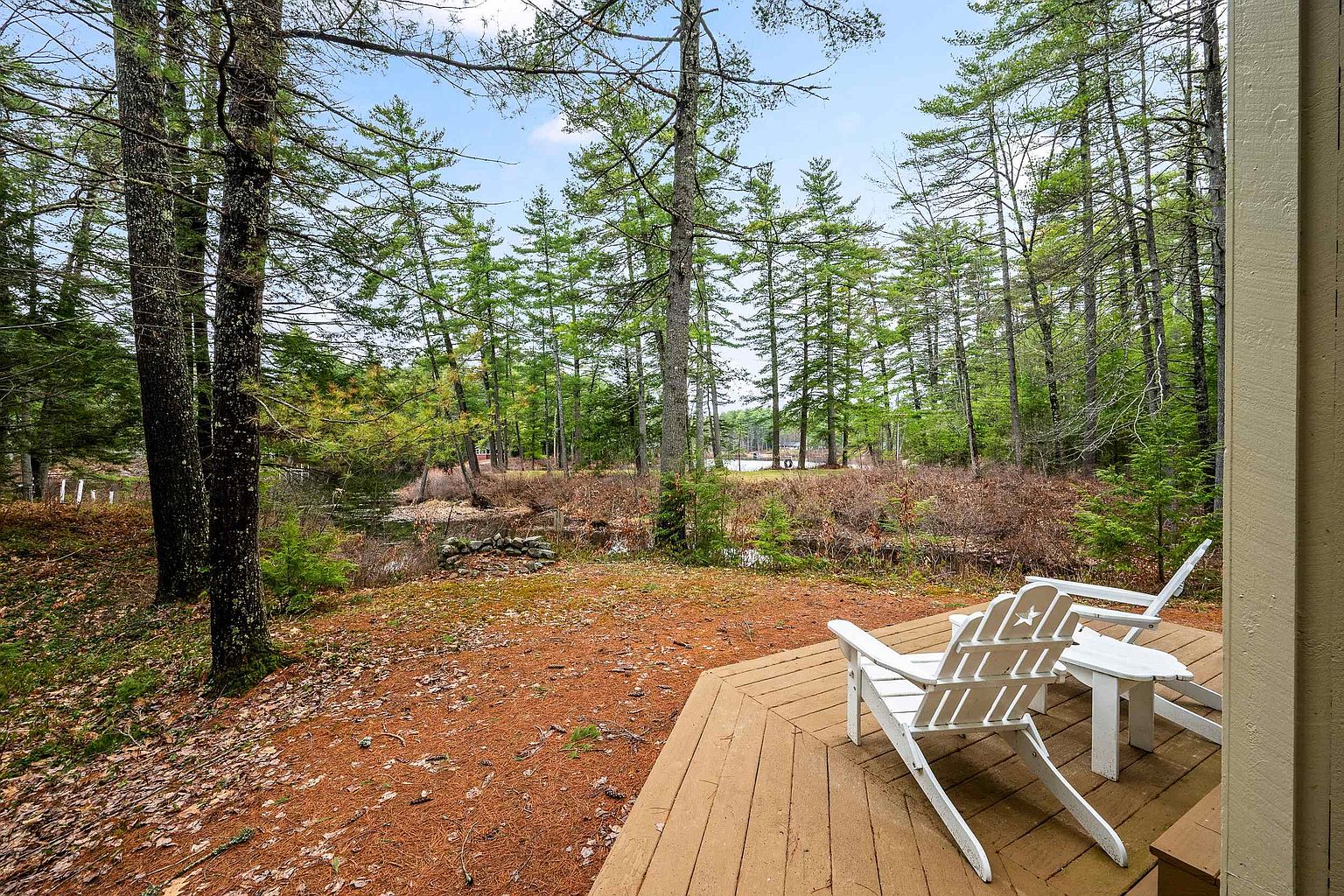
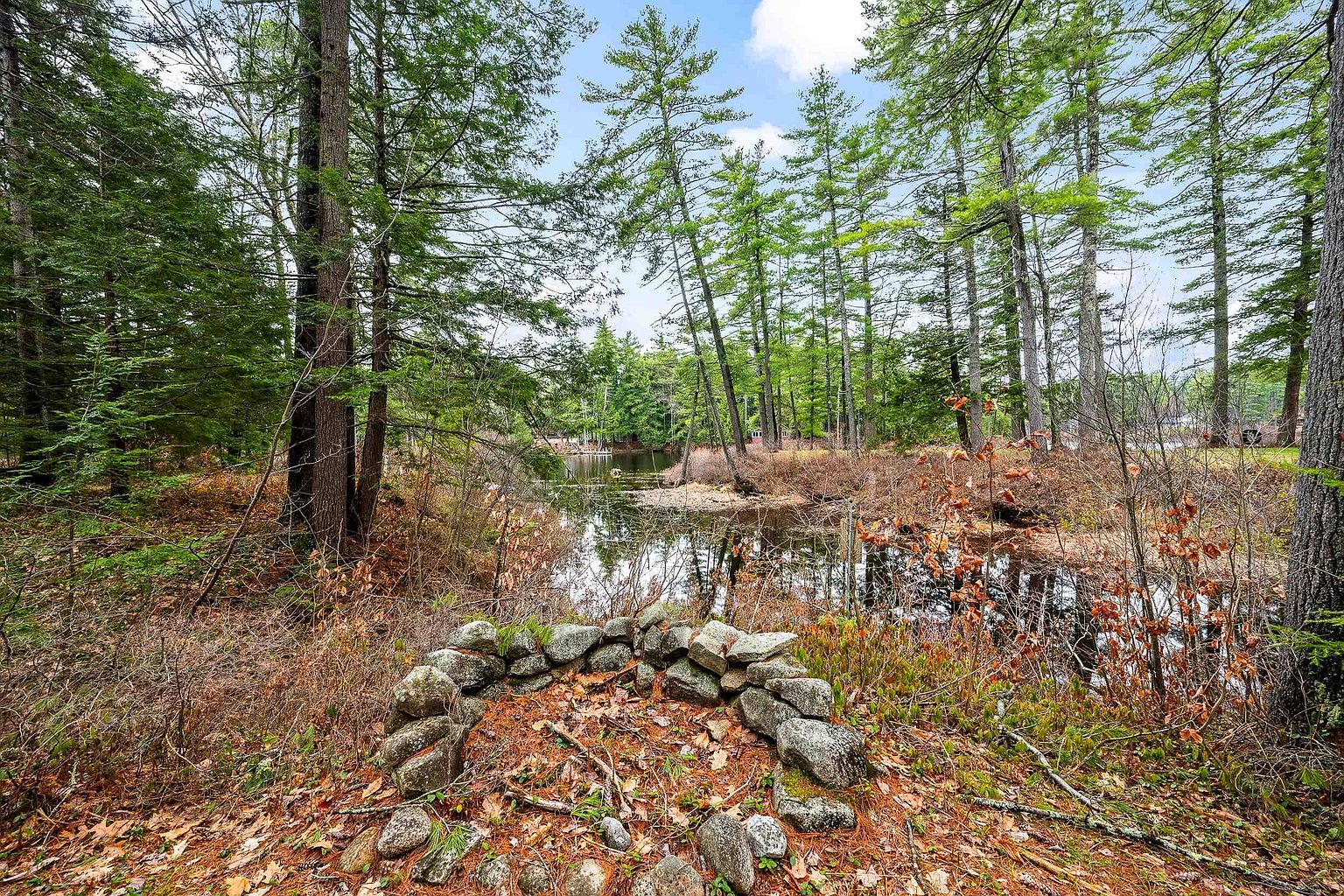
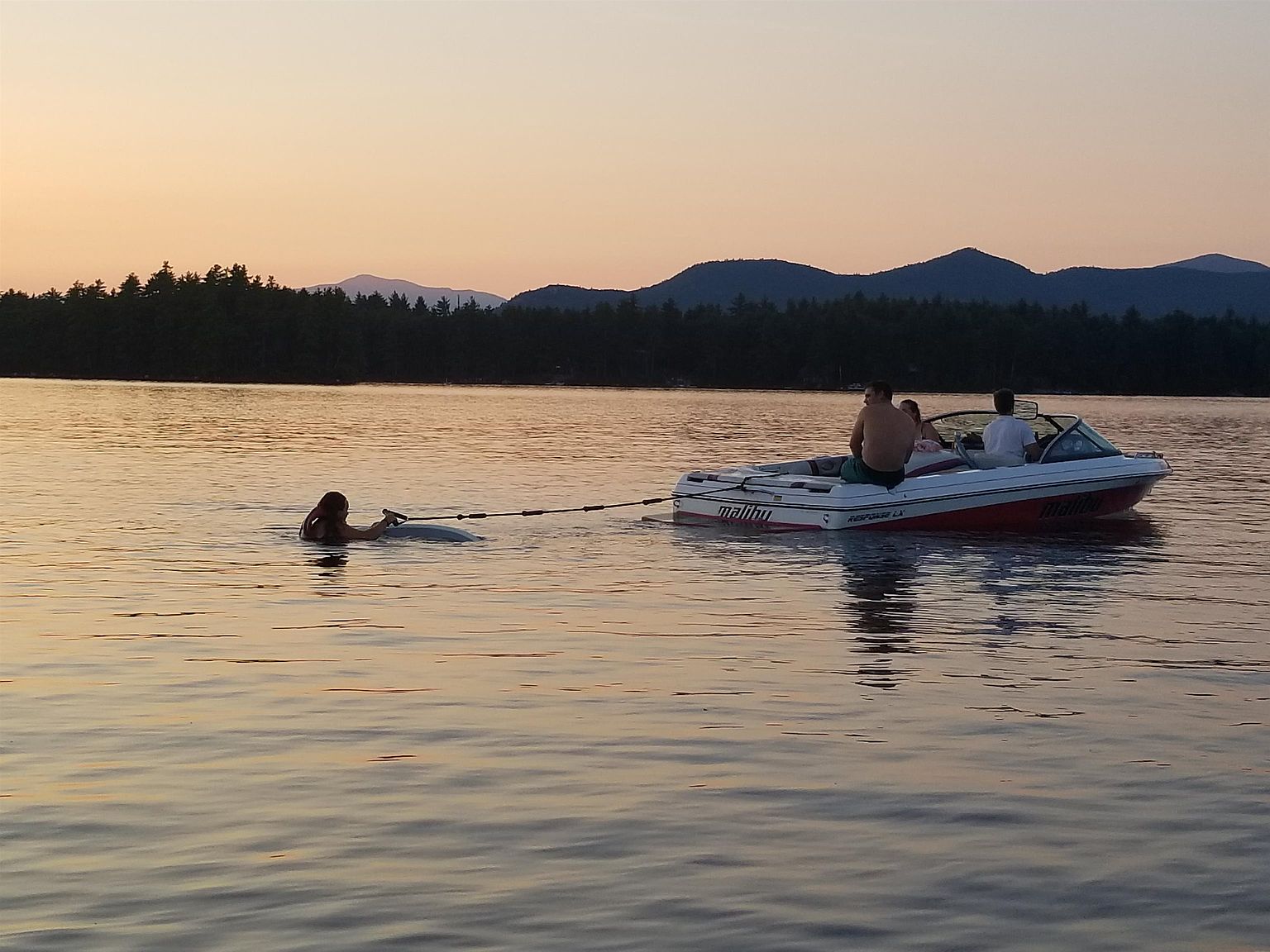
Outside, 315 feet of rare, level lakefront frontage leads to a deep-water dock ready for motorboats, kayaks, and waterskiing. A full-house and barn generator ensures that no season, however dramatic, interrupts the rhythm of life here. Gardner's Cove was built to be lived in fully — and every detail confirms it.
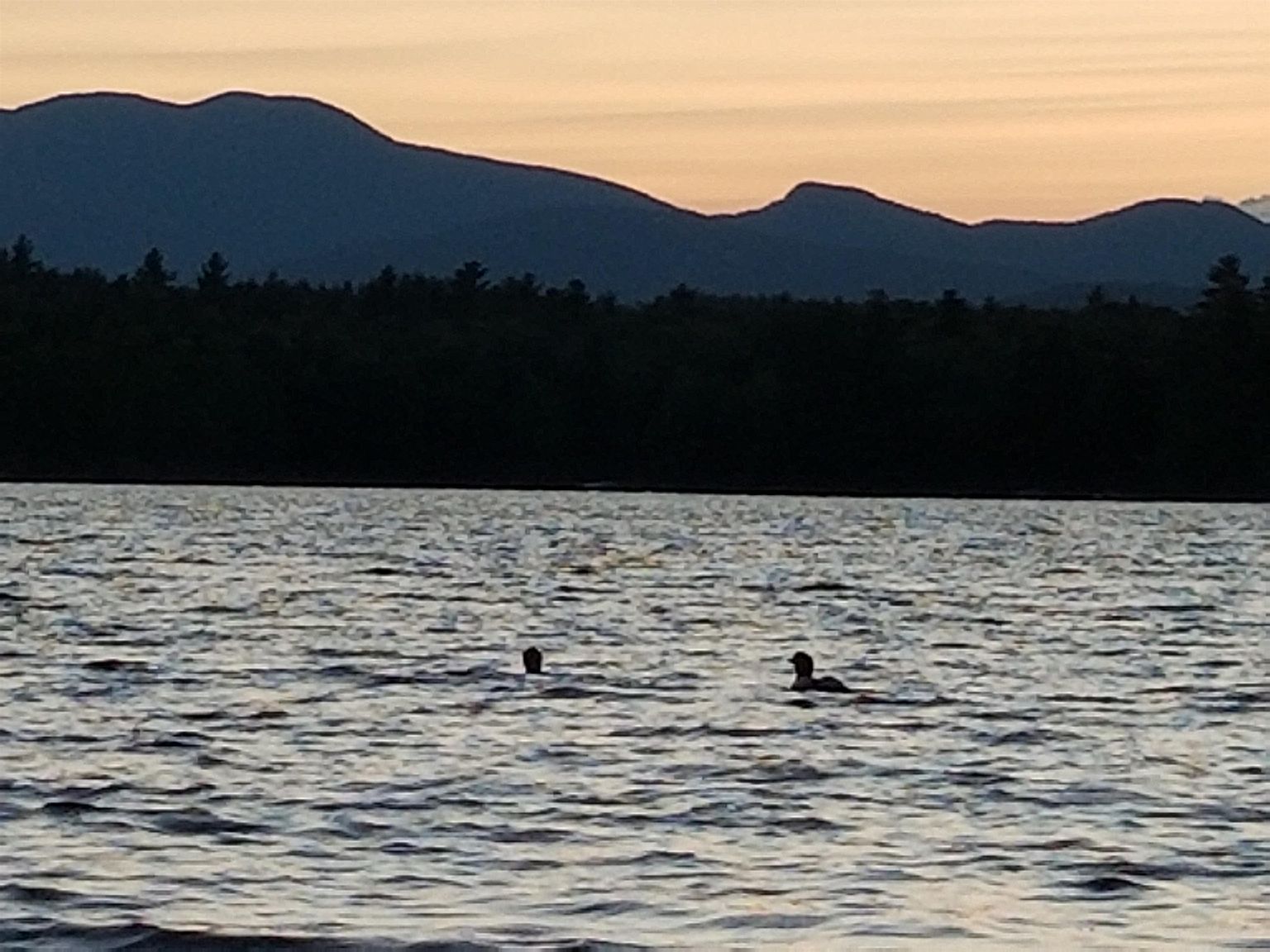
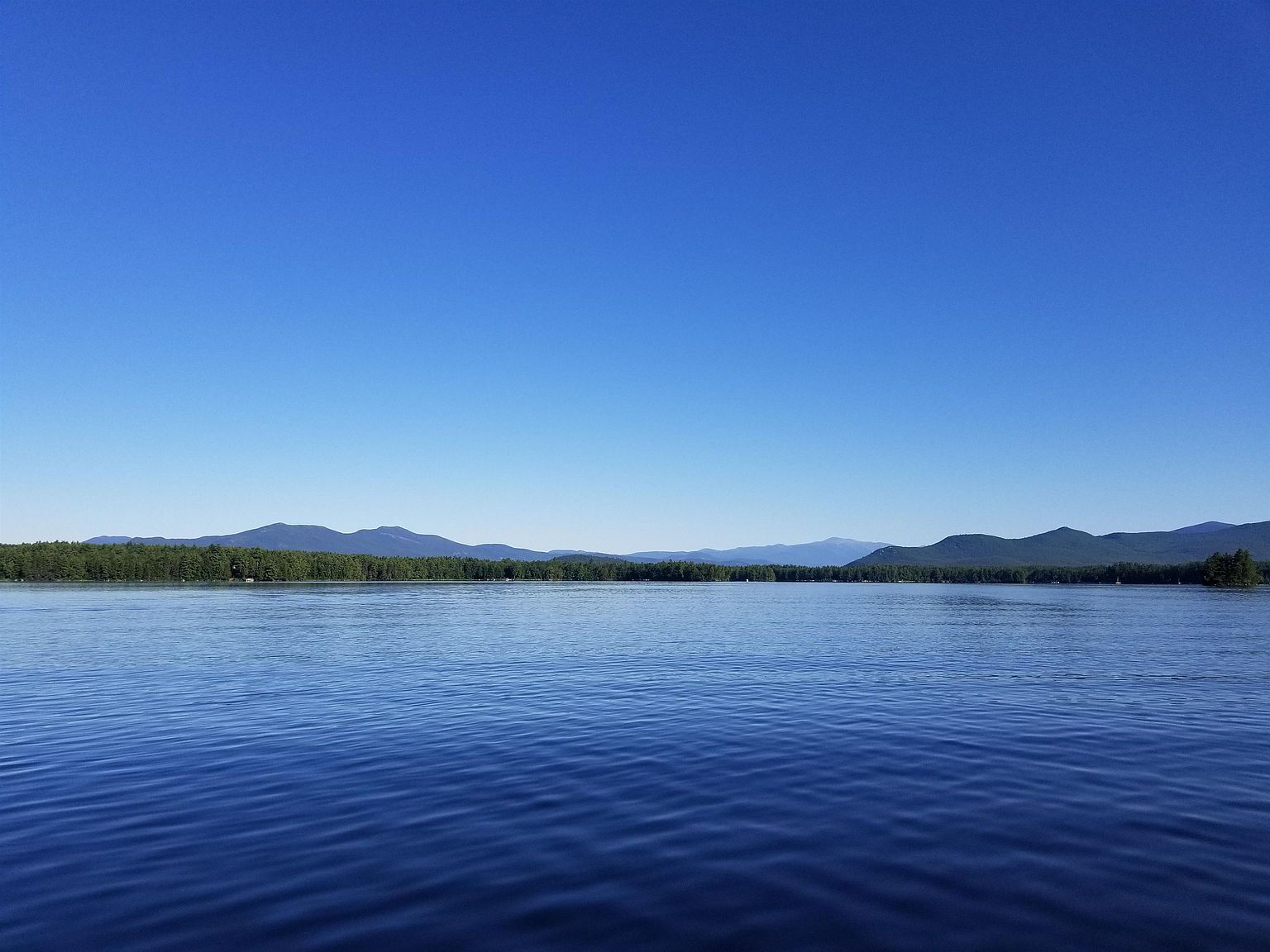
Conway Lake occupies a particular place in the geography and the memory of Carroll County, New Hampshire. At 1,316 acres, it is one of the Granite State's larger and more distinguished inland lakes — consistently ranked among the cleanest in the state by New Hampshire's Department of Environmental Services, which has monitored its water quality for decades. Unlike many New England lakes that have seen intensive shoreline development over the past century, Conway Lake has retained a quieter, more protected character. Its shores remain largely forested, its waters clear enough to reveal the bottom in the shallows and deep enough to accommodate serious boating in the channels. Loons nest here reliably each summer, their calls carrying across the water in the early morning in a way that functions, for those fortunate enough to hear it regularly, as something between an alarm clock and a benediction.
Center Conway itself is a small, unincorporated village within the town of Conway — one of the original townships of Carroll County, incorporated in 1765. The broader Conway area sits at the southern gateway to the White Mountains, a position that has defined its character for more than two centuries. In the nineteenth century, the region drew landscape painters of the Hudson River School, who found in the surrounding peaks and river valleys a subject equal to their ambitions. Thomas Cole and others documented the particular quality of light that falls across the Saco River Valley, a quality that visitors and residents still remark upon today.
North Conway Village, approximately fifteen minutes from Gardner's Cove by a quiet paved road, serves as the commercial and cultural hub of the Mount Washington Valley. Its Main Street offers a well-edited mix of independent restaurants, specialty retailers, and year-round amenities — including the celebrated Cranmore Mountain Resort, which has operated ski terrain since 1937 and continues to draw skiers and mountain bikers across all seasons. Story Land, a beloved family attraction in operation since 1954, and the Conway Scenic Railroad, which has carried passengers through the valley since 1974, speak to the region's deep investment in its recreational identity.
Golf is available at the Hale's Location Country Club, the North Conway Country Club and the Bretton Woods Golf Course, the latter set against the backdrop of Mount Washington and the historic Omni Mount Washington Hotel. Hiking access is extensive: the White Mountain National Forest, which encompasses nearly 800,000 acres, begins effectively at the region's doorstep, with trailheads reaching peaks including Mount Chocorua, Kearsarge North, and the Presidential Range.
The Carroll County region also benefits from its proximity to Portland, Maine — roughly ninety minutes southeast — and Boston, approximately two and a half hours to the south, making it genuinely accessible as either a full-time residence or a four-season retreat. For those drawn to the particular combination of natural grandeur, genuine privacy, and a community with deep roots in both outdoor recreation and New England tradition, the Conway Lake area offers something increasingly rare: a place that has not yet been discovered so thoroughly that it has been diminished by the finding.
Featured Highlights
Curated Content • Presented by Kevin J Killourie