The Story Behind
Where the Rockies Rise to Meet You Every Morning
There is a particular kind of architecture that does not simply occupy a landscape — it enters into conversation with it. Night Sky Estate, perched high on Red Mountain above Aspen, belongs to that rare category. Originally conceived by architect Anderson Klein and later reimagined by interior designer Candice Hart, the 4,920-square-foot Mediterranean-style villa is a study in the art of considered living: how light moves through a room, how stone and stucco weather into their surroundings, how a view — properly framed — becomes something you feel rather than simply observe.
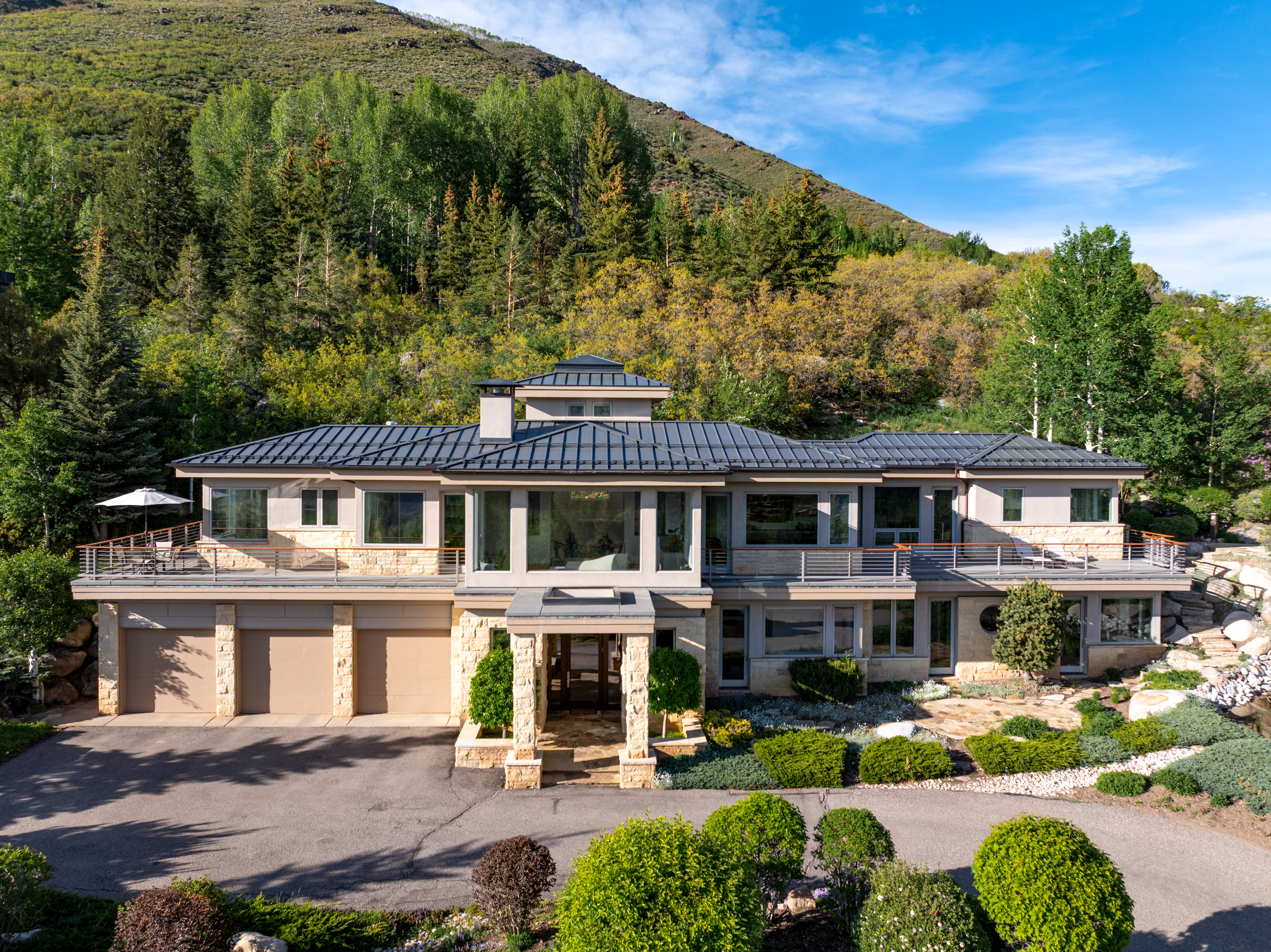
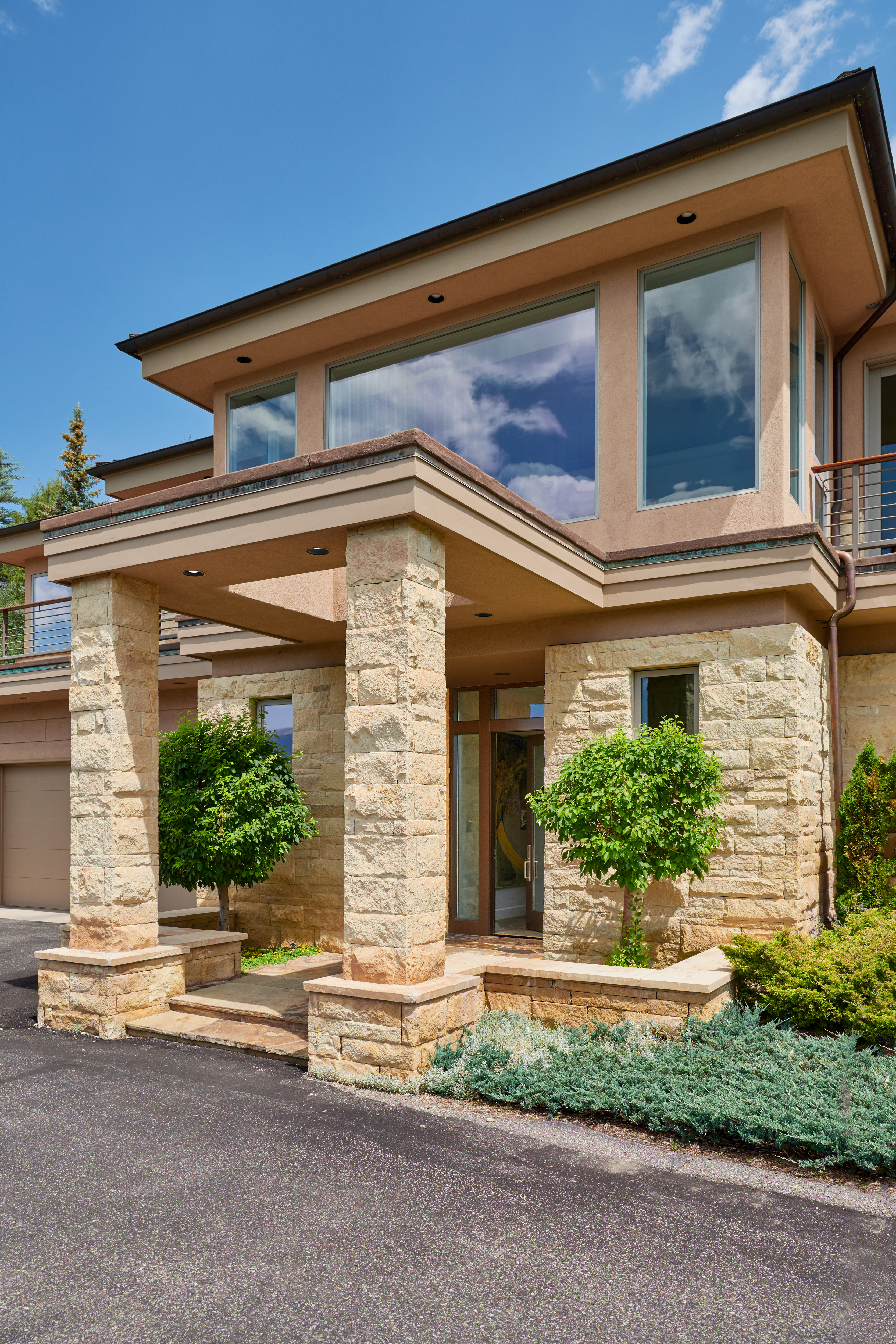
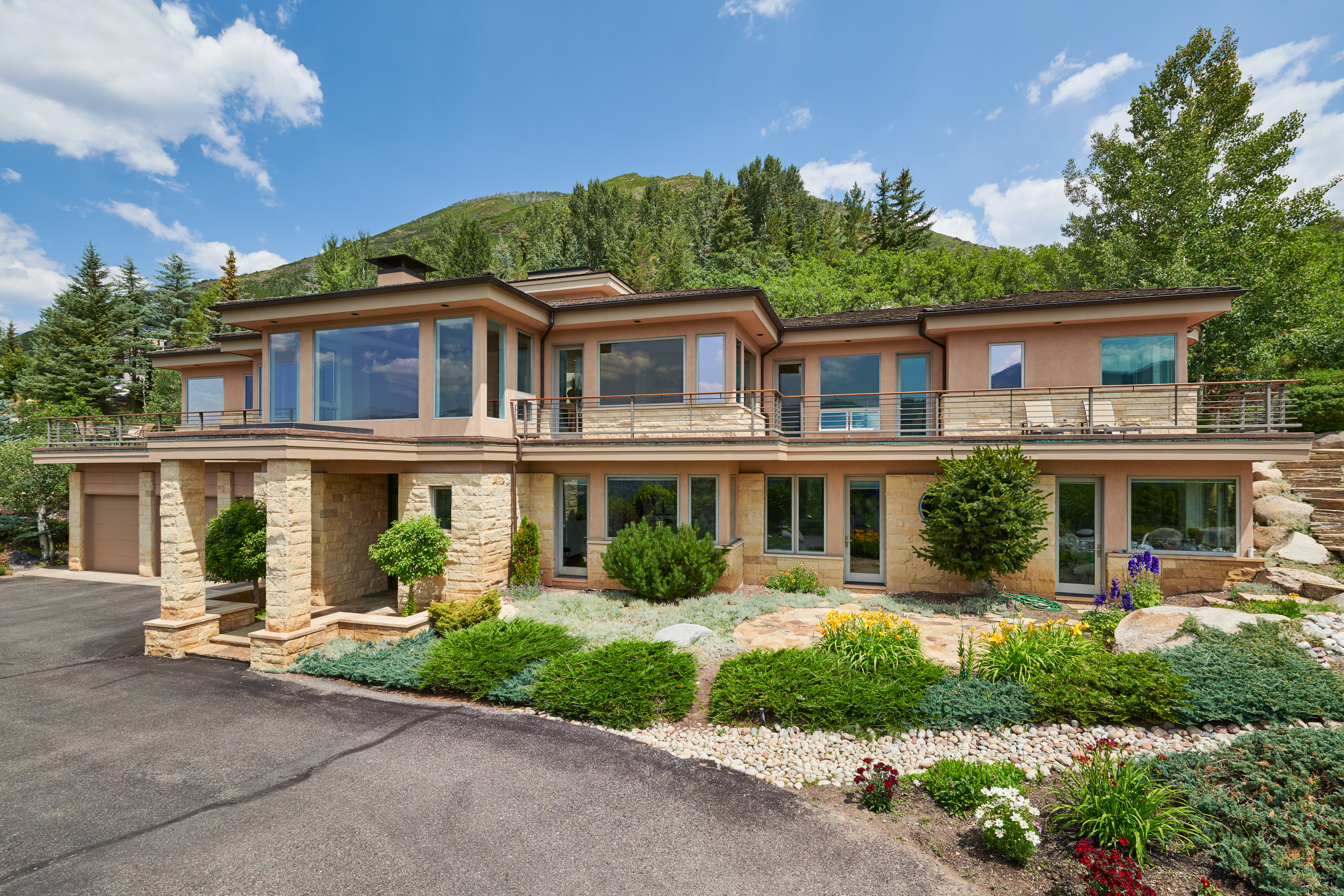
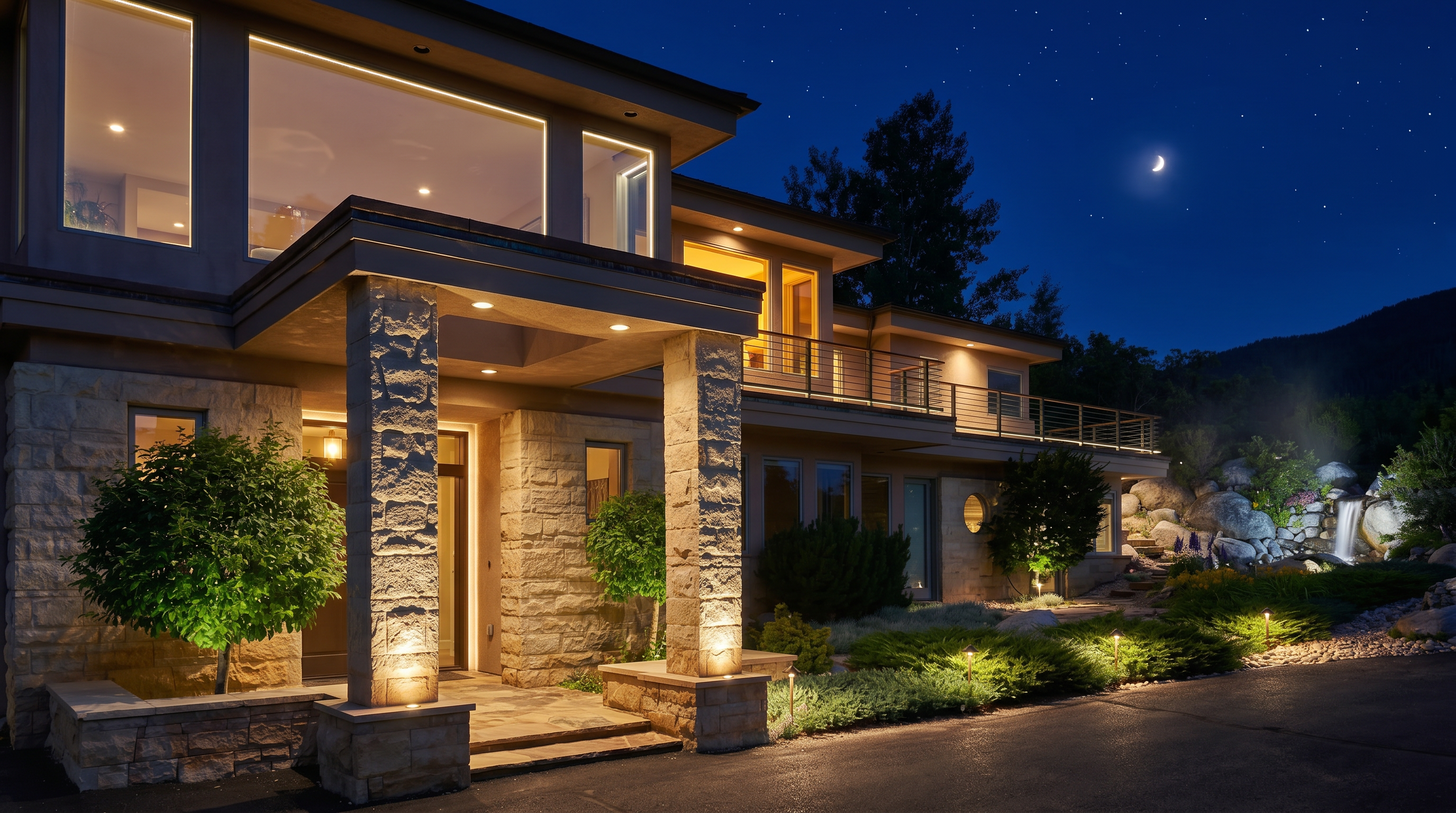
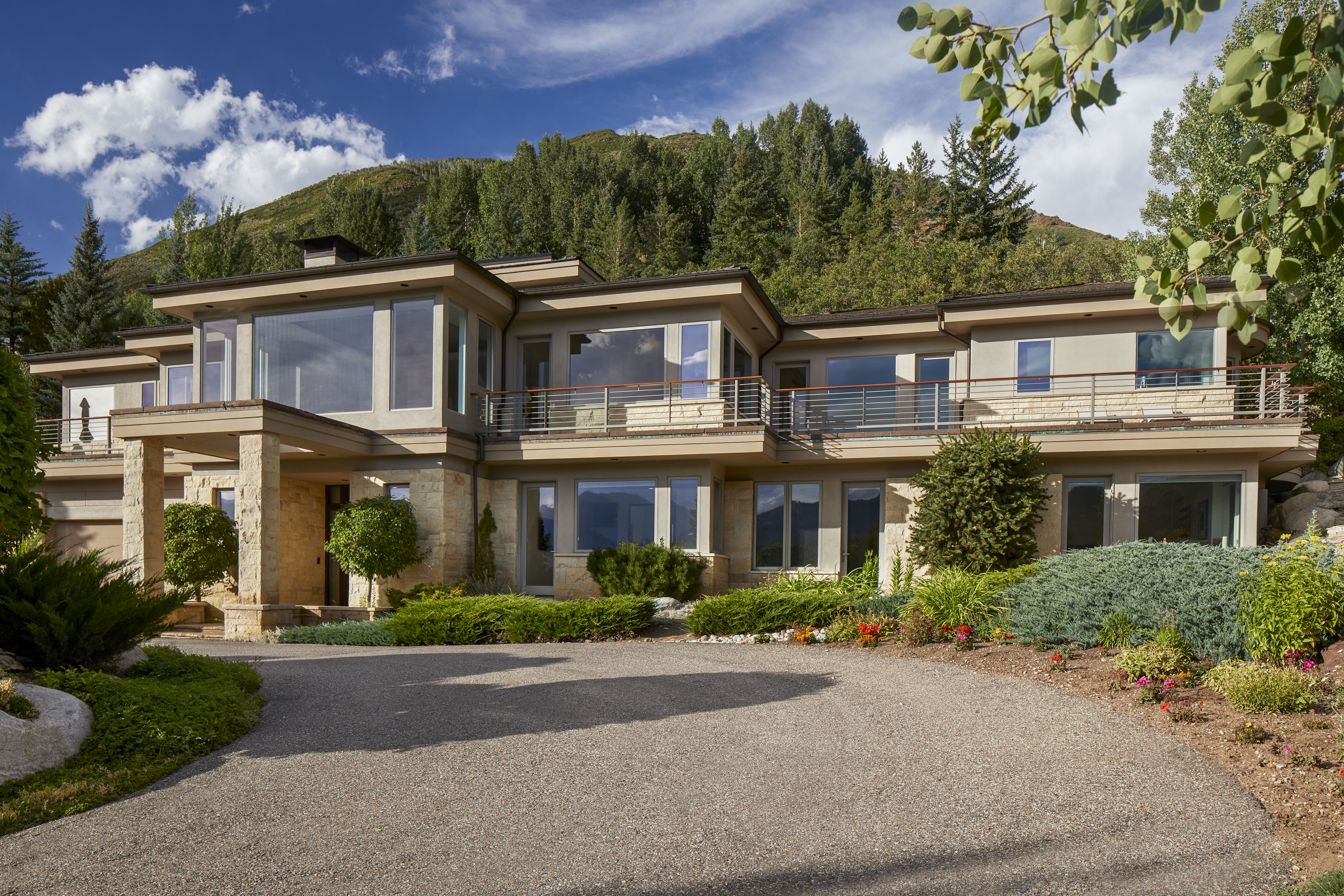
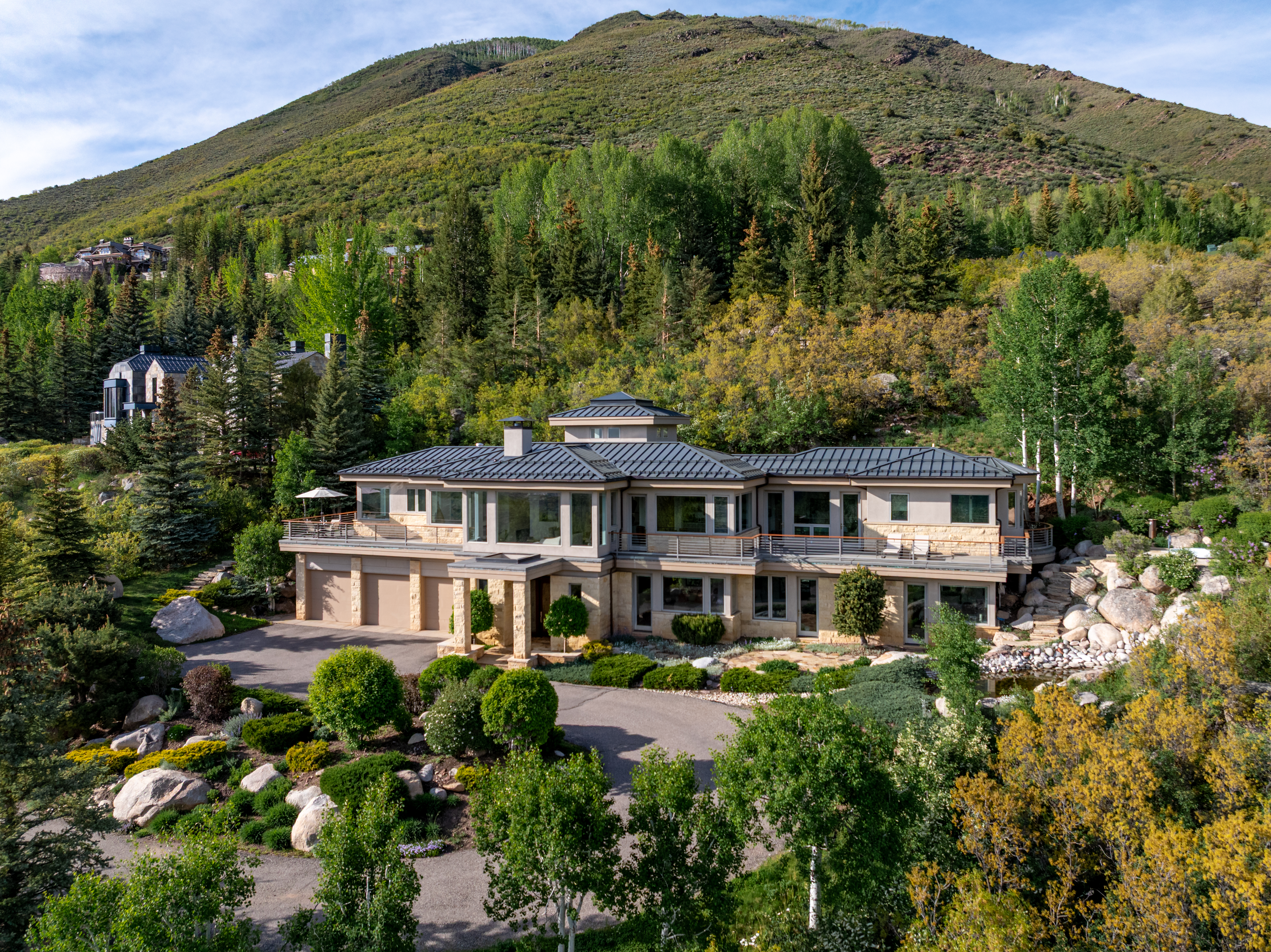
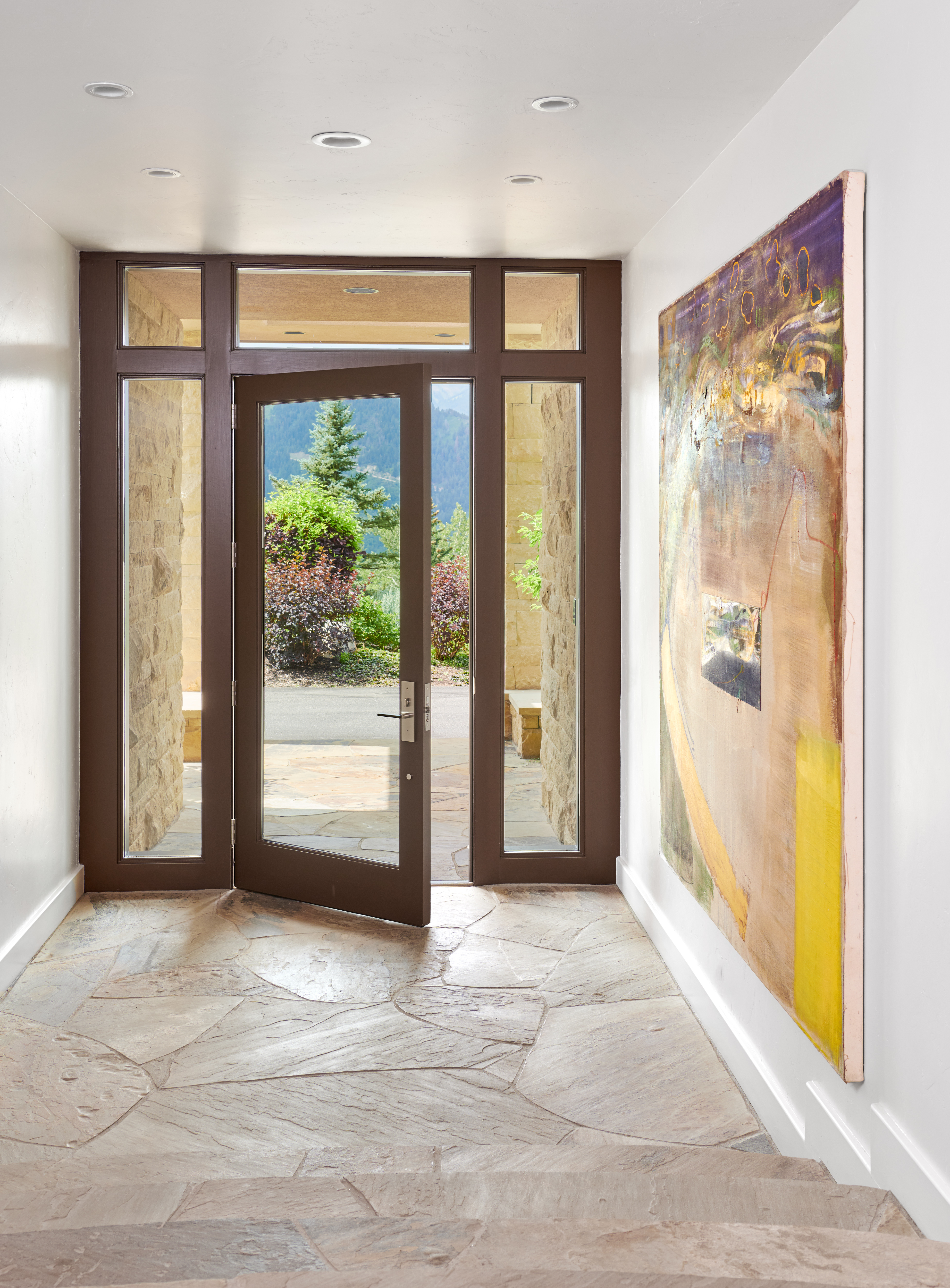
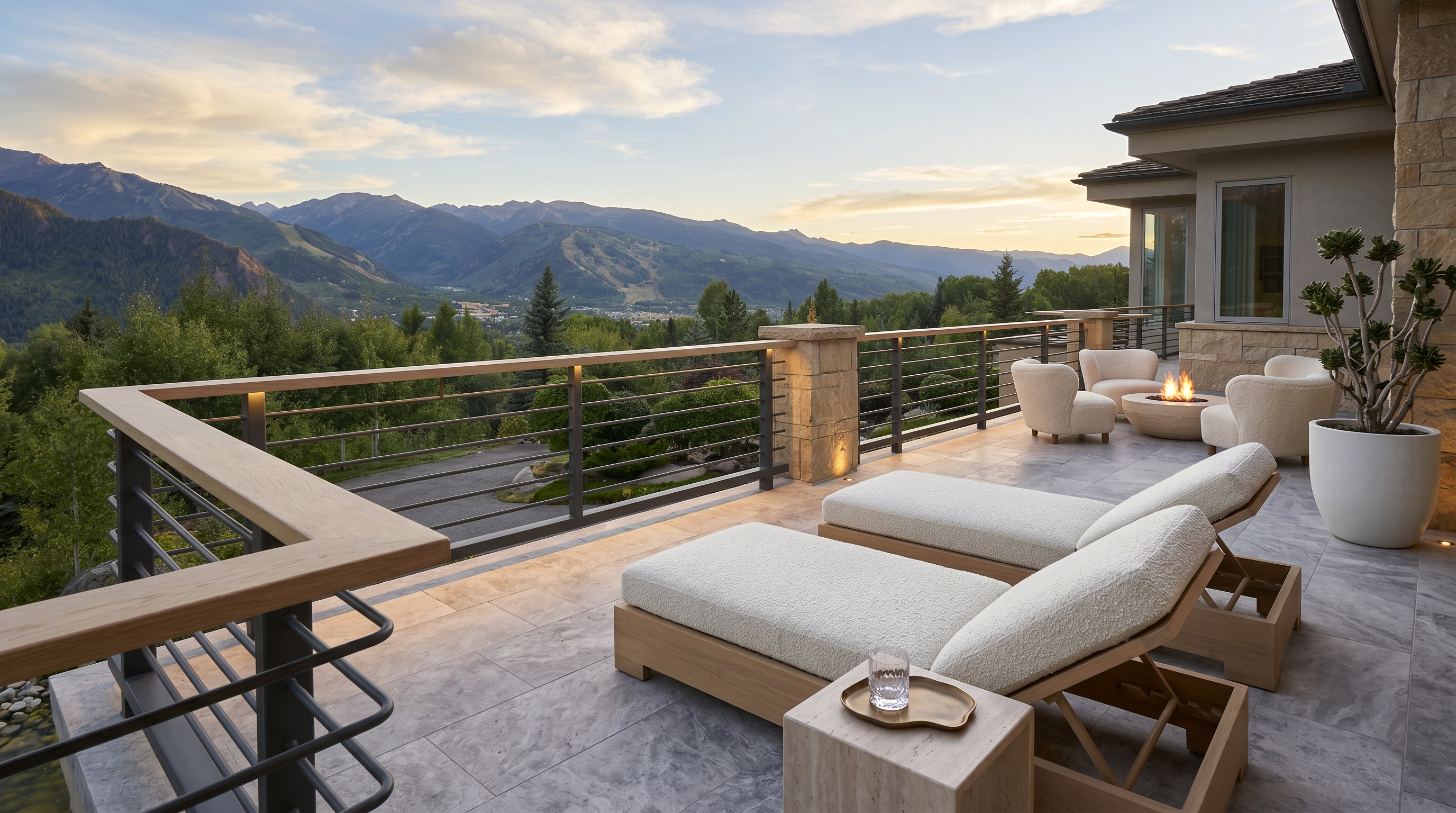
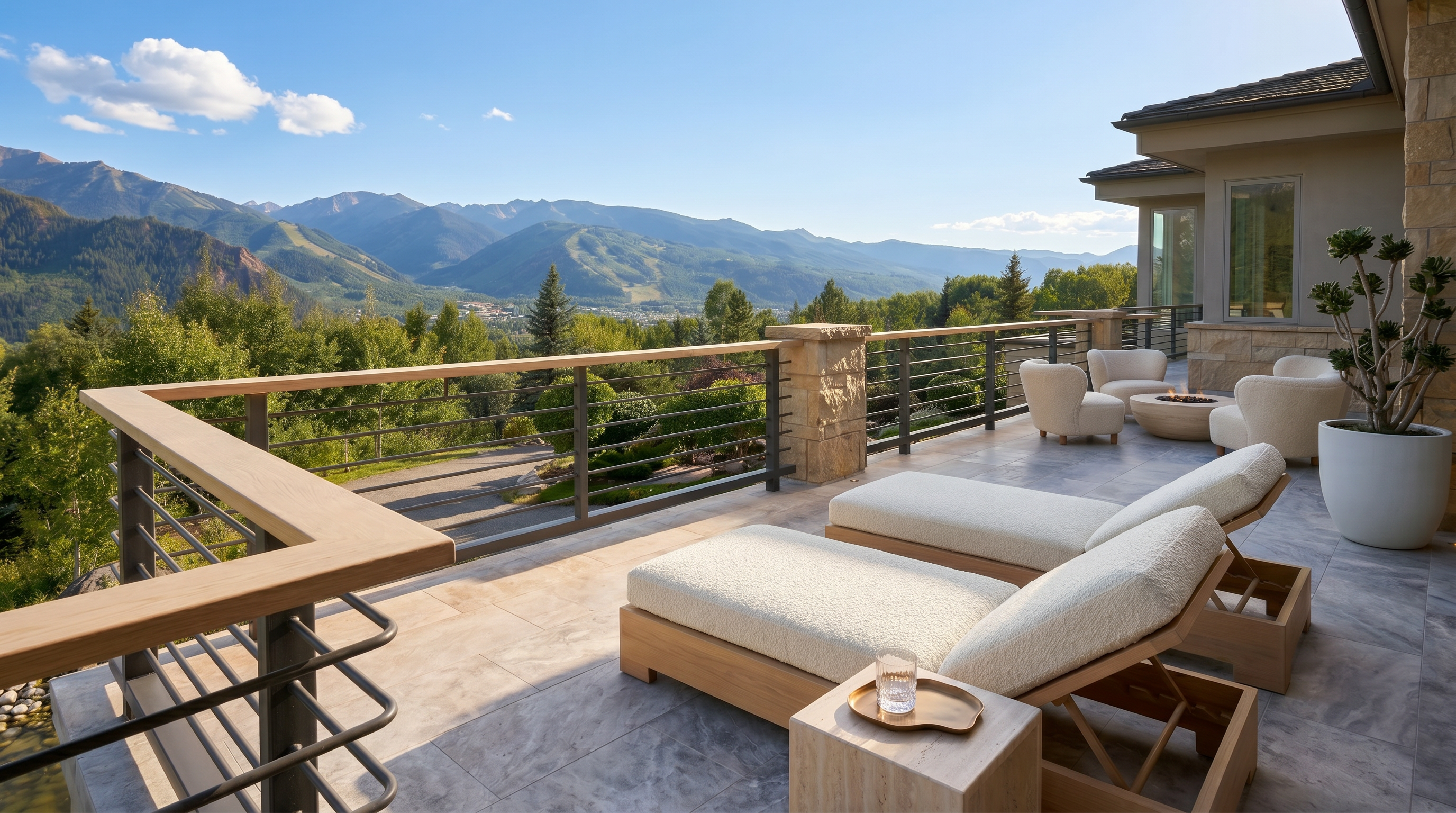
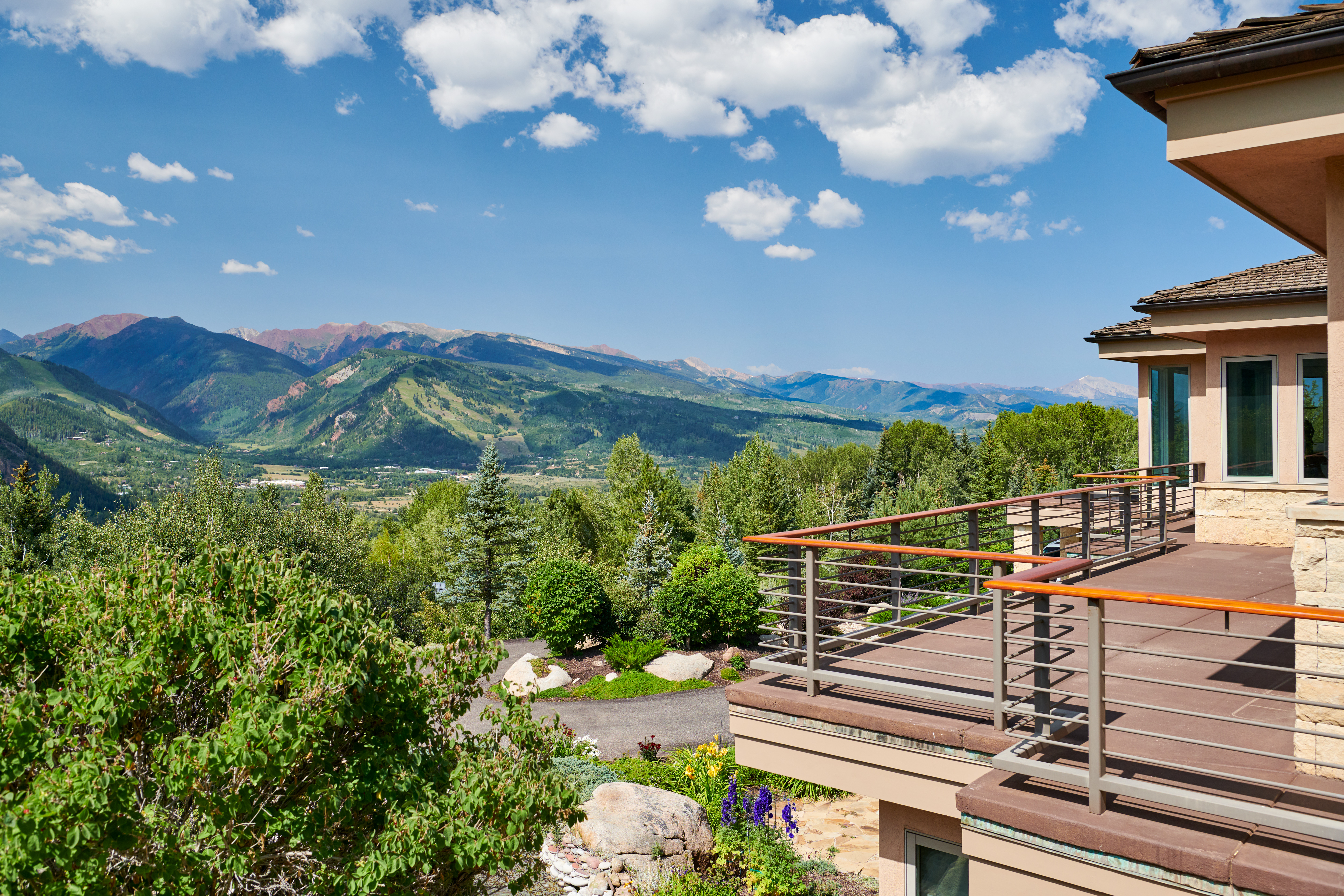
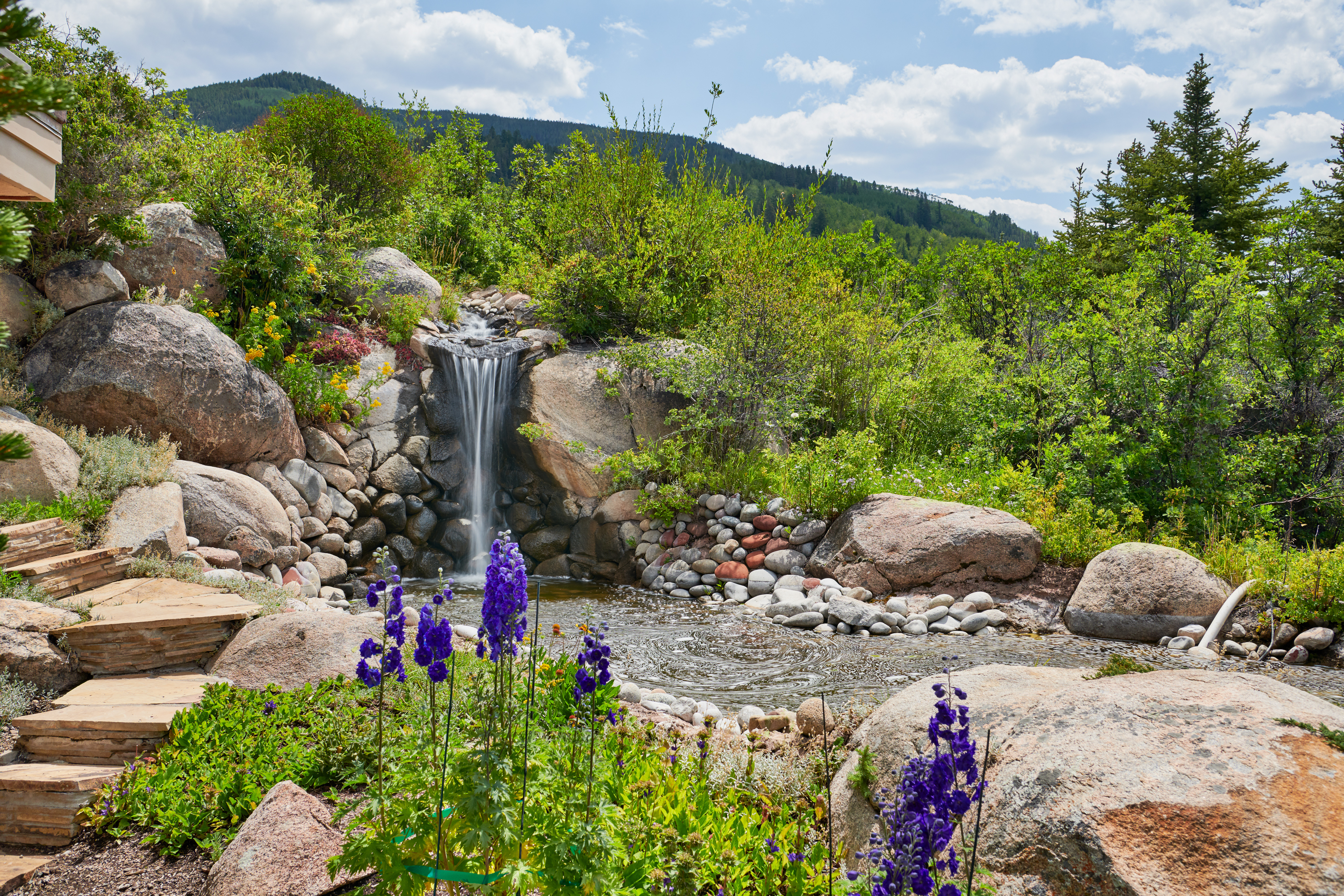
The exterior announces its intentions immediately. A multi-level composition of natural stone and warm stucco rises beneath a dark metal roof, its wrap-around balcony extending outward as if reaching toward the Elk Mountains beyond. Two massive stone pillars frame the entry portico, grounding the structure with a sense of permanence that feels earned rather than imposed. Mature landscaping softens the approach, punctuated by a naturalistic stone waterfall that introduces the home's central thesis: that beauty here is never incidental.
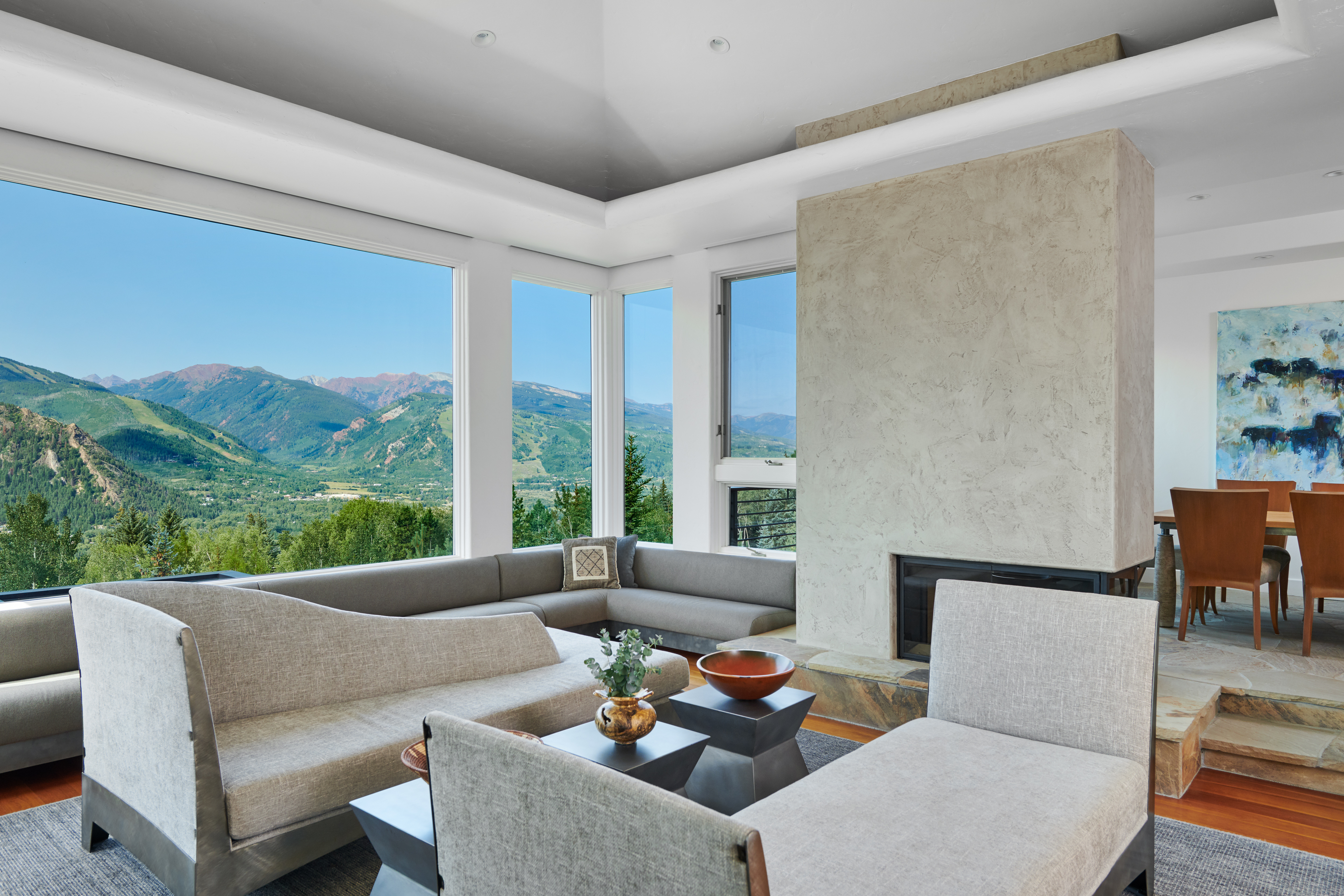
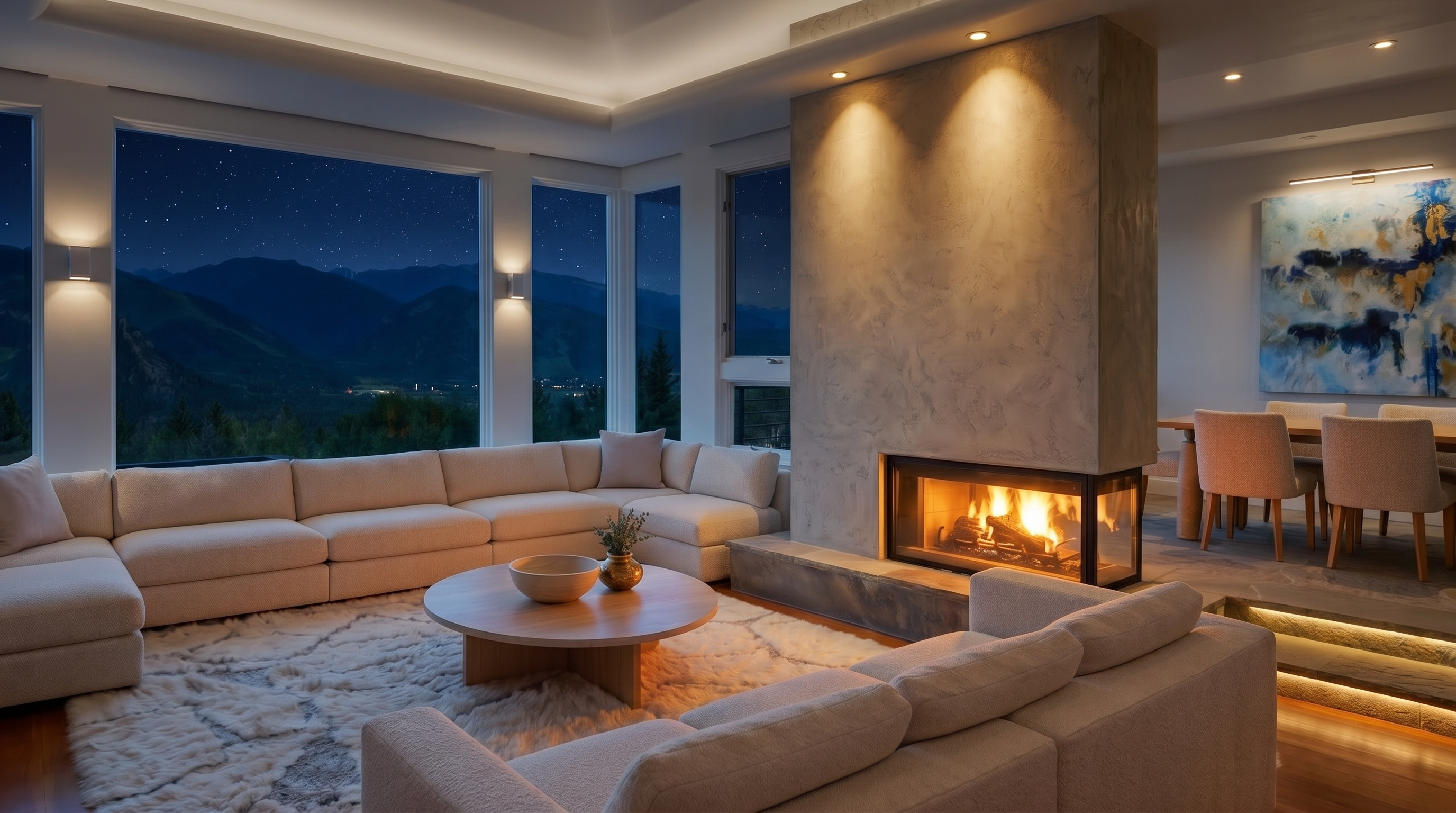
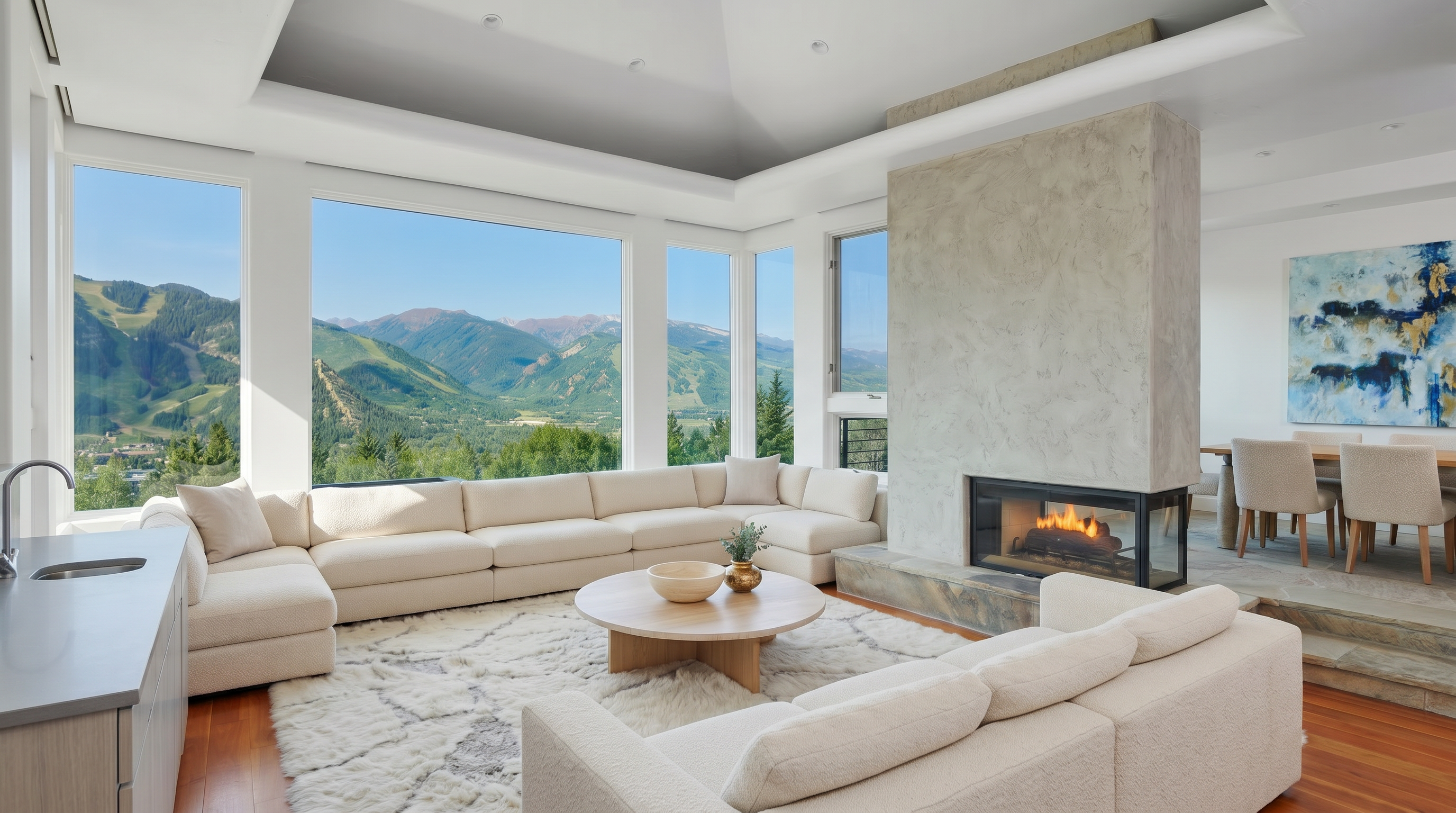
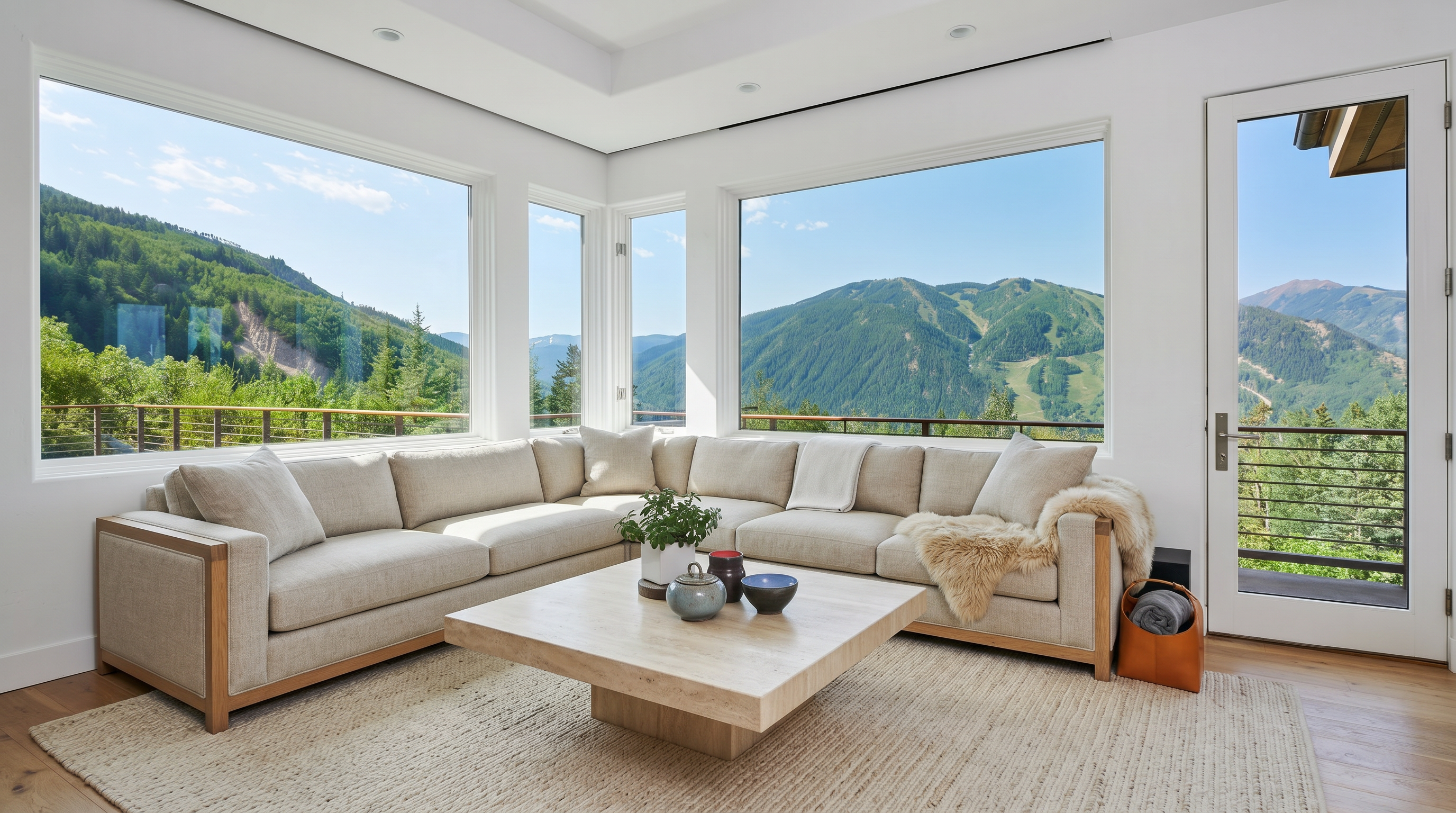
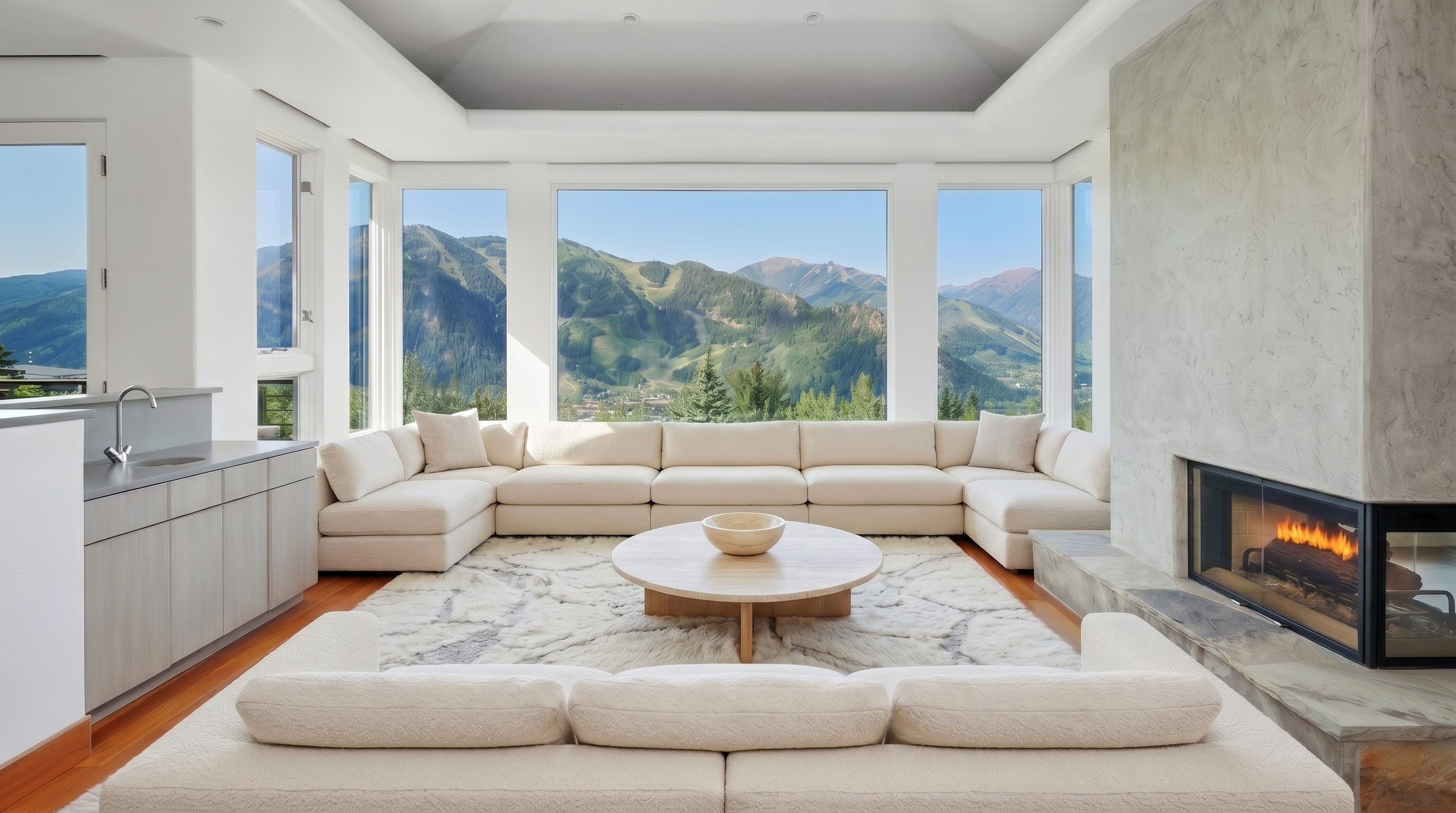
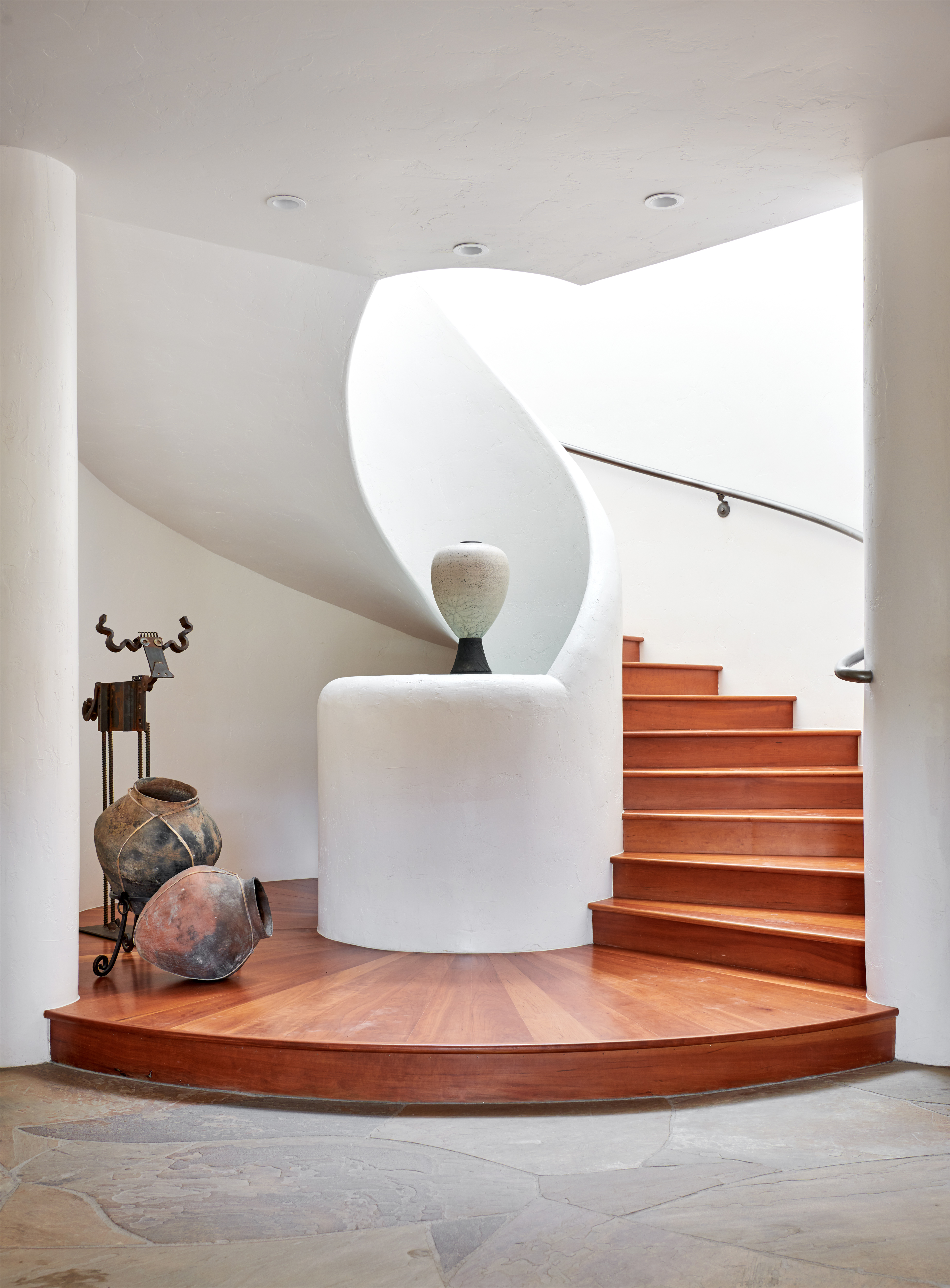
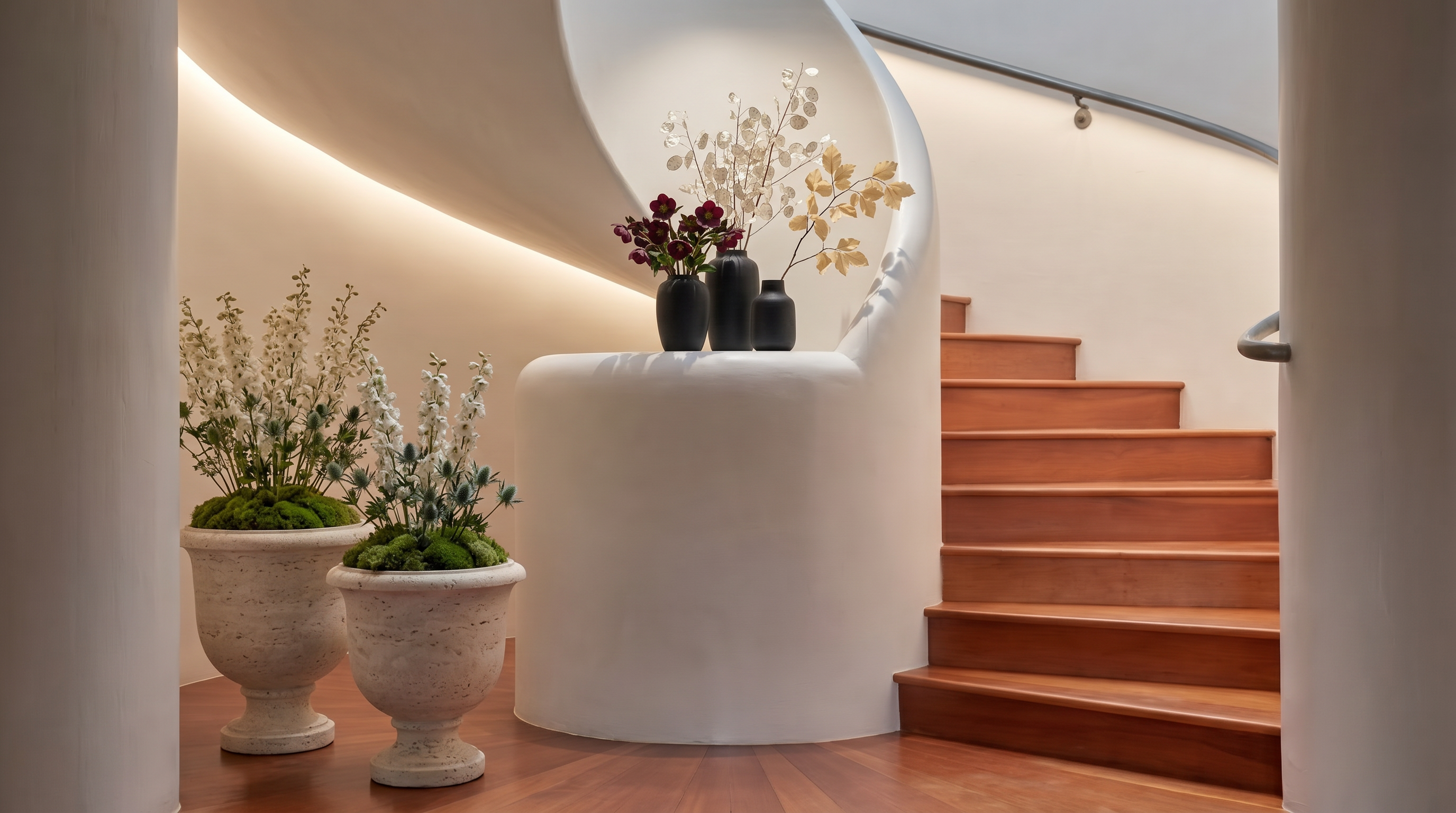
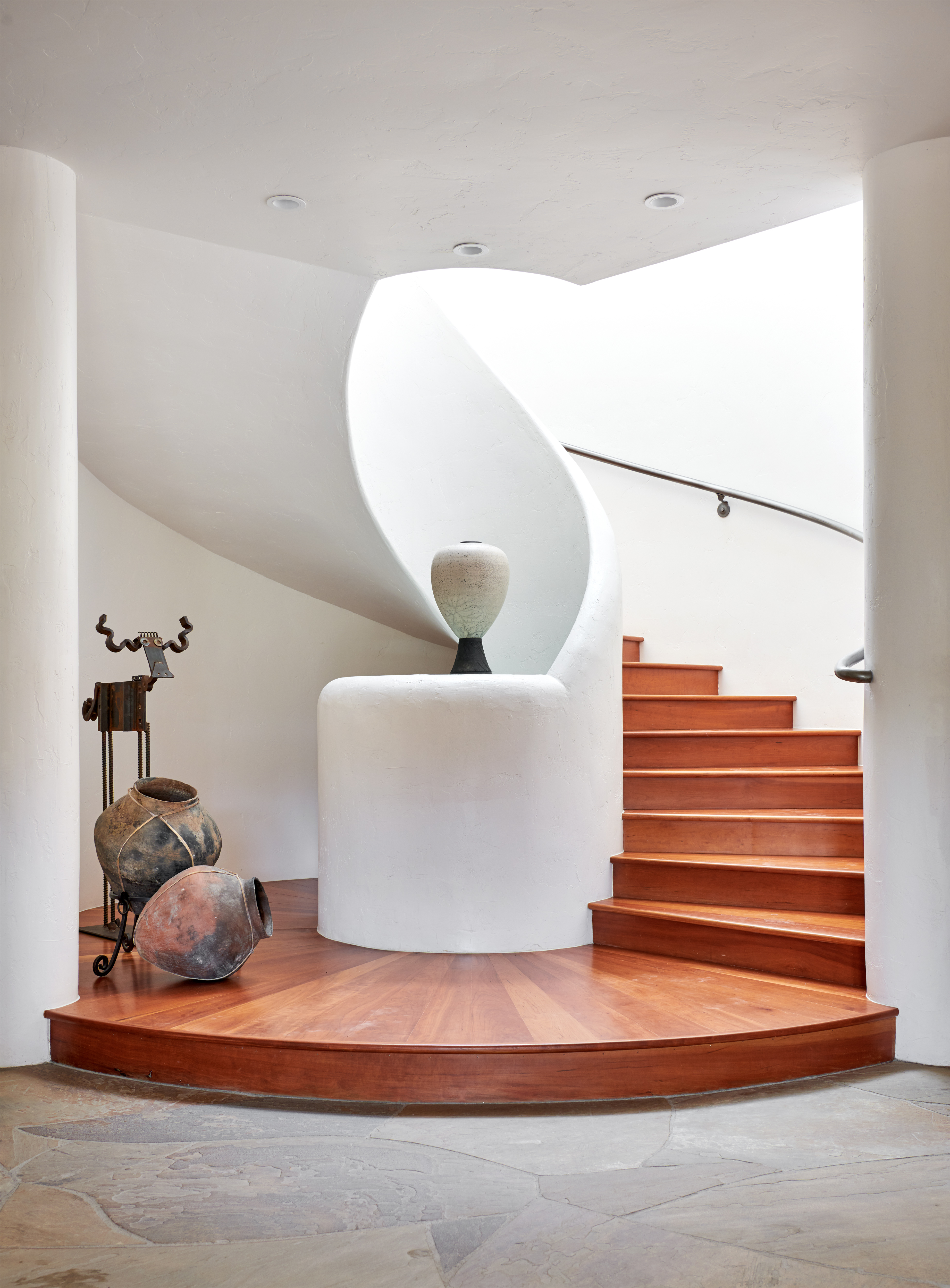
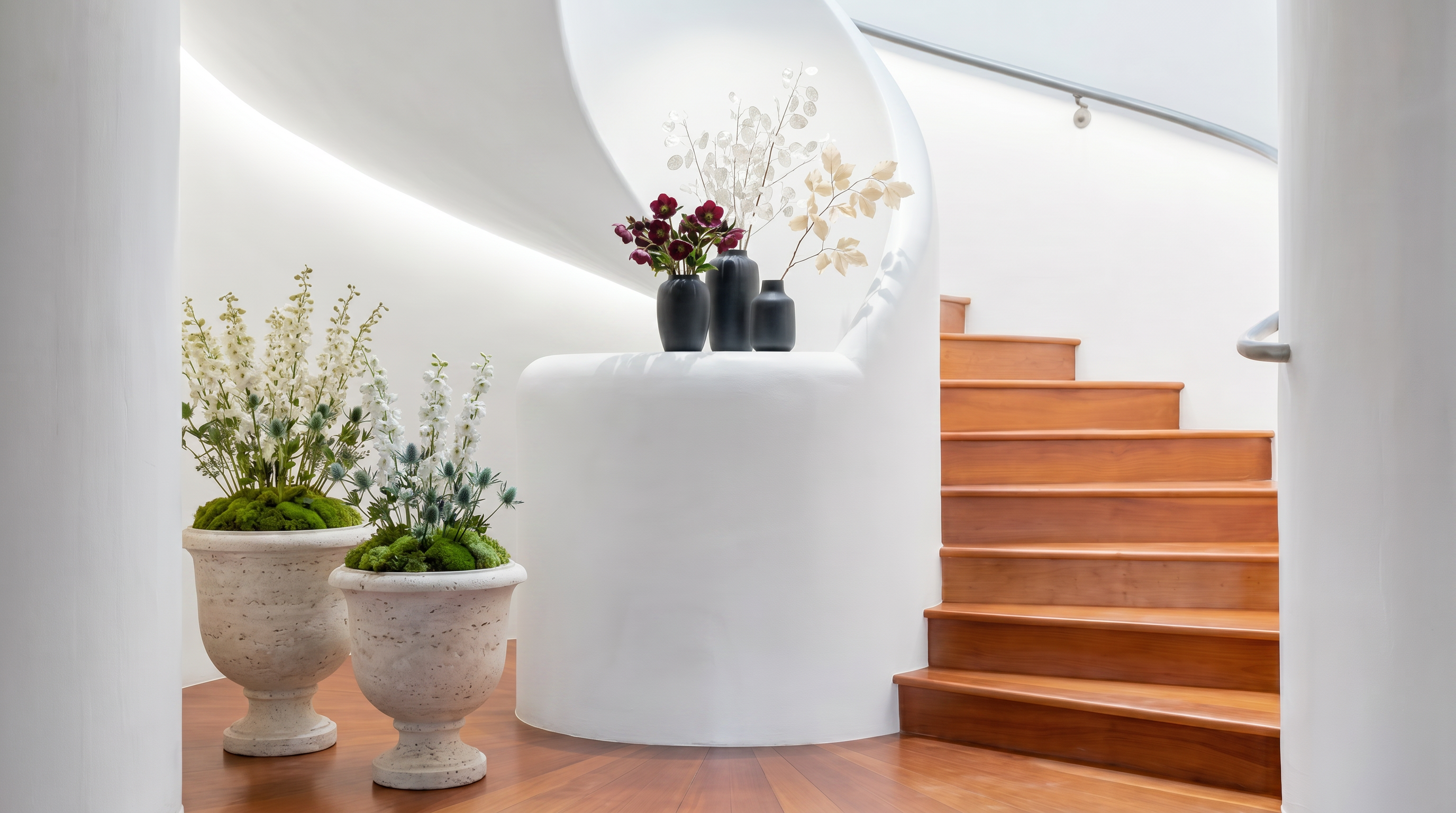
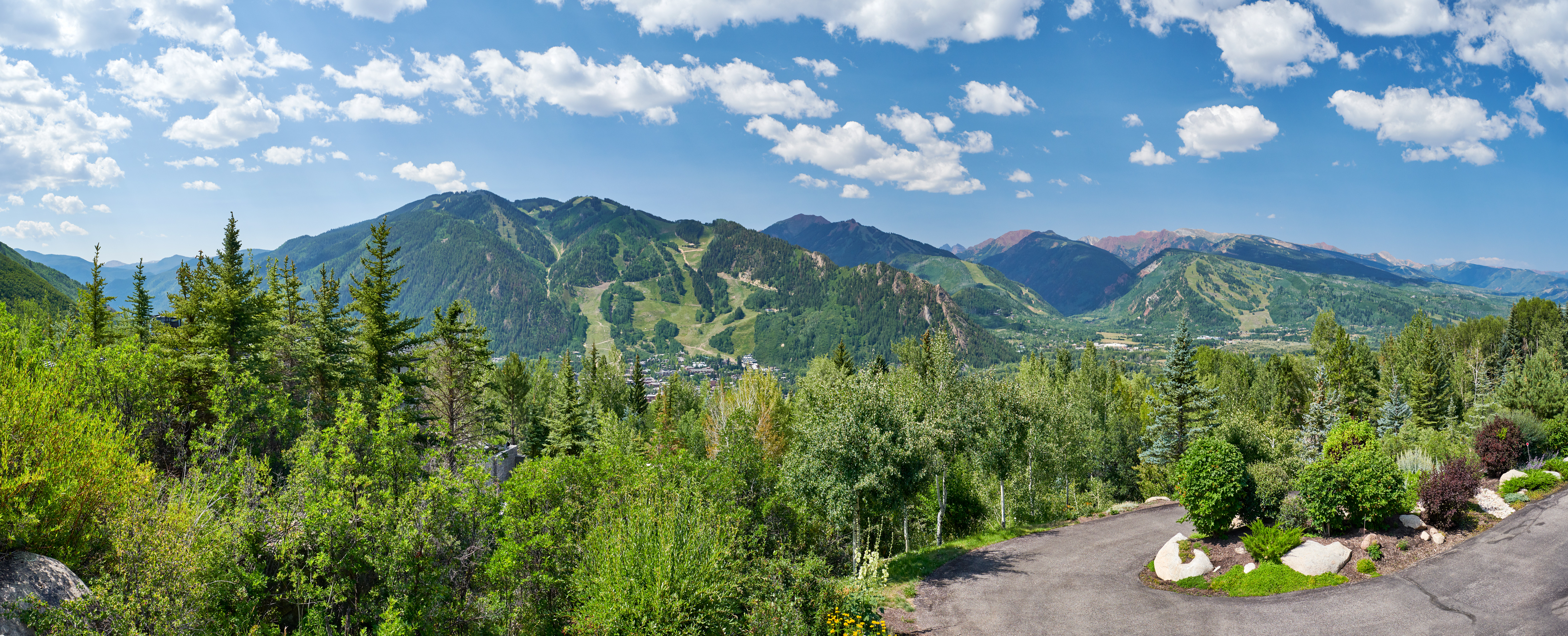
Inside, the architecture opens into generosity. A sculptural curved staircase with warm wood treads ascends through the heart of the home, its smooth white structural wall functioning as both support and artwork. The great room unfolds around a double-sided stone fireplace — a singular feature that anchors the space without closing it, allowing the room to breathe in two directions simultaneously. Floor-to-ceiling windows draw Aspen Mountain directly into frame, dissolving the boundary between interior warmth and alpine wilderness.
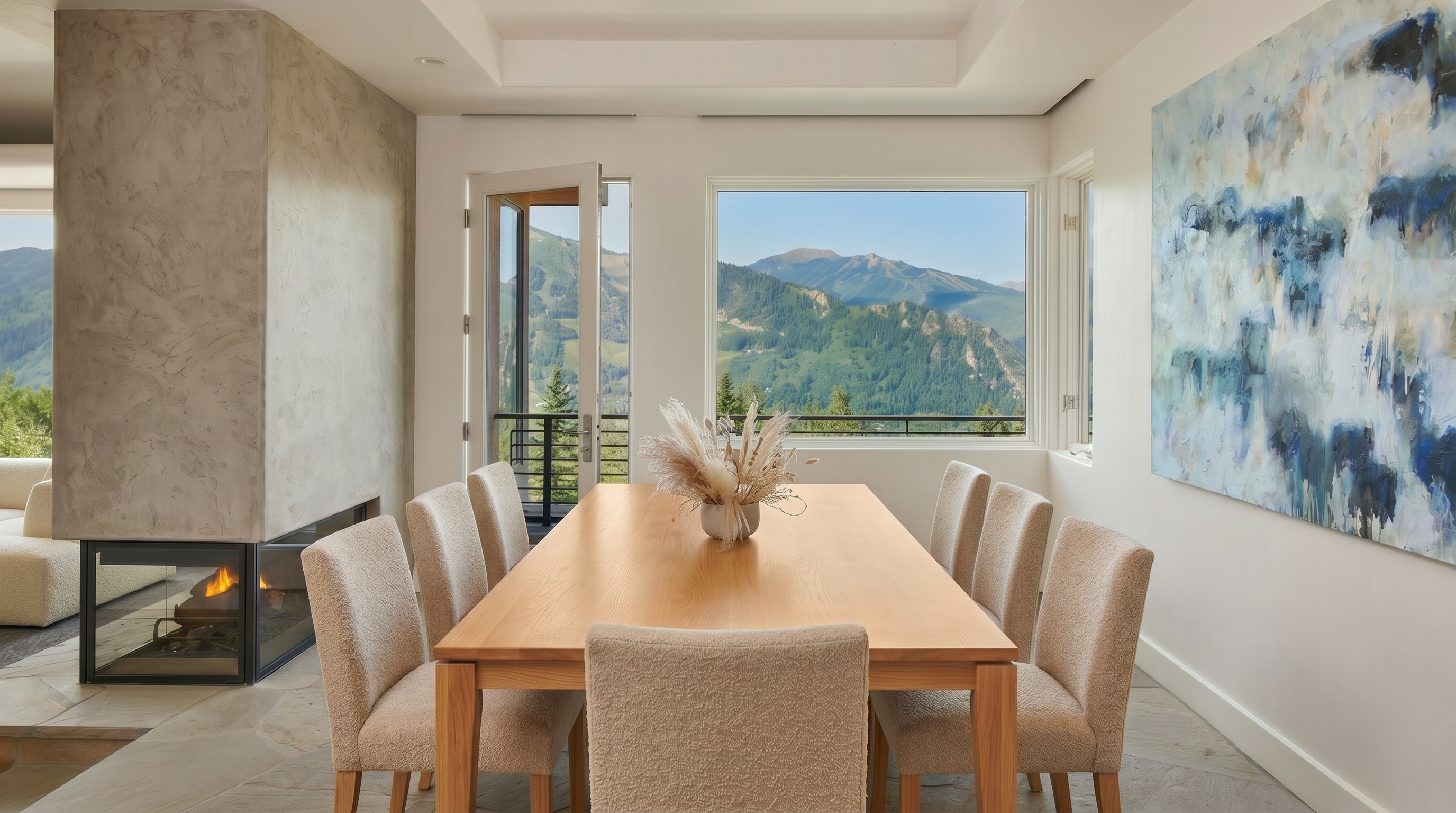
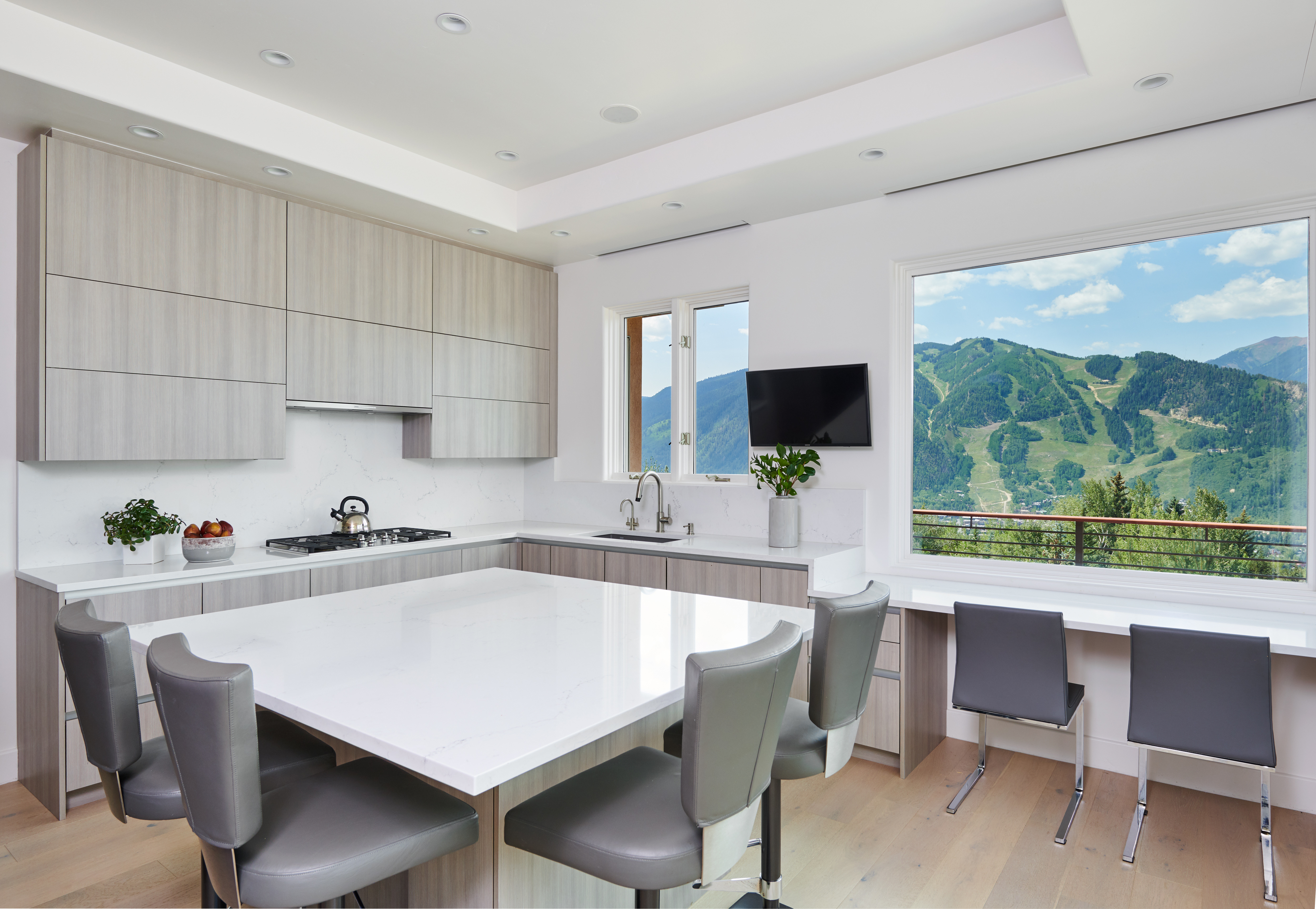
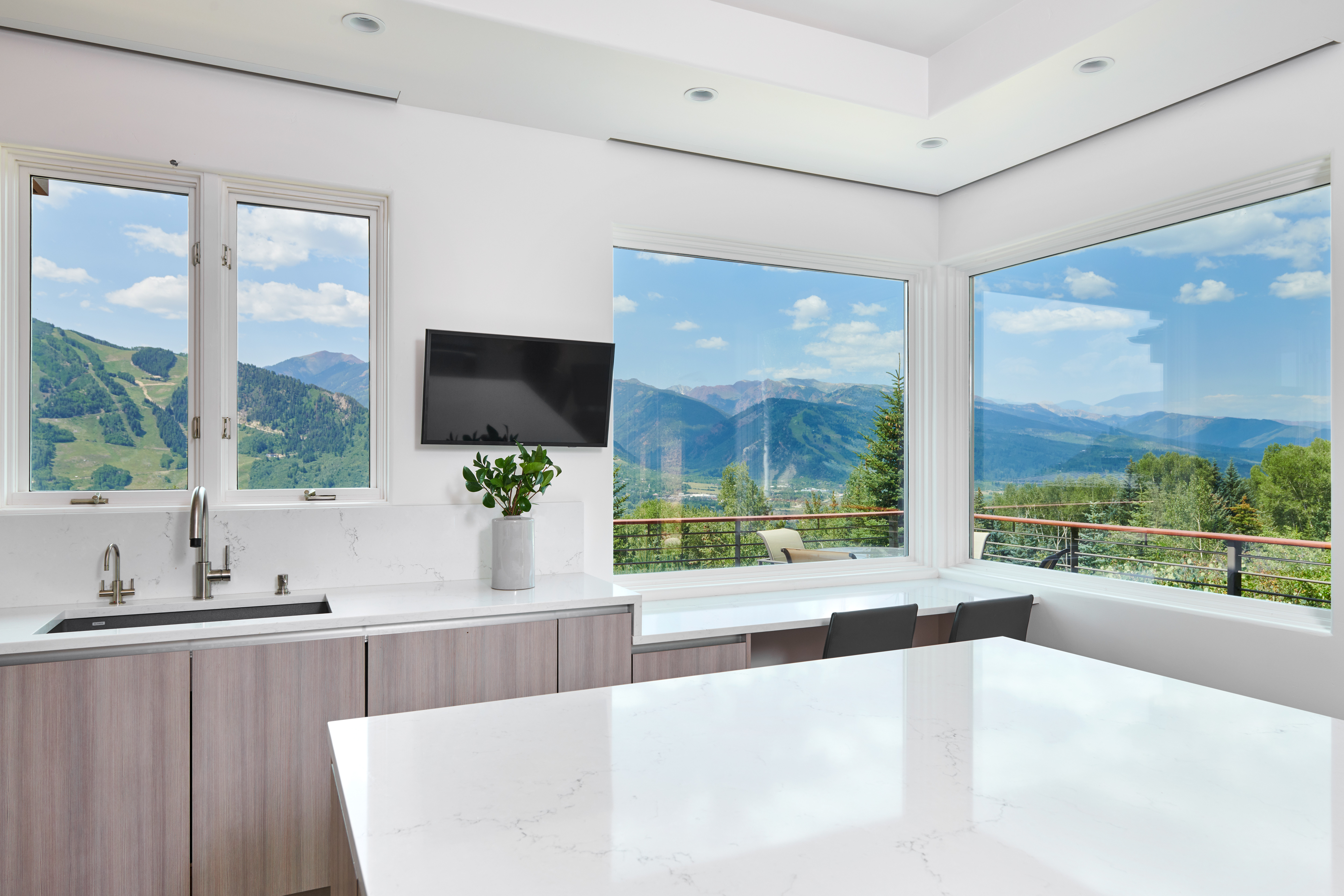
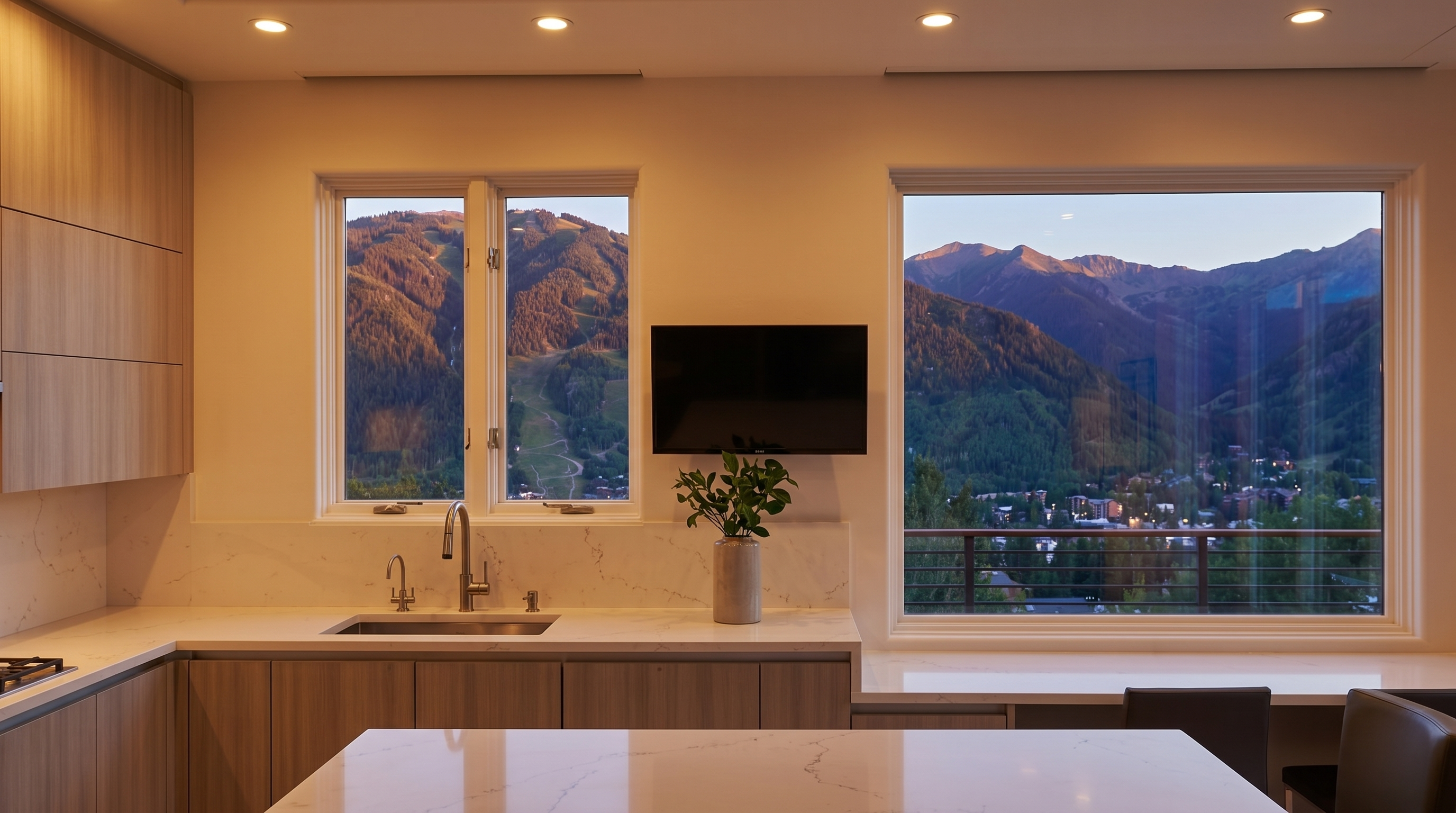
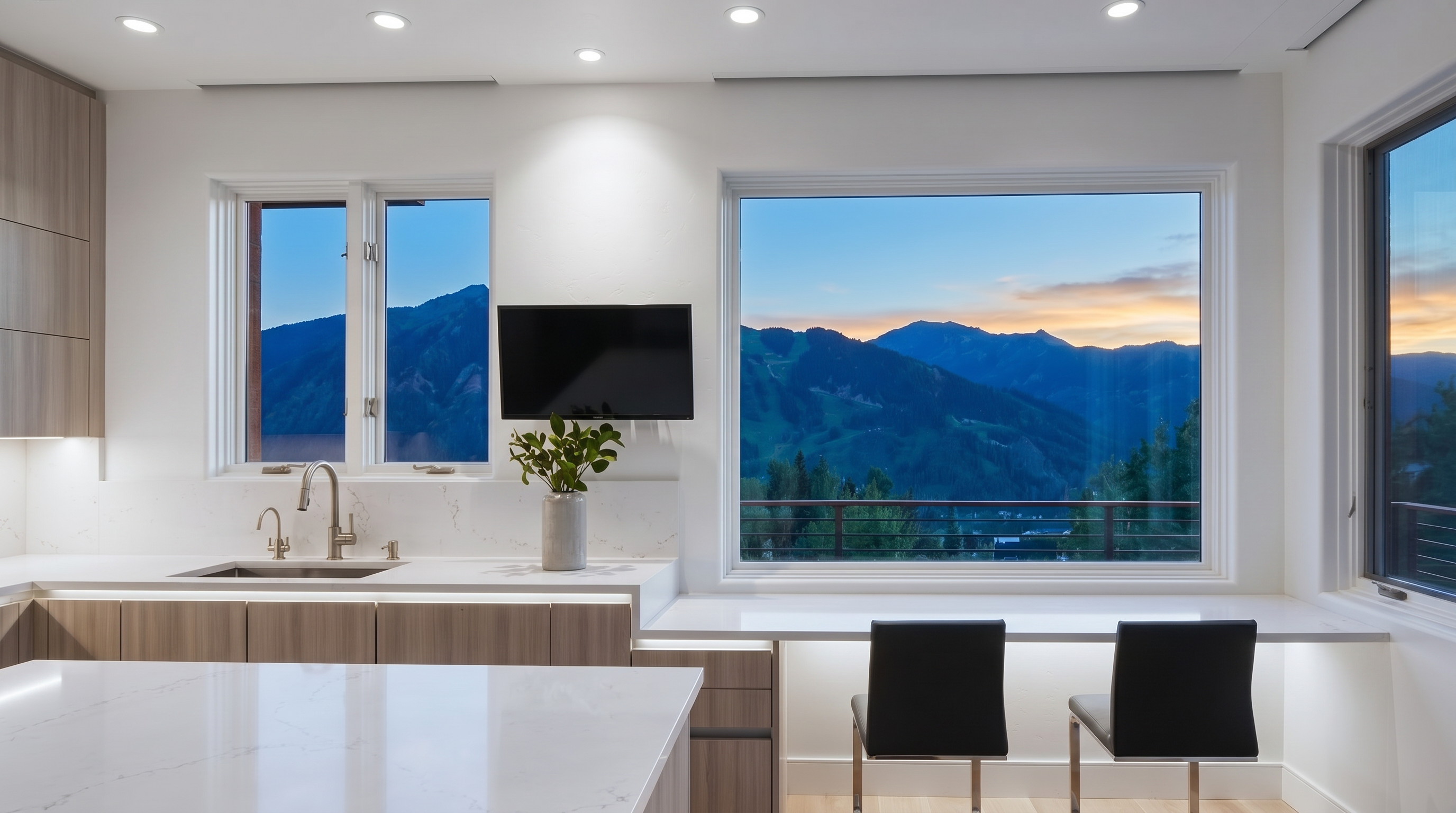
The kitchen is oriented toward a panoramic mountain window, its large island with breakfast bar seating designed less for efficiency than for gathering — for the kind of unhurried mornings that Red Mountain invites. High-end stainless steel appliances and light wood cabinetry with white quartz countertops strike a balance between professional utility and residential ease. An adjacent dining area, framed by sweeping windows, transforms every meal into an occasion shaped by the landscape.
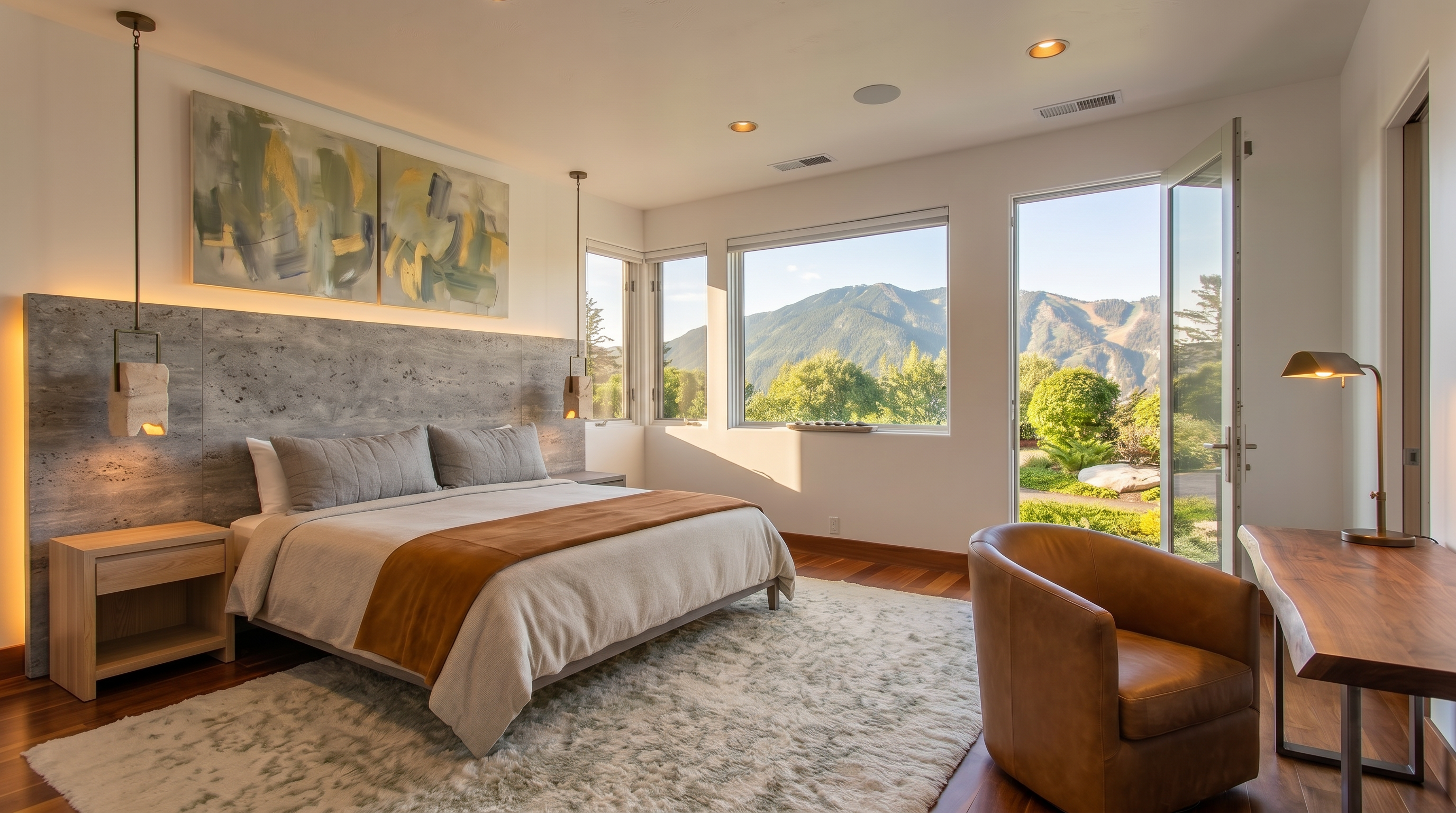
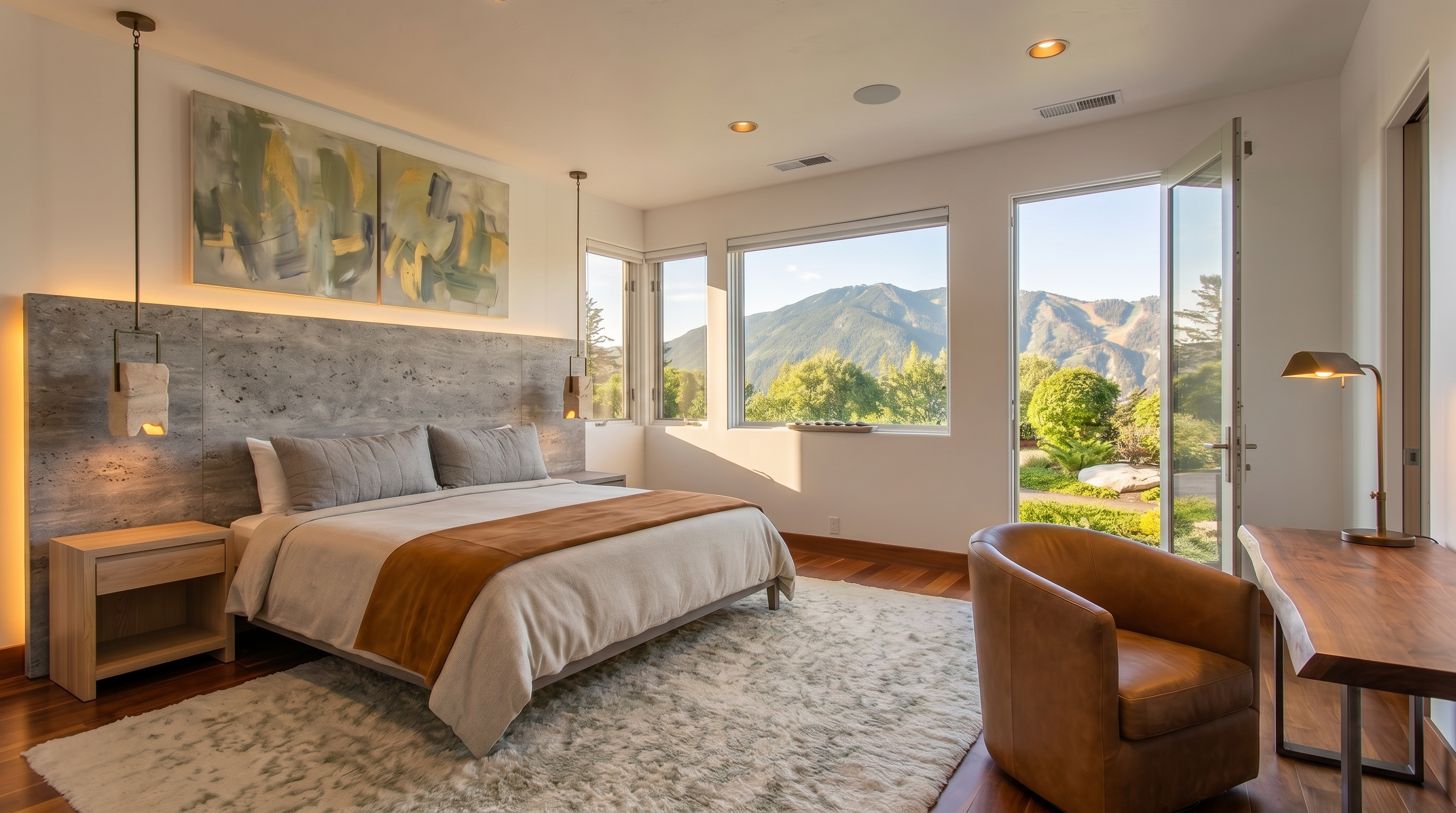
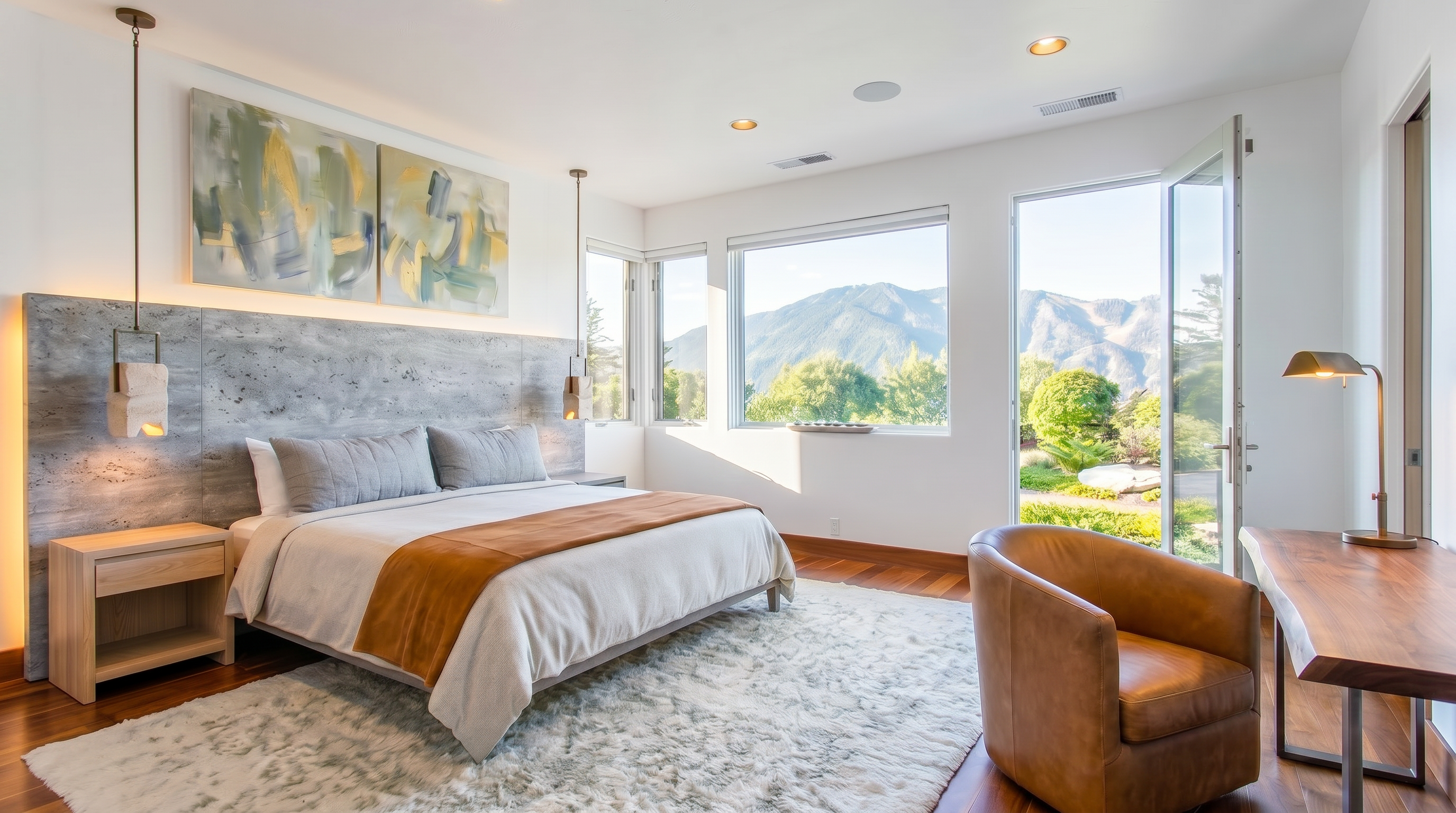
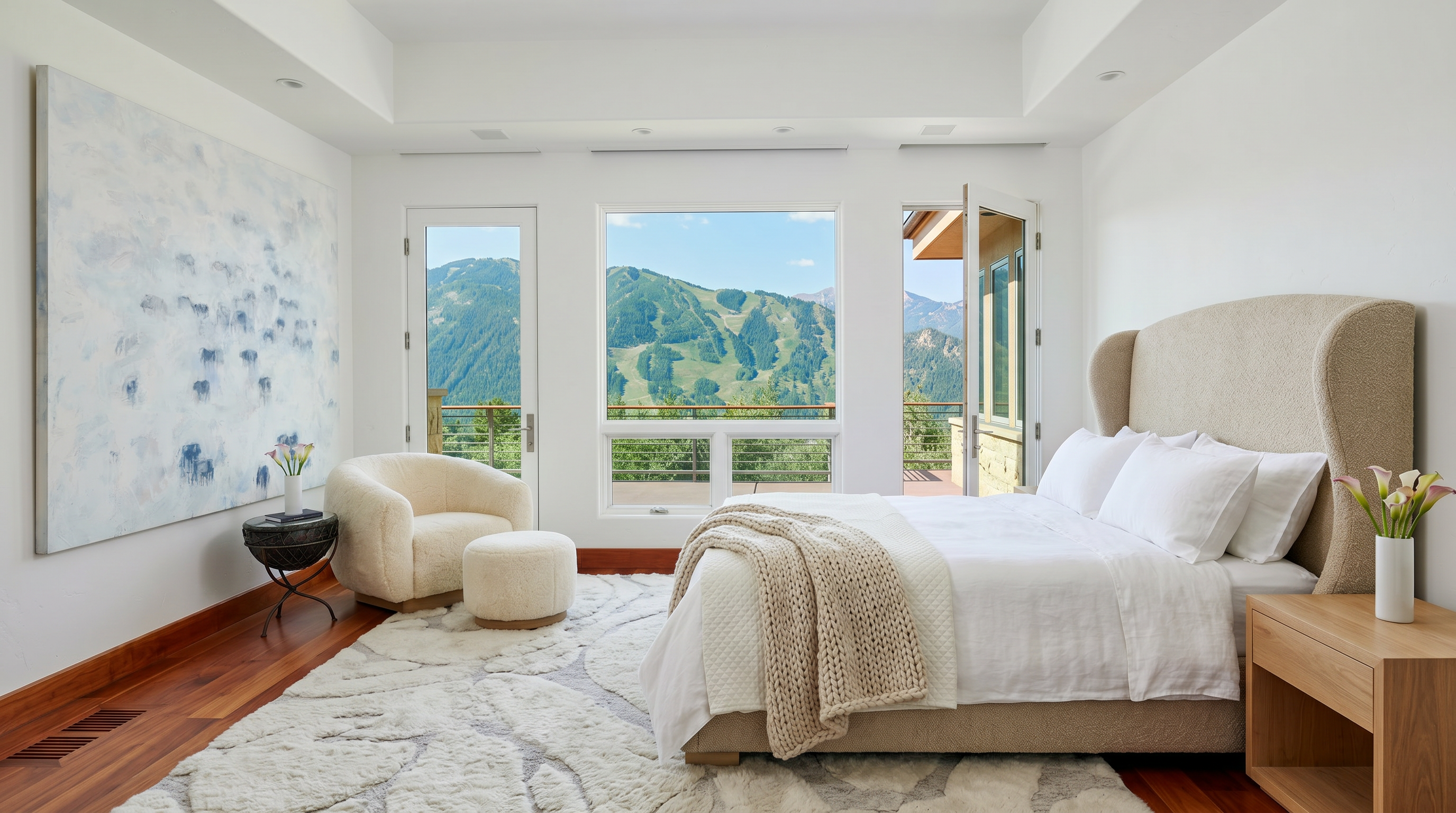
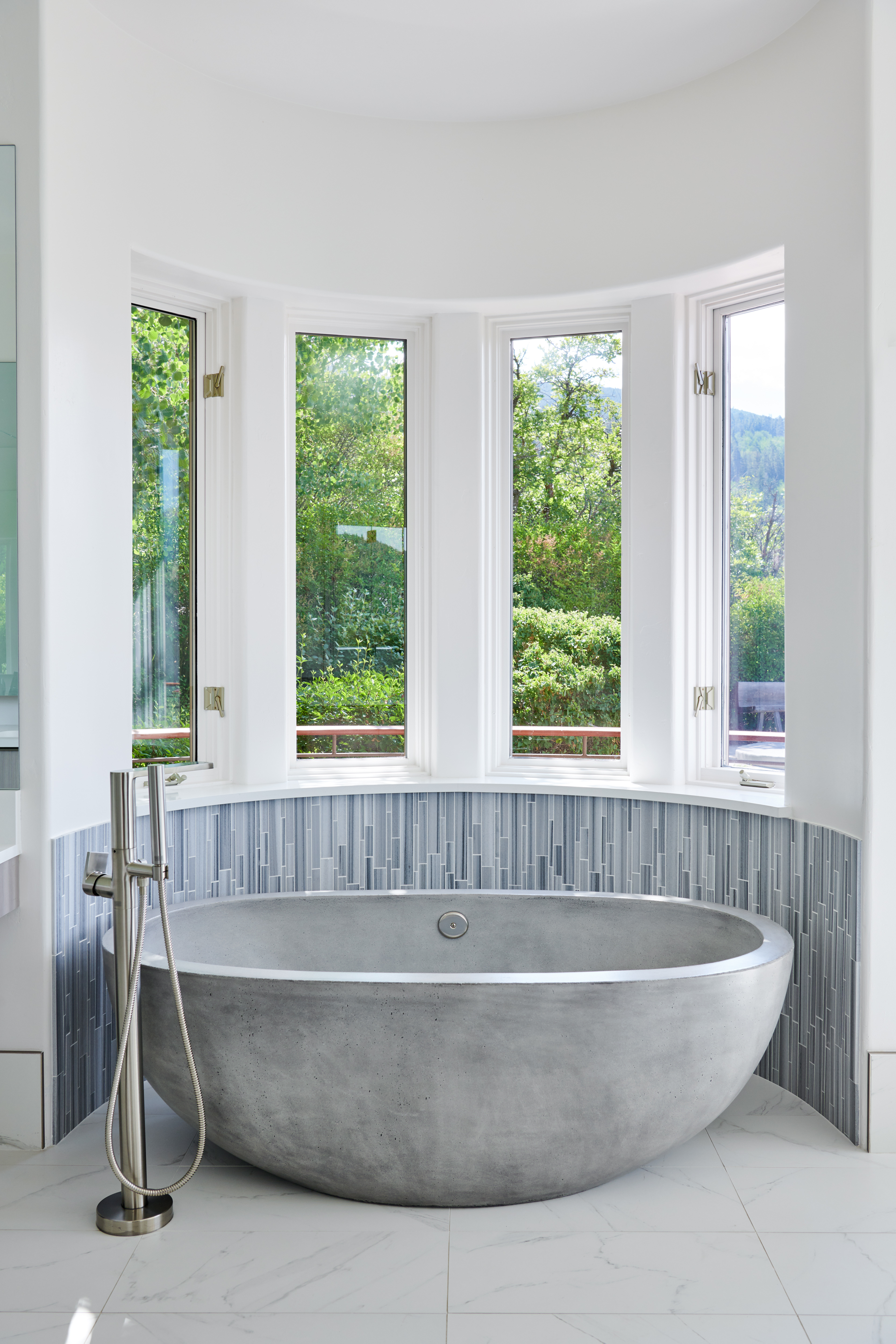
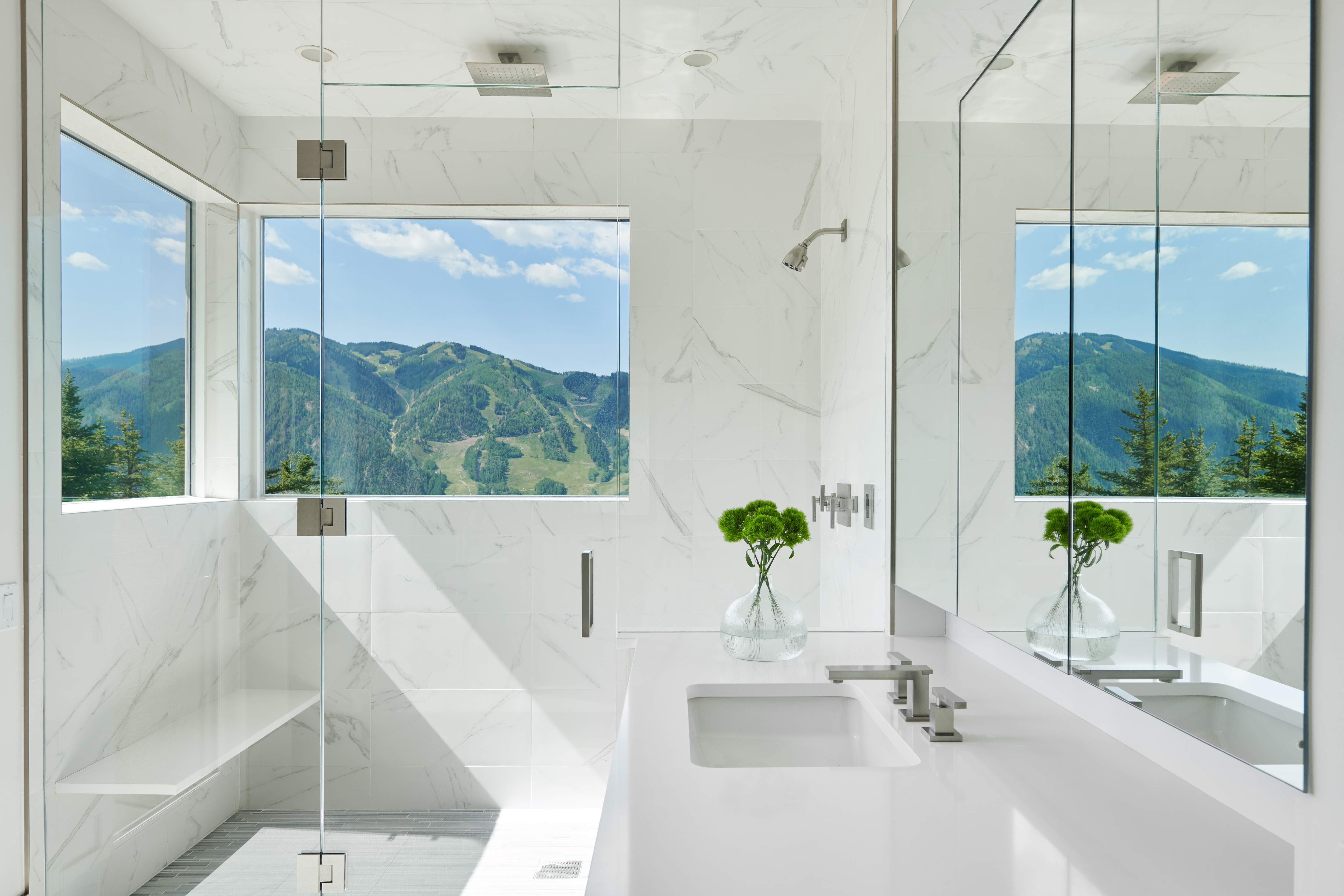
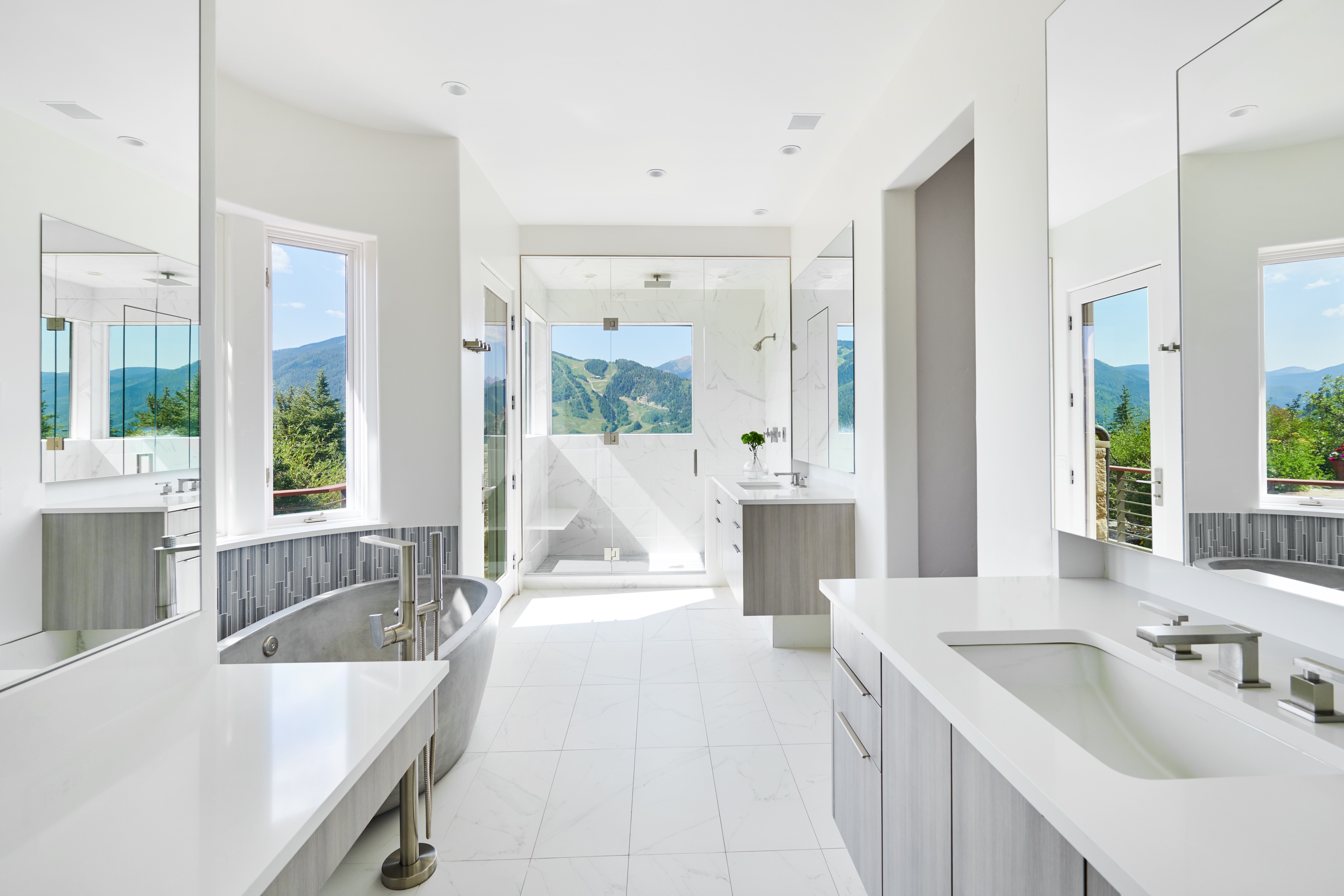
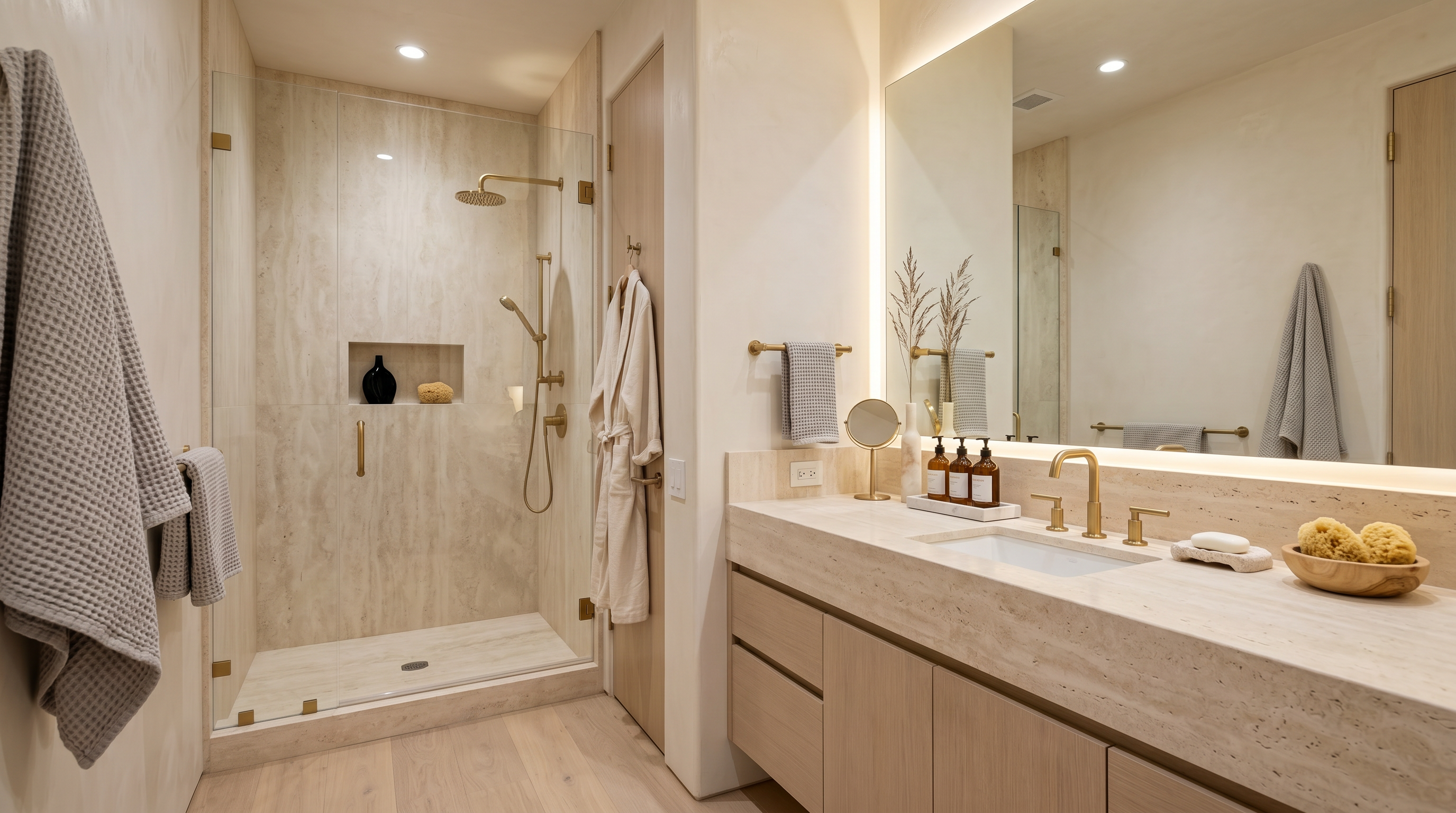
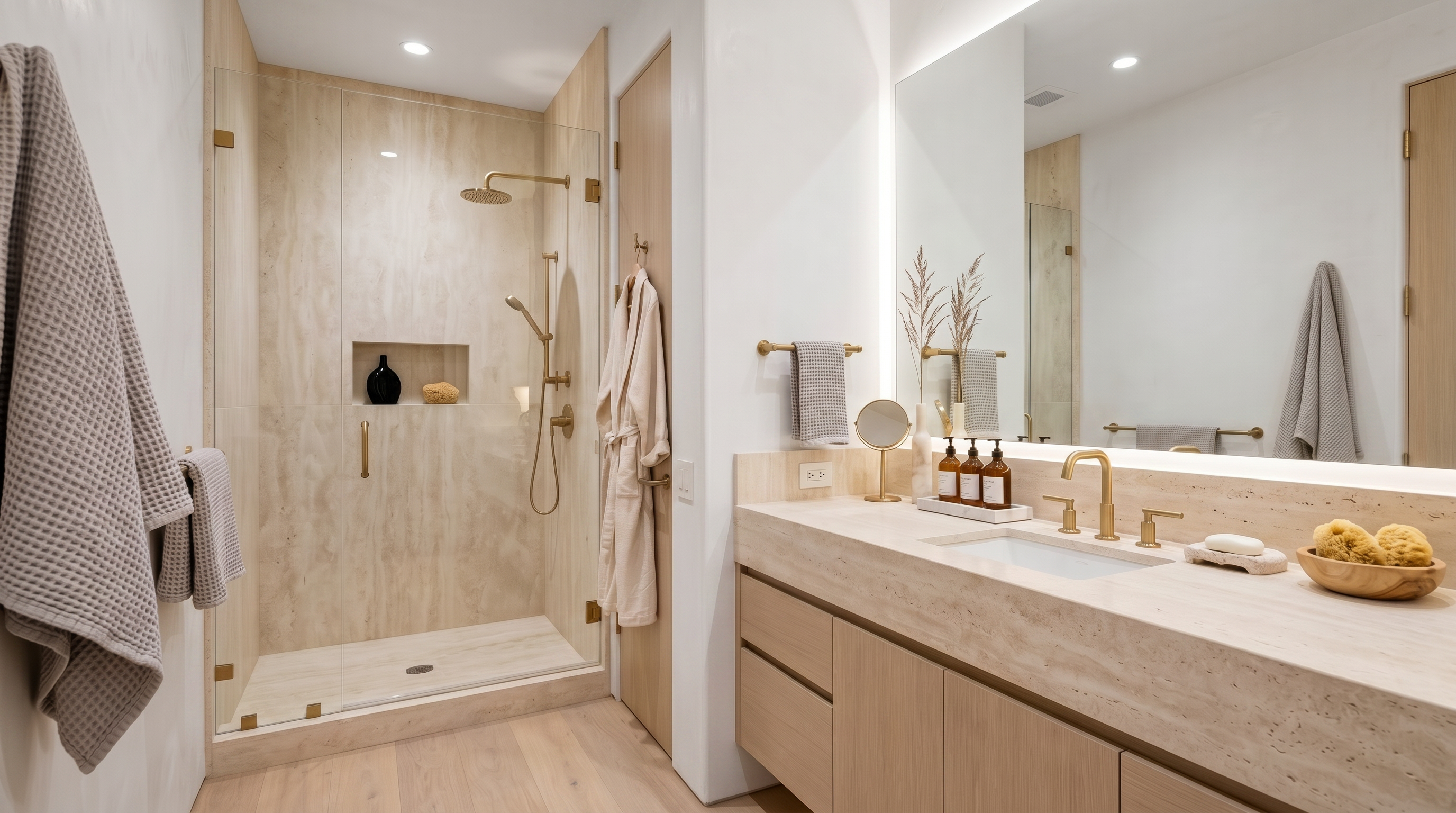
The upper-level primary suite offers hardwood floors, dual walk-in closets, and a private terrace where the full arc of the Rockies unfolds without interruption. The en-suite is spa-worthy in the truest sense: a freestanding stone soaking tub sits within a curved bay window alcove, while a frameless glass-enclosed shower opens to mountain views. Dual floating vanities and refined travertine surfaces complete the composition with quiet confidence.
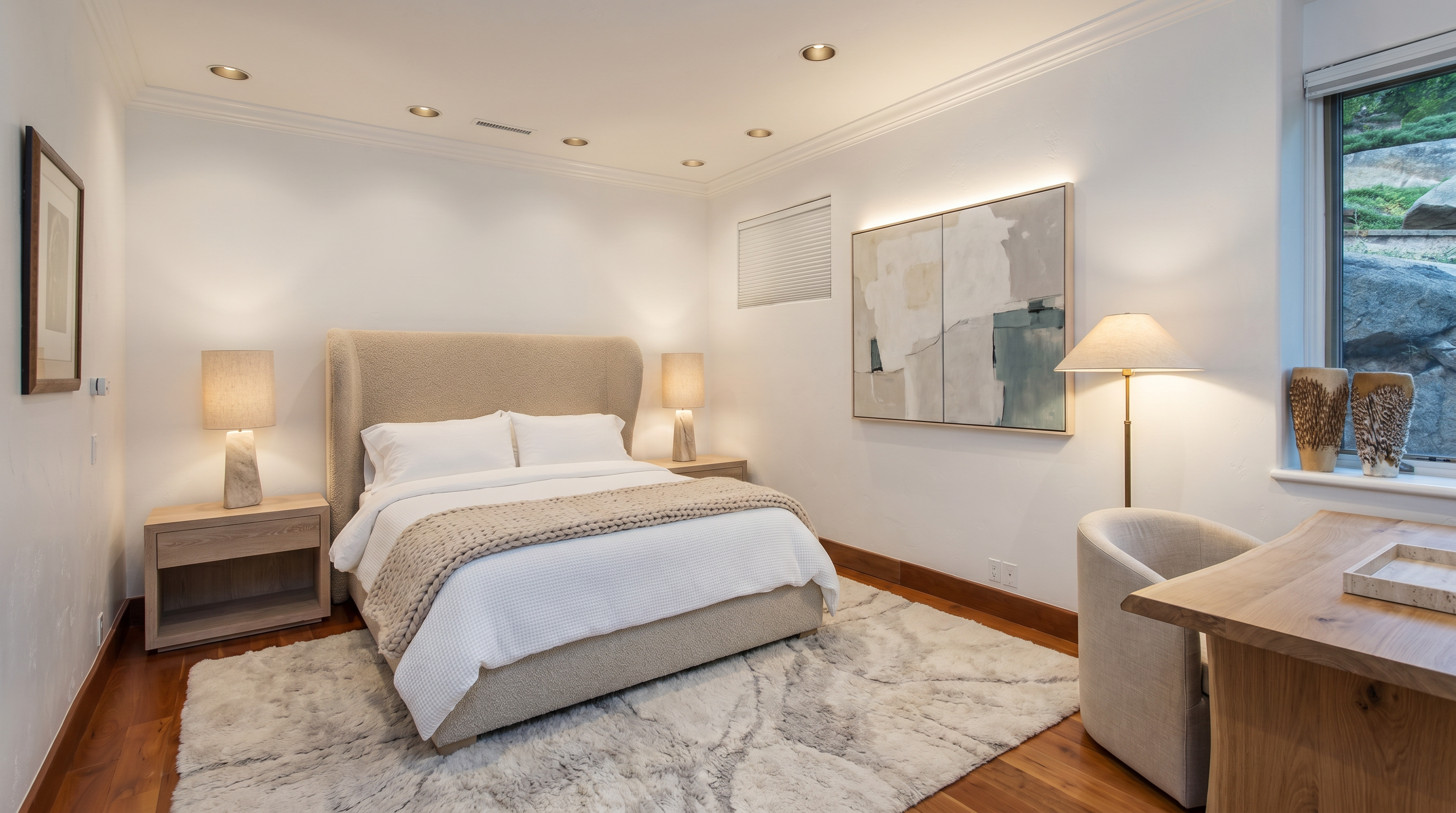
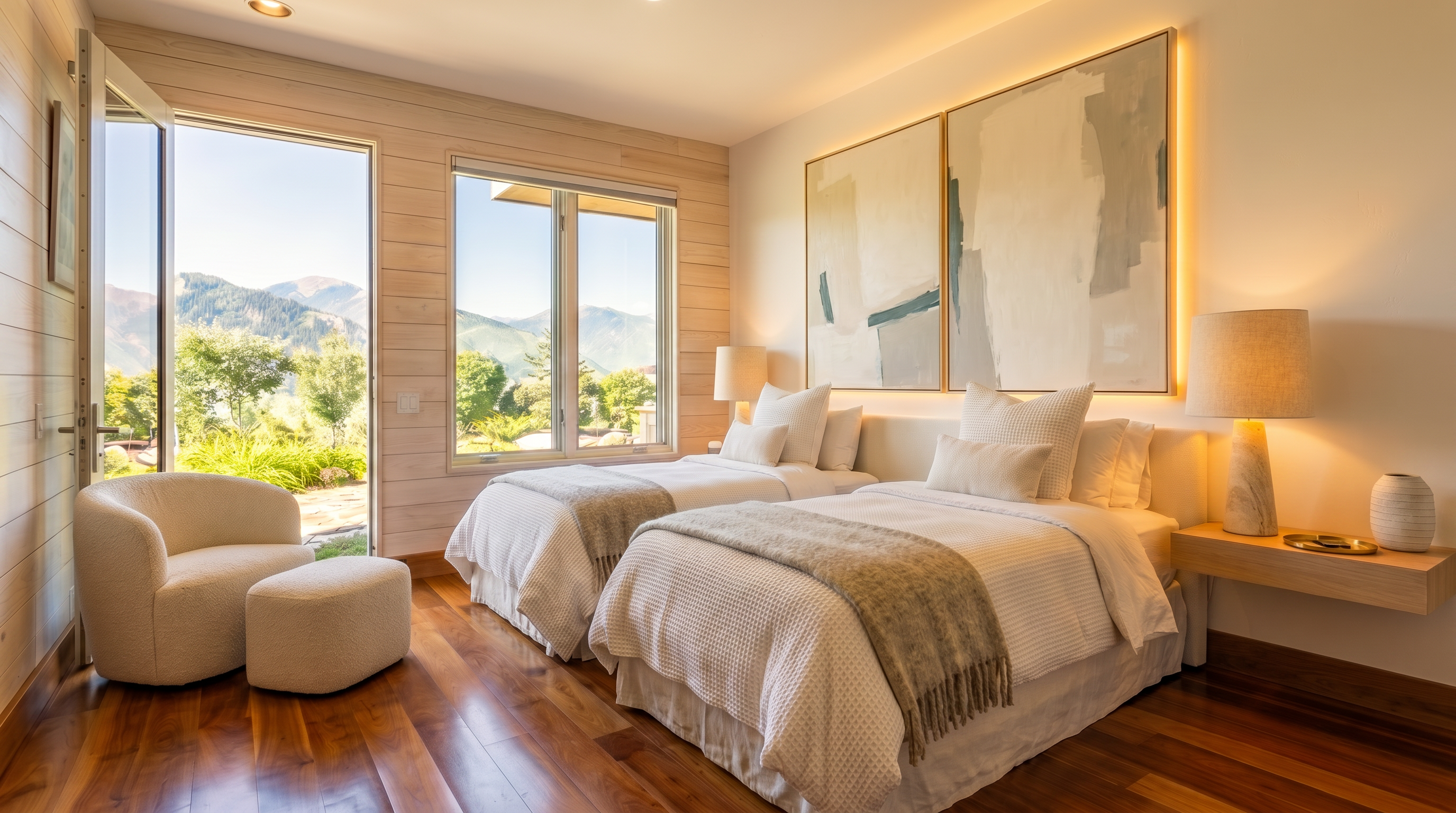
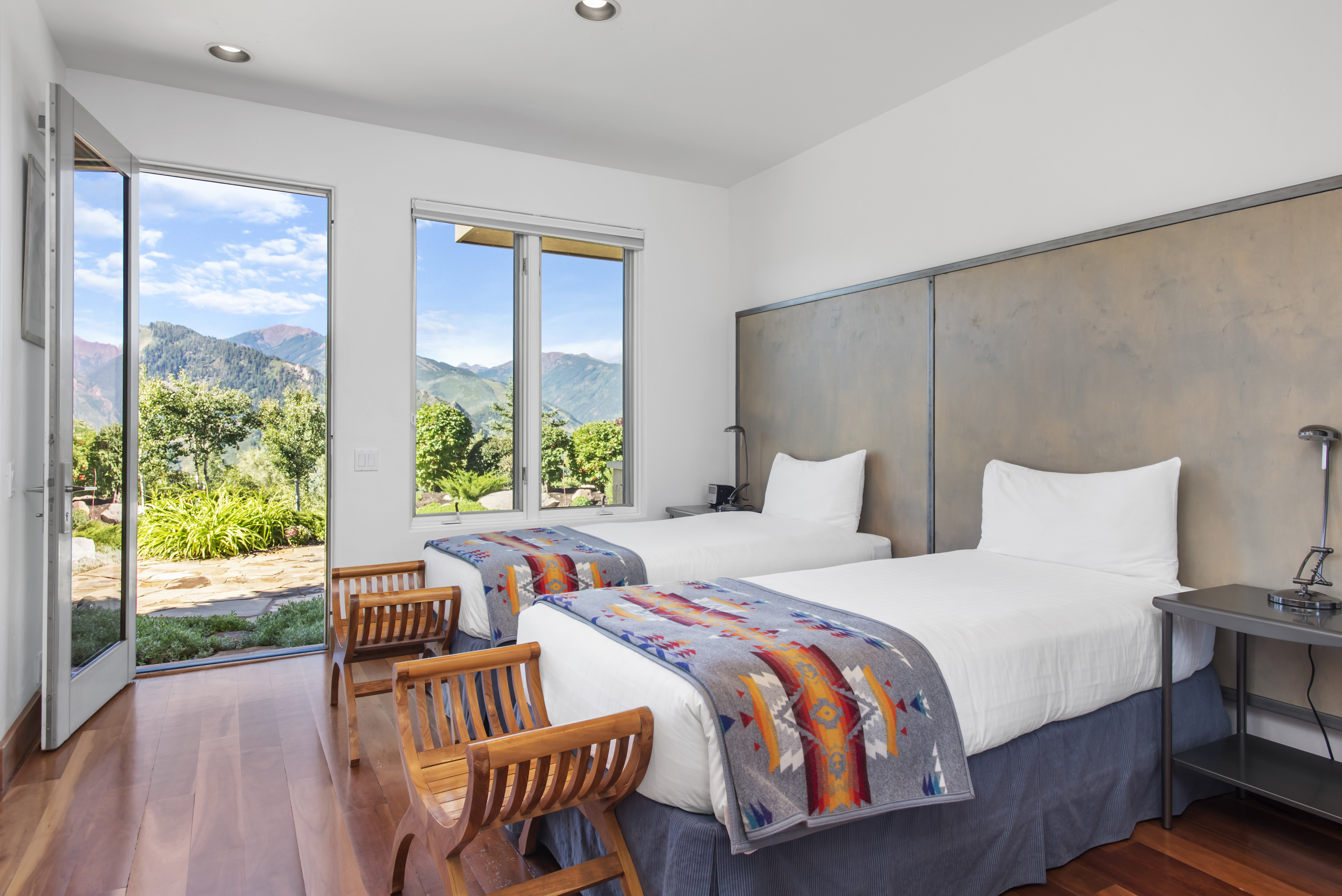
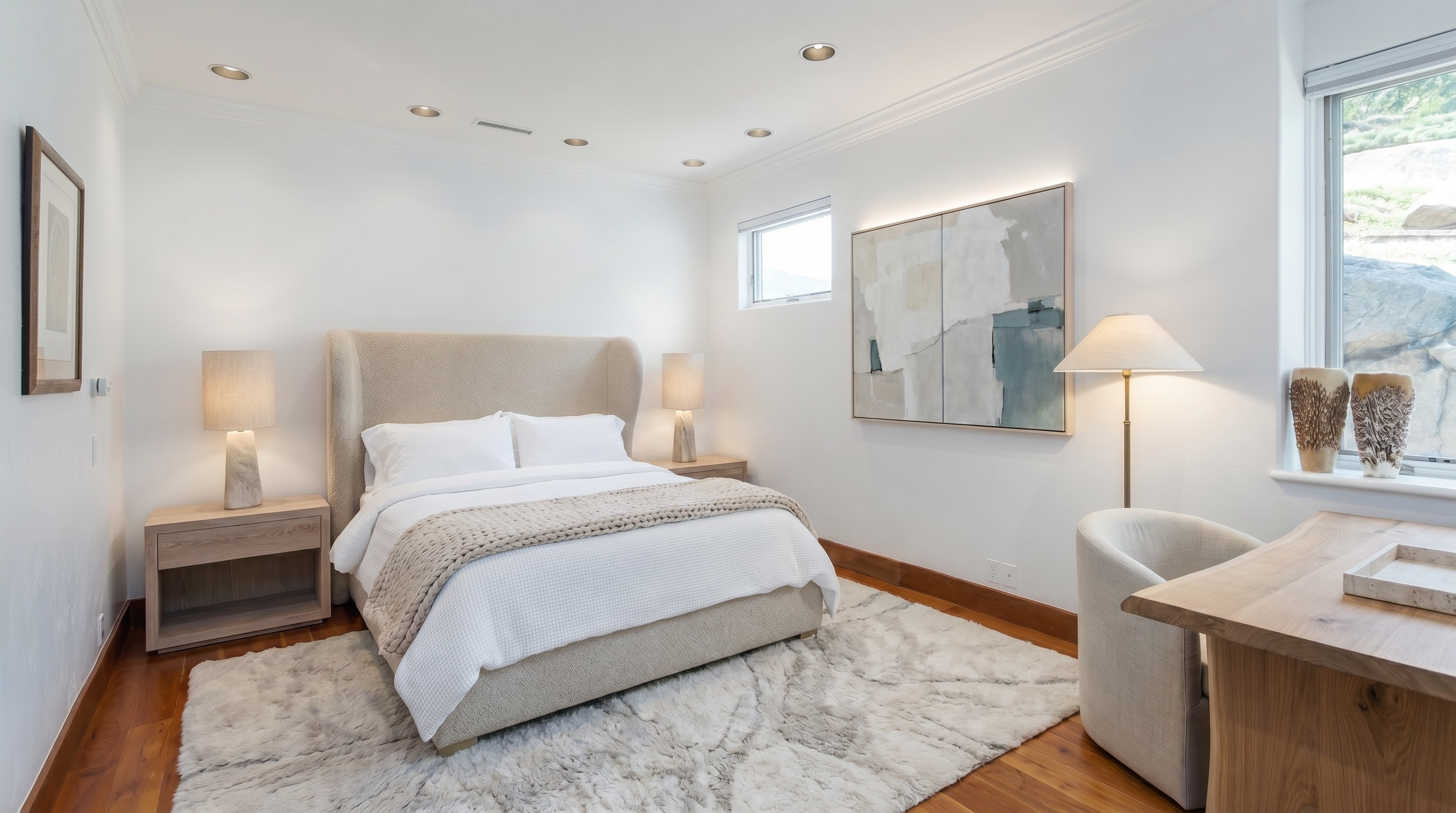
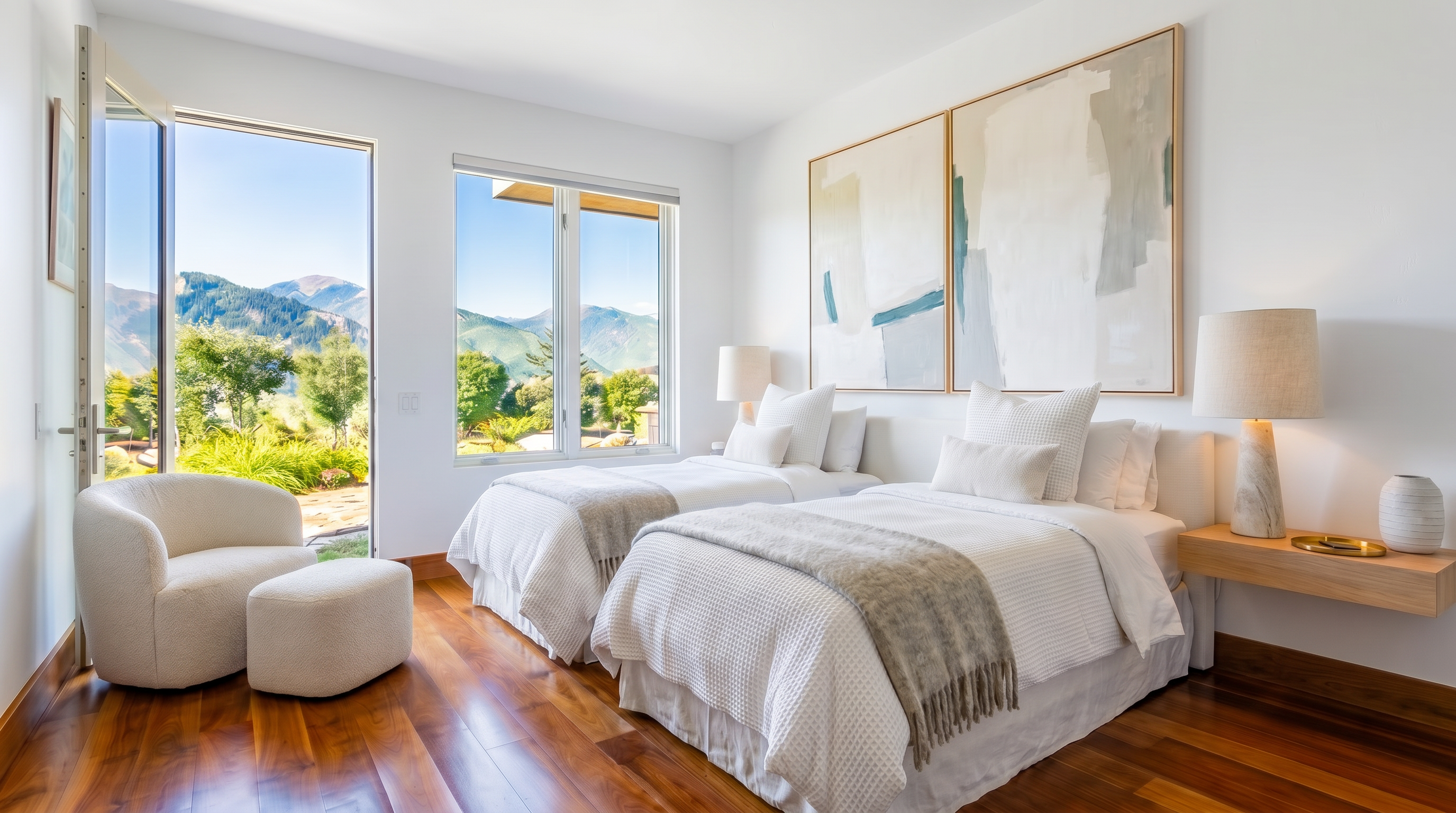
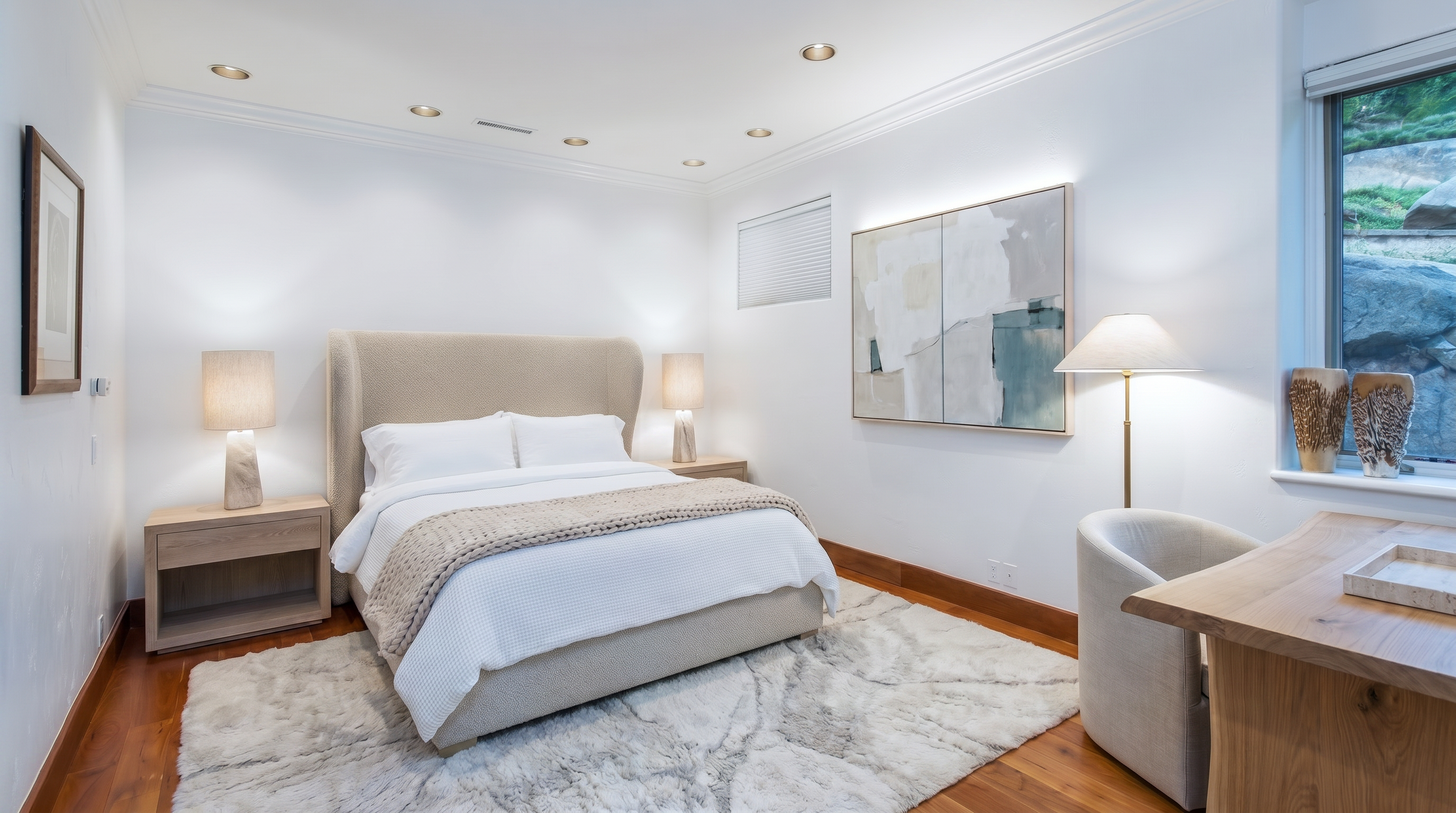
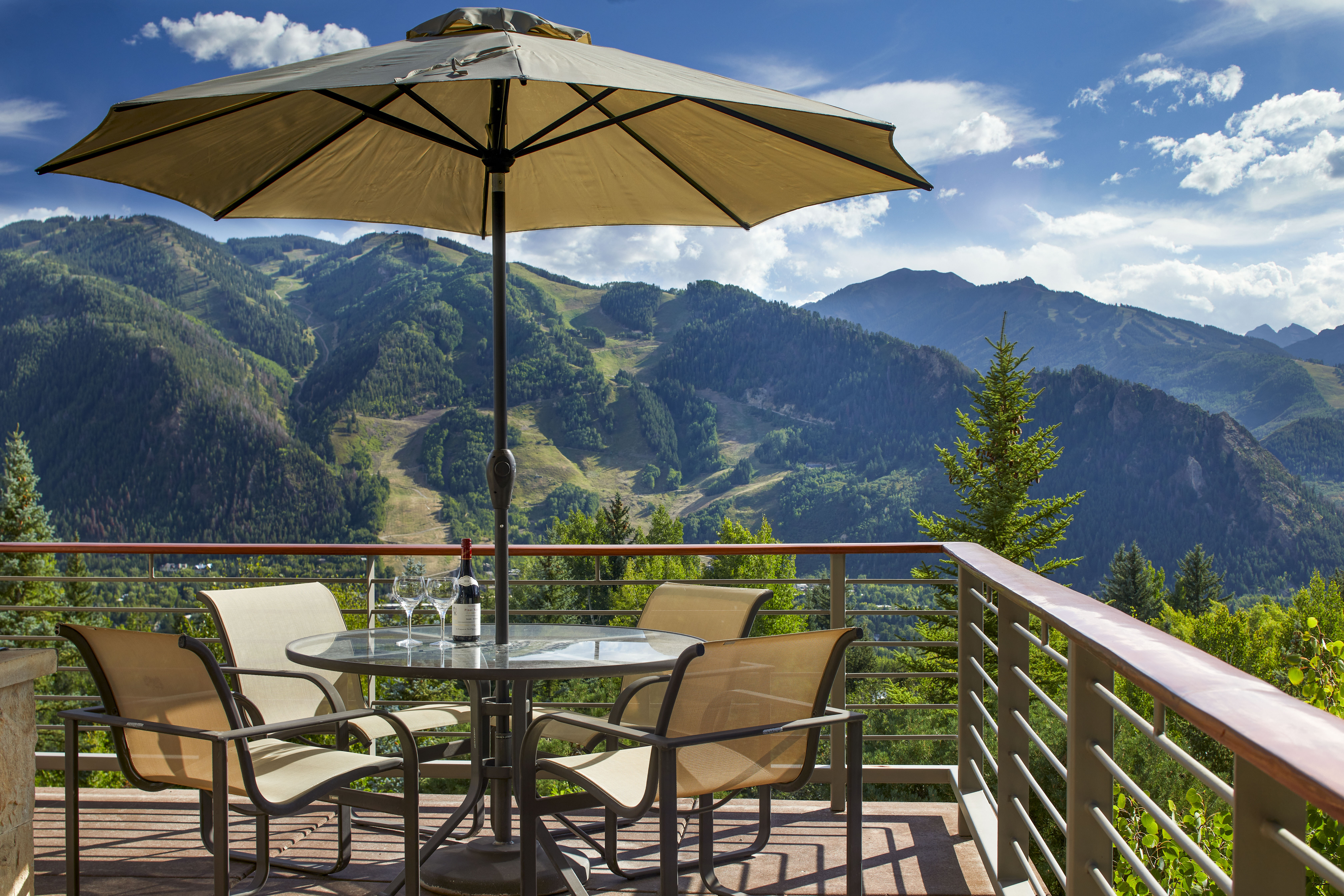
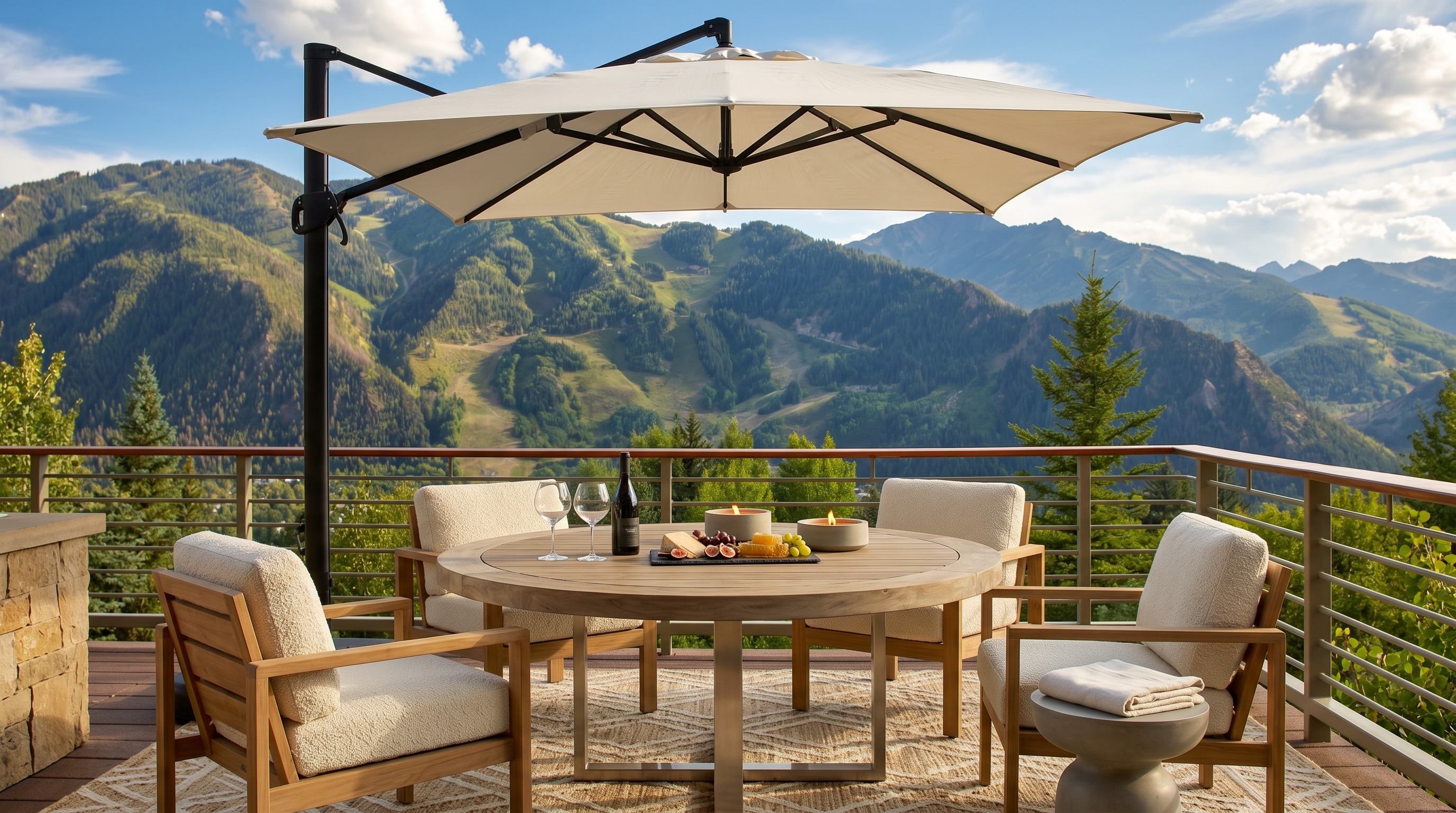
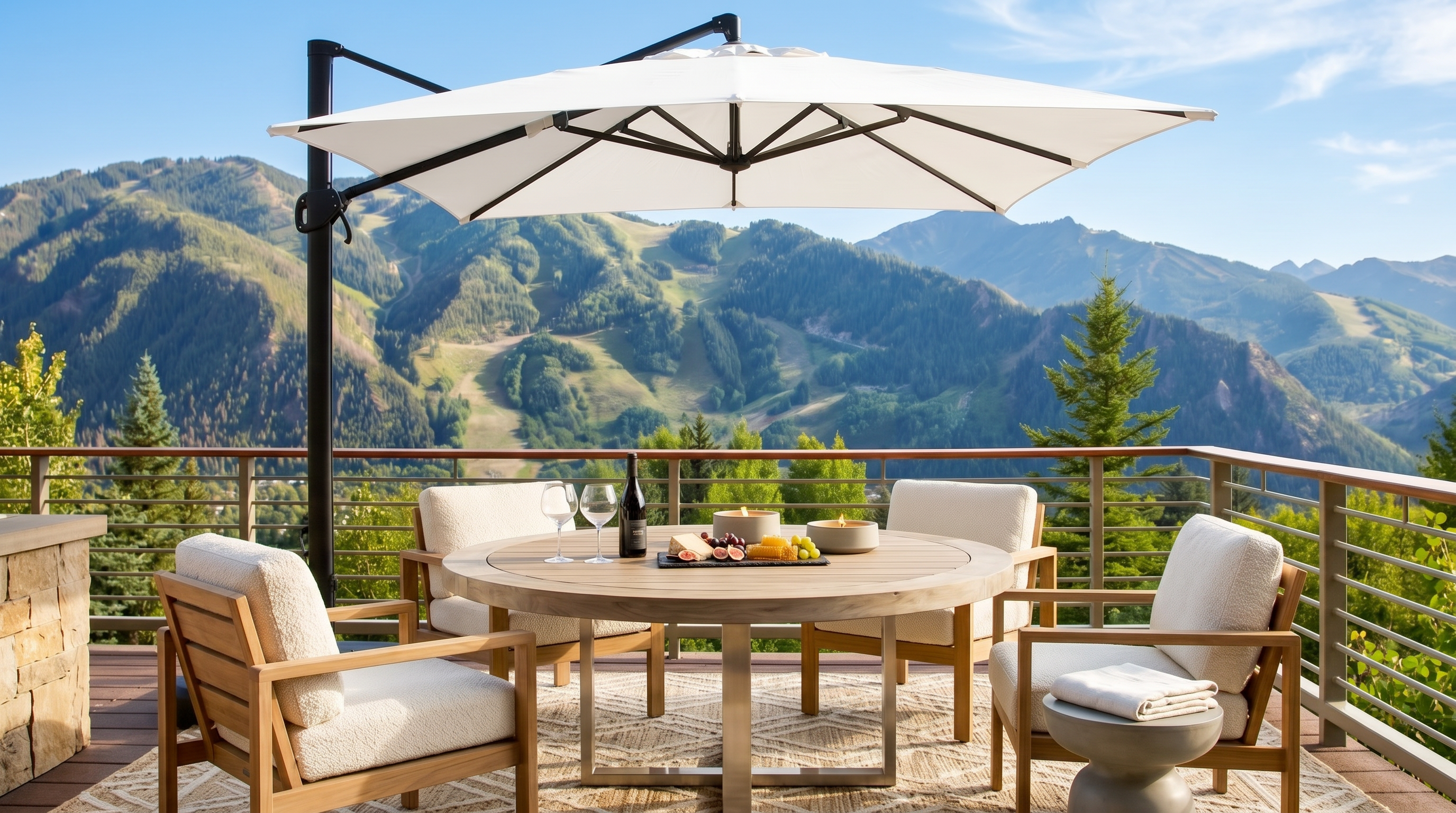
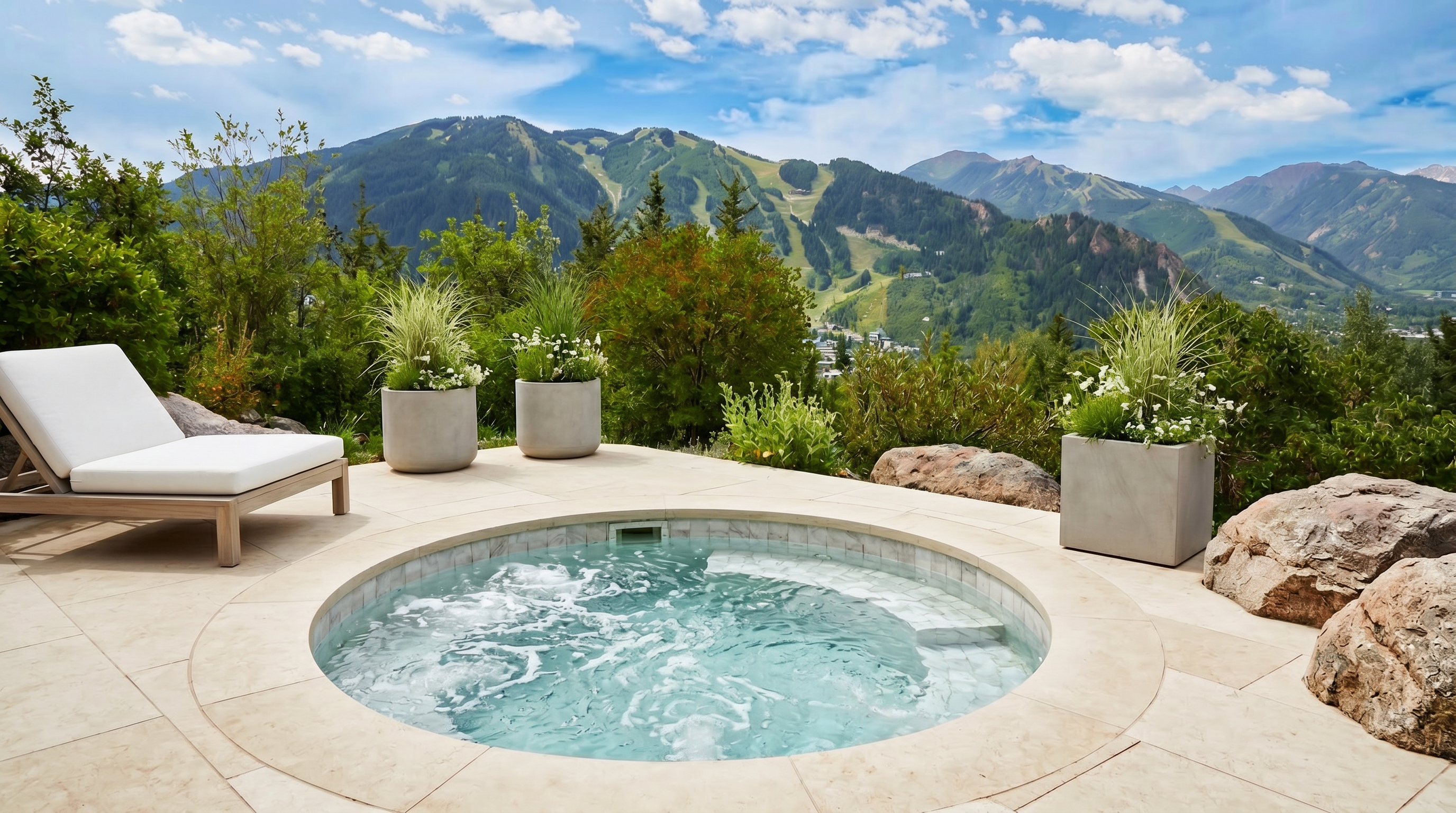
Guest rooms on the lower level each extend directly to the outdoors, offering privacy and seamless access to beautifully landscaped grounds. Tiered decks with metal and wood railings provide distinct spaces for dining, lounging, and reflection. A circular open-air hot tub — positioned to face the sky — invites evenings that linger well past dark. The three-car garage accommodates every seasonal ambition, from ski gear to mountain bikes, with room to spare.
Every element of Night Sky Estate has been chosen with the understanding that great design does not impose — it reveals. Here, it reveals the sky, the mountains, and the particular quality of stillness that only altitude can provide.
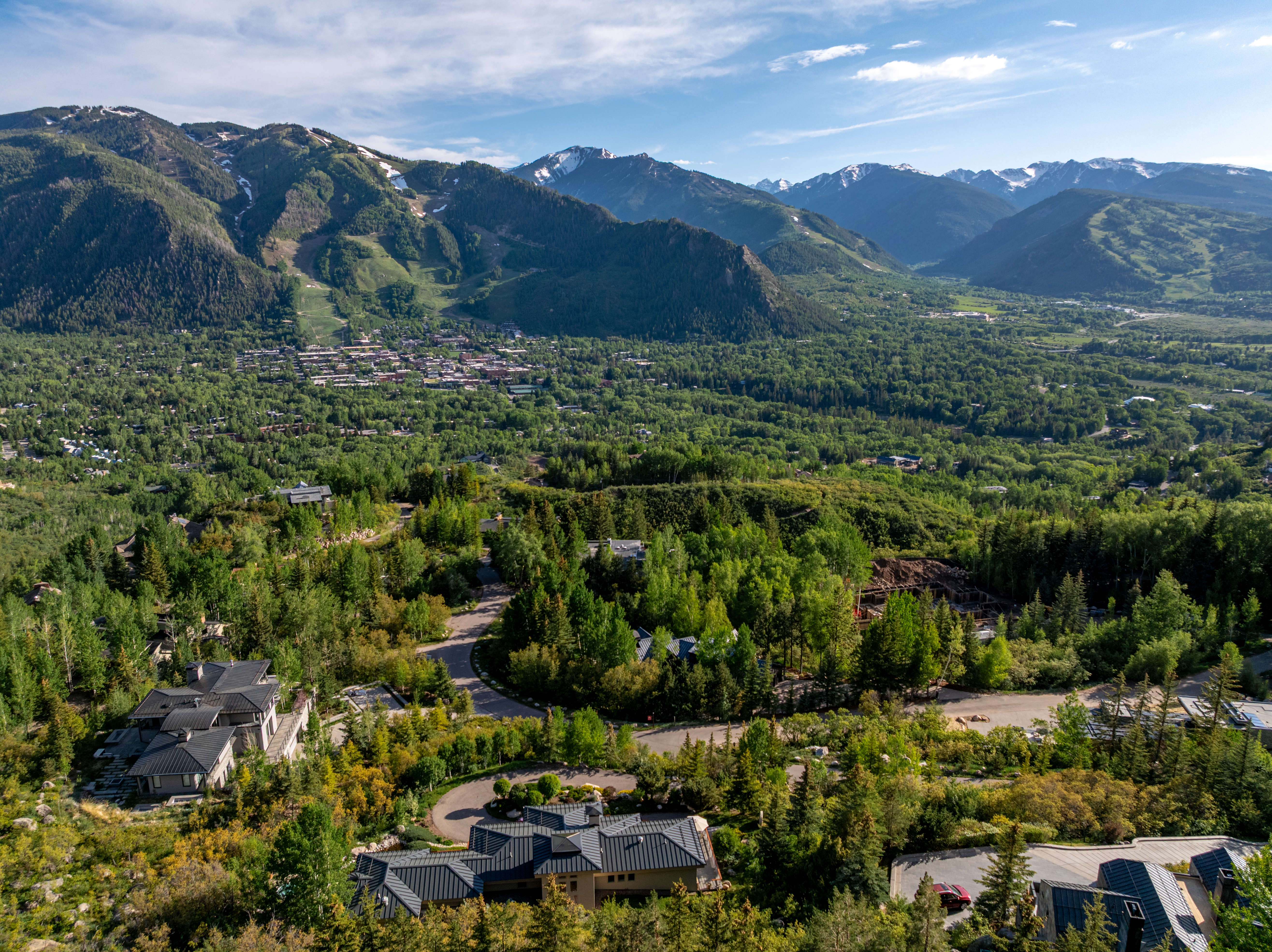
Red Mountain is not a neighborhood in the conventional sense. It is an elevation — both literal and aspirational — that has long attracted those who understand that the finest address in Aspen is the one with the longest view. Rising steeply to the north of downtown, Red Mountain Road winds past some of the most storied private residences in the Roaring Fork Valley, a community defined by discretion, natural beauty, and an unspoken understanding that proximity to wilderness is itself a form of luxury.
Aspen's history is one of remarkable reinvention. Founded as a silver mining camp in the late 1870s, the town survived the collapse of the silver market in 1893 through the vision of figures like Walter Paepcke, who arrived in 1945 and reimagined Aspen as a center for cultural and intellectual life. The Aspen Institute, established in 1950, and the Aspen Music Festival, founded the same year, gave the town a dual identity — world-class mountain resort and serious cultural destination — that it has sustained with remarkable consistency ever since.
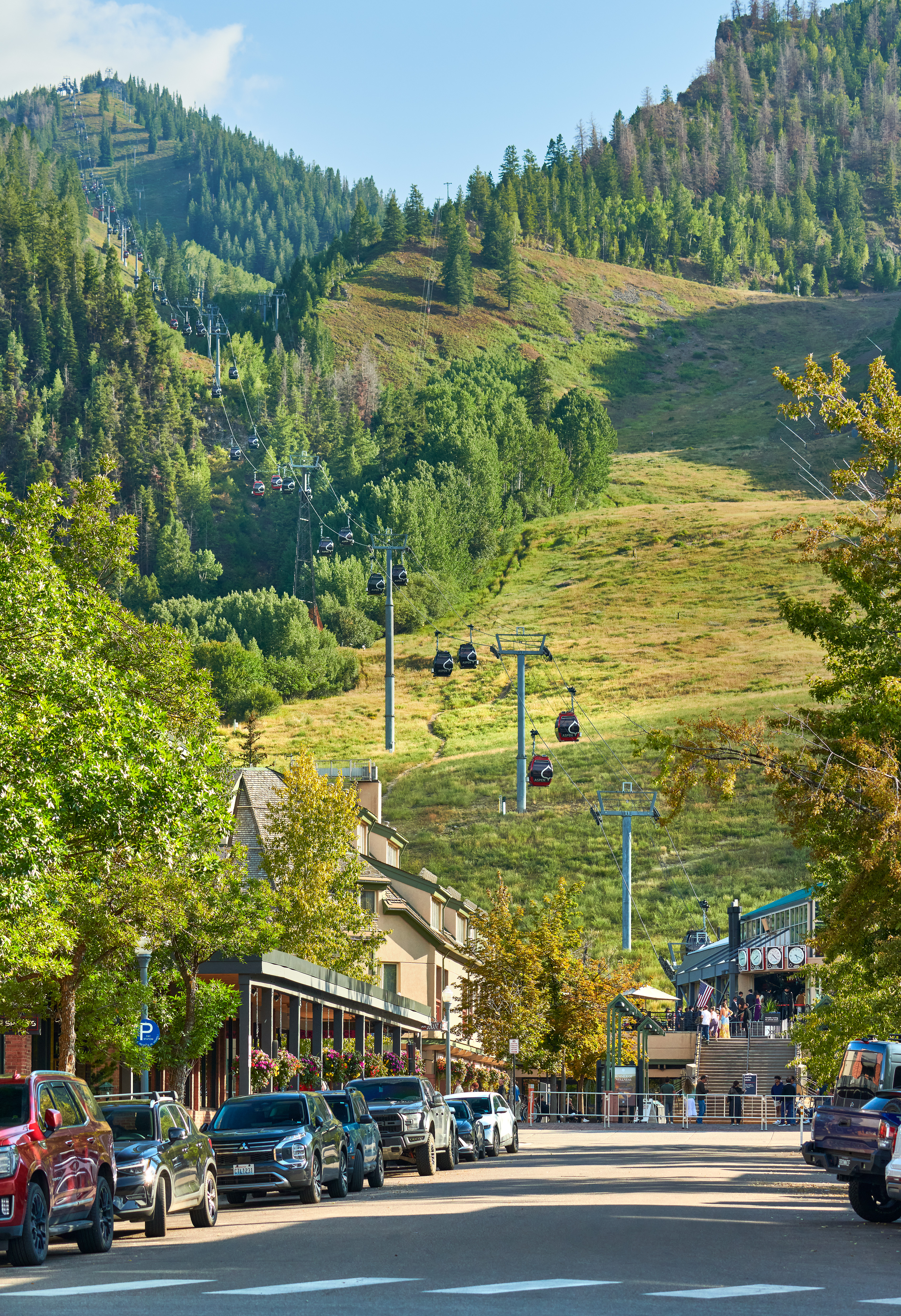
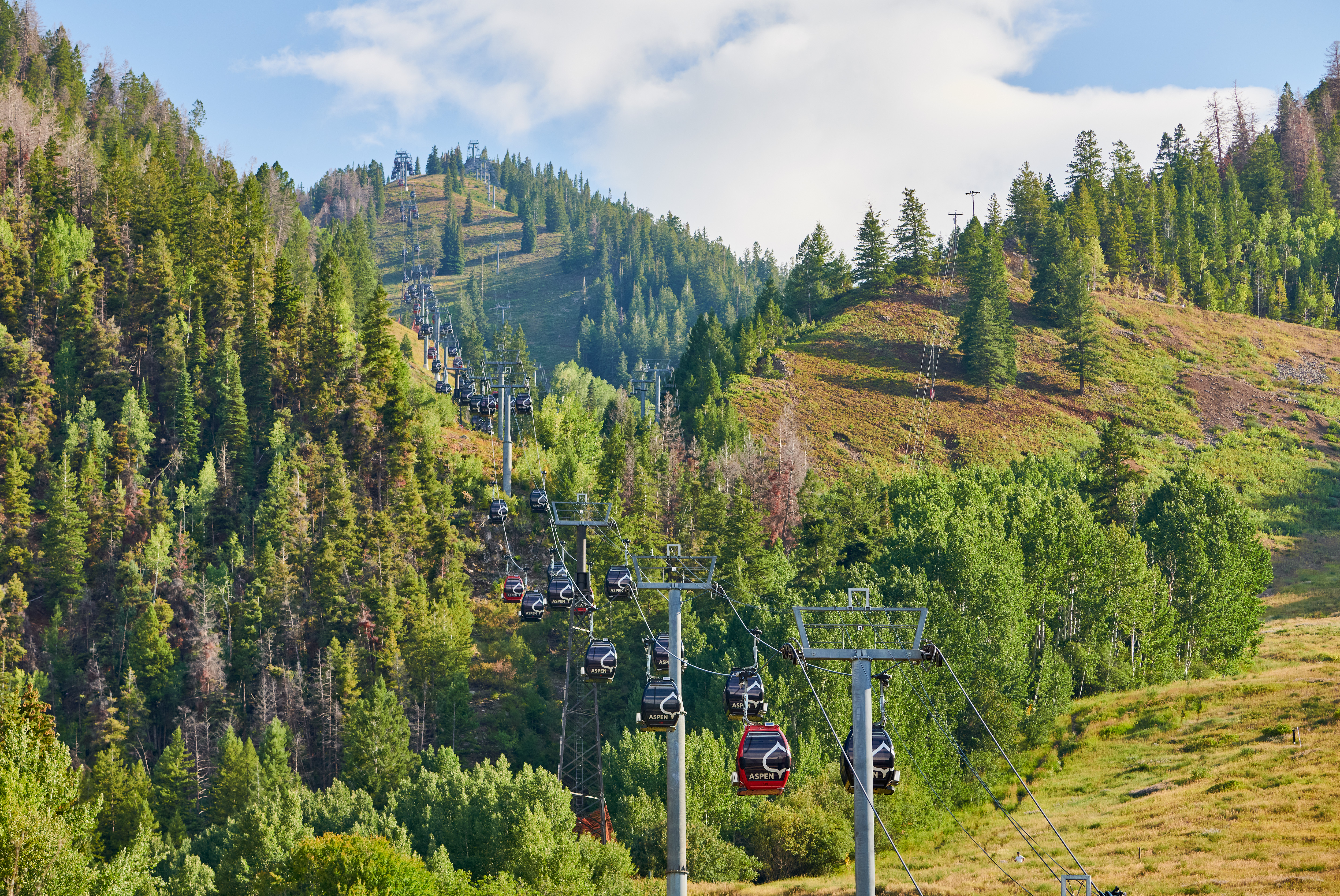
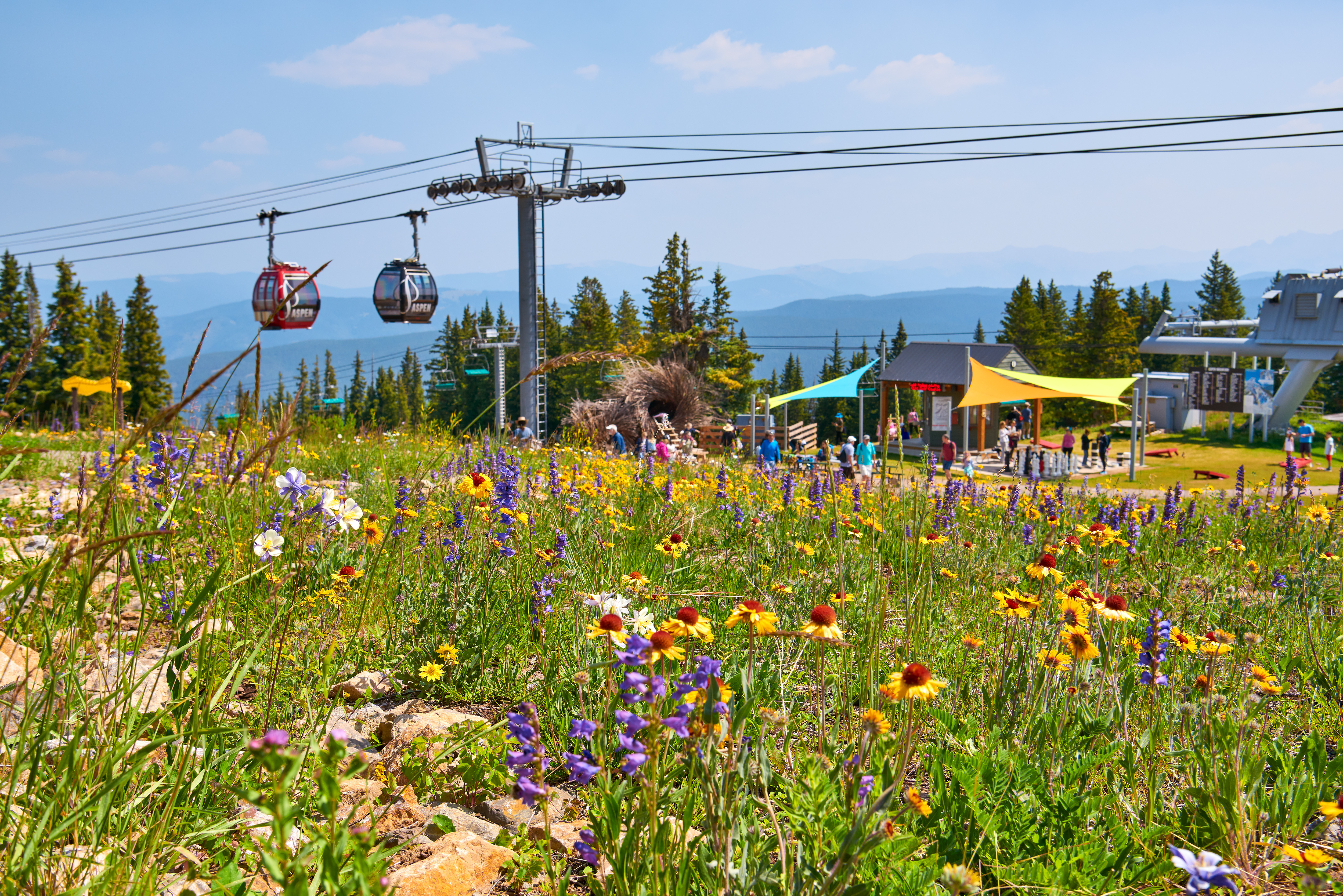
Today, Aspen consistently ranks among the most desirable resort communities in North America, drawing visitors and residents from across the globe for skiing, culture, gastronomy, and the particular quality of life that only a small mountain town with world-class infrastructure can offer. The four ski mountains — Aspen Mountain, Aspen Highlands, Buttermilk, and Snowmass — collectively offer more than 5,500 acres of skiable terrain, with the Silver Queen Gondola on Aspen Mountain accessible within seven minutes of Night Sky Estate.
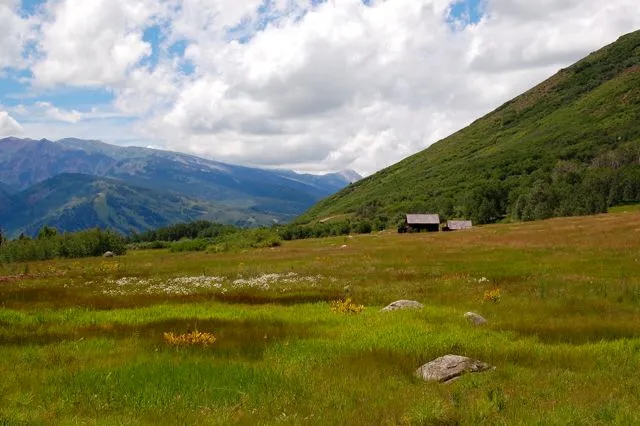
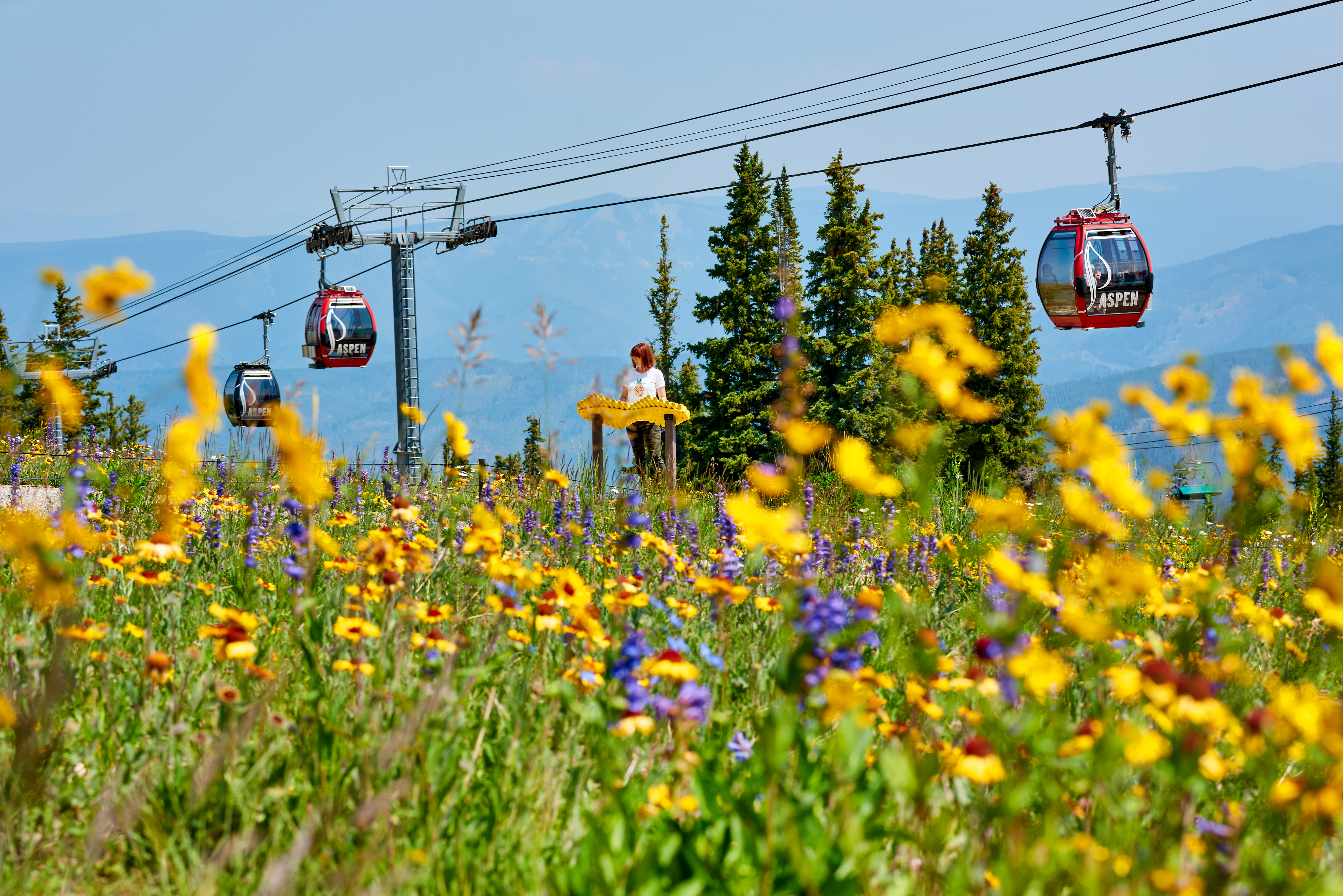
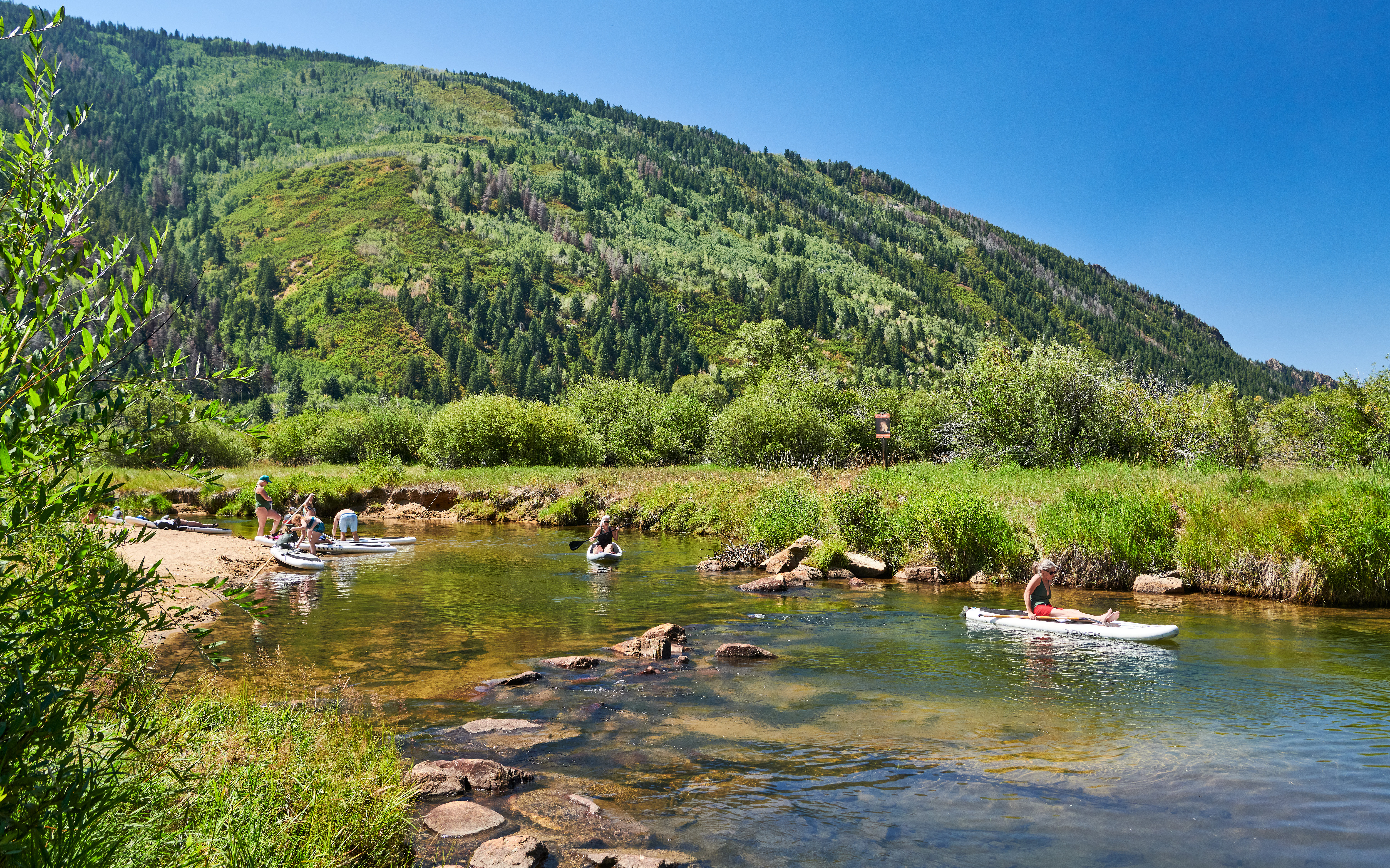
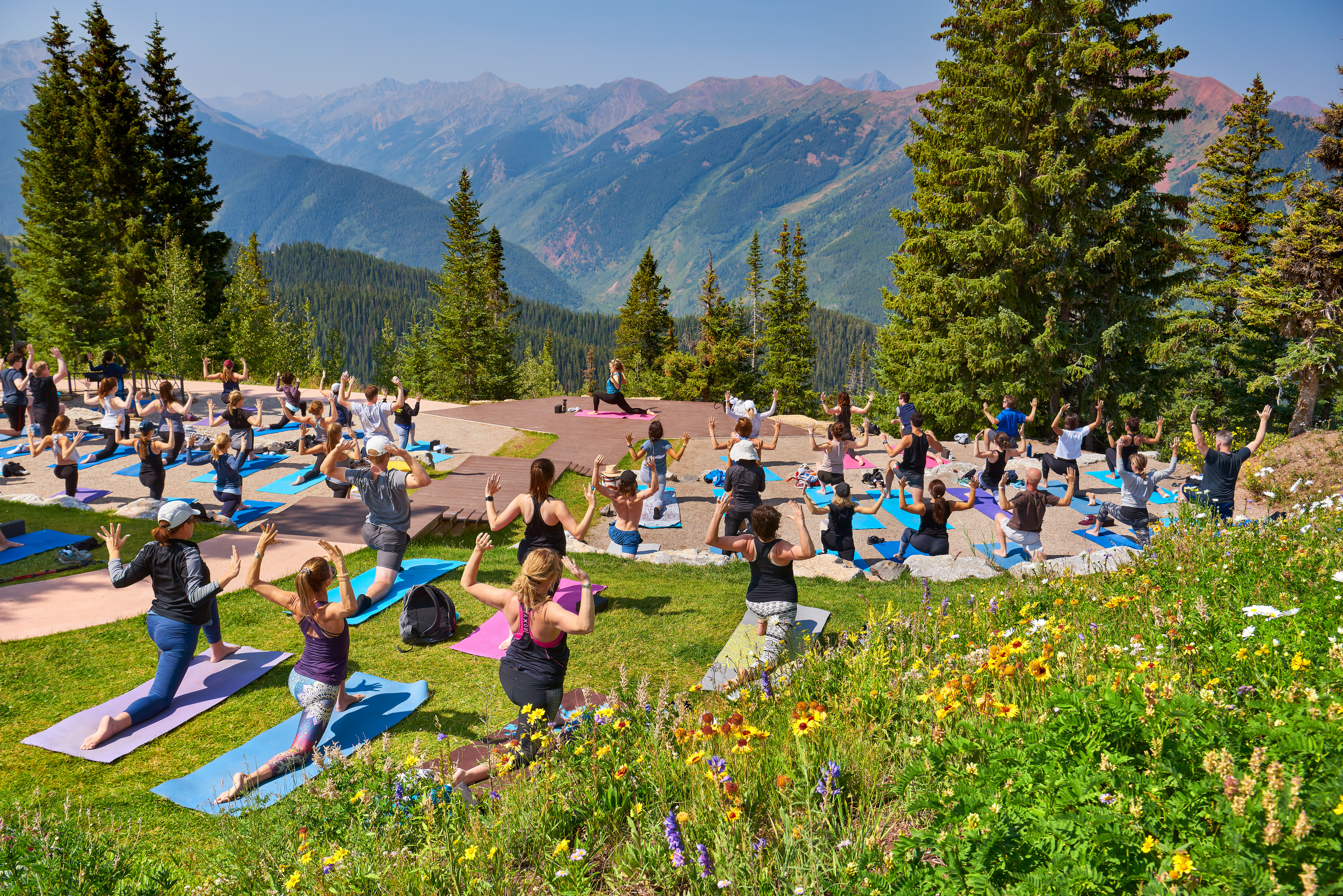
What distinguishes Red Mountain from other prestigious Aspen addresses is the directness of its relationship with the natural landscape. A three-minute walk from 804 Hunter Creek connects residents to Hunter Creek Valley, a beloved local trail system that serves as a gateway to the White River National Forest — more than 2.3 million acres of protected wilderness encompassing alpine lakes, elk meadows, and high-country terrain that rewards exploration in every season. In summer, wildflowers blanket the hillsides; in autumn, aspen groves turn the valley gold; in winter, the silence after snowfall is absolute.
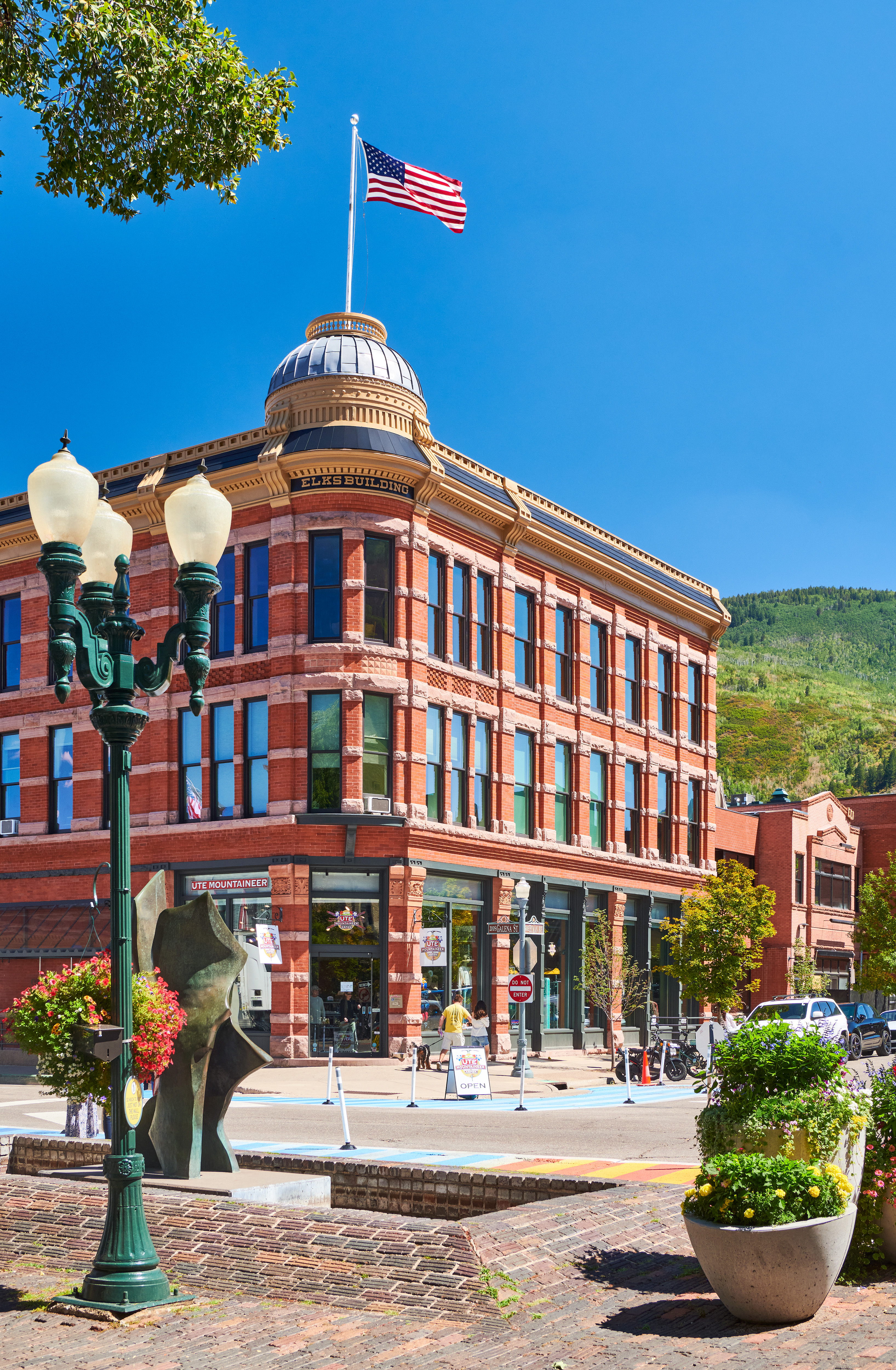
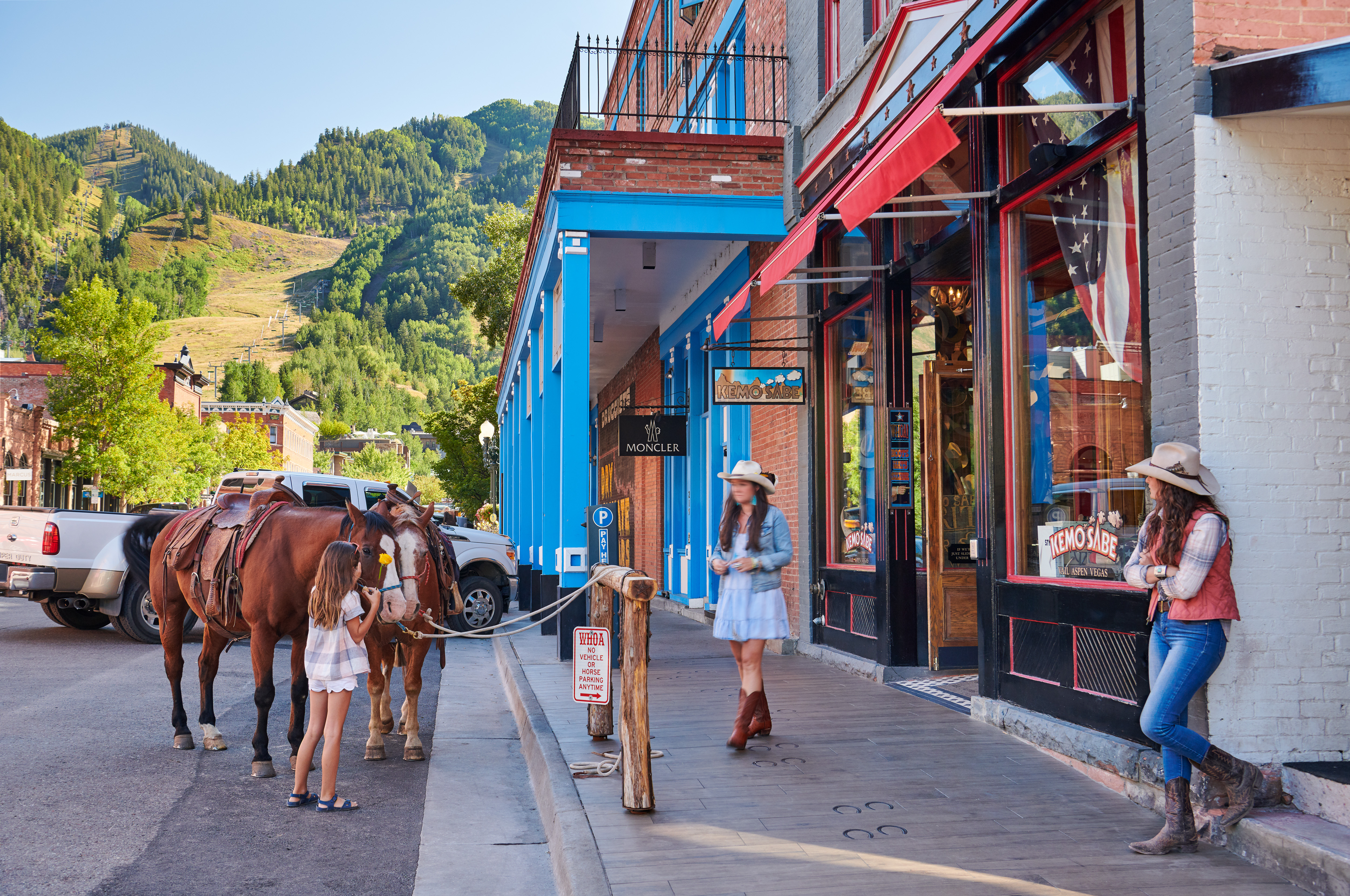
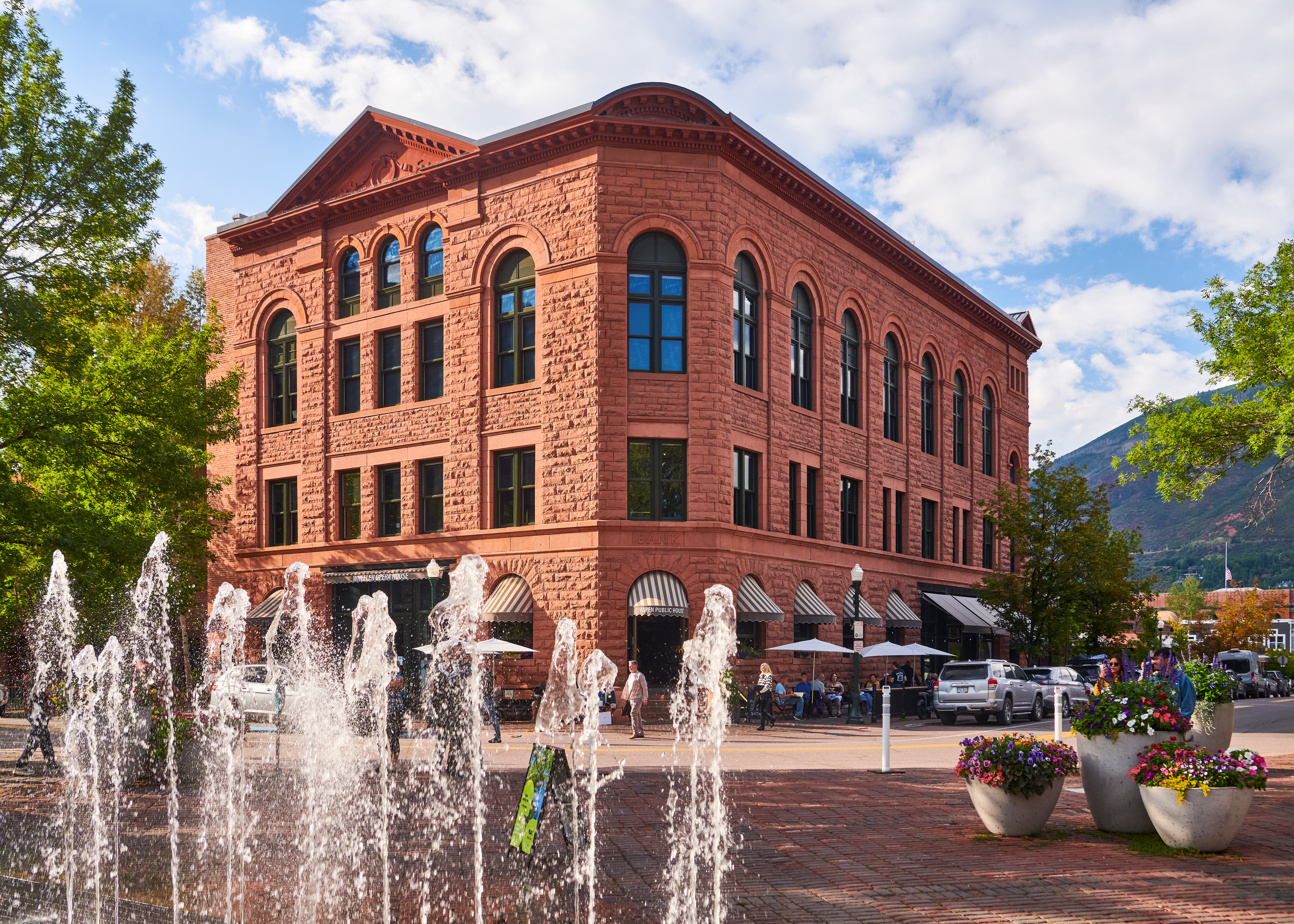
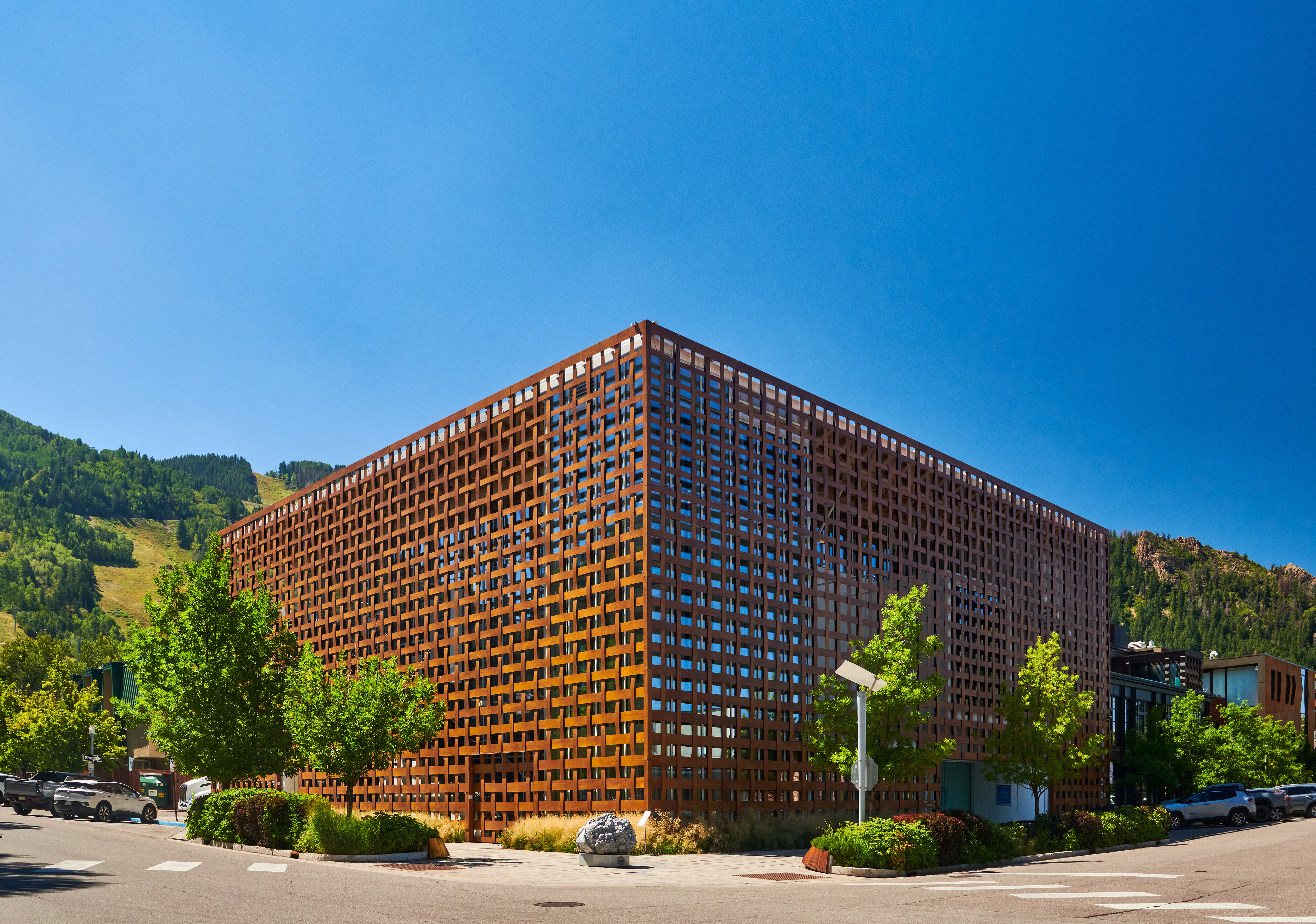
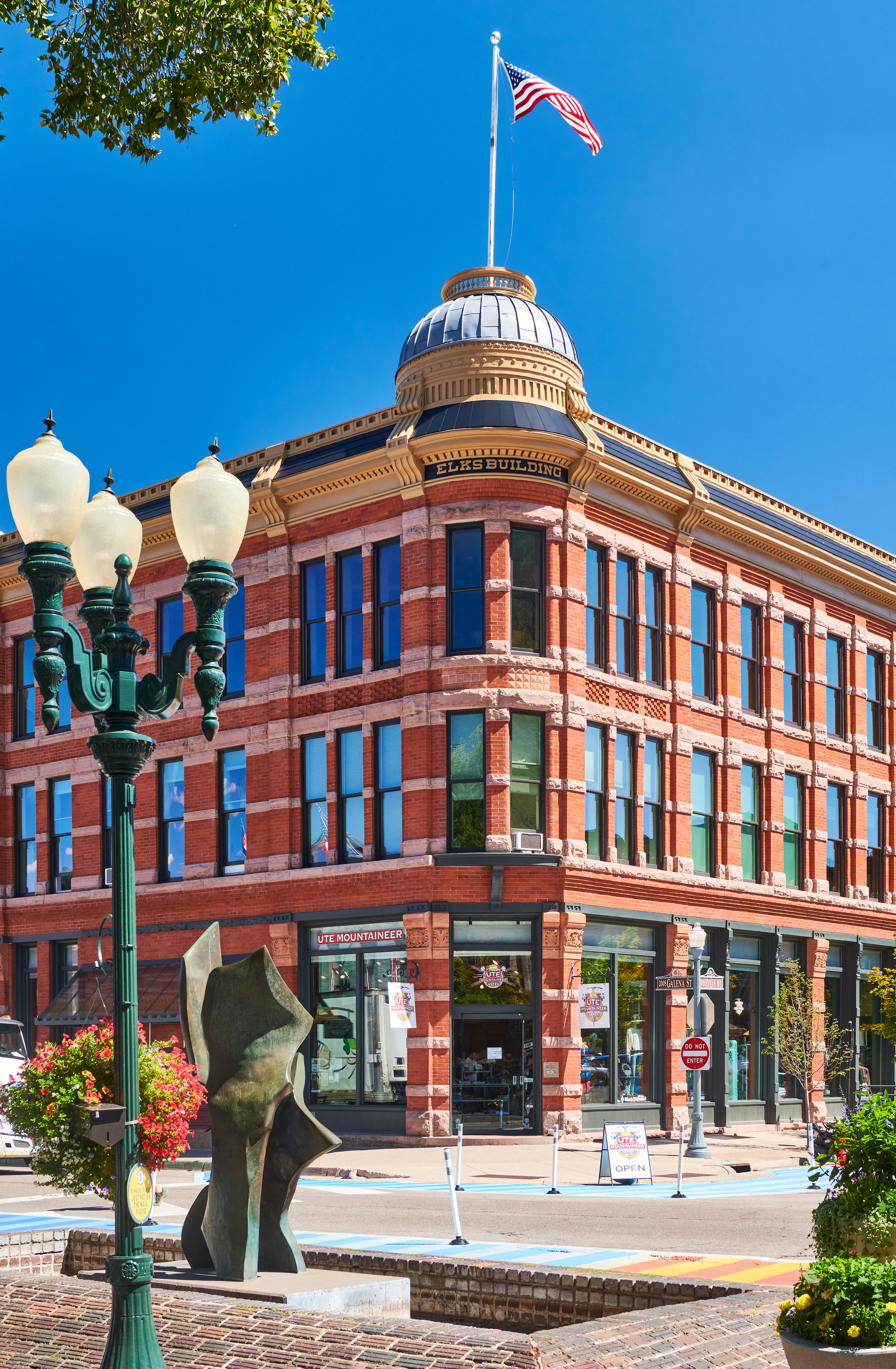
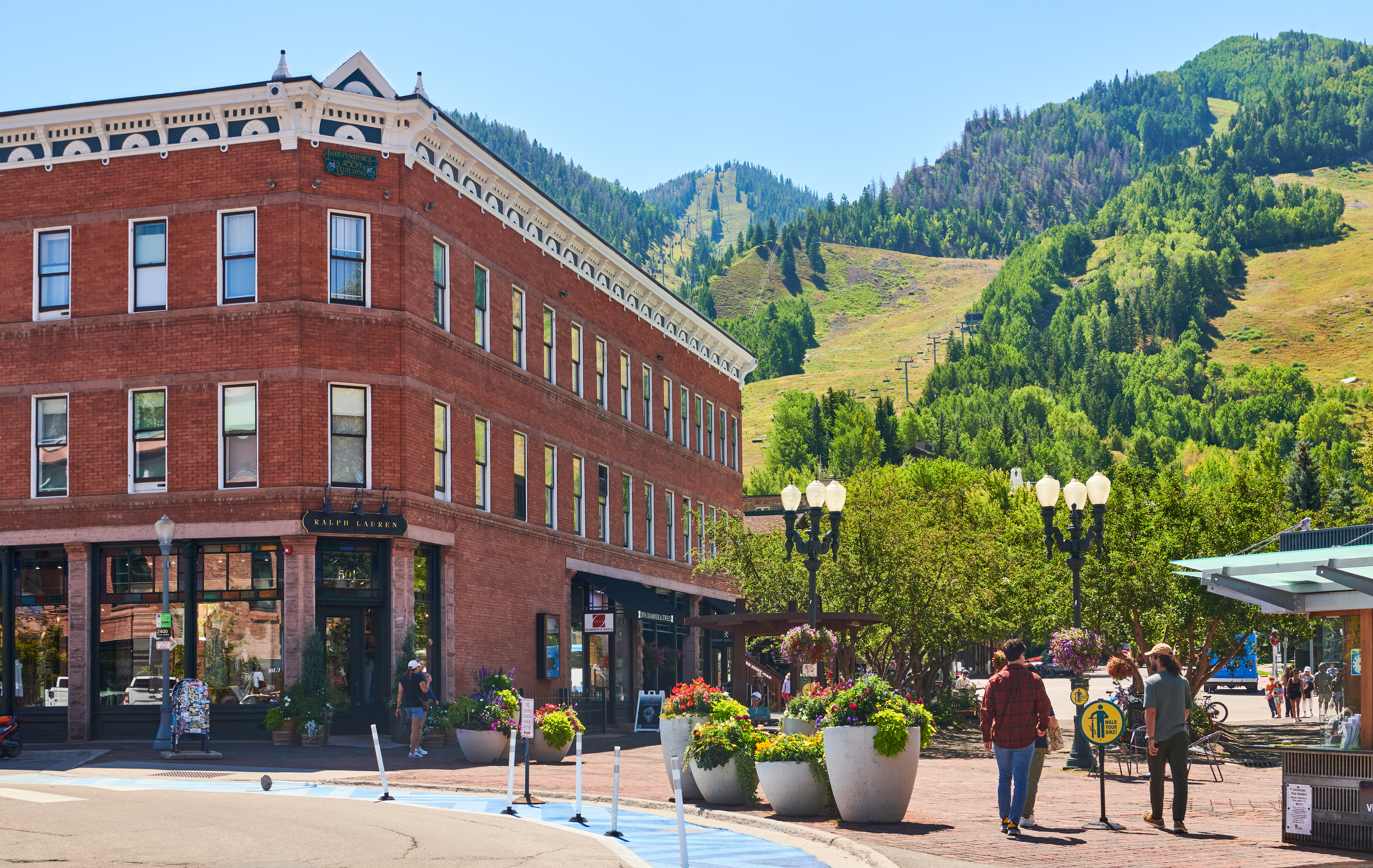
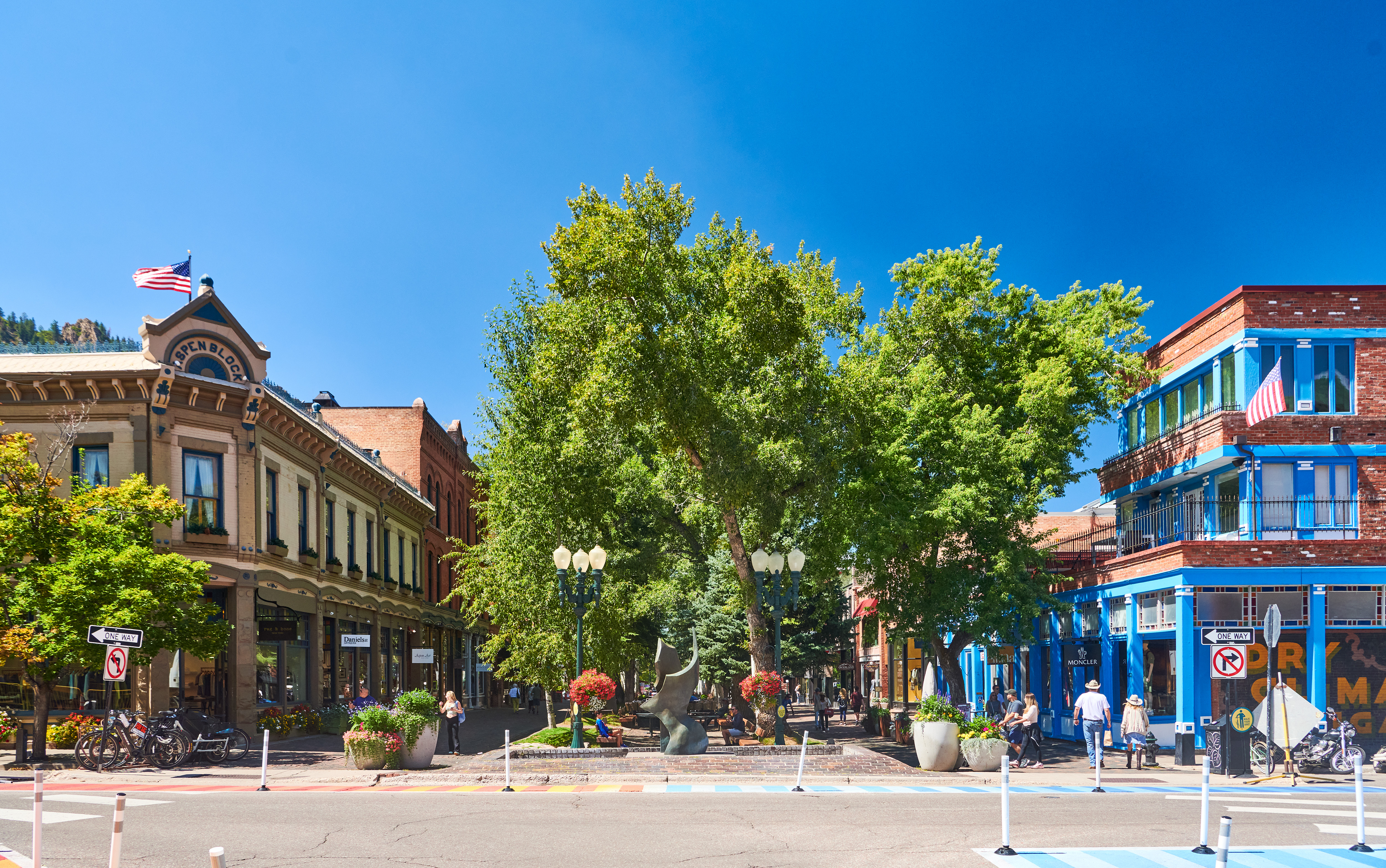
Downtown Aspen, seven minutes away, offers a pedestrian-friendly core of independent boutiques, acclaimed restaurants, art galleries, and cultural venues clustered around the historic Wheeler Opera House, a Romanesque Revival landmark that has anchored the town's cultural life since 1889. The Aspen Art Museum, relocated to its current Shigeru Ban–designed building in 2014, has become a destination in its own right. The Hotel Jerome, operating since 1889, remains a living artifact of the town's silver-era ambitions.
For those who measure a location by what it makes possible — mornings on the mountain, afternoons on the trail, evenings in a town that takes both food and ideas seriously — Red Mountain offers something increasingly rare: a vantage point above it all, with the ability to descend into the world at will, and the wisdom to know when to stay.
Featured Highlights
Curated Content • Presented by Stephanie Lewis