The Story Behind
Gothic Limestone, Panoramic Skies, and Turnkey Perfection
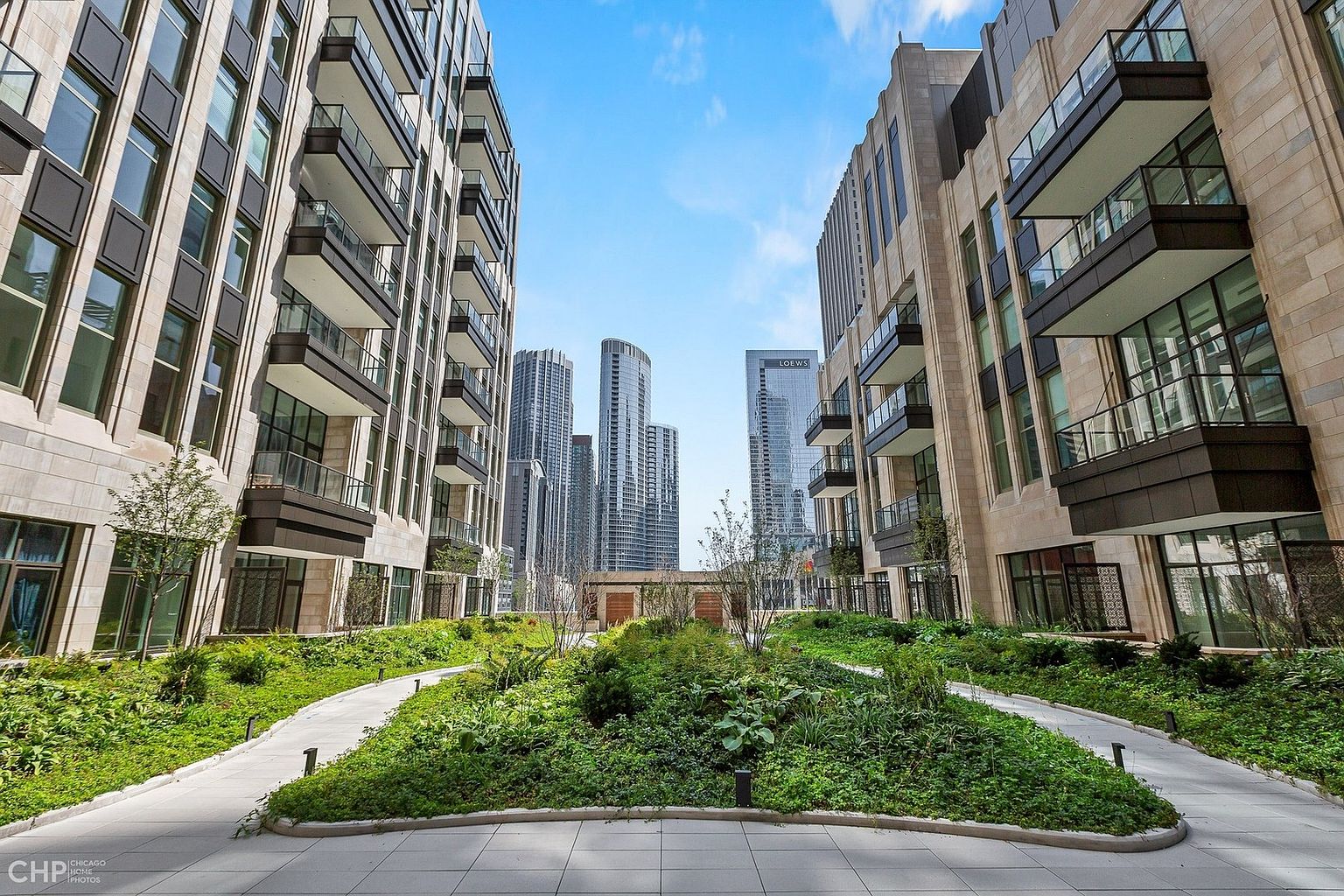
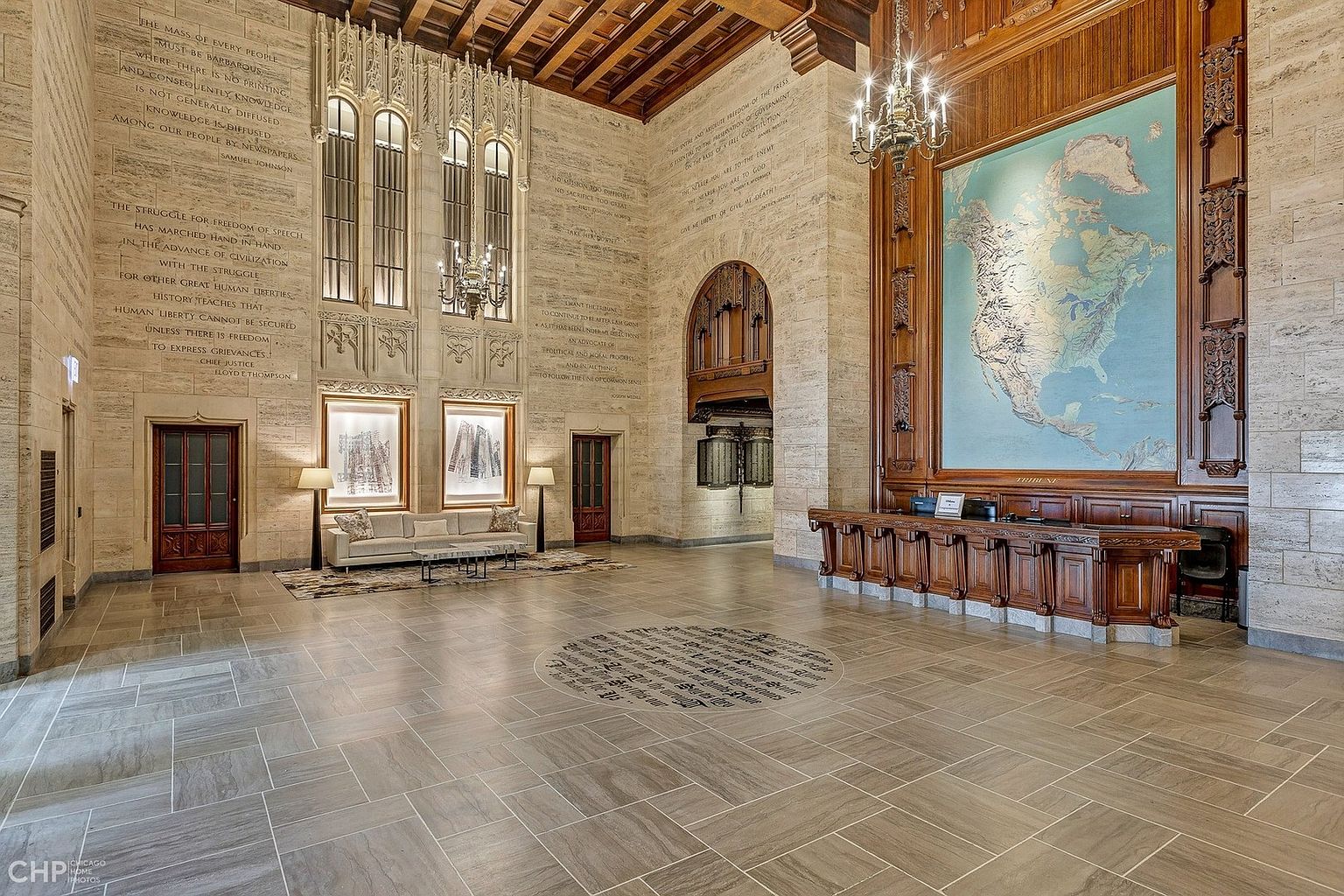
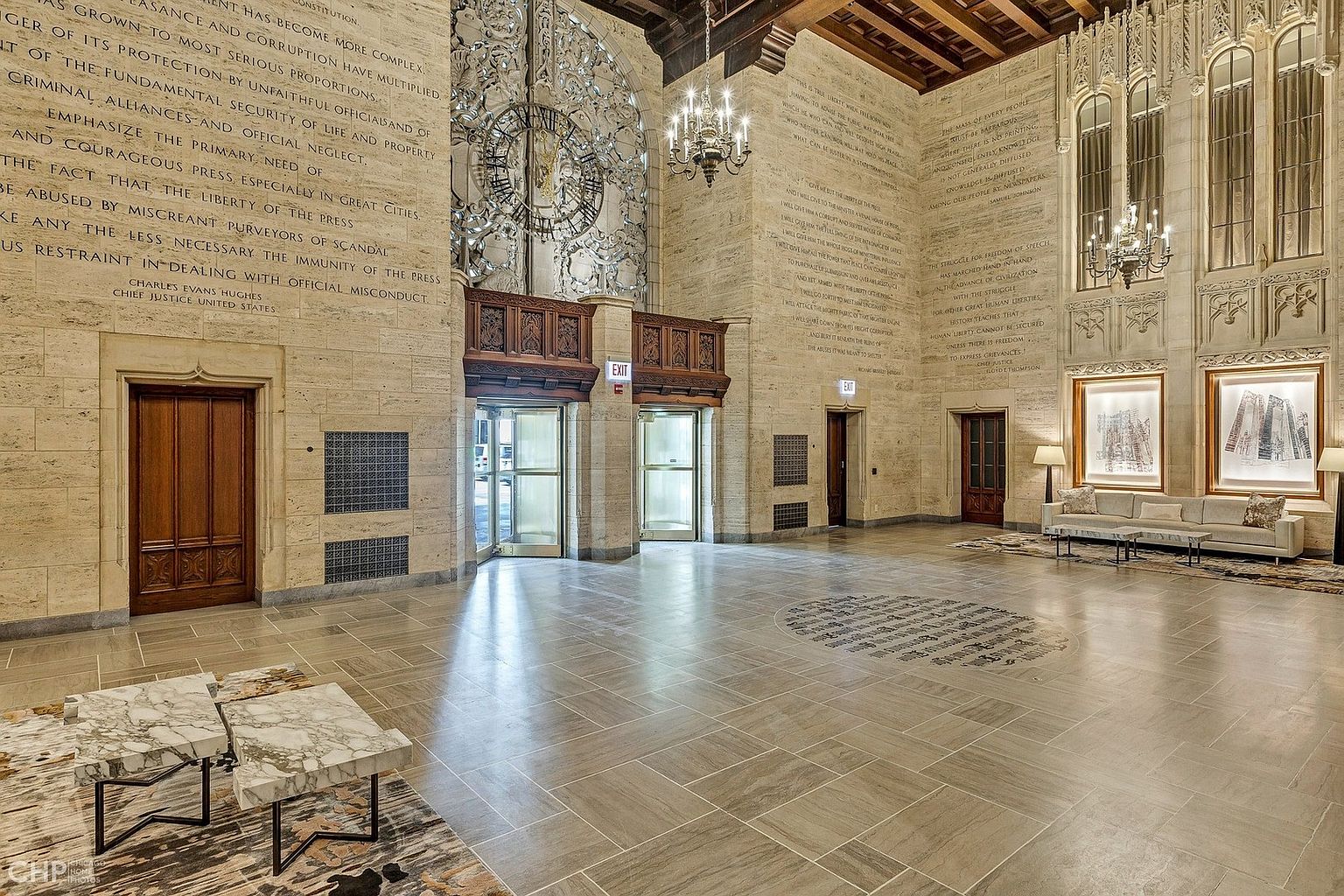
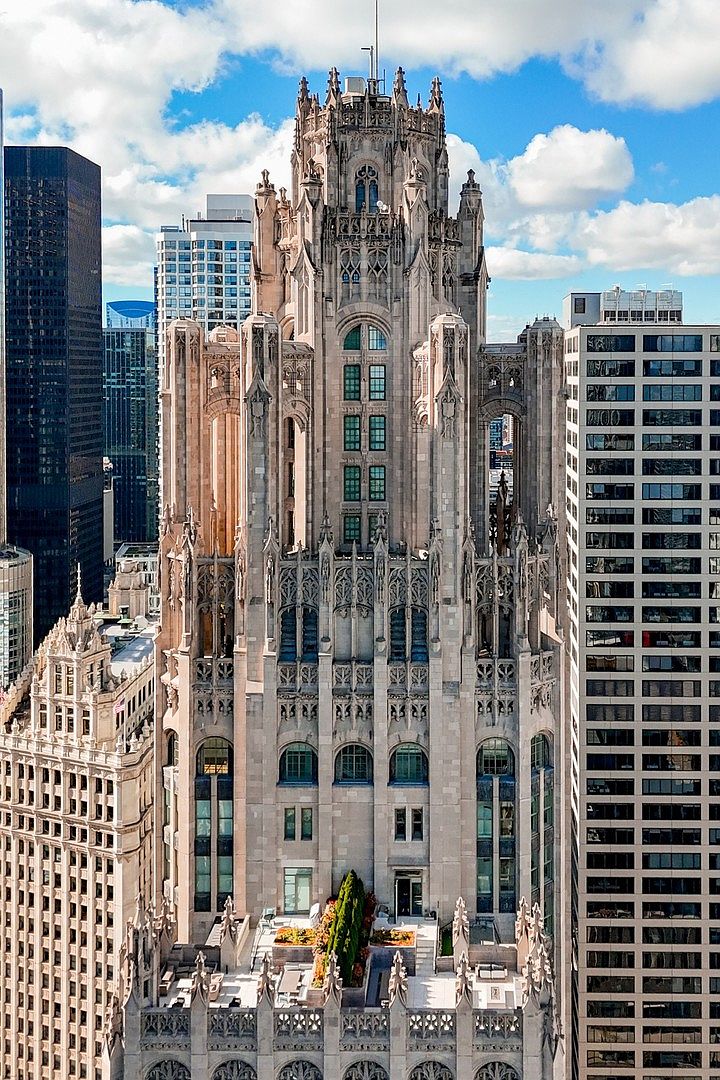
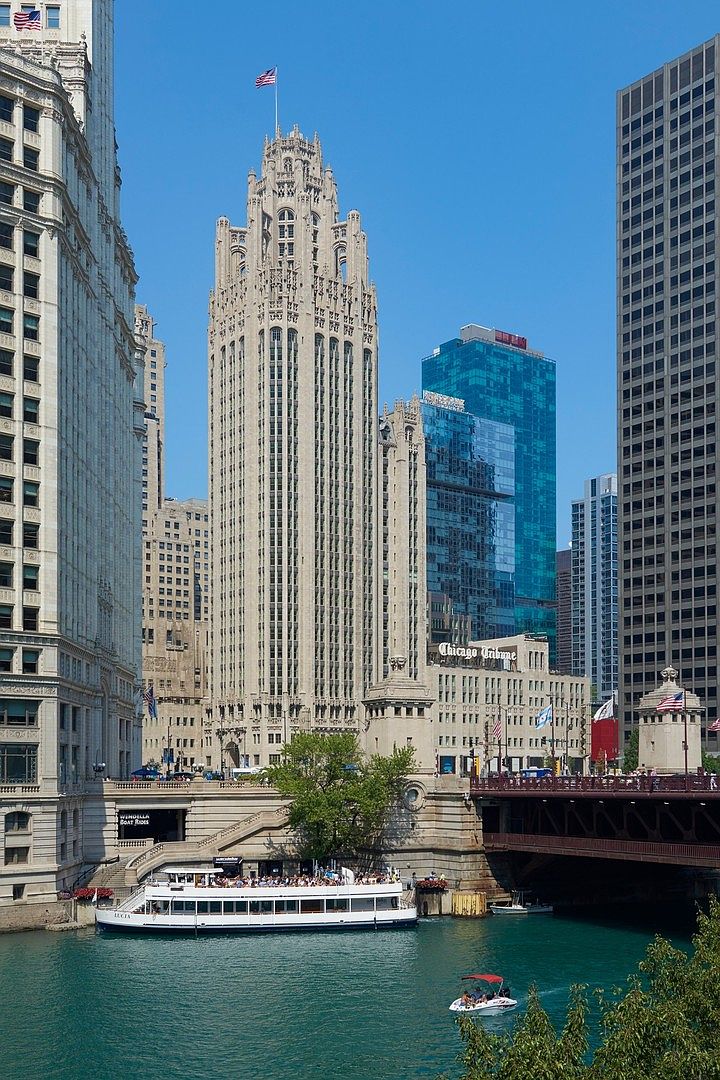
There are residences, and then there are statements. Residence 2203 at Tribune Tower belongs firmly in the latter category — a home that wears its architectural lineage not as nostalgia, but as a living, breathing design asset. The building itself, completed in 1925 to a design by Howells and Hood following a celebrated international competition, is among the most recognized examples of neo-Gothic architecture in the United States. Its flying buttresses, ornate limestone crown, and fragments of stone embedded in its base — sourced from landmarks including the Parthenon, the Taj Mahal, and the Great Wall of China — speak to a ambition that was, from the outset, global in scope. Residence 2203 inherits all of that pedigree and elevates it with a standard of interior execution that is wholly of the present moment.
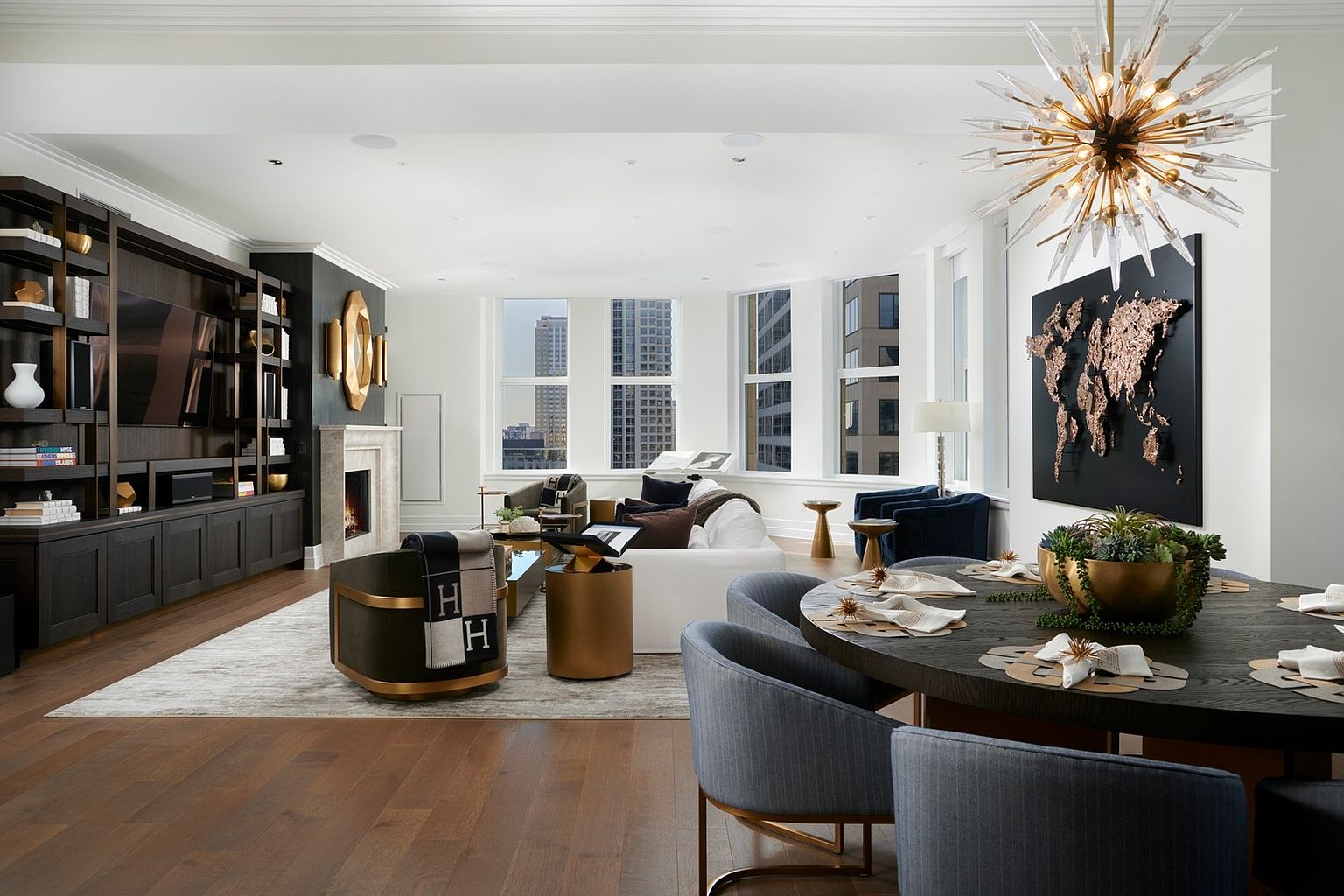
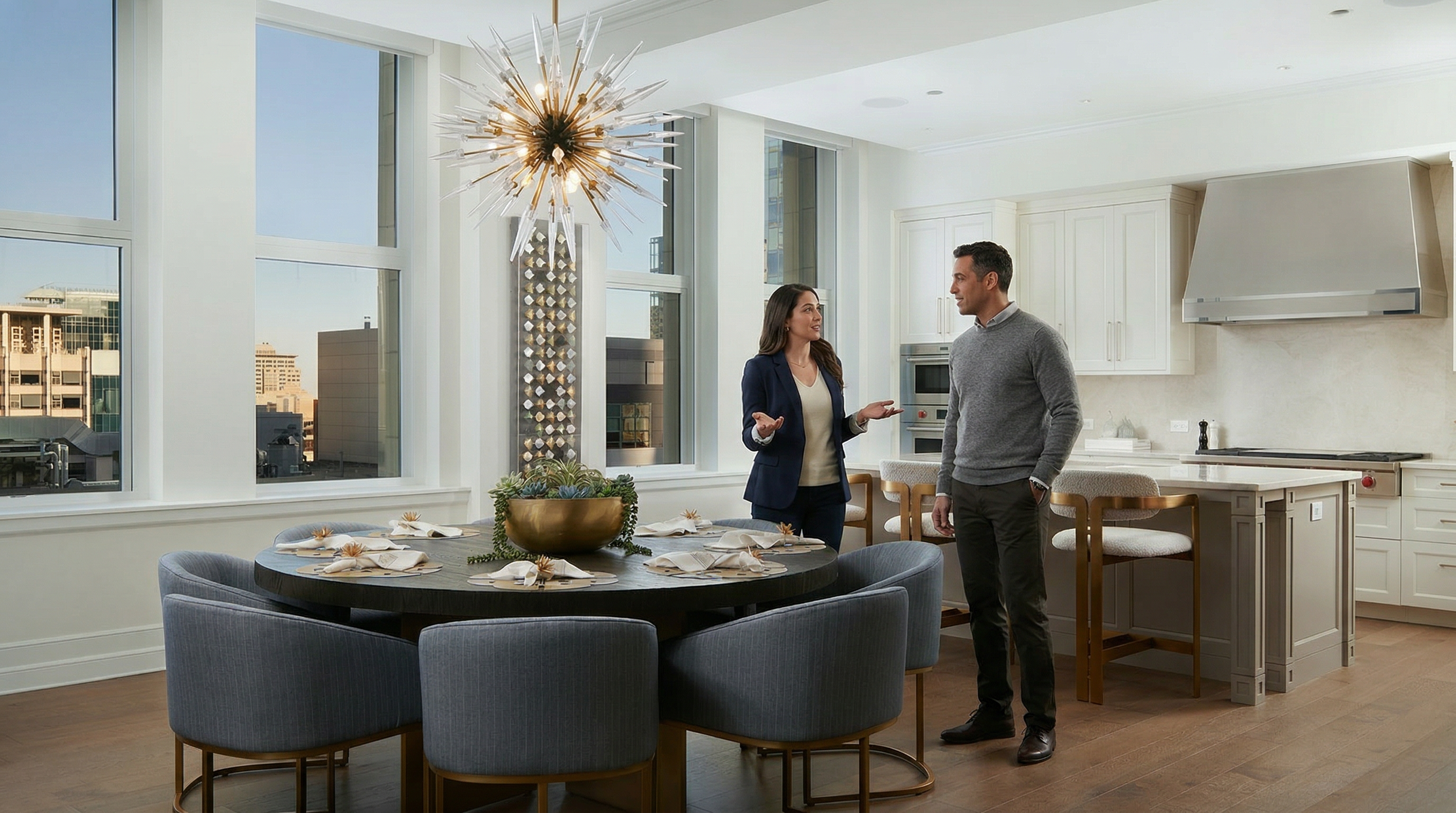
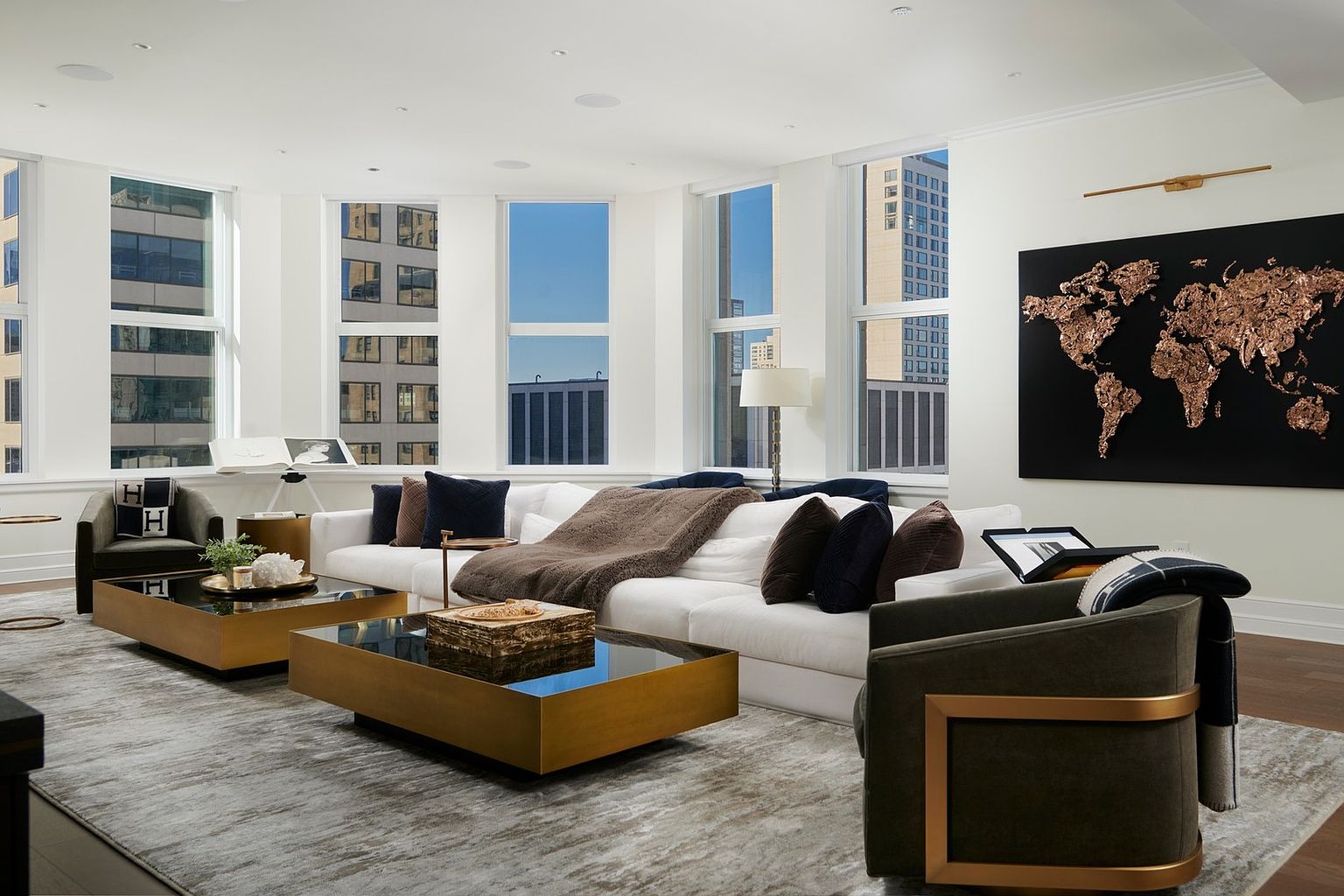
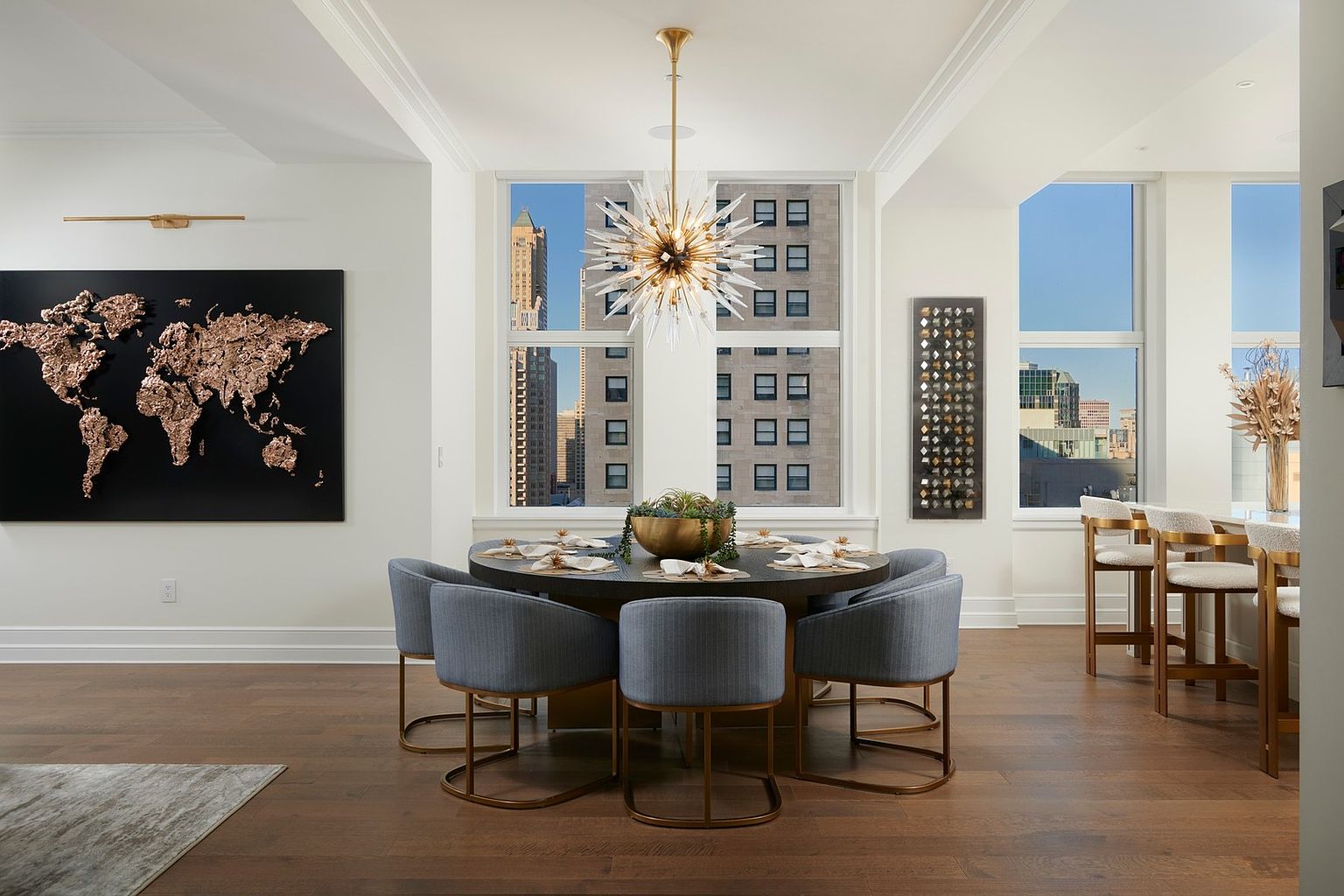
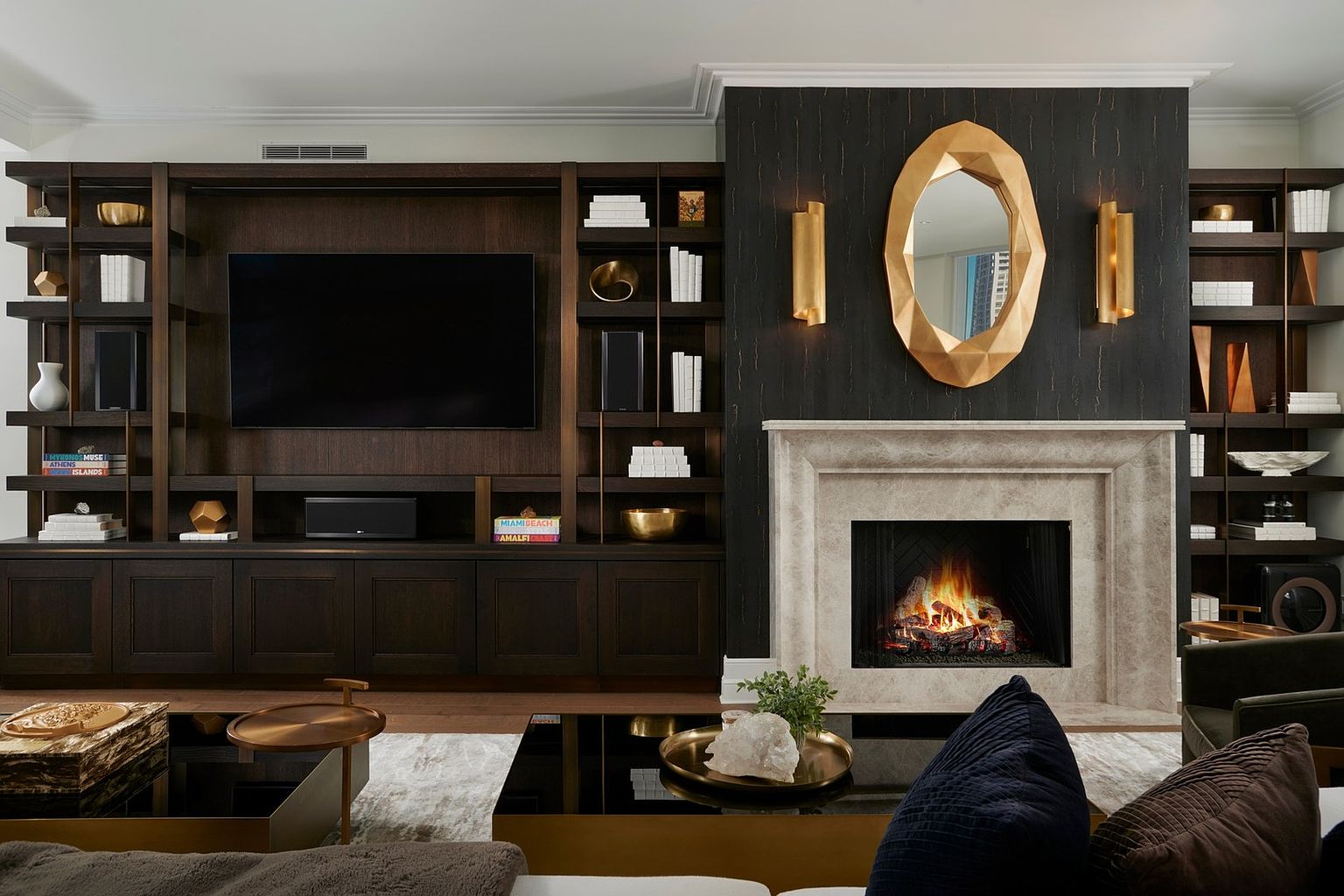
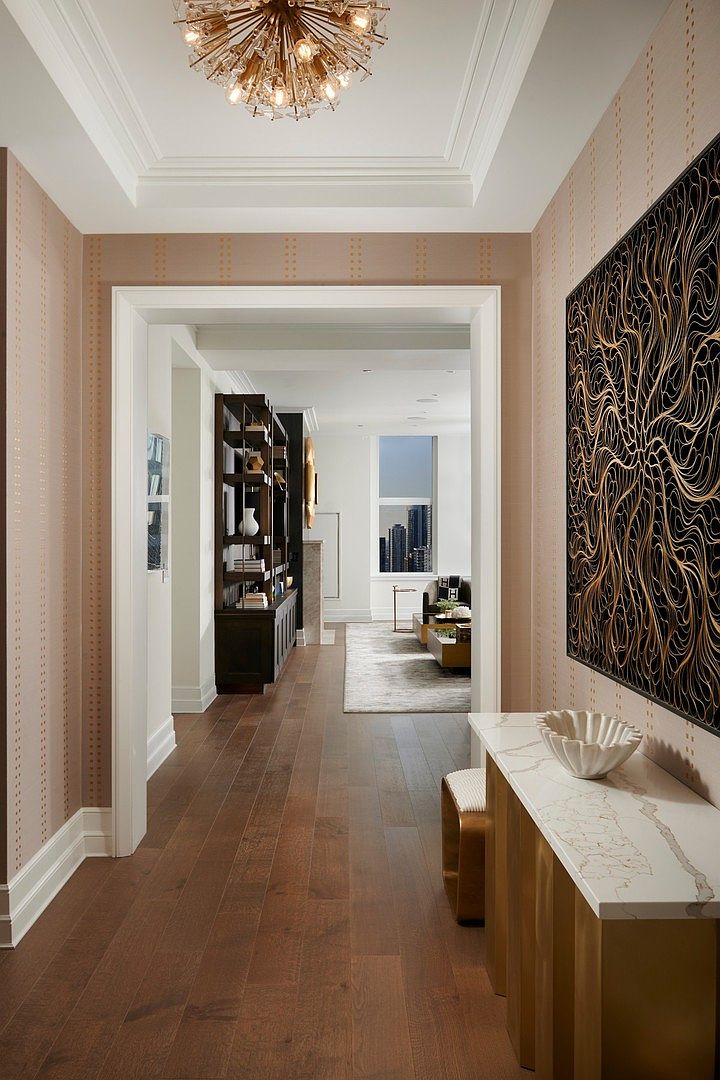
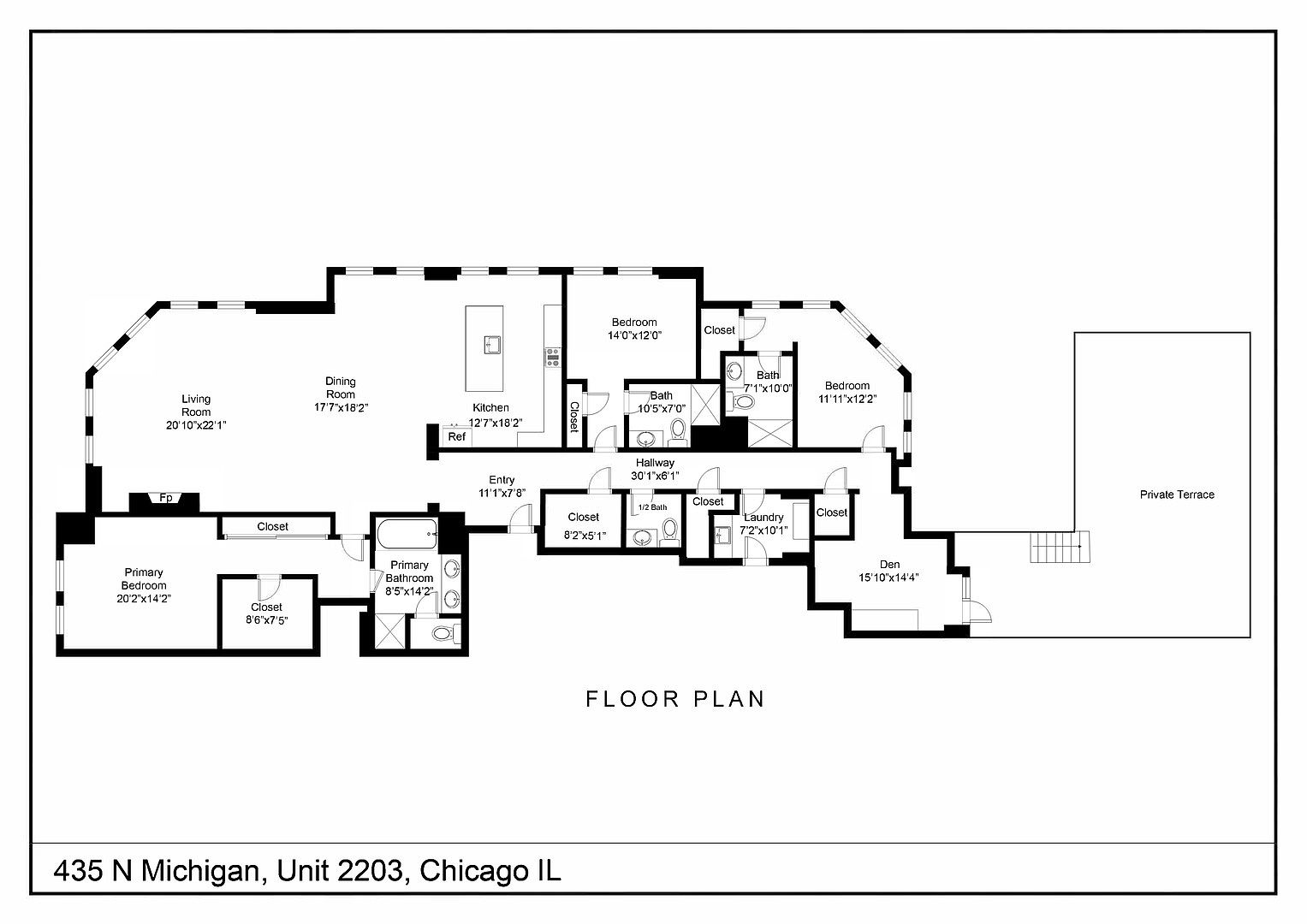
Entry is through a gracious foyer that sets an immediate tone of considered restraint. The transition into the open-concept living and dining area is cinematic: oversized windows draw Michigan Avenue, the Chicago River, and the shimmer of Lake Michigan directly into the room, while a dramatic marble fireplace and custom millwork anchor the space with warmth and permanence. A starburst chandelier presides over the circular dining table, its geometry echoing the Tower's own architectural theatrics. Designer lighting, rich dark cabinetry, and a textured art installation create a layered interior that rewards close attention.
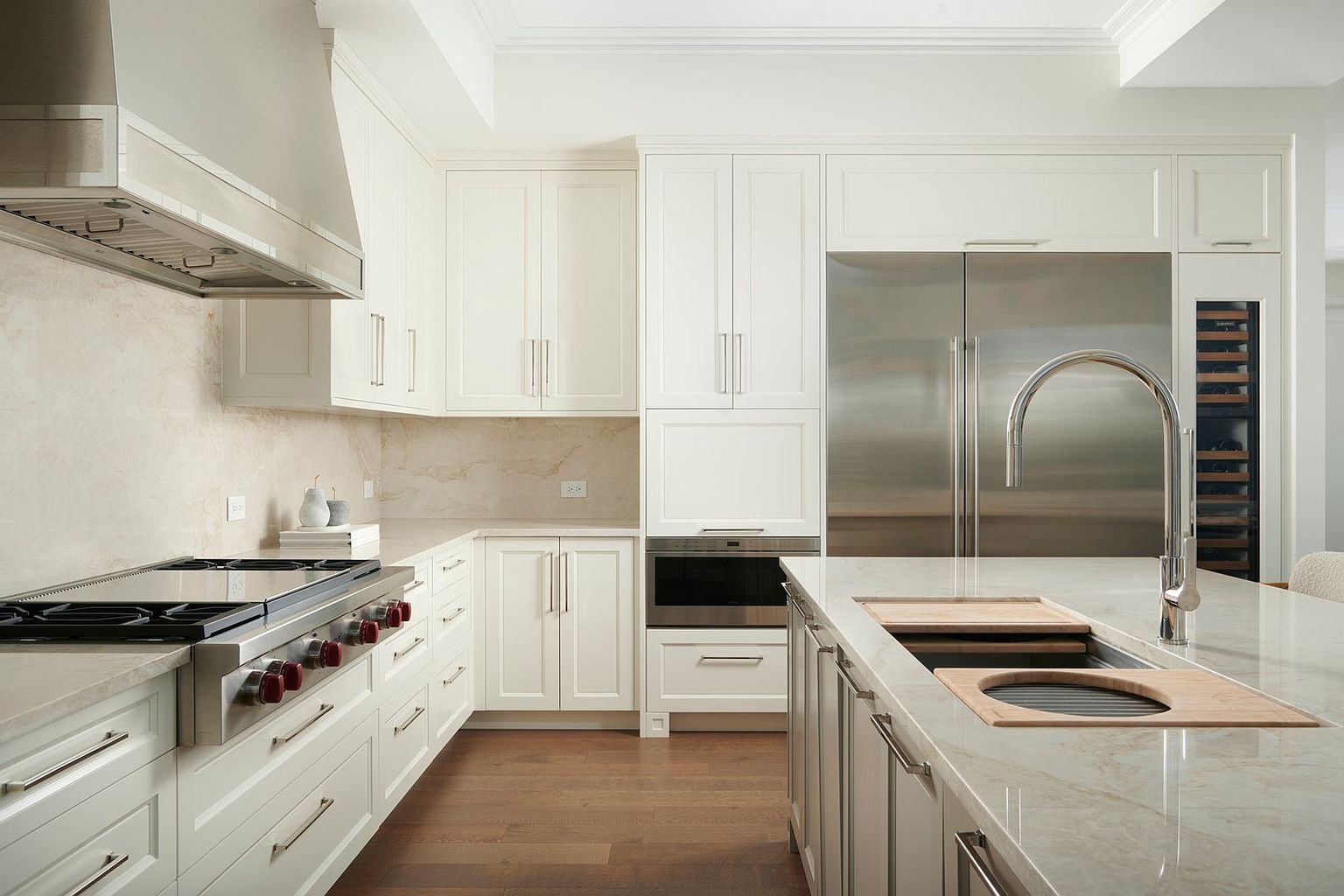
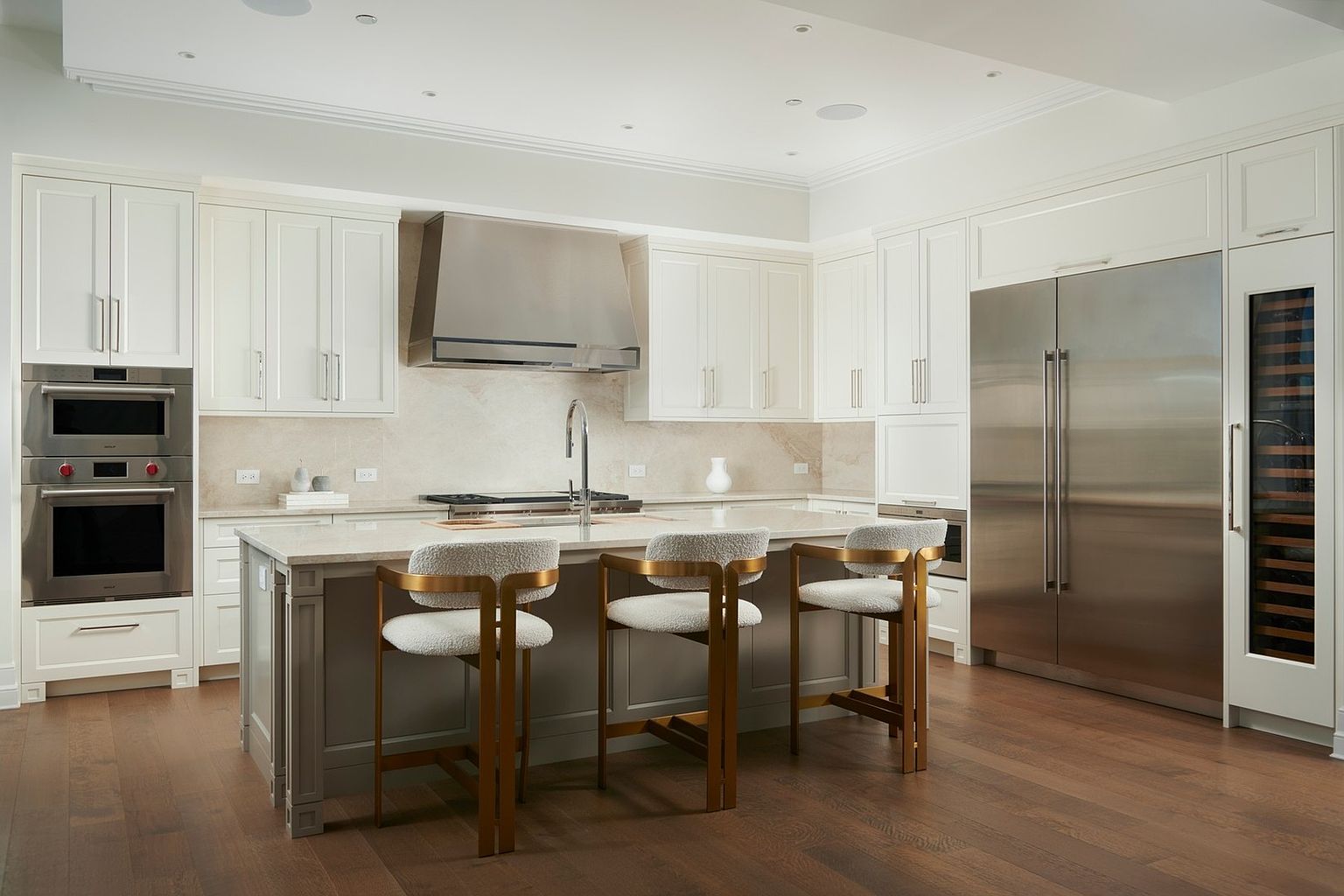
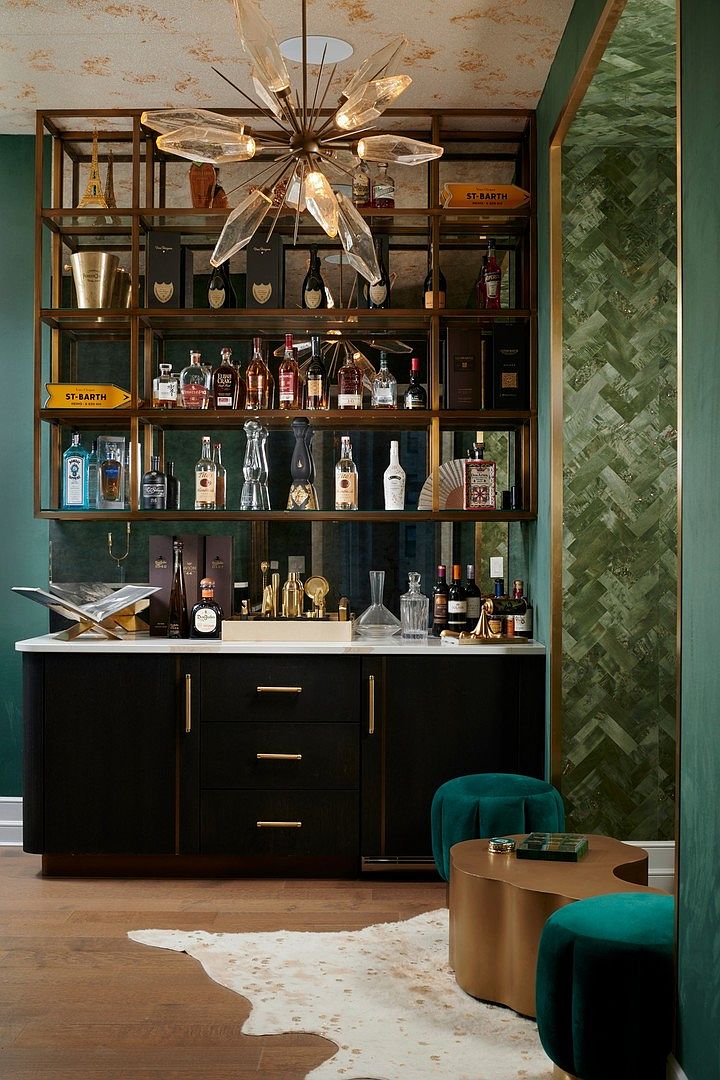
The chef's kitchen is built without compromise. Integrated Wolf, Sub-Zero, and Miele appliances sit within custom cabinetry designed for both utility and visual coherence. A central island with bar seating and a dedicated wine tower make the kitchen as well-suited to casual morning coffee as to serious culinary production. Adjacent, a sophisticated custom bar — finished with brass shelving, moody wallcovering, and a velvet stool — creates an intimate entertaining antechamber before the space opens fully onto the terrace.
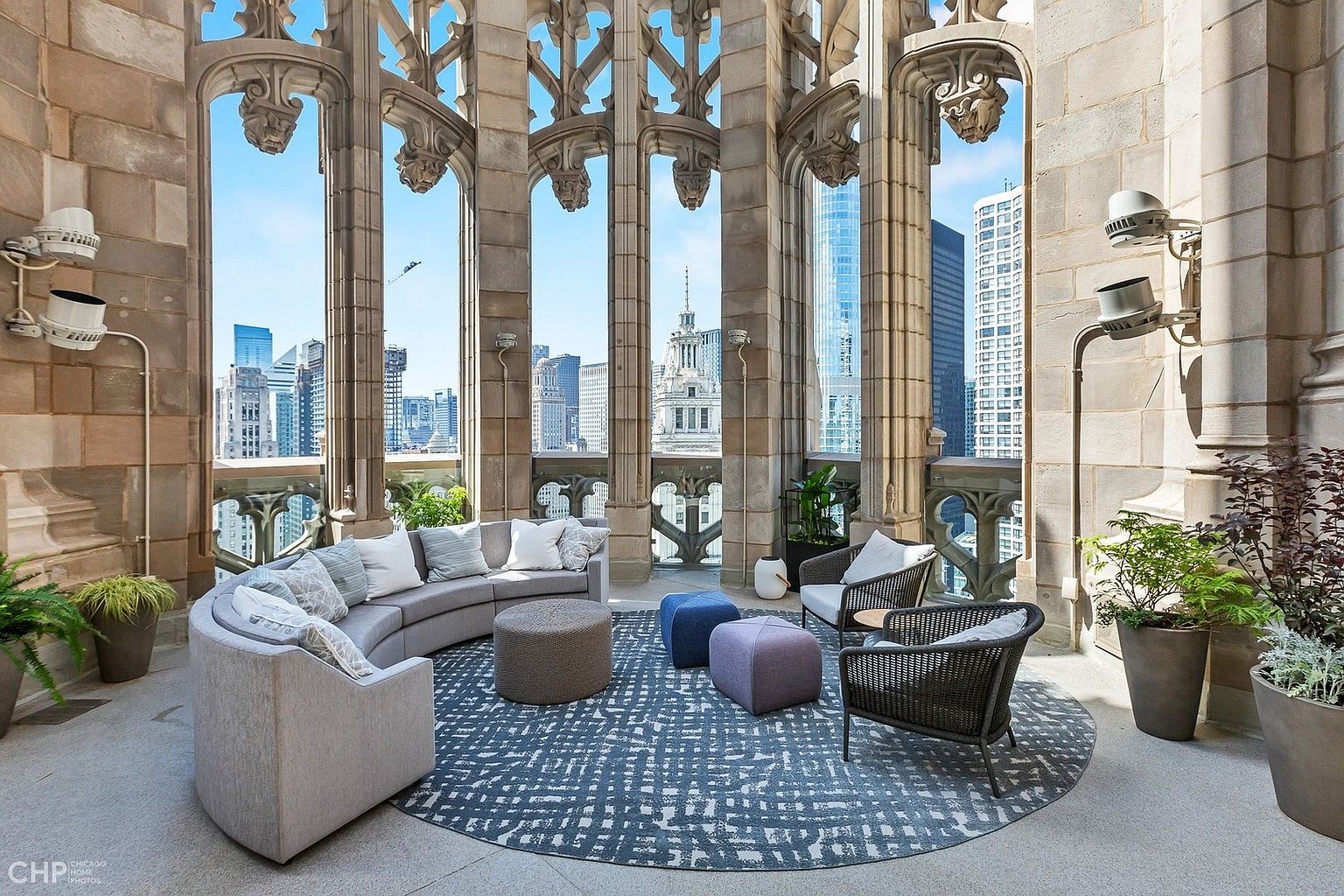
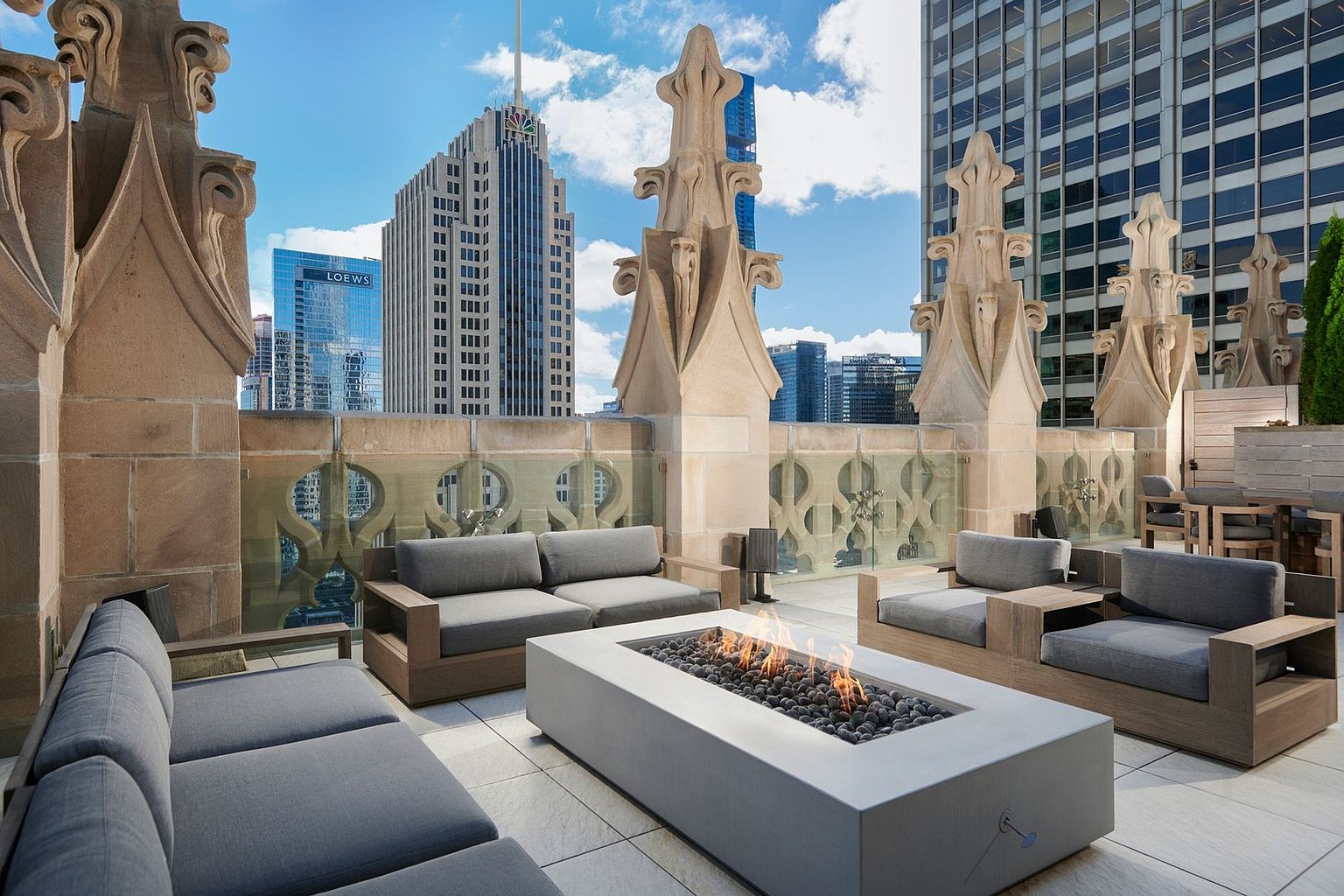
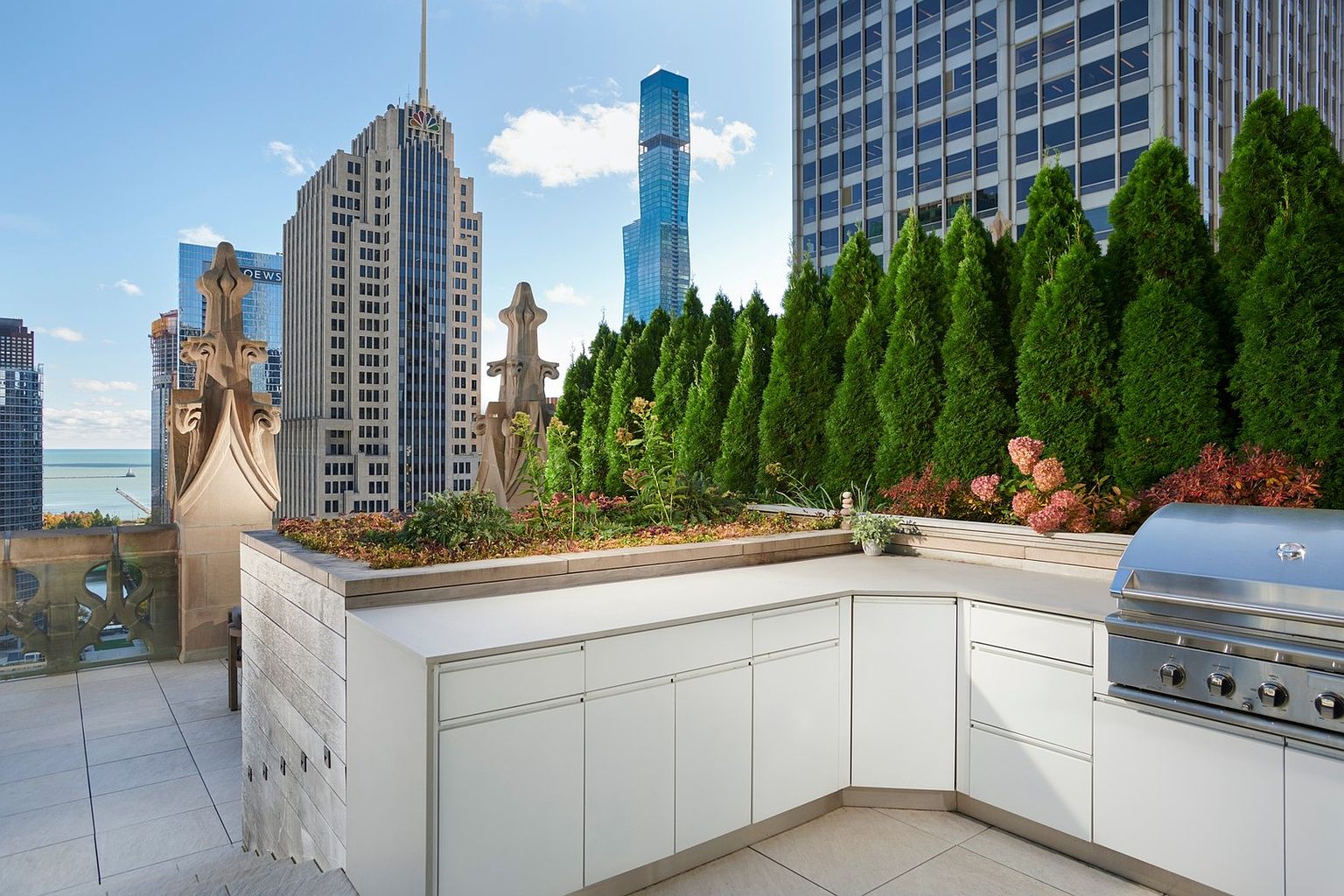
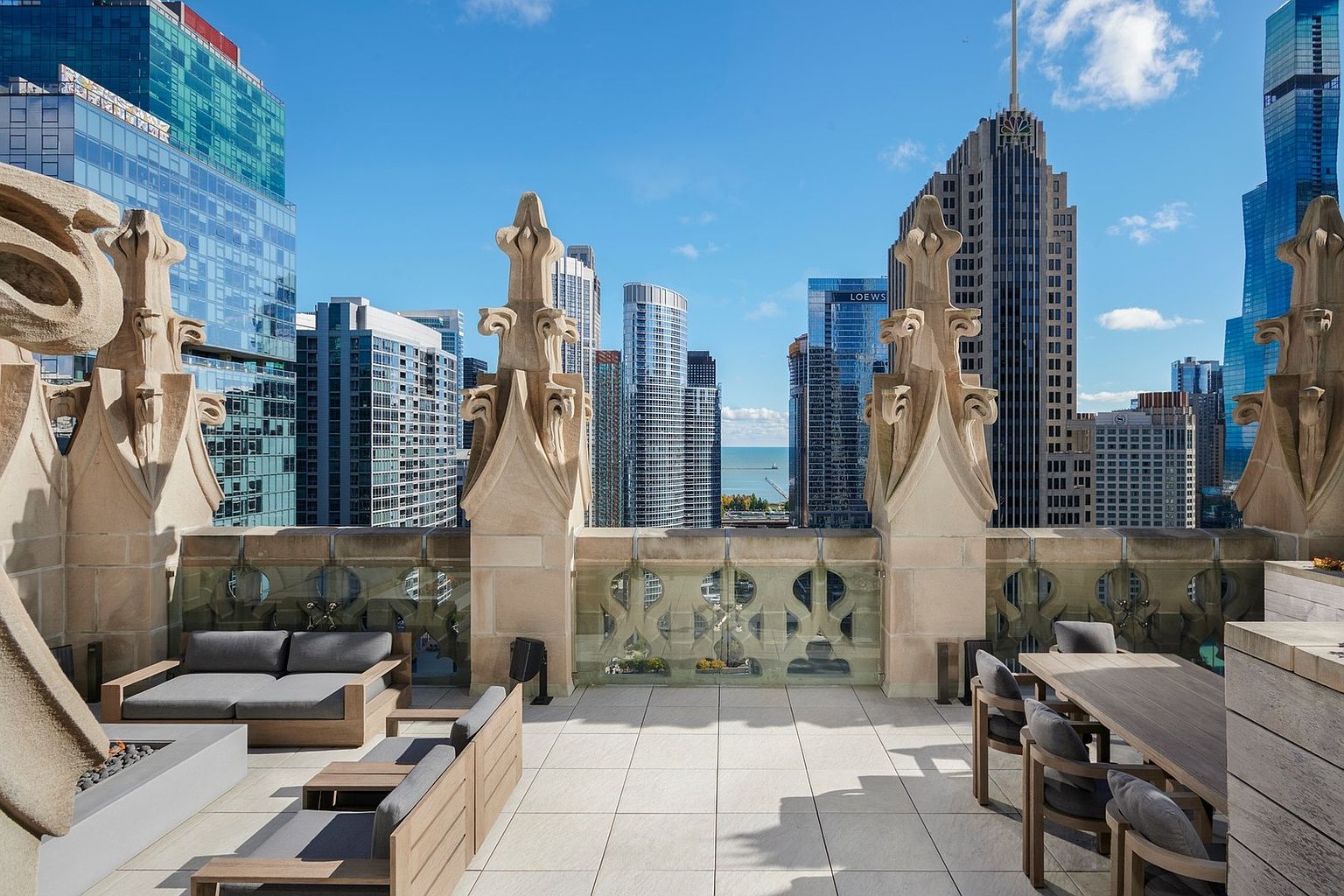
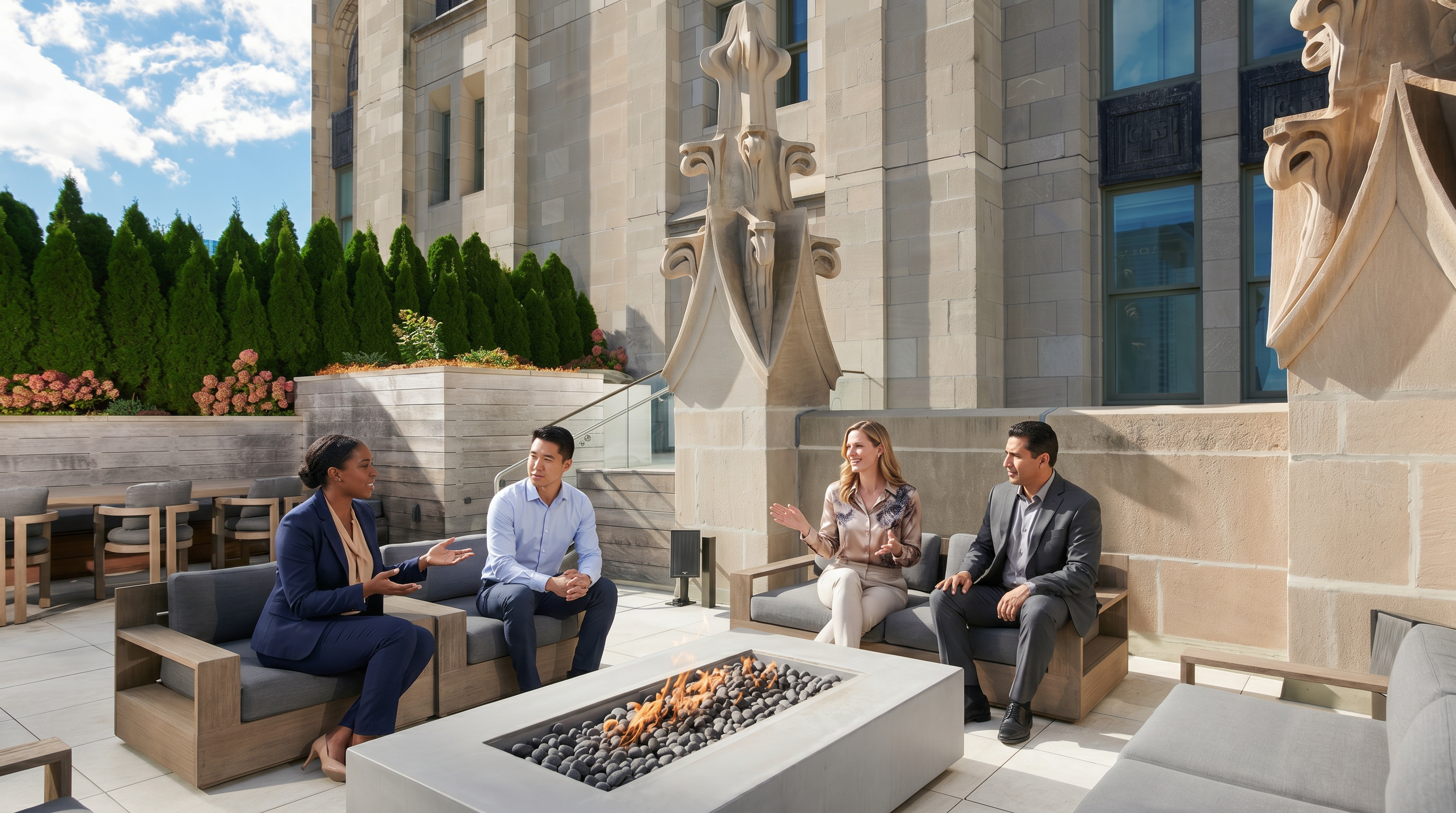
The private outdoor terrace is, by any measure, extraordinary. Framed by original Gothic limestone arches that have stood for a century, the terrace offers panoramic views of the lakefront, the river bend, and the skyline in a configuration that is genuinely unrepeatable anywhere in the city. A professional outdoor kitchen with stainless grill, a fire table lounge, manicured garden beds, and a built-in dining area transform this elevated stone platform into a fully realized entertaining destination — one that feels simultaneously ancient and impeccably contemporary.
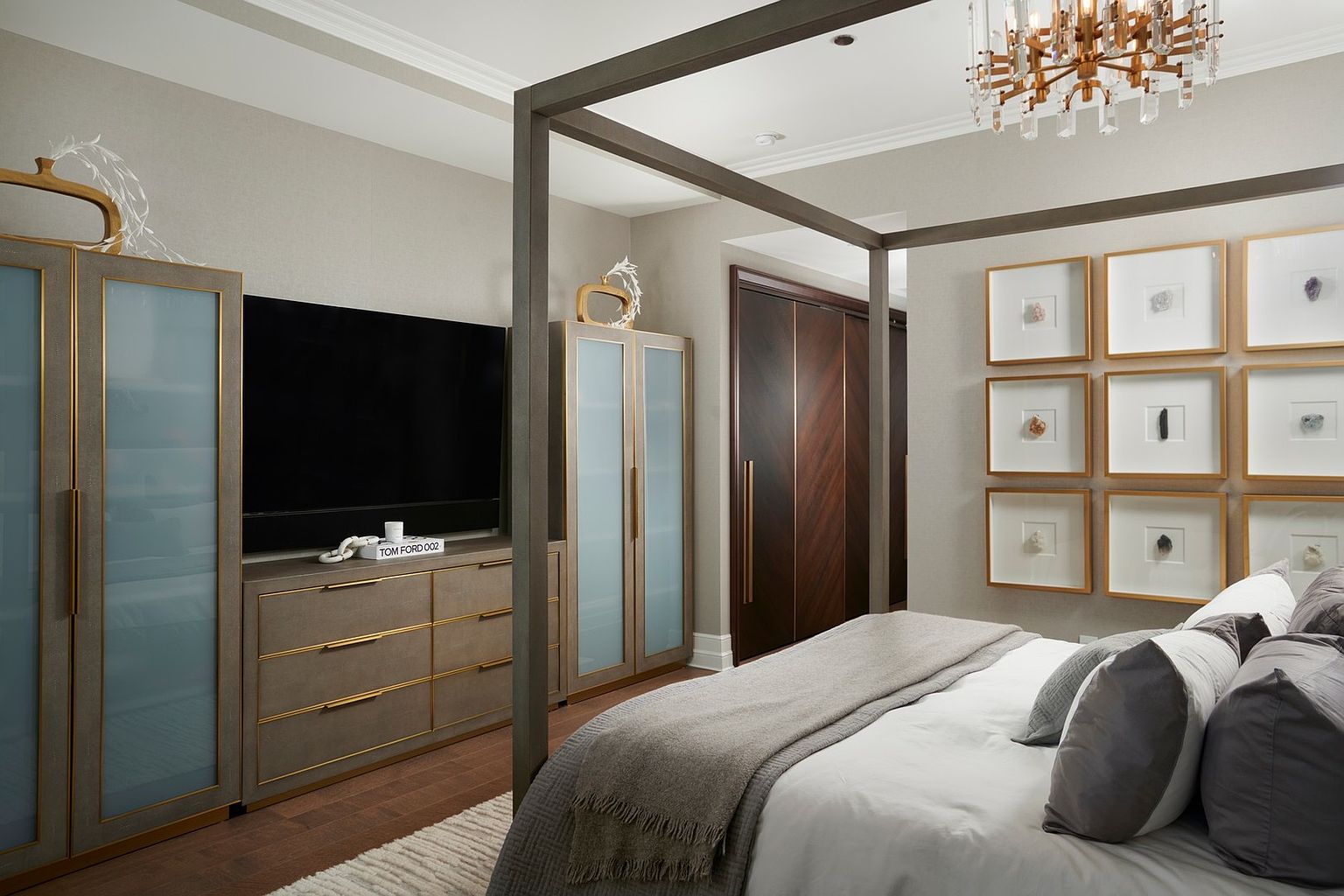
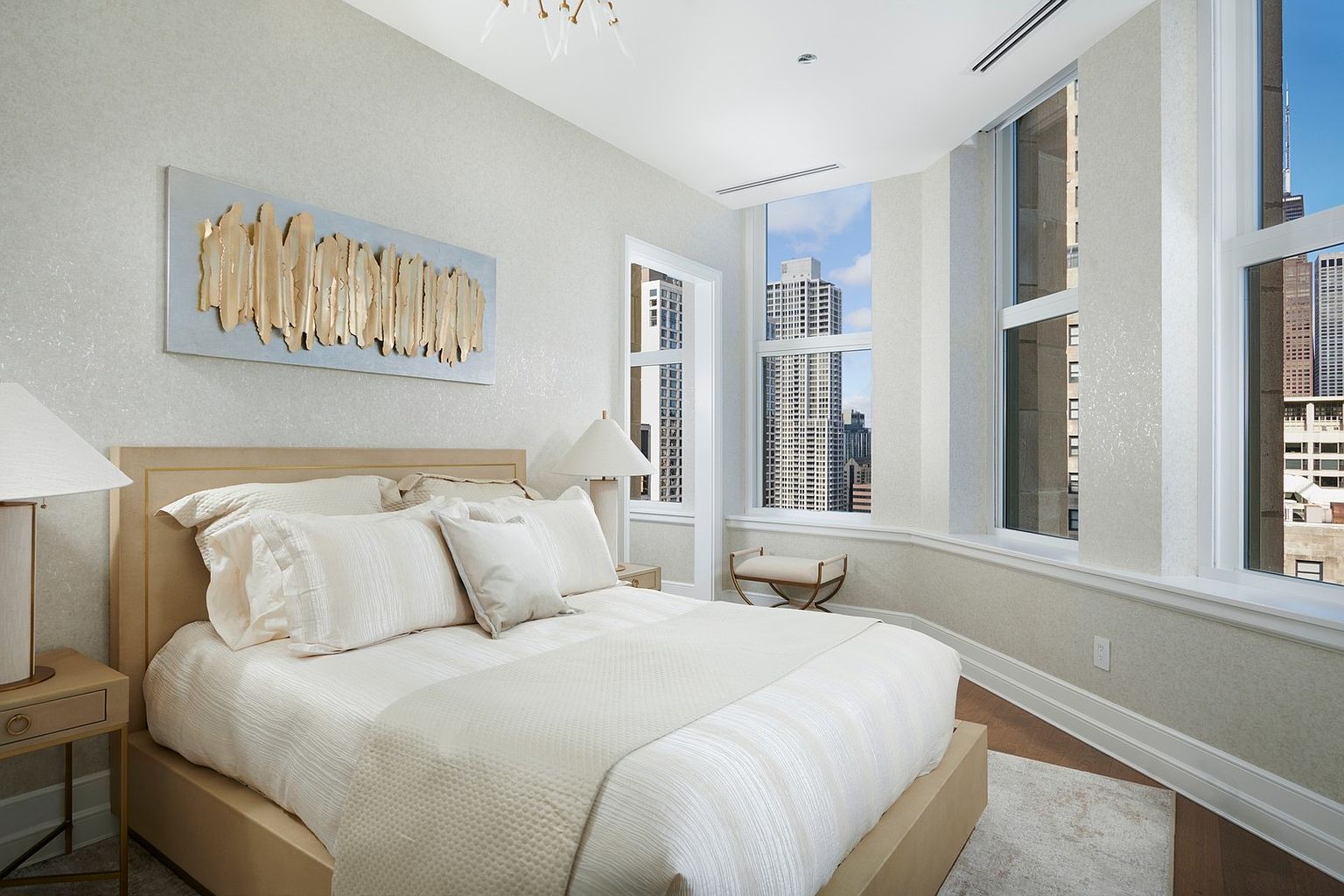
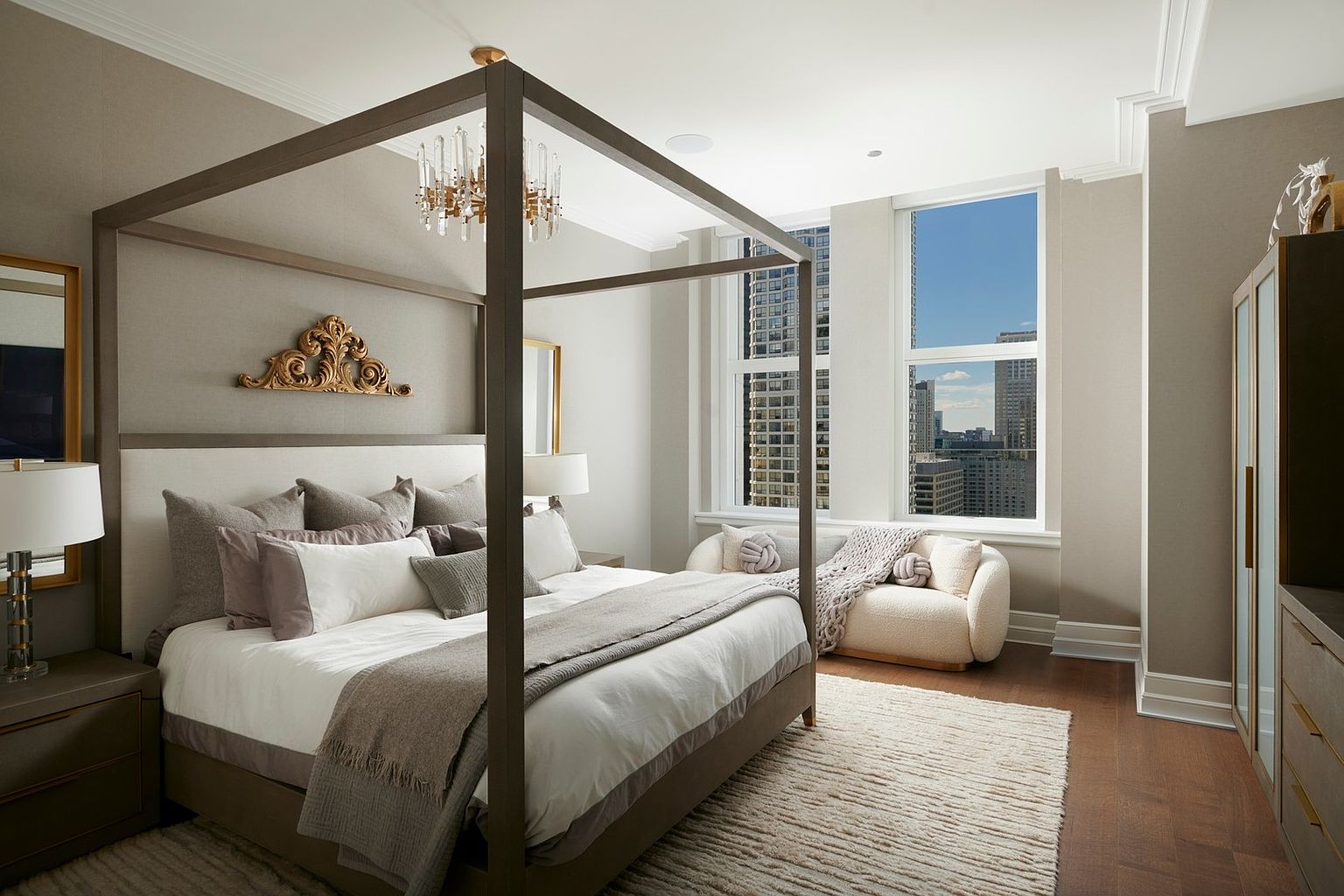
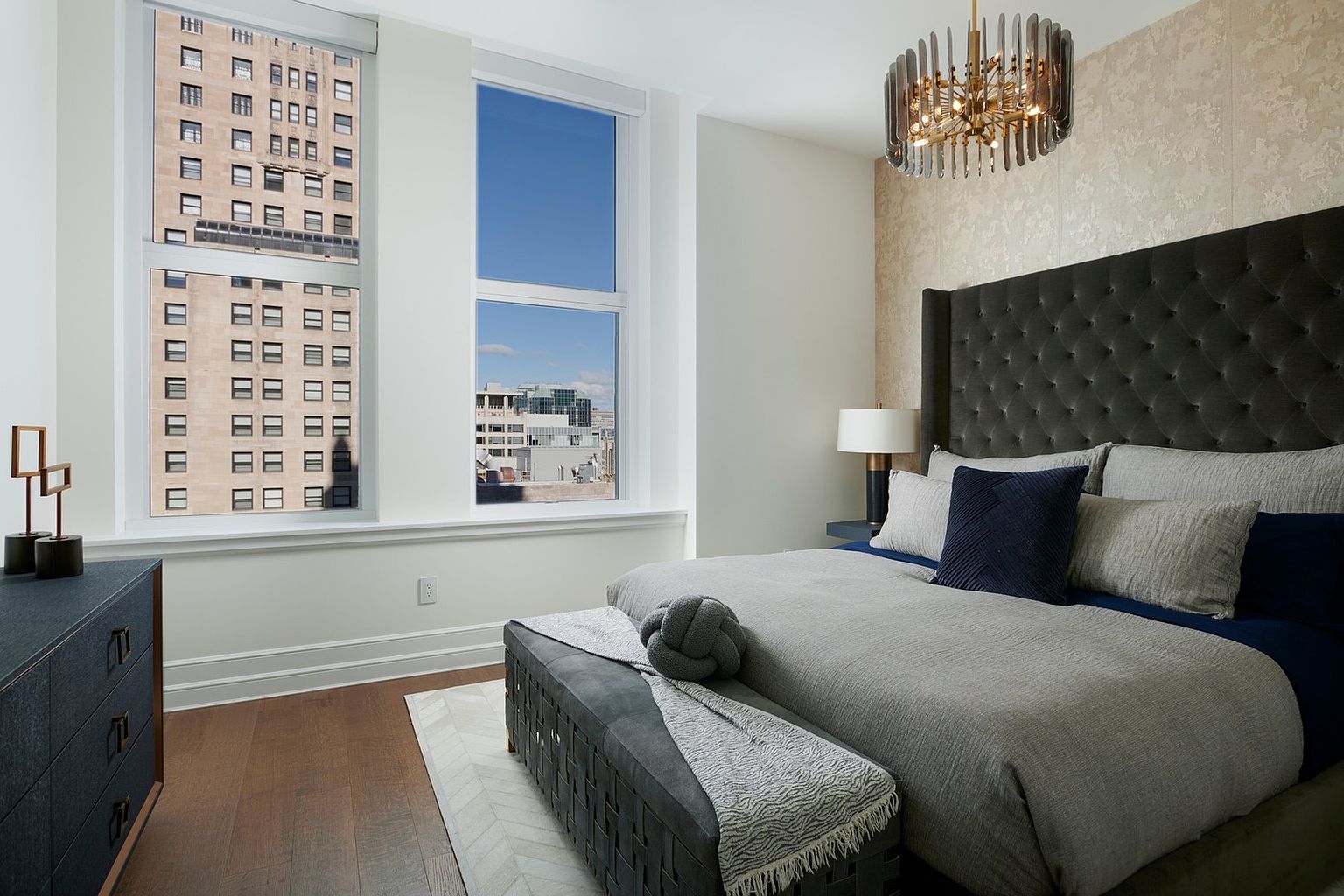
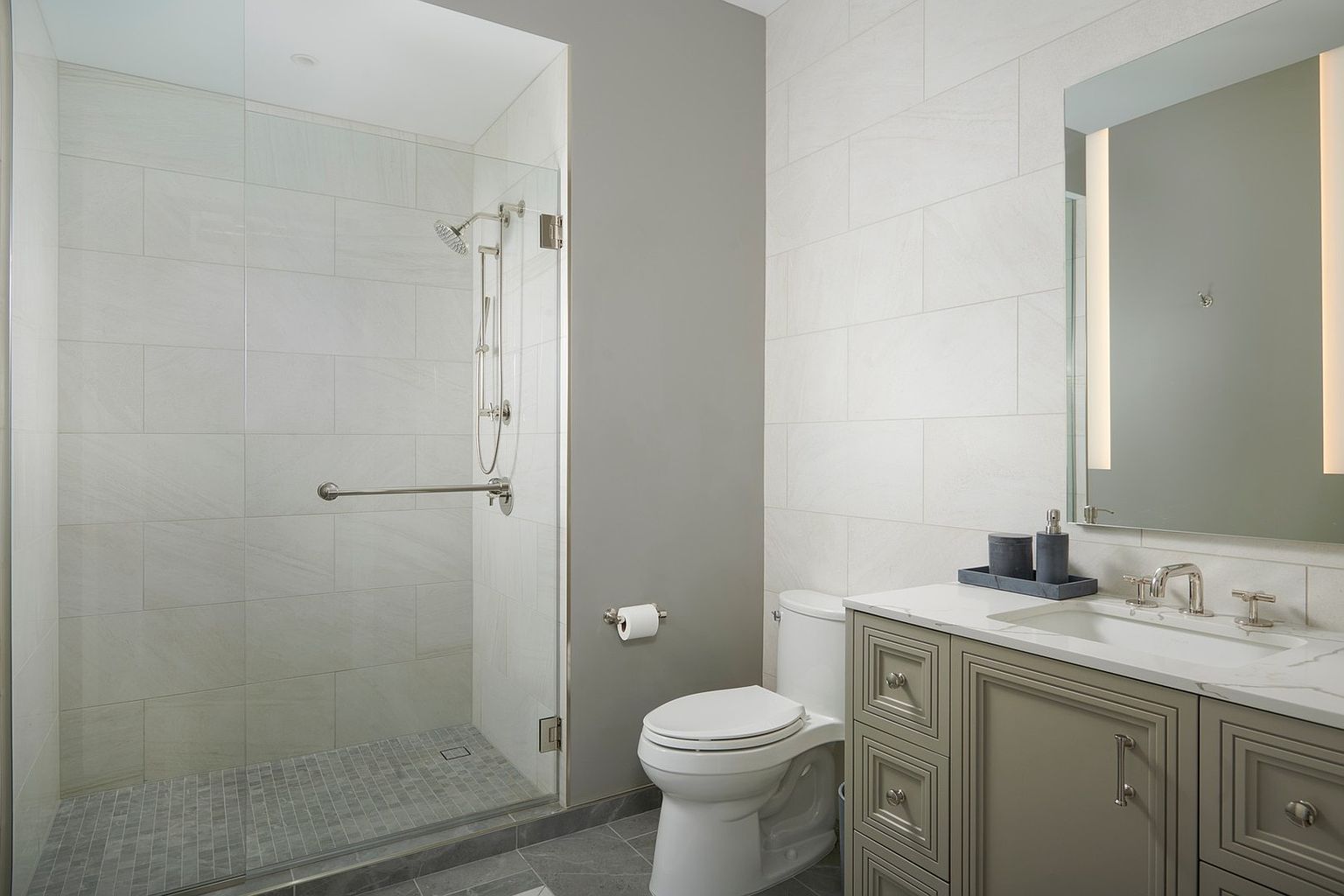
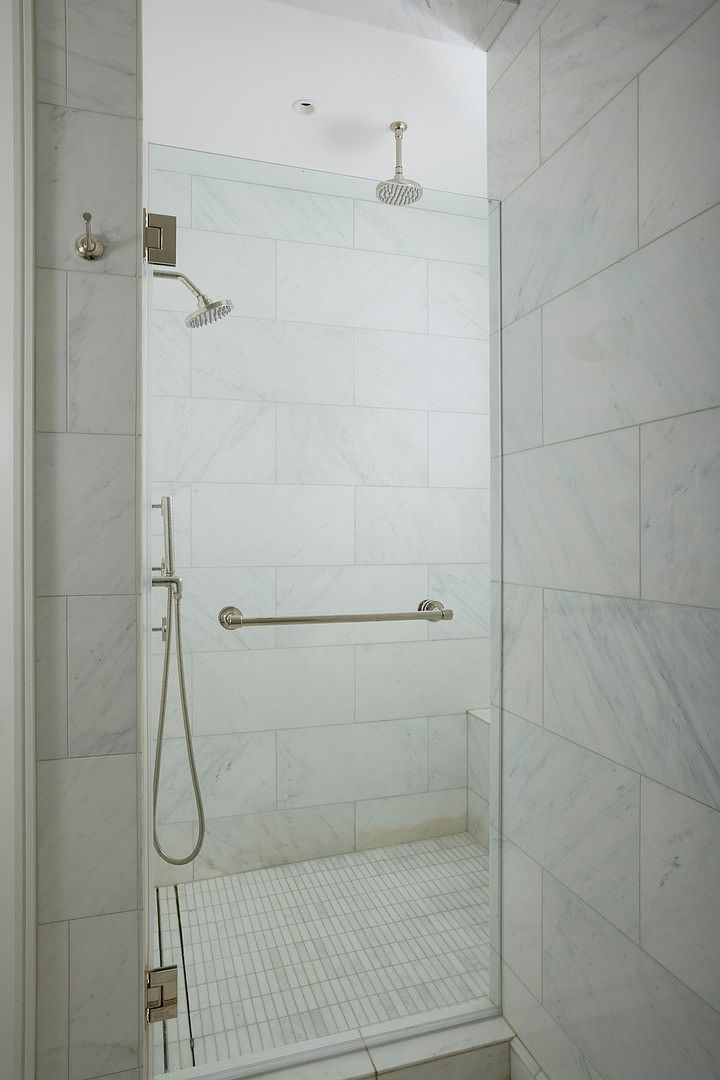
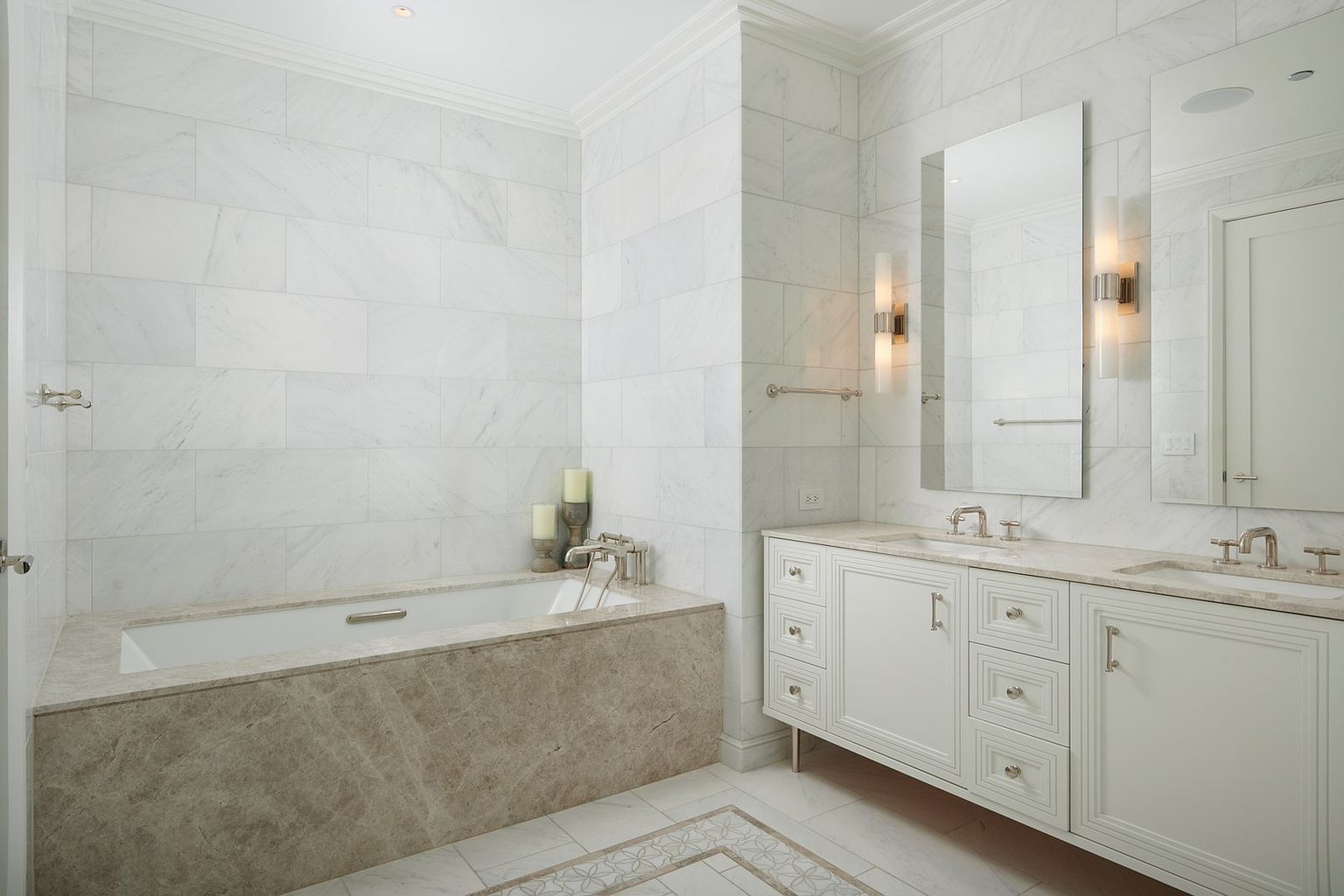
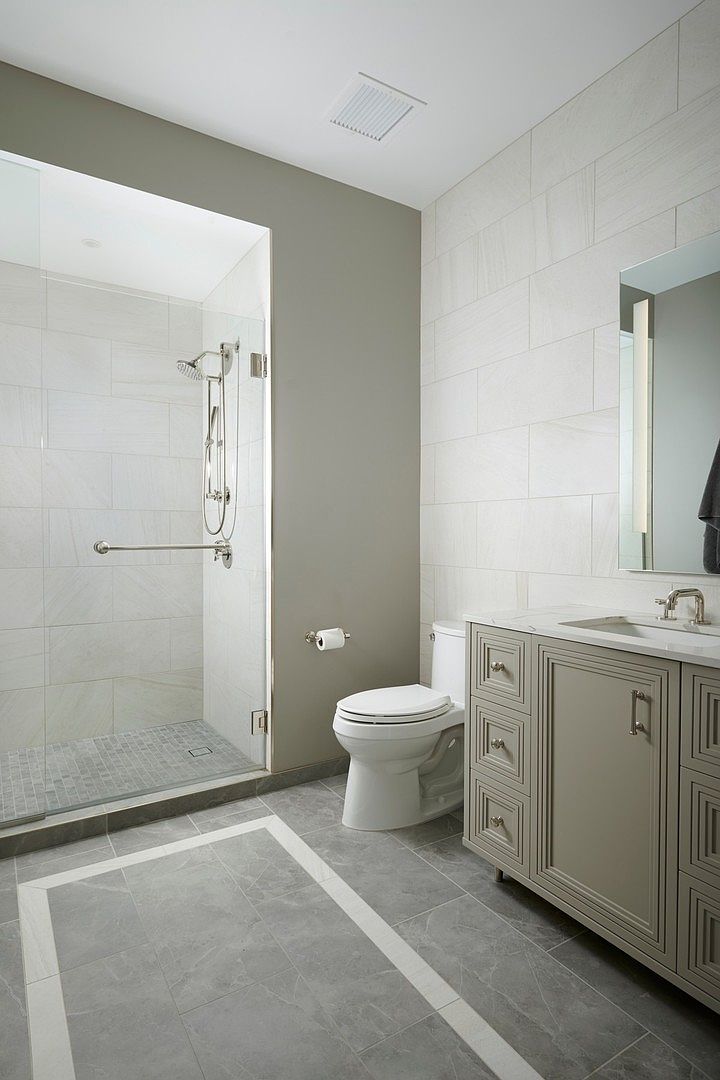
The primary suite delivers the serenity the rest of the residence promises. Bespoke fitted closets and a spa-caliber marble bathroom — featuring a deep soaking tub, oversized glass-enclosed rainfall shower, and dual vanity — ensure that daily rituals are treated as the luxuries they should be. Two additional en-suite bedrooms and a flexible den complete a floor plan that is as functional as it is beautiful. Crestron home automation governs surround sound, motorized shades, and climate throughout. Three prime parking spaces on the main level complete a truly turnkey offering.
To live at 435 North Michigan Avenue is to occupy one of the most consequential addresses in American urban culture. The Magnificent Mile — the stretch of Michigan Avenue running north from the Chicago River to Oak Street — is not merely a shopping destination. It is the physical expression of Chicago's civic ambition: a boulevard conceived in Daniel Burnham's 1909 Plan of Chicago, redesigned and elevated by the construction of the Michigan Avenue Bridge in 1920, and subsequently lined with the architectural landmarks that define the city's identity. Tribune Tower stands at the southern anchor of this corridor, its Gothic limestone spire visible from the lake and the river alike, a fixed point around which the city continues to evolve.
The immediate neighborhood, known as Streeterville, stretches east of Michigan Avenue toward the lakefront and is one of Chicago's most desirable urban enclaves. Named for the colorful squatter George Wellington Streeter, who famously claimed the landfill territory as his own in the late nineteenth century, Streeterville today is a dense, walkable district of luxury residences, world-class cultural institutions, and some of the city's finest dining. Northwestern Memorial Hospital and the Feinberg School of Medicine anchor the neighborhood's northern reaches, while the Museum of Contemporary Art Chicago sits just steps to the north on East Chicago Avenue, offering one of the country's most significant collections of post-1945 art.
The lakefront is the neighborhood's defining amenity. Lake Shore Drive runs just east of the address, and the lakefront trail — extending more than eighteen miles along the shore — is accessible within minutes on foot. Navy Pier, Chicago's celebrated cultural and entertainment complex, lies a short distance to the east along the river, while Millennium Park and the Art Institute of Chicago are a brief walk south across the bridge. The riverfront itself, transformed over the past decade by the development of the Chicago Riverwalk, offers an entirely new dimension of outdoor life: kayaking, waterfront dining, and summer programming that has made the river a genuine destination rather than merely a boundary.
At street level, the Magnificent Mile delivers an unmatched retail and hospitality ecosystem. The Four Seasons, InterContinental, and Loews Chicago hotels are all proximate neighbors, and the dining landscape ranges from James Beard-recognized restaurants to neighborhood staples that have served the area for generations. Whole Foods, boutique fitness studios, and specialty retailers are all within comfortable walking distance, making car-free daily life not only possible but genuinely pleasurable.
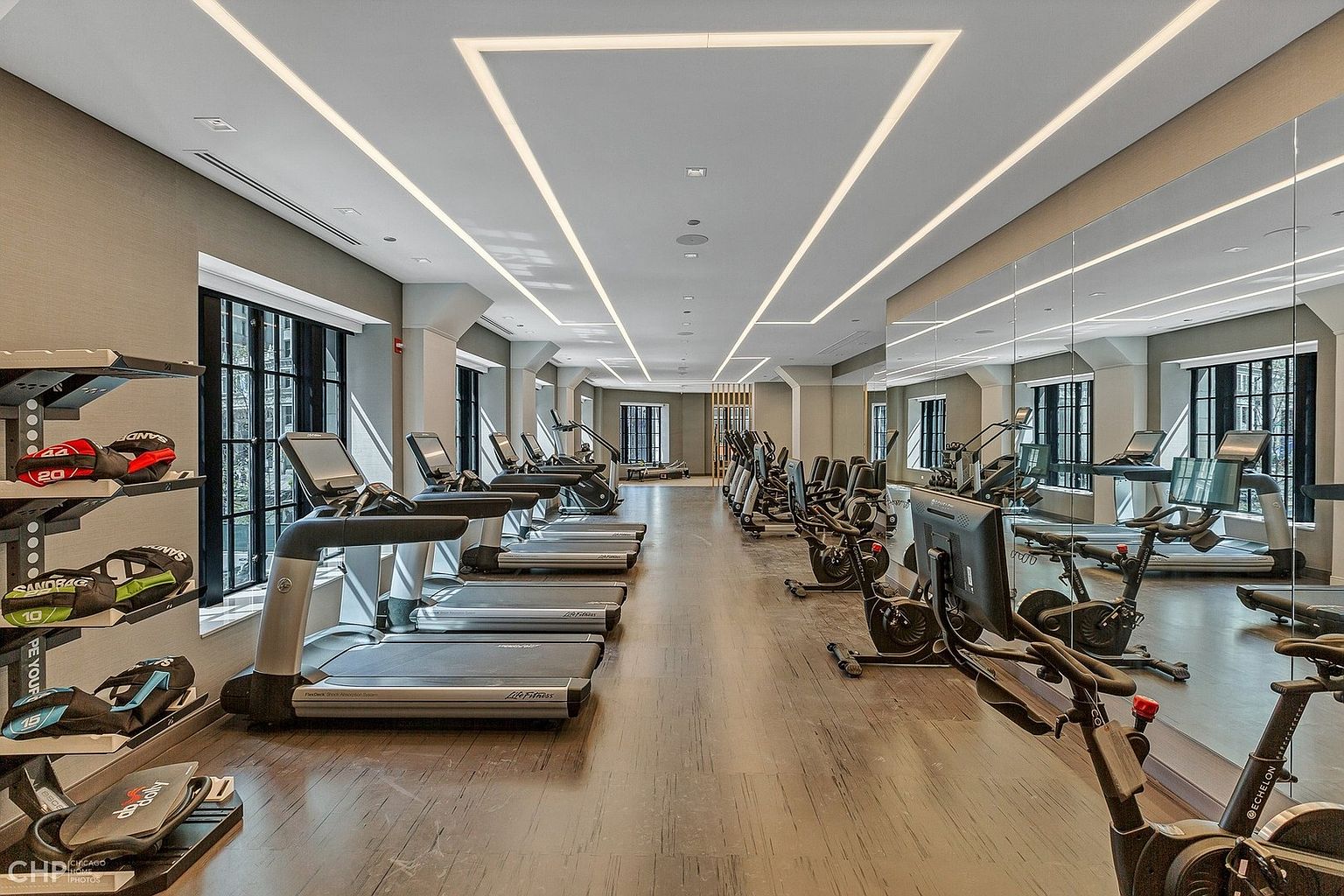
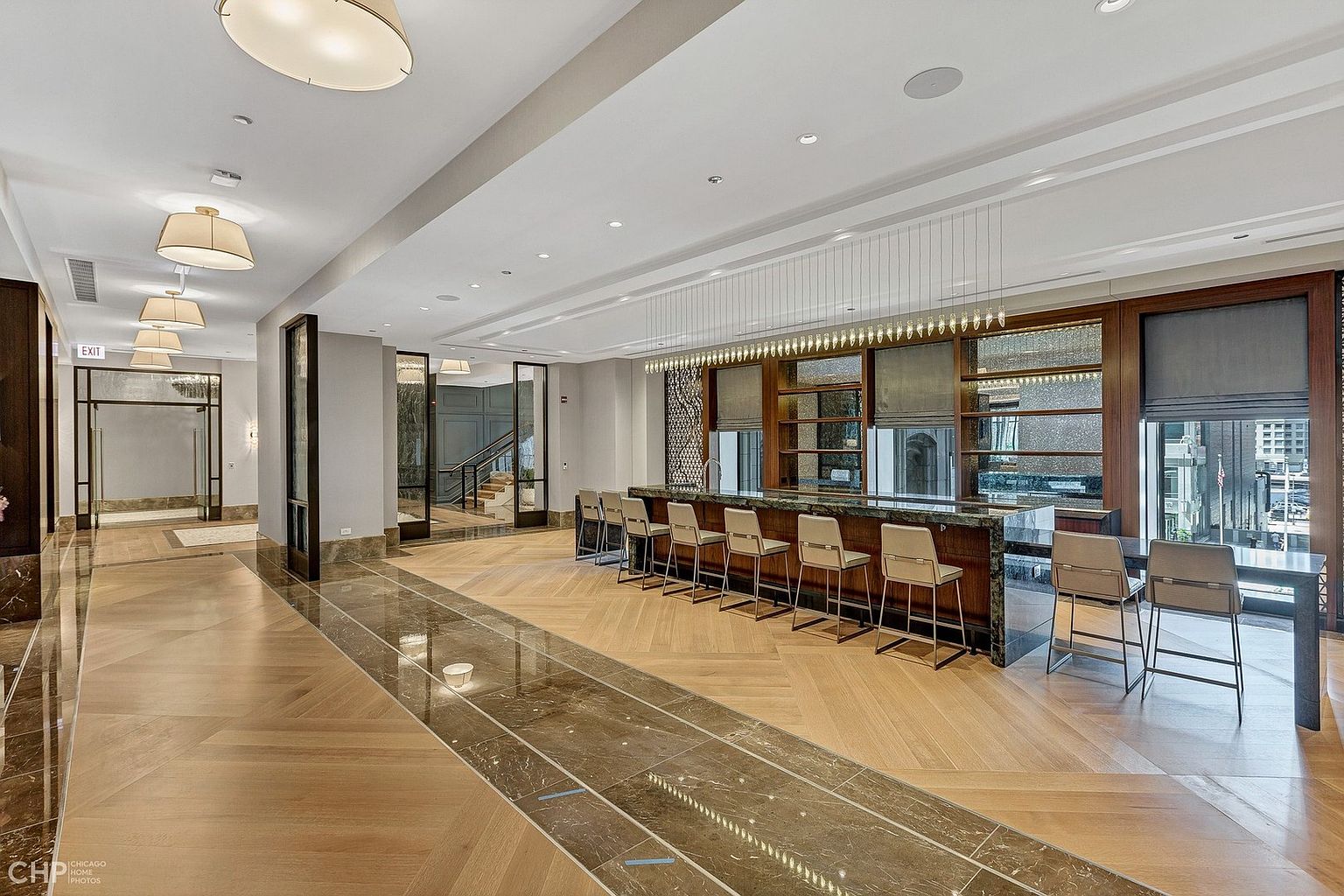
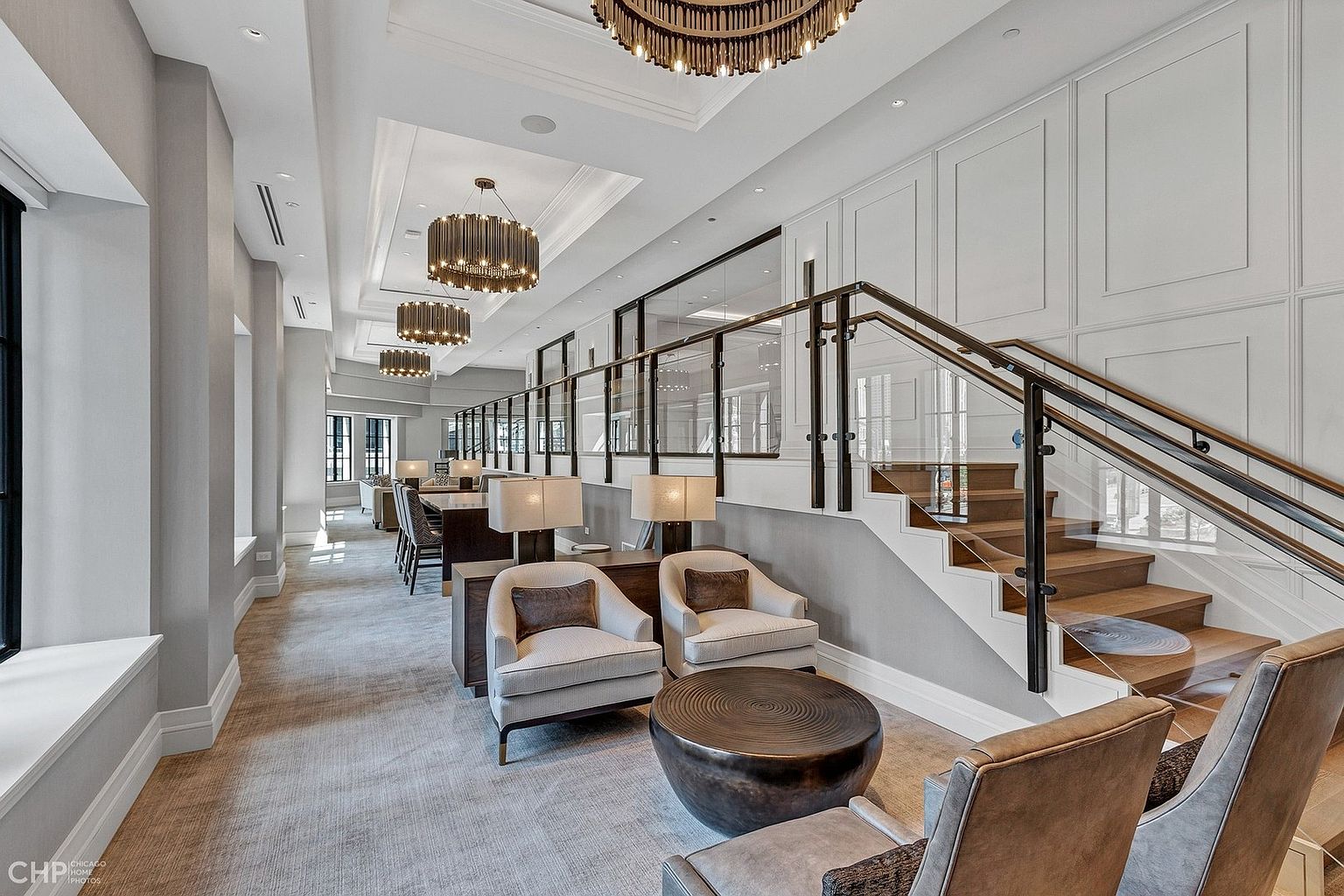
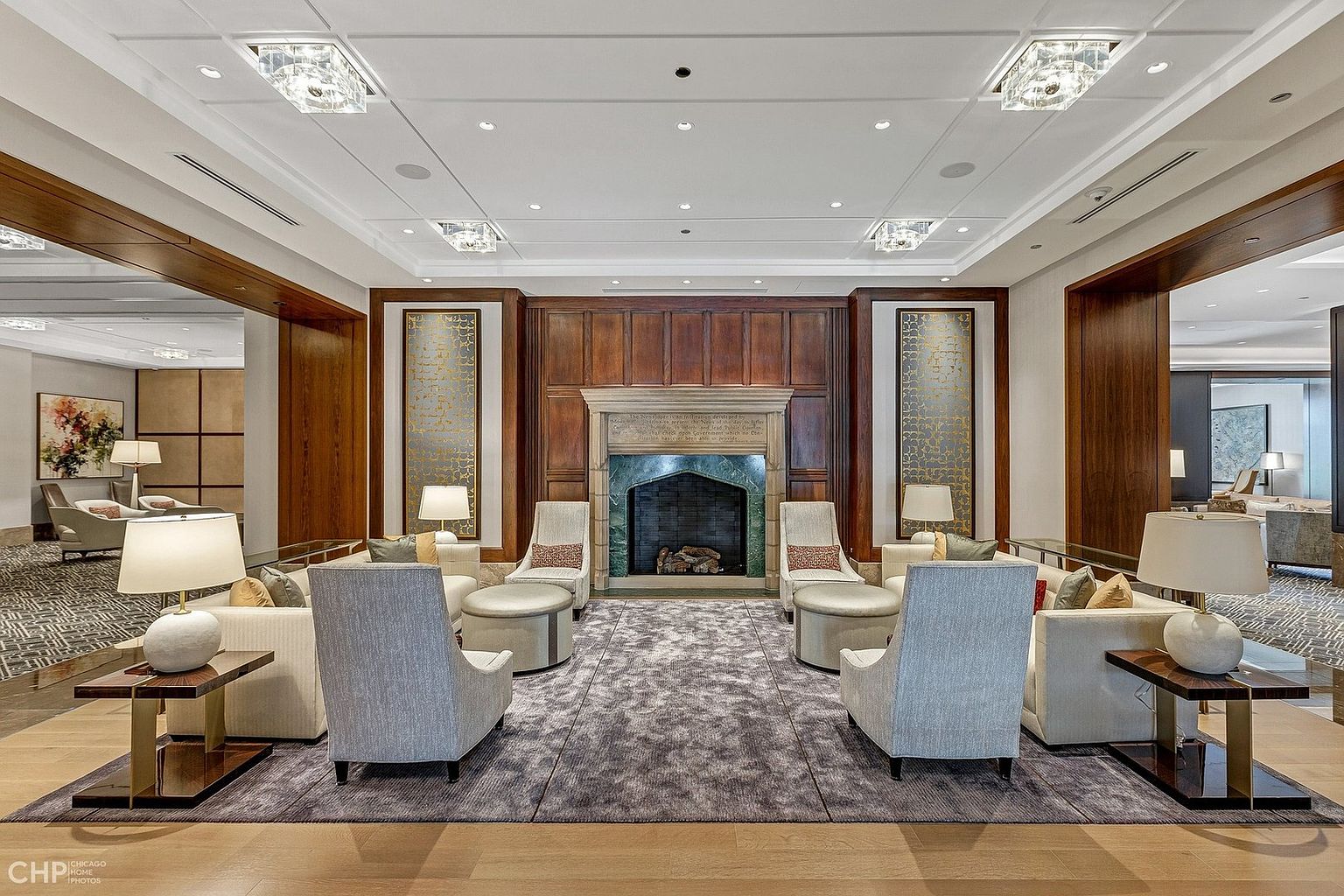
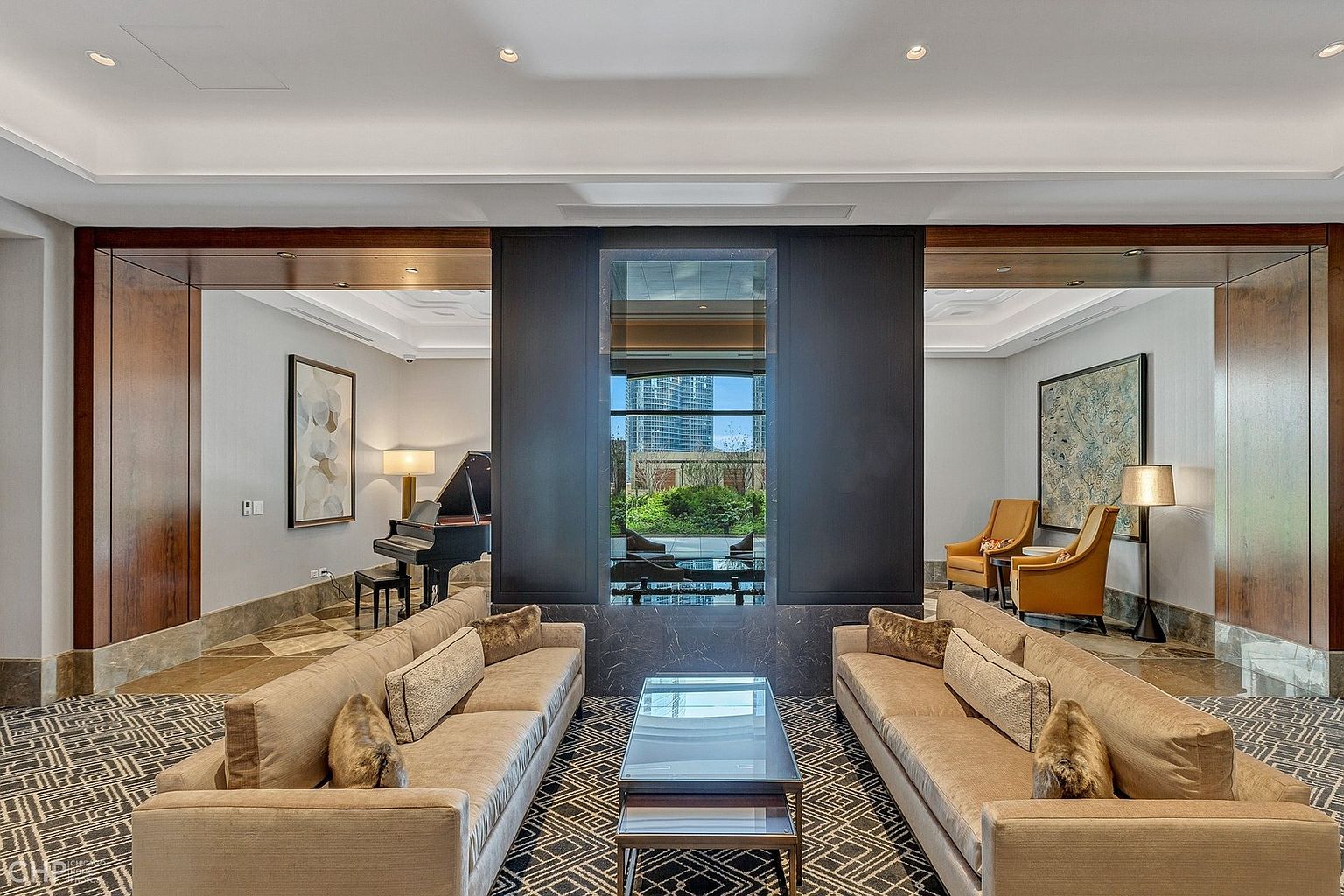
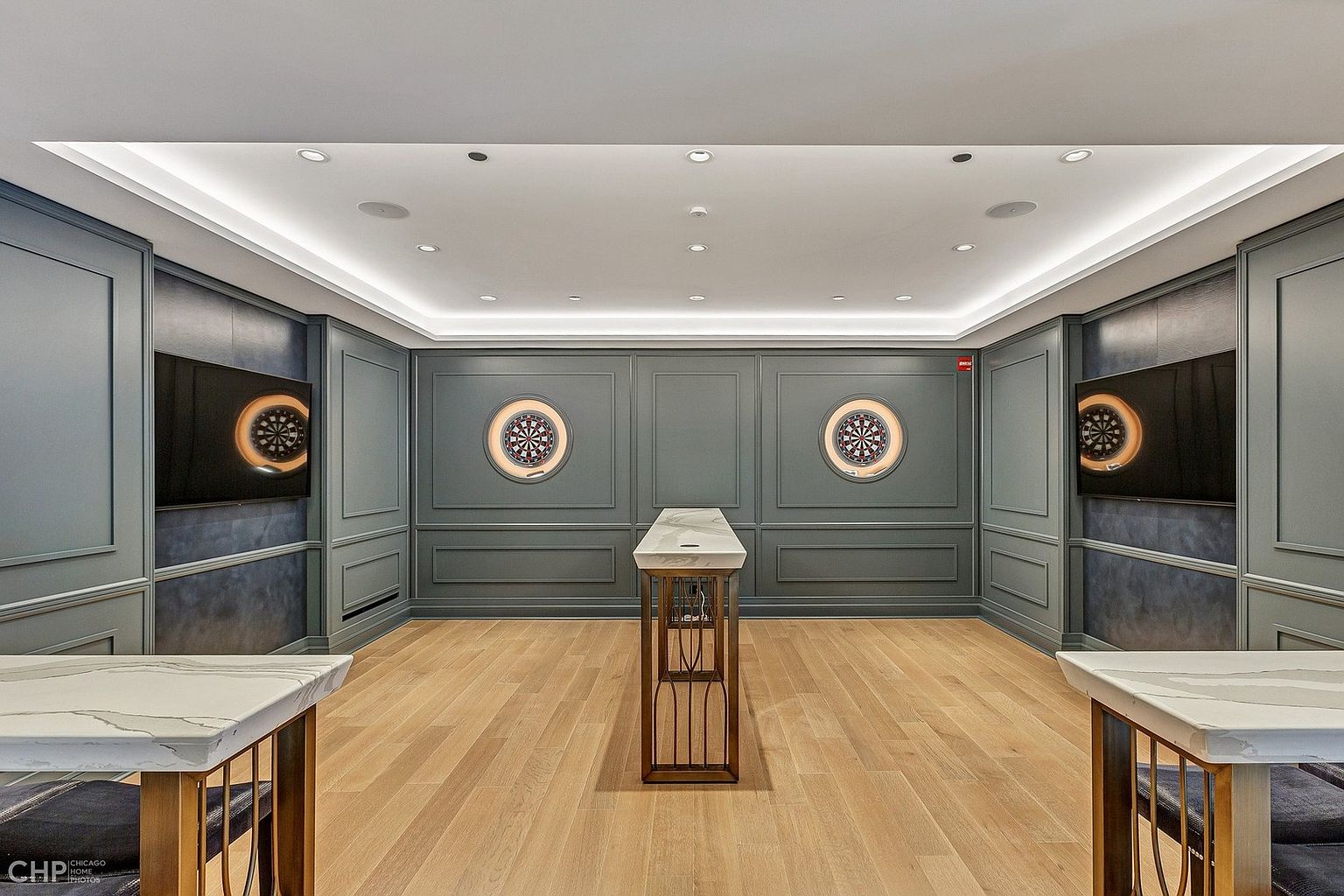
Tribune Tower's own amenity program amplifies the lifestyle considerably. The indoor pool and adjacent sundeck, state-of-the-art fitness center with spa and treatment rooms, golf simulator, private elevated park, the 25th-floor Crown Terrace, covered dog run, and 24-hour door staff with onsite property management compose an offering that rivals the city's finest full-service buildings. Here, history, culture, lakefront access, and urban convenience converge at a single address — one that Chicago has recognized as iconic for the better part of a century.
Featured Highlights
Curated Content • Presented by Ryan Preuett